
Feather Care for Specific Bird Species: Adapting Grooming to Your Pet

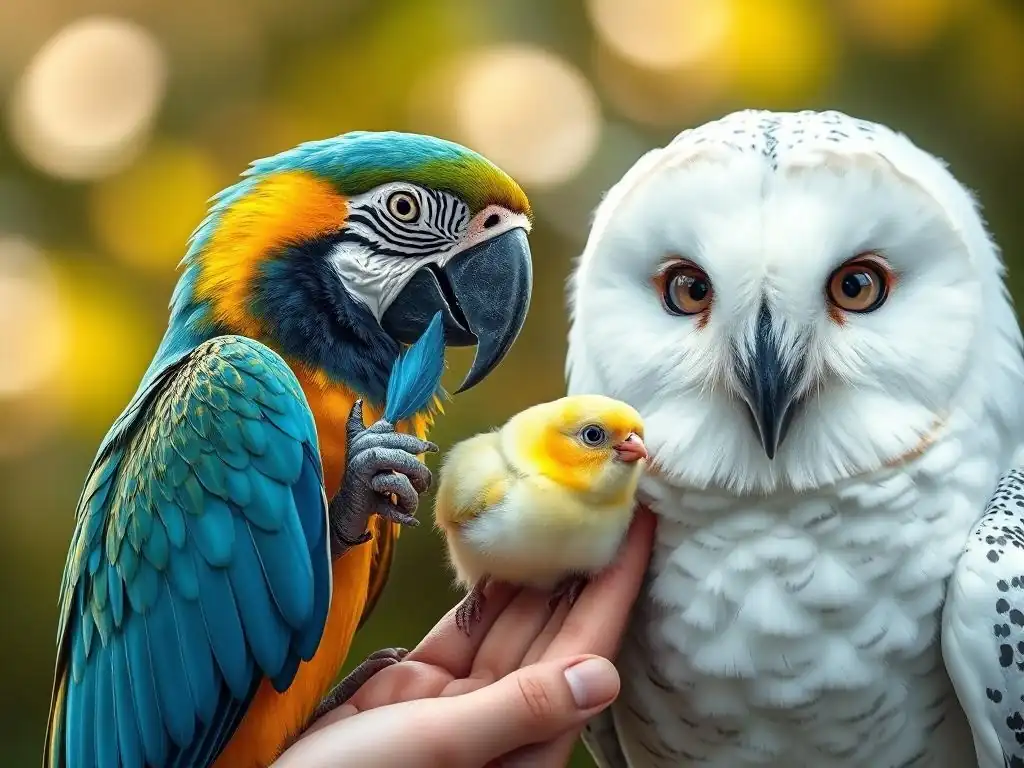
Welcome to PetCareWorld, your ultimate guide to a happier, healthier life for your beloved companion! Are you ready to unlock the secrets to vibrant feather health for your feathered friend? Discover how understanding bird species specific feather care can transform your bird's well-being. Dive into our expert guide and learn the techniques and tips that will keep your avian companion looking and feeling their absolute best. Let's explore the fascinating world of bird grooming together!
- Understanding Bird Species Specific Feather Care Needs
- Essential Feather Care Techniques for Different Bird Species
- Advanced Feather Care: Addressing Specific Problems
- Maintaining Optimal Feather Health Through Diet and Environment
- Creating a Bird-Friendly Grooming Routine
- Frequently Asked Questions
- Final Reflection: The Enduring Bond: Understanding Your Bird's Unique Needs
- Unlock Your Bird's Sparkling Plumage: A Grooming Revolution
Understanding Bird Species Specific Feather Care Needs
Maintaining a bird's plumage is crucial for its overall health and well-being. A bird's feathers provide insulation, waterproofing, and are essential for flight (in most species). Neglecting feather care can lead to a variety of problems, from minor discomfort to serious health issues.
This article dives deep into the fascinating world of avian feather care, emphasizing the critical importance of tailoring your grooming approach to the specific needs of your bird species. We'll explore how different species have unique feather structures and sensitivities, requiring individualized care to ensure their beautiful plumage remains healthy and vibrant. Understanding these species-specific needs is not just about aesthetics; it's about ensuring your feathered friend thrives.
Improper grooming techniques can cause stress, injury, and even disease, highlighting the need for informed and species-appropriate care. This guide provides the knowledge you need to become a confident and capable avian groomer, ensuring your bird's feathers remain healthy and beautiful for years to come. Let's delve into the specifics of providing optimal feather care for your beloved companion.
Identifying Your Bird's Specific Grooming Requirements
Before you even begin thinking about grooming tools and techniques, accurate identification of your bird species is paramount. Different species have vastly different feather structures, oil gland production, and sensitivities. For example, a large parrot like a macaw will have very different feather care needs compared to a small finch. Knowing your bird's species allows you to research its specific grooming requirements.
This involves understanding the natural behaviors of the species, such as preening habits and frequency of bathing. You can find this information through reputable avian veterinary sources, ornithological societies, or specialized bird care books. Consult with an avian veterinarian to determine any specific needs your bird might have based on its breed, age, and overall health. They can provide personalized advice and address any concerns you may have regarding your bird’s unique grooming needs.
Remember, even within a single species, individual birds may have variations in feather condition due to factors like diet, environment, and overall health. Careful observation of your bird’s plumage is key to identifying any potential issues early on. Pay attention to the sheen, texture, and overall condition of their feathers; any changes could indicate a problem requiring veterinary attention.
Common Feather Issues in Different Bird Species
Several common feather problems can affect birds, and the prevalence and severity of these issues often vary significantly between species. For instance, psittacine birds (parrots, cockatoos, etc.) are prone to feather plucking, often linked to stress or underlying medical conditions. This can manifest as self-mutilation, resulting in bare patches or damaged feathers.
Smaller birds like canaries, on the other hand, are more susceptible to feather damage from parasites like mites, leading to feather loss and skin irritation. Understanding these species-specific predispositions is crucial for early detection and intervention. Furthermore, certain dietary deficiencies can lead to poor feather quality across many species. A lack of essential vitamins and minerals can result in dull, brittle feathers prone to breakage.
Maintaining a balanced and species-appropriate diet is therefore vital for maintaining healthy plumage. Regular observation for signs like dullness, breakage, or excessive feather loss is essential. Early detection allows for timely intervention, preventing the issue from escalating into a more serious problem. Keep a record of your bird's feather condition to track any changes over time and consult an avian veterinarian if you notice any significant abnormalities.
The Importance of Species-Appropriate Grooming Tools
Selecting the right grooming tools is just as crucial as understanding your bird's specific needs. Using inappropriate tools can cause damage to feathers, leading to discomfort and potential injury. For example, using a coarse brush on a delicate bird like a cockatiel could cause feather breakage. Similarly, using human hair products or harsh cleaning agents could irritate your bird's skin and damage their feathers. Always opt for tools specifically designed for birds.
These are usually softer and gentler, preventing damage to the delicate feather structure. The size and type of brush will also depend on the size and feather type of your bird. Larger birds like macaws might require a larger brush with softer bristles, while smaller birds might require a smaller, more delicate brush. Additionally, consider specialized tools like feather dusters or combs designed for removing debris and tangles from feathers.
Remember, gentleness is key. Avoid harsh scrubbing or pulling on feathers, and always approach grooming as a positive and bonding experience for both you and your bird. Regular, gentle grooming not only maintains the bird's appearance but also strengthens the bond between you and your feathered companion. Choosing the right tools and techniques is a crucial step in ensuring the health and well-being of your bird.
Essential Feather Care Techniques for Different Bird Species
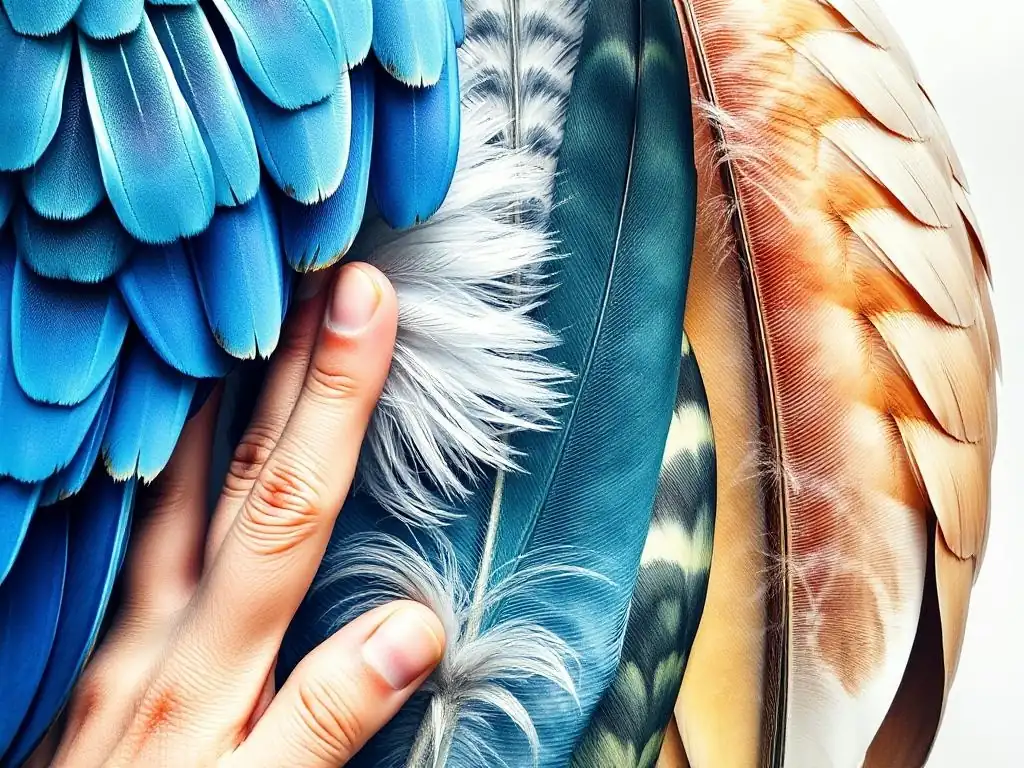
This section delves into the nuances of feather care tailored to specific bird species. Understanding these species-specific needs is crucial for maintaining your feathered friend's health and vibrant plumage. Remember, proper feather care is not a one-size-fits-all approach; it requires careful observation and adaptation to your bird's unique characteristics. Ignoring these species-specific needs can lead to various health problems, including feather damage, stress, and even infections. Therefore, dedicated attention to species-specific needs is paramount for responsible bird ownership. This detailed guide will equip you with the knowledge to provide optimal care for your avian companion.
Parrot Feather Care: Specialized Techniques and Considerations
Parrots, with their diverse and striking plumage, require specialized care to maintain their feather health and vibrant colors. Their feathers are complex and sensitive, demanding a gentle yet thorough approach to grooming.
Maintaining Vibrant Plumage in Parrots
Maintaining vibrant plumage in parrots involves a multifaceted approach. A balanced diet rich in essential vitamins, minerals, and antioxidants is fundamental. This includes a high-quality seed mix supplemented with fresh fruits, vegetables, and occasional protein sources. The specific dietary needs vary significantly depending on the parrot species; for example, Amazons have different nutritional requirements than Cockatoos. Insufficient nutrition can directly impact feather quality, resulting in dullness, fragility, and even feather loss.
Furthermore, regular environmental enrichment is crucial. Parrots require ample opportunities for natural behaviors like foraging, climbing, and playing. A stimulating environment reduces stress, a major factor contributing to poor feather condition. Providing a variety of toys that encourage chewing and exploration will help keep your parrot occupied and happy, promoting healthy feather growth.
Finally, gentle preening and occasional misting can help maintain feather quality. Always use lukewarm water and avoid harsh chemicals. Observe your parrot closely for any signs of feather damage or abnormalities, and consult an avian veterinarian if necessary.
Dealing with Feather Plucking in Parrots
Feather plucking in parrots is a serious behavioral problem that often stems from underlying stress, boredom, or medical issues. Identifying the root cause is essential for effective treatment. Potential causes include inadequate environmental enrichment, poor diet, medical conditions (e.g., parasites, hormonal imbalances), and psychological distress.
Addressing feather plucking requires a holistic approach. This may involve enriching the environment, improving the diet, veterinary examination to rule out medical causes, and behavioral modification techniques. In some cases, medication might be necessary, but this should always be under the guidance of an avian veterinarian. Early intervention is key to preventing the problem from escalating and causing permanent damage. Observe your parrot’s behavior carefully; changes in activity level, appetite, or social interactions might be indicative of underlying issues. Consistent monitoring and a proactive approach are vital in managing this challenging behavior.
Finch Feather Care: Gentle Handling and Specialized Diets
Finches, with their delicate and often brightly colored feathers, necessitate a gentle approach to grooming and care. Their small size and sensitive nature require extra caution during any handling or cleaning procedures.
Maintaining the Health of Finch Feathers
Maintaining the health of finch feathers begins with providing a nutritionally balanced diet. Finches require a high-quality seed mix specifically formulated for their species. Supplementing their diet with fresh greens, vegetables, and fruits can enhance feather condition and provide essential vitamins and minerals. Avoid feeding foods that are high in fat or sugar, as these can negatively impact feather health. Remember to always provide fresh, clean water.
Regular cleaning of their cage is also essential for maintaining feather hygiene and preventing the spread of parasites. Regularly replace soiled bedding and clean food and water dishes. Avoid using harsh chemicals when cleaning the cage, opting instead for bird-safe cleaners. A clean environment contributes significantly to the overall well-being of your finches and their feather quality.
Bathing and Drying Finches Safely
Bathing finches requires a gentle approach. Instead of submerging them in water, provide a shallow dish of lukewarm water for them to bathe in voluntarily. Supervise them closely during bathing to ensure they don't get stressed or accidentally drown. Provide a separate area with soft, absorbent materials for them to dry off in afterwards.
Avoid using a hairdryer or other artificial methods of drying, as this could damage their delicate feathers or cause them stress. Regular bathing helps keep their feathers clean and free from debris, promoting overall feather health. Remember, always prioritize safety and gentle handling when caring for your finches.
Canary Feather Care: Addressing Common Feather Problems
Canaries, with their vibrant plumage, require attentive feather care to maintain their beauty and health. Regular observation is key to early detection of potential problems. A healthy canary will have smooth, glossy feathers that lie flat against its body. Any changes, such as dullness, ruffled feathers, or feather loss, warrant immediate attention. These issues can stem from various factors, including nutritional deficiencies, parasites, stress, or underlying medical conditions.
Preventing and Treating Feather Loss in Canaries
Feather loss in canaries, or ptiloderma, can be a distressing sight for owners. Prevention is paramount. A balanced diet rich in essential vitamins, minerals, and amino acids is crucial. This includes providing a varied diet of high-quality seeds, fresh fruits and vegetables, and supplemental birdseed mixes formulated for canaries. Cleanliness is equally important; a clean cage prevents the buildup of bacteria and parasites that can contribute to feather loss.
Regular cage cleaning, using bird-safe disinfectants, is essential. If feather loss occurs despite preventative measures, veterinary consultation is necessary to rule out underlying medical issues or parasitic infestations. Treatment may involve medication, dietary adjustments, or stress reduction strategies. For example, a change in the cage's location or the addition of enrichment toys can help alleviate stress-induced feather loss.
Maintaining the Brightness of Canary Feathers
The vibrancy of a canary's feathers is a testament to its overall health. Several factors contribute to maintaining their brightness. Proper nutrition plays a significant role; a diet lacking in essential carotenoids can result in dull plumage. Providing foods rich in carotenoids, such as red peppers and carrots, can help enhance feather color. Sunlight exposure, or UV-B light supplementation, is also crucial for feather health and pigment production.
However, it's essential to avoid excessive exposure to direct sunlight, which can be harmful. Regular bathing, using lukewarm water and a gentle spray bottle, helps keep feathers clean and free of dust and debris, contributing to their overall shine. Avoid harsh chemicals or soaps; plain water is usually sufficient. Finally, a clean and stress-free environment contributes significantly to a canary's overall well-being and the brilliance of its feathers.
Cockatoo Feather Care: Dealing with Unique Feather Structures
Cockatoos, with their striking crests and large, powder-down feathers, present unique challenges in feather care. Their feathers are more prone to damage due to their size and structure. Regular grooming is crucial to prevent matting and tangles, particularly in the crest feathers. Furthermore, the powder down feathers, while essential for waterproofing and maintaining plumage health, can accumulate and cause respiratory issues if not properly managed.
Specialized Cleaning for Cockatoo Crest Feathers
The magnificent crest feathers of a cockatoo are often a focal point of admiration, but they also require special attention. These feathers are more delicate than the rest of the plumage and prone to breakage or damage. Gentle combing, using a wide-toothed comb specifically designed for birds, is recommended. Start at the tips of the feathers and work your way down to the base, avoiding pulling or tugging.
Avoid using water directly on the crest unless absolutely necessary, as this can lead to matting. If the feathers become matted, consult an avian veterinarian for guidance on safe detangling methods. Regular observation can help detect early signs of damage or problems, allowing for timely intervention.
Addressing Feather Destructive Behaviors in Cockatoos
Feather plucking or destructive chewing behaviors are unfortunately common in cockatoos. These behaviors are often linked to underlying psychological or medical issues. Environmental enrichment, including providing ample space, toys, and social interaction, is crucial in preventing these behaviors. A stimulating environment keeps the bird mentally engaged and reduces boredom, which is often a root cause of feather destruction.
If feather plucking persists, a veterinary examination is vital to rule out underlying medical conditions. Veterinary intervention may involve behavioral modification techniques, dietary changes, or medication to address any underlying issues. In some cases, specialized avian behaviorists may be consulted to develop a tailored treatment plan. Early intervention is key to preventing irreversible feather damage and improving the bird's overall well-being.
Advanced Feather Care: Addressing Specific Problems
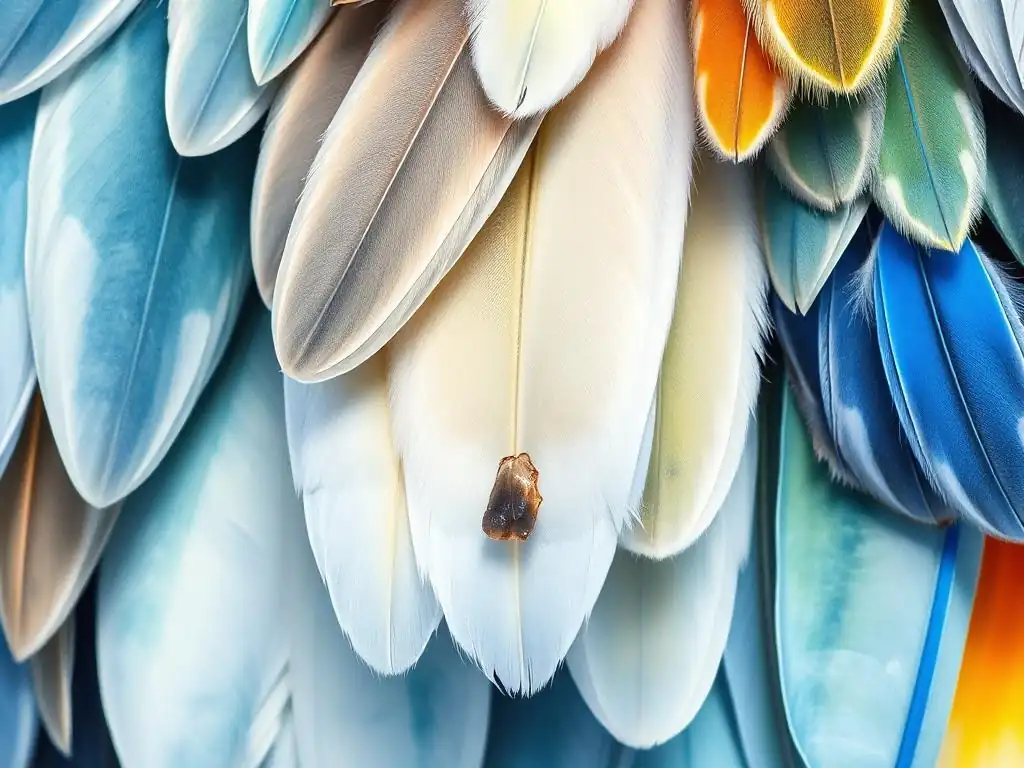
This section delves into more complex feather care issues beyond routine grooming, focusing on identifying problems and implementing effective solutions for various bird species. Remember, early detection is crucial for successful treatment, and consulting an avian veterinarian is always recommended when dealing with significant feather problems. Careful observation of your bird's plumage is paramount for maintaining its health and well-being. This involves understanding the normal appearance of feathers for your specific bird species and recognizing deviations from this norm. Different species exhibit different feather characteristics, making species-specific knowledge essential for effective bird species specific feather care.
Recognizing Signs of Feather Disease and Parasites
Recognizing early signs of feather disease and parasites is vital for timely intervention. Many conditions manifest initially through subtle changes in feather appearance or behavior. These can include:
- Feather loss or thinning: This can be localized or widespread, depending on the underlying cause. For example, excessive preening in certain areas may indicate irritation, while widespread feather loss could suggest a more systemic issue.
- Abnormal feather growth: Deformed, brittle, or dull feathers are often indicative of nutritional deficiencies, hormonal imbalances, or underlying diseases. Compare your bird's feathers to photos of healthy birds of the same species to identify any irregularities.
- Changes in feather color or texture: Discoloration, dullness, or unusual texture can be early warning signs. For instance, a change in the iridescence of a sun conure's feathers might signal a problem.
- Increased preening or scratching: Excessive preening or scratching can indicate irritation from parasites such as mites or lice. Closely examine the skin under the feathers for evidence of these parasites.
- Changes in behavior: Lethargy, reduced appetite, and changes in vocalizations can accompany feather problems and should be investigated.
Avian parasites like mites and lice can cause significant feather damage. Mites are microscopic and difficult to see with the naked eye, but their presence can be inferred from the bird's behavior (intense itching, scratching). Lice are larger and may be visible on careful examination. Regularly checking your bird’s feathers and skin for any signs of these parasites is a key aspect of bird species specific feather care. Remember, some species are more prone to certain parasites than others, highlighting the need for species-specific knowledge.
When to Consult an Avian Veterinarian: Recognizing Serious Issues
While many minor feather problems can be addressed with home care, certain situations necessitate immediate veterinary attention. These include:
- Severe feather loss: Widespread feather loss, especially if accompanied by skin lesions or bleeding, requires prompt veterinary evaluation.
- Suspected feather disease: Conditions like Psittacine Beak and Feather Disease (PBFD) require specialized veterinary diagnosis and treatment.
- Persistent feather problems: If home remedies fail to improve the condition within a reasonable timeframe, seeking veterinary advice is crucial.
- Abnormal behavior: If your bird exhibits significant changes in behavior, such as lethargy, anorexia, or self-mutilation, a veterinary examination is essential.
- Presence of parasites: While some mild infestations can be managed at home, severe infestations or those resistant to treatment require veterinary intervention. The veterinarian can perform a thorough examination and prescribe appropriate medication.
Delaying veterinary care for serious feather problems can lead to irreversible damage and compromise your bird's health. Early diagnosis and treatment dramatically improve the chances of a successful outcome. This is particularly crucial in cases of infectious diseases or severe parasitic infestations. The veterinarian will be able to accurately identify the underlying cause of the feather problems and recommend appropriate treatment strategies tailored to your bird's species and condition.
Safe and Effective Treatment of Feather Problems
Treatment for feather problems varies depending on the underlying cause. Some common approaches include:
- Nutritional adjustments: Dietary deficiencies can affect feather quality. Adjusting the diet to include appropriate vitamins and minerals can improve feather growth and condition. This might involve supplementing the diet with specific nutrients or switching to a higher-quality bird food.
- Parasite treatment: If parasites are identified, appropriate medications will be prescribed by your avian veterinarian. These medications must be used as directed to avoid harming your bird. Regular cleaning of the cage and surrounding environment is also crucial to prevent re-infestation.
- Environmental modifications: Stress and poor environmental conditions can negatively impact feather health. Ensure your bird's environment is clean, stimulating, and free from stressors. This includes providing appropriate temperature, humidity, and light cycles.
- Topical treatments: In some cases, topical treatments, such as medicated sprays or ointments, may be used to address skin irritation or promote feather regrowth. These should only be used under the guidance of an avian veterinarian.
Remember that self-treating can be harmful and potentially delay appropriate care. Always consult with an avian veterinarian before initiating any treatment for your bird's feather problems. The veterinarian can provide a tailored treatment plan based on your bird’s species, age, overall health, and the specific nature of the problem. Thorough and timely intervention is key to ensuring the health and beauty of your bird's plumage. Effective bird species specific feather care requires a proactive approach, combining regular observation, preventative measures, and timely veterinary intervention when necessary.
Maintaining Optimal Feather Health Through Diet and Environment
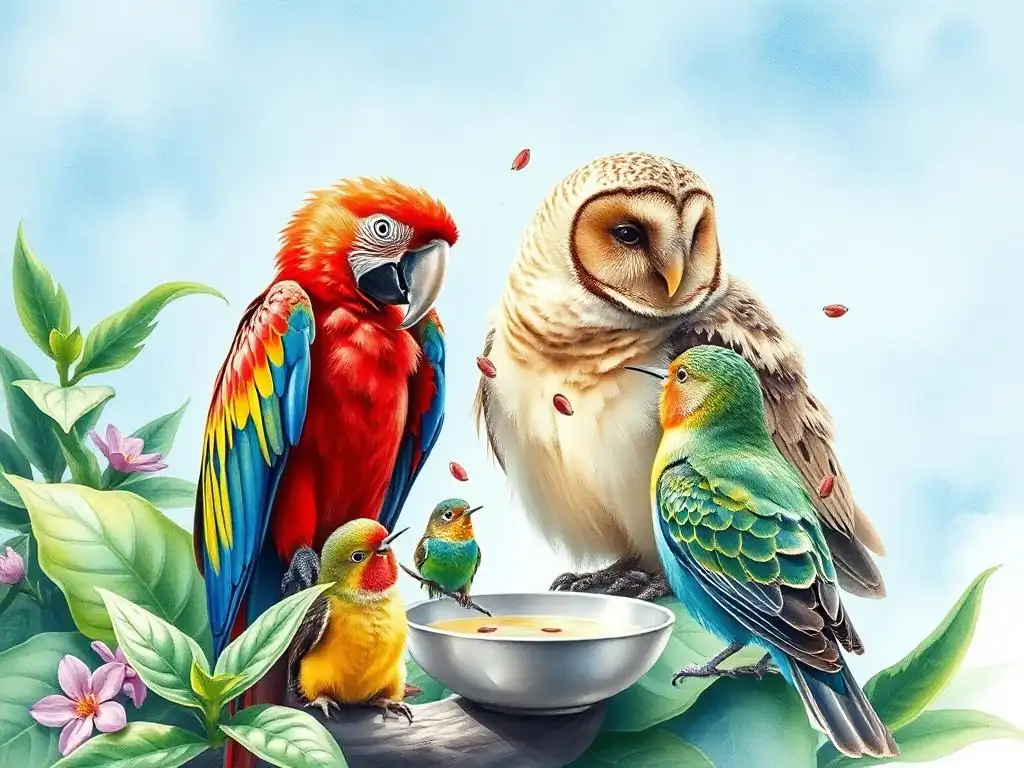
Maintaining a bird's vibrant plumage goes beyond regular grooming; it hinges on providing a holistic environment that supports healthy feather growth and overall well-being. This involves careful consideration of their diet and the creation of a stimulating and safe habitat. Neglecting these crucial aspects can lead to dull, brittle feathers, increased susceptibility to disease, and behavioral problems. Proper bird species specific feather care starts with understanding the fundamental needs of your feathered friend.
The Role of Nutrition in Healthy Feather Growth
A balanced diet is paramount for healthy feather development. Essential nutrients like proteins, fats, vitamins, and minerals are the building blocks of feathers. Protein is particularly crucial, forming the keratin structure of the feathers. Deficiencies can result in poor feather quality, leading to dullness, breakage, and even feather loss. Different bird species have varying nutritional requirements, so it's crucial to research the specific needs of your bird.
For instance, a cockatoo's diet should be rich in fruits, vegetables, nuts, and seeds, supplemented with pellets formulated for their species. Parrots, on the other hand, often benefit from a diet higher in fruits and vegetables to prevent obesity and associated feather problems. Providing a variety of fresh foods ensures a wider range of nutrients. Avoid exclusively relying on seed mixes, as these often lack essential vitamins and minerals.
Always consult an avian veterinarian to determine the best diet for your specific bird species. They can help you create a species-appropriate feeding plan that caters to your bird's age, activity level, and overall health. Regular blood tests can help detect any nutritional deficiencies early on, allowing for prompt corrective measures. Remember, a well-nourished bird is a bird with beautiful, healthy feathers!
Creating an Enriching Environment for Your Bird
Beyond nutrition, the environment plays a significant role in feather health. A stimulating and safe habitat reduces stress, a major factor contributing to feather plucking and other behavioral problems. Birds need ample space to move around, exercise their wings, and engage in natural behaviors. Consider the size and activity level of your bird when choosing a cage. A cramped cage can lead to frustration and stress, negatively impacting feather quality.
Enrichment activities are crucial. Provide a variety of toys to keep your bird mentally and physically stimulated. This could include foraging toys, puzzle feeders, swings, and perches of different textures and sizes. Rotating toys regularly prevents boredom and encourages exploration. A clean and hygienic environment is also essential.
Regular cleaning of the cage and perches removes harmful bacteria and parasites that can damage feathers. Remember, a happy, stimulated bird is less likely to develop feather problems. Consider including natural branches, for example, from safe trees like apple or birch, as perches to provide variety in texture and encourage natural behaviors. These can offer a more stimulating environment than simple, smooth perches.
Importance of Sunlight and UV-B Light for Feather Health
Sunlight is essential for the synthesis of Vitamin D3, crucial for calcium absorption and overall bone health, directly impacting feather quality. However, direct sunlight can be harmful for some bird species, so it's important to ensure controlled exposure. UV-B light is also important, playing a role in feather pigmentation and overall feather health. A lack of UV-B light can lead to dull feathers and other health issues.
Supplementing with a UV-B lamp can be beneficial, especially during winter months or if your bird doesn't have access to sufficient natural sunlight. Remember to choose a lamp specifically designed for birds and follow the manufacturer's instructions carefully regarding usage and placement. Overexposure to UV-B light can be detrimental, so balanced exposure is key.
The ideal duration and intensity of UV-B exposure will vary depending on the bird species and should be discussed with an avian veterinarian. Always monitor your bird's response to UV-B light and adjust accordingly. This ensures that you are providing the optimal amount of UV-B light without causing any harm.
Creating a Bird-Friendly Grooming Routine
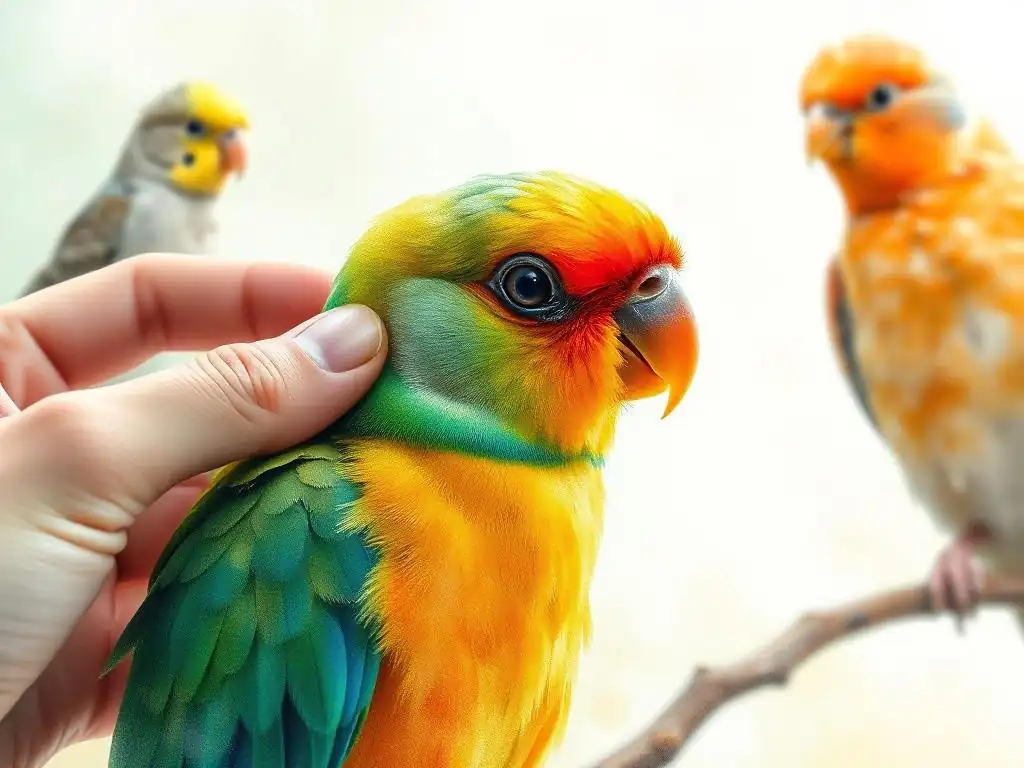
Developing a successful bird grooming routine requires understanding that each bird species has unique needs and sensitivities. A one-size-fits-all approach to bird species specific feather care is ineffective and can even be harmful. This section focuses on establishing a comfortable and safe environment and a step-by-step grooming process that minimizes stress for your feathered friend. Remember, patience and positive reinforcement are key to a positive grooming experience for both you and your bird.
Establishing a Comfortable and Safe Grooming Environment
Before you even begin thinking about brushes and combs, creating the right environment is paramount for successful bird species specific feather care. Your bird should feel secure and relaxed. This means minimizing distractions and creating a space specifically dedicated to grooming.
Consider these factors:
- Location: Choose a quiet area away from loud noises and sudden movements. A dedicated grooming station, perhaps a table covered with a soft, non-slip towel, is ideal. Avoid areas with strong drafts or direct sunlight.
- Temperature: Maintain a comfortable room temperature. Birds are sensitive to temperature fluctuations, and being too cold or too hot can increase their stress levels during grooming.
- Scents: Avoid using strong-smelling cleaning products or perfumes near your bird. Their sensitive respiratory systems can be easily irritated. Opt for natural, unscented cleaning products.
- Tools: Gather all your grooming supplies beforehand. Having everything readily available prevents interruptions during the session. This includes species-appropriate brushes, combs, nail clippers, and any other necessary tools. Remember to sanitize all tools before and after each use.
- Safety: Ensure the grooming area is secure. Birds can be surprisingly nimble, so make sure there are no escape routes or hazards within reach.
Step-by-Step Guide to a Bird Grooming Session
A successful grooming session is a gentle, methodical process. Never rush the process, and always be mindful of your bird's reactions. Observe their body language closely for signs of stress or discomfort.
Here's a sample step-by-step guide:
- Gentle Approach: Slowly and calmly approach your bird. Speak in a soft, soothing voice. Avoid sudden movements that might startle them.
- Pre-Grooming Check: Before starting the actual grooming, visually check your bird for any abnormalities such as feather damage, skin irritations, or parasites.
- Feather Brushing: Use a soft-bristled brush to gently brush their feathers in the direction of their natural growth. This helps to remove loose feathers, dust, and debris. Different bird species may require different brush types; research what's best for your specific bird.
- Careful Combing: Use a wide-toothed comb to gently detangle any matted feathers. Be extra careful around sensitive areas like the head and wings.
- Nail Trimming: Carefully trim your bird's nails using specialized bird nail clippers. Only trim the tips, avoiding the quick (the pink part of the nail containing blood vessels). If you're unsure, consult an avian veterinarian.
- Beak Cleaning: Gently wipe your bird's beak with a soft, damp cloth to remove any food residue.
- Post-Grooming Reward: After the grooming session, reward your bird with a favorite treat or playtime to reinforce positive associations with grooming.
Positive Reinforcement and Reward-Based Training During Grooming
Bird species specific feather care is significantly easier and less stressful when your bird is accustomed to being handled. Positive reinforcement is crucial for building a trusting relationship and making grooming a less daunting experience.
- Start Early: Begin handling your bird gently from a young age. This helps them become accustomed to human touch.
- Short Sessions: Keep initial grooming sessions short and sweet. Gradually increase the duration as your bird becomes more comfortable.
- Reward System: Use positive reinforcement techniques. Reward your bird with treats, praise, or playtime after each successful grooming session.
- Consistency is Key: Regular grooming sessions, even if they're short, help your bird get used to the process. Consistency builds trust and reduces anxiety.
- Recognize Stress Signals: Pay close attention to your bird's body language. Signs of stress might include ruffled feathers, rapid breathing, or attempts to escape. If you notice any stress signals, immediately stop the grooming session and try again later. Remember, bird species specific feather care should never be stressful for your pet.
Remember, patience and understanding are essential for successful bird grooming. By creating a comfortable environment and using positive reinforcement techniques, you can make grooming a positive experience for both you and your feathered companion. Always consult an avian veterinarian if you have any concerns about your bird's health or feather condition.
Frequently Asked Questions
What is the most important aspect of bird-species specific feather care?
The most important aspect is understanding that different bird species have different feather structures and grooming needs. Failing to recognize this can lead to feather damage and health problems. Consult species-specific guides for best practices.
How often should I groom my bird?
Grooming frequency depends on your bird's species and individual needs. Some birds require daily attention, while others may only need weekly grooming. Observe your bird's feathers for signs of matting or debris.
What tools are needed for bird feather care?
Essential tools include soft-bristled brushes, a fine-toothed comb, and possibly bird-safe scissors (if you're experienced). Always use gentle movements to avoid damaging feathers.
My bird has a damaged feather; what should I do?
Minor damage may heal on its own. For significant feather damage or loss, consult an avian veterinarian. Never attempt to trim or repair damaged feathers yourself unless you are properly trained.
Are there any specific dietary considerations to support healthy feathers?
Yes, a balanced diet rich in essential nutrients is crucial. This includes vitamins, minerals, and proteins. Consult your avian veterinarian for dietary recommendations tailored to your bird's species.
Final Reflection: The Enduring Bond: Understanding Your Bird's Unique Needs
The health and vibrancy of your feathered friend's plumage is a direct reflection of their overall well-being, and understanding species-specific feather care is paramount to their happiness and longevity. Ignoring these unique needs can lead to serious health complications, highlighting the critical importance of tailored grooming practices.
The journey of learning about avian feather care is a continuous one, a testament to the complex and fascinating world of our avian companions. Each species presents its own set of challenges and rewards, enriching our understanding of these creatures and deepening our bond. The care of a bird is a privilege, not a burden; it is a bond of trust and mutual respect.
This quote encapsulates the responsibility we hold as bird owners, demanding not only knowledge but also a deep commitment to their welfare. The subtle differences in feather structure, molting patterns, and even preferred bathing methods underscore the need for ongoing learning and adaptation in our caregiving.
Consider the information presented in this article a starting point, a foundation upon which you can build a deeper understanding of your own bird's unique needs. Take the time to observe your feathered friend closely, to learn their individual preferences, and to adapt your grooming techniques accordingly. By embracing this ongoing learning process, you'll not only ensure the health and beauty of their plumage but also strengthen the profound and rewarding connection you share. Remember, the vibrant feathers you admire are a testament to a healthy and happy bird, a reflection of your dedication and love.
Unlock Your Bird's Sparkling Plumage: A Grooming Revolution
Thank you for exploring the world of avian companions and learning how to personalize your bird's grooming routine! You've gained valuable knowledge about keeping your feathered friend happy and healthy. Now, let's put that knowledge into practice.
- Understand your bird's individual needs: Take some time today to carefully observe your bird's behavior and plumage, noting any areas that need extra attention. This focused observation will help you refine your grooming techniques and ensure your bird's comfort.
- Share your knowledge: Spread the word among fellow bird enthusiasts! A simple post on PetCareWorld.org sharing your discoveries could help other bird owners.
- Experiment with gentle, species-appropriate grooming tools: Try different brushes or combs to find what best suits your bird and enhances the shine of their feathers. Consider consulting an avian veterinarian or experienced bird breeder for recommendations.
What small adjustment to your bird's daily routine will you make based on what you've learned?