
Is Your Bird Wheezing? A Deep Dive into Avian Respiratory Infections

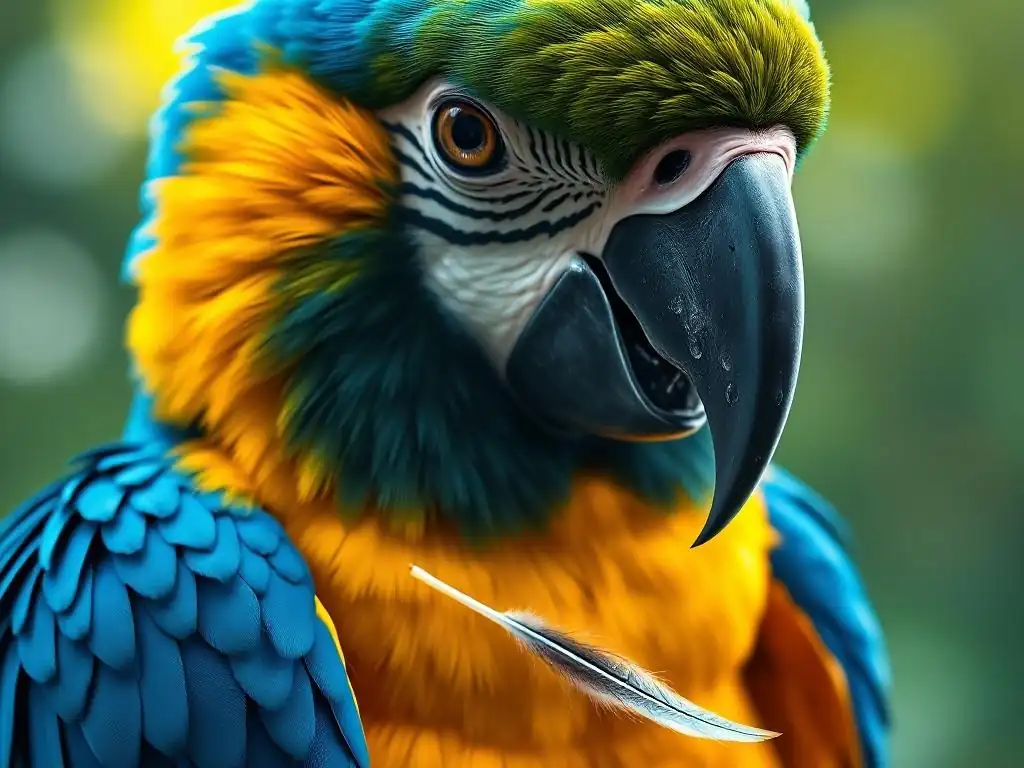
Welcome to PetCareWorld, your ultimate guide to a happier, healthier life for your beloved companions! Are you concerned about your feathered friend? We delve into the critical issue of bird wheezing respiratory infection treatment in our latest article, offering expert insights and practical steps to help you navigate this potentially serious condition. Discover how to identify the symptoms, understand the causes, and explore effective treatment options – all designed to ensure your bird thrives. Let's explore the world of avian health together!
-
Understanding Bird Wheezing: Symptoms and Causes
- Recognizing Wheezing in Birds: Sounds and Visual Cues
- Common Causes of Wheezing in Birds: Bacterial, Viral, and Fungal Infections
- Identifying Underlying Conditions Contributing to Respiratory Distress in Birds
- Environmental Factors that Exacerbate Avian Respiratory Issues: Poor Air Quality and Stress
- Diagnosing Avian Respiratory Infections: Veterinary Examination and Tests
-
Treatment Options for Bird Wheezing and Respiratory Infections
- Medical Treatments for Avian Respiratory Infections: Antibiotics, Antifungals, and Antivirals
- Supportive Care for Birds with Respiratory Issues: Oxygen Therapy, Fluid Therapy, and Nutritional Support
- Home Care for Birds with Respiratory Infections: Maintaining a Clean Environment and Providing Proper Nutrition
- Medication Administration in Birds: Techniques and Precautions
-
Preventing Avian Respiratory Infections: Proactive Measures
- Maintaining Hygiene in Bird Cages and Aviaries: Cleaning, Disinfection, and Sanitation
- Providing a Healthy Diet for Birds: Nutritional Requirements and Avoiding Deficiencies
- Stress Reduction Techniques for Birds: Creating a Safe and Enriching Environment
- Quarantine Procedures for New Birds: Preventing the Spread of Infection
- Long-Term Management of Avian Respiratory Diseases
- When to Seek Emergency Veterinary Care for Bird Wheezing
- Frequently Asked Questions
- Final Reflection: The Silent Struggle for Breath: Understanding Avian Respiratory Infections
- Breathe Easy: Take Action for Your Bird's Health
Understanding Bird Wheezing: Symptoms and Causes
Wheezing in birds is a serious symptom often indicating a respiratory infection, a condition that can rapidly deteriorate if left untreated. This comprehensive guide delves into the intricacies of avian respiratory infections, helping you understand the symptoms, causes, and potential treatments for bird wheezing. Recognizing the subtle signs of respiratory distress in your feathered friend is crucial for timely intervention and improving their chances of a full recovery.
Early detection and appropriate veterinary care are paramount in managing bird wheezing and preventing more severe complications. This article aims to equip you with the knowledge to identify, understand, and address this critical health issue in your avian companion, ultimately contributing to their overall well-being and longevity. We will explore various aspects of bird wheezing, from identifying the characteristic sounds and visual cues to understanding the underlying bacterial, viral, and fungal infections that can trigger this distressing symptom.
We'll also examine other contributing factors that can exacerbate respiratory distress in birds. Remember, this information is for educational purposes only, and professional veterinary consultation is always necessary for diagnosis and treatment.
Recognizing Wheezing in Birds: Sounds and Visual Cues
Identifying wheezing in birds requires careful observation and attention to detail. While a veterinarian's diagnosis is essential, recognizing potential symptoms early can significantly impact treatment outcomes. Wheezing itself manifests as a whistling or rattling sound during breathing, often more noticeable during exhalation. However, this sound isn't always easily discernible, especially in smaller birds or those with less pronounced symptoms.
Beyond the audible cues, several visual indicators can suggest respiratory distress:
- Open-mouth breathing: Birds typically breathe through their nostrils. Open-mouth breathing is a strong indicator of respiratory difficulty.
- Rapid breathing: An increased respiratory rate (tachypnea) is another key sign. Compare your bird's breathing rate to its normal rhythm to detect any significant changes.
- Lethargy and inactivity: A noticeably less active bird could be struggling to breathe.
- Abnormal posture: Birds might adopt an unusual posture, such as hunching or extending their necks to facilitate breathing.
- Sneezing or coughing: These actions often accompany respiratory infections, further indicating a potential problem.
- Nasal discharge: A clear, mucousy, or even purulent discharge from the nostrils can signal infection.
- Cyanosis: In severe cases, bluish discoloration of the beak, feet, or wattles (depending on the species) indicates a lack of oxygen and requires immediate veterinary attention.
It's crucial to note that these symptoms can vary depending on the bird species, the severity of the infection, and underlying health conditions. Any combination of these signs warrants a visit to an avian veterinarian.
Avian respiratory infections are frequently caused by a range of pathogens, including bacteria, viruses, and fungi. These infections can manifest in various ways, with wheezing being a prominent symptom.
- Bacterial Infections: Several bacterial species can infect a bird's respiratory system, leading to conditions like pneumonia or bronchitis. These infections can cause inflammation and mucus buildup, resulting in wheezing. Common bacterial culprits include Escherichia coli, Klebsiella pneumoniae, and Pseudomonas aeruginosa. Treatment typically involves antibiotics prescribed by an avian veterinarian.
- Viral Infections: Avian influenza (bird flu), psittacine beak and feather disease (PBFD), and several other viruses can affect the respiratory tract, causing wheezing and other respiratory symptoms. Viral infections are often more challenging to treat than bacterial infections, and supportive care is crucial.
- Fungal Infections: Fungal infections, such as aspergillosis, are less common but can be severe. Aspergillus fumigatus is a common fungal species causing respiratory disease in birds. These infections can cause inflammation and blockages in the airways, leading to wheezing and other respiratory problems. Treatment often involves antifungal medications.
Accurate diagnosis of the specific pathogen requires laboratory testing, such as bacterial cultures or PCR tests. Self-treating is strongly discouraged; veterinary intervention is essential for effective treatment.
Identifying Underlying Conditions Contributing to Respiratory Distress in Birds
While infectious agents are common culprits, various underlying conditions can contribute to or exacerbate respiratory distress in birds, leading to wheezing. These can include:
- Environmental factors: Poor air quality, dusty environments, exposure to smoke or fumes, and temperature extremes can irritate the respiratory system, making birds more susceptible to infections and causing wheezing.
- Nutritional deficiencies: Inadequate nutrition can weaken the bird's immune system, increasing its vulnerability to respiratory infections. A balanced diet is crucial for maintaining respiratory health.
- Stress: Stressful situations, such as changes in environment, overcrowding, or the introduction of new birds, can weaken the immune system and increase susceptibility to respiratory problems.
- Underlying diseases: Other health issues, such as heart disease or kidney disease, can compromise respiratory function and contribute to wheezing.
Addressing these underlying conditions is crucial for effective management of respiratory distress. A thorough veterinary examination is necessary to identify any contributing factors and develop a comprehensive treatment plan. Early detection and prompt veterinary care are key to improving your bird's prognosis and quality of life.
Environmental Factors that Exacerbate Avian Respiratory Issues: Poor Air Quality and Stress
Poor air quality significantly impacts a bird's respiratory health, often exacerbating existing conditions or triggering new ones. Particulate matter, such as dust, smoke, and fumes from cleaning products, can irritate the delicate lining of the respiratory tract, leading to inflammation and wheezing. Even seemingly harmless things like cooking fumes or strong perfumes can trigger respiratory distress in susceptible birds. Ensuring a clean and well-ventilated environment is crucial.
Regular cleaning, using pet-safe cleaning products, and avoiding exposure to smoke and other air pollutants are essential preventative measures. Proper ventilation is key; stagnant air allows irritants to accumulate. Consider using air purifiers with HEPA filters to remove airborne particles, especially in smaller spaces.
Regularly changing filter elements is vital to maintain their effectiveness. Failing to address poor air quality can lead to chronic respiratory problems, requiring extensive and potentially costly veterinary interventions. For example, a budgie kept in a poorly ventilated kitchen regularly exposed to cooking fumes might develop chronic bronchitis, leading to persistent wheezing and a reduced quality of life.
Stress is another significant environmental factor that can negatively affect a bird's respiratory system. Stress weakens the immune system, making birds more vulnerable to infections. Loud noises, sudden movements, overcrowding, or even the introduction of a new pet can induce stress. Birds are highly sensitive creatures, and their responses to stress can manifest physically, including respiratory issues.
Providing a calm and enriching environment is crucial for maintaining their well-being. This includes providing ample space, suitable perches, engaging toys, and a consistent daily routine. Minimizing exposure to loud noises and sudden changes in their environment can significantly reduce stress levels. Observing your bird's behavior is also important; changes in activity levels, appetite, or vocalizations can signal stress.
For instance, a cockatoo subjected to frequent loud noises may exhibit increased wheezing due to stress-induced physiological changes. Addressing the root cause of stress and providing a secure and predictable environment is vital for preventing respiratory problems. Remember, a happy and relaxed bird is a healthy bird.
Diagnosing Avian Respiratory Infections: Veterinary Examination and Tests
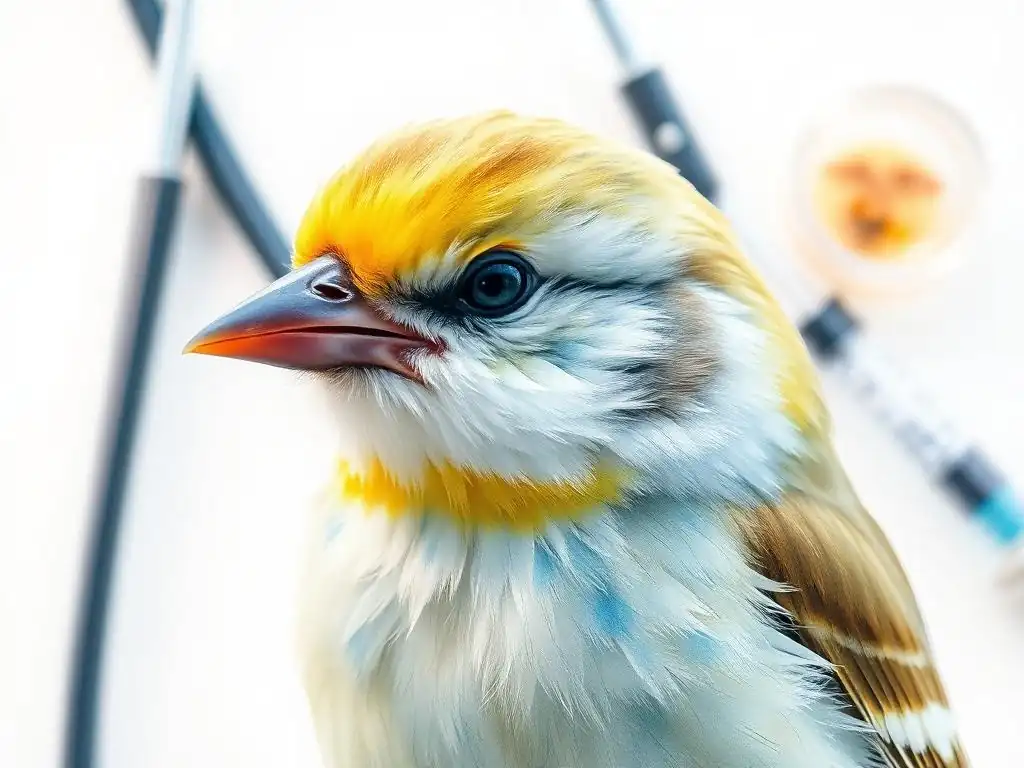
Diagnosing respiratory infections in birds requires a thorough veterinary examination and often involves several diagnostic tests. Early intervention is crucial for successful treatment, as avian respiratory infections can rapidly progress and become life-threatening. The key to effective "bird wheezing respiratory infection treatment" is swift and accurate diagnosis. This section details the essential steps in identifying the underlying cause of your bird's respiratory distress.
The Importance of a Prompt Veterinary Visit for Wheezing Birds
Avian respiratory systems are delicate, and even seemingly minor symptoms like wheezing can indicate a serious underlying problem. Delaying veterinary care can lead to irreversible lung damage or even death. The sooner your bird receives professional attention, the better the chances of successful treatment and recovery. Observe your bird closely for any changes in behavior, appetite, or vocalizations.
Signs of lethargy, decreased activity levels, ruffled feathers, and changes in droppings alongside wheezing are all serious indicators demanding immediate veterinary care. Don't hesitate; a prompt visit can significantly improve your bird's prognosis. Remember, early diagnosis is key to effective "bird wheezing respiratory infection treatment."
Diagnostic Tools Used to Identify Respiratory Infections in Birds: X-rays, Blood Tests, and Cultures
Several diagnostic tools are used to pinpoint the specific cause of your bird's respiratory issues. These range from simple visual examinations to more advanced procedures.
- Physical Examination: A thorough physical exam is the first step. The veterinarian will assess your bird's overall health, listen to its respiratory sounds with a stethoscope (auscultation), and examine its droppings for any abnormalities.
- Radiography (X-rays): X-rays provide images of the bird's lungs and air sacs, revealing any signs of inflammation, fluid buildup, or other abnormalities indicative of infection. They can help visualize the extent of the damage and guide treatment decisions.
- Blood Tests: Complete blood counts (CBCs) and blood chemistry panels help assess your bird's overall health and identify any underlying conditions that might be contributing to or complicating the respiratory infection. These tests can reveal signs of inflammation, infection, and organ dysfunction.
- Bacterial and Fungal Cultures: Samples from the bird's trachea or cloaca can be cultured to identify the specific bacteria or fungi causing the infection. This is essential for determining the most effective antibiotic or antifungal treatment. Identifying the specific pathogen is critical for effective "bird wheezing respiratory infection treatment."
- Other Tests: Depending on the suspected cause of the respiratory problem, additional tests such as PCR (polymerase chain reaction) tests for specific viruses or serology tests to detect antibodies may be recommended.
Differentiating Wheezing from Other Avian Respiratory Problems: Coughing, Sneezing, and Gagging
While wheezing is a significant symptom, it's important to note that other respiratory signs can accompany or even mask it. These include coughing, sneezing, and gagging. Understanding the distinctions can aid in accurate diagnosis.
| Symptom | Description | Potential Causes |
|---|---|---|
| Wheezing | A whistling or musical sound during breathing, often indicating airway obstruction. | Asthma, bronchitis, infections, tumors, foreign bodies. |
| Coughing | A forceful expulsion of air from the lungs. | Infections, irritation, inflammation, aspiration. |
| Sneezing | A forceful expulsion of air from the nostrils. | Upper respiratory infections, allergies, irritants. |
| Gagging | A reflex action to clear the throat or beak. | Foreign bodies, regurgitation, esophageal problems. |
Accurate differentiation between these symptoms is crucial for appropriate "bird wheezing respiratory infection treatment". For example, while wheezing might suggest a lower respiratory tract infection, sneezing often points towards an upper respiratory infection. Your veterinarian will use a combination of observations and diagnostic tests to determine the precise nature of your bird's respiratory problem and implement the most effective treatment strategy. Remember, providing detailed information about your bird's symptoms to your veterinarian is crucial for an accurate diagnosis and successful treatment.
Treatment Options for Bird Wheezing and Respiratory Infections

Diagnosing and treating bird wheezing, a common symptom of respiratory infections, requires a multifaceted approach. The severity of the wheezing and the underlying cause will dictate the necessary treatment plan. Early intervention is crucial for improving prognosis and preventing complications. Remember, never attempt to self-treat your bird; always consult an avian veterinarian for accurate diagnosis and a tailored treatment plan.
Avian respiratory infections can stem from various sources, including bacteria, fungi, and viruses. Treatment depends heavily on the identified pathogen.
- Bacterial Infections: These are often treated with antibiotics. The specific antibiotic and dosage will be determined by the veterinarian based on bacterial culture and sensitivity testing. Common antibiotics used in avian medicine include enrofloxacin, doxycycline, and tylosin. Improper use of antibiotics can lead to antibiotic resistance, so it's vital to follow the veterinarian's instructions precisely.
- Fungal Infections: Fungal infections, such as aspergillosis, require antifungal medications. These medications, such as itraconazole or fluconazole, may need to be administered for extended periods to ensure complete eradication of the fungus. The dosage and duration of treatment will vary depending on the severity of the infection and the bird's overall health.
- Viral Infections: Unfortunately, there are no specific antiviral treatments for many avian viral respiratory infections. Treatment focuses on supportive care to help the bird's immune system fight the infection. This includes providing optimal nutrition, maintaining a clean environment, and managing any secondary bacterial infections that may develop. Some newer antiviral medications are showing promise in specific cases, but their use is still limited.
The administration of medication can vary; some medications are administered orally, while others may require injections or nebulization. Your avian veterinarian will guide you on the appropriate method for your bird. Careful monitoring of your bird's response to treatment is crucial.
Supportive Care for Birds with Respiratory Issues: Oxygen Therapy, Fluid Therapy, and Nutritional Support
Beyond targeted medication, supportive care plays a vital role in the recovery of birds suffering from respiratory infections. This involves several crucial interventions:
- Oxygen Therapy: Birds experiencing severe respiratory distress may require supplemental oxygen. This can be provided through an oxygen cage or mask, helping to improve oxygen saturation and alleviate breathing difficulties. The veterinarian will monitor the bird's oxygen levels and adjust the oxygen therapy as needed.
- Fluid Therapy: Dehydration is a common complication of respiratory infections. Fluid therapy, administered subcutaneously (under the skin) or intravenously, helps to rehydrate the bird and maintain proper electrolyte balance. This is especially important for birds that are not eating or drinking adequately.
- Nutritional Support: Maintaining proper nutrition is critical for immune function and recovery. Birds with respiratory infections may have decreased appetites. Hand-feeding with a nutritious formula or providing easily digestible foods can ensure adequate caloric intake and support healing. The veterinarian may recommend specific dietary adjustments based on your bird's needs.
Home Care for Birds with Respiratory Infections: Maintaining a Clean Environment and Providing Proper Nutrition
Providing appropriate home care is crucial for a bird's recovery from a respiratory infection. This involves creating a supportive and clean environment:
- Environmental Hygiene: Maintaining a clean and hygienic environment is paramount. Regularly clean and disinfect the bird's cage, food and water dishes, and perches. Avoid using harsh chemicals that could irritate your bird's respiratory system. Good air quality is essential; ensure proper ventilation and avoid exposure to smoke or dust.
- Nutritional Management: Continue to provide a nutritious and balanced diet. Offer fresh fruits, vegetables, and high-quality birdseed. If your bird is not eating well, your veterinarian may recommend supplemental feeding to ensure adequate nutrition. Monitor your bird's weight and adjust the diet as needed.
- Stress Reduction: Stress can weaken a bird's immune system, hindering recovery. Provide a quiet and calm environment, minimizing disturbances and handling to reduce stress levels. This is particularly crucial during the acute phase of the illness. Regular monitoring of your bird's behavior, appetite, and breathing is also essential. Any changes should be immediately reported to your avian veterinarian. Early detection and intervention are key to successful treatment of bird wheezing and respiratory infections. Remember, prompt veterinary care is essential for the best possible outcome.
Medication Administration in Birds: Techniques and Precautions
Administering medication to birds requires a delicate touch and precise technique. Unlike larger animals, birds are incredibly sensitive to dosages and the method of administration. Incorrect administration can lead to serious complications, even death. Therefore, it's crucial to follow your avian veterinarian's instructions meticulously. Never attempt to self-medicate your bird without professional guidance. A misdiagnosis can worsen the condition, delaying effective treatment and potentially endangering your feathered friend.
One common method is oral medication. This often involves mixing the medication with a small amount of your bird's favorite food, like a small portion of seed mix or a bit of fruit puree. However, some birds are discerning eaters and may refuse the medicated food. In such cases, your veterinarian might recommend using a small syringe to administer the medication directly into the bird's beak.
This requires careful technique to avoid aspiration (inhalation of the medication into the lungs). The medication should be slowly administered to the side of the beak, allowing the bird to swallow naturally. Never force the medication down the bird's throat.
Another method involves inhalant medications, often used for respiratory infections. This typically involves placing your bird in a small carrier or cage modified with a nebulizer, which delivers a fine mist of medication directly into the bird's respiratory system. This method is particularly effective for treating wheezing and other respiratory problems. The duration and frequency of nebulizer treatments will be determined by your veterinarian based on the severity of your bird's condition. Close monitoring during the treatment is essential to ensure your bird is tolerating the procedure well.
Injectable medications are generally reserved for severe cases or when oral or inhalant treatments are ineffective. This procedure should only be performed by a qualified avian veterinarian due to the risks involved. The precise injection site and technique will vary depending on the type of medication and your bird's species. Improper injection can cause injury, infection, or even death.
Regardless of the medication administration method, careful observation of your bird is paramount. Monitor for any adverse reactions, such as lethargy, loss of appetite, changes in droppings, or unusual behavior. Immediately contact your veterinarian if you notice any concerning symptoms. Remember, prompt veterinary care is crucial for successful treatment and the overall well-being of your bird.
Early intervention often leads to better outcomes in managing bird wheezing and respiratory infections. Prevention through regular veterinary checkups and maintaining a clean and healthy environment for your bird is also vital in preventing respiratory issues. A healthy bird is less likely to suffer from respiratory infections.
Preventing Avian Respiratory Infections: Proactive Measures
Preventing avian respiratory infections is crucial for maintaining the health and well-being of your feathered friend. A proactive approach, focusing on hygiene, nutrition, and stress reduction, significantly minimizes the risk of these potentially serious illnesses. Early intervention and prevention are key to avoiding costly and emotionally taxing veterinary treatments. Remember, a healthy bird is a happy bird! 🐦
Maintaining Hygiene in Bird Cages and Aviaries: Cleaning, Disinfection, and Sanitation
Maintaining impeccable hygiene in your bird's living space is paramount in preventing respiratory infections. Bacteria and viruses thrive in dirty environments, making regular and thorough cleaning essential. This involves more than just a quick spot-clean; it requires a dedicated cleaning schedule.
Here's a recommended cleaning routine:
- Daily: Remove droppings and soiled food. Replace water daily.
- Weekly: Thoroughly clean the cage or aviary with a bird-safe disinfectant. Pay close attention to perches, food and water dishes, toys, and any other surfaces your bird comes into contact with. Rinse thoroughly with clean water to remove all traces of the disinfectant.
- Monthly: Deep clean the cage or aviary. This includes dismantling it if possible, scrubbing all parts, and allowing them to air dry completely before reassembly. Consider using a cage liner to make cleaning easier.
Choosing the right disinfectant is crucial. Avoid harsh chemicals that could harm your bird. Opt for products specifically designed for avian use, or consult your avian veterinarian for recommendations. Always follow the product's instructions carefully.
Providing a Healthy Diet for Birds: Nutritional Requirements and Avoiding Deficiencies
A balanced and nutritious diet plays a vital role in bolstering your bird's immune system and making it more resilient to infections. Nutritional deficiencies can weaken a bird's defenses, making it more susceptible to respiratory illnesses.
Consider these dietary guidelines:
- High-quality pellets: These provide a complete and balanced nutritional foundation.
- Fresh fruits and vegetables: Offer a variety of options daily to ensure a wide range of vitamins and minerals.
- Seeds and nuts (in moderation): These should be supplemental, not the main part of the diet, as they are high in fat.
- Avoid processed foods, sugary treats, and anything containing avocado (toxic to birds).
Regular veterinary check-ups can help identify any potential nutritional deficiencies early on. A blood test can provide valuable insight into your bird's overall health and nutritional status. Remember to consult with an avian veterinarian to create a personalized diet plan tailored to your bird's specific needs and species.
Stress Reduction Techniques for Birds: Creating a Safe and Enriching Environment
Stress weakens a bird's immune system, making it more vulnerable to infections, including respiratory issues. Creating a safe, comfortable, and stimulating environment is essential for minimizing stress.
Here are some ways to reduce stress in your bird:
- Provide ample space: Overcrowding can lead to increased stress and aggression.
- Offer a variety of toys and enrichment activities: This keeps your bird mentally and physically stimulated. Rotate toys regularly to prevent boredom.
- Minimize noise and sudden movements: Birds are sensitive to loud noises and sudden changes in their environment.
- Establish a consistent routine: Predictability reduces stress.
- Ensure proper lighting: Provide a natural light cycle as closely as possible.
- Social interaction (if applicable): Ensure appropriate social interaction for flocking species.
Regular interaction with your bird, providing gentle handling and positive reinforcement, can also help build trust and reduce stress. Observe your bird's behavior closely for any signs of stress, such as feather plucking, excessive preening, or changes in appetite. Addressing stress proactively can significantly improve your bird's overall health and resistance to illness. A calm and enriched environment contributes significantly to the prevention of bird wheezing respiratory infection.
Quarantine Procedures for New Birds: Preventing the Spread of Infection
Introducing a new bird to your existing flock carries significant risks, especially regarding respiratory infections. Avian respiratory diseases are highly contagious, and even seemingly healthy birds can be carriers. Therefore, implementing a strict quarantine protocol is crucial to protect your established birds. This involves isolating the new bird for a minimum of 30 days, but ideally, 45-60 days is recommended, particularly if you've acquired the bird from a pet store or breeder where multiple birds are housed together. 1 This isolation period allows time for any latent infections to manifest, preventing their spread to your existing birds.
During quarantine, the new bird should be housed in a separate room, ideally away from the main living area where your other birds are kept. This minimizes the risk of airborne transmission. The cage itself should be thoroughly cleaned and disinfected before the new bird's arrival. Use a suitable avian-safe disinfectant, following the manufacturer's instructions carefully.
Avoid using harsh chemicals that could harm your bird. Providing fresh food and water in separate bowls daily is essential to maintain hygiene. Closely monitor the bird's droppings for any signs of illness or changes in consistency, color, or frequency. Any abnormalities should be immediately reported to your avian veterinarian.
Furthermore, maintaining excellent hygiene during handling is paramount. Always wash your hands thoroughly before and after interacting with the quarantined bird. Avoid touching your other birds immediately after handling the quarantined bird. Dedicated cleaning supplies and equipment—such as towels, spray bottles, and cleaning brushes—should be used exclusively for the quarantine area to prevent cross-contamination.
Regularly disinfect the quarantine cage and its accessories, removing and replacing soiled bedding frequently. This meticulous approach significantly reduces the chance of introducing and spreading infectious diseases. Remember, prevention is always better than cure when it comes to avian respiratory infections. A well-executed quarantine procedure is a cornerstone of responsible bird ownership and contributes significantly to the health and well-being of your entire flock.
1 This timeframe is a general recommendation. Your avian veterinarian may advise a longer or shorter quarantine period depending on the specific circumstances and the bird's origin.
Long-Term Management of Avian Respiratory Diseases
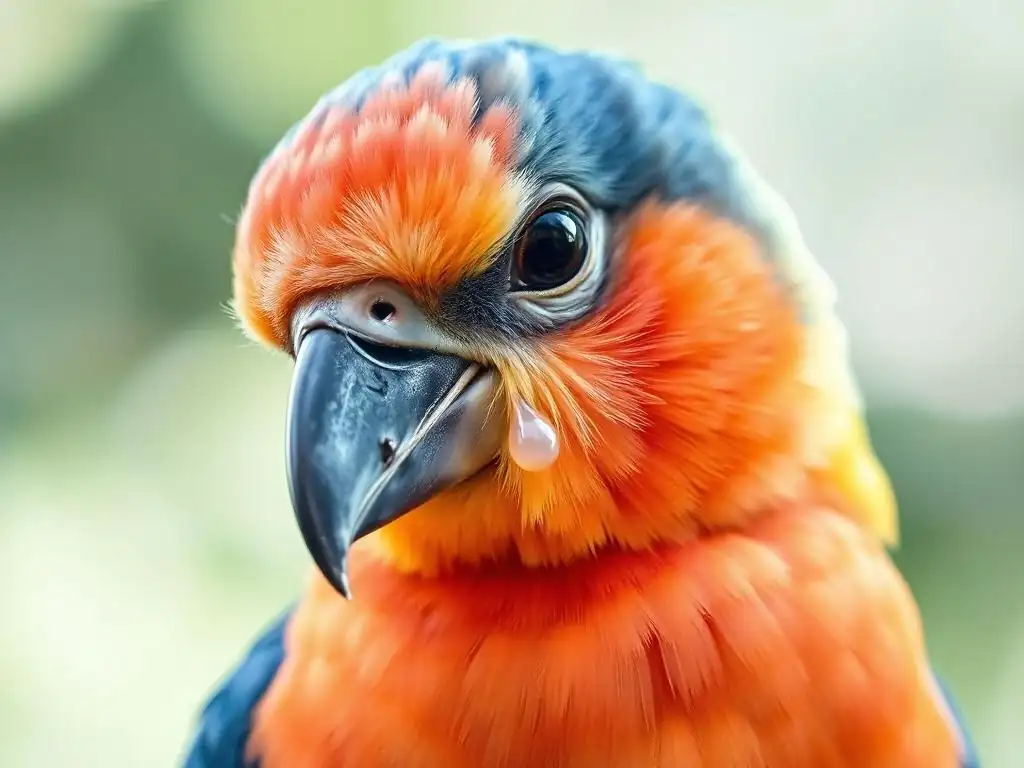
Successfully treating a bird's respiratory infection is only half the battle. Long-term management is crucial to prevent recurrence and maintain your feathered friend's quality of life. This involves vigilant monitoring, proactive adjustments to their environment and lifestyle, and a commitment to regular veterinary care. Ignoring these aspects can lead to chronic respiratory issues, significantly impacting your bird's health and lifespan. Effective long-term management requires a multifaceted approach, focusing on both the bird's immediate needs and its overall well-being. This section details the key components of this crucial phase of avian respiratory infection treatment.
Monitoring Your Bird's Respiratory Health: Recognizing Recurrence Signs
Regular observation is paramount in preventing another respiratory infection. Even after apparent recovery, subtle changes in your bird's breathing can indicate a relapse or underlying condition. Pay close attention to these key indicators:
- Changes in breathing patterns: Increased respiratory rate, labored breathing (open-mouthed breathing), wheezing, clicking sounds, or gasping are all serious warning signs. Note the frequency and intensity of these symptoms.
- Changes in vocalizations: A change in your bird's chirps, whistles, or other vocalizations might signal discomfort or respiratory distress. A quieter-than-usual bird could be a cause for concern.
- Changes in behavior: Lethargy, decreased appetite, ruffled feathers, and a reluctance to interact are common signs of illness. Even subtle behavioral shifts warrant attention.
- Discharge from nostrils or mouth: Any discharge, whether clear, watery, or thicker, requires immediate veterinary attention. The color and consistency of the discharge can provide valuable diagnostic information.
Keep a detailed record of your bird's daily observations. This log will be invaluable to your veterinarian in assessing your bird's progress and detecting early warning signs of recurrence. A simple notebook or a dedicated app can be used to track these vital details. Early detection significantly improves the chances of successful treatment and minimizes long-term complications. Remember, early intervention is key in managing avian respiratory infections effectively.
Adjusting Bird Care Based on Respiratory Condition: Lifestyle Adaptations and Environmental Modifications
Managing avian respiratory conditions often necessitates adapting your bird's environment and lifestyle. These adjustments aim to reduce stress and promote healing. Consider the following modifications:
- Environmental Enrichment: A stimulating environment can help reduce stress, boosting your bird's immune system. Provide toys, perches, and opportunities for foraging.
- Temperature and Humidity Control: Maintaining optimal temperature and humidity is critical. Consult your veterinarian for specific recommendations, as the ideal conditions vary depending on the species and the severity of the respiratory condition.
- Air Quality: Ensure good ventilation to prevent the buildup of dust, mold, and other airborne irritants that could trigger or worsen respiratory problems. Use air purifiers if necessary.
- Diet Modifications: A nutritious diet plays a vital role in supporting your bird's recovery. Consult your avian veterinarian for dietary recommendations that support respiratory health. This may involve providing a balanced diet rich in antioxidants and vitamins.
- Stress Reduction: Minimize stress by avoiding loud noises, sudden movements, and other potential stressors. A calm and predictable environment is essential for your bird's recovery.
Implementing these changes might require significant effort, but they are crucial to your bird’s long-term health and well-being. Remember that consistency is key to successful long-term management.
The Role of Preventative Veterinary Care in Bird Health: Regular Check-ups and Vaccinations
Preventative veterinary care is the cornerstone of long-term respiratory health management in birds. Regular check-ups allow your veterinarian to monitor your bird’s overall health, detect early signs of illness, and address potential problems before they become serious. This proactive approach is far more effective and less stressful than dealing with acute illness.
Beyond routine check-ups, vaccinations can significantly reduce the risk of certain respiratory infections. While not all avian respiratory infections are preventable through vaccination, your veterinarian can advise on appropriate vaccines for your bird's species and age. The frequency of check-ups and vaccination schedules will vary based on your bird’s species, age, and overall health. Regular veterinary visits are an investment in your bird’s long-term health and a crucial part of responsible pet ownership. Don't underestimate the importance of proactive care in preventing future respiratory issues. A healthy bird is a happy bird! 🐦
When to Seek Emergency Veterinary Care for Bird Wheezing
Recognizing when your bird needs immediate veterinary attention for wheezing is crucial. Delaying treatment for a serious respiratory infection can have devastating consequences. This section details the critical signs indicating an emergency situation requiring immediate veterinary care. Early intervention significantly improves the chances of a positive outcome for your feathered friend. Remember, early detection of "bird wheezing respiratory infection" is key to successful treatment.
Recognizing Life-Threatening Respiratory Symptoms in Birds: Severe Distress and Difficulty Breathing
Severe respiratory distress in birds manifests in several alarming ways. These symptoms indicate a life-threatening situation and require immediate veterinary attention. Look for the following:
- Open-mouth breathing: Birds typically breathe through their nostrils. Open-mouth breathing is a sign of severe respiratory compromise.
- Cyanosis: Bluish discoloration of the beak, feet, or skin indicates a lack of oxygen in the blood, a critical emergency.
- Extreme lethargy and weakness: A bird that is extremely lethargic, unable to perch, or exhibiting profound weakness needs immediate care.
- Rapid, labored breathing: Observe the bird's breathing rate. A significantly increased rate, coupled with visible effort (struggling to breathe), points to a serious problem.
- Silent breathing: While wheezing is a common symptom, the absence of any breathing sounds can be equally alarming, suggesting severe airway obstruction.
- Neurological signs: Some severe respiratory infections can affect the central nervous system. Look for signs of disorientation, tremors, or seizures.
Remember, even if your bird exhibits only some of these symptoms, it's best to err on the side of caution and seek immediate veterinary help. The faster your bird receives treatment for a "bird wheezing respiratory infection," the better the prognosis. Don't wait for symptoms to worsen.
Emergency Veterinary Care for Avian Respiratory Infections: Immediate Treatment Options
Emergency veterinary care for avian respiratory infections might involve several immediate actions. The veterinarian will first stabilize your bird's respiratory function, focusing on providing supplemental oxygen. Depending on the severity of the infection and the bird's overall condition, the following treatments may be implemented:
- Oxygen therapy: Supplying oxygen is vital to alleviate respiratory distress and improve oxygen saturation in the blood. This is often provided via a small oxygen cage or mask.
- Fluid therapy: Intravenous fluids may be administered to combat dehydration, often associated with respiratory illness.
- Medication: Depending on the identified pathogen (bacteria, virus, fungus), the veterinarian will prescribe appropriate antibiotics, antivirals, or antifungals. This might involve intramuscular or subcutaneous injections initially, followed by oral medication.
- Supportive care: This includes maintaining optimal temperature and humidity, providing nutritional support (e.g., syringe feeding), and managing any secondary complications.
The veterinarian will perform a thorough examination, possibly including blood tests, radiographs (X-rays), and other diagnostic procedures to determine the precise cause of the respiratory infection and tailor the treatment accordingly. The earlier you seek help for your bird's "bird wheezing respiratory infection," the more effective these immediate treatment options will be.
Contacting an Avian Veterinarian: Finding Specialized Care for Your Bird
Finding a veterinarian experienced in avian medicine is crucial for effective treatment of respiratory infections. General practice veterinarians may not have the specialized knowledge and equipment necessary to diagnose and treat avian respiratory issues effectively. Consider the following steps to locate an avian specialist:
- Online search: Utilize online search engines, specifying "avian veterinarian near me" or "avian vet [your city/region]".
- Referrals: Ask other bird owners, breeders, or pet stores for recommendations of avian veterinarians in your area.
- Local avian societies: Check with local bird clubs or avian rescue organizations; they often have lists of recommended avian veterinarians.
- Veterinary schools: Veterinary schools frequently have teaching hospitals that provide specialized avian care.
Avian veterinarians possess the expertise to diagnose various respiratory diseases, including those causing bird wheezing, and provide targeted treatments. This specialized care is essential for optimizing your bird's chances of a full recovery. Remember, choosing the right veterinarian is a critical part of successfully managing a "bird wheezing respiratory infection." Don't hesitate to contact several practices to find one that best suits your bird's needs.
Frequently Asked Questions
What are the common signs of a respiratory infection in birds?
Birds with respiratory infections often exhibit wheezing, coughing, gasping for breath, and sneezing. They may also appear lethargic and have nasal discharge. Seek veterinary attention immediately if you notice these symptoms.
How is a bird's respiratory infection diagnosed?
Diagnosis usually involves a thorough physical exam by an avian veterinarian. Tests may include radiographs (X-rays), blood work, and possibly bacterial or fungal cultures of nasal or cloacal swabs.
What are the treatment options for avian respiratory infections?
Treatment depends on the underlying cause and may include antibiotics, antifungals, bronchodilators, and supportive care such as humidity and warmth. Strict adherence to the veterinarian's instructions is crucial.
How can I prevent respiratory infections in my bird?
Maintaining a clean environment, providing a balanced diet, and ensuring proper ventilation are key preventative measures. Regular veterinary checkups are also important for early detection of any health problems.
What is the prognosis for a bird with a respiratory infection?
The prognosis varies greatly depending on the severity of the infection, the bird's overall health, and the timeliness of treatment. Early intervention significantly improves the chances of a full recovery. Contact your avian veterinarian immediately if you suspect your bird is unwell.
Final Reflection: The Silent Struggle for Breath: Understanding Avian Respiratory Infections
The subtle wheezes and labored breathing of a beloved bird are a stark reminder of their vulnerability, a silent struggle often overlooked until it's too late. Avian respiratory infections, while often treatable, demand our immediate attention and a proactive approach to prevention. Ignoring the early signs can lead to irreversible damage, highlighting the critical need for responsible bird ownership and readily available veterinary care.
The impact of avian respiratory diseases extends far beyond the individual bird; it touches the hearts of countless owners and underscores the delicate balance within our avian ecosystems. The emotional toll of witnessing a cherished companion struggle for breath is immeasurable. The bond with a pet is as strong as any human relationship, and their suffering is our suffering.
This sentiment resonates deeply, emphasizing the importance of early detection and intervention in protecting not only the physical health of our feathered friends but also our emotional well-being.
Now, consider your own feathered companions. Have you observed any unusual breathing patterns? Are you equipped with the knowledge to recognize the early warning signs of respiratory distress? Take the time to learn more about avian respiratory health, build a strong relationship with an avian veterinarian, and empower yourself to provide the best possible care for your beloved birds. Their silent struggle deserves our unwavering attention and proactive commitment to their well-being.
Breathe Easy: Take Action for Your Bird's Health
Taking the time to learn about avian respiratory infections is crucial for ensuring your bird's well-being. Let's put that knowledge into action.
- Schedule a checkup with your avian veterinarian: Early diagnosis and treatment are vital for addressing any respiratory concerns. Don't delay! A prompt visit can significantly improve your bird's outcome.
- Share this information: Spreading awareness among other bird owners can help protect more birds.
- Maintain a detailed health journal: Record any changes in your bird's behavior, vocalizations, or breathing patterns. This proactive approach will assist your veterinarian in diagnosing future problems more efficiently.
What small step can you take today to improve your bird's respiratory health?