
Bird Body Language Myths Debunked: Separating Fact from Fiction

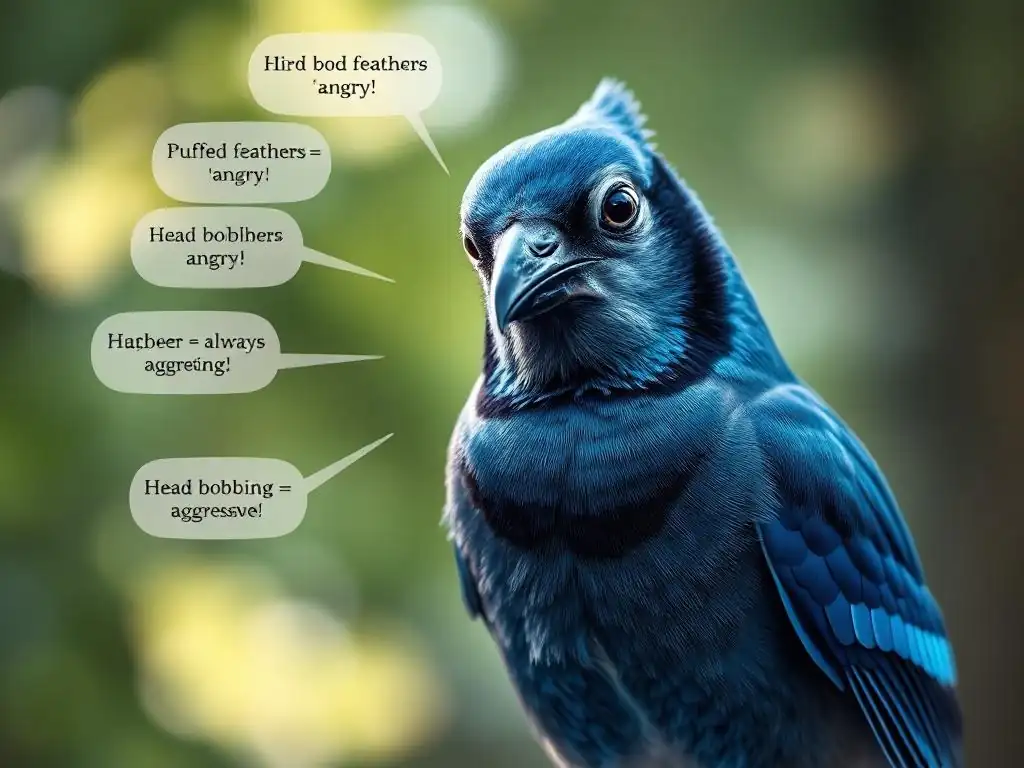
Welcome to PetCareWorld, your ultimate guide to a happier, healthier life for your beloved animal companions! Are you puzzled by your feathered friend's behavior? We'll help you navigate the complexities of bird communication by debunking common myths surrounding bird body language. Discover the truth behind those seemingly confusing chirps, postures, and movements in our insightful article, "Bird Body Language Myths Debunked: Separating Fact from Fiction," and unlock the secrets to understanding your bird better than ever before. Dive in and start exploring!
- Understanding Bird Body Language: Common Misinterpretations
- Deciphering Accurate Bird Communication: Essential Signals
- Advanced Bird Body Language: Interpreting Complex Cues
- Putting it All Together: Practical Application and Next Steps
- Frequently Asked Questions
- Final Reflection: Unlocking Avian Communication: Beyond the Myths
- Unlock the Secrets of Avian Communication!
Understanding Bird Body Language: Common Misinterpretations
Bird body language is a fascinating and complex subject. Many pet bird owners, eager to understand their feathered friends better, often rely on anecdotal information or misinterpretations of common behaviors. This can lead to misunderstandings, miscommunication, and even unintentionally stressful situations for your bird.
This article aims to debunk some prevalent myths surrounding bird body language, providing you with a clearer understanding of what your bird is really trying to communicate. Learning to accurately interpret your bird's signals is crucial for building a strong bond, ensuring their well-being, and preventing potential problems. By separating fact from fiction, we'll equip you with the knowledge to become a more attentive and responsive bird owner, fostering a happier and healthier relationship with your avian companion.
We'll explore common misconceptions and provide accurate interpretations, focusing on subtle cues that often go unnoticed. This will allow you to better understand your bird's needs and respond appropriately, strengthening your connection and enriching their life.
Myth 1: Fluffed Feathers Always Mean a Cold Bird
While fluffed feathers can indicate a bird is cold, it's not the only reason. Birds fluff their feathers for several reasons, including:
- Thermoregulation: This is the most obvious reason. Fluffed feathers trap air, creating insulation and helping them retain body heat in cold environments.
- Stress or Fear: A frightened or stressed bird might fluff its feathers as a defensive mechanism, making itself appear larger and more intimidating to potential threats.
- Illness or Discomfort: If your bird is feeling unwell or experiencing discomfort, fluffing feathers can be a sign of illness. Observe for other symptoms such as lethargy, changes in appetite, or unusual droppings.
- Preening and Rest: Sometimes, birds fluff their feathers as part of their preening routine, or simply to relax and settle down for a rest.
Therefore, seeing fluffed feathers shouldn't immediately trigger a rush to raise the temperature. Observe your bird's overall behavior and context to determine the true cause. Is it acting lethargic? Are there any other visible signs of distress? Only then can you accurately determine if the cause is cold or something else entirely. Consider the ambient temperature and your bird's species-specific needs for temperature regulation. Remember, a holistic approach to understanding your bird's behavior is key.
Myth 2: A Puffed-Up Chest Indicates Aggression Only
A puffed-up chest is often interpreted as a sign of aggression, and while it certainly can be, it's not always the case. A puffed-up chest, also known as "chest fluffing," can also signal:
- Excitement or Anticipation: Your bird might puff up its chest when anticipating a favorite treat, playtime, or your arrival. This is often accompanied by other positive body language cues, such as head bobbing or chirping.
- Display of Dominance (but not always aggression): In some social contexts, a puffed-up chest can be a way for your bird to assert its dominance over other birds or even you. However, this isn't necessarily aggressive. It's more of a social statement.
- Attempting to Appear Larger: Similar to fluffed feathers, puffing up the chest can make the bird appear larger and more intimidating, either as a defense mechanism or a display of confidence.
The key to deciphering this behavior is to consider the context. Is your bird displaying other aggressive behaviors, such as hissing, biting, or lunging? Or is it accompanied by happy chirps and other signs of positive emotion? The accompanying behaviors will provide valuable clues to help you correctly interpret the meaning of the puffed-up chest.
Myth 3: Closed Eyes Always Signify Sleep or Relaxation
While closed eyes often indicate that your bird is resting or sleeping, it's not always the case. Closed eyes can also be a sign of:
- Stress or Fear: A stressed or fearful bird might close its eyes as a way to cope with an overwhelming situation. This is often accompanied by other signs of stress, such as panting, rapid breathing, or hiding.
- Illness: Just like fluffed feathers, closed eyes can be a symptom of illness or discomfort. If your bird has closed eyes consistently, along with other concerning symptoms, it's essential to seek veterinary attention.
- Concentration: Believe it or not, birds can close their eyes when they are concentrating on a task, such as preening or listening to a sound.
Therefore, observing the context is paramount. If your bird is resting quietly, then closed eyes probably signify sleep or relaxation. However, if your bird is exhibiting other signs of stress or discomfort, then the closed eyes could indicate a more serious issue. Pay attention to the overall situation to understand what your bird is trying to tell you. A comprehensive understanding of your bird’s behavior is crucial for their well-being and your relationship.
Myth 4: Head Bobbing is a Simple Greeting
Head bobbing in birds is often misinterpreted as a simple, friendly greeting, similar to a dog wagging its tail. While it can be part of a greeting, it's far more nuanced than that. The truth is, head bobbing in birds is a complex behavior with multiple potential meanings, heavily dependent on context.
A bird rapidly bobbing its head might be trying to communicate a variety of things, ranging from courtship displays to aggressive posturing, depending on the accompanying body language. For example, a slow, deliberate head bob might indeed signal friendliness or a willingness to interact. However, a rapid, jerky bobbing, especially when combined with other signs like puffed-up feathers or a wide-open beak, can indicate aggression or a warning.
Understanding the context – the bird's overall posture, the surrounding environment, and the bird's interaction with other birds or humans – is crucial to correctly interpreting this behavior. Simply seeing head bobbing and assuming it's a friendly gesture could lead to misinterpretations and potentially dangerous situations, especially when interacting with unfamiliar birds.
One common mistake is to anthropomorphize bird behavior. We tend to project human emotions and meanings onto their actions. A bird's head bob might look like a friendly nod to us, prompting us to approach, but the bird might actually be assessing the situation or establishing dominance.
This is particularly important to remember when interacting with birds that are not hand-raised or accustomed to human interaction. Their body language cues might be more subtle, and misinterpreting a head bob as a welcoming gesture could lead to a negative interaction, causing fear or even injury to both the bird and the human.
To accurately interpret a bird's head bob, observe the entire body language. Are the wings slightly drooped? Are the feathers ruffled or smooth? Is the beak open or closed? Is the bird making any other sounds?
The combination of these cues provides a much clearer picture than focusing on the head bob alone. For instance, a head bob combined with a lowered head and slightly ruffled feathers could indicate submission or appeasement, while a head bob with an erect posture and puffed-up feathers suggests aggression or dominance. Experienced bird owners often learn to discern these subtle differences over time, through careful observation and interaction with their avian companions. Understanding this complexity is essential for building a positive and safe relationship with your feathered friend. Ignoring the nuances of bird communication can lead to misunderstandings and compromise the bird’s well-being.
Deciphering Accurate Bird Communication: Essential Signals
Understanding avian communication is crucial for responsible bird ownership. Many common beliefs about bird body language are inaccurate, leading to misinterpretations of their behavior and potentially impacting their well-being. This section focuses on separating fact from fiction, providing a clearer understanding of what your feathered friend is truly communicating. Accurate interpretation relies on observing a combination of postures, vocalizations, and even subtle movements.
For example, while a puffed-up chest might seem aggressive, it could equally indicate cold temperatures or insecurity. Context is key. Remember, each species displays unique signals, so specializing your knowledge to your specific bird breed is essential for optimal communication and care. We'll explore some common misconceptions and replace them with accurate interpretations to help you build a stronger bond with your avian companion.
Identifying Fear and Stress in Birds: Subtle Clues
Fear and stress manifest differently in various bird species. However, some common indicators transcend breed differences. A bird exhibiting fear often displays flattened feathers, tucked head, and closed eyes. These are not always obvious, demanding close observation.
Additionally, rapid breathing, trembling, or excessive preening can indicate underlying stress. Consider the environment: loud noises, unfamiliar people, or even a sudden change in routine can trigger these responses. A stressed bird might also exhibit changes in its eating habits, engaging in excessive self-mutilation (feather plucking), or showing reluctance to interact. For instance, a normally vocal cockatoo might become unusually quiet, while a typically playful parakeet might retreat to a corner of its cage.
Recognizing these subtle cues allows for proactive intervention, helping alleviate stress and improve the bird's overall well-being. Providing a safe and predictable environment, along with positive reinforcement training, can significantly reduce stress levels. Remember to consult an avian veterinarian if you notice persistent signs of fear or stress.
Recognizing Playful Behavior in Avian Companions
Contrary to popular belief, birds aren't just about singing and preening. Many species exhibit playful behaviors, often involving complex interactions and movements. Observing these behaviors helps strengthen the bond between you and your bird. Playfulness can manifest as chasing, bobbing their heads, fluttering their wings playfully without attempting flight, or engaging in acrobatic maneuvers within their enclosure. Some birds might even drop toys or objects as part of their playful routine. For example, a budgie might playfully nip at your fingers, while a larger parrot might toss a favorite toy around its cage. Understanding these playful displays allows you to participate in their games, enriching their environment and fostering a stronger connection. Providing appropriate toys and enriching their environment is crucial in encouraging playful behavior. Remember, the key is to observe the context: a playful nip is different from an aggressive bite, distinguished by the bird's overall posture and vocalizations.
Understanding bird body language related to mating and breeding is crucial, especially for those considering breeding their birds. Correct interpretation can prevent unintended pairings or help identify potential reproductive problems. Courtship displays vary widely across species, but common signs include: fluffed-up feathers, bowing, head-bobbing, wing-fluttering, and specific calls or songs. Females often display more subtle cues, such as subtly presenting their cloaca or engaging in nest-building behaviors.
Aggressive displays, including biting, chasing, or wing-clapping, might occur during mating season, even between established pairs. This doesn't necessarily mean a problem, but it's vital to monitor the birds closely for signs of injury or stress. Understanding these signals helps you provide a suitable breeding environment, ensuring the well-being of both parents and offspring.
Remember, responsible breeding requires careful planning and consideration of the bird's welfare. Consult with experienced breeders or avian veterinarians before attempting to breed your birds. Irresponsible breeding can lead to many problems for the birds and their offspring.
Advanced Bird Body Language: Interpreting Complex Cues
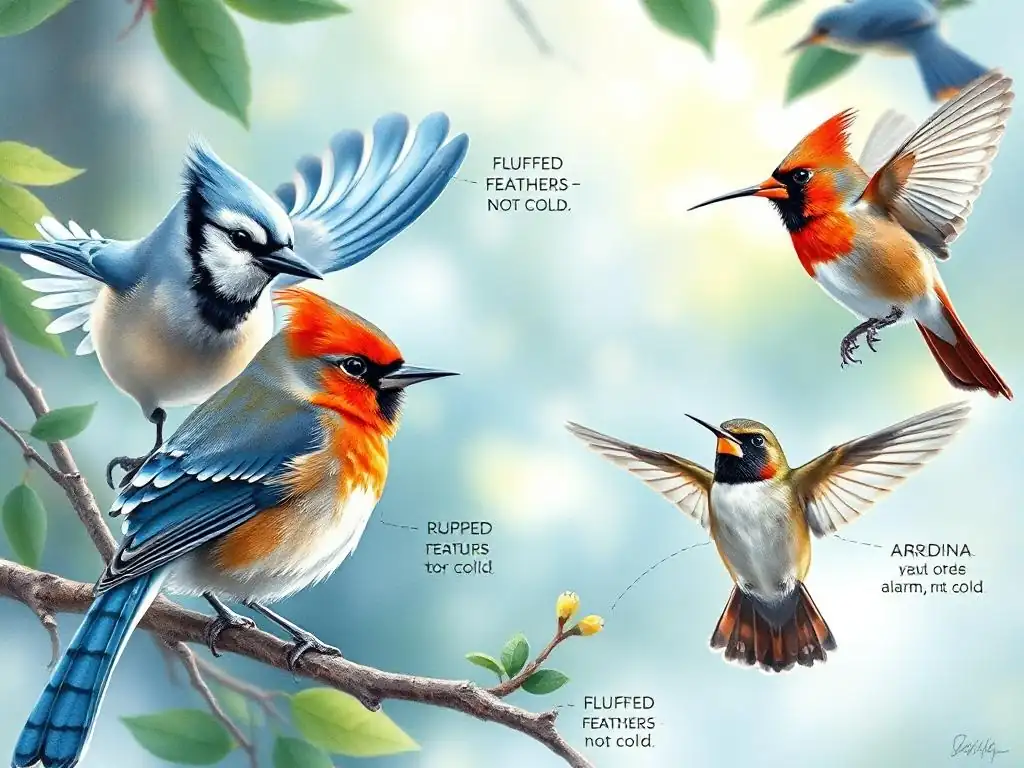
This section delves into the nuanced world of avian communication, moving beyond the basics to help you understand the more subtle and complex signals your feathered friend might be sending. Mastering these advanced interpretations will strengthen your bond and allow for more effective care. Accurate decoding of complex cues is crucial for ensuring your bird's well-being and happiness.
Decoding the Meaning of Wing Positions and Tail Movements
Wing and tail positions are often overlooked in basic bird body language guides, yet they offer a wealth of information. A bird slightly raising one wing might indicate a mild curiosity or a request for attention, while holding both wings slightly away from the body can suggest a feeling of being threatened or uncomfortable. Conversely, tucked wings often signify fear or illness. The tail, too, plays a significant role.
A puffed-up tail might indicate aggression or excitement, depending on the context. A clamped tail, on the other hand, usually points towards fear or illness. Observe the entire posture—a puffed-up tail combined with narrowed eyes, for example, is a clear indication of aggression, whereas a clamped tail coupled with ruffled feathers and hunched posture suggests illness or significant distress.
Consider this scenario: Your parrot, usually playful and boisterous, suddenly holds its wings slightly away from its body and keeps its tail clamped tightly. It's also avoiding eye contact. This combination of signals strongly suggests that your bird is feeling threatened or unwell, warranting immediate attention and a veterinary checkup. The key to accurate interpretation lies in observing the combination of signals, not just individual cues. Detailed observation is crucial in understanding the subtleties of avian communication.
Analyzing Vocalizations and Other Sounds: Beyond the Tweet
While a simple tweet might seem straightforward, bird vocalizations are far more complex than they initially appear. Different pitches, volumes, and rhythms convey a wide range of emotions and intentions. A high-pitched, repetitive chirp might signify excitement or happiness, while a low, guttural sound could indicate fear or aggression.
Beyond vocalizations, pay close attention to other sounds your bird makes. The clicking of a beak can sometimes signal contentment or a desire for attention, while a soft hissing sound might indicate a warning or a sense of unease. Even subtle changes in the frequency or intensity of a bird’s usual vocalizations can be significant indicators of its emotional state or health.
For instance, a cockatiel’s usual cheerful chirping might become quieter and less frequent if it's feeling unwell or stressed. Similarly, a normally quiet budgie might start producing loud, harsh squawks if it's feeling threatened or experiencing pain. Keeping a detailed record of your bird's usual vocalizations and noting any changes can be incredibly helpful in detecting potential problems early on.
Consider using a journal or a simple audio recording to track these changes over time. This detailed record will allow for a more thorough analysis and will assist your vet in diagnosing any potential issues. Remember, even seemingly insignificant changes in vocalization patterns can be crucial indicators of your bird's health and well-being.
Recognizing Subtle Signs of Illness or Discomfort Through Body Language
Recognizing subtle signs of illness or discomfort in your bird through body language is crucial for prompt veterinary intervention. While obvious signs like lethargy or ruffled feathers are easily noticeable, subtle changes often go unnoticed. These include a slight dullness in the eyes, a change in posture (such as a hunched back or drooping wings), or a decrease in the bird's usual activity level.
A bird that suddenly becomes less interested in its favorite toys or food might be indicating a problem. Changes in droppings consistency, frequency, or color, while not strictly body language, are important indicators that should be observed in conjunction with behavioral changes. These subtle cues, often missed by inexperienced bird owners, can be early warning signs of illness or pain.
For example, a slight listlessness coupled with a slightly puffed-up appearance and a reluctance to interact could indicate an underlying illness. Similarly, a sudden increase in preening behavior might be a response to discomfort or itching caused by parasites. Regular observation and a keen eye for detail are essential for recognizing these subtle shifts.
By staying vigilant and noting even minor changes, you can ensure that your bird receives timely veterinary care, leading to a healthier and happier life. Remember that early detection is often key to successful treatment. Don't hesitate to consult an avian veterinarian if you notice any unusual changes in your bird’s behavior or appearance, no matter how seemingly insignificant they may appear.
Putting it All Together: Practical Application and Next Steps
Understanding bird body language is crucial for responsible bird ownership. Misinterpreting subtle cues can lead to avoidable stress for your feathered friend and even compromise their well-being. This section will provide practical steps to apply your newfound knowledge and resources for continued learning. Remember, consistent observation and a proactive approach are key to a happy and healthy bird. This section addresses common questions regarding practical application of bird body language knowledge, debunking further myths surrounding bird behaviour interpretation, and highlighting the importance of seeking professional advice when needed. Mastering avian communication will significantly enrich your bond with your pet.
Observing Your Bird Regularly: Establishing a Baseline
Regular observation is the cornerstone of understanding your bird's individual communication style. Just like humans, each bird has unique quirks and expressions. Creating a baseline of "normal" behavior is essential for recognizing deviations that might signal illness, stress, or discomfort. Start by dedicating a few minutes each day to simply watch your bird. Note their posture, vocalizations, and activity levels. Keep a small notebook or use a digital app to record your observations. Pay attention to details such as:
- Posture: Is their body relaxed and upright, or hunched and tense? Are their wings held close to their body or spread out? Do they frequently preen or fluff their feathers?
- Vocalizations: Are their calls cheerful and melodic, or anxious and shrill? Do they chirp, whistle, or screech? Note the frequency and context of their vocalizations.
- Activity Levels: Are they active and playful, or lethargic and withdrawn? Do they engage in normal behaviors like foraging, bathing, or interacting with toys?
- Eating and Drinking Habits: Any changes in appetite or water consumption can be significant indicators. Note the amount and frequency of food and water intake.
Over time, you'll develop a keen understanding of your bird's typical behavior. This baseline will serve as a valuable reference point when assessing changes that might indicate a problem. Remember, consistency is key! The more data you collect, the more accurately you'll be able to interpret your bird's subtle cues. This process is crucial in debunking any personal myths you may have developed about your bird's behaviour. For example, you might initially assume that a puffed-up posture always indicates aggression, when in reality it could also signify cold or fear.
Seeking Professional Help: When to Consult an Avian Veterinarian
While understanding bird body language is empowering, it's crucial to know when professional help is needed. Don't hesitate to seek veterinary attention if you observe significant changes in your bird's behavior or physical condition, especially if these changes persist. Signs that warrant immediate veterinary consultation include:
- Sudden changes in appetite or water intake: A significant decrease or increase in consumption can indicate illness.
- Lethargy or unusual stillness: A bird that is unusually inactive or withdrawn should be examined.
- Difficulty breathing or labored breathing: This is a serious sign requiring immediate veterinary care.
- Changes in droppings: Changes in color, consistency, or frequency should be monitored.
- Feather plucking or self-mutilation: Excessive preening or feather plucking can be a sign of stress or underlying medical conditions.
- Sustained aggression or fear responses: If your bird exhibits persistent aggressive or fearful behavior despite your best efforts, it's essential to seek expert guidance.
Avian veterinarians possess specialized knowledge and experience in diagnosing and treating avian diseases. They can help identify the root cause of any behavioral changes and provide appropriate treatment. Remember, early intervention is key. Don't delay seeking professional help if you are concerned about your bird's well-being. This proactive approach is crucial to debunking any myths surrounding self-treatment and ensuring the best possible care for your bird.
Resources for Further Learning: Books and Online Communities on Bird Behavior
Continuously expanding your knowledge of bird body language is an ongoing process. There are numerous resources available to deepen your understanding and refine your observational skills. Consider exploring:
- Books: Many excellent books delve into the intricacies of avian behavior and communication. Look for titles focusing on specific bird species or general avian behavior.
- Online Communities: Join online forums and communities dedicated to bird owners. These platforms offer opportunities to connect with experienced bird keepers, share observations, and learn from others' experiences. Engaging in these communities can help debunk common myths and provide valuable insights into bird body language interpretation.
By actively engaging with these resources and continuing to observe your bird, you’ll be well-equipped to understand and respond to their needs effectively. Remember, every bird is an individual, and continuous learning is essential for responsible and enriching bird ownership. The journey of understanding your bird's communication is a rewarding one, leading to a stronger bond and a happier, healthier pet.
Frequently Asked Questions
What are some common myths about bird body language?
Many believe puffed-up feathers always mean a bird is angry, but it can also indicate coldness or fear. Similarly, a tucked tail isn't always a sign of illness; it can be a sign of submission or rest.
How can I tell if my bird is truly happy?
A happy bird will exhibit bright, clear eyes, a relaxed posture, and might sing frequently. They'll also readily interact with you and their environment, showing curiosity and engagement.
What does it mean when my bird fluffs its feathers?
Feather fluffing can have multiple meanings. It can indicate coldness, stress, illness, or even just comfort. Consider the overall context and other body language cues.
Is it true that a bird's beak movements always reflect aggression?
No, beak movements can signify many things. While an open beak can be a sign of aggression, it can also indicate vocalization, panting (due to overheating), or begging for food.
My bird is constantly bobbing its head. What does this mean?
Head bobbing is a complex behavior. It can be a sign of courtship, excitement, or aggression, depending on the context. Observe the bird's overall posture and other cues.
Final Reflection: Unlocking Avian Communication: Beyond the Myths
Understanding bird body language is not merely an academic pursuit; it's a crucial step towards fostering a deeper connection with the natural world and ensuring their conservation. Misinterpreting avian signals can lead to harmful interactions, from misjudging a bird's intentions to implementing ineffective conservation strategies. The accurate interpretation of bird behavior is vital for their survival and our understanding of them.
The journey through debunking common myths surrounding bird body language has been enlightening, revealing the complex and nuanced communication systems these creatures possess. It's a reminder that our assumptions, often rooted in anthropomorphism, can significantly distort our perception of the animal kingdom. The greatest obstacle to discovery is not ignorance—it is the illusion of knowledge.
– Daniel J. Boorstin. This quote perfectly encapsulates the challenge of separating fact from fiction when interpreting bird behavior, highlighting the importance of continuous learning and critical observation. The ongoing research and discoveries in avian communication continually reshape our understanding, emphasizing the dynamic nature of this field.
Now, consider your own interactions with birds. Have you ever misinterpreted a bird's posture or vocalization? Take this opportunity to reassess your understanding. Challenge your assumptions, delve deeper into the fascinating world of avian communication, and actively seek out reliable sources of information. By embracing a more informed and nuanced approach, you can contribute to a more harmonious coexistence with these remarkable creatures and become a more effective advocate for their well-being.
Unlock the Secrets of Avian Communication!
Thank you for exploring the world of bird body language with us! You've gained valuable insights into understanding your feathered friends. Ready to apply this knowledge?
- Begin observing your bird's behavior today: Pay close attention to subtle cues such as posture, feather position, and vocalizations. Note any unusual or new behaviors.
- Share your observations with our community! Let's learn from each other in the comments below. What interesting behaviors have you witnessed?
- Challenge yourself to learn one new bird body language signal each week. You'll be amazed at how much closer you become to your bird!
What fascinating discoveries await you now that you understand avian communication better?