
Conure Bonding Activities: Strengthening Your Relationship

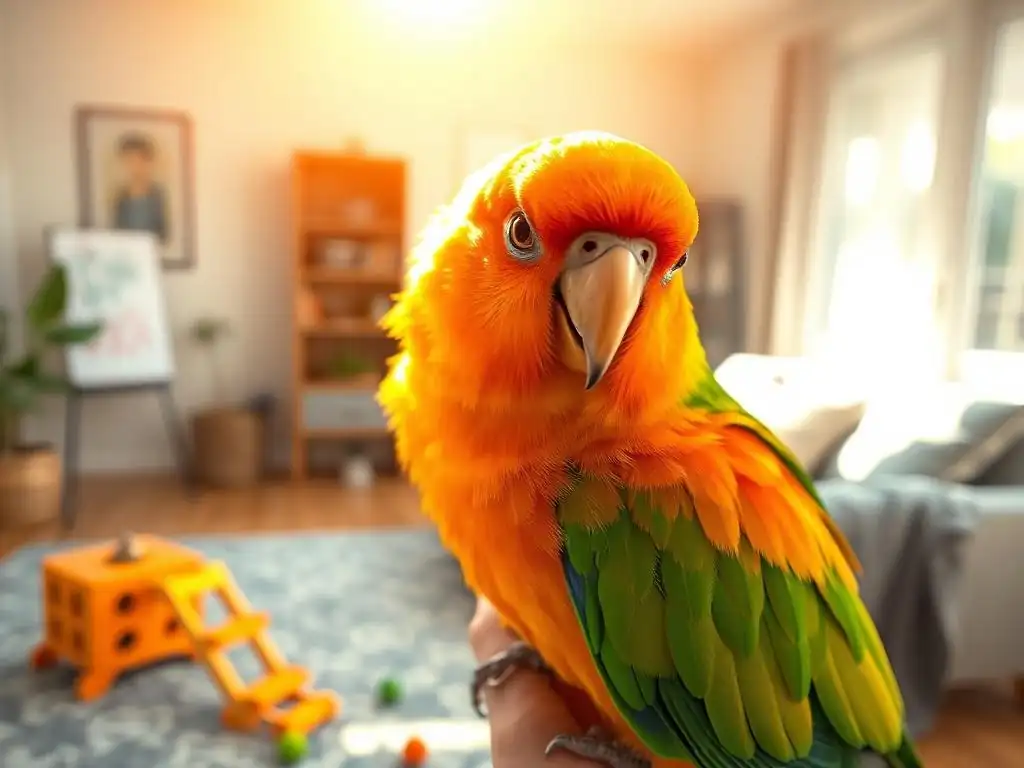
Welcome to PetCareWorld, your ultimate guide to a happier, healthier life for your beloved pets! Are you ready to deepen the bond with your feathered friend? Discover the secrets to a thriving relationship with our expert guide on best conure bonding activities. Unlock the joy of a stronger connection and learn practical techniques to build lasting trust and affection with your conure. Dive in and explore the world of enriching interactions that await you!
- Understanding Conure Body Language and Communication
- Best Conure Bonding Activities: Enhancing Your Connection
- Creating a Safe and Enriching Environment for Bonding
- Advanced Conure Bonding Techniques: Deepening Your Connection
- Troubleshooting Common Conure Bonding Challenges
- Maintaining a Strong Bond with Your Conure Over Time
- Frequently Asked Questions
- Final Reflection: The Enduring Bond: Conures and Their People
- Unlock Your Conure's Heart: Strengthen Your Bond Today!
Understanding Conure Body Language and Communication
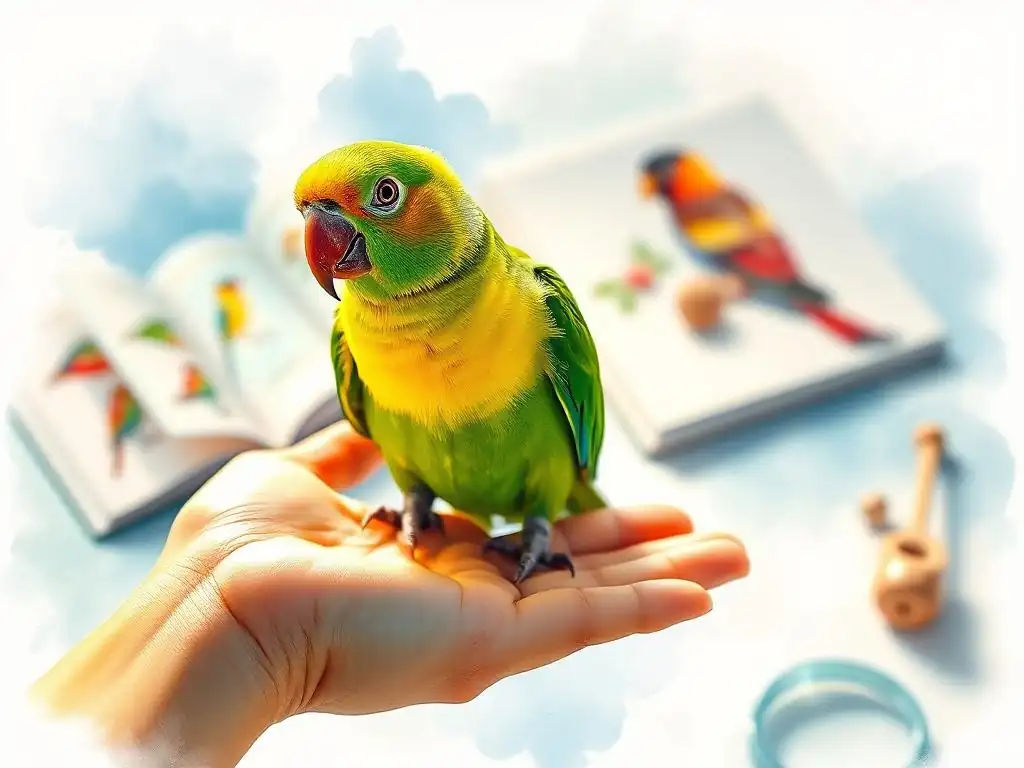
Conures, with their vibrant plumage and engaging personalities, make wonderful companions. However, building a strong bond with your conure requires understanding and patience. This comprehensive guide explores the best conure bonding activities, focusing on techniques that foster trust, communication, and a deep, lasting relationship between you and your feathered friend.
We'll delve into understanding conure body language, building trust through observation, and engaging in activities that strengthen your connection. Mastering these techniques will not only enrich your conure's life but will also deepen your appreciation for these intelligent and affectionate birds. This guide aims to provide practical, actionable steps towards achieving a fulfilling and harmonious partnership with your beloved conure, ensuring you both experience the joys of companionship to the fullest.
Learning to interpret your conure's cues and respond appropriately is crucial for developing a strong and healthy bond. Remember, patience and consistency are key to success in building this special relationship.
Deciphering Conure Cues: Positive and Negative Signals
Understanding your conure's communication is paramount to successful bonding. Conures express themselves through a variety of vocalizations, body postures, and behaviors. Learning to distinguish between positive and negative signals is crucial for building trust and avoiding unintentional stress.
Positive signals often include:
- Soft chirps and whistles: These gentle sounds usually indicate contentment and a relaxed state.
- Head bobbing: A gentle bobbing of the head can signify affection and a willingness to interact.
- Softly fluffed feathers: Slightly ruffled feathers often suggest comfort and relaxation.
- Approaching you willingly: A conure that willingly approaches you and seeks interaction is showing a positive response.
- Presenting their head: Offering their head for petting is a clear sign of trust and affection.
Negative signals, on the other hand, should be heeded carefully:
- Loud, harsh squawks: These can indicate fear, anxiety, or aggression.
- Dilated pupils: Wide eyes often suggest fear or alertness.
- Flattened feathers: Feathers lying close to the body can indicate fear or stress.
- Biting or nipping: This is a clear sign of discomfort or aggression, and should be addressed with patience and understanding.
- Rapid tail movements: A rapidly wagging tail might signal agitation or excitement, but often indicates discomfort.
Recognizing these subtle cues will allow you to adapt your interactions accordingly, fostering a positive and comfortable environment for your conure. Remember to observe your conure's behavior regularly to better understand their individual communication style. Consistent observation is key to preventing misunderstandings and building a strong, trusting relationship.
Building Trust Through Observation: Understanding Your Conure's Personality
Each conure possesses a unique personality, and understanding your bird's individual preferences is essential for successful bonding. Some conures are naturally more outgoing and sociable, while others may be more shy and cautious. Observing your conure's behavior in various situations will help you tailor your bonding activities to their specific needs and temperament.
Spend time simply observing your conure. Note their preferred activities, their reactions to different stimuli, and their overall body language. Do they seem more comfortable in certain environments or with specific types of interaction? Are they more responsive to gentle touches or verbal cues? This observational phase is crucial for building a trusting relationship based on mutual understanding.
Pay close attention to what makes your conure comfortable and what triggers anxiety or stress. This understanding forms the foundation for building a strong bond and avoiding negative interactions. By carefully observing your conure's behavior, you can create a safe and enriching environment that fosters trust and strengthens your connection. This process of understanding your conure’s individual needs is an ongoing one; their personalities can change over time, and your attentiveness will ensure you remain attuned to their evolving needs.
Best Conure Bonding Activities: Enhancing Your Connection
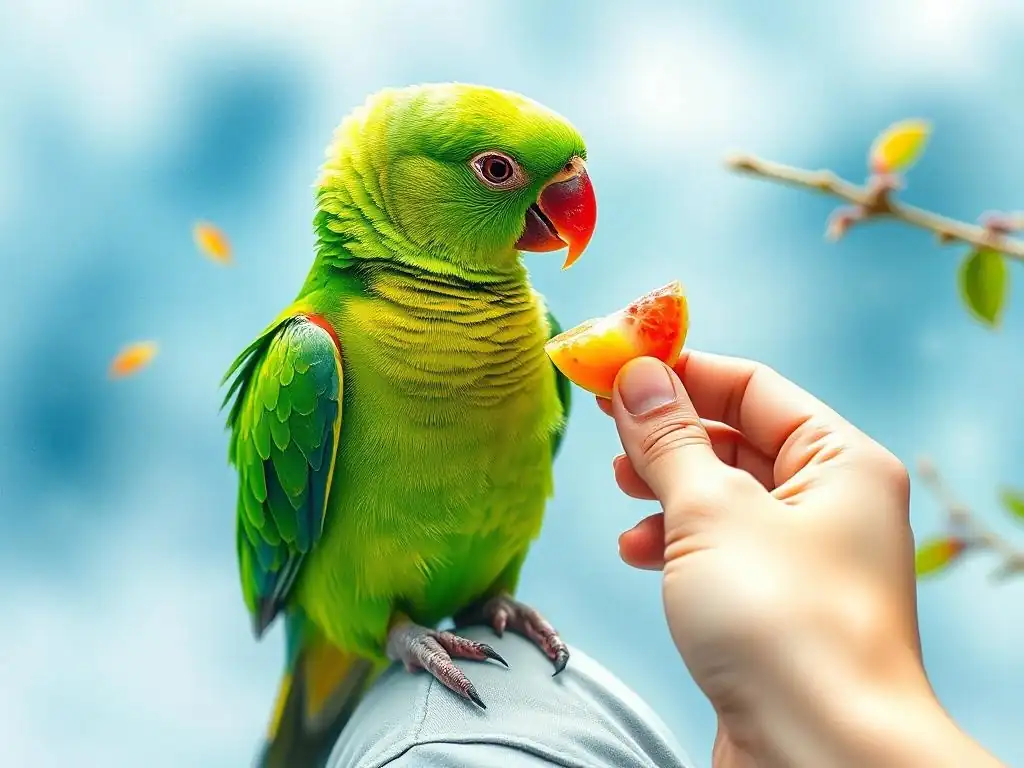
This section explores the best conure bonding activities to strengthen the incredible bond you share with your feathered friend. Remember, patience and consistency are key to success in building trust and affection with your conure. These activities are designed to foster a deeper connection based on mutual respect and understanding. Finding the right activities for your conure's personality will be crucial in maximizing the bonding experience. Let's dive into some proven methods for achieving a stronger, more fulfilling relationship with your beloved bird.
Hand-Feeding Your Conure: A Foundation for Trust
Hand-feeding your conure is a powerful bonding activity that establishes trust and reinforces positive associations. It's a slow, deliberate process that requires patience and understanding of your bird's body language. Start by offering small, enticing treats like sunflower seeds or chopped fruits from your hand while maintaining a calm and relaxed demeanor. Avoid sudden movements or loud noises that might startle your conure.
Initially, your conure may be hesitant. That's perfectly normal! Let them approach your hand at their own pace. If they don't come immediately, simply hold your hand near their cage for a few minutes each day, allowing them to investigate at their leisure.
Once they start accepting treats from your hand, gradually increase the interaction time. You might even try gently stroking their head or neck while they eat, but always be mindful of their comfort level. Observe their body language closely – puffed-up feathers or rapid breathing could indicate discomfort. Remember, the goal is to create a positive and comfortable experience for your conure.
Over time, this simple act can transform into a cherished ritual, strengthening your bond and establishing you as a source of comfort and security. The consistent positive reinforcement of hand-feeding will build a strong foundation of trust, making other bonding activities easier and more effective. Remember to vary the treats you offer to keep things interesting and prevent your conure from becoming bored.
Interactive Playtime: Engaging Games for Conures
Interactive playtime is crucial for stimulating your conure's mind and strengthening your bond. Conures are intelligent and playful birds that thrive on mental and physical stimulation. Engaging in games together not only strengthens your bond but also provides crucial enrichment that prevents boredom and behavioral problems.
Here are some examples of interactive games you can play with your conure:
- Hide-and-seek: Hide a favorite toy or treat and let your conure find it. This encourages problem-solving skills and builds anticipation and excitement.
- Puzzle toys: Provide puzzle toys that require your conure to manipulate objects to access treats. This provides mental stimulation and keeps them engaged for extended periods. Start with easier puzzles and gradually increase the difficulty as your conure's skills improve.
- "Find the treat" game: Hide small treats in different places around the cage and let your conure forage for them. This mimics their natural foraging behavior and provides enrichment.
- Interactive foraging toys: These toys are designed to mimic natural foraging behaviors and provide hours of entertainment and mental stimulation for your conure.
Remember to supervise playtime and ensure that all toys are safe and appropriate for your conure. Always monitor your bird for signs of stress or frustration during playtime. If your conure seems overwhelmed or unhappy, stop the game and try again later. The key is to make playtime fun and rewarding for both of you.
Target Training: Building Focus and Strengthening Bonds
Target training is a fantastic method for building focus, improving communication, and strengthening your bond with your conure. It involves teaching your conure to touch a target (such as a stick or your finger) on command. This seemingly simple exercise builds trust, improves your bird's problem-solving skills, and creates a positive training experience.
The process begins by associating the target with a rewarding treat. Hold the target close to your conure, and when they touch it, immediately reward them with a favorite treat and praise. Repeat this process several times, gradually increasing the distance between the target and your conure.
Once your conure reliably touches the target, you can start incorporating verbal cues such as "touch" or "target." Consistent repetition and positive reinforcement are essential for successful target training. This method not only strengthens the bond between you and your conure but also provides a foundation for teaching other tricks and behaviors. It enhances communication, builds confidence in your bird, and ultimately creates a deeper, more meaningful connection. The patience and positive reinforcement involved in target training translate into a stronger bond and a happier, more well-adjusted conure. Consider incorporating this technique into your daily routine for optimal results.
Vocalization and Mimicry Training: Stimulating Communication
Conures are known for their vocal abilities, and engaging them in vocalization and mimicry training can significantly strengthen your bond. This isn't just about teaching them to say "hello"; it's about creating a shared experience built on communication and mutual understanding. The process itself fosters connection, as you spend dedicated time focused solely on your bird. Success in this area also boosts their confidence and encourages a more interactive relationship.
Start with simple sounds. Instead of immediately aiming for complex words, begin with mimicking your conure's chirps, whistles, and squawks. This shows them you're paying attention to their communication style and that you’re interested in their “language.” Gradually introduce simple words or phrases, using positive reinforcement techniques. Reward desired behaviors, such as attempting to mimic sounds, with treats, praise, and head scratches. Remember, consistency is key. Short, frequent training sessions (5-10 minutes several times a day) are more effective than long, infrequent ones.
Consider using a variety of methods. Some conures respond well to visual aids, such as flashcards with pictures and words. Others learn better through auditory repetition. Experiment to find what works best for your individual bird. Remember to keep the training sessions fun and engaging, avoiding any pressure or frustration. If your conure seems disinterested, take a break and try again later. The goal is to create a positive association with learning and interaction.
A critical aspect of successful mimicry training is patience. Some conures are natural mimics, picking up words and phrases quickly. Others may take longer, requiring more repetition and encouragement. Don't get discouraged if progress is slow. Celebrate every small victory, no matter how insignificant it may seem.
The journey of learning together is just as important as the outcome. The consistent effort you invest will pay off in a stronger, more communicative bond with your feathered friend. The shared experience of learning and understanding each other's communication will significantly enrich your relationship. Remember, the focus is on the interaction and the positive reinforcement, not just on perfect mimicry. Enjoy the process and the journey of communication with your beloved conure!
Creating a Safe and Enriching Environment for Bonding
A secure and stimulating environment is paramount for successful conure bonding. Your bird's comfort and safety directly impact their willingness to interact and bond with you. A stressed or fearful conure will be less likely to engage in bonding activities. Therefore, creating a haven where your feathered friend feels safe and secure is the foundation of a strong relationship.
This involves careful consideration of several key factors, as detailed below. Remember, the goal is to create a space where your conure feels confident and comfortable exploring, playing, and interacting with you. This is key to achieving the best conure bonding activities possible.
Conure-Friendly Cage Setup: Providing Space and Security
The cage should be spacious enough to allow your conure to comfortably spread its wings and move around freely. Cramped quarters can lead to stress and frustration, hindering the bonding process. Aim for a cage with a minimum of 24 inches wide, 24 inches deep, and 36 inches high for a single conure, with additional space for larger species or multiple birds. Vertical space is particularly important, as conures naturally climb and explore upwards.
The cage should also provide ample perches of varying sizes and textures to encourage natural behaviors and foot exercise. Avoid using smooth, round perches, as these can cause foot problems over time. Instead, opt for perches with natural branches or those with varied textures, mimicking their natural environment. Consider adding multiple perches at different heights to allow your conure to choose its preferred spot. A secure and spacious cage is a crucial element of the best conure bonding activities.
Furthermore, the cage should be placed in a safe and quiet location away from drafts, direct sunlight, and excessive noise. A consistent temperature and humidity level are also vital for your conure's well-being. Consider using a cage cover at night to provide a sense of security and to help regulate the temperature. The goal is to create a sanctuary where your conure feels safe and relaxed, fostering trust and encouraging interaction. Remember, a happy and secure bird is much more receptive to bonding activities.
Enrichment Toys and Activities: Stimulating Curiosity and Play
Providing a variety of stimulating toys and activities is crucial for preventing boredom and encouraging interaction. A bored conure is more likely to exhibit destructive behaviors or become withdrawn, hindering the bonding process. Enrichment toys should challenge your conure mentally and physically, keeping it engaged and entertained.
Consider a range of toys, including foraging toys, puzzle toys, chew toys, and swing toys. Rotate toys regularly to prevent your conure from becoming bored with the same items. Foraging toys, in particular, are excellent for mimicking natural foraging behaviors and providing mental stimulation. These toys can be as simple as a small container filled with bird-safe treats hidden within paper or wood scraps. Puzzle toys require your conure to solve a problem to access a reward, further enriching their mental stimulation. This engagement is vital for the best conure bonding activities.
Remember to supervise your conure during playtime and ensure all toys are bird-safe and non-toxic. Regularly inspect toys for damage and replace them as needed. The goal is to create a playful and stimulating environment that encourages your conure to interact with you and its surroundings, fostering a strong bond. This is also a great opportunity to engage in training activities and positive reinforcement, further strengthening your relationship.
Maintaining a Consistent Routine: Building Predictability and Trust
Consistency is key to building trust and fostering a strong bond with your conure. Conures thrive on routine and predictability, as it provides them with a sense of security and control. A consistent daily routine helps your conure feel safe and comfortable, making them more receptive to bonding activities.
This routine should include regular feeding times, playtime sessions, cage cleaning, and interaction with you. Establish a consistent schedule and stick to it as much as possible. This will help your conure anticipate your actions and feel more secure. For example, always interact with your conure at the same time each day, offering treats and engaging in gentle petting or talking. This consistent interaction will help build trust and strengthen your bond. This predictability is a cornerstone of the best conure bonding activities.
Moreover, consistent communication is crucial. Talk to your conure regularly, using a calm and reassuring tone. This will help to build a strong communication bond between you and your bird. Use positive reinforcement techniques to encourage desired behaviors. Avoid harsh punishments, as these can damage your relationship and make your conure fearful. Remember, patience and consistency are key to building a lasting bond with your conure. A predictable and reassuring routine will greatly enhance your success in creating the best conure bonding activities.
Advanced Conure Bonding Techniques: Deepening Your Connection
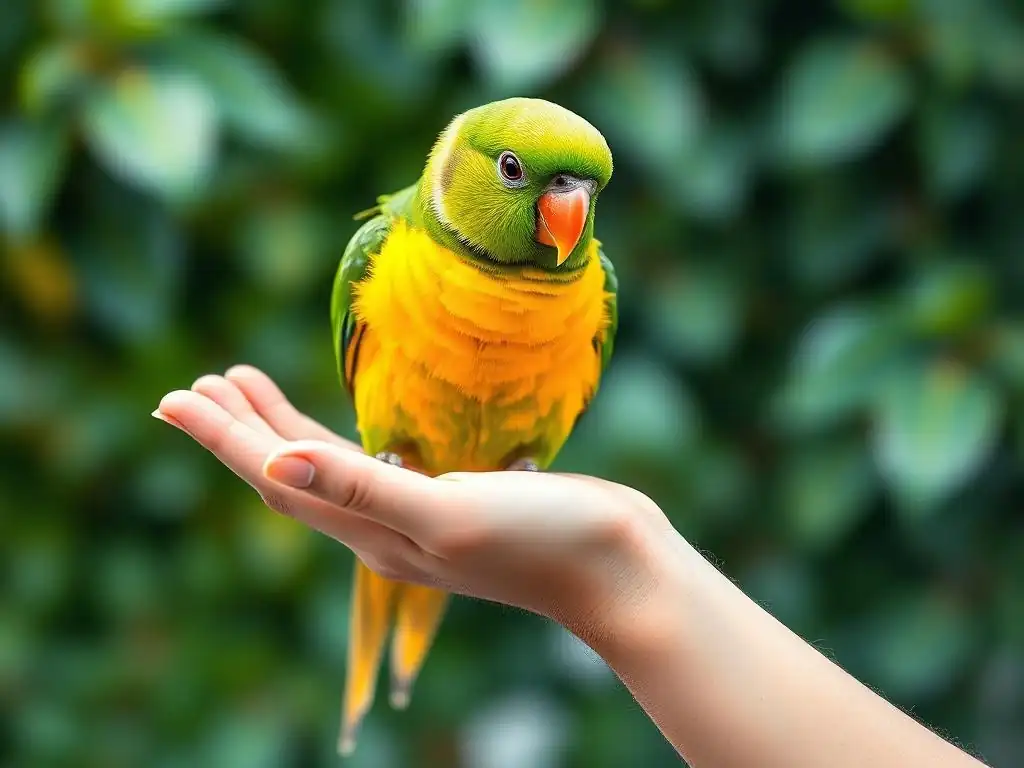
This section delves into more advanced techniques to strengthen the bond with your conure, moving beyond basic interaction to foster a deeper, more trusting relationship. These activities require patience, consistency, and a keen understanding of your bird's personality and comfort levels. Remember, forcing interaction is counterproductive; always prioritize your conure's safety and well-being. Finding the best conure bonding activities is a journey of discovery, tailored to your individual bird.
Out-of-Cage Time and Supervised Exploration
Providing ample out-of-cage time is crucial for building trust and strengthening your bond. However, simply letting your conure roam freely isn't enough. Supervised exploration offers opportunities for interaction and positive reinforcement. Consider these strategies:
- Structured Playtime: Designate a specific area for your conure's out-of-cage time, ensuring it's safe and free from hazards. Introduce new toys and foraging opportunities regularly to keep things interesting. This prevents boredom and encourages exploration, strengthening the bond through shared activities. Observe your conure's preferences and adjust accordingly.
- Targeted Training: Incorporate short training sessions during out-of-cage time. Teach simple tricks like stepping up, target training, or recall. Positive reinforcement with treats and praise strengthens the bond and builds trust. Even small successes boost confidence in both you and your feathered friend. This is one of the best conure bonding activities for building mutual respect.
- Environmental Enrichment: Create a stimulating environment with various textures, perches, and climbing opportunities. This encourages natural behaviors and provides mental stimulation, which contributes to a happier, more bonded bird. Remember to rotate toys frequently to maintain engagement and prevent boredom. Consider using natural branches for perches, adding variety to their environment.
Grooming and Affection: Building Physical Intimacy
Gentle grooming can be a powerful bonding experience. Conures are naturally social creatures and enjoy physical closeness. However, approach this cautiously and respect your bird's boundaries.
- Mimicking Preening: Gently stroke your conure's head, neck, and chest with your fingers, mimicking the preening behavior of other conures. Observe your bird's response; if it seems relaxed and enjoys the interaction, continue. If it shows signs of discomfort, stop immediately.
- Scratching Preferences: Learn your conure's preferred scratching spots. Some conures enjoy having their heads scratched, while others prefer their chest or back. Pay attention to your bird's body language to gauge its comfort level. This careful observation is key to successful bonding.
- Positive Reinforcement: Combine grooming with positive reinforcement, such as soft words or gentle praise. This creates a positive association with physical intimacy, strengthening the bond over time. Remember, patience is crucial; some conures take longer to warm up to physical affection than others.
Sleep Time Cuddles: Strengthening Nighttime Bonds
Many conure owners find that bonding deepens during sleep time. While not all conures enjoy sleeping with their owners, for those that do, it creates a unique opportunity for closeness.
- Safe and Secure Environment: Ensure your conure's sleeping area is safe, secure, and comfortable. This could be a cage, a covered sleeping box, or even a designated spot on your bed or near you. The key is to create a consistent and reassuring environment.
- Gradual Introduction: Don't force your conure to sleep near you. Gradually introduce the idea by placing the cage or sleeping box close to your bed. Over time, your conure may become comfortable enough to spend the night closer to you.
- Nighttime Rituals: Establish a consistent bedtime routine to signal to your conure that it's time to rest. This could include dimming the lights, covering the cage, or offering a final treat. This predictability creates a sense of security and can improve sleep quality for both you and your conure. This consistent routine is one of the best conure bonding activities for building trust and security.
Remember, building a strong bond with your conure takes time and dedication. Consistency and patience are key. By incorporating these advanced techniques and observing your bird's cues, you can nurture a deep and meaningful relationship with your feathered companion. Finding what works best for your individual conure will lead to a rewarding and fulfilling partnership.
Troubleshooting Common Conure Bonding Challenges
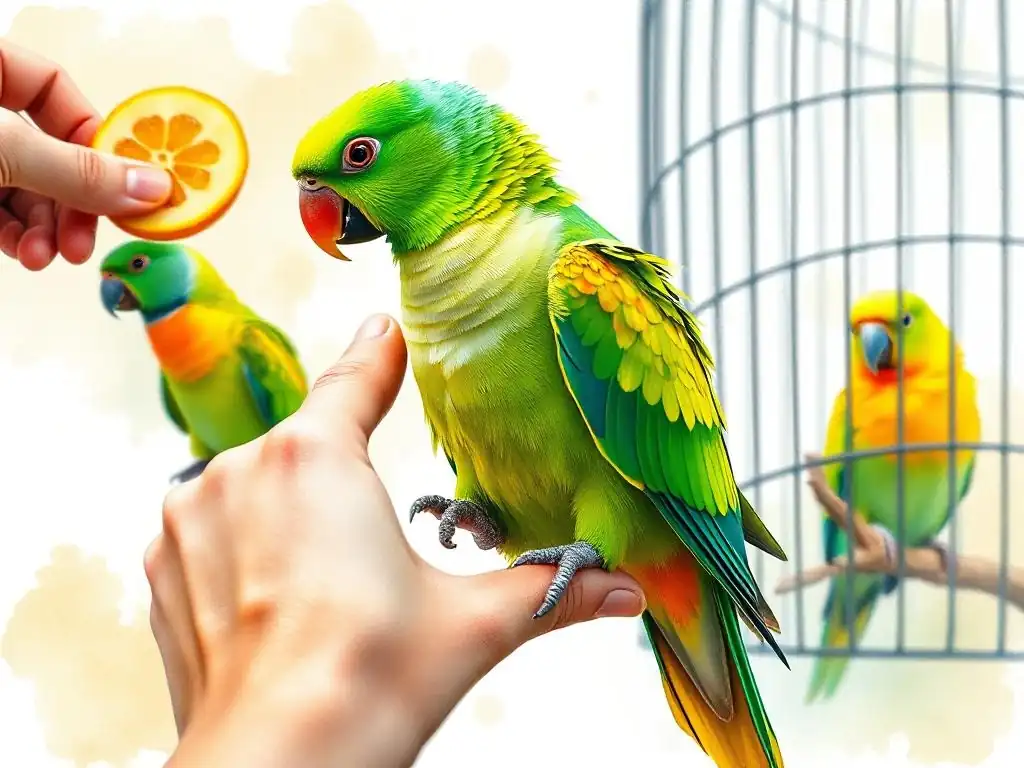
Conures, while incredibly affectionate and intelligent birds, can sometimes present challenges in the bonding process. Understanding and addressing these hurdles is crucial for developing a strong and trusting relationship with your feathered friend. This section explores some common issues and offers practical solutions to help you navigate these difficulties and achieve a harmonious bond. Remember, patience and consistency are key to successful conure bonding. Finding the best conure bonding activities often involves identifying and resolving these underlying problems.
Addressing Fear and Anxiety in Conures
Fear and anxiety are significant obstacles to bonding with a conure. Many conures, especially those with a history of neglect or trauma, may exhibit signs of fear such as hissing, fluffing their feathers, retreating to a safe space, or even biting. Addressing these anxieties requires a gentle and patient approach. Avoid sudden movements or loud noises that could startle your bird.
Instead, focus on creating a safe and predictable environment. This means providing a spacious cage with plenty of toys and perches to encourage exploration and reduce feelings of confinement. Regular, quiet interaction is essential. Spend time near the cage, talking softly and offering treats. Gradually increase your proximity, allowing your conure to become accustomed to your presence without feeling threatened.
Positive reinforcement techniques, such as rewarding calm behavior with treats or praise, can significantly alleviate fear and anxiety. Remember, building trust takes time. Small, consistent steps are far more effective than forceful interactions. You'll be surprised at how much progress you can make by simply being a calm, predictable presence in your conure's life. This consistent approach is one of the best conure bonding activities for anxious birds.
One helpful technique is to offer treats from your hand, gradually moving your hand closer to your bird's cage each day. This helps associate your presence with positive experiences. If your conure shows clear signs of fear, such as excessive feather ruffling or hissing, immediately back off and give them space. Forcing interaction will only worsen the situation.
Overcoming Biting and Nipping Behaviors
Biting, while a common conure behavior, is often a sign of fear, frustration, or lack of trust. It's crucial to understand the underlying cause before attempting to correct it. Sometimes, biting is simply a method of communication, expressing displeasure or excitement. However, aggressive biting can be a serious problem, especially if it causes injury.
To address biting, avoid punishing your conure. Punishment is counterproductive and will likely increase fear and anxiety, making bonding even more difficult. Instead, focus on identifying the triggers for biting. Does your conure bite when startled? When approached suddenly? When feeling threatened? Once you've identified the triggers, you can work on modifying your behavior to minimize these situations.
For example, if your conure bites when startled, approach it slowly and quietly, giving it time to adjust to your presence. If it bites when handling, ensure you handle it gently and supportively. Provide plenty of toys and activities to keep your conure entertained and reduce frustration. If biting persists, consider consulting an avian veterinarian or a certified avian behaviorist for professional guidance. They can help determine the underlying cause of the behavior and recommend appropriate solutions. Remember, consistent positive reinforcement, coupled with clear communication, is key to managing biting behaviors, leading to better best conure bonding activities outcomes.
Dealing with Aggressive or Defensive Conures
Aggression in conures can manifest in various ways, including biting, lunging, screaming, or feather ruffling. This behavior is often a sign of underlying fear, illness, or hormonal changes. It's crucial to rule out any medical causes before addressing behavioral issues. A veterinary checkup is essential to ensure that your conure isn't suffering from any health problems that might be contributing to its aggression.
Addressing aggression requires a multifaceted approach. Firstly, create a safe and enriching environment for your conure. Provide a spacious cage, plenty of toys, and opportunities for exercise and foraging. A bored or frustrated conure is more likely to be aggressive.
Secondly, establish clear boundaries. Conures need to understand what behaviors are acceptable and unacceptable. If your conure bites or lunges, firmly but calmly say "no" and temporarily remove it from your presence. However, avoid punishment; focus on redirection. Immediately after the negative behavior, offer a positive interaction, such as offering a favorite treat or engaging in a preferred activity.
This helps your conure associate positive behaviors with positive outcomes. Finally, patience and consistency are paramount. It takes time and effort to rehabilitate an aggressive conure, but with persistence and a positive approach, you can significantly improve your bird's behavior and strengthen your bond. This consistent and patient approach is amongst the best conure bonding activities. Remember to consult with an avian specialist if aggression persists or escalates.
Maintaining a Strong Bond with Your Conure Over Time
Building a strong bond with your conure is an ongoing process that requires consistent effort and understanding. It's not a one-time achievement but a journey of shared experiences and mutual trust. The best conure bonding activities aren't just about fleeting moments of interaction; they are about establishing a routine that fosters a deep and lasting connection. This section explores strategies for maintaining a strong bond with your feathered friend long after the initial bonding phase.
Consistent Interaction and Enrichment: Long-Term Bonding Strategies
Maintaining a strong bond with your conure requires consistent interaction and environmental enrichment. Think of it as tending a garden – you need to nurture it regularly to see it flourish. This means dedicating specific time each day for interaction, even if it's just 15-20 minutes. This interaction should be meaningful, not just filling the time.
Here are some long-term bonding strategies:
- Scheduled playtime: Designate specific times each day for playtime with your conure. This could involve target training, foraging activities, or simply allowing your conure to explore a safe, supervised area. Consistency is key here; your conure will learn to anticipate these interactions and look forward to them.
- Enrichment activities: Provide a variety of stimulating toys and activities to keep your conure mentally and physically engaged. Rotate toys regularly to prevent boredom and maintain interest. This prevents destructive behaviors that can arise from boredom and strengthens the bond through shared exploration.
- Positive reinforcement training: Continue training your conure using positive reinforcement methods. This builds trust and strengthens the bond through mutual learning and communication. Focus on building a repertoire of commands and tricks that both you and your bird enjoy. This builds trust and strengthens your bond.
- Diet and health: A healthy conure is a happy conure. Ensure your conure receives a balanced and nutritious diet, and provide regular veterinary checkups to address any health concerns promptly. A healthy bird is more likely to be engaged and interactive.
- Vocalization and communication: Pay attention to your conure's vocalizations. Learn to recognize different calls and understand what they mean. Respond appropriately to your conure's attempts at communication. This shows that you understand and care for their needs.
Recognizing Changes in Behavior: Maintaining a Healthy Relationship
Even with consistent effort, changes in your conure's behavior can indicate problems that might affect your bond. Early detection is crucial for addressing these issues before they escalate. A sudden change in appetite, increased aggression, feather plucking, or lethargy can all be signs of underlying problems.
Here's what to look for:
- Sudden changes in appetite: A significant decrease or increase in food intake can indicate illness or stress. Monitor your conure's eating habits closely. Changes in their eating habits are often a significant indicator of underlying issues.
- Increased aggression: If your conure suddenly becomes more aggressive or bites more frequently, it could be a sign of fear, pain, or hormonal changes. Try to identify the trigger for this behavior.
- Feather plucking: Feather plucking is a common sign of stress or underlying medical conditions. Consult an avian veterinarian to rule out any physical causes.
- Lethargy and decreased activity: A conure that is unusually lethargic or inactive may be unwell. Seek veterinary attention immediately.
- Changes in vocalizations: Changes in the frequency or type of vocalizations can also signal distress or illness. Pay close attention to any unusual sounds your conure makes.
Maintaining a healthy relationship requires vigilance and a willingness to address any behavioral shifts promptly.
Seeking Professional Help: When to Consult an Avian Veterinarian or Specialist
While many bonding challenges can be addressed through consistent effort and understanding, some situations require professional help. Don't hesitate to seek the advice of an avian veterinarian or a certified avian behaviorist if you notice persistent behavioral problems or suspect a medical condition.
Consider seeking professional help if:
- Your conure exhibits persistent aggression or self-destructive behaviors despite your best efforts.
- Your conure's behavior significantly impacts your ability to care for it or enjoy its company.
- You suspect your conure has a medical condition that is affecting its behavior or well-being.
- You are unsure how to address a specific behavioral problem and require expert guidance.
Early intervention is always best. A professional can provide a diagnosis, recommend treatment options, and offer guidance on managing your conure's behavior and strengthening your bond. Remember, seeking help isn't a sign of failure; it's a sign that you're committed to providing the best possible care for your beloved companion. A happy and healthy conure contributes significantly to a stronger and more fulfilling relationship.
Frequently Asked Questions
What are the best ways to bond with a conure?
Conure bonding involves consistent interaction. Spend time daily engaging in activities like hand-feeding, playing games, and gentle petting. Establish a routine for positive reinforcement.
How long does it take to bond with a conure?
Bonding time varies greatly depending on the individual bird's personality and your approach. It could take weeks or even months, but consistent effort will strengthen your relationship. Patience is key!
My conure bites me; how can I improve our bond?
Biting often stems from fear or lack of trust. Avoid forcing interaction. Focus on positive reinforcement with treats and gentle handling when your conure is calm. Never punish biting; this will worsen the problem.
What types of toys are best for bonding with my conure?
Provide a variety of engaging toys to stimulate your conure's natural instincts. Foraging toys, puzzle toys, and chewing toys encourage interaction and mental stimulation, strengthening your bond through shared activities.
Are there any specific conure bonding activities I should try?
Yes! Target training is excellent for building trust and focus. Singing or talking to your conure creates a positive association. Sharing meals (supervised, of course!) can also foster a stronger connection.
Final Reflection: The Enduring Bond: Conures and Their People
The vibrant, playful spirit of a conure is a joy to behold, but forging a truly deep connection requires dedicated effort. Understanding and implementing the bonding activities discussed throughout this article is not just about training; it's about building a lasting relationship based on trust, mutual respect, and shared experiences. This understanding is more relevant than ever in a world increasingly focused on companion animal welfare.
The journey of bonding with a conure is a continuous process of learning and adaptation, a testament to the unique personality of each bird. It's a journey that profoundly shapes both the bird and the owner. The best mirror is an old friend.
This proverb, while not specifically about conures, perfectly encapsulates the reflective nature of this bond; we learn as much from our feathered companions as they learn from us. The subtle nuances of their body language, their individual preferences, and their capacity for affection all contribute to a rich tapestry of shared experiences.
Now, consider your own conure. What unique activities resonate most with their personality? What small gestures of affection have yielded the greatest rewards? Take the time to reflect on this journey, and continue to explore new ways to strengthen your bond. Remember, the most rewarding relationships are built on consistent effort, understanding, and a deep appreciation for the unique individual you share your life with. Embrace the adventure, and watch your connection with your conure flourish.
Unlock Your Conure's Heart: Strengthen Your Bond Today!
Thanks for exploring the world of conure bonding! We hope you've gained valuable insights into strengthening your relationship with your feathered friend. Now, let's put that knowledge into practice.
- **Prioritize dedicated playtime:** Schedule at least 15 minutes each day for focused interaction. This could involve teaching a new trick, offering a favorite treat, or simply enjoying some quiet time together. This focused time is crucial for building a deeper bond.
- **Share your experiences:** Join our PetCareWorld community forum and connect with other conure owners. Let's learn from each other's successes and challenges!
- **Enrich your conure's life:** Think beyond the cage! Introduce a new toy, a foraging activity, or even allow supervised exploration of a safe, bird-proofed room. Providing stimulating activities will strengthen your bond and keep your conure happy and engaged.
What exciting activity will you and your conure enjoy today?