
Guinea Pig Summer Safety: Keeping Your Cavies Cool & Protected


Welcome to PetCareWorld, your ultimate guide to a happier, healthier life for your beloved companions! Are you prepared for the summer heat? Discover essential tips and expert advice on Guinea pig summer heat safety to ensure your cavies stay cool and comfortable all season long. Dive into our comprehensive guide and learn how to protect your furry friends from the dangers of summer. Let's keep your pets thriving!
- Understanding Guinea Pig Heat Sensitivity: Recognizing the Risks
- Essential Strategies for Guinea Pig Summer Heat Safety
- Emergency Protocols: Responding to Heatstroke in Guinea Pigs
- Long-Term Heat Safety Strategies for Guinea Pigs
-
Frequently Asked Questions
- What are the biggest dangers of summer heat for guinea pigs?
- What is the ideal temperature range for guinea pigs in the summer?
- How can I keep my guinea pig cool during hot weather?
- What are the signs that my guinea pig is suffering from heatstroke?
- What should I do if I think my guinea pig is suffering from heatstroke?
- Final Reflection: Embracing the Sun Safely with Our Cavies
- Beat the Heat: Give Your Guinea Pig the Best Summer Yet!
Understanding Guinea Pig Heat Sensitivity: Recognizing the Risks
Guinea pigs, with their adorable fluffiness and charming personalities, are beloved pets worldwide. However, these small mammals are surprisingly sensitive to heat, making summer months a potentially dangerous time for your cavy. Unlike humans and many other animals, guinea pigs don't have efficient sweat glands, making it difficult for them to regulate their body temperature effectively. This article will delve into the crucial aspects of keeping your guinea pig safe and cool during the summer heat, focusing on preventative measures and recognizing the signs of heat stress. Understanding your guinea pig's vulnerability to heatstroke is the first step in ensuring their well-being and preventing potentially life-threatening situations. We'll cover everything from identifying high-risk individuals to implementing practical cooling strategies to keep your furry friend thriving throughout the warmer months. Proper summer care is essential for maintaining the health and happiness of your guinea pig, so let's dive into the details.
Heat Stroke in Guinea Pigs: Symptoms and Prevention
Heat stroke is a serious and potentially fatal condition in guinea pigs. It occurs when their body temperature rises to dangerous levels, leading to organ damage and ultimately, death. Recognizing the symptoms early is crucial for effective intervention. Early signs can be subtle, including lethargy, decreased appetite, labored breathing (evident in rapid or shallow breaths), and excessive panting. As the condition worsens, you may observe weakness, staggering gait, seizures, and even collapse. Prevention is key, and this involves proactive measures to keep your guinea pig cool and comfortable.
Here's a table summarizing key preventative measures:
| Prevention Strategy | Description | Effectiveness |
|---|---|---|
| Provide Shade and Ventilation | Ensure your guinea pig's enclosure is placed in a cool, shaded area with good airflow. | ⭐⭐⭐⭐⭐ |
| Frozen Water Bottles/Tiles | Offer chilled surfaces for them to lie on. | ⭐⭐⭐⭐ |
| Increase Water Intake | Always provide fresh, cool water and consider adding ice cubes to their water bottle. | ⭐⭐⭐⭐ |
| Limit Exercise During Peak Heat | Reduce activity during the hottest parts of the day. | ⭐⭐⭐ |
| Monitor Body Temperature | Regularly check their body temperature (normal is 99-103°F). [Specific method pending] | ⭐⭐⭐⭐⭐ |
| Cooling Baths (with Caution) | Short, lukewarm baths can help, but avoid chilling them. | ⭐⭐⭐ |
| Air Conditioning (if possible) | The best option, especially during heatwaves. | ⭐⭐⭐⭐⭐ |
If you suspect your guinea pig is suffering from heat stroke, immediately seek veterinary attention. Time is critical in these situations.
Recognizing High-Risk Guinea Pigs: Age, Breed, and Health Factors
Not all guinea pigs are equally vulnerable to heat stress. Certain factors increase their risk. Older guinea pigs, for example, have less efficient thermoregulation and are more susceptible to heat stroke. Similarly, guinea pigs with pre-existing health conditions, such as heart or respiratory problems, are at a higher risk. Breed also plays a role; long-haired breeds, due to their thicker coats, are more prone to overheating than their short-haired counterparts. Obese guinea pigs also struggle to regulate their body temperature effectively.
Further Considerations for High-Risk Cavies
Always provide extra care and monitoring for guinea pigs falling into the high-risk categories. This includes frequent checks for signs of heat stress and proactive cooling measures. Consider adjusting their environment more frequently according to weather changes. If you are unsure about your guinea pig's risk level, consult with a veterinarian.
Remember, proactive care is the best way to protect your guinea pig from the dangers of summer heat. By implementing these preventative measures and being vigilant about their well-being, you can ensure a safe and happy summer for your furry friend. 🥵☀️
Essential Strategies for Guinea Pig Summer Heat Safety
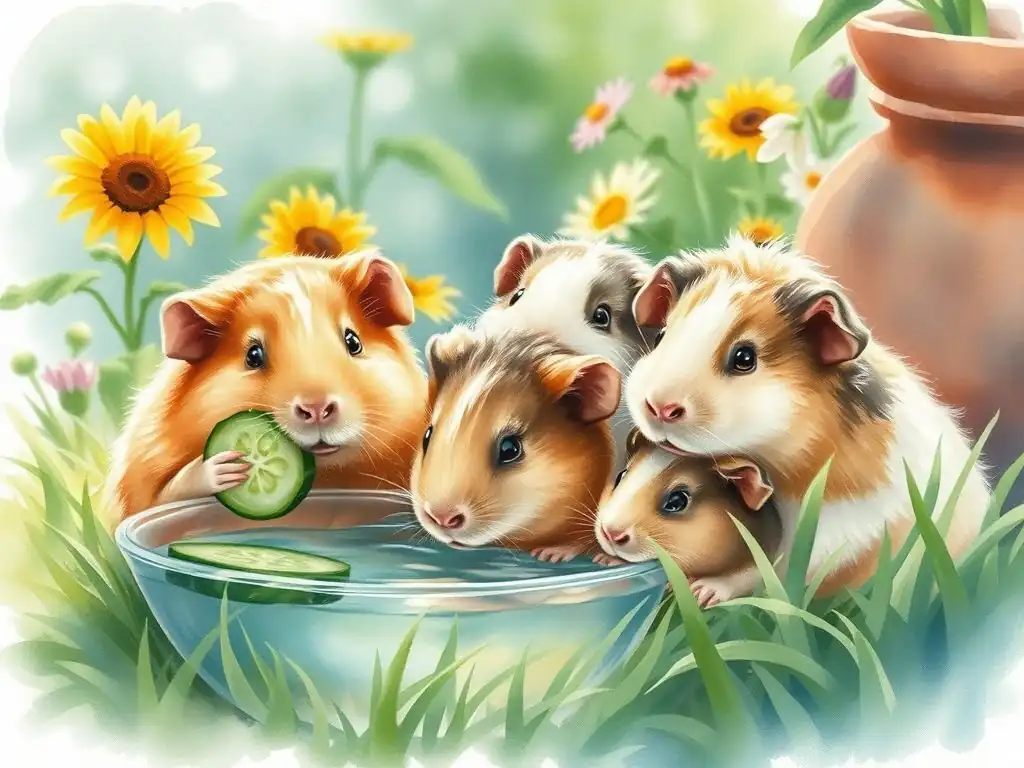
Guinea pigs, with their naturally low tolerance for heat, require extra care during the summer months. Successfully navigating the summer heat and ensuring your cavy's well-being hinges on proactive measures. This section details crucial strategies to keep your guinea pig safe and comfortable throughout the warmer seasons. Ignoring these precautions can lead to serious health complications, even death, for your furry friend. Understanding the nuances of guinea pig thermoregulation is paramount to their summer survival. Remember, even a slight increase in ambient temperature can pose significant risks.
Creating a Cool Environment for Your Guinea Pig
Providing a cool and well-ventilated environment is the cornerstone of guinea pig summer heat safety. Heatstroke in guinea pigs is a genuine threat, and prevention begins with understanding how to modify your cavy's living space. Even minor oversights can have severe consequences.
Optimal Cage Placement and Ventilation for Guinea Pigs in Summer
The location of your guinea pig's cage significantly impacts its temperature. Avoid placing the cage in direct sunlight, which can rapidly increase the internal temperature. Ideally, situate the cage in a cool, shaded area, away from windows and heating vents. Good air circulation is crucial; a well-ventilated room helps prevent heat buildup. Consider using a fan to gently circulate air around the cage, but ensure the fan is not blowing directly onto your guinea pig, as this can cause a chill. Remember, even a slight breeze can make a big difference.
Utilizing Shade and Ventilation to Combat Summer Heat
In addition to cage placement, consider supplementary cooling measures. For outdoor cages, provide ample shade using a tarp, umbrella, or other suitable covering. Ensure the shade is sufficient to protect your guinea pig from the sun's direct rays throughout the day. Adequate ventilation is equally important; avoid completely enclosing the cage, as this can trap heat and humidity. Strategically placed openings or mesh panels can promote airflow, helping to keep the environment cool and comfortable. Regularly check the temperature inside the cage using a thermometer to ensure it stays within a safe range.
Cooling Mats and Tiles: A Refreshing Solution for Your Cavy
Cooling mats and ceramic tiles offer a refreshing alternative to traditional bedding. These materials absorb and radiate heat, providing a cooler surface for your guinea pig to rest on. Ensure the materials are pet-safe and non-toxic. Avoid extremely cold surfaces, as these can cause hypothermia. Offer a variety of surfaces, allowing your guinea pig to choose its preferred resting spot based on its comfort level. This provides your guinea pig with a choice in temperature regulation. Observe your pet's behavior to determine what works best.
Hydration is Key: Ensuring Ample Water Intake for Guinea Pigs in Hot Weather
Maintaining adequate hydration is critical for guinea pigs, especially during hot weather. Dehydration can quickly lead to serious health problems, so monitoring water intake and recognizing signs of dehydration are essential.
Recognizing Dehydration in Guinea Pigs: Signs and Symptoms
Recognizing the signs of dehydration is crucial for timely intervention. Symptoms can include lethargy, sunken eyes, dry mouth and nose, and decreased urination. Your guinea pig might also exhibit loss of appetite or appear listless. If you observe any of these signs, immediately provide fresh, cool water and seek veterinary attention. Early detection and prompt treatment are key to preventing severe complications. Don't hesitate; act quickly if you suspect dehydration.
Fresh Water Sources and Strategies for Maintaining Hydration
Always provide your guinea pig with an ample supply of fresh, clean water. Use multiple water bottles or bowls to ensure consistent access. Consider adding a few ice cubes to the water to provide a refreshing chill. Monitor water levels regularly and refill as needed, especially during hot weather. Regularly clean the water bottles and bowls to prevent the growth of harmful bacteria. You might also consider offering a small amount of electrolyte solution, but only after consulting your veterinarian. Maintaining hydration is a continuous process, requiring constant vigilance, particularly during summer.
Dietary Adjustments for Summer Heat: Supporting Your Guinea Pig's Well-being
Summer heat can significantly impact your guinea pig's metabolism and overall well-being. Maintaining a balanced and appropriate diet is crucial during these warmer months to prevent heat stress and ensure your cavy stays healthy and hydrated. While their regular diet remains the foundation, certain adjustments can make a significant difference in their comfort and resilience to the heat.
Providing readily available fresh water is paramount; ensure their water bottle is always full and clean, and consider offering additional water sources, such as a shallow dish. Observe your guinea pig closely for any signs of dehydration, such as lethargy, dry nose, or sunken eyes. Immediate veterinary attention is required if you notice any of these symptoms.
Remember, even minor adjustments to their diet can contribute greatly to their overall well-being during the summer months. A proactive approach to hydration and nutrition is key to preventing heat-related illnesses in your beloved guinea pig.
Summer-Appropriate Diet for Guinea Pigs: Fruits, Vegetables, and Hay
The cornerstone of a guinea pig's diet remains high-quality Timothy hay. However, the summer months offer opportunities to introduce refreshing and hydrating fruits and vegetables to supplement their diet. Consider offering small quantities of cucumber, watermelon (seeds removed), and bell peppers. These provide hydration and essential nutrients without adding excessive heat to their system. Remember that moderation is key; introducing too many new foods at once can upset their digestive system.
Always introduce new foods gradually, monitoring for any signs of digestive upset like diarrhea. A balanced approach, combining their usual hay with small portions of hydrating fruits and vegetables, will help your guinea pig stay cool and healthy throughout the summer. Maintaining a consistent supply of fresh, clean water is equally important. Always ensure your guinea pig has access to an ample amount of fresh, clean water throughout the day.
Avoiding Foods that Increase Heat in Guinea Pigs
Just as certain foods can help keep your guinea pig cool, others can contribute to heat buildup. It's essential to avoid foods high in sugars and fats, as these can increase their metabolic rate and generate internal heat. This includes treats like sugary pellets or processed snacks. Similarly, foods that are naturally warm, such as nuts and seeds, should be limited or avoided entirely during the summer.
These high-calorie items can also lead to weight gain, which can further exacerbate heat stress. Sticking to a diet primarily consisting of Timothy hay, along with small portions of appropriate fruits and vegetables, will significantly contribute to maintaining your guinea pig's internal temperature and overall well-being during hot weather. Prioritizing hydration remains crucial; always ensure an ample supply of fresh, clean water. By carefully selecting their diet, you can proactively support your guinea pig's health and resilience to summer heat.
Emergency Protocols: Responding to Heatstroke in Guinea Pigs
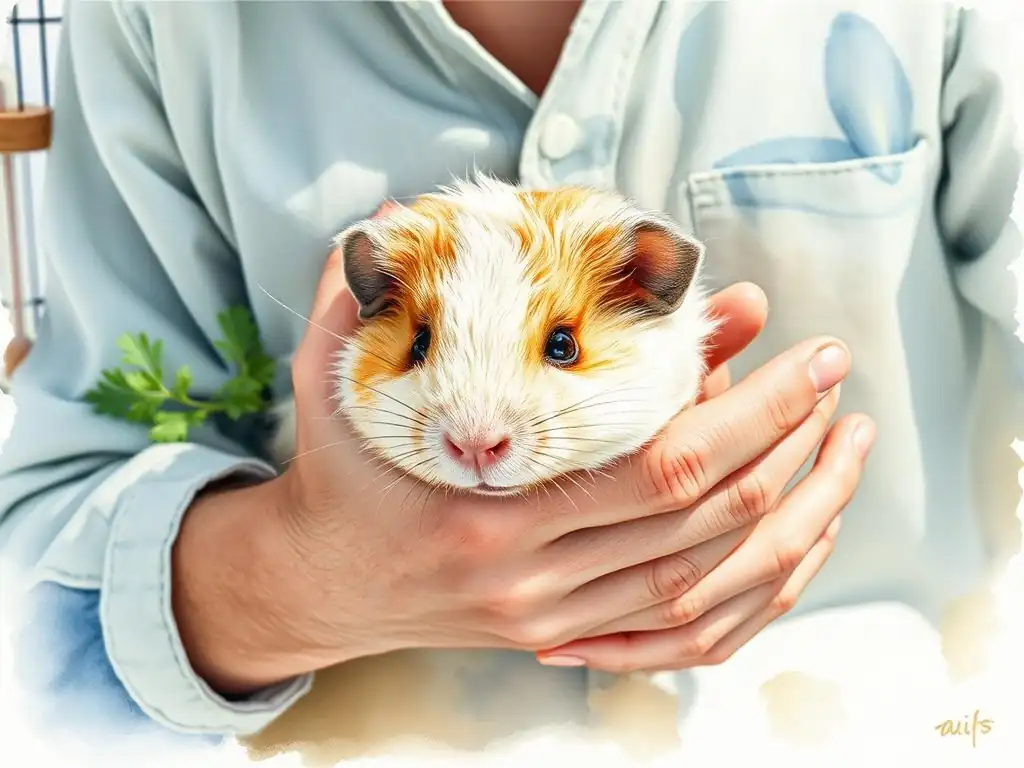
Heatstroke in guinea pigs is a serious, potentially life-threatening condition requiring immediate action. Recognizing the signs early and responding swiftly is crucial for your cavy's survival. Guinea pigs, with their naturally low tolerance for high temperatures, are particularly vulnerable during summer's peak heat. Understanding the emergency protocols outlined below can significantly improve your chances of saving your pet in a heatstroke emergency. Prevention is always the best approach, but knowing what to do in a crisis is equally important. This section focuses specifically on emergency response, assuming you've already implemented preventative measures as discussed elsewhere in the article.
Immediate Actions for Suspected Heat Stroke in Guinea Pigs
If you suspect your guinea pig is suffering from heatstroke, act quickly. The key is to rapidly lower their body temperature. Here's a step-by-step guide:
- Move your guinea pig to a cool location: Immediately relocate your cavy to a shaded, well-ventilated area, ideally with a temperature below 75°F (24°C). An air-conditioned room is best. Avoid placing them directly in front of a fan, as this can cause chilling.
- Apply cool (not cold) compresses: Gently apply cool, damp cloths or towels to their body, focusing on their paws, belly, and ears. Avoid using ice or extremely cold water, as this can cause shock. Lukewarm water is ideal.
- Provide cool drinking water: Offer fresh, cool water in a shallow dish. Heatstroke can cause dehydration, so ensuring access to water is vital. Consider using a syringe to gently administer water if your guinea pig is unwilling to drink.
- Elevate their head and body: Slightly elevate your guinea pig's head and body to improve breathing. This can help alleviate respiratory distress often associated with heatstroke.
- Monitor vital signs: Observe your guinea pig closely for any changes in breathing, behavior, or temperature. Note the time of onset and any noticeable symptoms. This information will be crucial for your veterinarian.
- Avoid forceful cooling methods: Do not immerse your guinea pig in cold water or use ice packs directly on their skin. This can cause further stress and potential harm.
Veterinary Care for Guinea Pig Heatstroke: When to Seek Professional Help
Even with immediate first aid, veterinary care is often necessary for guinea pigs suffering from heatstroke. Always seek professional veterinary help if:
- Your guinea pig shows signs of severe lethargy, weakness, or collapse.
- Their breathing is labored or rapid.
- They have seizures or tremors.
- Their body temperature remains elevated despite your efforts.
- They are unresponsive or showing signs of significant distress.
Time is of the essence in treating heatstroke. The sooner your guinea pig receives veterinary attention, the better their chances of recovery. Your veterinarian will likely conduct a thorough examination, potentially including blood tests and other diagnostic procedures, to assess the severity of the heatstroke and provide appropriate treatment, which may include intravenous fluids, medication to lower body temperature, and supportive care. Remember to accurately relay all the steps you took during the emergency response.
This information is invaluable in your guinea pig's treatment plan. Prompt action and professional veterinary care significantly improve your guinea pig's chances of survival during a summer heat emergency. Don't hesitate to contact your vet immediately if you have any concerns.
Long-Term Heat Safety Strategies for Guinea Pigs

Guinea pigs, with their naturally low tolerance for heat, require careful planning and consistent attention to ensure their well-being, especially during summer months. Effective heat safety isn't just about reacting to a heatwave; it's about proactive, year-round strategies that minimize their risk of heatstroke and other heat-related illnesses. This section outlines long-term strategies to safeguard your cavy's comfort and health throughout the year, focusing on preventative measures and understanding their specific needs. Proper preparation and consistent monitoring are key components of guinea pig summer heat safety.
Preparing for Summer Heat: Proactive Measures for Guinea Pig Care
Summer heat preparedness for guinea pigs begins well before the first heatwave hits. This involves creating a cool and safe environment, acquiring essential cooling equipment, and familiarizing yourself with the signs of heat stress. Proactive measures significantly reduce the chances of emergencies.
Several steps should be taken months in advance:
- Assess your home's environment: Identify the coolest rooms in your house. Is there consistent air conditioning or natural ventilation? Consider which room will best protect your guinea pig from direct sunlight and excessive heat.
- Invest in cooling equipment: Purchase a ceramic tile or a cooling mat. These provide a cool surface for your guinea pig to rest on. A fan is another crucial investment; ensure it's placed strategically to circulate air without directly blowing on your guinea pig, preventing chills.
- Stock up on supplies: Have plenty of fresh water bottles and food readily available. During heat waves, access to water is paramount. Consider having backup water bottles in case one malfunctions. Frozen water bottles can also provide additional cooling.
- Create a "heat escape": Designate a cool, shaded area within your guinea pig's cage or enclosure. This could involve a small, shaded cardboard box or a dedicated corner with extra ventilation.
- Learn the signs of heatstroke: Understand the symptoms of heat stress in guinea pigs, including lethargy, labored breathing, excessive salivation, and weakness. Early recognition is crucial for timely intervention.
Year-Round Care for Heat Sensitivity in Guinea Pigs
Guinea pigs' susceptibility to heat isn't limited to summer. Even during milder months, improper cage placement near radiators or direct sunlight can cause overheating. Therefore, year-round vigilance is necessary to prevent heat-related issues.
Consider these practices for continuous heat management:
- Cage placement: Always keep your guinea pig's cage away from direct sunlight, heaters, and other sources of heat. Opt for a well-ventilated area with consistent temperature.
- Regular cage cleaning: A clean cage promotes better air circulation, reducing the buildup of heat. Regular cleaning also removes any potential sources of ammonia buildup, which can aggravate heat stress.
- Monitor water intake: Regularly check your guinea pig's water bottle to ensure it's functioning correctly and that your pet is drinking sufficient amounts of water. Dehydration exacerbates heat stress.
- Dietary adjustments: While not a direct cooling mechanism, a balanced diet supports overall health and resilience against heat stress. Avoid feeding excessive amounts of high-energy foods during warmer months.
- Regular health checks: Schedule regular veterinary checkups to monitor your guinea pig's overall health and address any underlying conditions that might increase their vulnerability to heat. Early detection of any health problems is crucial for preventing complications during periods of high temperatures. This proactive approach ensures your guinea pig remains healthy and comfortable throughout the year, demonstrating a comprehensive approach to guinea pig summer heat safety. Remember, consistent care and attention are key to ensuring your furry friend thrives, regardless of the season.
Frequently Asked Questions
What are the biggest dangers of summer heat for guinea pigs?
Guinea pigs are highly susceptible to heatstroke, which can be fatal. High temperatures and humidity can quickly overwhelm their ability to regulate their body temperature. Overheating is a serious risk.
What is the ideal temperature range for guinea pigs in the summer?
The ideal temperature range for guinea pigs is between 65-75°F (18-24°C). Temperatures above 80°F (27°C) become increasingly dangerous, requiring immediate cooling measures.
How can I keep my guinea pig cool during hot weather?
Provide ample shade, a cool tile or ceramic hide, and freeze a water bottle to place in their cage. Offer fresh, cool water at all times and consider using a fan (ensure it's not blowing directly on them).
What are the signs that my guinea pig is suffering from heatstroke?
Signs of heatstroke include excessive panting, lethargy, drooling, and reddened ears. If you see any of these signs, seek veterinary attention immediately. Rapid breathing is also a critical sign.
What should I do if I think my guinea pig is suffering from heatstroke?
Immediately move your guinea pig to a cooler location, apply cool (not cold) compresses to their body, and offer plenty of cool water. Contact your veterinarian as soon as possible for emergency treatment.
Final Reflection: Embracing the Sun Safely with Our Cavies
Guinea pig summer safety isn't just about survival; it's about ensuring a happy, healthy, and enriching life for our beloved companions. The sweltering heat of summer poses a significant threat to these sensitive creatures, and understanding their vulnerabilities is paramount to their well-being. Ignoring the risks can have devastating consequences, highlighting the urgent need for proactive measures and consistent vigilance.
The impact of understanding guinea pig heatstroke prevention extends far beyond the individual animal. It fosters a deeper connection between pet and owner, built on a foundation of knowledge and responsible care. This understanding allows us to appreciate the delicate balance of their needs and our responsibility to provide a safe and comfortable environment. The best way to find yourself is to lose yourself in the service of others.
– Mahatma Gandhi. This quote, while not directly about guinea pigs, speaks to the profound connection we forge when we dedicate ourselves to the well-being of another living creature. It's a relationship built on mutual respect and understanding, enriching both our lives immeasurably.
Now, consider your own cavy. Think about the small changes you can make to ensure their safety this summer. Are their cages adequately shaded and ventilated? Do you have a backup plan for extreme heat? Take a moment to assess their environment and make the necessary adjustments. By actively participating in their well-being, you're not just ensuring their physical health; you're strengthening the bond you share, creating a summer filled with joy, comfort, and the contented sounds of happy guinea pigs. Let's make this summer a safe and happy one for our furry friends.
Beat the Heat: Give Your Guinea Pig the Best Summer Yet!
Thank you for joining us on this journey to a safer, happier summer for your furry friend! You've learned valuable tips to keep your guinea pig cool and comfortable during the warmer months. Now let's put that knowledge into action:
- Prioritize shade and airflow: Providing ample shade and good ventilation is crucial for protecting your guinea pig from heatstroke. This is the single most important step you can take.
- Share your summer safety tips: Tell your fellow guinea pig owners about what you've learned today! Spread the word on social media using #GuineaPigSummerSafety.
- Create a cool enrichment activity: Design an ice-based treat or a fun, shaded play area for your guinea pig. Get creative and discover your pet's favorite activities!
Ready to make this summer the coolest yet for your guinea pig? What's your favorite way to keep your furry friend cool?