
Decoding Cat Anxiety: Unveiling the Mystery Behind Feline Fear

Welcome to PetCareWorld, your ultimate guide to a happier, healthier life for your beloved pet! Are you concerned about your feline friend? We delve into the often-mysterious world of cat anxiety symptoms solutions in our latest article, "Decoding Cat Anxiety: Unveiling the Mystery Behind Feline Fear." Discover practical strategies and expert advice to understand and alleviate your cat's anxieties – and unlock a more peaceful coexistence. Explore our comprehensive resources and learn how to provide the best possible care for your furry, feathered, or scaled companions.
- Understanding Cat Anxiety Symptoms and Their Causes
- Diagnosing Cat Anxiety: When to Seek Veterinary Help
- Effective Solutions for Cat Anxiety: A Holistic Approach
- Natural Remedies and Alternative Therapies for Cat Anxiety
- Preventing Cat Anxiety: Proactive Measures
- Living with an Anxious Cat: Practical Tips and Support
- Frequently Asked Questions
- Final Reflection: Understanding and Healing Feline Fear
- Unlock Your Cat's Confidence: A Purrfect Next Step
Understanding Cat Anxiety Symptoms and Their Causes
Cat anxiety, a prevalent issue among feline companions, significantly impacts their well-being and the human-animal bond. This comprehensive guide delves into the multifaceted world of feline fear, exploring the common symptoms, underlying causes, and effective solutions to help you understand and address your cat's anxiety.
We'll unravel the mystery behind seemingly inexplicable behaviors, providing you with the knowledge to recognize, diagnose, and ultimately alleviate your cat's distress. Understanding the nuances of cat anxiety is crucial for responsible pet ownership, enabling you to create a safer, more enriching environment for your beloved feline friend.
This guide will equip you with the tools to interpret your cat's behavior accurately and implement appropriate strategies to promote calmness and reduce anxiety. We will explore both the readily observable symptoms and the often hidden triggers that contribute to this pervasive problem, ultimately aiming to improve the quality of life for both you and your anxious cat.
Recognizing Common Signs of Anxiety in Cats
Recognizing the subtle signs of anxiety in cats is paramount to providing effective intervention. Cats, unlike humans, often express their anxiety through nuanced behavioral changes, requiring keen observation and understanding. These subtle cues can easily be missed by the untrained eye, leading to delayed treatment and prolonged suffering for your cat.
Some common symptoms of cat anxiety include:
- Excessive grooming: This can manifest as over-grooming to the point of hair loss or skin irritation. This compulsive behavior is often a coping mechanism for anxiety.
- Changes in appetite: Anxiety can drastically affect a cat's eating habits, leading to either increased or decreased food intake. Weight loss or gain should be taken seriously.
- Increased vocalization: Excessive meowing, yowling, or chattering can be indicators of underlying anxiety. The tone and frequency of vocalizations can offer clues.
- Urinary or fecal incontinence: Stress-induced urination or defecation outside the litter box is a common symptom, often overlooked.
- Hiding: Cats experiencing anxiety may seek refuge in dark, secluded areas, avoiding interaction with their owners or other pets.
- Restlessness: Pacing, excessive sleeping, or changes in sleep patterns can all signal underlying anxiety.
- Aggression: While not always the case, some cats exhibit aggression as a manifestation of their anxiety. This can be directed toward people or other animals.
- Inappropriate elimination: Urinating or defecating outside the litter box is a significant indicator of stress and anxiety in cats.
Understanding these subtle signs allows for early intervention, preventing the escalation of anxiety and associated behavioral problems. Remember, each cat expresses anxiety differently, so paying close attention to individual changes in your cat's behavior is key.
Identifying Underlying Causes of Feline Anxiety: Stressors and Triggers
Identifying the root causes of feline anxiety is crucial for developing effective management strategies. Many factors can contribute to anxiety in cats, ranging from environmental changes to underlying medical conditions. Understanding these stressors and triggers is the first step towards helping your cat.
Common causes include:
- Environmental changes: Moving to a new home, introducing new pets, changes in furniture arrangement, or even a new person in the household can all trigger anxiety.
- Medical conditions: Hyperthyroidism, kidney disease, and other medical problems can cause behavioral changes that mimic anxiety. A veterinary check-up is crucial to rule out any underlying medical issues.
- Separation anxiety: Cats can experience significant distress when separated from their owners or their familiar environment. This can manifest in various ways, including excessive vocalization and destructive behavior.
- Fear of loud noises: Thunderstorms, fireworks, and other loud noises can trigger intense fear and anxiety in cats.
- Lack of enrichment: A boring or unstimulating environment can lead to boredom and anxiety. Providing adequate playtime, scratching posts, and climbing opportunities can help alleviate this.
- Past trauma: Negative experiences, such as abuse or neglect, can lead to long-lasting anxiety and fear.
A thorough assessment of your cat's environment and history is necessary to pinpoint the specific triggers contributing to their anxiety. Working closely with a veterinarian and possibly a certified cat behaviorist can help identify and address these underlying issues effectively.
Differentiating Anxiety from Other Cat Behavioral Issues
It's important to distinguish anxiety from other behavioral problems that may present similar symptoms. Some behaviors might appear to be anxiety-related, but their origins could be different. Accurate diagnosis is critical for effective treatment.
For example:
- Play aggression: While some playful aggression might be mistaken for anxiety-related aggression, the context and triggers are usually different. Play aggression often involves playful biting and chasing, whereas anxiety-related aggression is usually more defensive and fearful.
- Territorial disputes: Conflicts with other cats in the household might manifest as aggression, hissing, and hiding, which could be mistaken for anxiety. However, these behaviors are often rooted in territorial instincts rather than generalized anxiety.
- Age-related changes: As cats age, cognitive decline can lead to changes in behavior, such as confusion and disorientation, which might be misinterpreted as anxiety.
Differentiating between anxiety and other behavioral issues requires careful observation and assessment. Consulting with a veterinarian or a certified cat behaviorist is highly recommended to get a proper diagnosis and develop an appropriate treatment plan. This ensures that the intervention is targeted and effective, leading to improved well-being for your cat.
Diagnosing Cat Anxiety: When to Seek Veterinary Help
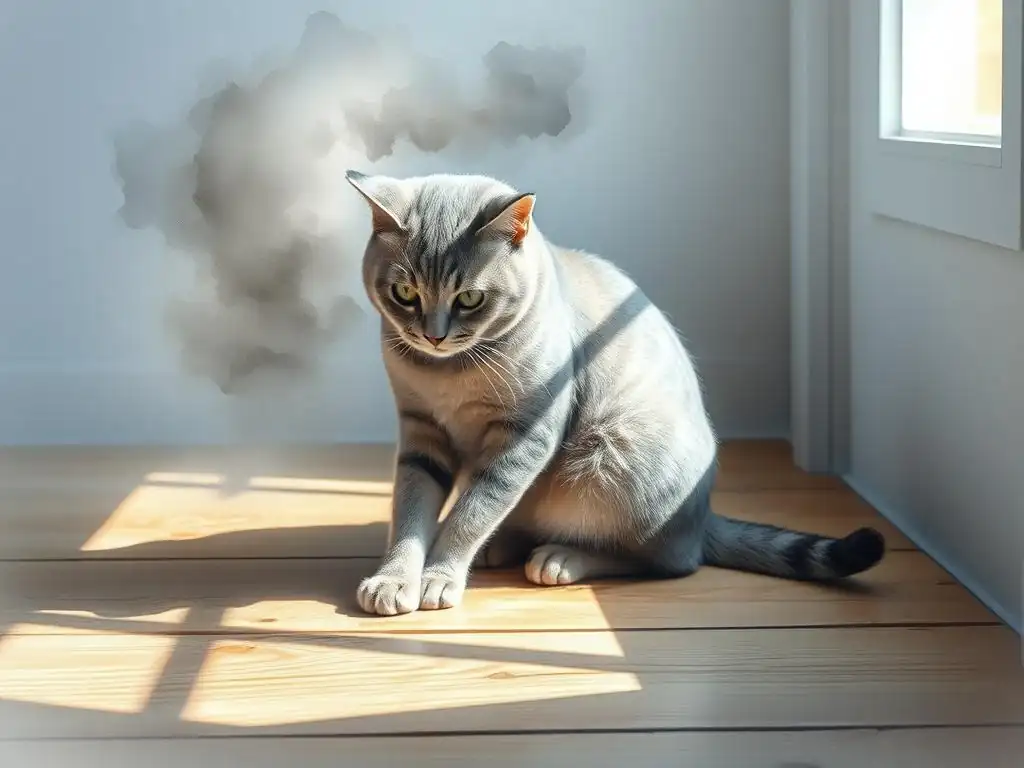
Diagnosing cat anxiety requires a careful and systematic approach. While many anxiety symptoms are readily observable by pet owners, a veterinary consultation is crucial for several reasons. It's important to remember that some physical ailments can mimic anxiety symptoms, leading to misdiagnosis and ineffective treatment. Therefore, seeking professional help is not just advisable but often necessary for a proper diagnosis and the development of an effective treatment plan for your anxious feline companion. This section focuses on understanding when veterinary intervention is essential in the journey towards managing cat anxiety symptoms and solutions.
The Role of a Veterinarian in Diagnosing Cat Anxiety
A veterinarian plays a pivotal role in accurately diagnosing cat anxiety. They begin by conducting a thorough physical examination to rule out any underlying medical conditions that might be causing the observed symptoms. This examination goes beyond a simple check-up; it involves a detailed assessment of the cat's overall health, including its cardiovascular system, endocrine system, and neurological function. The vet will also consider the cat's history, including its diet, lifestyle, and any recent changes in its environment.
This holistic approach ensures a comprehensive understanding of the cat's well-being. Furthermore, the veterinarian can discuss potential behavioral changes with you, helping to determine whether the observed behaviors are indicative of anxiety or something else. They may also suggest specific diagnostic tests, such as blood work or urinalysis, to further investigate possible medical causes. The vet's expertise is crucial in differentiating between anxiety and other health problems.
Ruling Out Medical Conditions Mimicking Anxiety Symptoms
Many medical conditions can present with symptoms that closely resemble cat anxiety. For example, hyperthyroidism, a common endocrine disorder in older cats, can cause restlessness, irritability, and increased vocalization – all symptoms also associated with anxiety. Similarly, kidney disease, urinary tract infections, and even dental problems can lead to behavioral changes that might be misinterpreted as anxiety.
A comprehensive veterinary examination, including blood tests and possibly imaging techniques like X-rays or ultrasounds, is essential to rule out these possibilities. Failure to do so could lead to ineffective treatment of the anxiety symptoms, while the underlying medical condition worsens. Early detection and treatment of these medical conditions are vital for your cat's overall health and well-being.
Consider this scenario: a cat exhibiting excessive vocalization might be diagnosed with anxiety, when in reality, a painful urinary tract infection is the root cause. The correct diagnosis, obtained through veterinary intervention, is paramount for appropriate treatment.
Behavioral Assessments for Accurate Diagnosis
Beyond the physical examination, a behavioral assessment is critical for a precise diagnosis of cat anxiety. While veterinarians can assess some behavioral aspects, a certified veterinary behaviorist or a qualified animal behaviorist can offer a more in-depth evaluation. These specialists employ various techniques, including detailed questionnaires about the cat's behavior, observation of the cat in its environment, and possibly even home visits. They'll analyze the frequency, intensity, and triggers of the anxious behaviors.
For instance, a detailed behavioral assessment might reveal that a cat's anxiety is specifically triggered by loud noises, social interactions, or changes in its routine. This level of detail is crucial for tailoring effective treatment strategies. The assessment considers the severity of the anxiety, the impact on the cat's quality of life, and the cat's overall response to environmental stimuli.
This detailed analysis helps determine the best course of action, whether it's environmental modification, behavior modification techniques, or medication. The goal is to create a personalized plan addressing the unique needs of the cat and its environment. Remember, a proper diagnosis is the cornerstone of successful anxiety management.
Effective Solutions for Cat Anxiety: A Holistic Approach
Addressing cat anxiety requires a multifaceted approach, combining behavioral modifications, environmental adjustments, and potentially, pheromone therapy. A holistic strategy is crucial for achieving lasting improvements in your feline companion's well-being. Ignoring or simply medicating anxiety can lead to worsening symptoms and other health problems. This section outlines effective strategies proven to alleviate cat anxiety symptoms and provide lasting solutions. Remember, patience and consistency are key to success in managing feline anxiety.
Behavioral Modification Techniques for Anxious Cats
Behavioral modification focuses on retraining your cat's responses to anxiety-provoking stimuli. This is often a gradual process requiring patience and consistency. Avoid punishing fearful behaviors; instead, focus on rewarding calm and confident actions.
Several techniques prove highly effective:
- Counter-conditioning: Gradually associating the feared stimulus (e.g., loud noises) with positive experiences (e.g., treats, petting). Start with very low intensity stimuli and gradually increase the intensity as your cat becomes more comfortable. For example, if your cat is afraid of loud noises, start by playing very quiet recordings and rewarding calm behavior. Slowly increase the volume over time.
- Desensitization: Gradually exposing your cat to the feared stimulus at a level that doesn't trigger a fear response. This involves carefully controlled exposure, starting far below the threshold at which your cat shows fear. For instance, if your cat is afraid of strangers, start by having someone stand far away and gradually decrease the distance as your cat remains calm.
- Positive Reinforcement: Rewarding desired behaviors with treats, praise, or playtime. This strengthens the association between calm behavior and positive reinforcement, making it more likely to occur in the future. For example, if your cat is hiding during a thunderstorm, reward them for venturing out into a less scary area.
- Clicker Training: Using a clicker to mark the exact moment your cat exhibits desired behavior, followed immediately by a reward. This precise timing helps cats understand exactly what behavior is being reinforced.
Effective behavioral modification often requires professional guidance. A certified cat behaviorist can create a tailored plan specific to your cat's needs and anxieties.
Environmental Enrichment to Reduce Stress and Anxiety
Modifying your cat's environment can significantly reduce stress and anxiety. Creating a safe, stimulating, and predictable space is crucial for a calm and content feline companion.
Here are some effective environmental enrichment strategies:
- Safe Spaces: Provide multiple safe havens where your cat can retreat when feeling overwhelmed. These could include cat trees, beds in quiet corners, or enclosed spaces. Ensure these spaces are easily accessible and consistently available.
- Vertical Space: Cats are naturally inclined to climb and explore vertical territory. Cat trees, shelves, and window perches provide valuable vertical space and enhance their sense of security and control.
- Playtime: Regular, interactive playtime helps burn energy and reduce stress. Use toys that encourage hunting and pouncing instincts, mimicking natural behaviors. Aim for at least two 15-minute play sessions daily.
- Scratching Posts: Provide ample scratching posts to satisfy your cat's natural scratching instincts. This prevents them from scratching furniture, a common source of conflict and stress.
- Routine and Predictability: Cats thrive on routine. Maintain a consistent feeding schedule, playtime routine, and grooming schedule. Predictability reduces uncertainty and minimizes anxiety.
Implementing these environmental changes can dramatically improve your cat's comfort and reduce anxiety-related behaviors.
The Use of Pheromones in Calming Anxious Cats
Feline facial pheromones (FFP) are synthetic copies of the natural pheromones cats release to mark their territory and signal safety and security. These pheromones can be particularly helpful in calming anxious cats.
- Pheromone Diffusers: These plug-in diffusers release FFP into the air, creating a calming atmosphere throughout the room. They are generally safe and effective for most cats.
- Pheromone Sprays: These sprays can be used to target specific areas, such as a cat's bed or scratching post, providing localized calming effects.
While pheromones are a valuable tool, they should be used in conjunction with other behavioral and environmental modifications for optimal results. They are not a standalone solution for severe anxiety but rather a supplementary component of a comprehensive treatment plan. Always consult your veterinarian before using any pheromone products, especially if your cat has pre-existing health conditions. The effectiveness of pheromones can vary between individual cats.
Dietary Considerations for Anxiety Management in Cats

A balanced and nutritious diet plays a crucial role in overall feline well-being, and this extends to managing anxiety. While food can't cure anxiety, certain dietary adjustments can support a calmer cat. The key is focusing on foods that promote brain health and reduce inflammation, both of which can influence anxiety levels.
For instance, incorporating foods rich in omega-3 fatty acids, like salmon or flaxseed oil, is beneficial. Omega-3s have demonstrated anti-inflammatory properties and can positively impact brain function, potentially leading to reduced anxiety. Remember to consult your veterinarian before introducing supplements, especially for cats with pre-existing health conditions. They can advise on appropriate dosages and potential interactions with other medications.
Furthermore, consider the quality of the cat food itself. High-quality cat food, typically made with whole ingredients and minimal fillers, provides better nutrition. This contributes to a healthy body and mind, indirectly supporting anxiety management. Avoid foods with artificial colors, flavors, or preservatives, as these can sometimes exacerbate sensitivities and contribute to behavioral issues. Remember to always transition your cat to new foods gradually to prevent digestive upset.
Finally, the timing of feeding can also be a factor. Establishing a consistent feeding schedule can provide a sense of routine and security for anxious cats. This predictability can help reduce stress and improve overall well-being. Regular feeding times help regulate blood sugar levels, which can also have an impact on mood and behavior.
Medication for Severe Cat Anxiety: When is it Necessary?
While lifestyle changes and environmental modifications are often the first line of defense against cat anxiety, some cases require veterinary intervention and medication. Severe or chronic anxiety that significantly impacts a cat's quality of life may necessitate pharmaceutical intervention. This is not a decision to be taken lightly and should always be made in consultation with a veterinarian.
A veterinarian will thoroughly assess your cat's anxiety symptoms, considering their severity, duration, and impact on their daily life. They will also examine the cat's overall health to rule out any underlying medical conditions that might be contributing to the anxiety. Only after a complete evaluation will they recommend medication, if deemed necessary.
Several types of medication can be used to manage cat anxiety, including antidepressants (such as fluoxetine or amitriptyline) and anti-anxiety medications (such as buspirone). The choice of medication and dosage will depend on the individual cat's needs and the specific type of anxiety they are experiencing. It's crucial to follow the veterinarian's instructions precisely and attend regular follow-up appointments to monitor the cat's response to the medication and make any necessary adjustments.
The decision to use medication should be a collaborative one between the pet owner and the veterinarian. Medication is often most effective when combined with behavioral modification techniques and environmental enrichment. It is not a standalone solution, but rather a tool to help manage severe anxiety alongside other supportive measures. Remember, the goal is to improve your cat's quality of life and help them live a happier, less stressful life. Regular monitoring and open communication with your veterinarian are key to successful medication management.
Natural Remedies and Alternative Therapies for Cat Anxiety
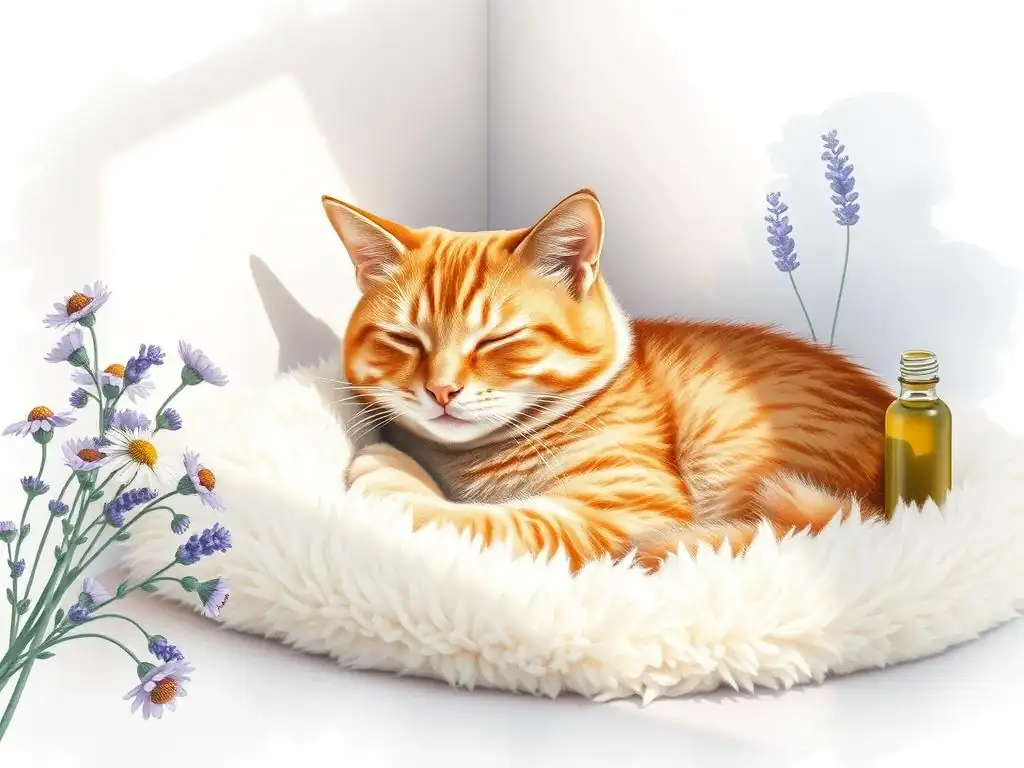
Addressing cat anxiety often involves a multifaceted approach. While veterinary intervention is crucial for severe cases, exploring natural remedies and alternative therapies can significantly complement professional treatment and improve your cat's well-being. These methods focus on creating a calming environment and supporting your cat's natural coping mechanisms. Remember, always consult your veterinarian before starting any new treatment plan, especially if your cat is on medication. They can help determine the best course of action for your individual feline companion and ensure there are no adverse interactions.
Calming Supplements and Herbal Remedies for Cats
Several calming supplements and herbal remedies are available to help manage cat anxiety. These often contain ingredients like chamomile, valerian root, and catnip, known for their relaxing properties. However, it's crucial to choose high-quality products from reputable sources, ensuring they are specifically formulated for feline consumption and free from harmful additives. Dosage should always be carefully followed, and you should monitor your cat for any adverse reactions.
For example, some supplements contain L-theanine, an amino acid found in green tea, which has shown promise in reducing anxiety in both humans and animals. Others incorporate melatonin, a hormone that regulates sleep cycles and can help alleviate anxiety-related insomnia in cats. However, the effectiveness of these supplements can vary depending on the cat and the severity of their anxiety.
Some cats may respond well, while others may show little to no improvement. It is important to remember that these are supplements, not cures, and should be used in conjunction with other anxiety management strategies. Always consult your vet before giving your cat any supplements, especially if they have pre-existing health conditions.
Detailed efficacy studies on specific herbal remedies for feline anxiety are [specific information pending], but anecdotal evidence from pet owners suggests positive results in many cases. It's essential to approach these remedies with caution and patience, allowing sufficient time to assess their effectiveness.
The Power of Play and Interaction in Reducing Anxiety
Engaging in interactive play is a powerful tool in managing cat anxiety. Play sessions provide mental stimulation, burn excess energy, and release endorphins, which have mood-boosting effects. The key is to choose toys and games that cater to your cat's natural hunting instincts. Feather wands, laser pointers (used responsibly to avoid frustration), and puzzle feeders can all be highly effective.
Aim for several short play sessions throughout the day, rather than one long session. This helps maintain your cat's engagement and prevents them from becoming overtired. Observe your cat's body language during playtime; if they seem stressed or overwhelmed, stop the session and try again later. The goal is to create positive associations with play, helping to alleviate anxiety and build confidence.
Regular interaction, even without structured play, such as gentle petting and brushing, can also significantly contribute to reducing anxiety and strengthening the bond between you and your cat. Positive reinforcement techniques, such as rewarding calm behavior with treats or praise, can further enhance the effectiveness of this approach. This holistic approach to managing cat anxiety symptoms offers a natural and effective way to support your feline friend.
Creating a Safe and Secure Space for Your Anxious Cat
Providing a safe and secure space is paramount in managing cat anxiety. This "safe haven" should be a quiet, comfortable area where your cat feels protected and can retreat when feeling overwhelmed. This could be a cat bed, a shelf, or even a quiet corner of a room. Ensure the space is free from potential stressors, such as loud noises, bright lights, or other pets.
Consider adding calming elements to the space, such as a soft blanket, a comfortable scratching post, and toys your cat enjoys. Using pheromone diffusers or sprays, containing feline facial pheromones (FFP), can also help create a more relaxed atmosphere. These synthetic pheromones mimic the natural calming scents cats release, promoting a sense of security and reducing anxiety. The placement of the safe space is crucial. It should be easily accessible to your cat, but also provide a sense of seclusion and privacy.
Avoid placing it in high-traffic areas or near potential sources of noise or disturbance. A consistently safe and predictable environment contributes significantly to reducing anxiety in cats. This creates a feeling of control and predictability, reducing their overall stress levels and promoting a sense of well-being. Remember, consistency is key in creating a truly safe space for your anxious feline companion.
Preventing Cat Anxiety: Proactive Measures
Addressing cat anxiety effectively involves a multifaceted approach. While treating existing anxiety is crucial, preventing its onset is even more effective. Proactive measures significantly reduce the likelihood of your feline companion developing anxiety disorders later in life. This section focuses on preventative strategies, emphasizing early intervention and consistent care.
Understanding and implementing these techniques can contribute significantly to your cat's overall well-being and reduce the need for more intensive anxiety management solutions later on. This proactive approach is key to achieving long-term feline happiness and reducing the incidence of anxiety-related behavioral problems. Remember, a calm and confident cat is a happy cat!
Early socialization is paramount in preventing cat anxiety. Kittens between 2 and 7 weeks old are in a critical socialization period. During this time, positive experiences with various sights, sounds, smells, and textures lay the groundwork for a well-adjusted adult cat. Exposing kittens to gentle handling, different surfaces (carpet, tile, wood), common household noises (vacuum cleaner, doorbell), and other friendly animals (under supervision) helps them develop resilience and reduces the likelihood of fear responses later in life.
This doesn't mean overwhelming the kitten; instead, introduce stimuli gradually and always ensure positive associations. For instance, pair new sounds with treats or playtime. If a kitten shows signs of fear (hissing, flattened ears), immediately remove the stimulus and try again later, using a less intense version. A consistent, positive introduction to the world during this crucial period can prevent many anxiety issues down the line. Think of it as building a strong foundation for your cat's emotional resilience. The investment of time and effort in early socialization pays significant dividends in the long run.
Consider creating a 'kitten socialization checklist' to track your progress and ensure comprehensive exposure to various stimuli. This might include:
- Handling: Gentle petting, holding, and examining paws and ears.
- Sounds: Gradually introducing household noises like vacuum cleaners, blenders, and music at low volumes.
- Textures: Exposing the kitten to different surfaces like carpet, wood, and tile.
- Sights: Introducing the kitten to various objects and people.
- Smells: Allowing the kitten to explore different (safe) scents.
- Other Animals: Carefully supervised introductions to friendly, vaccinated animals.
Gradual Introduction to New Environments and Stimuli
Even adult cats can benefit from a gradual introduction to new environments and stimuli. Sudden changes, like moving to a new house or introducing a new pet, can trigger anxiety. Instead of abruptly placing your cat in a new situation, allow them to adjust slowly. Start by bringing familiar items (bedding, toys) to the new environment, allowing your cat to explore at its own pace. Restrict access initially to a small, safe area, gradually expanding their territory as they become more comfortable.
For new stimuli, such as a new pet, introduce them slowly and under supervision. Allow the animals to smell each other under a door or through a carrier before direct contact. Positive reinforcement techniques, such as rewarding calm behavior with treats, can help alleviate anxiety during these introductions. Remember, patience and understanding are key; forcing interactions can worsen the situation. The goal is to create positive associations with new experiences, building confidence instead of fear.
Maintaining a Consistent Routine for Your Cat
Cats thrive on routine and predictability. A consistent daily schedule provides a sense of security and reduces anxiety. This includes regular feeding times, playtime, grooming sessions, and opportunities for rest. Maintaining a predictable environment helps cats anticipate events and reduces uncertainty, a major contributor to anxiety.
Inconsistent routines, such as irregular feeding times or sudden changes in household activities, can trigger anxiety. Sudden disruptions, even seemingly minor ones, can significantly impact a cat's emotional well-being. Therefore, strive to maintain a stable and predictable environment, minimizing unexpected changes as much as possible. A consistent schedule offers a sense of control and security, which is particularly beneficial for anxious cats. This simple yet powerful strategy can make a significant difference in your cat's overall happiness and reduce the risk of anxiety developing. Consider creating a daily schedule for your cat to ensure consistency and predictability.
Living with an Anxious Cat: Practical Tips and Support

Living with a cat experiencing anxiety requires patience, understanding, and a proactive approach. Successfully managing feline anxiety isn't about "curing" the anxiety itself, but rather about mitigating its effects and improving your cat's quality of life. This involves creating a safe and predictable environment, understanding your cat's triggers, and building a strong, trusting relationship. Remember, consistent effort is key to seeing positive changes in your anxious cat's behavior. Many owners find that a combination of strategies works best.
Managing Anxiety Triggers and Avoiding Stressful Situations
Identifying and minimizing your cat's anxiety triggers is paramount. Common triggers include loud noises (thunderstorms, fireworks), unfamiliar people or animals, changes in routine, and even travel. Creating a safe haven for your cat is crucial. This could be a quiet room with a comfortable bed, scratching post, and toys.
Consider these practical steps:
- Soundproofing: If loud noises are a trigger, consider using white noise machines or soundproofing curtains to dampen the sound. This can significantly reduce your cat's fear response during thunderstorms or fireworks.
- Routine: Cats thrive on routine. Maintain a consistent feeding schedule, playtime, and grooming routine to provide predictability and reduce uncertainty. Sudden changes can exacerbate anxiety.
- Safe Spaces: Ensure your cat always has access to multiple safe spaces throughout the house, providing escape routes from perceived threats. These spaces should be quiet, dark, and secure.
- Gradual Introductions: Introduce new people or animals slowly and carefully, allowing your cat to approach at its own pace. Never force interaction.
- Travel Prep: If travel is unavoidable, prepare your cat in advance with pheromone diffusers or sprays. Use a familiar carrier and provide a comfortable, secure space during transport.
Building a Strong Bond with Your Anxious Cat
A strong bond of trust is crucial in managing cat anxiety. Anxious cats often benefit from increased interaction and positive reinforcement. Focusing on building this bond can significantly improve their overall well-being.
Here's how to strengthen your connection:
- Positive Reinforcement: Reward calm behavior with treats, praise, or gentle petting. This helps associate positive feelings with relaxed states.
- Interactive Play: Engage in interactive play sessions using toys that encourage hunting instincts. This can help burn off excess energy and reduce anxiety. Avoid overly stimulating toys that might increase stress.
- Gentle Grooming: Regular grooming sessions can be calming and strengthen the bond between you and your cat. Use slow, gentle strokes and watch for signs of discomfort.
- Slow and Steady: Avoid overwhelming your cat with affection. Let your cat dictate the pace of interaction. Respect their personal space and avoid forcing attention.
- Patience and Understanding: Remember, building trust takes time and patience. Consistent positive interactions will eventually help your cat feel more secure and relaxed in your presence.
Seeking Support from Fellow Pet Owners and Professionals
Dealing with cat anxiety can be challenging, and you don't have to go it alone. Connecting with other pet owners and professionals can provide invaluable support, advice, and resources.
Consider these options:
- Online Communities: Join online forums or groups dedicated to cat behavior and anxiety. Sharing experiences and learning from others can be incredibly helpful.
- Veterinarians: Consult your veterinarian. They can rule out underlying medical conditions contributing to the anxiety and may recommend medication or behavioral modification strategies. They can also refer you to a veterinary behaviorist.
- Certified Cat Behaviorists: Consider seeking the help of a certified cat behaviorist. These professionals have specialized training in feline behavior and can provide tailored solutions for your cat's specific needs. They can offer personalized assessments and create a comprehensive behavior modification plan.
- Training Classes: Enrolling in cat training classes can provide valuable tools and techniques for managing anxiety and improving your cat's overall behavior. Look for classes specifically focused on feline anxiety.
Remember, seeking professional help is a sign of responsible pet ownership. Don't hesitate to reach out for support when needed. With the right approach, you can significantly improve your anxious cat's quality of life and strengthen your bond. 😻
Frequently Asked Questions
What are the common symptoms of cat anxiety?
Cats experiencing anxiety may exhibit several signs, including increased vocalization, restlessness or pacing, changes in appetite, excessive grooming, and hiding. These symptoms can vary in severity.
How can I tell if my cat's behavior is due to anxiety or another issue?
Differentiating anxiety from other problems requires observing multiple symptoms and their context. A vet visit is crucial to rule out underlying medical conditions. Keeping a detailed behavioral log can be helpful.
What are some effective solutions for cat anxiety?
Solutions range from environmental enrichment (e.g., cat trees, toys) and pheromone diffusers to behavioral modification techniques and, in some cases, medication. A vet or certified cat behaviorist can help determine the best approach.
Are there any natural remedies for cat anxiety?
Some owners find success with natural calming aids like chamomile or lavender, but always consult your vet before using any remedies, especially alongside medication. Supervise your cat closely when introducing new products.
When should I seek professional help for my anxious cat?
Seek professional help if anxiety symptoms are severe, interfering with your cat's quality of life, or if home remedies aren't effective. A veterinarian or a certified cat behaviorist can provide a personalized treatment plan.
Final Reflection: Understanding and Healing Feline Fear
The quiet suffering of anxious cats is a widespread problem, impacting millions of beloved companions and their human families. Understanding the subtle signs of feline anxiety is crucial, not just for improving their quality of life, but for strengthening the human-animal bond. Ignoring these anxieties can lead to serious behavioral issues and a diminished relationship with our furry friends.
The journey of learning to recognize and address cat anxiety has been profoundly impactful, both in my own life and in the lives of countless cat owners I've encountered. The subtle shifts in behavior—the flattened ears, the tucked tail, the avoidance of eye contact—are often missed, leading to frustration and misunderstanding on both sides. The greatest danger for most of us is not that our aim is too high and we miss it, but that it is too low and we reach it.
This quote, while not specifically about cats, speaks to the importance of striving for a deeper understanding of our pets' needs and not settling for a merely functional relationship. We owe it to our feline companions to strive for more.
Now, I invite you to reflect on your own relationship with your cat. Have you noticed any signs of anxiety? Are you equipped to address them effectively? Take the time to observe your cat's behavior, learn the subtle cues, and seek professional help if needed. Remember, a calm and confident cat is a happy cat, and a happy cat enriches our lives immeasurably. Let's work together to create a world where every cat can live a life free from unnecessary fear and stress.
Unlock Your Cat's Confidence: A Purrfect Next Step
Thank you for learning more about your feline friend! We hope you found helpful information on understanding and addressing cat anxiety. Now, let's put that knowledge into practice.
Here are some effective ways to continue this journey:
- Start with one small change: This week, focus on addressing a single anxiety trigger for your cat, such as loud noises or unfamiliar objects. Implement one manageable solution. Even small steps can make a significant difference!
- Share your experiences: Connect with other cat lovers and discuss your cat's anxieties and how you're managing them. Your insights could be incredibly valuable to others.
- Explore calming solutions: Consider additional calming techniques, such as pheromone diffusers or engaging toys, to further enhance your cat's well-being.
Ready to create a calmer, happier home for your beloved companion? What small step will you take today to help reduce your cat's anxiety?