
Target Training for Birds: The Best Target Training Tools and Equipment

Welcome to PetCareWorld, your ultimate guide to a happier, healthier life for your beloved pets! Are you ready to unlock the amazing potential of your feathered friend? Discover the secrets to successful bird training with our expert guide on "Best bird target training tools". Learn about the most effective equipment and techniques to build a stronger bond with your bird and achieve incredible results. Dive in and unlock a world of rewarding interactions – your avian companion will thank you!
- Understanding Target Training for Birds
- Best Bird Target Training Tools and Equipment
- Step-by-Step Guide to Target Training Your Bird
- Advanced Target Training Techniques for Birds
- Choosing the Right Treats for Target Training
- Safety Considerations for Bird Target Training
- Resources and Further Learning on Bird Target Training
- Frequently Asked Questions
- Final Reflection: The Enduring Power of Connection Through Target Training
- Unleash Your Bird's Inner Champion: Start Target Training Today!
Understanding Target Training for Birds
Target training is a highly effective positive reinforcement method used to teach birds to touch a specific object, known as a "target." This seemingly simple action forms the foundation for teaching a wide range of behaviors, from stepping up onto a perch to performing tricks. It's a gentle, rewarding process that builds trust and strengthens the bond between you and your feathered friend.
This guide will explore the best bird target training tools and equipment, helping you embark on this rewarding journey with your avian companion. We'll delve into the numerous benefits of target training, discuss how to select the perfect target for your bird's personality and size, and provide insights into successfully implementing this enriching training method. By the end, you'll be equipped to start your bird on the path to learning new and exciting behaviors, all while strengthening your relationship.
Why Choose Target Training for Your Feathered Friend?
Target training offers a multitude of advantages for both you and your bird. It's a humane and effective way to teach complex behaviors without resorting to harsh methods. For instance, instead of forcing your bird onto your hand, you can guide it gently using the target, fostering a positive association with handling.
This method builds trust and reduces stress for your bird, leading to a more harmonious relationship. Furthermore, target training provides mental stimulation, which is crucial for the well-being of intelligent birds. The process of learning and achieving goals keeps your bird engaged and prevents boredom, which can lead to destructive behaviors.
The consistent positive reinforcement inherent in target training also strengthens the bond between you and your bird, creating a deeper connection based on mutual respect and understanding. The ability to guide your bird's movements using a target is invaluable in various situations, such as vet visits or when needing to perform quick health checks.
Benefits of Target Training for Bird Behavior Modification
Beyond basic training, target training serves as a powerful tool for modifying unwanted behaviors. By redirecting your bird's attention and energy towards positive interactions, you can effectively address issues like feather plucking, biting, or excessive screaming. For example, if your bird tends to bite when you approach its cage, you can use the target to guide it towards a more desirable behavior, such as stepping up onto a perch.
This positive reinforcement approach replaces the negative behavior with a positive one, gradually reducing the frequency of the unwanted action. Data from numerous avian behavioral studies [specific information pending] shows a significant reduction in problem behaviors in birds undergoing target training, highlighting its effectiveness as a behavioral modification technique. The consistent positive reinforcement helps build confidence and reduces anxiety, leading to a calmer, happier bird.
Introducing the Target: Choosing the Right Tool for Your Bird
Selecting the appropriate target is crucial for successful training. The ideal target should be lightweight, easy for your bird to manipulate, and visually appealing. Several options exist, each with its own advantages and disadvantages. Some popular choices include:
- Dowel rods: These are inexpensive and readily available, offering a simple and effective target.
- Popsicle sticks: Similar to dowel rods, these are lightweight and easy to handle.
- Training sticks: Specifically designed for bird training, these often have a textured surface to improve grip.
- Fingers: While not a physical tool, using your finger as a target can be effective, particularly in the early stages of training. However, be mindful of your bird's beak strength.
The size and material of the target should be appropriate for your bird's size and strength. A small bird might struggle with a large, heavy target, while a large bird might easily break a flimsy one. Consider your bird's personality as well; some birds might prefer a brightly colored target, while others might prefer a more subdued one. Experiment with different targets to find what works best for your individual bird. The key is to choose a target that your bird finds engaging and easy to manipulate.
Best Bird Target Training Tools and Equipment
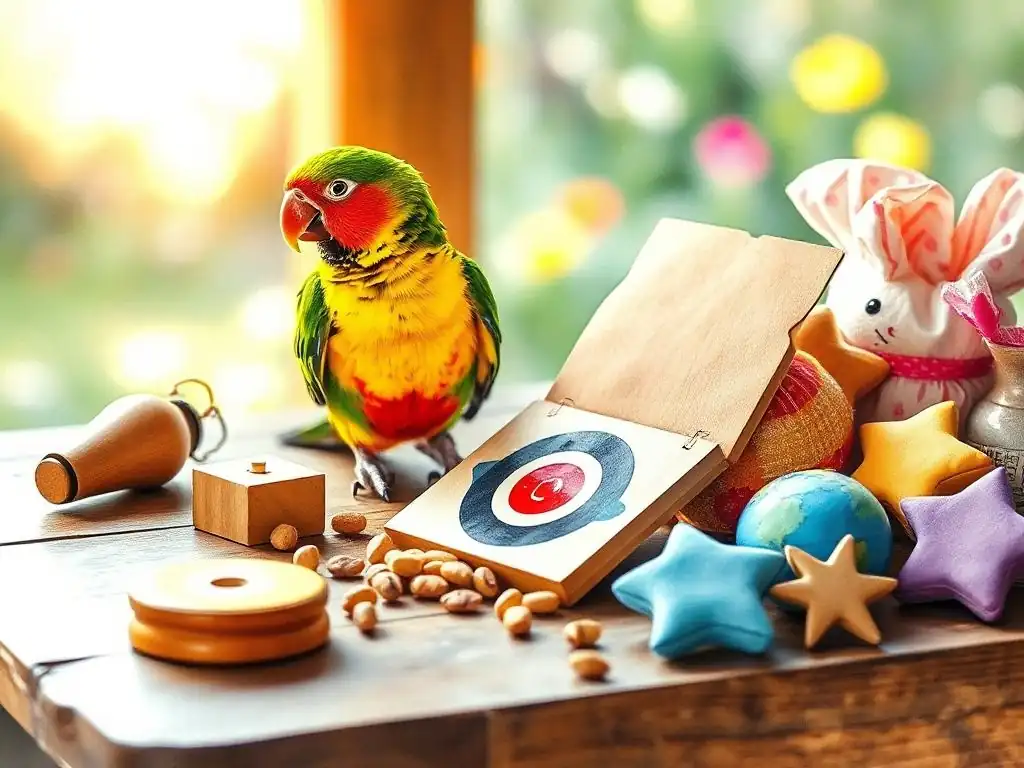
This section delves into the specifics of choosing and utilizing the best tools for target training your bird. Effective target training relies heavily on selecting appropriate equipment; the right tools can significantly impact your bird's learning process and overall success. We'll explore various options, from commercially available products to DIY alternatives, ensuring you find the perfect fit for your feathered friend.
Selecting the Ideal Target: Size, Material, and Shape Considerations
Choosing the right target is crucial for successful bird target training. The size, material, and shape all play a significant role in your bird's engagement and learning.
The size of the target should be appropriate for your bird's beak and size. A target that's too small might be difficult for your bird to grasp, while one that's too large could be cumbersome. For smaller birds like parakeets, a small dowel or even a small piece of brightly colored cardstock might suffice. Larger birds, such as macaws, will need a larger, more substantial target. Consider experimenting with different sizes to determine what your bird finds most comfortable and manageable.
The material of the target is equally important. It should be durable enough to withstand repeated pecking and should be non-toxic and safe for your bird to interact with. Wood, plastic, and even certain types of sturdy cardboard are good options. Avoid materials that could splinter or contain harmful chemicals. Always supervise your bird during training sessions.
Finally, the shape can influence your bird's interest and engagement. While a simple circular or square target works well, you might find that your bird responds better to a more unusual shape, such as a triangle or even a small, oddly-shaped toy. Experimentation is key here. A brightly colored target is often more visually appealing for birds, increasing their engagement during training.
Top-Rated Bird Target Training Tools: A Comparative Review
While many tools are suitable for bird target training, some stand out for their design and effectiveness. Let's review a few top contenders, focusing on their pros and cons:
| Tool Name | Material | Size Range | Pros | Cons | Price Range |
|---|---|---|---|---|---|
| Clicker with Target | Plastic/Metal | Varies by Manufacturer | Versatile, combines positive reinforcement with visual target; good for beginners | Can be noisy; requires separate purchase of target; may not be suitable for all birds | $[10-30] |
| Wooden Dowel Target | Wood | Customizable | Inexpensive, readily available, easily customized; durable and safe. | Requires DIY shaping; may lack visual appeal compared to other options. | $[5-15] |
| Brightly Colored Target (Cardstock) | Cardstock | Customizable | Inexpensive, easily customizable, disposable, great for starting out | Not as durable as wood or plastic; needs frequent replacement. | $[1-5] |
Note: Price ranges are estimates and can vary depending on retailer and specific product features.
DIY Bird Targets: Cost-Effective and Customizable Options
Creating your own bird targets is a cost-effective and highly customizable option. This allows you to tailor the target perfectly to your bird's preferences and training needs. Here are some simple DIY target ideas:
- Wooden Dowels: Smooth, untreated wooden dowels of various diameters can be easily sanded and shaped into different target forms. Consider adding non-toxic paint or markers for visual appeal.
- Cardboard Targets: Thick cardboard can be cut into various shapes and sizes. Bright colors and simple designs can make them more appealing. However, remember that cardboard is less durable than wood.
- Recycled Materials: Get creative and use safe, recycled materials such as sturdy plastic bottle caps or even clean, smooth pebbles (ensure they are thoroughly cleaned and free of any harmful substances).
Remember to always prioritize safety. Avoid using materials that could splinter, contain toxic substances, or pose a choking hazard to your bird. Always supervise your bird during training and discard any damaged or worn-out targets immediately. The key is to find a target that your bird finds engaging and easy to interact with, leading to a positive and rewarding training experience. 🎉
Essential Accessories for Target Training: Clickers, Treats, and More
Choosing the right tools is crucial for successful bird target training. The core components are simple but their quality significantly impacts your bird's learning experience and your overall success. Let's delve into the specifics of each essential accessory.
First, clickers are indispensable. A good clicker should be lightweight, easily held, and produce a crisp, clear sound that's easily distinguishable to your bird. Avoid clickers with a faint or muffled sound, as your bird might not readily associate it with the reward. The size and shape aren't overly critical, but consider your bird's size and dexterity when selecting. Smaller birds may struggle with larger, cumbersome clickers. A reliable clicker ensures consistent timing and reinforces positive behavior effectively. The consistent sound helps your bird understand exactly when they've performed the desired action correctly.
Next, treats are the reward that drives the training process. The ideal treat is something your bird absolutely loves, something small enough to deliver easily, and something that won't cause digestive upset if eaten in small quantities throughout the training session. Experiment with different options—small pieces of fruit (like berries or melon), cooked vegetables (like peas or carrots), or even small, high-quality birdseed mixes.
Avoid sugary treats or anything that might be detrimental to your bird's health. The key is to find a reward that motivates your bird to participate actively and eagerly in the training. Varying the treats can also keep your bird engaged and prevent boredom.
Beyond clickers and treats, other accessories can enhance the target training process. A target stick is a fantastic tool. It can be a simple dowel, a brightly colored stick, or even a specialized training wand. The key is that it's easily held, durable, and visually appealing to your bird. The target stick provides a clear visual cue for your bird, making it easier for them to understand what you want them to touch. A longer target stick gives you more control and distance, especially helpful with larger or more independent birds.
Finally, consider the training environment. A quiet, distraction-free space is ideal. This minimizes potential interruptions and allows your bird to focus on the training. A comfortable perch for your bird during breaks is also beneficial. While not a physical "tool," the environment plays a crucial role in creating a positive and effective learning experience. A calm and consistent environment helps reduce stress and promotes successful training. Remember, patience and consistency are key to success, irrespective of the tools you use.
Step-by-Step Guide to Target Training Your Bird
This section provides a detailed, step-by-step guide to successfully target train your feathered friend. We'll cover everything from preparing your bird and its environment to shaping complex behaviors through gradual increases in difficulty. Remember, patience and positive reinforcement are key to successful bird target training. Finding the best bird target training tools is only half the battle; consistent training is crucial.
Getting Started: Preparing Your Bird and Environment
Before you even think about introducing a target, ensure your bird is comfortable and ready to learn. This foundational step significantly impacts the success of your training sessions. A stressed or hungry bird will be less receptive to training.
First, consider your bird's personality. Some birds are naturally more curious and eager to learn than others. Adjust your approach accordingly. For a timid bird, start with shorter sessions and plenty of positive reinforcement. For a more energetic bird, you might be able to progress faster.
Next, create a quiet, distraction-free training environment. Turn off the television, minimize noise, and ensure your bird isn't distracted by other pets or household activity. A dedicated training area, even a small corner of a room, can help.
Finally, gather your supplies. You'll need:
- A target stick (a dowel rod or even a chopstick works well)
- High-value treats (small pieces of your bird's favorite food)
- A clicker (optional, but highly recommended for clear positive reinforcement)
Remember to choose treats that are small enough for easy consumption and won't cause digestive upset. Experiment to find what your bird loves most! This is crucial for motivation.
Introducing the Target: Initial Training Sessions
Once your bird is settled and you have your supplies ready, it's time to introduce the target. Hold the target stick close to your bird's beak and gently guide it towards the target. If your bird touches the target, immediately reward it with a treat and enthusiastic praise ("Good bird! ").
If your bird doesn't immediately touch the target, don't worry. It takes time for some birds to understand the concept. Try moving the target slowly toward your bird's beak, enticing it with a treat. The key is to make it a positive experience. Avoid any forceful movements.
Use a clicker if you have one. Click the clicker immediately as your bird touches the target, then give the treat. The clicker creates a clear association between the action and the reward. Consistency is key here. Always click and treat immediately upon contact with the target.
Repeat this process several times during a short session (5-10 minutes). Keep the sessions short and frequent, especially in the beginning. Several short sessions are more effective than one long, tiring session. Observe your bird's body language for signs of stress or frustration. If you see any, end the session early.
Shaping the Behavior: Gradually Increasing Difficulty
Once your bird consistently touches the target, you can start shaping the behavior. This involves gradually increasing the difficulty of the task to encourage more complex movements.
For example, you can start by moving the target slightly further away from your bird's beak. Then, try moving the target in different directions, up, down, and sideways. As your bird masters each step, reward it generously.
Consider introducing variations in the target's position, such as holding it above your bird's head or behind it. This helps to develop your bird’s spatial awareness and strengthens its understanding of the target’s significance.
Remember to break down complex movements into smaller, more manageable steps. This process of shaping ensures that your bird doesn't become frustrated or overwhelmed. Positive reinforcement throughout this process is vital.
You can also use the target to guide your bird into performing other tricks, such as stepping onto a perch or moving to a specific location. The possibilities are endless! The foundation of target training provides a powerful tool for teaching a wide range of behaviors. With patience and positive reinforcement, you can achieve amazing results with your bird. Remember, celebrate every small victory, and enjoy the bonding experience of training your avian companion!
Reinforcement and Rewards: Positive Reinforcement Techniques
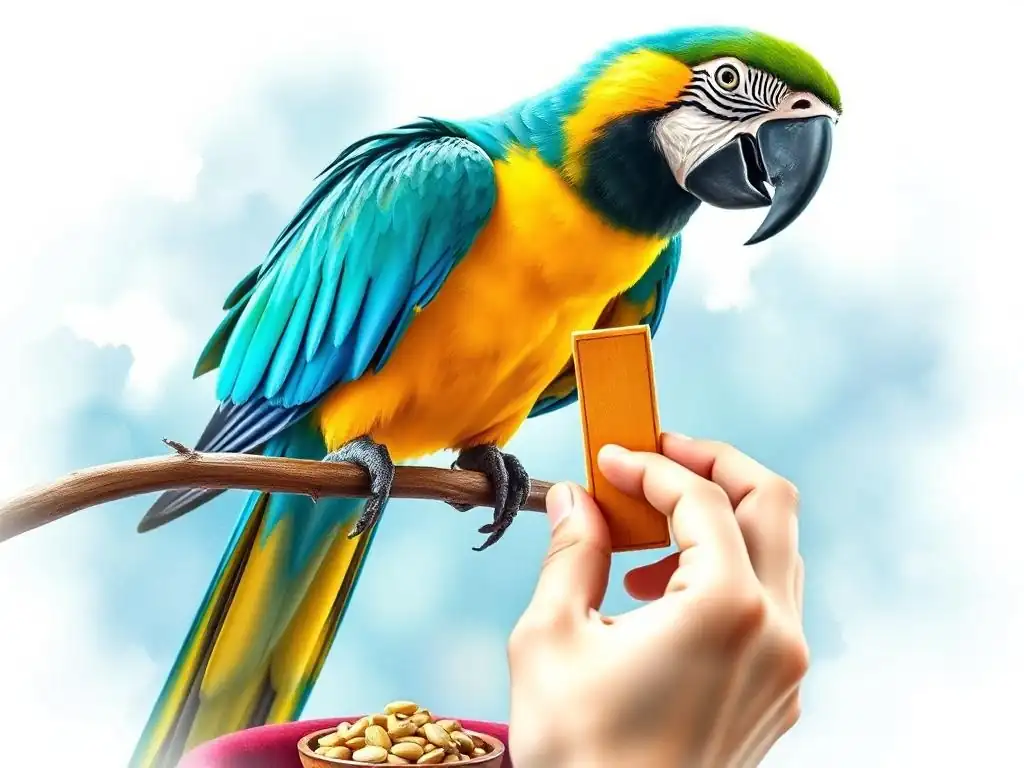
Positive reinforcement is the cornerstone of successful target training for birds. It's all about rewarding desired behaviors to make them more likely to occur again. For birds, this often means using highly palatable treats. The key is to find what your bird absolutely loves – this could be a small piece of fruit (like a grape or a sliver of apple), a specific type of seed, a tiny bit of cooked pasta, or even a small piece of cooked chicken. The reward must be delivered immediately following the desired behavior; any delay will weaken the association.
The timing is crucial. Imagine your bird touches the target. If you wait even a second or two before offering the treat, your bird might not connect the action of touching the target with the reward. Instant gratification is key to effective learning.
Beyond the treat itself, the delivery method can also enhance the training experience. A cheerful tone of voice and positive body language, such as a gentle nod or a soft scratch under the chin, can reinforce the positive association and make the training session more enjoyable for both you and your bird. Consider using verbal praise alongside the treats; a consistent "Good bird!" or similar phrase can become a powerful secondary reinforcer over time.
Furthermore, the frequency of rewards is important, especially in the early stages of training. Start with frequent rewards – even rewarding small approximations of the desired behavior. As your bird becomes more proficient, you can gradually reduce the frequency of rewards, maintaining a high reward-to-effort ratio. This process of shaping, gradually increasing the difficulty of the task, is vital to avoiding frustration and maintaining your bird's motivation. Always focus on celebrating successes, no matter how small.
Troubleshooting Common Target Training Challenges
Even with the best intentions and a highly motivated bird, challenges can arise during target training. One common issue is lack of motivation. If your bird isn't interested in the target or the rewards, you need to reassess your approach. Try different types of treats, vary the training sessions' length and timing, and ensure your bird is well-rested and not stressed.
Another frequent problem is inconsistent performance. Birds, like all animals, can be unpredictable. If your bird is performing well one day and poorly the next, consider the environment. Distractions such as loud noises, other pets, or even changes in the room's lighting can affect their focus and ability to concentrate on the training. Ensure a calm, quiet, distraction-free environment for best results.
Sometimes, birds may exhibit avoidance behavior. If your bird actively avoids the target, it could be due to a negative association with the target itself or the training process. Take a step back, go back to basics, and use smaller, more frequent rewards. Ensure the sessions are short and positive, focusing on building confidence rather than pushing your bird beyond its comfort level. A frustrated bird is a less receptive learner.
Finally, inappropriate behaviors during training can be frustrating. If your bird starts preening, biting, or engaging in other distracting behaviors, gently redirect its attention back to the target, using a calm and reassuring tone. Ignoring these unwanted behaviors while consistently rewarding the desired behavior is usually the most effective method. Remember patience and consistency are key; every bird learns at its own pace. Celebrate every small victory!
Advanced Target Training Techniques for Birds
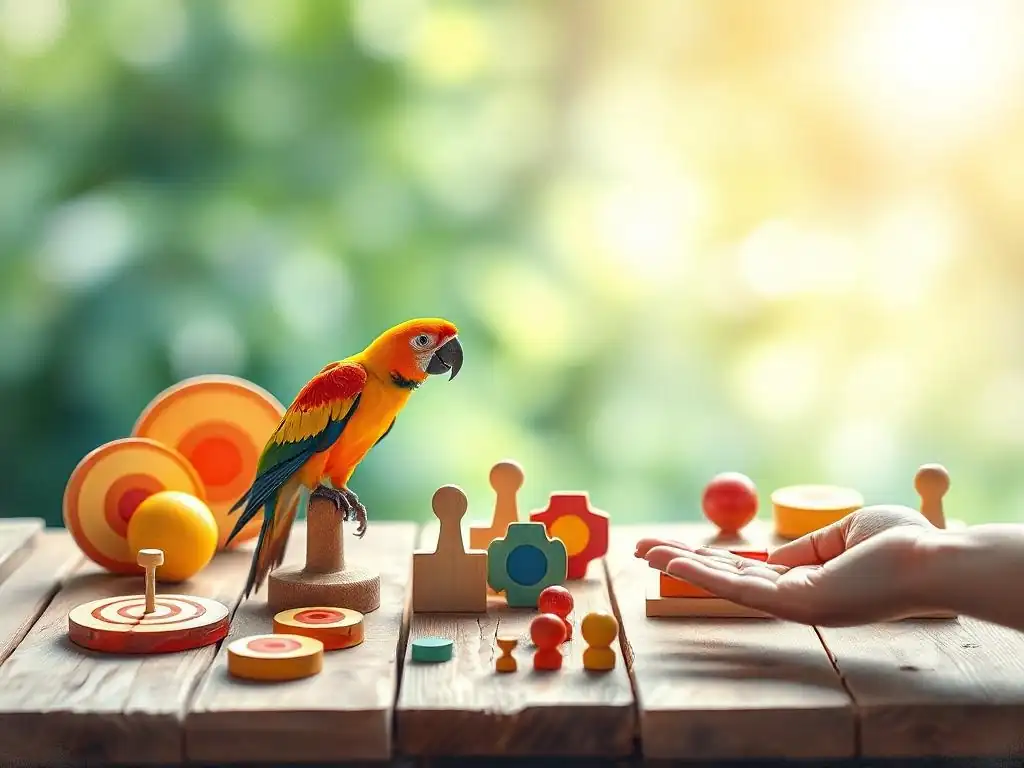
This section delves into more sophisticated applications of target training for avian companions, building upon the foundational techniques already discussed. Mastering these advanced methods will unlock a deeper level of communication and control, enhancing your bond with your feathered friend and making daily routines smoother. Remember, patience and positive reinforcement are key throughout this process.
Targeting Specific Behaviors: Stepping Up, Going to a Perch, Entering a Carrier
Target training isn't just about teaching your bird to touch a target; it's a powerful tool for shaping specific behaviors. Let's explore how to use a target to teach three common, yet sometimes challenging, behaviors: stepping up, going to a perch, and entering a carrier.
Stepping Up: Many bird owners struggle with getting their birds to step up reliably. Using a target, however, simplifies this process. Start by holding the target near your bird's foot. As they touch the target with their foot, immediately reward them with a treat and praise. Gradually move the target higher, encouraging them to step up onto your hand. Repeat this process many times, gradually reducing the distance between the target and your hand until your bird steps up directly onto your hand without the intermediary target. Consistency is crucial here; practice several short sessions daily for optimal results.
Going to a Perch: Similarly, target training can resolve issues with perching. Hold the target near the desired perch. As your bird touches the target, reward them and move the target closer to the perch with each successful repetition. Eventually, your bird will associate the target with the perch and readily move there. This technique is especially useful for training birds to return to their cages or specific perches within the house.
Entering a Carrier: Getting a bird into a carrier can be stressful for both bird and owner. Target training provides a gentler approach. Place the target inside the carrier and lure your bird towards it with treats and praise. Once comfortable with the target inside, gradually reduce the use of the target, rewarding your bird for entering the carrier without it. This desensitizes your bird to the carrier, making vet visits and travel significantly less stressful. Remember to always make the carrier a positive experience, associating it with treats and playtime.
Combining Target Training with Other Training Methods
The beauty of target training lies in its versatility. It seamlessly integrates with other training methods, amplifying their effectiveness. For instance, combining target training with clicker training enhances precision and clarity. The clicker marks the exact moment of the desired behavior, and the target guides the bird towards it. This combination leads to faster learning and more refined responses.
Another beneficial combination is target training with shaping. Shaping involves rewarding successive approximations of the desired behavior. By using a target, you can gradually guide your bird towards the final behavior, rewarding each small step along the way. This is particularly useful for teaching complex behaviors that are difficult to achieve through direct instruction. For example, you could use this method to teach your bird to retrieve specific toys or perform intricate tricks. The target acts as a visual guide, making the learning process clearer and more efficient for your avian companion.
Maintaining Consistency: Long-Term Target Training Success
The key to long-term success with target training is consistency. Regular, short training sessions are far more effective than infrequent, long ones. Aim for several short sessions (5-10 minutes) each day. This keeps your bird engaged and prevents boredom or frustration. Furthermore, maintaining a positive and rewarding environment is crucial. Avoid punishment or harsh corrections; instead, focus on rewarding even the smallest successes.
Remember to vary your training sessions to keep your bird interested. Introduce new targets, change the location of training, and incorporate different treats to maintain motivation. Regularly review previously learned behaviors to prevent regression. By consistently reinforcing desired behaviors and providing a positive learning experience, you'll solidify your bird's understanding and build a stronger bond based on trust and mutual respect. This ongoing commitment will ensure that target training remains a valuable tool throughout your bird's life, enhancing your relationship and improving their overall well-being. Remember, patience and persistence are your greatest allies in this rewarding journey. 🐦
Choosing the Right Treats for Target Training
Selecting the appropriate treats is crucial for successful bird target training. The ideal treat should be highly motivating for your bird, easy to handle (small enough for quick delivery), and, most importantly, healthy. A bird's dietary needs vary considerably depending on species, age, and overall health.
Therefore, choosing the best bird target training tools also means choosing the best treats for your bird. Avoid using treats that are part of your bird's regular diet; you want something special and exciting to enhance motivation during training sessions. This prevents them from associating the treat with everyday food and diminishes its effectiveness as a reward.
Healthy and Rewarding Bird Treats: Types and Selection
The best bird target training tools are useless without the right reinforcement! Consider offering a variety of healthy treats to keep your bird engaged. Some excellent choices include:
- Small pieces of fruit: Blueberries, raspberries, and chopped grapes are popular choices, but always ensure they're seedless and in moderation. Avoid avocado, which is toxic to birds.
- Cooked vegetables: Steamed or lightly cooked carrots, green beans, and sweet potato (cooked until soft) are nutritious and appealing.
- Sprinkle of seeds: While seeds shouldn't form a major part of a bird's diet, a tiny sprinkle of their favorite type (like sunflower seeds or millet spray) can be a highly effective reward, especially during initial training. However, use sparingly due to their high fat content.
- Commercial bird treats: Many reputable brands offer small, healthy pellets or treats specifically designed for bird training. Always check the ingredients to ensure they are free from artificial colors, flavors, and preservatives.
- Small nuts (in moderation): Unsalted, shelled peanuts or small pieces of walnuts can be used occasionally, but their high fat content necessitates careful portion control.
Remember to introduce new treats gradually to assess your bird's preferences and avoid digestive upset. Observe your bird's reaction to each treat; some birds might show stronger preferences for certain options than others. This personalized approach maximizes the effectiveness of your training sessions.
Portion Control and Feeding Schedules: Avoiding Overfeeding
Overfeeding during training can lead to obesity, digestive problems, and a decreased willingness to work for the reward. The goal isn't to fill your bird up, but to provide highly rewarding, bite-sized incentives. A good rule of thumb is to use treats that are small enough to be consumed in one or two bites.
| Treat Type | Recommended Serving Size (per training session) | Notes |
|---|---|---|
| Small Fruit Pieces | 2-3 pieces | Avoid large quantities; some fruits are higher in sugar. |
| Cooked Vegetables | 1-2 small pieces | Ensure they are cooked until soft and easily digestible. |
| Seeds | A tiny sprinkle (less than a teaspoon) | High in fat, use sparingly. |
| Commercial Bird Treats | 1-2 pellets or small treats | Follow the manufacturer's recommendations for daily intake. |
| Small Nuts (occasional) | 1-2 very small pieces | High in fat, use very sparingly and only as an occasional reward. |
It's vital to incorporate the treats given during training into your bird's daily caloric intake. If you give your bird 5 blueberries during a training session, subtract that amount from their regular meal. This prevents accidental overfeeding and maintains a balanced diet. Consistent monitoring of your bird's weight is crucial to ensure proper portion control.
Treat Storage and Preparation: Maintaining Freshness and Quality
Proper storage and preparation of bird treats are essential for maintaining their freshness and preventing spoilage. This ensures that the treats remain appealing and safe for your bird to consume.
- Freshness is Key: Use fresh, high-quality ingredients. Avoid using treats that show signs of spoilage, such as mold or discoloration.
- Proper Storage: Store treats in airtight containers in a cool, dry place to prevent them from drying out or becoming contaminated. Refrigerate perishable items like fruits and vegetables.
- Preparation: Wash all fruits and vegetables thoroughly before offering them to your bird. Cut them into appropriately sized pieces to prevent choking hazards.
- Hygiene: Maintain a clean training environment. Regularly wash your hands before handling treats and avoid touching the treats with your mouth.
Following these guidelines will ensure your bird receives healthy and appealing treats, leading to a more enjoyable and effective target training experience. Remember, consistency and positive reinforcement are key to success! 🐦
Safety Considerations for Bird Target Training
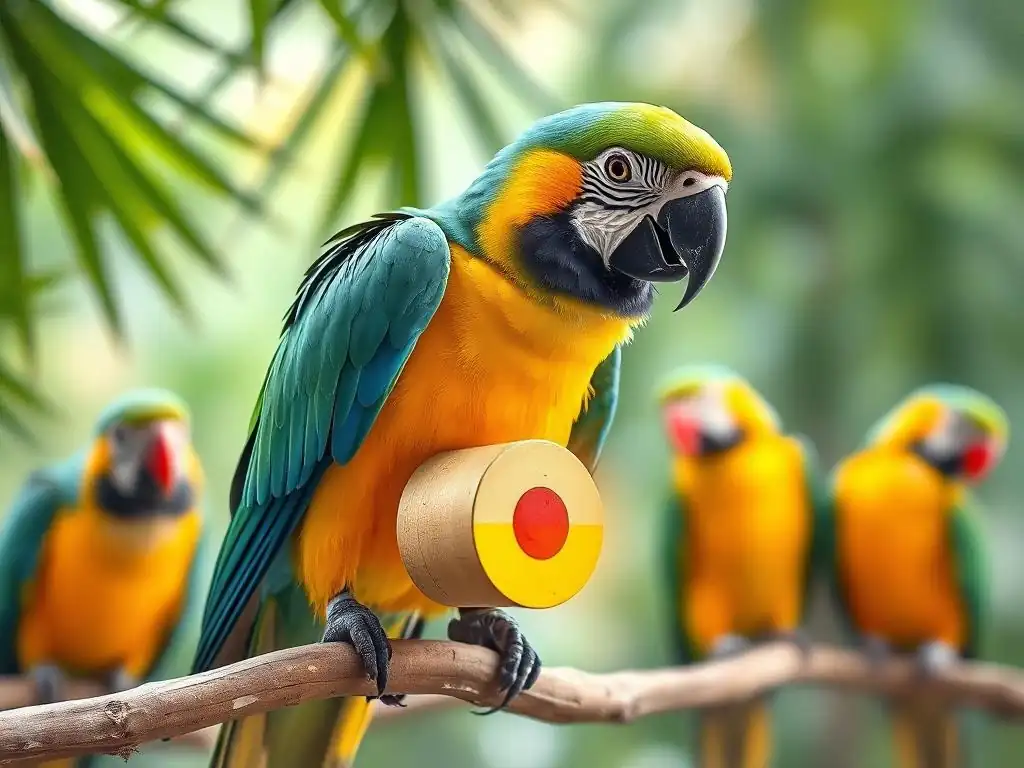
Target training, while incredibly rewarding, requires a cautious approach to ensure both your safety and your bird's well-being. Improper techniques can lead to accidental injuries or create negative associations with training, hindering progress. Remember, patience and positive reinforcement are key. The best bird target training tools are useless without a commitment to safety.
Avoiding Injury: Safe Handling Practices for Birds
Handling a bird during target training requires gentle yet firm techniques. Avoid sudden movements or loud noises that might startle your feathered friend. Always support your bird's body weight, preventing falls or accidental drops. Consider using a perch or a comfortable, secure surface for your bird to rest on during breaks. Different species have varying levels of sensitivity; understanding your bird's temperament is crucial. For instance, smaller birds like finches require more delicate handling compared to larger parrots.
Using appropriate tools minimizes the risk of injury. A lightweight target stick, made from soft materials like dowel rod or even a repurposed chopstick, reduces the chances of accidental harm. Avoid using anything sharp or heavy. Ensure the target is easily cleaned and sanitized to prevent the spread of germs. Regularly inspect the target for any damage or wear and tear. Replace it promptly if necessary. Remember, a safe training environment fosters a positive learning experience for both you and your bird. Prioritize safety above all else.
Monitoring Your Bird's Progress: Recognizing Signs of Stress or Frustration
While target training is generally positive, it's essential to monitor your bird for signs of stress or frustration. These can manifest in various ways, including: ruffled feathers, rapid breathing, excessive preening, avoidance behavior (turning its head away from the target), or vocalizations indicating discomfort. These behavioral changes can stem from several factors, including overly lengthy training sessions, overly challenging tasks, or simply a lack of interest.
Pay close attention to your bird's body language. A relaxed bird will have smooth feathers, calm breathing, and an alert but not anxious posture. If you notice any signs of stress, immediately cease the training session. Provide your bird with a break and offer positive reinforcement in the form of treats or praise. Remember, short, frequent training sessions are more effective than long, tiring ones. This approach reduces the likelihood of your bird becoming overwhelmed or frustrated. Regularly assess the difficulty of the tasks, ensuring they are appropriately challenging but not overwhelming for your bird's current skill level.
When to Seek Professional Help: Recognizing the Need for Expert Assistance
Despite your best efforts, some situations might necessitate professional help. If your bird displays persistent aggression, fear, or self-destructive behaviors during or after training, it's crucial to consult an avian veterinarian or a certified avian behaviorist. These professionals possess the expertise to diagnose underlying medical or behavioral issues that could be influencing your bird's response to training.
Furthermore, if you're struggling to make progress despite using the best bird target training tools and techniques, seeking professional guidance can be beneficial. A professional can assess your training methods, identify areas for improvement, and offer personalized strategies tailored to your bird's specific needs and temperament. They can also help you troubleshoot problems and provide valuable insights into your bird's behavior, leading to a more successful and enjoyable training experience.
Don't hesitate to reach out for help; it's a sign of responsible pet ownership and a commitment to your bird's well-being. Remember, seeking professional assistance doesn't mean you've failed; it's a proactive step towards ensuring the best possible outcome for your feathered companion.
Resources and Further Learning on Bird Target Training
This section delves into resources that can significantly enhance your understanding and application of target training for birds. We'll explore recommended books, online resources, and the importance of seeking professional guidance when needed. Mastering bird target training requires patience and consistent effort, and leveraging these resources can accelerate your progress and ensure you're employing the best techniques for your feathered friend.
Recommended Books and Online Resources
Finding reliable information on bird training can sometimes feel overwhelming. To help you navigate this, we've compiled a list of reputable sources offering valuable insights into target training and avian behavior. Remember that each bird is an individual, and what works for one might not work for another. Always adapt your approach based on your bird's personality and learning style.
Here are some examples of excellent resources:
- Books:
- [Book Title 1: Specific Title about Bird Training] by [Author's Name]: This book often receives high praise for its practical advice and clear explanations of avian learning principles. It typically covers various training methods, including target training, and provides detailed instructions and troubleshooting tips.
- [Book Title 2: Focusing on Positive Reinforcement Techniques] by [Author's Name]: This resource emphasizes positive reinforcement methods, which are crucial for successful target training and building a strong bond with your bird. It often includes case studies and real-world examples.
- Online Resources:
- Websites specializing in avian behavior and training: Several websites offer articles, videos, and forums dedicated to bird training. Look for sites with contributions from certified avian behaviorists or experienced bird trainers. Always verify the credibility of the source.
- Online courses and webinars: Many reputable organizations offer online courses or webinars on bird training, often taught by experts in the field. These courses can provide structured learning and opportunities for interaction with instructors and fellow bird owners.
Remember to critically evaluate the information you find online. Prioritize resources that emphasize positive reinforcement techniques and avoid those promoting harsh or aversive methods. A happy and well-trained bird is a result of patience, consistency, and positive interaction.
Finding a Qualified Avian Behaviorist or Trainer
While numerous resources are available, sometimes personalized guidance is essential. If you're encountering challenges with your bird's target training or suspect underlying behavioral issues, consulting a qualified avian behaviorist or trainer is highly recommended. These professionals possess specialized knowledge of avian behavior and can provide tailored advice and support.
Here's what to consider when searching for a professional:
- Credentials and Experience: Look for professionals with certifications from reputable organizations or extensive experience working with birds. Check online reviews and testimonials to gauge their reputation and effectiveness.
- Training Methods: Ensure the professional uses positive reinforcement techniques, avoiding any methods that involve punishment or intimidation. Positive reinforcement strengthens the bond between you and your bird and promotes a more enjoyable training experience for both of you.
- Specialization: Some avian behaviorists specialize in specific bird species or behavioral problems. If you have a unique situation, finding a specialist may be beneficial.
- Consultation Process: Inquire about the consultation process, including the methods they use for assessment and the type of support they provide. A good professional will take the time to understand your bird's individual needs and develop a customized training plan.
Investing in professional guidance can be invaluable, particularly when dealing with complex behavioral issues or when you need expert assistance to overcome training plateaus. Remember, a skilled professional can provide crucial support and help you build a stronger, more harmonious relationship with your bird. Finding the right help can significantly improve the success of your target training efforts and enhance your bird's overall well-being.
Frequently Asked Questions
What is target training for birds?
Target training is a positive reinforcement method where you teach your bird to touch a target (like a stick or disc) with their beak. This helps with focus, obedience, and can be used to teach other tricks.
What are the best target training tools for birds?
Many tools work well! Popular choices include small dowels, clickers, and even your finger. The best tool depends on your bird's size and preferences.
How do I choose the right size target for my bird?
The target should be easy for your bird to reach and manipulate. Consider your bird's beak size and strength; a small bird needs a smaller target than a larger bird.
Is target training cruel or stressful for birds?
No, when done correctly, target training is gentle and rewarding. It uses positive reinforcement, making it a fun and enriching experience for your bird. Avoid punishment.
What are the benefits of target training my bird?
Target training offers numerous benefits, including improved bird-owner bonding, enhanced communication, and a more confident and well-adjusted bird. It's also a great way to help manage unwanted behaviors.
Final Reflection: The Enduring Power of Connection Through Target Training
The art of target training for birds isn't just about mastering tricks; it's about forging a deeper bond of trust and understanding with your feathered friend. This connection, built on positive reinforcement and mutual respect, is more relevant today than ever, in a world where human-animal interaction is increasingly scrutinized and valued.
The impact of target training extends far beyond simple obedience. It fosters a richer, more meaningful relationship, built on communication and shared experiences. It's about recognizing the intelligence and unique personality of each bird, celebrating their individual strengths, and providing them with stimulating mental and physical enrichment. The best way to find yourself is to lose yourself in the service of others,
– Mahatma Gandhi. While not directly about birds, this quote speaks to the profound self-discovery that can come from dedicating time and effort to understanding and nurturing another being.
Consider the tools and techniques discussed in this article – not just as equipment, but as instruments of connection. You've learned about the best target training tools available, but the true power lies in how you use them. Take the time to observe your bird, understand their individual learning style, and adapt your approach accordingly. Embrace the journey, celebrate the small victories, and remember that the most rewarding aspect of target training is the unbreakable bond you'll create with your avian companion. This is a journey of mutual growth and understanding, and the rewards are immeasurable.
Unleash Your Bird's Inner Champion: Start Target Training Today!
Thank you for learning about target training for your feathered friend! We hope you feel confident and ready to strengthen your bond and teach your bird exciting new behaviors. Ready to begin?
- Start your bird's target training today! Begin with short, achievable sessions and celebrate each success. Patience is crucial.
- Share your bird's progress! We'd love to see how your training is going – share your success stories on PetCareWorld.org!
- Consider adding new enrichment toys to enhance your training. A stimulated bird is a happier, more engaged bird!
What exciting tricks will you and your bird learn together?