
Making a DIY Bird Mobile: Visual Stimulation for Your Feathered Friend

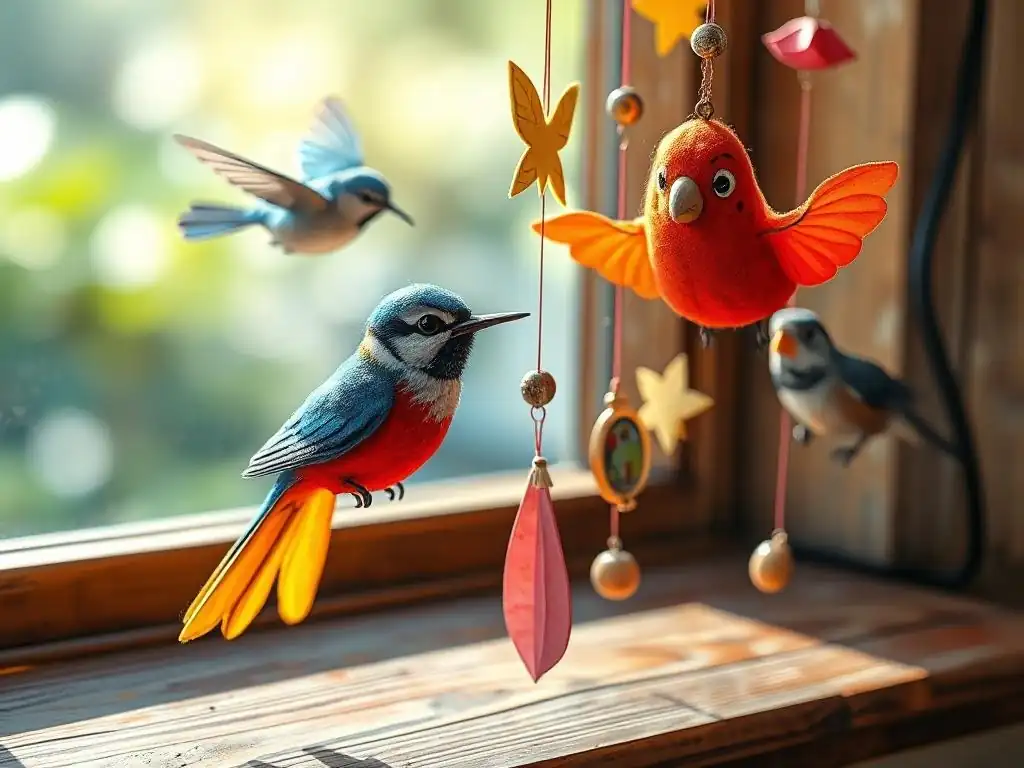
Welcome to PetCareWorld, your ultimate guide to a happier, healthier life for your beloved pets! Are you ready to unlock the secrets to enriching your feathered friend's world? Discover how simple, creative solutions like our guide on DIY bird mobile visual stimulation can transform your bird's environment and boost their well-being. Dive in and learn how to craft a stimulating mobile that will captivate your bird and keep them engaged for hours!
- Understanding the Importance of Visual Enrichment for Birds
- Choosing Materials for Your DIY Bird Mobile: Safety First!
- Step-by-Step Guide: Creating Your DIY Bird Mobile
- Creative Ideas for DIY Bird Mobile Visual Stimulation
- Placement and Maintenance of Your DIY Bird Mobile
- Troubleshooting Common DIY Bird Mobile Issues
-
Frequently Asked Questions
- What materials do I need to make a DIY bird mobile for visual stimulation?
- How can I ensure the DIY bird mobile is safe for my bird?
- What kind of visual stimulation does a mobile provide for birds?
- How high should I hang the bird mobile in the cage?
- What if my bird doesn't seem interested in the DIY bird mobile?
- Final Reflection: Enriching Avian Lives Through Creative Engagement
- Unleash Your Inner Avian Architect: Craft the Perfect Bird Mobile!
Understanding the Importance of Visual Enrichment for Birds
Providing a stimulating environment for your feathered friend is crucial for their overall well-being. Just like humans, birds need mental and physical stimulation to thrive. A lack of enrichment can lead to boredom, stress, and even behavioral problems.
This article focuses on creating a DIY bird mobile, a simple yet effective way to provide vital visual enrichment for your pet bird. We'll explore the many benefits of visual stimulation, how it combats boredom and stress, and the signs that your bird might be craving more engaging activities. Creating a DIY bird mobile is not only a fun project, but also a cost-effective way to ensure your bird remains happy, healthy, and mentally stimulated – a key factor in responsible bird ownership.
This guide is designed to help you enrich your bird's life through readily available materials and simple construction techniques, promoting a happier and healthier companion. Let's dive into the world of visual bird enrichment and discover how a simple DIY mobile can make a big difference!
Benefits of Visual Stimulation for Bird Wellbeing
Visual stimulation offers a multitude of benefits for your bird's physical and mental health. A vibrant and changing visual environment keeps their minds sharp and engaged, preventing boredom and promoting cognitive function. Studies show that birds with enriched environments exhibit reduced levels of stress hormones and improved feather condition. 1 The act of observing and interacting with moving objects in their environment provides mental exercise, akin to solving puzzles for them. Furthermore, a stimulating environment can help prevent self-destructive behaviors often stemming from boredom or lack of mental stimulation. A well-designed bird mobile provides a dynamic visual landscape, preventing monotony and promoting a more natural and engaging experience for your bird. This ultimately contributes to a longer, healthier, and happier life for your avian companion. The positive impact on their overall well-being is undeniable.
How Visual Toys Reduce Boredom and Stress in Birds
Boredom in birds can manifest in several undesirable ways, including feather plucking, excessive screaming, repetitive movements, and aggression. Providing visual enrichment, such as a colorful and moving bird mobile, helps to alleviate these problems by providing engaging distractions. The movement of the mobile captures their attention, stimulating their natural curiosity and instinct to explore. This constant visual change keeps them mentally occupied, reducing the likelihood of boredom-induced behaviors.
A well-designed mobile can act as a form of natural stress relief, providing a calming and engaging activity that diverts their attention away from potential stressors. Think of it as a form of avian "entertainment," keeping them happily occupied and preventing the onset of behavioral issues. The reduction in stress translates to a healthier, happier bird, strengthening the bond between you and your feathered friend.
Signs Your Bird Needs More Visual Enrichment
Several key indicators signal that your bird may require more visual stimulation. These signs often go beyond simple restlessness. Observe your bird's behavior carefully. Is your bird exhibiting increased lethargy or inactivity? Do you notice increased preening or feather plucking? These could be signs of boredom and stress. Furthermore, a decrease in vocalizations (beyond their typical quiet periods) or an increase in repetitive behaviors such as swaying or pacing might indicate a need for environmental enrichment. If your bird seems unusually quiet or withdrawn, it may be due to a lack of stimulation. Finally, aggression towards you or other pets can also be a sign of boredom and frustration. By paying close attention to your bird's behavior and body language, you can identify the need for additional visual enrichment and provide them with the stimulating environment they need to thrive. Remember, a happy bird is an active and engaged bird!
1 *[Specific study details pending]*
Choosing Materials for Your DIY Bird Mobile: Safety First!
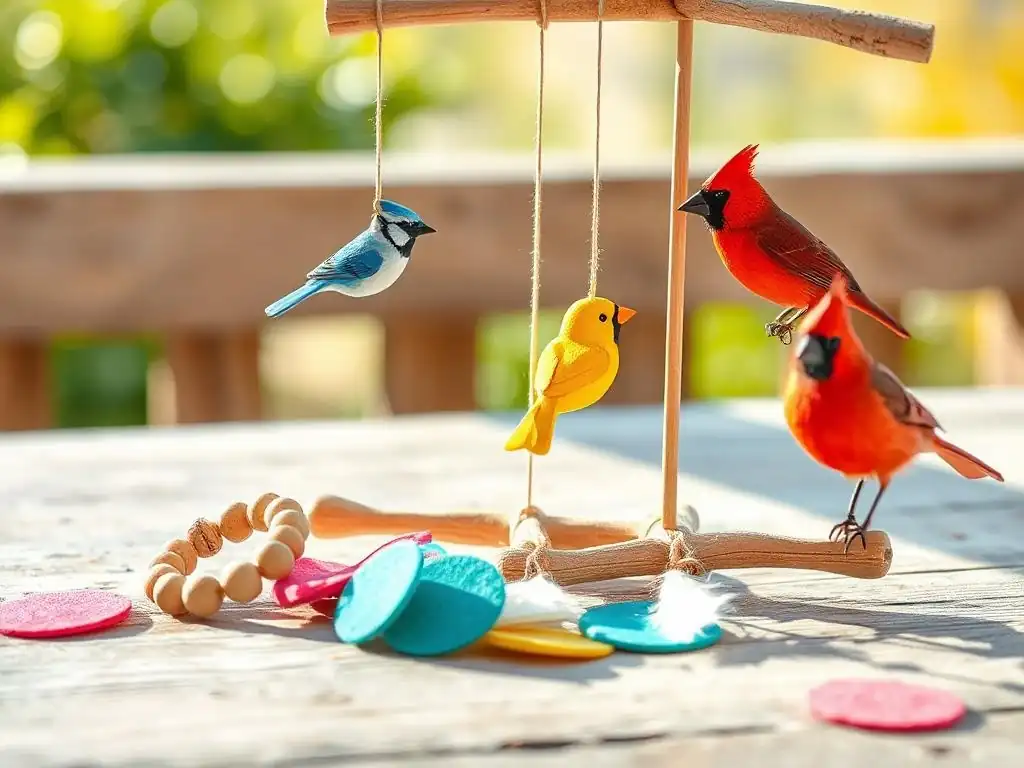
Creating a stimulating DIY bird mobile requires careful consideration of the materials used. Your feathered friend's safety is paramount, so selecting non-toxic and durable materials is crucial. A poorly constructed mobile can lead to injury or ingestion of harmful substances, potentially causing serious health problems. This section will guide you through choosing the right materials, ensuring both visual appeal and safety for your bird. Remember, even seemingly harmless materials can pose a risk if not chosen and used correctly. Prioritize safety above all else when crafting your DIY bird mobile for visual stimulation.
Safe Materials for Bird Toys: Avoiding Toxic Substances
The most important aspect of making a DIY bird mobile is selecting materials that are non-toxic and safe for your bird to interact with. Avoid materials that might contain lead, zinc, or other heavy metals, which are highly toxic to birds. Paints, varnishes, and stains should be specifically labeled as non-toxic and bird-safe. Many commercially available paints contain harmful chemicals, so always double-check the label.
Here's a list of generally safe materials:
- Natural Wood: Untreated, smooth wood is ideal. Avoid woods treated with chemicals or preservatives.
- Cardboard: Recycled cardboard can be a great, inexpensive option, but ensure it's free from any printed inks or coatings.
- Paper: Use heavy-weight, uncoated paper. Avoid glossy or colored papers as these may contain harmful dyes.
- Cotton Fabric: Natural cotton fabrics are generally safe, but avoid synthetic fabrics or those with dyes that might be toxic.
- Natural Fibers: Jute, sisal, and hemp rope are good choices for hanging elements, provided they are untreated.
- Stainless Steel: This is a durable and safe material for hanging components.
Avoid these materials:
- Plastic: Many plastics contain harmful chemicals that can leach into your bird's environment.
- Treated Wood: Pressure-treated lumber contains preservatives toxic to birds.
- Painted or Varnished Materials: Unless explicitly labeled as bird-safe, avoid these.
- Rubber: Some rubber products may contain harmful substances.
- Metal (except stainless steel): Most metals pose a risk of toxicity or sharp edges.
Remember to thoroughly wash all materials before use to remove any dust or debris. Always supervise your bird's interaction with the mobile.
Finding the Right Size and Weight for Your Bird's Mobile
The size and weight of your DIY bird mobile are crucial for your bird's safety and enjoyment. Too large, and it might be cumbersome or even dangerous. Too small, and it might not provide sufficient visual stimulation. The ideal size depends on the size of your bird and its cage.
Consider these factors:
- Bird Size: Smaller birds need smaller, lighter mobiles. Larger birds can handle larger, heavier ones, but always prioritize safety.
- Cage Size: The mobile should be appropriately sized for the cage, leaving enough room for your bird to move freely without hitting the mobile. A mobile that's too large can create a hazard.
- Weight Distribution: Ensure the weight is evenly distributed to prevent the mobile from tilting or falling. Uneven weight distribution can lead to accidents.
A good rule of thumb is to ensure the mobile is no more than 1/3 the size of the cage. For example, for a cage that’s 3 feet wide, the mobile’s diameter shouldn’t exceed 1 foot. Always test the mobile’s stability before placing it in your bird's cage. Observe your bird's interaction with the mobile to ensure it’s comfortable and safe. If you notice any signs of distress or difficulty interacting with it, adjust or remove the mobile.
Sources for Safe and Durable Materials
Finding appropriate materials for your DIY bird mobile requires a bit of research. Here are some places to look for safe and durable materials:
- Pet Stores: Some pet stores carry bird-safe toys and materials. Check for natural wood, cotton rope, and other appropriate items.
- Craft Stores: Craft stores offer a wide variety of natural materials, including untreated wood, cotton fabrics, and paper. Always carefully check labels for safety.
- Online Retailers: Online retailers specializing in bird supplies often offer a selection of safe materials. Carefully read reviews and descriptions to ensure the materials are appropriate.
- Recycling: You can repurpose safe materials you already have at home, such as cardboard, paper, and cotton scraps. Ensure these are clean and free of any harmful substances.
Remember to always prioritize safety when sourcing materials. Don't hesitate to ask questions at your local pet store or craft store if you're unsure about the safety of a specific material. A little extra effort in selecting the right materials will ensure a safe and enjoyable experience for your feathered friend. 🐦
Step-by-Step Guide: Creating Your DIY Bird Mobile
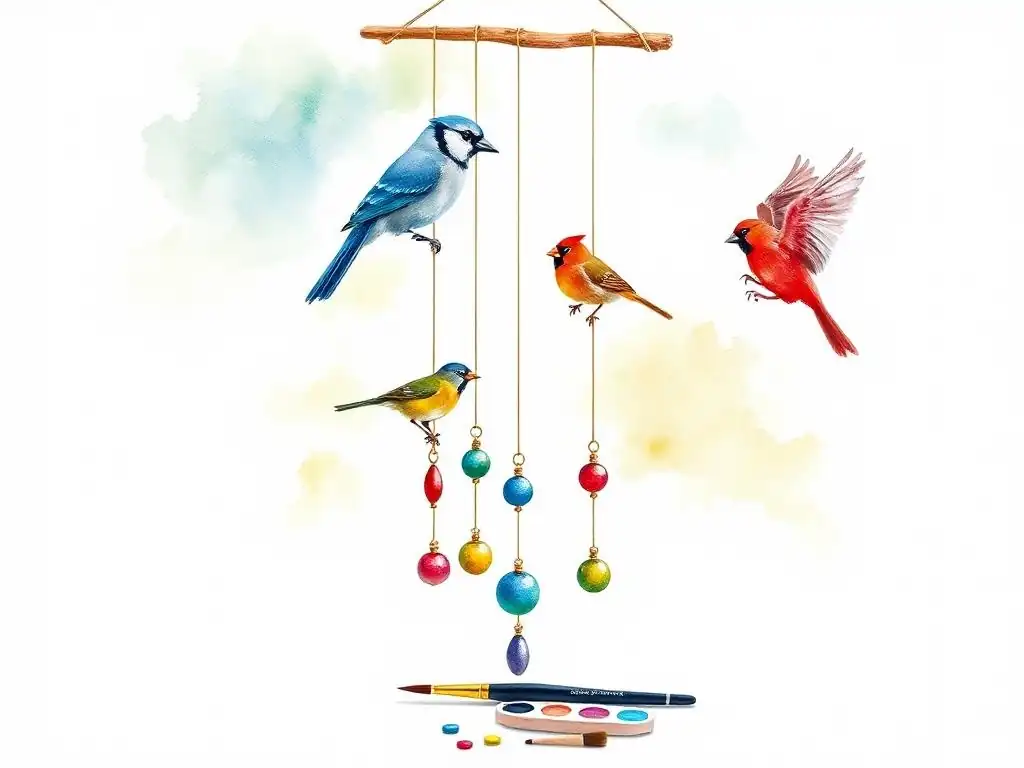
This section provides a detailed, step-by-step guide on constructing a stimulating and safe DIY bird mobile designed to enhance your feathered friend's visual environment. Remember, safety is paramount. Always supervise your bird during playtime with any new toy, and promptly remove anything that shows signs of damage or poses a potential hazard. This DIY project focuses on creating a visually enriching experience promoting your bird's cognitive well-being and preventing boredom. The key is to use safe, non-toxic materials and to ensure the mobile is securely hung, preventing any accidental injury.
Step 1: Gathering Your Supplies and Tools
Before you begin, gather all the necessary supplies. The specific materials will depend on your design vision, but here's a comprehensive list to get you started. Remember to prioritize non-toxic materials, especially if your bird is prone to chewing.
- Hanging Mechanism: A sturdy metal ring (approximately 4-6 inches in diameter) or a strong, lightweight wooden dowel. Avoid using anything that could easily break or splinter. A metal ring is preferable for its durability.
- String or Cord: Choose a strong, non-toxic string or cord that won't fray easily. Natural fibers like cotton are a good option. Ensure the string is thick enough to support the weight of your decorations but thin enough to be manageable. Avoid using anything that could be easily chewed through and ingested.
- Visual Stimuli: This is where you can get creative! Consider colorful, lightweight items like:
- Small, brightly colored wooden beads (ensure they are untreated and non-toxic).
- Soft, colorful fabric scraps (ensure they are bird-safe and not treated with harmful chemicals).
- Small, natural items like feathers (ensure they are clean and from a non-toxic source). Avoid using anything that could pose a choking hazard.
- Small, lightweight bells (ensure they are not easily broken and the bell clapper is securely attached).
- Scissors: For cutting the string and fabric.
- Measuring Tape: For accurate measurements and ensuring even spacing.
- Hot Glue Gun (Optional): For securely attaching some decorations. If using a hot glue gun, ensure it's completely cool before allowing your bird access to the mobile. Consider using a safer alternative like strong bird-safe adhesive.
Step 2: Preparing the Hanging Mechanism
The stability and durability of your hanging mechanism are crucial for the safety of your bird. A poorly constructed mobile could lead to injury.
First, if using a metal ring, ensure it's clean and free from any sharp edges or burrs. If using a wooden dowel, sand it down smoothly to remove any splinters. Next, you need to attach your string. For a metal ring, tie a strong knot at one point on the ring, leaving a sufficient length of string for hanging.
For a wooden dowel, you can drill small holes at each end and thread the string through, securing it with a knot on the inside. Test the strength of your knot before proceeding. The string should be strong enough to support the weight of the entire mobile without breaking. Consider doubling or tripling the string for added security if needed.
Step 3: Selecting and Attaching Visual Stimuli
Now comes the fun part – adding the visual stimuli! Remember to choose lightweight items to avoid stressing the hanging mechanism. Aim for a variety of colors, shapes, and textures to provide maximum stimulation. Avoid anything that could be easily swallowed or that might pose a choking hazard.
Here's a suggested approach:
- Even Spacing: Distribute the visual stimuli evenly around the hanging mechanism to ensure balance. Use your measuring tape to ensure consistent spacing between each item.
- Secure Attachment: Securely attach each item to the string using strong knots, hot glue (if using, allow to cool completely! ), or other bird-safe adhesives. Double-check each connection to ensure it's secure and won't easily come loose.
- Variety is Key: Incorporate a mix of colors, shapes, and textures to create a visually stimulating environment. Consider using a combination of beads, fabric scraps, feathers, and bells for a diverse and engaging mobile. Remember to avoid using anything toxic or potentially harmful to your bird.
Remember to always supervise your bird when interacting with its new mobile. Regularly inspect the mobile for any signs of wear and tear, and replace it if necessary. Providing your bird with a stimulating environment is crucial for its physical and mental health, and this DIY bird mobile is a fantastic way to achieve this, promoting a happy and healthy feathered companion. Enjoy the process of creating this enriching toy and the joy it brings to your bird!
Step 4: Testing the Mobile for Safety and Durability
Before entrusting your beautiful creation to your feathered friend, a thorough safety check is crucial. This isn't just about preventing accidents; it's about ensuring the longevity of your DIY bird mobile and the continued enrichment it provides. First, carefully examine each component. Make sure all knots are secure and there are no loose threads or dangling pieces that your bird could potentially ingest. Small, easily detachable parts represent a significant choking hazard, so meticulously check for any potential dangers.
Next, gently tug on each element of the mobile. This stress test helps identify any weak points in your construction. If any part feels loose or unstable, reinforce it immediately. Remember, your bird will likely interact with the mobile quite vigorously, so robust construction is key. Consider the materials used; some natural materials, like untreated wood, might be more susceptible to wear and tear than others. If you've used beads, ensure they're made of non-toxic materials specifically designed for bird toys. Avoid using anything painted with lead-based paints, as these are extremely dangerous to birds.
Finally, consider the weight distribution of your mobile. A poorly balanced mobile might swing erratically, potentially causing stress or injury to your bird. Adjust the placement of the elements until the mobile hangs evenly and smoothly. This testing phase ensures both the safety and the durability of your creation, maximizing its value as a stimulating and safe enrichment item for your bird. Remember, a little extra care in this stage will prevent future problems and ensure your bird enjoys its new toy for a longer period.
Step 5: Hanging the Mobile in Your Bird's Cage
With the safety checks complete, it's time to introduce your DIY bird mobile to your bird's cage. Choosing the right location is crucial for maximizing its appeal and minimizing any potential risks. Avoid hanging it directly above food or water dishes to prevent accidental droppings or splashes. Similarly, avoid placing it too close to perches or toys to prevent entanglement or collisions.
Ideally, the mobile should be suspended where your bird can easily see it from various perches, but not so close that they can directly interact with and potentially damage it. Ensure there's enough clearance around the mobile to allow for its free movement without hitting the cage bars or other objects. A good rule of thumb is to leave at least several inches of space between the mobile and the nearest cage components.
Use a sturdy hook or clip to secure the mobile to the top of the cage. Make sure the hanging mechanism is strong enough to support the weight of the mobile without bending or breaking. Observe your bird's initial reaction to the mobile. Some birds might be initially cautious, while others will immediately investigate.
Provide a safe and comfortable environment for your bird to explore their new toy at their own pace. Remember, the goal is to provide visual stimulation and enrichment, not to overwhelm or stress your pet. Regularly monitor your bird's interaction with the mobile and adjust its position or remove it if necessary to ensure their safety and enjoyment. Enjoy watching your bird engage with this unique and stimulating enrichment item you've created!
Creative Ideas for DIY Bird Mobile Visual Stimulation
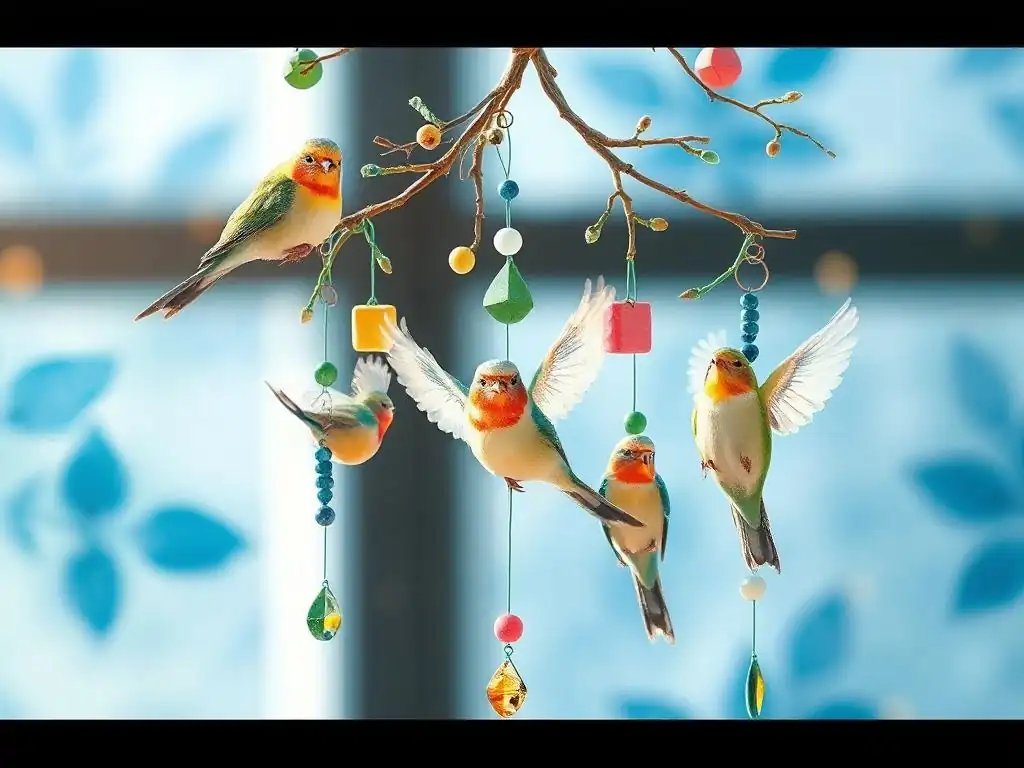
This section explores creative approaches to crafting visually stimulating bird mobiles, focusing on materials readily available and safe for avian companions. Remember, safety is paramount; always supervise your bird's interaction with any new toy. The goal is to provide engaging visual enrichment that mimics natural stimuli, promoting mental and physical well-being. Improperly constructed mobiles can pose a hazard, so careful consideration of materials and construction is essential for a successful and safe DIY bird mobile visual stimulation project.
Using Colorful Beads and Feathers for Visual Appeal
Colorful beads and feathers are classic choices for creating visually appealing bird mobiles. The vibrant hues and varied shapes offer a feast for the eyes, captivating your feathered friend's attention. However, selecting the right materials is crucial. Avoid using beads that are too small, as these pose a choking hazard. Similarly, ensure feathers are securely attached and cannot easily be pulled off and ingested. Natural, untreated feathers are generally preferred over dyed ones, minimizing potential toxicity concerns.
Consider using a variety of bead sizes and colors to add complexity and interest. For example, a combination of large, brightly colored wooden beads, smaller acrylic beads in pastel shades, and a few strategically placed iridescent beads can create a stunning and engaging mobile. Incorporating feathers in different lengths and textures further enhances the visual appeal. Long, flowing feathers can add movement and dynamism, while shorter, fluffy feathers provide a contrasting texture. Remember to vary the colors of the beads and feathers to keep your bird stimulated. A mobile with just one color might lose its appeal quickly.
Here’s a sample material list for a colorful bead and feather mobile:
| Material | Quantity | Notes |
|---|---|---|
| Wooden Beads | 10-15 | Various sizes and bright colors |
| Acrylic Beads | 20-30 | Small to medium sizes, pastel shades |
| Iridescent Beads | 3-5 | For added sparkle and visual interest |
| Natural Feathers | 5-7 | Various lengths and textures, securely attached |
| Sturdy String/Yarn | 10 feet | Strong enough to hold the weight of the beads and feathers |
Incorporating Natural Elements like Twigs and Leaves
Nature offers a wealth of materials for creating engaging bird mobiles. Incorporating natural elements like twigs, leaves (ensure they are non-toxic! ), and small, safe pieces of bark adds a naturalistic touch and provides textural variety. This approach aligns with the concept of "DIY bird mobile visual stimulation" by replicating elements from a bird's natural environment.
However, thorough cleaning and preparation are essential before using natural materials. Thoroughly wash and dry any twigs, leaves, or bark to remove dirt, insects, and potential contaminants. Ensure all materials are completely dry before incorporating them into your mobile to prevent mold growth. Avoid using materials that have been treated with pesticides or herbicides. Remember that the goal is enrichment, not introducing harmful substances.
Consider the size and weight of the natural elements when designing your mobile. Too much weight can cause the mobile to become unstable or even dangerous. Balance is key. Combining small, lightweight twigs with a few larger, heavier pieces of bark can create visual interest and a dynamic mobile. The addition of a few colorful beads or small, safe toys can further enhance the appeal.
Creating a Mobile with Different Textures and Patterns
Texture plays a crucial role in visual stimulation for birds. A mobile that offers a variety of textures is far more engaging than one with a uniform surface. Think about combining smooth, shiny beads with rough, textured pieces of wood or bark. This variety caters to your bird's natural curiosity and encourages exploration.
Incorporating different patterns also adds to the visual appeal. Consider arranging beads in specific patterns, such as stripes or spirals. You can also create patterns using different types of feathers or natural materials. For example, alternating long, flowing feathers with shorter, fluffy ones creates a visually interesting pattern. Remember that even simple patterns can be very captivating for birds.
The key to a successful multi-textured and patterned mobile lies in careful arrangement and balance. Avoid overcrowding the mobile with too many materials, as this can make it difficult for your bird to see individual elements. Aim for a balanced distribution of textures and patterns to create a visually stimulating and engaging experience. Experiment with different combinations of materials and patterns to find what works best for your bird. Observe their interactions with the mobile and adjust the design accordingly. 🐦
Adding Bells or other Safe Sound-Making Elements
Adding auditory elements to your DIY bird mobile can significantly enhance its appeal and provide additional sensory stimulation for your feathered friend. However, safety is paramount. Avoid using small bells or anything that could easily be swallowed and cause a choking hazard. Larger bells, securely attached with strong, bird-safe materials, are a much better option. Consider the size of your bird; a smaller bird will need proportionally smaller bells than a larger parrot.
Remember to check the bells regularly for any signs of wear and tear. If the paint is chipping or the bell itself is showing damage, replace it immediately to prevent potential ingestion of harmful materials. Beyond bells, you can explore other safe sound-making elements. Small, lightweight wooden beads strung together can create a gentle clinking sound as the mobile moves.
Ensure these beads are unfinished and untreated to avoid toxic exposure. Similarly, you could incorporate small, lightweight pieces of natural materials like smooth, unpainted sea shells (ensure they are thoroughly cleaned and disinfected). Always supervise your bird's interaction with the mobile, especially when introducing new elements. Observe their behavior; if they show signs of distress or excessive interest in a particular component, remove it to prevent potential harm.
The goal is to provide enrichment, not stress or danger. Prioritizing safety ensures your bird can enjoy the auditory stimulation without risk. Regularly inspect the entire mobile for any loose or damaged parts. A proactive approach to safety will keep your bird happy and healthy.
Placement and Maintenance of Your DIY Bird Mobile
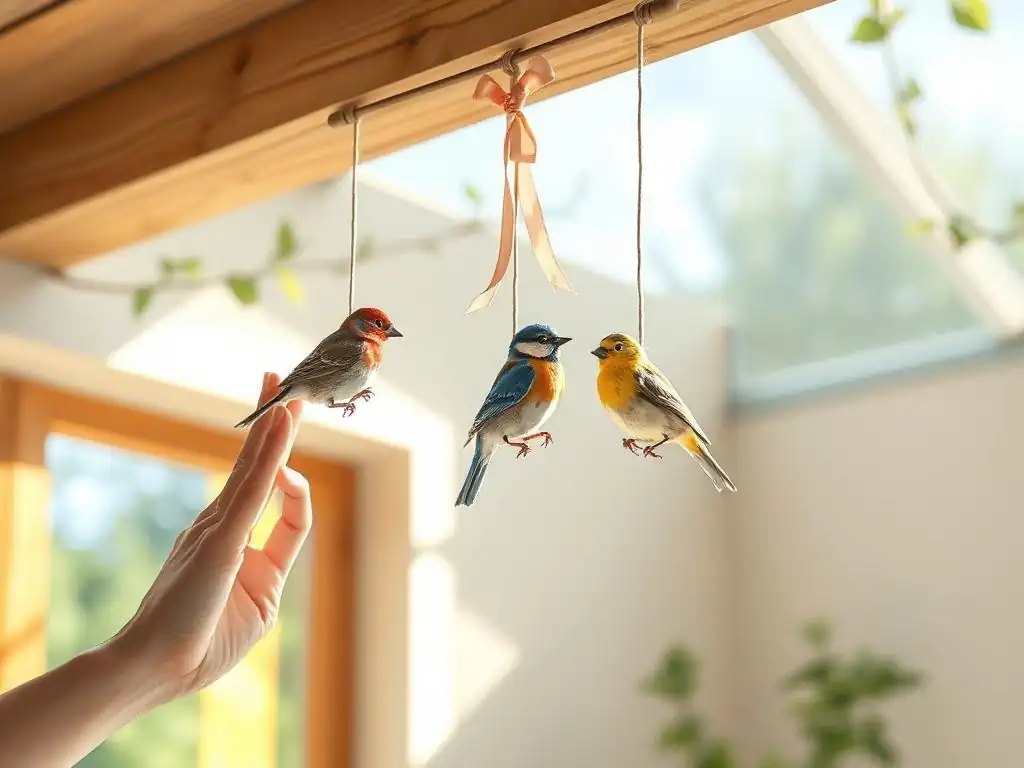
Creating a stimulating environment for your feathered friend is crucial for their overall well-being. A DIY bird mobile, crafted with visual appeal in mind, contributes significantly to this enrichment. However, simply constructing the mobile isn't enough; its placement and ongoing maintenance are equally important for maximizing its benefits and ensuring your bird's safety. This section will guide you through optimal placement strategies and a regular maintenance schedule to keep your DIY bird mobile a source of joy and enrichment for your pet.
Ideal Placement for Optimal Visual Stimulation
The placement of your DIY bird mobile is key to its effectiveness. You want to ensure your bird can easily see and interact with the mobile without it being a hazard. Avoid placing it directly in the path of your bird's flight, preventing potential collisions. Instead, consider these placement strategies for maximum visual stimulation:
- Strategic Hanging Point: Hang the mobile from the ceiling or a sturdy branch within the cage, ensuring it hangs freely and swings gently with air currents. Avoid overcrowding the cage; leave enough space for your bird to move freely around the mobile.
- Varying Heights: Experiment with different hanging heights. Some birds prefer observing from a distance, while others enjoy being closer to the moving elements. Observe your bird's behavior to determine the ideal height. A slightly higher placement often works best to avoid accidental pecking at the hanging strings.
- Visual Variety: The mobile shouldn't just be visually interesting; its location should also offer diverse perspectives. A spot where your bird can observe the mobile from different angles throughout the day will enhance visual stimulation. Consider rotating the mobile's position every few days to prevent boredom.
- Avoid Obstructions: Ensure nothing obstructs your bird's view of the mobile. This includes cage bars, perches, or other toys. The goal is unobstructed visual access for optimal engagement.
- Consider the Lighting: The lighting in the room will affect how vibrant the colors of your DIY bird mobile appear. Place the mobile where natural or artificial light enhances the visual appeal.
Regular Cleaning and Inspection of the Mobile
Hygiene is paramount in maintaining a safe and healthy environment for your bird. Regular cleaning of the DIY bird mobile prevents the accumulation of dust, droppings, and bacteria. This helps to prevent the spread of disease and ensures your bird's continued enjoyment of the toy.
- Frequency: Aim to clean the mobile at least once a week, or more frequently if needed. The frequency depends on your bird's habits and the level of soiling.
- Cleaning Method: Remove the mobile from the cage. Gently wipe down each element with a soft, damp cloth. Avoid using harsh chemicals or detergents, as these can be toxic to your bird. Opt for pet-safe cleaning solutions or simply warm water. Allow the mobile to air dry completely before returning it to the cage.
- Inspection: During cleaning, inspect the mobile for any signs of wear and tear. Check the strings for fraying or breakage, and examine the hanging elements for any damage. Replace any worn-out or damaged parts immediately.
Replacing Worn-Out or Damaged Parts
Even with regular cleaning and inspection, parts of your DIY bird mobile will eventually wear out or become damaged. Promptly replacing these parts is crucial for maintaining the safety and effectiveness of the mobile.
- Signs of Wear: Look for frayed strings, cracked or chipped hanging elements, faded colors, or any other signs of deterioration. These indicate the need for replacement.
- Replacement Materials: Use materials safe for birds. Avoid anything toxic or that could pose a choking hazard. Natural materials like wood (untreated! ), paper, and cotton are generally good choices.
- Repair vs. Replacement: Minor repairs might be possible, but if the damage is extensive, it’s safer to replace the entire affected part. This ensures the structural integrity and safety of the mobile.
- Regular Assessment: Make regular assessments of the mobile's condition a part of your bird’s routine care. This proactive approach minimizes the risk of accidents and ensures the continued enjoyment of your DIY bird mobile visual stimulation project. 🐦
Troubleshooting Common DIY Bird Mobile Issues
Creating a stimulating DIY bird mobile is rewarding, but sometimes unforeseen challenges arise. This section addresses common problems and offers practical solutions to ensure your feathered friend enjoys their new toy safely and effectively. Remember, safety is paramount; always supervise your bird with any new enrichment item.
Mobile is Too Heavy or Unbalanced
A poorly balanced mobile is not only ineffective but also potentially dangerous. If the mobile is too heavy or unevenly weighted, it risks tipping or falling, potentially injuring your bird. The key to a successful mobile lies in careful weight distribution.
Several factors contribute to an unbalanced mobile. Using excessively heavy materials, like large, dense beads or overly thick dowels, is a common culprit. Uneven spacing between hanging elements also creates imbalance. Consider the weight and size of each component relative to the others. For instance, if you're using a large wooden bead, balance it with several smaller, lighter items on the opposite side. Visualize a seesaw; the goal is to achieve equilibrium.
Here's a practical approach to troubleshooting:
- Careful Weight Assessment: Before hanging the mobile, test its balance by gently holding the hanger. If it tilts, carefully adjust the placement of the hanging elements until it hangs evenly. A digital kitchen scale can be helpful for precise weight measurements of individual components.
- Incremental Adjustments: Don't make drastic changes at once. Make small adjustments and retest frequently. This allows for fine-tuning and prevents overcorrection.
- Material Selection: Opt for lightweight yet durable materials. Consider using natural materials like lightweight wood, brightly colored feathers (ensure they are non-toxic! ), or small, lightweight plastic toys.
- Consider the Bird's Size: A larger bird will need a sturdier, but still balanced, mobile than a smaller one. Adapt your material choices and construction accordingly.
Bird Shows Disinterest in the Mobile
Even with a perfectly balanced and visually appealing mobile, your bird might show little interest. This isn't necessarily a sign of a failed project; birds have individual preferences. Several factors can influence their engagement.
Firstly, consider the colors and patterns used. While bright colors are often appealing, some birds might prefer more muted tones or specific patterns. Experiment with different color combinations and textures. Introducing movement is also crucial; a static mobile might not capture their attention. Try adding elements that gently sway in the slightest breeze, or incorporate small bells for subtle auditory stimulation alongside the visual aspect.
Secondly, the placement of the mobile matters. It should be within your bird's reach and field of vision, but not so close as to cause fear or stress. Consider rotating the mobile's position periodically to keep things fresh and interesting. It's also important to remember that introducing new toys requires patience and understanding. It might take time for your bird to warm up to the mobile.
Here's a list of strategies to boost interest:
- Vary the Materials: Experiment with different textures, shapes, and sizes of hanging elements. Include natural materials like small twigs or seed pods alongside manufactured toys.
- Add Movement: Subtle movement is key. Consider adding small bells or using materials that gently sway even with minimal air currents.
- Strategic Placement: Ensure the mobile is in a visible and accessible location, but not too close to the cage bars.
- Introduce Gradually: Don't overwhelm your bird. Introduce the mobile gradually and allow them time to explore it at their own pace.
Dealing with Destructive Chewing Behavior
Some birds, especially those prone to chewing, might see the mobile as a tasty treat! While some chewing is normal, excessive destruction can render the mobile useless and even pose a choking hazard if small parts are ingested. Selecting appropriate materials is crucial.
Opt for non-toxic, bird-safe materials. Avoid using anything painted with lead-based paints or materials that could splinter or release harmful chemicals when chewed. Natural wood, carefully selected plastics, and sturdy metal components are safer choices. Regular inspection is vital to promptly identify any damaged parts and remove them before your bird ingests them.
Consider these preventative measures:
- Material Selection: Prioritize durable, non-toxic materials that are difficult to chew through.
- Regular Inspection: Check the mobile daily for signs of damage. Replace or repair damaged parts immediately.
- Supervise Playtime: Always supervise your bird during playtime with the mobile to prevent ingestion of small parts.
- Alternative Chewing Toys: Provide a variety of bird-safe chewing toys to redirect their chewing behavior away from the mobile. This can help satisfy their natural instinct to chew without damaging the mobile.
- Positive Reinforcement: Reward your bird with treats or praise when they interact with the mobile appropriately, without chewing on it destructively. This positive reinforcement can encourage desired behaviors.
Remember, creating a stimulating environment for your bird involves patience and observation. By addressing these common issues proactively, you can ensure your DIY bird mobile provides long-lasting enrichment and enjoyment for your feathered friend. 🦜
Frequently Asked Questions
What materials do I need to make a DIY bird mobile for visual stimulation?
You'll need colorful, lightweight materials such as beads, small toys, crinkled paper, and natural materials like wood or feathers. Remember to use non-toxic, bird-safe materials. Strong string or thread is also essential for hanging the mobile.
How can I ensure the DIY bird mobile is safe for my bird?
Use bird-safe materials only, avoiding anything small enough to be swallowed. Securely fasten all components to prevent them from falling and becoming a choking hazard. Regularly inspect the mobile for damage or loose parts.
What kind of visual stimulation does a mobile provide for birds?
A mobile provides enriching visual experiences by offering movement and varied colors and shapes. This helps stimulate their natural curiosity and prevent boredom, promoting mental and physical well-being.
How high should I hang the bird mobile in the cage?
Hang the mobile where your bird can easily see it without it being too close to obstruct their movement or perch. Ensure it’s out of reach to prevent them from chewing or damaging it. Adjust height based on your bird's size and behavior.
What if my bird doesn't seem interested in the DIY bird mobile?
Some birds are more curious than others. Try changing the materials or the arrangement of the mobile. You can also try moving it to a different location within the cage. If your bird remains uninterested, consider other enrichment activities.
Final Reflection: Enriching Avian Lives Through Creative Engagement
Creating stimulating environments for our feathered friends is not just a hobby; it's a vital act of responsible pet ownership. The simple act of crafting a DIY bird mobile, as detailed in this article, offers far more than just a pretty decoration; it provides crucial mental and physical enrichment that directly impacts the well-being of your bird. This isn't merely about aesthetics; it's about fostering a happier, healthier companion.
The impact of environmental enrichment on avian well-being is profound and far-reaching. It's not just about preventing boredom; it's about stimulating natural behaviors, reducing stress, and promoting cognitive development. As renowned avian veterinarian Dr. Susan Clubb states, Enrichment is not a luxury, but a necessity for a bird's physical and psychological health.
This resonates deeply with my own experience crafting mobiles for my own birds – witnessing their engaged curiosity and playful interactions is incredibly rewarding, a testament to the power of simple, thoughtful enrichment.
Now, consider the possibilities. What other creative ways can you engage your bird's natural instincts? What unique materials can you incorporate into future projects? I encourage you to explore the world of avian enrichment beyond the DIY bird mobile, to experiment, and to observe the positive impact your creativity has on your feathered friend's life. Let this be a starting point, a springboard for a deeper connection and a richer life for your beloved bird.
Unleash Your Inner Avian Architect: Craft the Perfect Bird Mobile!
Thank you for learning how to create a stimulating bird mobile for your feathered friend! We hope you found the instructions helpful and gained valuable insights into enriching your bird's environment. Now it's time to put your new skills to the test.
- Create your masterpiece! Gather your supplies and follow the instructions to create a unique, visually appealing mobile tailored to your bird's preferences. Let your creativity soar!
- Share your success! Post a picture of your finished mobile on social media using #PetCareWorldDIY and inspire other bird owners.
- Experiment with different materials and colors to discover what your bird enjoys most. Keep notes of your observations to guide future projects.
What exciting designs will you create to delight your feathered companion?