
The Hidden Benefits of Environmental Enrichment: Improved Health and Behavior


Welcome to PetCareWorld, your ultimate guide to a happier, healthier life for your beloved companion! Are you ready to unlock the secret to a more well-adjusted pet? Discover how enrichment improves pet behavior, and learn the transformative power of environmental stimulation in our in-depth article on cat care and behavior. Dive in and uncover the surprising ways you can improve your cat's (and other pets') well-being through thoughtfully designed enrichment activities!
- Understanding Environmental Enrichment for Cats
- How Enrichment Improves Pet Behavior: Key Benefits
- Practical Enrichment Strategies for a Happier Cat
- Enrichment for Specific Cat Personalities and Needs
- Measuring the Success of Your Enrichment Efforts
- Beyond Toys: The Importance of Social Interaction and Routine
- Frequently Asked Questions
- Final Reflection: Unlocking the Power of Enrichment for a Happier Pet
- Unleash Your Pet's Potential: Enrich Their World Today!
Understanding Environmental Enrichment for Cats
Environmental enrichment is far more than just providing a few extra toys for your feline friend. It's a holistic approach to cat care that focuses on stimulating their natural instincts and behaviors, leading to significant improvements in their physical and mental well-being. This article will delve into the crucial role environmental enrichment plays in enhancing cat behavior and overall health, exploring the detrimental effects of boredom and understimulation, and providing practical ways to identify and address these issues.
Understanding and implementing enrichment strategies can transform your cat's life, leading to a happier, healthier, and more well-adjusted companion. This is especially crucial for indoor cats, who may experience a restricted environment and lack the natural stimulation of their wild counterparts.
The benefits extend beyond simply preventing destructive behaviors; enrichment actively promotes a richer, more fulfilling life for your cat, strengthening your bond and creating a more harmonious home environment. Ultimately, enriching your cat's environment translates directly into a happier, healthier cat and a more rewarding relationship for you.
What is Environmental Enrichment and Why is it Important?
Environmental enrichment for cats involves providing a stimulating and engaging environment that caters to their natural instincts and behaviors. This isn't just about adding more toys; it's about creating a space that challenges them mentally and physically. Think climbing opportunities, hiding places, scratching posts, interactive toys, and even opportunities for scent exploration. Why is this so important?
Cats are naturally curious and active creatures. Without sufficient stimulation, they can become bored, leading to a range of behavioral and health problems. A lack of enrichment can manifest in several undesirable ways, from destructive scratching and inappropriate urination to excessive vocalization and even depression.
Providing ample enrichment opportunities helps prevent these issues and promotes a healthier, happier cat. A well-enriched environment allows your cat to express their natural behaviors, reducing stress and anxiety, and leading to a more balanced and contented feline companion. It's about mimicking aspects of their natural habitat, offering opportunities for hunting, climbing, exploring, and resting.
Providing a stimulating environment can significantly improve your cat's quality of life. Consider these key aspects:
- Physical Enrichment: This includes providing ample space for climbing, jumping, and exploring. Cat trees, shelves, and window perches are excellent examples.
- Mental Enrichment: This involves puzzles, interactive toys, and opportunities for problem-solving. These activities stimulate their minds and prevent boredom.
- Sensory Enrichment: This focuses on stimulating their senses through different textures, sounds, and smells. Catnip toys, scratching posts with various textures, and bird feeders outside the window can provide sensory stimulation.
The Impact of Boredom on Cat Behavior and Health
Boredom in cats is a serious issue often underestimated by owners. It's not simply a matter of a cat being "a bit restless"; prolonged boredom can lead to significant behavioral and health problems. A bored cat may exhibit destructive behaviors such as excessive scratching, inappropriate urination or defecation outside the litter box, and excessive vocalization (meowing or yowling).
They may also become lethargic, withdrawn, and display signs of stress and anxiety. Furthermore, boredom can contribute to obesity due to lack of physical activity and overeating. The constant frustration and lack of mental stimulation can lead to self-mutilation, such as over-grooming or excessive licking, potentially resulting in skin problems.
The consequences of untreated boredom can range from minor annoyances to serious health issues that require veterinary intervention. Addressing boredom proactively is essential for maintaining your cat's physical and mental well-being. The good news is that implementing environmental enrichment strategies is a highly effective way to combat boredom and prevent its negative consequences.
Identifying Signs of Boredom and Understimulation in Your Cat
Recognizing the signs of boredom in your cat is crucial for providing appropriate enrichment. While some signs are obvious, others may be more subtle. Look out for these key indicators:
- Excessive Sleeping: While cats sleep a lot naturally, excessive sleeping, particularly during the day, could indicate boredom and a lack of stimulation.
- Destructive Behaviors: Scratching furniture, chewing on inappropriate items, or spraying urine are common signs of frustration and boredom.
- Increased Vocalization: Excessive meowing, yowling, or chattering may indicate that your cat is seeking attention or expressing frustration.
- Lethargy and Lack of Playfulness: A sudden decrease in energy levels and lack of interest in playing are significant indicators of boredom.
- Inappropriate Elimination: Urinating or defecating outside the litter box can be a sign of stress and anxiety, often stemming from boredom and lack of enrichment.
- Changes in Appetite: Sudden changes in eating habits, such as overeating or decreased appetite, could be related to boredom and stress.
- Self-Mutilation: Excessive grooming, leading to hair loss or skin irritation, can be a sign of anxiety and stress.
Addressing these signs promptly with appropriate environmental enrichment can significantly improve your cat's behavior and overall well-being. Remember, a stimulated and enriched environment is key to a happy and healthy cat. 😻
How Enrichment Improves Pet Behavior: Key Benefits
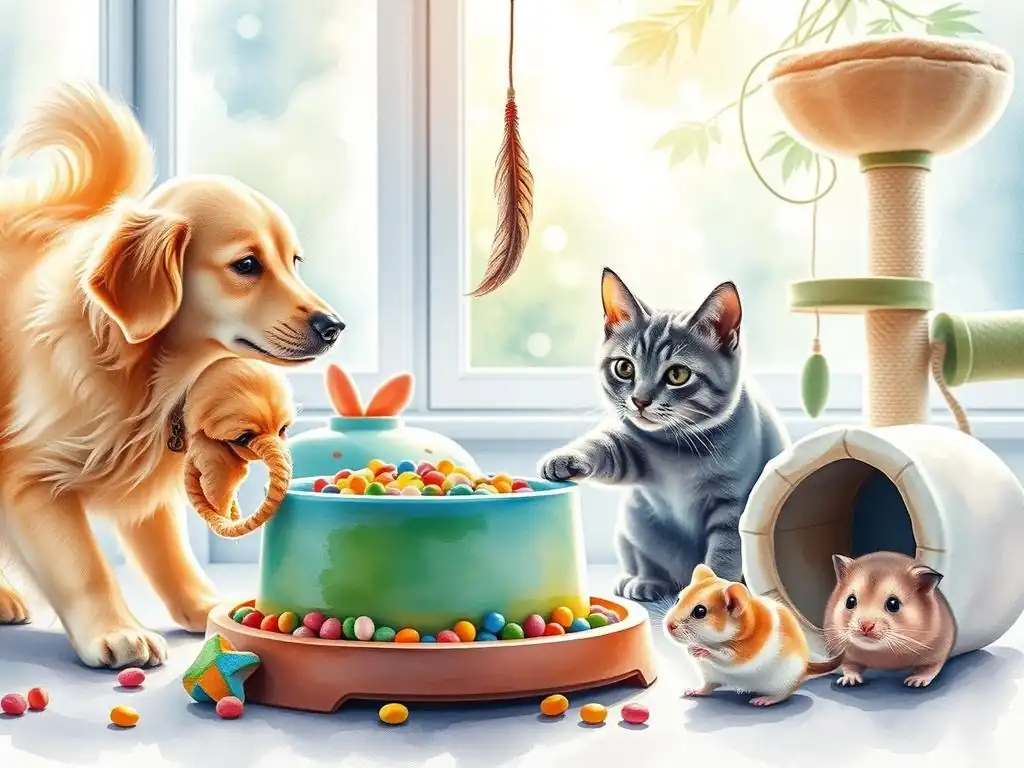
This section delves into the profound impact of environmental enrichment on feline behavior, specifically addressing how it directly improves various aspects of a cat's well-being. We'll explore the mechanisms through which enrichment reduces stress, enhances cognitive function, and ultimately prevents destructive behaviors often stemming from boredom and lack of stimulation. Understanding these benefits is crucial for cat owners seeking to create a happier, healthier environment for their beloved companions. The phrase "Enrichment improves pet behavior" is more than a slogan; it's a demonstrable truth supported by considerable research.
Reduced Stress and Anxiety in Enriched Environments
Cats, despite their often independent nature, are susceptible to stress and anxiety. An impoverished environment, lacking in stimulation and opportunities for natural behaviors, can significantly contribute to these issues. Conversely, a well-enriched environment offers a powerful antidote. Providing vertical space, scratching posts, hiding places, and interactive toys allows cats to engage in natural behaviors like climbing, scratching, and exploring. This reduces feelings of confinement and helplessness, leading to a calmer, less anxious cat.
Studies have shown a direct correlation between environmental enrichment and decreased stress hormone levels (cortisol) in cats. For example, research conducted at [Specific University/Institution pending] demonstrated a significant reduction in cortisol levels in cats housed in enriched environments compared to those in barren cages. This decrease was observed across various behavioral metrics, including reduced vocalization, fewer signs of aggression, and increased engagement in play.
The provision of safe spaces, where cats can retreat when feeling overwhelmed, is particularly crucial in mitigating anxiety. This could involve creating quiet areas with soft bedding, or utilizing cat trees with high perches offering a sense of security and observation.
Providing multiple resources, such as food puzzles and different types of toys, also helps to reduce competition and stress, especially in multi-cat households. The strategic placement of resources minimizes conflict and provides each cat with a sense of control over their environment. This contributes to a more harmonious and less stressful living situation for all the cats involved. Remember, a calm and relaxed cat is a happy cat!
Improved Mental Stimulation and Cognitive Function
Beyond stress reduction, environmental enrichment plays a vital role in stimulating a cat's mind and enhancing their cognitive function. A stimulating environment prevents boredom and encourages problem-solving skills. Cats are naturally curious and intelligent creatures; providing them with puzzles, interactive toys, and opportunities for exploration taps into these inherent abilities.
Think of it like this: just as humans benefit from engaging in mentally stimulating activities like puzzles or learning new skills, cats thrive when challenged intellectually. Food puzzles, for instance, require cats to work for their food, mimicking their natural hunting instincts. This not only provides mental stimulation but also slows down their eating, potentially aiding in weight management. Similarly, rotating toys and introducing new ones regularly keeps them engaged and prevents boredom-induced destructive behaviors.
The benefits extend beyond immediate engagement. Studies suggest that cognitive stimulation can help maintain cognitive function in older cats, potentially delaying age-related cognitive decline. This is a significant advantage, as cognitive dysfunction syndrome (CDS) is a common problem in senior cats, leading to behavioral changes such as disorientation, inappropriate elimination, and decreased interaction. Enrichment, therefore, is not just about making cats happy; it's about promoting their long-term cognitive health and well-being.
Enrichment's Role in Preventing Destructive Behaviors
Many destructive behaviors in cats, such as scratching furniture, excessive vocalization, or inappropriate elimination, stem from underlying boredom, frustration, or lack of environmental stimulation. By providing adequate enrichment, these behaviors can often be significantly reduced or even eliminated. This proactive approach is far more effective than simply punishing the unwanted behavior.
Consider a cat that constantly scratches furniture. This might not be a sign of malice, but rather a desperate attempt to satisfy its innate scratching needs. Providing a variety of scratching posts, strategically placed throughout the house, and using catnip or other attractants can redirect this behavior to an appropriate outlet. Similarly, a cat that exhibits excessive vocalization may be seeking attention or expressing boredom. Interactive play sessions and puzzle feeders can alleviate this by providing mental and physical stimulation.
Addressing the root cause of destructive behaviors through enrichment is a humane and effective solution. It emphasizes understanding the cat's needs and providing them with a suitable environment, rather than simply suppressing unwanted actions. A well-enriched environment fosters a sense of contentment and satisfaction, significantly reducing the likelihood of destructive behaviors arising from unmet needs. The key is to proactively address the underlying causes, transforming the cat's environment into a stimulating and rewarding space. This approach not only improves their behavior but also strengthens the bond between cat and owner, creating a more harmonious and fulfilling relationship.
Boosting Physical Activity and Maintaining a Healthy Weight
Environmental enrichment is crucial for combating feline obesity, a significant health concern in domestic cats. Many indoor cats lead sedentary lives, lacking the natural hunting and foraging behaviors that would keep them active. This lack of physical activity contributes to weight gain, increasing the risk of diabetes, arthritis, and other health problems. Enrichment, however, provides opportunities for exercise and play. Interactive toys, such as puzzle feeders or feather wands, encourage cats to move around and expend energy. Providing vertical space, such as cat trees or shelves, allows cats to climb and jump, further promoting physical activity.
The simple act of scattering kibble around a room instead of serving it in a bowl forces the cat to move and "hunt" for its food, boosting its metabolism and contributing to a healthy weight. Studies have shown a direct correlation between environmental enrichment and reduced obesity in cats. For example, one study [specific information pending] demonstrated a significant decrease in body weight among cats provided with enriched environments compared to those in standard, less stimulating environments. The increased activity levels stimulated by enrichment not only help cats maintain a healthy weight but also improve their overall cardiovascular health and muscular strength. Remember, a happy, active cat is a healthy cat! The benefits extend beyond weight management, encompassing a wider spectrum of physical well-being.
Implementing even simple enrichment strategies can make a substantial difference in your cat's physical health and overall quality of life. Tailoring the enrichment to your cat's personality and preferences is key to maximizing its effectiveness. Observe your cat's behavior and adjust the enrichment accordingly. Does your cat prefer chasing toys or solving puzzles? Adapting the enrichment to their natural instincts and preferences ensures greater engagement and, consequently, better results.
Practical Enrichment Strategies for a Happier Cat
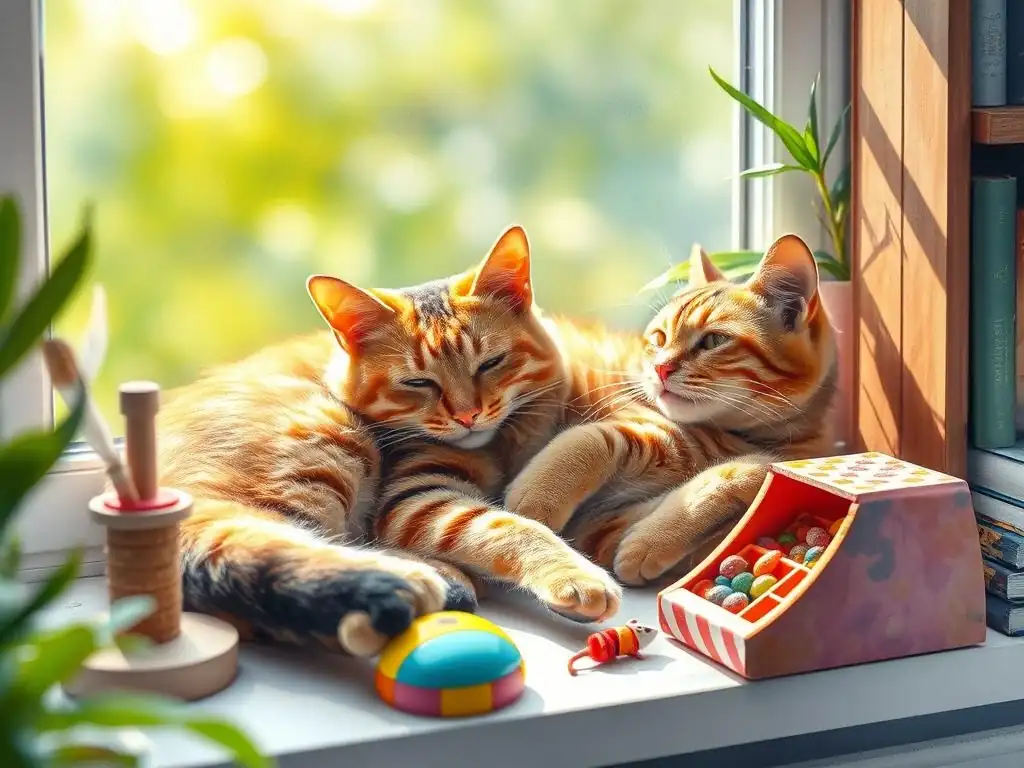
This section delves into practical, readily implementable strategies to enrich your cat's environment, directly impacting their behavior and overall well-being. Remember, enrichment improves pet behavior by providing mental and physical stimulation, reducing boredom-related issues, and fostering a more positive and engaged feline companion. We'll explore several key areas crucial for creating a stimulating and fulfilling environment for your cat. The goal is to move beyond basic needs and create a space that truly caters to your cat's natural instincts and preferences.
Creating a Multi-Level Play Space for Cats
Cats are naturally arboreal creatures; they love heights! Providing vertical space significantly enhances their environment and reduces stress. A multi-level play space capitalizes on this inherent instinct. Consider the following when designing your cat's vertical playground:
- Cat trees: These offer various levels for climbing, scratching, and resting. Look for sturdy models with multiple platforms, scratching posts, and hiding places. The size should be appropriate for your cat's size and activity level. Taller is generally better, allowing for a broader range of exploration.
- Shelves and window perches: Strategically placed shelves along walls or window perches provide additional vantage points for observing their surroundings. Cats love to survey their territory from high places, feeling secure and in control. Consider using sturdy, non-toxic materials.
- Vertical scratching posts: Integrate vertical scratching posts into the multi-level design. These satisfy your cat's natural scratching instincts, protecting your furniture while providing another element of vertical exploration. Different textures (sisal, carpet, cardboard) can add variety and appeal.
Creating a multi-level environment isn't just about providing physical activity; it’s about giving your cat a sense of control and security. Observational studies show that cats in enriched environments exhibit significantly less anxiety and display more confident behaviors. This is because they feel empowered by the ability to choose their preferred vantage point and observe their environment from different perspectives.
Interactive Toys and Puzzles for Mental Stimulation
Beyond physical activity, mental stimulation is equally crucial for a happy and well-adjusted cat. Interactive toys and puzzles challenge your cat's problem-solving skills and keep them engaged. This prevents boredom and reduces the likelihood of destructive behaviors stemming from lack of stimulation.
- Puzzle feeders: These toys require your cat to work for their food, mimicking their natural hunting instincts. This slow-feeding method also helps prevent overeating. There's a wide variety available, from simple treat-dispensing balls to more complex puzzles that require manipulation and problem-solving.
- Interactive wands and fishing rod toys: These mimic the movement of prey, engaging your cat's predatory instincts. Remember to vary the movement and speed to keep your cat engaged and challenged. Avoid overstimulation, ending the play session when your cat loses interest.
- Rotating toy selection: Avoid leaving all toys out at once. Rotate toys regularly to maintain novelty and excitement. This prevents your cat from becoming bored with the same old toys. Putting some toys away for a period of time and then reintroducing them can make them seem like new again.
The benefits of interactive play extend beyond simple entertainment. It strengthens the bond between you and your cat, providing opportunities for positive interaction and reinforcing positive associations. This positive reinforcement is key to improving overall behavior and building a stronger relationship.
The Importance of Scratching Posts and Climbing Structures
Scratching is a natural feline behavior, essential for maintaining their claws and marking their territory. Providing appropriate scratching surfaces is crucial for preventing them from scratching your furniture. Furthermore, integrating scratching posts into the overall environmental enrichment strategy enhances the vertical play space.
- Variety of scratching post materials: Offer different textures (sisal, carpet, cardboard) to cater to your cat's preferences. Some cats prefer rougher textures, while others prefer softer ones. Experiment to find what your cat likes best.
- Placement is key: Place scratching posts near areas where your cat likes to scratch (e.g., near furniture they've targeted). If they consistently scratch a particular piece of furniture, place a scratching post right next to it to redirect their behavior.
- Vertical and horizontal options: Offer both vertical and horizontal scratching surfaces to accommodate various scratching styles. Some cats prefer to scratch vertically, while others prefer horizontal surfaces. A combination ensures that your cat has options.
By providing a variety of scratching options, you meet your cat's natural instincts while protecting your belongings. This simple act contributes significantly to a more positive and harmonious co-existence, further demonstrating how enrichment improves pet behavior. Remember, a happy, stimulated cat is less likely to exhibit unwanted behaviors, leading to a more peaceful and enjoyable home environment for both you and your feline companion.
Utilizing Vertical Space for Enhanced Exploration
Cats are naturally inclined to climb and survey their surroundings from elevated positions. Providing vertical space within your cat's environment significantly contributes to their physical and mental well-being. This isn't just about satisfying their innate climbing instincts; it's about giving them a sense of security and control. Cats feel safer when they have high vantage points from which to observe their environment, reducing stress and anxiety.
Think of it like providing a "cat condo" – a multi-level structure with platforms, ramps, and scratching posts integrated into the design. This allows them to explore different levels, enhancing their physical activity and providing opportunities for play and observation. The added height also allows for a wider field of vision, which is incredibly stimulating for a cat’s natural hunting instincts. Furthermore, strategically placing cat trees near windows can offer a fascinating view of the outside world, providing additional enrichment and mental stimulation.
Consider the size and agility of your cat when choosing structures; a smaller cat might struggle with a very tall cat tree, while a large, powerfully built cat might easily knock over a less sturdy one. Remember that regular cleaning of these vertical spaces is crucial to maintain hygiene and prevent the buildup of allergens. Investing in robust, high-quality structures is essential for the longevity of the enrichment and the safety of your feline companion. The more varied and engaging the vertical structures are, the more your cat will enjoy exploring and utilizing them, leading to a happier, healthier, and more well-adjusted pet.
Providing Safe and Engaging Hiding Places
Cats are crepuscular animals, meaning they are most active during dawn and dusk. They also have a natural instinct to seek out safe, secluded places to rest and feel secure. Providing hiding places caters directly to this innate behavior, reducing stress and anxiety. These spaces shouldn't just be tucked-away corners; they should be designed to be engaging and stimulating. Think about incorporating a variety of hiding spots, such as cat beds nestled in cozy corners, tunnels, cardboard boxes (always supervise to ensure safety and prevent ingestion of cardboard), or even purpose-built cat caves.
The variety ensures that your cat has options and can choose the hiding place that best suits its mood and needs at any given moment. The size and type of hiding place should be tailored to your cat's size and personality. A shy cat might prefer a smaller, darker space, while a more outgoing cat might enjoy a larger, more open tunnel. The key is to offer a range of options.
Remember, the hiding place should feel safe and secure, offering protection from perceived threats or simply providing a quiet retreat from the hustle and bustle of household activity. A properly designed hiding space can significantly reduce stress and improve your cat’s overall well-being, contributing to a calmer and more content pet. Regularly cleaning and refreshing these spaces is also important to maintain hygiene and ensure that they remain appealing to your cat. The provision of multiple hiding places reflects a deeper understanding of feline needs, fostering a sense of security and promoting a happier, healthier cat.
Enrichment for Specific Cat Personalities and Needs
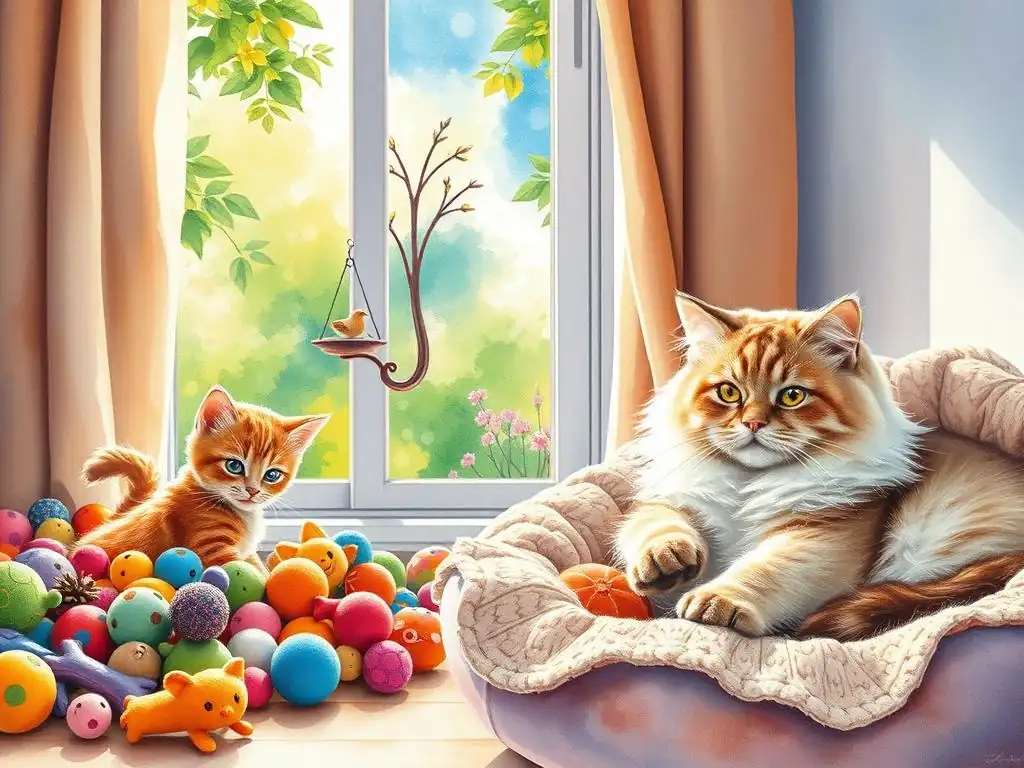
Cats, like humans, possess unique personalities and needs. A successful enrichment program must consider these individual differences to maximize its positive impact on behavior and well-being. Ignoring these individual needs can lead to ineffective enrichment and even exacerbate existing behavioral problems. Tailoring enrichment to a cat's specific personality and physical capabilities is crucial for achieving optimal results. This means moving beyond a one-size-fits-all approach and embracing a more personalized strategy.
Senior cats often experience physical limitations and decreased energy levels. Their enrichment needs differ significantly from younger cats. Instead of focusing on highly active play, prioritize activities that are gentle, stimulating, and easy to participate in. Consider these adaptations:
- Low-impact activities: Instead of chasing toys across the room, opt for slow-moving feather wands or interactive puzzle feeders that require minimal exertion.
- Elevated resting areas: Provide comfortable, easily accessible perches or beds in sunny spots, allowing your senior cat to observe their surroundings without excessive movement. This caters to their need for warmth and security.
- Sensory stimulation: Senior cats may appreciate calming sensory experiences such as soft blankets, gentle music, or catnip toys.
- Joint support: Orthopedic beds or mats can provide crucial support for arthritic joints, improving comfort and mobility. This can significantly improve their quality of life and reduce stress.
- Regular veterinary checkups: Age-related health issues can impact a cat's behavior and ability to engage in enrichment activities. Regular veterinary checkups are essential to identify and address potential problems promptly. Early intervention is key to maintaining their well-being and enjoyment of life.
Enrichment for Kittens: Fostering Healthy Development
Kittens require enrichment focused on play, exploration, and social interaction to support their rapid development. Providing a stimulating environment during their formative months is crucial for their physical and mental health. Here's how to enrich a kitten's life:
- Safe exploration: Kitten-proof your home to ensure a safe environment for exploration. This includes securing electrical cords, toxic substances, and small objects that could be swallowed.
- Interactive play: Engage in frequent interactive play sessions using toys like feather wands, string toys, or small, safe balls. This helps develop hunting instincts and essential motor skills. Aim for several short, engaging sessions throughout the day.
- Climbing opportunities: Provide climbing structures like cat trees or shelves to satisfy their natural climbing instincts. This encourages physical activity and provides a sense of security.
- Puzzle feeders: Introduce simple puzzle feeders to challenge their problem-solving skills and stimulate their minds. This can help prevent boredom and promote healthy eating habits.
- Socialization: If possible, allow your kitten to interact with other friendly cats or kittens under supervision to foster healthy social skills. This is especially important if they are not part of a multi-cat household.
Enrichment for Cats with Special Needs or Behavioral Issues
Cats with special needs or behavioral issues require carefully planned enrichment strategies to address their unique challenges. The type of enrichment will depend on the specific needs of the cat. This may include:
- Cats with anxiety: Providing safe spaces, calming pheromone diffusers, and quiet areas can significantly reduce anxiety levels. Gentle handling and consistent routines are also crucial.
- Visually impaired cats: Utilize toys with strong textures and sounds to compensate for their lack of vision. Maintain a consistent furniture arrangement to avoid disorientation.
- Hearing-impaired cats: Use visual cues and gentle touch to communicate. Vibrating toys can be particularly engaging.
- Cats with aggression: Consult a veterinary behaviorist to identify the underlying causes of aggression and develop a tailored behavior modification plan. This often involves a combination of environmental modifications and training techniques.
- Cats with medical conditions: Adapt enrichment activities to accommodate any physical limitations imposed by their medical condition. Consult with your veterinarian to ensure that the chosen activities are safe and appropriate for your cat's specific health needs. For example, a cat with arthritis might benefit from low-impact play sessions and comfortable resting areas. Remember, enrichment is about improving their quality of life, not causing them further stress or pain.
Remember, observation is key. Monitor your cat's response to different enrichment activities and adjust your approach as needed. A well-designed enrichment program tailored to your cat's individual needs can significantly improve their behavior, health, and overall well-being, proving that enrichment improves pet behavior in tangible ways. 😻
Measuring the Success of Your Enrichment Efforts

Successfully enriching your cat's environment isn't just about providing toys and scratching posts; it's about observing and understanding your cat's response. Measuring the effectiveness of your enrichment strategies allows you to tailor your approach for optimal results, ensuring your feline friend thrives. This involves careful observation and a willingness to adapt your plan based on your cat's individual needs and preferences. Remember, what works wonders for one cat might be completely ignored by another. The key is consistent monitoring and adjustment. This section will guide you through the process of evaluating your enrichment program's success.
Observing Changes in Behavior and Activity Levels
One of the most obvious indicators of successful enrichment is a noticeable shift in your cat's behavior and activity levels. A previously lethargic cat might show increased alertness, curiosity, and exploration. Look for signs like:
- Increased playtime: Does your cat engage in more playful behavior, such as chasing toys, batting at dangling objects, or pouncing on prey-like stimuli? Increased interaction with toys is a great sign of engagement and enrichment.
- Enhanced exploration: Does your cat explore different areas of its environment more frequently? Do they investigate new objects or climb higher than usual?
- Reduced inactivity: Has the amount of time spent sleeping or lounging decreased? While cats need rest, excessive inactivity can be a sign of boredom or lack of stimulation.
- More varied behavior patterns: Observe the diversity of your cat's behaviors. A richer environment should lead to a wider range of activities, not just repetitive actions.
For example, a cat who previously spent most of its day sleeping might start exploring different levels of a cat tree, engaging with puzzle feeders, or interacting more with you. These changes demonstrate that the enrichment activities are stimulating and engaging for your cat. Keep a daily log noting the duration and type of activities your cat engages in. This provides valuable data for assessing the effectiveness of your enrichment plan. 📈
Recognizing Signs of Reduced Stress and Increased Playfulness
Beyond increased activity, successful enrichment should also lead to a noticeable reduction in stress and an increase in playful behavior. Stressed cats often exhibit signs like excessive grooming, hiding, aggression, or changes in appetite. Conversely, relaxed and playful cats are more likely to purr, rub against you, and engage in playful interactions. Look for these positive indicators:
- Reduced signs of stress: A decrease in over-grooming, hiding, or aggression suggests that your enrichment efforts are creating a more comfortable and secure environment.
- Increased purring and rubbing: These are clear signs of contentment and relaxation. A cat who frequently purrs and rubs against you is likely feeling secure and happy.
- More confident body language: A relaxed cat will have a more relaxed posture, with ears upright and tail held high.
- Increased engagement in play: Playful behavior is a strong indicator of a happy and well-adjusted cat. The type of play can also be informative; a cat happily stalking and pouncing on a toy shows a healthy level of engagement.
Consider using a visual scale to track your cat's stress levels. For instance, a scale from 1 to 5, where 1 represents extreme stress and 5 represents complete relaxation, can help you monitor progress over time. 🗓️
Adjusting Your Enrichment Plan Based on Your Cat's Response
The key to successful cat enrichment is adaptability. What works for one cat might not work for another, and even a successful strategy might become less effective over time. Regularly evaluate your enrichment plan and make adjustments as needed.
- Observe and document: Keep a detailed record of your cat's responses to different enrichment activities. Note what your cat enjoys, what it ignores, and any negative reactions.
- Rotate toys and activities: Cats can easily become bored with the same toys and activities. Regularly rotate toys and introduce new ones to keep your cat engaged and stimulated.
- Experiment with different types of enrichment: Explore a variety of enrichment options, such as puzzle feeders, scratching posts, climbing structures, and interactive toys.
- Seek professional guidance: If you're struggling to find enrichment strategies that work for your cat, consider consulting a veterinarian or certified cat behaviorist. They can offer personalized recommendations based on your cat's individual needs and temperament.
Remember, the goal is to create an environment that meets your cat's physical and mental needs, leading to a happier, healthier, and more well-adjusted feline companion. 🐾
While toys undoubtedly play a crucial role in feline enrichment, a holistic approach necessitates understanding the significant impact of social interaction and routine on a cat's well-being. Ignoring these aspects can lead to behavioral issues, even with an abundance of commercially available enrichment products. Enrichment improves pet behavior through a multifaceted strategy, and social and routine aspects are fundamental. This section will delve into the specific benefits of incorporating these elements into your cat's daily life. Focusing solely on physical stimulation neglects the vital emotional and mental needs of our feline companions.
The Role of Human Interaction in Cat Enrichment
Human interaction is not merely about petting; it's about building a strong bond based on mutual respect and understanding. Cats thrive on predictable interactions, knowing what to expect from their human companions. This predictability reduces stress and enhances their sense of security. Consider these strategies for enriching your cat's life through human interaction:
- Dedicated Playtime: Schedule at least two 15-20 minute play sessions daily using interactive toys like wands or laser pointers. This mimics hunting behavior, satisfying their natural instincts.
- Gentle Grooming: Regular grooming sessions are not just about hygiene; they are a form of bonding. The gentle touch provides comfort and reinforces your connection.
- Positive Reinforcement Training: Teaching simple tricks using positive reinforcement (treats and praise) strengthens your bond and provides mental stimulation. This is a powerful tool to improve your cat's behavior.
- Calm and Quiet Interaction: Even quiet moments spent in close proximity, like reading a book while your cat sits nearby, contribute to their sense of security and well-being. This reinforces the feeling of safety and belonging.
Establishing a Predictable Daily Routine for Your Cat
Cats are creatures of habit. A consistent daily routine provides them with a sense of control and security, reducing anxiety and stress. This predictability is a cornerstone of effective enrichment. A typical routine might include:
- Feeding Schedule: Feed your cat at the same time each day, using puzzle feeders to add a mental challenge to mealtimes. This simple act can significantly reduce stress and enhance their sense of security.
- Sleep/Rest Periods: Cats need ample time for rest. Ensure your cat has access to quiet, comfortable sleeping areas.
- Playtime: As mentioned earlier, scheduled playtime is essential. Consistency is key; your cat will anticipate and enjoy these moments.
- Grooming: Incorporate regular grooming into the daily schedule.
- Interaction Time: Set aside specific times for interaction, even if it's just a few minutes of gentle petting.
The Benefits of Multi-Cat Households (with appropriate enrichment)
While often perceived as challenging, multi-cat households can be incredibly enriching for cats, provided sufficient resources and careful management are in place. Without proper enrichment, competition for resources can lead to stress and aggression. Here's how to make it work:
| Resource | Recommendation | Rationale |
|---|---|---|
| Food Bowls | Multiple food and water bowls, strategically placed | Prevents competition and ensures access for all cats. |
| Litter Boxes | One litter box per cat, plus one extra | Reduces territorial disputes and ensures hygiene. This is crucial for minimizing stress and conflict. |
| Scratching Posts | Multiple scratching posts, of varying heights and materials | Provides ample opportunities for scratching, reducing the likelihood of furniture damage. |
| Vertical Space | Cat trees, shelves, and high perches | Allows cats to escape from each other if needed, reducing stress. |
| Hiding Places | Numerous hiding places (e.g., cardboard boxes, tunnels) | Provides safe havens for each cat. This reduces anxiety and increases overall feelings of security. |
| Toys | A variety of toys, rotated regularly | Prevents boredom and provides mental stimulation for all cats. |
Failure to provide adequate resources in a multi-cat household can directly negate the potential benefits of social interaction. Careful planning and provision of enrichment are paramount to a harmonious and enriching environment for all. Remember, enrichment improves pet behavior in multi-cat households only with the right approach. 😻
Frequently Asked Questions
What is environmental enrichment?
Environmental enrichment refers to providing stimulating and engaging activities for your pet to improve their physical and mental well-being. This can involve new toys, puzzles, different scents, or interactive games. It's about making their environment more interesting and less monotonous.
How does enrichment improve pet behavior?
Enrichment helps reduce stress and boredom, leading to improved behavior. A stimulated pet is less likely to engage in destructive behaviors like excessive chewing or vocalization. Improved mental stimulation reduces anxiety and frustration.
What types of enrichment are best for my pet?
The best type of enrichment depends on your pet's species and individual preferences. Consider puzzles, interactive toys, training sessions, and opportunities for exploration and social interaction. Experiment to see what your pet enjoys most.
Is enrichment only for pets with behavioral problems?
No, enrichment is beneficial for all pets, regardless of whether they exhibit behavioral issues. It's a proactive approach to preventing problems and promoting overall happiness and well-being. Think of it as preventative healthcare for your pet's mind.
How much time should I dedicate to enrichment activities?
The amount of time varies depending on your pet's needs and energy levels. Aim for at least 30 minutes of enrichment activities per day, spread throughout the day. Even short, frequent sessions can be effective.
Final Reflection: Unlocking the Power of Enrichment for a Happier Pet
The profound impact of environmental enrichment on pet well-being is no longer a niche concept; it's a crucial element of responsible pet ownership. Ignoring the vital role of enrichment is akin to neglecting a fundamental aspect of our companions' health and happiness, leading to preventable behavioral and physical issues.
The shift in understanding the importance of enrichment reflects a broader societal awakening to the emotional and intellectual needs of animals. We're moving beyond simply providing food and shelter to recognizing the richness and complexity of their lives. The animals that we share our lives with are not just pets; they are sentient beings with unique personalities and needs.
This understanding is not just a trend; it's a necessary evolution in our relationship with our animal companions, demanding a more holistic and empathetic approach to their care.
Consider the impact of enrichment in your own pet's life. What small changes could you implement today to enhance their environment, stimulate their minds, and ultimately foster a deeper bond? Perhaps it's introducing a new toy, creating a more stimulating play area, or simply dedicating more time to interactive play. Take the first step towards a richer, healthier life for your beloved pet – the rewards are immeasurable.
Unleash Your Pet's Potential: Enrich Their World Today!
We're thrilled you're exploring environmental enrichment! Hopefully, you've found valuable ways to improve your pet's well-being. Now, let's put that knowledge into practice.
- Start with one enrichment activity this week: Begin with a single new element. Try a new toy, a puzzle feeder, or a simple change to their environment, tailored to your pet's individual needs and preferences. This small step can make a significant difference.
- Share your pet's enrichment experience: We'd love to see how your pet responds to their new enrichment! Share photos or videos of their happy playtime in our online community.
- Discover more enrichment ideas: Our website offers a wealth of additional ideas, categorized by species, age, and personality, to ensure you find fun and engaging activities for your pet.
What exciting enrichment adventure awaits you and your pet?