
Bird Vocalizations and Age: How Young and Old Bird Calls Differ

Welcome to PetCareWorld, your ultimate guide to a happier, healthier life for your beloved animal companions! Are you curious about the subtle yet significant differences in bird vocalizations? Discover how to decipher the intriguing sounds your feathered friend makes, learning to distinguish the chirps and calls of a young bird from those of an older bird. Dive into our expert guide on "Old bird sounds vs young" and unlock the secrets hidden within their songs – your journey to better understanding your avian companion starts now!
- Understanding Bird Vocalizations: A Key to Age Determination
- Old Bird Sounds vs Young: Key Differences in Vocalizations
- Factors Influencing Bird Calls Beyond Age
-
Practical Applications of Recognizing Age Through Vocalizations
- Bird Identification: Using calls to differentiate young and old birds
- Breeding and Conservation: Understanding age structure within populations of Bald Eagles
- Veterinary Care: Assessing bird health based on vocalizations
- Case Study 1: Identifying a sick juvenile American Kestrel based on its calls
- Case Study 2: Determining the age of a rescued juvenile Red-tailed Hawk
-
Frequently Asked Questions
- How do the sounds of young birds differ from those of older birds?
- What factors influence a bird's vocalizations besides age?
- Can I use vocalizations to determine the exact age of a bird?
- Why do bird vocalizations change as they age?
- Are there any resources available to help me identify bird sounds by age?
- Final Reflection: The Whispers and Songs of Time in Avian Communication
- Unlock the Secrets of Avian Communication!
Understanding Bird Vocalizations: A Key to Age Determination
Bird vocalizations are far more than just pleasant melodies; they're a complex system of communication crucial for survival and social interaction. Understanding these sounds, particularly how they change with age, offers valuable insights into a bird's development and overall health. This article delves into the fascinating world of avian communication, focusing on how the calls of young birds differ from those of their older counterparts.
We'll explore specific examples, highlighting the nuances in vocalizations that can help you distinguish between juvenile and adult birds, using the Northern Cardinal as a primary example. This knowledge is invaluable for bird enthusiasts, researchers, and even those simply curious about the intricate lives of our feathered friends. Learning to differentiate "old bird sounds vs young" can enhance your appreciation for these remarkable creatures and contribute to more effective bird conservation efforts.
The subtle shifts in vocalizations across a bird’s lifespan reflect its developmental stages, social status, and even its overall health. By understanding these variations, we gain a deeper understanding of the avian world.
Juvenile Northern Cardinal Calls: Characteristics and Variations
The vocalizations of young Northern Cardinals undergo a dramatic transformation from hatching to adulthood. Their calls are initially simple, high-pitched sounds, gradually evolving into more complex and varied vocalizations as they mature. This developmental progression offers key clues for identification.
Early Chick Calls: High-pitched chirps and peeps
Newly hatched Northern Cardinal chicks produce high-pitched chirps and peeps, barely audible to the untrained ear. These sounds are primarily used to signal their need for food and warmth from their parents. The frequency is significantly higher than adult calls, often exceeding the range of human hearing. The intensity and frequency of these calls vary depending on the chick's hunger level and overall well-being. A distressed chick will emit more frequent and higher-pitched calls than a contented one.
Fledgling Vocalizations: Transition to more complex sounds
As the chicks grow into fledglings, their calls become more complex. They begin to incorporate a wider range of frequencies and incorporate short, slightly more melodic phrases. While still high-pitched compared to adult calls, there’s a noticeable increase in the variation and length of their vocalizations. These fledgling calls serve a dual purpose: maintaining contact with their parents while also beginning to explore their environment and communicate with their siblings. Observing these transitional calls can be a rewarding experience for bird watchers.
Identifying Young Northern Cardinals Based on Calls: Species-specific examples
While the general characteristics of juvenile Northern Cardinal calls are consistent, subtle variations exist between individuals and even between different broods. These subtle differences arise due to factors such as genetics, environmental influences, and the specific learning environment provided by the parents. Careful listening and observation are crucial for correctly identifying young Northern Cardinals based on their calls. Detailed recordings and comparative analyses of these calls are necessary for more precise identification. Further research is needed to fully understand the extent of this intra-species variation.
Adult Northern Cardinal Sounds: Maturity and Complexity
Once Northern Cardinals reach adulthood, their vocalizations reach their full complexity and richness. These calls are used for a variety of purposes, including territorial defense, mate attraction, and communication within the flock.
Mature Bird Songs: Full repertoire and territorial calls
Adult Northern Cardinals possess a rich repertoire of songs and calls. Their songs are characterized by their clear, whistled melodies, often described as a series of "cheer-cheer-cheer" sounds. These songs are used primarily to establish territory and attract mates. The complexity and length of these songs can vary based on factors such as the bird's age, health, and social status. Older, more established males tend to have more complex and longer songs.
Changes in Vocalizations with Age: Subtle shifts and variations
Even within the adult phase, subtle changes in vocalizations can occur. These changes are often related to aging and potential health issues. While these changes can be subtle and difficult to detect without specialized equipment, experienced bird watchers can sometimes identify them. The frequency and clarity of calls may decrease with age, while the overall repertoire may remain relatively stable. Further studies are needed to fully characterize these age-related changes in vocalizations.
Distinguishing Adult Calls Based on Species and Sex
Adult Northern Cardinal calls can also vary based on sex. Males typically have a wider range of songs and calls, while females tend to have simpler and more repetitive calls. Understanding these sex-specific differences is crucial for accurate identification. Furthermore, comparing Northern Cardinal calls to those of other cardinal species highlights the species-specific nature of these vocalizations. These differences can be subtle yet consistent across different populations.
Old Bird Sounds vs Young: Key Differences in Vocalizations
This section delves into the fascinating variations in bird vocalizations based on age, specifically comparing the sounds produced by young birds versus their older counterparts. Understanding these differences can be crucial for bird identification, assessing bird health, and appreciating the nuances of avian communication. We'll explore how frequency, volume, and song complexity change as birds mature, using examples from common North American species. The differences between "old bird sounds vs young" are often subtle but significant.
Frequency and Pitch: High vs Low frequency calls in American Robins
American Robins ( Turdus migratorius) offer a clear example of age-related differences in vocal frequency. Young American Robins, still dependent on their parents, produce calls that are generally higher in frequency and pitch than those of adult birds. These high-pitched calls are often described as thin, reedy, or even slightly shrill. This is likely an adaptation to attract parental attention and solicit feeding. Conversely, adult American Robins utilize a lower-frequency repertoire, characterized by richer, more melodious tones. These lower-pitched songs and calls are used for territorial defense, mate attraction, and intra-species communication.
The difference in frequency is measurable. While precise data requires advanced acoustic analysis, anecdotal observations and informal studies suggest a noticeable shift upwards in frequency within the juvenile vocalizations. This shift becomes less pronounced as the robin matures, eventually settling into the lower frequencies of adulthood. The change is not abrupt but rather a gradual transition over several weeks. This gradual shift highlights the dynamic nature of bird vocal development. Understanding this transition can help birdwatchers differentiate between young and adult robins based solely on their calls.
Volume and Intensity: Changes in call loudness in House Sparrows
House Sparrows ( Passer domesticus) demonstrate a clear correlation between age and call intensity. Young House Sparrows, still within the nest or recently fledged, tend to produce relatively quieter calls. Their begging calls, for instance, are softer and less insistent than those of adults. This is likely a strategy to avoid attracting unwanted attention from predators while soliciting food from their parents. The quieter calls also minimize the risk of revealing the nest's location.
Adult House Sparrows, however, employ significantly louder and more intense calls, particularly during territorial disputes or mate attraction. These louder calls project further, effectively communicating across larger distances. The difference in volume is substantial, often easily perceptible to the human ear.
This change reflects the increasing need for assertive communication as the birds mature and compete for resources and mates. The shift towards louder calls is directly linked to the bird's increased size and physical development, as well as its evolving social roles within the flock. The intensity of the calls can also vary depending on the context; a distressed adult will generally produce louder calls than an adult simply communicating with a mate.
Complexity of Songs: Simple vs Complex vocal patterns in Song Sparrows
Song Sparrows ( Melospiza melodia) exhibit a striking difference in song complexity between juveniles and adults. Young Song Sparrows produce simpler, less structured songs, often consisting of repetitive, short phrases. These rudimentary songs lack the intricate variations and extended sequences found in the songs of mature males. The simpler songs of young birds are likely due to their incomplete vocal learning. Song learning in many songbirds is a gradual process, requiring practice and exposure to adult songs.
Adult male Song Sparrows, on the other hand, produce incredibly complex and varied songs. These songs are characterized by intricate sequences of notes, whistles, and trills. The complexity of these songs is crucial for mate attraction and territorial defense. The longer, more complex songs demonstrate a higher level of fitness and experience, making the male a more attractive mate.
The difference in song complexity is not merely quantitative (more notes); it's also qualitative, involving variations in rhythm, pitch contours, and overall structure. This difference provides a reliable way to distinguish between young and adult Song Sparrows based on their vocalizations alone. The development of the complex songs is a testament to the intricate neural mechanisms involved in avian vocal learning. Furthermore, subtle variations in the adult songs can even indicate individual recognition.
Repetition and Rhythm: Frequent vs infrequent calls in Brown Thrashers
Brown thrashers, known for their complex and varied songs, exhibit distinct differences in vocalization patterns between young and old birds. Younger brown thrashers, still developing their vocal repertoire, tend to produce calls with less consistent repetition and rhythm. Their songs might be shorter, less structured, and include more hesitant pauses or variations in pitch.
Think of it like a child learning a new song – they might stumble over the words, repeat lines inconsistently, and not quite hit the right notes every time. This inconsistency reflects their ongoing learning process and the refinement of their motor skills involved in vocal production.
Conversely, adult brown thrashers demonstrate a greater degree of precision and consistency in their vocalizations. Their songs often feature repeated phrases, clear rhythmic patterns, and a more confident delivery. The calls are longer, more elaborate, and showcase a wider range of notes and tonal variations.
This mastery of their vocal abilities is the result of years of practice and refinement, allowing them to communicate more effectively within their social structures. The regularity and complexity of their songs are not only aesthetically pleasing but also serve critical functions, such as territorial defense and mate attraction. Observing the rhythmic precision and repetitive elements of an adult brown thrasher's song is a clear indicator of its age and experience.
The difference is quite noticeable to a trained ear, though identifying subtle nuances might require some practice. Detailed studies comparing spectrograms of young and old brown thrasher calls could further illuminate these rhythmic differences. This level of analysis could reveal subtle variations in frequency modulation, syllable duration, and overall song structure, providing even more conclusive evidence of age-related vocal distinctions.
Factors Influencing Bird Calls Beyond Age
This section delves into the nuances of avian vocalizations, exploring factors beyond age that significantly influence the sounds birds produce. While age is a crucial determinant, the "old bird sounds vs young" comparison is incomplete without considering other key elements that shape a bird's song and calls. Understanding these factors provides a more comprehensive understanding of bird communication and helps in interpreting the soundscape of the avian world. We'll examine the impact of health, environment, and social interactions on vocalizations across various species.
Health and Condition: Impact of illness on vocalizations in Blue Jays
A bird's vocalizations can serve as an important indicator of its health. Illness or injury can dramatically alter the quality and frequency of calls. For example, consider the Blue Jay ( Cyanocitta cristata). Healthy Blue Jays are known for their loud, raucous calls, often including a variety of whistles, chatters, and screams. These calls are used for communication within their flocks, defense of territory, and alarm calls.
However, a Blue Jay suffering from illness, such as avian influenza or respiratory infections, might exhibit changes in its vocalizations. These changes can manifest as:
- Reduced vocalizations: A sick bird might be too weak or uncomfortable to call frequently.
- Changes in call quality: Calls may be weaker, raspy, or less varied than usual. The characteristic clear whistles might become muffled or distorted.
- Increased frequency of distress calls: A sick bird may produce more frequent and higher-pitched distress calls, signaling its need for assistance.
Veterinary studies on avian vocalizations and disease are still relatively limited. [Specific data on the correlation between Blue Jay vocal changes and specific illnesses pending]. However, observing changes in a bird's vocalizations should prompt pet owners to seek veterinary attention promptly. Early detection of illness through attentive listening can significantly improve the chances of successful treatment.
Environmental Factors: Noise levels and habitat influence on Great Horned Owl calls
The environment plays a crucial role in shaping a bird's vocalizations. Factors such as noise pollution and habitat characteristics can significantly influence how birds communicate. The Great Horned Owl ( Bubo virginianus), for instance, is a nocturnal bird known for its haunting hoots.
The intensity and frequency of their calls can be affected by ambient noise levels. In areas with high levels of human-generated noise (traffic, construction), owls might adjust their calling behavior:
- Increased call volume: To overcome background noise, owls may increase the volume of their hoots.
- Changes in call timing: They may call less frequently during noisy periods, choosing quieter times for communication.
- Shift in frequency: Owls might alter the frequency of their calls to minimize interference from competing sounds.
Furthermore, habitat structure impacts sound propagation. Dense forests, for instance, can dampen sound, requiring owls to adjust their call characteristics for optimal transmission. Open habitats, on the other hand, allow for greater sound travel, potentially influencing the distance at which owls can communicate effectively. [Specific quantitative data on the effect of dB levels on Great Horned Owl call intensity pending]. This highlights the adaptive nature of bird vocalizations in response to their environment.
Social interactions heavily influence bird vocalizations. Different calls serve specific functions within a bird's social context, such as mating, territorial defense, and flock cohesion. The European Starling ( Sturnus vulgaris) provides a compelling example of this intricate relationship.
European Starlings are highly social birds, exhibiting complex vocalizations to manage various social situations:
- Mating calls: Males use a variety of whistles, chirps, and trills to attract females. These calls are often characterized by their melodic quality and complexity.
- Territorial calls: Starlings use aggressive calls to defend their territories from rivals. These calls are typically harsher and more insistent than mating calls.
- Flock cohesion calls: Starlings utilize a range of calls to maintain contact and coordination within their flocks, particularly during flight. These calls often involve a combination of chirps and whistles.
The intricate interplay between these calls demonstrates the sophistication of their communication system. The "old bird sounds vs young" comparison in this species would need to consider the individual's social status and role within the flock, as older, experienced birds often have a more extensive repertoire of calls and a greater proficiency in using them strategically. [Research on the vocal development of European Starlings across their lifespan and its correlation with social dominance pending]. This underscores the importance of considering social factors when analyzing bird vocalizations.
Practical Applications of Recognizing Age Through Vocalizations
Understanding the subtle differences between the vocalizations of young and old birds offers a wealth of practical applications across various fields within avian care and research. By carefully listening and analyzing these sounds, we can gain valuable insights into bird health, behavior, and population dynamics. This section will explore some key practical applications, emphasizing the importance of distinguishing "old bird sounds vs young" in different contexts.
Bird Identification: Using calls to differentiate young and old birds
Accurate bird identification is crucial for conservation efforts, scientific research, and even simple birdwatching enjoyment. While visual identification is often the primary method, vocalizations provide a powerful supplementary tool, especially in situations where visual observation is difficult, such as dense foliage or low-light conditions. The calls of young birds frequently differ significantly from those of adults. Young birds often produce simpler, less developed calls, sometimes described as "begging calls" or high-pitched chirps, while adults possess more complex songs and calls, often exhibiting regional variations and individual nuances.
For instance, consider the Northern Cardinal. Juvenile cardinals produce a high-pitched, thin tseep sound, quite distinct from the adult male's clear, whistled song. Similarly, young American Robins have a distinctive, buzzy begging call that contrasts sharply with the melodious fluting song of the adults. Learning to distinguish these age-related vocal variations significantly enhances one's ability to correctly identify birds in the field. This is especially relevant when assessing the age structure of a bird population, a key aspect of ecological monitoring. Detailed recordings and analyses of these variations are crucial for developing comprehensive bird identification guides and training programs.
Breeding and Conservation: Understanding age structure within populations of Bald Eagles
The age structure of a bird population is a vital indicator of its health and reproductive success. Analyzing vocalizations can provide valuable insights into this structure, particularly when combined with other observational data. For example, in studies of Bald Eagles ( Haliaeetus leucocephalus), researchers have found correlations between vocalizations and breeding success. Older, more experienced eagles often produce more complex and varied calls during courtship displays, potentially indicating higher reproductive fitness. Conversely, young, inexperienced eagles might exhibit less complex vocalizations, potentially affecting their mating success.
Analyzing sound recordings from various eagle populations allows researchers to assess the proportion of young versus old birds within those populations. This information is crucial for understanding population trends, identifying potential threats, and developing effective conservation strategies. For instance, a disproportionately high number of young birds might suggest a recent successful breeding season, while a low number of young birds could indicate challenges such as habitat loss or food scarcity. Further research into the specific acoustic characteristics of different age groups within Bald Eagle populations is needed to refine these techniques and improve conservation efforts.
Veterinary Care: Assessing bird health based on vocalizations
Changes in a bird's vocalizations can be a subtle yet significant indicator of illness or distress. Veterinarians often use vocalization analysis as a diagnostic tool, alongside physical examinations and blood tests. A bird exhibiting unusual calls, such as unusually quiet or excessively loud calls, or changes in call frequency or complexity, may be signaling a health problem. For example, a bird suffering from respiratory infection might produce wheezing sounds or a weaker, less vibrant call than usual. Similarly, a bird experiencing pain or discomfort might emit high-pitched distress calls.
The ability to recognize these subtle changes in vocalizations is essential for timely diagnosis and treatment. Veterinarians specializing in avian care should be trained to interpret these vocal cues, integrating them into a holistic assessment of the bird's overall health. Further research focusing on the correlation between specific vocal abnormalities and particular diseases would greatly enhance the accuracy and effectiveness of this diagnostic approach.
A comprehensive database documenting the vocalizations of healthy birds of different ages and species would be an invaluable resource for veterinary professionals. This data could help to establish baseline vocal patterns, making it easier to identify deviations indicative of illness.
Case Study 1: Identifying a sick juvenile American Kestrel based on its calls
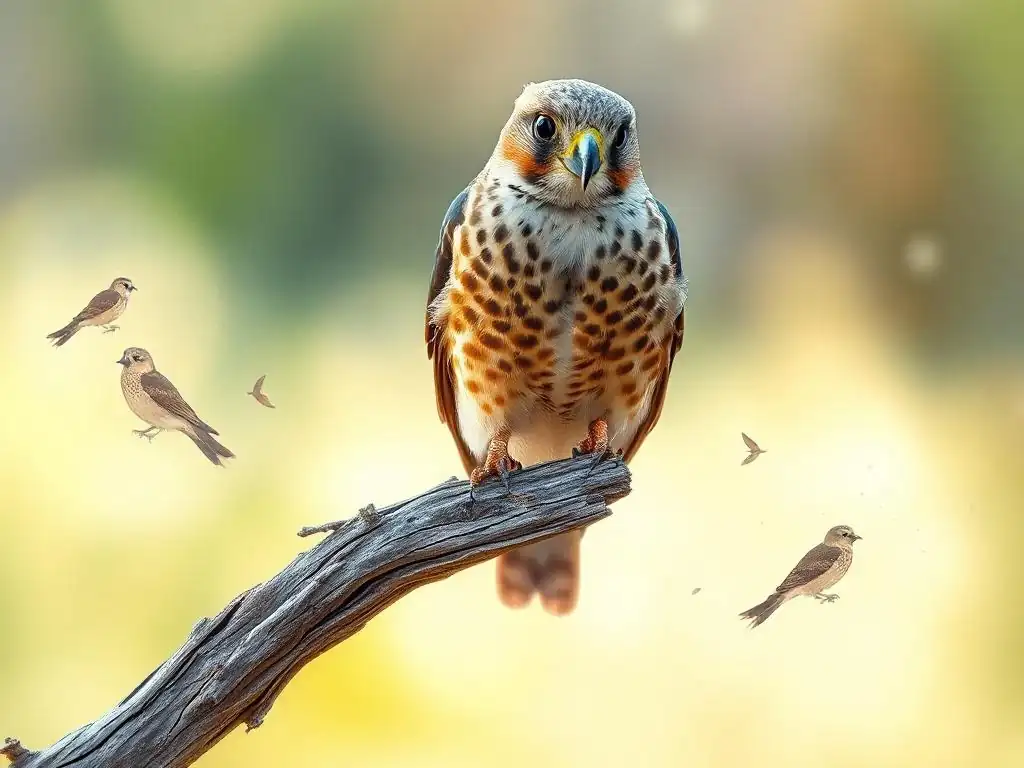
A wildlife rehabilitator received a call about a young American Kestrel found on the ground, seemingly weak and unable to fly. The initial visual assessment was inconclusive regarding its age and health status. However, upon closer observation and listening to its vocalizations, the rehabilitator noticed a significant difference from the typical high-pitched, rapid chirps of a healthy juvenile. Instead, the kestrel emitted weak, infrequent, and raspy calls, significantly lower in pitch than expected.
These atypical vocalizations, coupled with its weakened state, strongly suggested illness or injury. Further examination revealed a respiratory infection, which was successfully treated after prompt veterinary care. This case highlights how subtle changes in the frequency, intensity, and regularity of a bird’s calls can be crucial indicators of health problems, especially in young birds.
The subdued and atypical calls served as a critical early warning sign, enabling timely intervention and ultimately saving the kestrel's life. Experienced rehabilitators often rely on these subtle auditory cues to rapidly assess the condition of young birds brought to their care, allowing for swift and effective treatment. This emphasizes the importance of understanding the normal vocalization patterns of various bird species at different ages.
Case Study 2: Determining the age of a rescued juvenile Red-tailed Hawk
A rescued Red-tailed Hawk, found alone in a field, presented a challenge in age determination. Its plumage was not fully developed, suggesting a juvenile, but precise age was difficult to ascertain visually. However, its vocalizations provided vital clues. The hawk emitted a series of high-pitched, thin, and wavering calls, unlike the more robust and resonant calls of an older juvenile or fledgling.
These characteristics pointed toward a very young bird, likely just recently fledged and still heavily reliant on its parents. The rehabilitators used this information to tailor their care, focusing on providing a diet and environment appropriate for its developmental stage. They understood that a very young hawk would require more frequent feeding and close monitoring than an older juvenile.
The distinct vocal characteristics of this young Red-tailed Hawk allowed for more precise and effective care, ensuring optimal growth and a successful eventual release back into the wild. This case exemplifies how subtle variations in the quality and characteristics of a bird's calls, such as pitch, tone, and regularity, can be invaluable in determining age, especially when visual assessment is inconclusive. The ability to interpret these subtle differences is a critical skill for wildlife rehabilitators and ornithologists alike.
Frequently Asked Questions
How do the sounds of young birds differ from those of older birds?
Young birds typically produce high-pitched, thin chirps and peeps, often begging for food. Older birds have more complex vocalizations, including songs, whistles, and calls that vary depending on species and context.
What factors influence a bird's vocalizations besides age?
Besides age, species, sex, health, and social environment all significantly impact a bird's vocalizations. Individual birds also develop unique vocal patterns.
Can I use vocalizations to determine the exact age of a bird?
No, vocalizations alone are not sufficient to precisely determine a bird's age. Other factors, such as plumage and physical characteristics, must also be considered.
Why do bird vocalizations change as they age?
Vocalizations change with age due to physical maturation of the syrinx (the bird's voice box) and learning and experience. Young birds develop their songs and calls through imitation and practice.
Are there any resources available to help me identify bird sounds by age?
While pinpointing age solely by sound is difficult, PetCareWorld offers various resources, including species-specific guides and recordings, to help you learn to identify bird vocalizations. Look for our expert articles on bird identification!
Final Reflection: The Whispers and Songs of Time in Avian Communication
Understanding the subtle nuances in bird vocalizations offers a fascinating window into the complexities of avian development and aging, a field with implications far beyond simple ornithological observation. The differences between the calls of young and old birds, as explored in this article, highlight the dynamic nature of communication and the intricate relationship between age, experience, and vocal expression. This isn't just about identifying birds; it's about understanding the life cycle itself, reflected in the very sounds they produce.
The impact of age on bird song resonates deeply with our own human experience of aging and the evolution of communication. We too see shifts in our vocal patterns and communication styles over time, reflecting changes in physical capabilities and life experience. The song of the bird is a message from the heart of nature, a testament to the beauty and resilience of life.
This quote, while not directly about aging, captures the essence of the profound connection we can find in observing the natural world, and how even the smallest details, like a bird's call, can hold immense meaning.
Consider the implications of this research. What if we could better understand the subtle shifts in communication that accompany aging in other species? What new insights might this provide into animal welfare, conservation efforts, and even our own understanding of the aging process?
Take a moment to listen more closely to the birds around you. Notice the variations in their calls, and consider the stories they are telling – stories of youth, maturity, and the passage of time. Let the whispers and songs of these feathered creatures inspire you to appreciate the beauty and complexity of life in all its stages.
Unlock the Secrets of Avian Communication!
Thank you for exploring the fascinating world of bird vocalizations and how they change with age! You've gained valuable insights into understanding birds better. Now, let's put that knowledge into practice.
- Record and analyze your bird's calls: Closely observe the frequency, pitch, and rhythm of your bird's chirps, tweets, and songs. Note any changes over time. This detailed analysis is crucial for understanding your bird's communication.
- Share your observations: Connect with other bird enthusiasts in our community forum and share your findings. Together, we can build a comprehensive database of avian vocalizations.
- Explore further: Research different bird species and compare their call variations throughout their lifespans. This deeper understanding will significantly enrich your bird-watching experiences.
Ready to decipher the secrets whispered on the wind? What interesting vocalizations have you discovered in your own birds?