
Puppy Training Equipment: What You Really Need

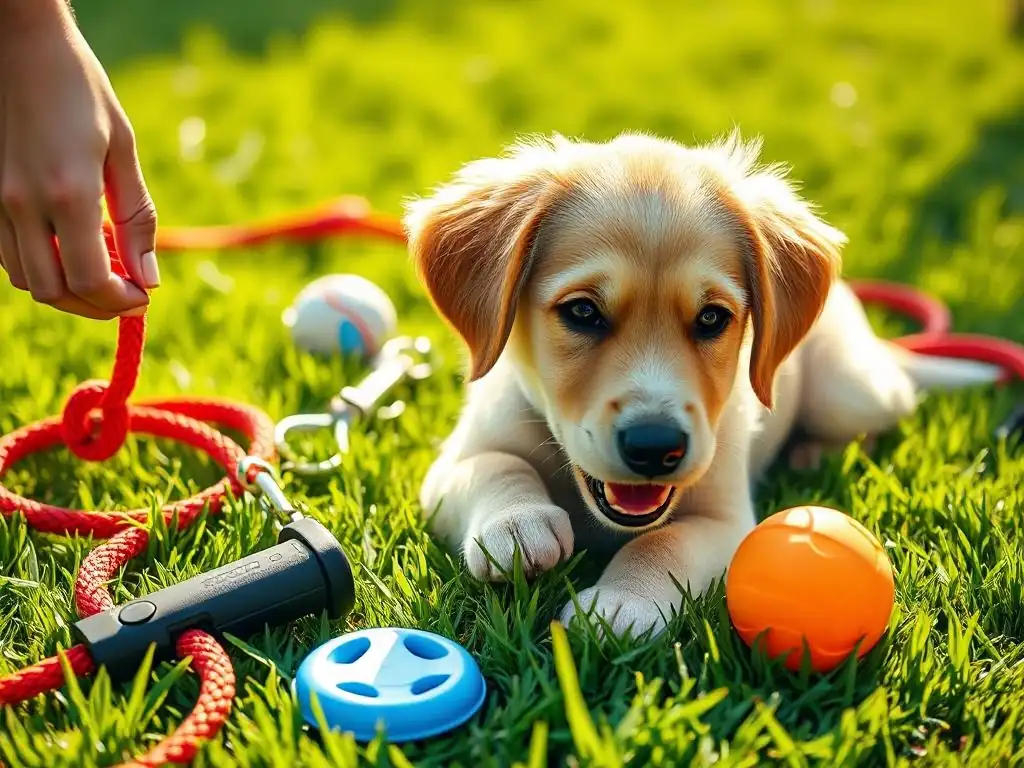
Welcome to PetCareWorld, your ultimate guide to happy and healthy pets! Are you ready to embark on an exciting journey with your new furry friend? Then you've come to the right place. We're diving deep into the world of puppy training, and our expert guide on the best puppy training equipment will equip you with everything you need to succeed. Discover the tools that will transform your puppy's training experience, making it both effective and enjoyable for both of you. Let's get started!
- Essential Puppy Training Supplies: A Comprehensive Guide
- Effective Training Tools for Positive Reinforcement
- Advanced Puppy Training Equipment: Optional but Helpful
- Avoiding Unnecessary Puppy Training Equipment
- Creating a Consistent Training Schedule for Success
- Frequently Asked Questions
- Final Reflection: Beyond the Leash: Shaping a Bond Through Puppy Training
- Unleash Your Puppy's Potential: Start Training Today!
Essential Puppy Training Supplies: A Comprehensive Guide
Bringing home a new puppy is an exciting time, filled with playful cuddles and endless adorable moments. However, responsible pet ownership also requires dedication to training, ensuring your furry friend grows into a well-behaved and happy companion. This guide will walk you through the essential puppy training equipment you'll need, focusing on quality and effectiveness to help you navigate this crucial phase of your puppy's life.
We'll explore the "best puppy training equipment" options, focusing on tools that prioritize positive reinforcement methods for optimal results and a strong bond between you and your pup. Understanding the right tools is the first step towards successful puppy training, paving the way for a lifetime of happy companionship.
We'll cover everything from collars and leashes to crates and training treats, ensuring you're fully equipped to embark on this rewarding journey. Remember, patience and consistency are key, and the right equipment can make all the difference.
Choosing the Right Collar and Leash for Your Puppy
Selecting the appropriate collar and leash is paramount for safe and effective puppy training. The right equipment ensures comfort for your puppy while providing you with the control needed during training sessions. A poorly fitting collar can cause discomfort or even injury, hindering progress and potentially creating negative associations with training. Let's delve into the specifics.
Types of Collars: Harnesses, Flat Collars, Martingale Collars
Choosing the right collar depends on your puppy's breed, size, and temperament. There are several types to consider:
- Harnesses: These distribute pressure more evenly across your puppy's chest, making them a gentler option, particularly for smaller breeds or those prone to pulling. They're also a great choice for puppies still developing their necks. However, some harnesses can be more cumbersome than collars.
- Flat Collars: These are the most basic type, simple and straightforward. They are suitable for most puppies, particularly those who don't pull excessively. Ensure the collar fits snugly but not too tight, allowing for two fingers to slip comfortably underneath.
- Martingale Collars: These are a good compromise between a flat collar and a harness. They tighten slightly when your puppy pulls, but loosen when the pressure is released. This gentle correction discourages pulling without causing choking. They are particularly useful for breeds with slender necks.
Leash Selection: Length, Material, and Features
The leash is just as important as the collar. Consider these factors:
- Length: A 4-6 foot leash is generally ideal for puppy training. Shorter leashes offer more control, especially in crowded areas, while longer leashes provide more freedom during relaxed walks.
- Material: Durable nylon or leather leashes are popular choices. Avoid thin or easily breakable materials for safety reasons.
- Features: Some leashes include features like padded handles for comfort or reflective strips for increased visibility during nighttime walks. Consider these features based on your needs and preferences. A strong, reliable leash is essential for preventing accidental escapes and maintaining control during training.
Crate Training Essentials: Selecting and Utilizing a Crate
Crate training is a valuable tool for housetraining, providing a safe and secure space for your puppy to rest and sleep. Choosing the right crate and implementing positive training techniques are key to success.
Crate Size and Type for Different Breeds
The size of the crate is crucial. It should be large enough for your puppy to stand, turn around, and lie down comfortably, but not so large that they can use one end as a toilet and the other for sleeping. Consider your puppy's breed and expected adult size when selecting a crate. Wire crates offer good ventilation, while fabric or plastic crates provide more privacy.
Positive Crate Training Techniques
Crate training shouldn't be punitive. Focus on positive reinforcement:
- Make it inviting: Place comfortable bedding and toys inside the crate.
- Associate it with positive experiences: Feed your puppy meals in the crate, or give them treats and praise when they enter willingly.
- Never use it as punishment: This will create negative associations and hinder the training process.
- Start with short periods: Gradually increase the time your puppy spends in the crate. Never leave a puppy unattended in a crate for extended periods, especially young puppies.
Remember, patience and consistency are crucial for successful puppy training. By using the right equipment and employing positive reinforcement methods, you can build a strong bond with your puppy and ensure they grow into a well-behaved and confident companion. 🐶
Effective Training Tools for Positive Reinforcement
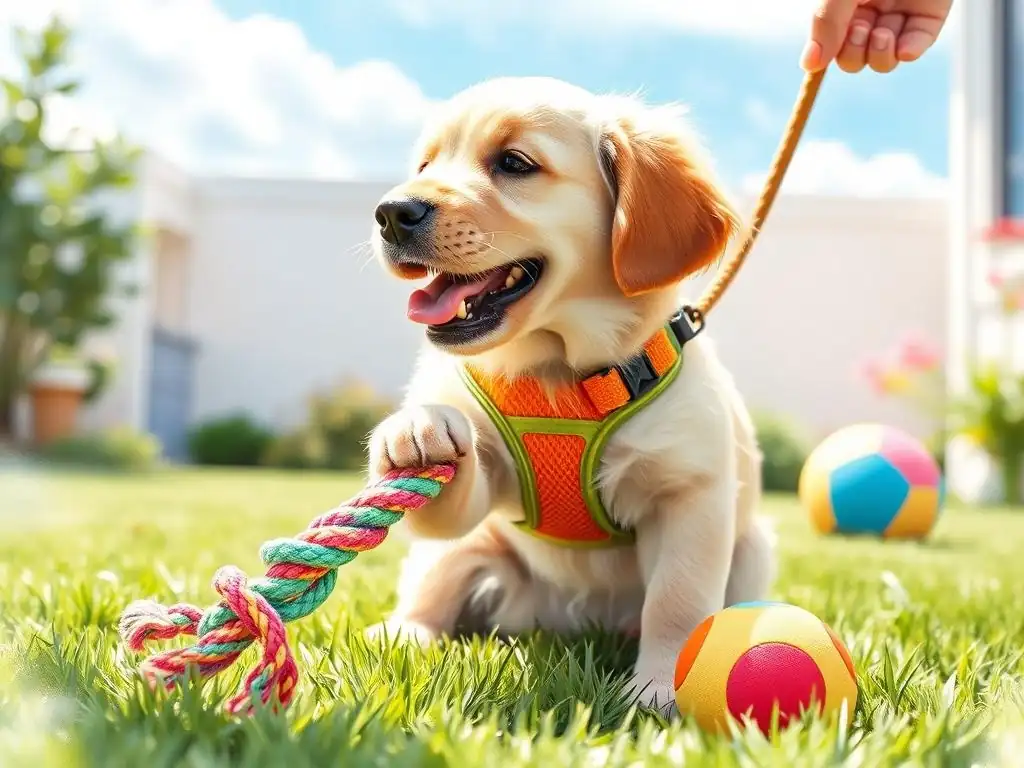
Positive reinforcement is the cornerstone of effective puppy training, focusing on rewarding desired behaviors rather than punishing unwanted ones. This approach fosters a strong bond between you and your puppy, making the training process enjoyable for both of you. Several tools significantly enhance the effectiveness of positive reinforcement training. Choosing the right equipment is crucial for maximizing your success and ensuring a positive learning experience for your furry friend. Selecting the best puppy training equipment involves understanding your puppy's personality and learning style.
High-Value Treats: Types and Selection for Puppy Training
High-value treats are the key to successful positive reinforcement. These are small, easily digestible treats that your puppy finds irresistibly delicious. The "high-value" aspect is subjective; what excites one puppy might leave another unimpressed. Experimentation is key! Consider offering small pieces of cooked chicken, liverwurst (in moderation! ), small pieces of cheese (avoid strong cheeses), or commercially available training treats specifically formulated for puppies. Avoid anything that could cause digestive upset or allergies. Remember, small, frequent rewards are more effective than large, infrequent ones. The goal is to keep your puppy engaged and motivated throughout the training session.
Finding the Perfect Treat: Considerations for Breed and Size
The ideal treat size varies depending on your puppy's breed and size. Small breeds might only need tiny pieces, while larger breeds can handle slightly bigger rewards. The treat should be easy for your puppy to consume quickly, allowing for seamless transitions between rewards and the next training step. Always check the ingredients list to ensure the treats are made with high-quality ingredients and are suitable for puppies.
Some puppies might have allergies or sensitivities, so start with small amounts of a new treat to monitor for any reactions. Remember, consistency is key. Once you've found a treat your puppy loves, stick with it for the duration of your training sessions to maintain their enthusiasm. Avoid switching treats frequently, as this can confuse your puppy.
Clickers: Mastering the Art of Clicker Training
Clicker training is a powerful method that uses a clicker to mark the precise moment your puppy performs the desired behavior. The click acts as a bridge, instantly associating the action with the upcoming reward. This precise timing is crucial for effective learning. A clicker is a small, handheld device that makes a distinct clicking sound.
Its simplicity and consistency make it an invaluable tool for communication with your puppy. The clicker allows you to instantly reinforce the exact moment of a good behavior, even if there's a slight delay before you can deliver the treat. This precision eliminates ambiguity and speeds up the learning process.
How to Use a Clicker Effectively for Puppy Training
Before introducing the clicker, familiarize your puppy with the sound by clicking it and immediately giving a high-value treat. Repeat this several times to create a positive association. Once your puppy understands that the click means a treat is coming, you can begin incorporating it into your training sessions. Click the clicker the instant your puppy performs the desired behavior – no sooner, no later.
Immediately follow the click with a treat. Consistency is paramount; always click and treat in this sequence. Avoid clicking unnecessarily, as this can diminish its effectiveness. The clicker should become a reliable signal that predicts a reward, making your puppy eager to repeat the behavior.
Clicker Training Techniques for Basic Commands
Clicker training can be used to teach a wide range of commands, from simple ones like "sit" and "stay" to more complex tricks. For example, to teach "sit," lure your puppy into a sitting position with a treat, click the instant their rear touches the ground, and immediately give them the treat. Repeat this process multiple times, gradually fading out the lure as your puppy begins to understand the desired behavior. Similarly, for "stay," lure your puppy into a stay position, click and treat when they remain in position for even a second, gradually increasing the duration.
Remember to keep training sessions short and fun, ending on a positive note. Positive reinforcement, coupled with the precise timing of a clicker, can transform puppy training into a rewarding and enjoyable experience for both you and your canine companion. Remember to be patient and celebrate every success! 🎉
Advanced Puppy Training Equipment: Optional but Helpful
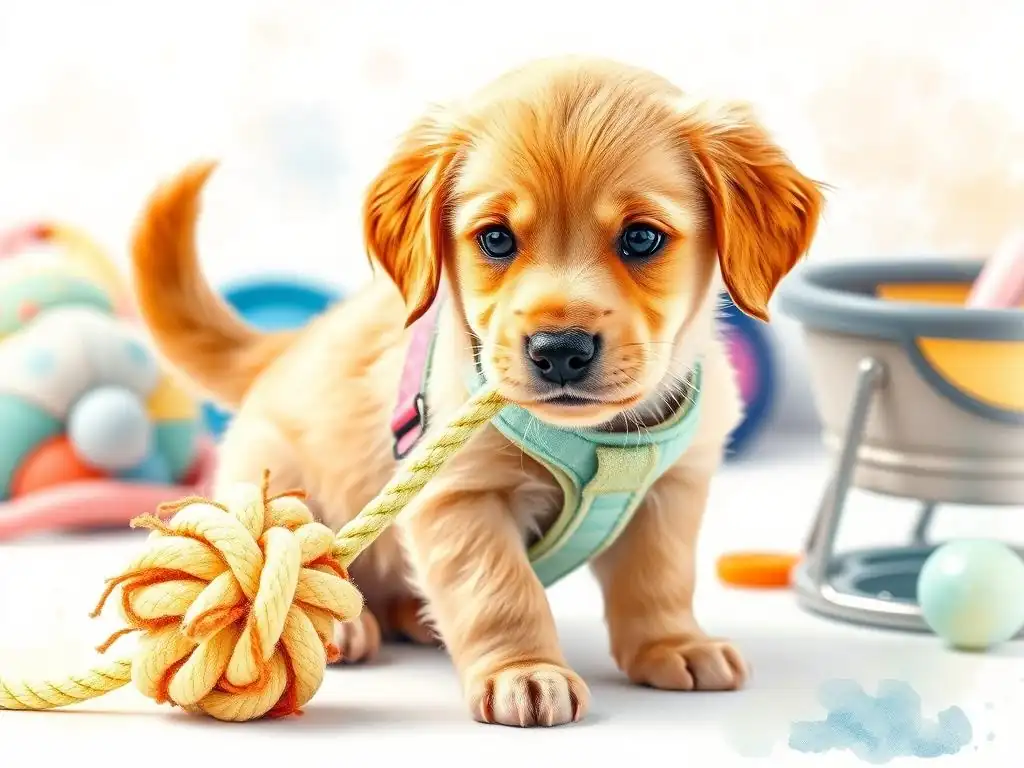
This section explores training tools that aren't strictly necessary for basic obedience but can significantly enhance your puppy's learning experience and overall development. These tools cater to more advanced training techniques and address specific needs beyond the fundamentals. Investing in these items can elevate your training game and strengthen your bond with your furry friend. Choosing the best puppy training equipment often involves considering these supplementary options.
Long Lines for Off-Leash Training
Long lines, also known as training leads, are long, lightweight lines (typically 15-50 feet) that allow for off-leash training in a safe and controlled environment. They provide freedom for your puppy to explore while still maintaining a connection, preventing escapes, and allowing for gentle corrections. This is particularly useful for recall training, practicing loose-leash walking in larger spaces, and introducing your puppy to new environments gradually.
The added length provides more space for your puppy to engage in natural behaviors, such as sniffing and exploring, while you maintain control. Effective use of a long line requires patience and consistent communication with your puppy.
Safety Precautions When Using Long Lines
Using a long line requires careful attention to safety. Always ensure the line is made of durable, lightweight material that won't easily break. Avoid using long lines in areas with heavy traffic, obstacles, or other dogs. Always keep a firm grip on the line, paying close attention to your puppy’s movements. Regularly inspect the line for any signs of wear and tear.
A tangled line can create a dangerous tripping hazard for both you and your puppy. Consider using a brightly colored line for better visibility, especially in low-light conditions. Remember, consistent supervision is key to preventing accidents. Remember that even the best puppy training equipment needs responsible use.
Puzzle Toys for Mental Stimulation
Puzzle toys are a fantastic addition to your puppy training arsenal, going beyond physical exercises to stimulate your puppy's mind. These toys require problem-solving skills to access treats or toys hidden inside, providing mental enrichment and reducing boredom-related behaviors. This is crucial for preventing destructive chewing and promoting a calmer, more focused puppy. The level of difficulty can be adjusted as your puppy progresses, keeping them challenged and engaged. Puzzle toys can also be incorporated into training sessions as a rewarding element, strengthening positive associations with learning.
Benefits of Puzzle Toys in Puppy Development
The benefits of puzzle toys extend beyond simple entertainment. They help develop problem-solving skills, improve cognitive function, and reduce anxiety and boredom. This mental stimulation can also contribute to better sleep and a more well-adjusted puppy. By providing a stimulating and engaging alternative to destructive behaviors, puzzle toys can significantly improve your puppy's overall well-being.
Selecting toys appropriate for your puppy's size, age, and chewing habits is crucial. Observe your puppy while they interact with the toy to ensure safe usage and adjust the difficulty accordingly. Remember that incorporating puzzle toys into your puppy's daily routine can contribute to a happier, healthier, and better-behaved companion. Choosing the right puzzle toy is a part of finding the best puppy training equipment for your individual puppy's needs.
Avoiding Unnecessary Puppy Training Equipment
This section focuses on identifying and avoiding unnecessary or even harmful puppy training equipment. Choosing the right tools is crucial for effective and humane training. Overburdening yourself with gadgets won't necessarily lead to better results; in fact, it can often hinder progress and damage your relationship with your puppy. Focusing on a few essential, well-understood tools will yield far superior results. This section will highlight specific examples of equipment best left on the shelf.
Shock Collars and Other Aversive Tools: Why to Avoid Them
Shock collars, prong collars, and other aversive training tools inflict pain or discomfort on your puppy to elicit a desired behavior. These methods are widely condemned by leading animal welfare organizations and veterinary professionals. They can cause significant physical and psychological harm, leading to fear, anxiety, and aggression. Instead of building a positive bond based on trust and reward, aversive training creates a fearful and stressed pup, hindering the learning process.
Effective training relies on positive reinforcement, building a strong relationship with your dog, and rewarding desired behaviors. The long-term consequences of aversive training far outweigh any perceived short-term benefits. A frightened puppy is unlikely to learn effectively, and the trauma of such training can have lasting negative impacts on their emotional well-being.
Ethical Considerations in Puppy Training
Ethical puppy training prioritizes the well-being and emotional health of the puppy above all else. The use of aversive tools is a clear violation of this principle. Positive reinforcement methods, which focus on rewarding desired behaviors, are far more effective and humane. These methods build trust and confidence, fostering a strong bond between you and your puppy.
Remember, your puppy is a sentient being capable of experiencing pain, fear, and stress. Choosing to use aversive training methods demonstrates a lack of respect for their emotional well-being. Consider the long-term effects on your puppy's behavior and mental health before resorting to any potentially harmful training tools. A well-trained puppy is a happy puppy, and happiness stems from a positive and rewarding training experience.
Overly Complicated Training Gadgets: Focus on Basics
The market is flooded with numerous training gadgets promising miraculous results. Many of these devices are overly complicated, unnecessarily expensive, and often ineffective. Instead of investing in a plethora of specialized tools, prioritize a few fundamental pieces of equipment that facilitate positive reinforcement and clear communication. Simple tools, used correctly, are far more effective than a collection of gimmicks.
For example, a basic collar and leash, along with high-value treats, are sufficient for most foundational training exercises. Investing in a sturdy, comfortable harness can also be beneficial, especially for smaller puppies. Remember, the best puppy training equipment is often the simplest and most effective. Focus on building a strong foundation with basic tools and techniques before considering any more specialized equipment.
Over-reliance on gadgets can distract from the core principles of positive reinforcement and clear communication, which are the cornerstones of successful puppy training. Keep it simple, keep it positive, and focus on building a strong relationship with your puppy. The payoff will be a well-behaved, confident, and happy companion.
Creating a Consistent Training Schedule for Success
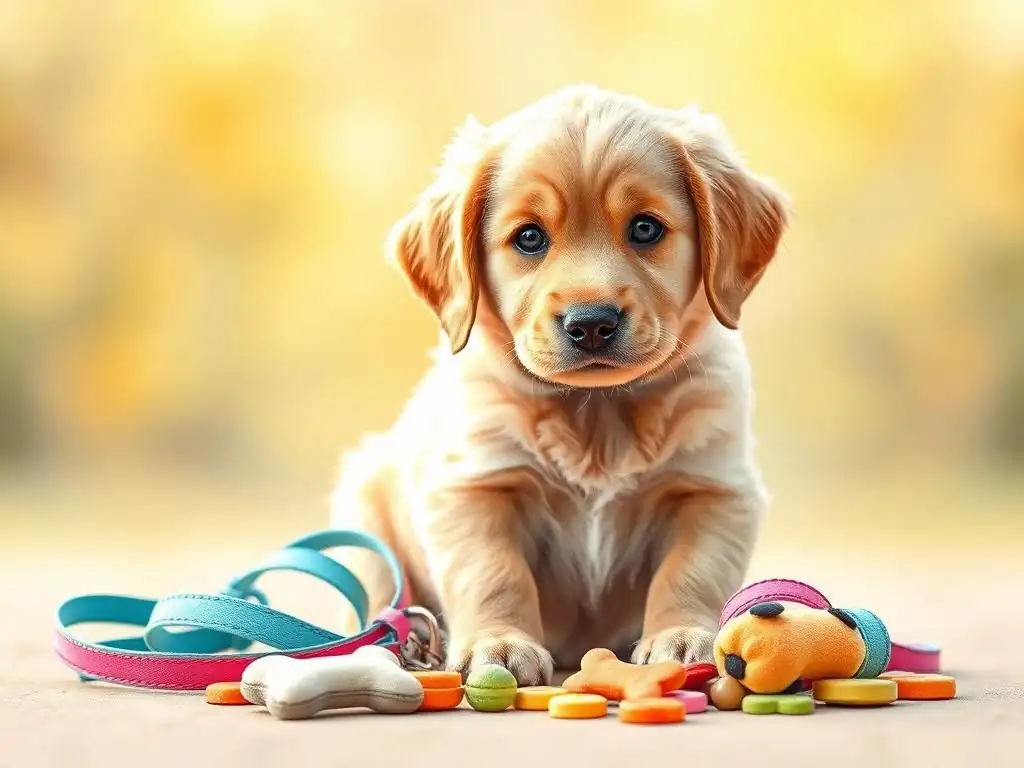
A consistent training schedule is paramount for successful puppy training. Think of it as building a strong foundation – sporadic sessions won't yield the same results as regular, structured learning. Consistency helps your puppy understand expectations, reduces confusion, and fosters a positive association with training. This isn't about endless hours of drills; it's about short, frequent, and rewarding interactions. The key is to integrate training seamlessly into your daily routine. This makes it less of a chore and more of a bonding experience for both you and your puppy.
Puppy Training Schedule Examples: Age-Appropriate Training Plans
Puppies learn at different paces, and their attention spans vary with age and breed. Therefore, a rigid schedule isn't always practical. However, a flexible framework is essential. The examples below offer age-appropriate guidelines, but remember to adjust based on your puppy's individual needs and progress. Always end training sessions on a positive note, even if your puppy isn't mastering a skill perfectly.
Example Schedule for 8-12 Week Old Puppies:
| Time of Day | Activity | Duration | Notes |
|---|---|---|---|
| Morning (7:00 AM) | Potty break, basic obedience (sit, stay) | 5-10 minutes | Focus on short bursts of training; reward frequently with treats/praise. |
| Mid-morning (10:00 AM) | Socialization (safe, controlled environment) | 15-20 minutes | Expose to new sights, sounds, and people gradually. |
| Afternoon (1:00 PM) | Potty break, crate rest | 1-2 hours | Crate training is crucial for housetraining and provides a safe space. |
| Late Afternoon (4:00 PM) | Basic obedience, name recognition | 5-10 minutes | Reinforce commands learned in the morning. |
| Evening (7:00 PM) | Potty break, quiet playtime | 30 minutes | Wind down for the night. |
Example Schedule for 4-6 Month Old Puppies:
This age group can handle longer training sessions and more complex commands.
- Morning: 15-20 minute session focusing on recall, leave-it, and basic obedience. Include a short walk incorporating loose-leash walking practice.
- Afternoon: A shorter 10-minute session can focus on specific problem behaviors, such as chewing or jumping. Utilize positive reinforcement techniques consistently.
- Evening: A 15-20 minute session could involve more advanced commands or tricks. Always end with a positive interaction and a comfortable, quiet time in their crate or bed.
Remember to incorporate playtime and rest periods throughout the day. Overtraining can be counterproductive, leading to frustration for both you and your puppy. A well-rested, happy puppy is a more receptive learner. 🐶 Positive reinforcement, patience, and consistency are the cornerstones of successful puppy training. Adjust these examples to fit your lifestyle and your puppy's unique personality and learning style. The goal is to build a positive relationship through consistent, rewarding training.
Frequently Asked Questions
What is the most essential piece of puppy training equipment?
The most essential piece is a high-value reward, such as small, tasty treats. This motivates your puppy and makes training more effective. Consistency is key!
What type of collar is best for puppy training?
A flat buckle collar or a front-clip harness are generally recommended for puppies. Avoid choke chains or prong collars, which can be harmful. Choose a size that fits comfortably.
Are electronic training collars suitable for puppies?
Generally, no. Electronic training collars are not recommended for puppies due to their sensitive nature and potential for causing fear and anxiety. Focus on positive reinforcement methods instead.
What kind of leash is ideal for puppy training?
A lightweight, six-foot leash is ideal. It provides enough length for your puppy to explore but allows you to maintain control. Avoid retractable leashes, which can be dangerous.
Besides treats and a leash, what other equipment is helpful for puppy training?
A clicker can be incredibly helpful for marking desired behaviors, and a crate can aid in housetraining and provide a safe space. Consider puzzle toys for mental stimulation as well.
Final Reflection: Beyond the Leash: Shaping a Bond Through Puppy Training
The right tools are crucial, but the true magic of puppy training lies not in the equipment itself, but in the unwavering connection forged between human and canine. Choosing the best puppy training equipment is only the first step on a journey of mutual understanding and growth, a journey that shapes not just a well-behaved dog, but a deeply loving relationship.
The impact of responsible puppy training extends far beyond simple obedience. It shapes our understanding of canine behavior, fosters empathy, and builds a foundation for a lifetime of companionship. The bond with a dog is as powerful as any human relationship. It's a love that knows no bounds.
This sentiment rings true, and the process of training, when approached with patience and understanding, only strengthens this incredible bond. The equipment is merely a facilitator, a tool to aid in communication, not a replacement for genuine connection.
So, as you embark on this rewarding adventure, remember that the best puppy training equipment is only as good as the love and dedication you invest in the process. Consider this reflection a call to action: choose your tools wisely, but prioritize the relationship above all else. Embrace the challenges, celebrate the small victories, and cherish the unique bond you'll create with your furry companion. The journey itself is the reward.
Unleash Your Puppy's Potential: Start Training Today!
Thank you for learning about essential puppy training equipment! We hope you feel confident choosing the right tools to help your furry friend thrive. Ready to put your new knowledge into action?
- Begin your puppy's training journey today: Start with a single, achievable goal, such as mastering the "sit" or "stay" command. Consistency is key!
- Share your training successes (and challenges!): Join our PetCareWorld community forum and connect with other puppy owners. Let's learn and grow together!
- Explore creative training methods: Incorporate games and positive reinforcement for a fun, engaging experience—your puppy will love it!
Ready to transform your puppy into a well-behaved companion? What command will you teach first?