
The Best Time of Day to Hike with Your Dog: Avoiding Heat and Crowds

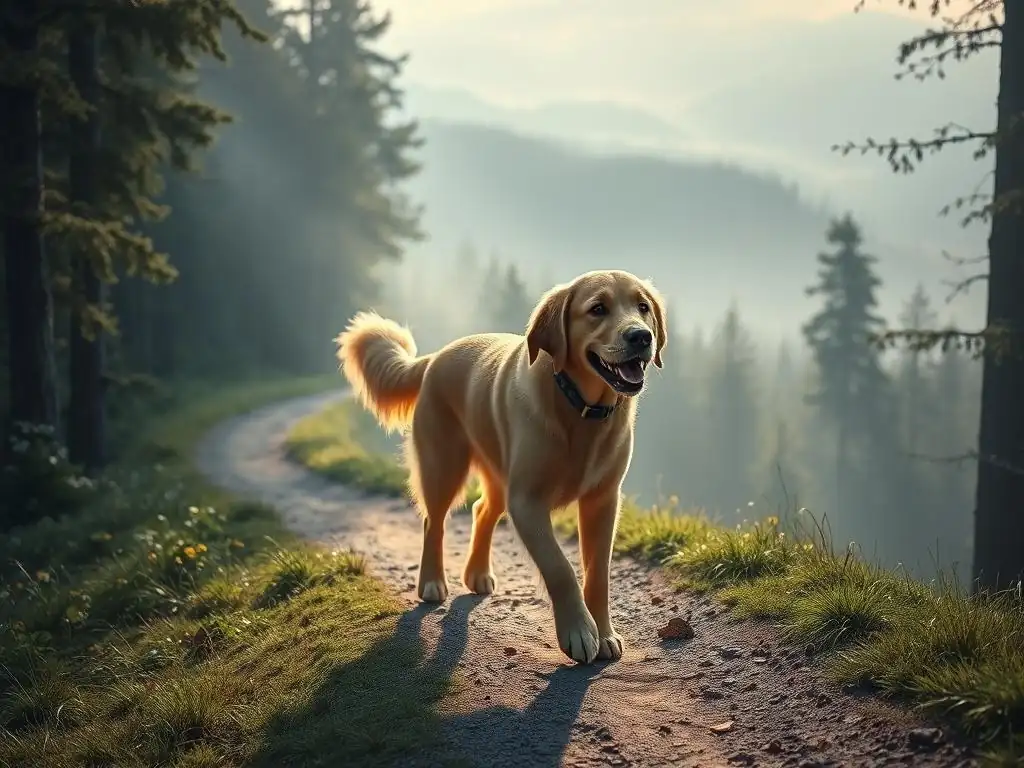
Welcome to PetCareWorld, your ultimate guide to happy and healthy pets! Are you ready to explore the great outdoors with your canine companion, but want to avoid the heat and the hustle? Discover the best dog hiking time to avoid crowds and ensure a safe and enjoyable adventure for both of you. Learn how to choose the perfect time of day for your hikes, maximizing fun and minimizing stress. Read on to unlock the secrets to stress-free trail adventures!
- Understanding Your Dog's Heat Tolerance: Key Factors for Safe Hiking
- Best Dog Hiking Time to Avoid Crowds and Heat: A Seasonal Guide
- Choosing the Right Trails for Dog Hiking: Minimizing Crowds and Heat Exposure
- Preparing for Your Hike: Essential Gear and Safety Measures
- Post-Hike Care for Your Dog: Recovery and Prevention of Heat-Related Issues
-
Frequently Asked Questions
- What is the best time of day to avoid crowds while hiking with my dog?
- How can I ensure my dog's safety during a hike, especially regarding heat?
- What should I pack for a dog hike besides water?
- Are there specific trails better suited for hiking with dogs than others?
- What if my dog gets injured on the hike?
- Final Reflection: Finding the Perfect Trail, at the Perfect Time
- Unlock Peak Hiking Happiness with Your Pup!
Understanding Your Dog's Heat Tolerance: Key Factors for Safe Hiking
Planning a hike with your canine companion is a fantastic way to bond and enjoy the outdoors. However, ensuring your dog's safety and comfort is paramount, especially when considering the time of day. This article will guide you through determining the best time to hike with your dog, focusing on minimizing heat stress and avoiding crowded trails. We'll explore breed-specific sensitivities, the importance of acclimatization, and how to recognize signs of overheating, ultimately helping you make informed decisions to ensure a safe and enjoyable experience for both you and your furry friend.
Choosing the optimal hiking time directly impacts your dog's well-being and enjoyment, transforming a potentially stressful outing into a memorable adventure. Remember, responsible pet ownership extends to understanding and adapting to your dog's individual needs, particularly when engaging in strenuous activities like hiking. Let's delve into the key factors influencing your decision.
Breed-Specific Heat Sensitivity: Recognizing Vulnerable Breeds
Certain dog breeds are inherently more susceptible to heatstroke than others. Brachycephalic breeds – those with short noses like Bulldogs, Pugs, and French Bulldogs – are particularly vulnerable due to their respiratory limitations. Their shortened airways make it harder for them to pant effectively, their primary method of cooling down.
Similarly, dogs with thick, double coats, such as Huskies and Malamutes, can overheat more easily in warmer temperatures, even if they are adapted to cold climates. Understanding your dog's breed predispositions is crucial in determining the ideal hiking time. For example, a hike with a Bulldog should ideally be planned for the coolest parts of the day, potentially even avoiding hikes during the warmest months.
Conversely, a double-coated breed might fare better in cooler seasons, but still requires careful monitoring even during the cooler months. Remember to consider your dog's individual characteristics, not just their breed, to make the best decision. Consult your veterinarian for specific advice concerning your breed's heat tolerance.
Acclimatization and Fitness Levels: Gradual Introduction to Hiking
Even breeds not typically considered heat-sensitive can suffer from overheating if not properly acclimatized to hiking. A gradual introduction to more strenuous activities is essential. Start with short walks on flat terrain and gradually increase the duration and intensity of your hikes. This allows your dog's body to adapt to the physical demands of hiking and reduces the risk of overheating. Observe your dog closely during these initial outings; pay attention to their breathing, energy levels, and overall behavior.
If they show signs of fatigue or distress, shorten the hike or take breaks in shaded areas. Fitness levels vary significantly between individual dogs, regardless of breed. An older dog, or one with underlying health conditions, will require more frequent breaks and shorter hikes compared to a young, fit dog. Always prioritize your dog's comfort and well-being.
Recognizing Signs of Overheating in Dogs: Early Detection is Crucial
Recognizing the signs of overheating in dogs is critical for preventing a serious emergency. Early detection can be lifesaving. Symptoms can include excessive panting, drooling, lethargy, weakness, vomiting, diarrhea, and even collapse. If you notice any of these signs, immediately seek a cool, shaded area and provide your dog with fresh, cool water. If the symptoms are severe, seek veterinary attention immediately.
Prevention is always better than cure, so careful planning, including choosing the right time of day to hike, is crucial. Remember that even seemingly minor symptoms warrant immediate attention, as heatstroke can rapidly progress to a life-threatening condition. Knowing your dog's body language and typical behavior will help you quickly identify any deviations that could indicate overheating. Regularly check your dog for signs of overheating, especially during hotter months or strenuous hikes.
Best Dog Hiking Time to Avoid Crowds and Heat: A Seasonal Guide
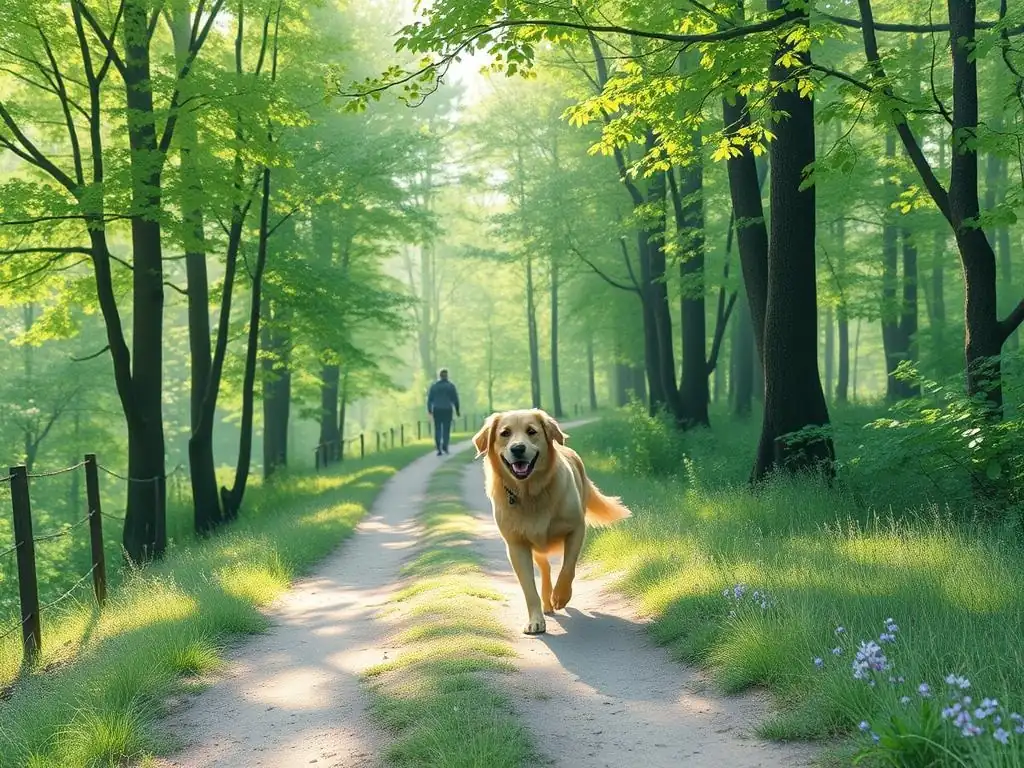
Finding the best dog hiking time involves a delicate balance: avoiding both the heat that can endanger your canine companion and the crowds that can make for a less enjoyable experience for both of you. This guide provides a seasonal breakdown to help you plan your adventures, maximizing enjoyment and minimizing risks. Understanding your dog's breed, age, and fitness level is crucial in determining the ideal hiking time for your specific circumstances. Remember, always prioritize your dog's safety and well-being.
Spring Hiking with Your Dog: Optimal Times and Trail Considerations
Spring offers a delightful mix of blooming flowers and comfortable temperatures, making it an excellent time for hiking with your dog. However, spring weather can be unpredictable, with sudden temperature swings and potential for afternoon showers. To avoid the midday sun and potential crowds, aim for early mornings (before 9 am) or late afternoons/evenings (after 5 pm). This strategy allows you to beat both the heat and the rush of weekend hikers.
Consider trail conditions too. Many trails may still be muddy or icy in early spring, especially at higher elevations. Choose well-maintained trails with less elevation gain to minimize strain on your dog's paws and joints. Always check trail reports before setting out for any unexpected obstacles or closures. Bringing water and a portable bowl is essential, even on shorter hikes, as your dog might get thirsty from increased activity.
Summer Hiking Safety: Minimizing Heatstroke Risks for Dogs
Summer hikes present the greatest challenge when trying to find the best dog hiking time to avoid crowds. The intense heat poses a significant risk of heatstroke for dogs, a potentially fatal condition. Therefore, avoid hiking during the hottest part of the day (generally between 10 am and 4 pm). The best times to hike in summer are very early mornings (before 7 am) or late evenings (after 7 pm), when temperatures are cooler and the sun's intensity is lower.
Even during these cooler periods, take precautions. Always carry plenty of water for your dog and offer frequent water breaks. Choose shady trails whenever possible, and monitor your dog closely for signs of heatstroke, such as excessive panting, drooling, lethargy, or vomiting. Consider shorter hikes on hotter days and avoid strenuous activities during peak heat. Remember, a tired dog is a heatstroke-prone dog. Consider bringing a cooling vest or towel for your furry friend.
Autumn Adventures: Ideal Hiking Conditions and Crowd Levels
Autumn provides another excellent window for dog hiking. The weather is typically mild and pleasant, with crisp air and stunning foliage. The crowds often thin out compared to the summer months, offering a more peaceful experience. Similar to spring, early mornings and late afternoons are generally the best times to hike, allowing you to enjoy the vibrant colors and cooler temperatures. However, be mindful of potential hazards like falling leaves obscuring trail markers or slippery surfaces.
Late autumn can bring cooler temperatures and even early snowfall in some areas. Adjust your hiking plans accordingly, using appropriate gear and ensuring your dog is protected from the elements. Always check weather forecasts and trail conditions before setting off, and remember to pack extra layers of clothing for both yourself and your dog if needed. As the days get shorter, make sure you have enough light to complete the hike safely and get back before dark. Enjoy the stunning autumn scenery with your canine companion!
Winter Hiking with Your Dog: Safety Precautions and Trail Selection
Winter hiking with your canine companion can be a magical experience, offering a unique perspective on snowy landscapes and crisp, cold air. However, winter presents unique challenges that require careful planning and preparation to ensure both your and your dog's safety and enjoyment. Proper preparation is key to a successful winter hike, and understanding the potential dangers is paramount.
One of the most significant considerations is the temperature. Extremely cold temperatures can lead to hypothermia in dogs, especially small breeds or those with short coats. Monitor your dog closely for signs of shivering, lethargy, or weakness. Ensure your dog has a warm coat or sweater, and consider booties to protect their paws from ice and snow.
Regular breaks in sheltered areas are crucial to allow your dog to rest and warm up. Remember that the wind chill factor can significantly decrease the perceived temperature, making it feel even colder than the actual thermometer reading. Be prepared to turn back if conditions become too severe.
Trail selection is equally important. Opt for well-maintained, less steep trails to minimize the risk of slips and falls. Icy patches can be treacherous, even for experienced hikers, so choose trails known for good traction or ones that have been recently cleared of ice and snow. Avoid trails with significant elevation changes, as these can be particularly taxing on your dog in the cold. Always check the weather forecast before heading out and be prepared for sudden changes in conditions. Consider carrying an extra layer of clothing for both yourself and your dog, just in case.
Paw protection is another crucial aspect. The salt and chemicals used to de-ice trails can irritate your dog's paws, causing dryness and cracking. Dog booties are a great solution, but it's important to introduce them gradually to your dog to ensure comfort and acceptance. Regularly check your dog's paws for any signs of injury or irritation during and after the hike. Cleaning their paws with a pet-safe paw cleaner after the hike can help remove any harmful substances.
Finally, visibility is another critical factor to consider. Short winter days mean that you need to plan your hikes carefully to ensure you have enough daylight. Carry a headlamp or flashlight, and consider using reflective gear for both yourself and your dog to increase visibility, especially if hiking in low-light conditions. Knowing your limits and turning back early if necessary is crucial for safety.
A successful winter hike relies on preparation, awareness, and a respect for the challenging conditions. By following these precautions, you can ensure a safe and enjoyable experience for you and your furry friend. Remember to prioritize your dog's well-being above all else.
Choosing the Right Trails for Dog Hiking: Minimizing Crowds and Heat Exposure
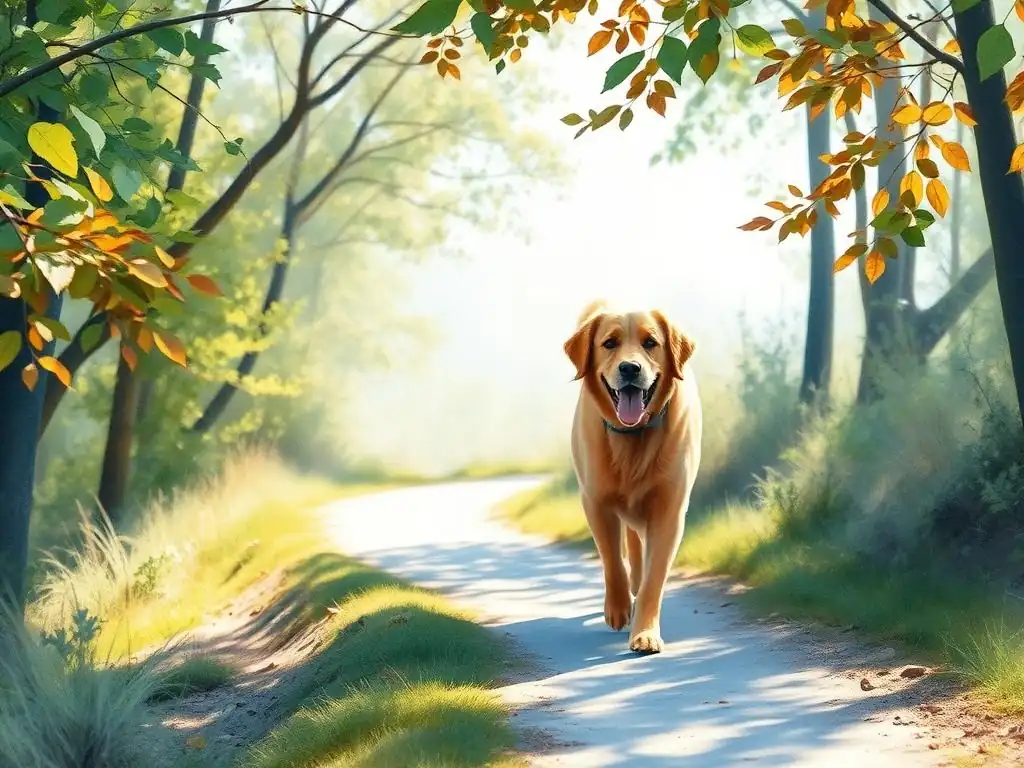
Selecting the appropriate trail significantly impacts your dog's hiking experience and your own. The best dog hiking time to avoid crowds is useless without considering the trail's characteristics. Careful planning minimizes heatstroke risks and ensures a pleasant, less stressful outing for both you and your canine companion. This section focuses on crucial trail considerations to optimize your hiking adventures.
Trail Difficulty and Length: Matching Your Dog's Capabilities
Choosing a trail appropriate for your dog's physical abilities is paramount. Factors like age, breed, and fitness level heavily influence their stamina. A senior dog, for example, may struggle with steep inclines and long distances, while a high-energy breed might need a challenging trail to stay engaged. Always err on the side of caution—a shorter, easier trail is better than pushing your dog beyond their limits. Consider these points:
- Breed-Specific Considerations: Brachycephalic breeds (like Bulldogs and Pugs) are more susceptible to heatstroke and respiratory issues, requiring shorter, less strenuous hikes, especially during warmer months. Conversely, energetic breeds like Border Collies and Siberian Huskies might need longer, more challenging trails to satisfy their exercise needs.
- Age and Health: Senior dogs and those with pre-existing health conditions need shorter, gentler trails with fewer obstacles. Monitor their breathing and energy levels closely during the hike. Consider carrying water and a first-aid kit.
- Trail Length and Elevation Gain: Research trail information thoroughly before heading out. Pay close attention to the trail length and the total elevation gain. A seemingly short trail with a significant elevation change can be surprisingly strenuous.
- Surface Type: Rocky, uneven terrain can be challenging for dogs' paws. Consider trails with smoother surfaces, especially for older dogs or those with sensitive paws.
Popular vs. Less-Traveled Trails: Finding Tranquility and Avoiding Crowds
The best dog hiking time to avoid crowds is often early morning or late afternoon/evening, but even then, popular trails can be busy. To maximize your chances of finding solitude, opt for less-traveled trails. Researching lesser-known trails can significantly improve your experience. Here's how to find them:
- Utilize Hiking Apps and Websites: Many apps and websites provide trail information, including difficulty ratings, popularity, and user reviews. Look for trails with fewer reviews or lower ratings for popularity.
- Explore Local Parks and Conservation Areas: Many local parks and conservation areas offer a variety of trails, some of which are less frequented than others. Check their websites or contact park rangers for recommendations.
- Talk to Local Hikers: Engage with experienced local hikers. They often have insider knowledge of quieter trails.
- Weekday Hikes: Weekdays generally see fewer hikers than weekends.
Trail Shade and Water Sources: Essential Considerations for Dog Hiking
Heatstroke is a serious risk for dogs, especially during warmer months. Choosing trails with adequate shade and readily available water sources is crucial for their safety. Consider these factors:
- Shade Coverage: Look for trails that offer ample shade, particularly during the hottest parts of the day. Trails with dense tree cover or other natural shade are ideal.
- Water Availability: Ensure the trail has reliable water sources, such as streams, creeks, or designated water stations. Carry plenty of water for your dog, even if water sources are available. Dehydration can quickly lead to heatstroke.
- Trail Conditions: Check trail conditions before you go, especially during hot weather. Avoid trails that are exposed to direct sunlight for extended periods. Consider the time of year; a trail that’s perfectly shaded in spring may be sun-baked in summer.
- Emergency Preparedness: Always carry extra water and a first-aid kit, including electrolyte solutions for your dog, in case of emergencies. Knowing the location of the nearest veterinary clinic is also wise.
Remember, responsible dog hiking requires careful planning and preparation. By considering these factors, you can significantly improve your chances of finding the best dog hiking time to avoid crowds and ensure a safe and enjoyable experience for both you and your furry friend. 🐾
Preparing for Your Hike: Essential Gear and Safety Measures
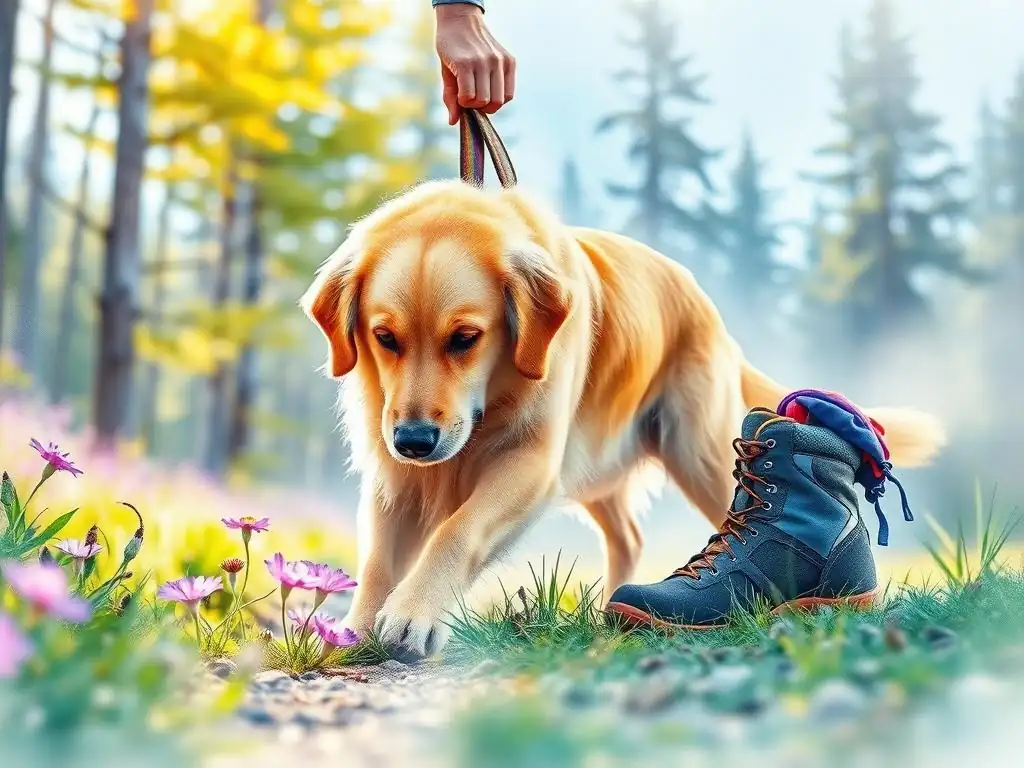
This section focuses on crucial preparations to ensure a safe and enjoyable hiking experience for both you and your canine companion. Proper planning minimizes risks and maximizes the fun, making your "best dog hiking time avoid crowds" strategy even more effective. Remember, a well-prepared hike is a successful hike.
Hydration for You and Your Dog: Staying Hydrated During the Hike
Dehydration is a serious concern, especially during strenuous hikes, particularly in warmer months. For your dog, symptoms can range from lethargy and panting to more severe issues like heatstroke. For you, dehydration leads to fatigue and impaired judgment, impacting your ability to care for your dog.
Therefore, carrying sufficient water is paramount. A good rule of thumb is to bring at least one liter of water per person and per dog, per hour of anticipated hiking. This might seem excessive, but it's better to have extra than to run short. Consider the length and intensity of your hike, as well as the weather conditions. A hot, sunny day will require significantly more water than a cool, overcast one.
Don't forget a reliable water bowl for your dog. Collapsible bowls are lightweight and easy to pack. Consider adding electrolytes to your and your dog's water, especially on longer or hotter hikes. Electrolyte supplements help replenish essential minerals lost through sweat and panting. Always check with your veterinarian before introducing new supplements to your dog's diet. Remember, a well-hydrated dog is a happy dog, and a happy dog makes for a much more enjoyable hike!
Dog Hiking Gear Checklist: Ensuring Safety and Comfort
A well-stocked bag is essential for a safe and comfortable hike. This isn't just about your personal needs; your dog's well-being depends on proper preparation. The best dog hiking time to avoid crowds is useless if your dog isn't properly equipped.
Here's a comprehensive checklist:
- Leash and Collar/Harness: A sturdy leash, at least six feet long, is a must. Choose a collar or harness that fits comfortably and securely. Consider a hands-free leash option for increased mobility.
- Poop Bags: Always pack enough poop bags to clean up after your dog. Responsible pet ownership is crucial for maintaining clean and enjoyable trails for everyone.
- First-aid kit (see next section): Essential for treating minor injuries and illnesses.
- Doggy treats: Reward your dog for good behavior and to keep them motivated.
- Towel: Useful for wiping off mud or water.
- Dog boots (optional): Consider boots for dogs with sensitive paws or if you're hiking on rough terrain.
- Identification tags: Ensure your dog's collar has up-to-date identification tags with your contact information.
First-Aid Kit for Dogs: Preparedness for Emergencies on the Trail
Accidents happen, and being prepared is key. A well-stocked dog first-aid kit can be the difference between a minor inconvenience and a serious emergency. Don't underestimate the importance of this; it's a crucial aspect of planning your "best dog hiking time avoid crowds" strategy.
Your kit should include:
| Item | Quantity | Notes |
|---|---|---|
| Sterile gauze pads | 5-10 | For cleaning and covering wounds |
| Adhesive tape | 1 roll | To secure bandages |
| Antiseptic wipes | 1 pack | To clean wounds |
| Tweezers | 1 pair | To remove splinters or ticks |
| Scissors | 1 pair | To cut bandages or remove clothing |
| Pain relief medication | [Dosage pending vet consultation] | Only use medications prescribed by your veterinarian. |
| Antibiotic ointment | [Amount pending vet consultation] | Only use ointments prescribed by your veterinarian. |
| Disposable gloves | 1 pair | To maintain hygiene when handling wounds |
| Emergency contact list | 1 copy | Include your veterinarian's number and a local emergency animal hospital. |
Remember, this is a basic list. Consult your veterinarian for a more personalized first-aid kit based on your dog's breed, age, and health conditions. They can advise on appropriate medications and dosages. Regularly check your kit's contents and replace any expired items. Your preparedness will ensure a safe and enjoyable hike for you and your furry friend. 🐕
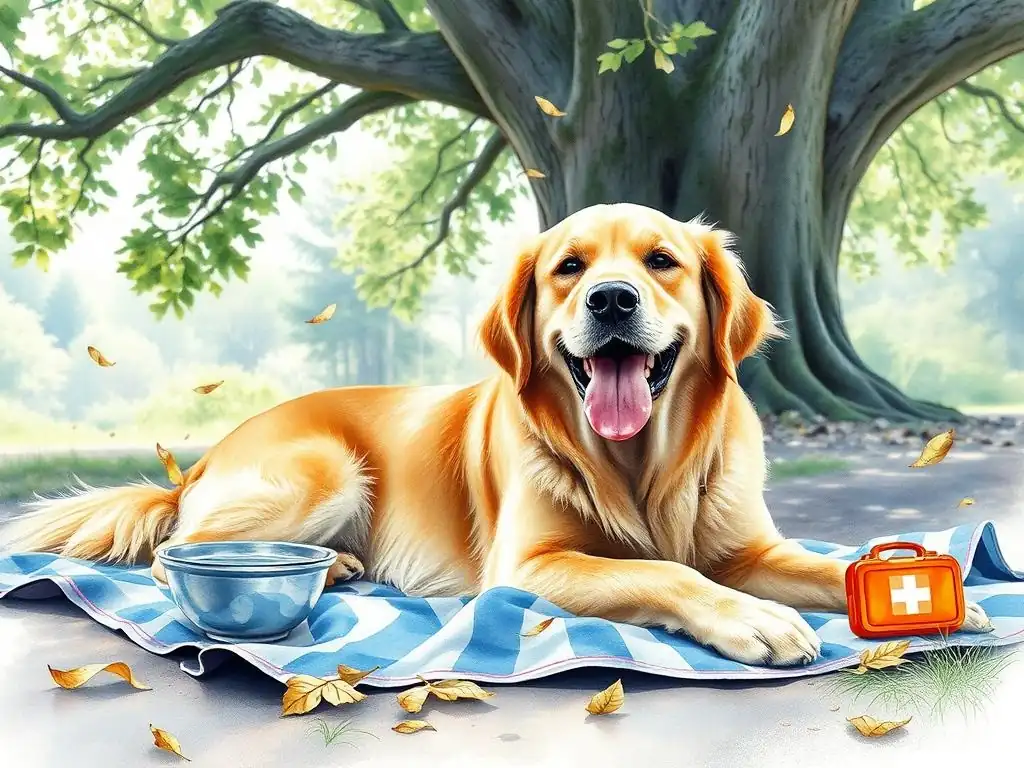
After a rewarding hike with your canine companion, ensuring their proper recovery is crucial, especially during warmer months. Proper post-hike care minimizes the risk of heatstroke and promotes their overall well-being. Remember, even on seemingly mild days, your dog can overheat, so vigilance is key. This section focuses on immediate cooling techniques and long-term strategies to keep your furry friend safe on future adventures. Finding the best dog hiking time to avoid crowds is only half the battle; responsible post-hike care is equally vital for their health.
Cooling Down Your Dog After a Hike: Gentle and Effective Techniques
Immediately after your hike, prioritize cooling your dog down gradually. Avoid drastic temperature changes, which can shock their system. Here's a step-by-step approach:
- Gentle Cooling: Begin by offering cool (not ice-cold) water. Let them drink at their own pace. Avoid forcing hydration.
- Cooling Pads/Towels: Use cooling mats or wet towels placed strategically on their belly and paws. Avoid applying ice directly to their skin.
- Fan Assistance: A gentle fan can aid in evaporative cooling, speeding up the cooling process.
- Shaded Rest: Move your dog to a shaded area to prevent further heat absorption.
- Avoid Overexertion: Keep your dog calm and prevent further physical activity until their body temperature returns to normal.
Remember, the goal is to gradually lower their body temperature, not to shock their system. Monitor their breathing and behavior closely. If they seem distressed, seek veterinary attention immediately. Proper hydration and gradual cooling are key components of preventing heat-related illnesses after a strenuous activity like hiking.
Monitoring Your Dog for Heatstroke Symptoms: Post-Hike Observation
Even after cooling down your dog, continued monitoring for heatstroke symptoms is essential. Early detection is critical for effective treatment. Be vigilant for the following signs:
- Excessive Panting: Heavy, labored breathing is a primary indicator.
- Elevated Heart Rate: Feel your dog's heart rate; a significantly increased rate compared to their resting heart rate is a cause for concern.
- Drooling: Excessive salivation indicates overheating.
- Lethargy and Weakness: Unusual tiredness or difficulty standing.
- Vomiting or Diarrhea: These can be symptoms of heatstroke.
- Staggering or Collapse: This is a serious sign requiring immediate veterinary care. This is a medical emergency.
If you observe any of these symptoms, even mildly, contact your veterinarian immediately. Heatstroke is a serious condition that can be fatal if not addressed promptly. The best dog hiking time to avoid crowds helps, but monitoring remains crucial to your dog's safety.
Preventing heat-related problems requires proactive planning and consideration. Here are some long-term strategies to ensure safe and enjoyable hikes with your dog:
- Choose Hiking Times Wisely: Avoid hiking during the hottest parts of the day, especially in summer. Early mornings or late evenings are generally cooler. Researching the best dog hiking time to avoid crowds should also prioritize cooler temperatures.
- Hydration is Key: Always carry plenty of fresh water for your dog. Consider a portable water bowl and consider electrolyte supplements for longer hikes.
- Acclimatization: Gradually increase your dog's hiking duration and intensity to help them adapt to physical exertion.
- Breaks and Shade: Plan for regular breaks in shaded areas during hikes.
- Paw Protection: Consider dog boots to protect their paws from hot surfaces.
- Breed Considerations: Certain breeds are more susceptible to heatstroke. Brachycephalic (short-nosed) breeds, for example, are at higher risk. Adjust your hiking plans accordingly.
- Know Your Dog's Limits: Be aware of your dog's individual tolerance to heat and adjust your plans as needed.
By implementing these strategies, you can significantly reduce the risk of heatstroke and ensure many safe and enjoyable hikes with your beloved canine companion. Remember, responsible pet ownership involves careful planning and mindful consideration of your dog's well-being.
Frequently Asked Questions
What is the best time of day to avoid crowds while hiking with my dog?
Generally, early mornings (before 9 am) and late evenings (after 6 pm) offer the best chance to avoid large crowds on popular hiking trails. This also helps avoid the heat of midday.
How can I ensure my dog's safety during a hike, especially regarding heat?
Always bring plenty of water for your dog, and consider hiking on cooler days or during cooler times of the day. Monitor your dog for signs of heatstroke, and avoid strenuous activity during the hottest part of the day.
What should I pack for a dog hike besides water?
Pack dog waste bags, a first-aid kit for both you and your dog, a leash, and dog treats. Consider bringing a collapsable bowl for water and a small towel for cleaning muddy paws.
Are there specific trails better suited for hiking with dogs than others?
Check out online resources like AllTrails or your local park websites for dog-friendly trails. Look for trails that are well-maintained and have appropriate difficulty levels for your dog's fitness.
What if my dog gets injured on the hike?
Have a plan in place. Know the location of the nearest veterinary clinic and bring your dog's emergency contact information. If the injury is serious, contact emergency services immediately.
Final Reflection: Finding the Perfect Trail, at the Perfect Time
The quest for the ideal dog hike isn't just about finding the most scenic trail; it's about maximizing the experience for both you and your furry friend, avoiding the pitfalls of heatstroke and overwhelming crowds. This means understanding the nuances of timing, recognizing the impact of weather, and appreciating the shared joy of a well-planned adventure. Choosing the right time of day can transform a potentially stressful outing into a memorable bonding experience.
The impact of responsible outdoor recreation extends far beyond our individual enjoyment. By choosing less crowded times, we contribute to the preservation of natural spaces and minimize the stress on wildlife. The best moments in life are not things, but moments of connection.
This quote resonates deeply as I reflect on the countless happy memories forged on trails shared with my own canine companion. The peace of a quiet forest path, the shared thrill of a challenging climb, these are the moments that truly enrich our lives and strengthen the human-animal bond.
Now, consider your own canine companion. Think about their energy levels, their tolerance for heat, and their social tendencies. Are you ready to embark on a journey to discover the perfect time for your dog hikes? Take the knowledge gained from this article, apply it to your own circumstances, and begin crafting unforgettable adventures together. The trails await, and the memories are waiting to be made.
Unlock Peak Hiking Happiness with Your Pup!
Thanks for joining us on this journey to discovering the perfect hiking times for you and your furry friend! We hope you feel confident planning safe and enjoyable adventures together. Ready to put your new knowledge to the test?
- Plan your next dog-friendly hike: Use the tips we've shared to choose a trail and time that minimizes heat stress and maximizes enjoyment. Consider less-crowded trails for a more peaceful experience.
- Share your favorite dog-friendly hiking spots and times with other PetCareWorld readers in the comments below! Let's build a community of hiking buddies.
- Snap a photo of your dog enjoying their hike and share it on social media using #PetCareWorldHikes!
What unique challenges or rewards have you experienced while hiking with your dog at different times of day? Let's discuss!