
How to Introduce Toothbrushing to a Resistant Dog

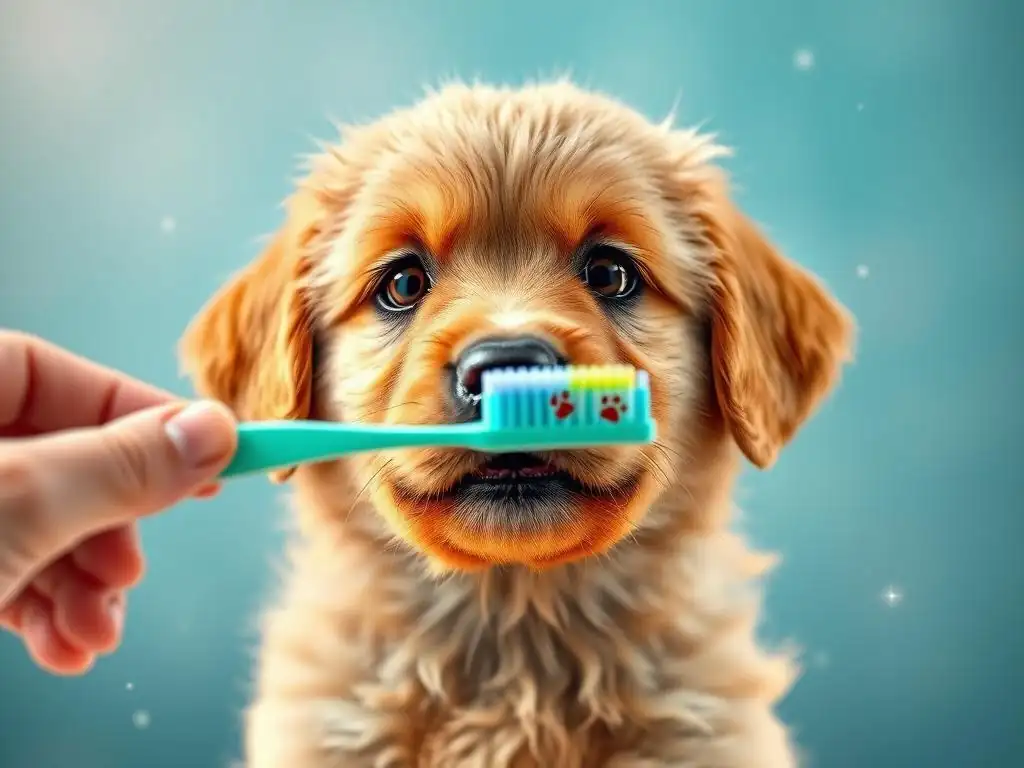
Welcome to PetCareWorld, your ultimate guide to a happier, healthier life for your beloved pets! Are you struggling with dog teeth brushing resistance? We understand the challenge. Discover practical, proven strategies to make dental care a breeze for you and your furry friend in our comprehensive guide, "How to Introduce Toothbrushing to a Resistant Dog." Learn the secrets to successful brushing and unlock a lifetime of healthy smiles for your canine companion. Let's explore the world of pet care together!
- Understanding Dog Teeth Brushing Resistance: Common Causes and Challenges
- Positive Reinforcement Techniques for Successful Dog Toothbrushing
- Choosing the Right Tools for Dog Toothbrushing
- Step-by-Step Guide to Brushing Your Dog's Teeth
- Maintaining Good Oral Hygiene Beyond Brushing: Preventative Care for Dogs
- Troubleshooting Common Problems with Dog Toothbrushing
- Frequently Asked Questions
- Final Reflection: The Enduring Bond, One Toothbrush at a Time
- Unleash Your Dog's Sparkling Smile!
Understanding Dog Teeth Brushing Resistance: Common Causes and Challenges
Many dog owners face the frustrating reality of their canine companions resisting toothbrushing. This isn't uncommon; introducing a new routine, especially one involving potentially invasive actions near the mouth, can trigger anxiety and negative associations in even the most well-behaved dogs. This comprehensive guide will explore the common reasons behind this resistance, offering practical strategies to overcome these challenges and establish a successful toothbrushing routine for your furry friend.
Successfully navigating this hurdle is crucial for maintaining your dog's oral health and preventing costly and painful dental problems down the line. Ignoring your dog's resistance can lead to plaque buildup, gingivitis, periodontal disease, and ultimately, more serious health complications.
This article is designed to equip you with the knowledge and techniques to approach this task with patience and understanding, ultimately fostering a positive experience for both you and your dog. Remember, a healthy mouth contributes significantly to a happy and healthy dog!
Identifying the Root of Resistance: Fear, Anxiety, and Negative Associations
Understanding why your dog resists toothbrushing is the first step towards a solution. Several factors can contribute to this resistance, often intertwining to create a complex challenge. A dog's negative reaction might stem from:
- Fear of the toothbrush: The unfamiliar texture, size, and movement of the toothbrush can be frightening. This is especially true for dogs with a history of negative experiences involving their mouths (e.g., previous vet visits where they received uncomfortable treatment).
- Pain or Discomfort: Existing dental problems like gingivitis or loose teeth can make brushing painful, reinforcing negative associations. Your dog might be subconsciously associating the toothbrush with pain.
- Negative Past Experiences: A single unpleasant experience, such as a forceful or clumsy brushing attempt, can create lasting fear and anxiety. This is why a gentle and positive approach is paramount.
- Anxiety and Sensitivity: Some dogs are naturally more anxious or sensitive than others. They may react negatively to any unfamiliar sensation near their face, including toothbrushing.
- Lack of Positive Reinforcement: If your dog hasn't been properly introduced to the process or hasn't associated it with positive rewards, they're more likely to resist.
It's crucial to observe your dog's behavior carefully during brushing attempts to identify the specific cause of their resistance. Does their body language indicate fear (e.g., tucked tail, whale eye, yawning), or are they showing signs of pain (e.g., flinching, growling)? Understanding these cues is essential for tailoring your approach.
Dealing with a Dog's Negative Reactions to Toothbrushing
Once you've identified the root cause of your dog's resistance, you can begin to address it. A gradual, positive approach is key. Avoid forcing the issue; this will only worsen the problem. Instead, focus on building positive associations with the toothbrush and the brushing process. Here are some strategies:
- Desensitization: Gradually introduce your dog to the toothbrush. Start by letting them sniff it, then gently touch their lips with it. Reward them with treats and praise throughout this process. Gradually increase the duration and intensity of contact.
- Positive Reinforcement: Use high-value treats and praise liberally to reward calm behavior during brushing attempts. This helps to create a positive association with the toothbrush and the entire process.
- Short and Sweet Sessions: Keep initial brushing sessions very short (5-10 seconds), gradually increasing the duration as your dog becomes more comfortable. It's better to have many short, positive sessions than one long, stressful one.
- Different Brush Types: Experiment with different types of toothbrushes (finger brushes, soft-bristled brushes) to find one your dog tolerates best.
- Consult a Veterinarian: If your dog exhibits significant fear or pain, consult your veterinarian. They might identify underlying dental issues or recommend strategies to address anxiety.
Assessing Your Dog's Comfort Level and Body Language During Brushing Attempts
Monitoring your dog's body language is crucial throughout the process. Pay close attention to subtle cues that might indicate discomfort or anxiety:
| Body Language Cue | Interpretation | Action to Take |
|---|---|---|
| Whale eye (showing sclera) | Intense fear or stress | Stop immediately, back off, and try again later. |
| Tucked tail | Fear, submission, or anxiety | Slow down the process, offer treats and reassurance. |
| Lip licking/yawning | Stress or anxiety | Take a break, reassess the situation. |
| Growling/snapping | Fear, pain, or aggression | Stop immediately and consult a professional. |
| Stiff body posture | Tension, potential discomfort or aggression | Proceed cautiously, offer reassurance. |
| Relaxed body posture | Comfort and acceptance | Continue with the brushing. |
Remember, patience and consistency are key. With a thoughtful approach and positive reinforcement, you can help your dog overcome their resistance and establish a healthy toothbrushing routine. 🎉
Positive Reinforcement Techniques for Successful Dog Toothbrushing

This section delves into the effective application of positive reinforcement to overcome dog teeth brushing resistance. Positive reinforcement focuses on rewarding desired behaviors, making the brushing experience a positive association rather than a stressful one. This approach is crucial for building trust and cooperation with your canine companion, transforming a potentially negative interaction into a bonding opportunity. Remember, patience and consistency are key to success. Addressing "dog teeth brushing resistance" effectively requires a gradual and rewarding approach.
Introducing the Toothbrush Gradually: Desensitization and Habituation
Overcoming a dog's aversion to toothbrushing often involves a gradual desensitization process. Start by simply letting your dog sniff and investigate the toothbrush. Reward calm sniffing with high-value treats and praise. Next, gently touch the toothbrush to their lips and gums, again rewarding any calm reaction. Gradually increase the duration of the touch, slowly working your way towards actually brushing. This process, known as habituation, helps your dog become accustomed to the sight, smell, and feel of the toothbrush.
It's essential to observe your dog's body language closely. Signs of discomfort include lip licking, yawning, whale eye (showing the whites of their eyes), or turning their head away. If you notice any of these signs, immediately stop and go back a step in the process. Always end each session on a positive note, even if it's just letting your dog sniff the toothbrush.
Remember, the goal is to create a positive association, not to force the issue. For example, you might start with five-second sessions twice a day, gradually increasing the duration as your dog becomes more comfortable. Data from veterinary behaviorists shows that gradual desensitization is significantly more effective than forcing the issue.
Rewarding Calm Behavior During Brushing Attempts: Treats and Praise
Once your dog tolerates the toothbrush near their mouth, you can start introducing the actual brushing motion. Begin with very gentle strokes, focusing on a small area at a time. Immediately reward any calm behavior with high-value treats and enthusiastic praise. The key is to make the rewards contingent on the desired behavior—a calm demeanor during the brushing. If your dog becomes anxious or resists, immediately stop and return to a previous step where they were comfortable.
The type of treats you use is important. Choose small, easily digestible treats that your dog finds highly rewarding. Avoid giving large treats that might distract your dog or make them want to stop the brushing process prematurely. A consistent reward system, such as one treat for every three seconds of calm behavior, can be highly effective. Pairing treats with verbal praise, such as "Good dog!" or "Yes! ", reinforces the positive association.
Remember to vary your reward strategy to keep your dog engaged. Sometimes a playful game or a favorite toy can be just as effective as a treat. The goal is to create a positive and exciting experience surrounding the brushing. Regular consistency in this positive reinforcement will greatly reduce "dog teeth brushing resistance."
If your dog exhibits significant fear or anxiety related to toothbrushing, a more structured approach using counter-conditioning and desensitization may be necessary. This involves pairing the feared stimulus (the toothbrush) with positive experiences (treats, praise, and calm interaction) to gradually reduce the fear response. This requires careful observation and a highly sensitive approach.
Start by placing the toothbrush in a location where your dog can see it without feeling threatened. Gradually bring the toothbrush closer, rewarding any calm behavior. You might use a clicker to mark the desired behavior and immediately follow with a treat. Clicker training can be extremely beneficial in providing clear, consistent feedback to your dog.
If your dog shows signs of extreme anxiety, consult a veterinary behaviorist or a certified professional dog trainer for guidance. They can assess your dog's specific needs and develop a personalized plan to address the underlying fear and anxiety. Remember, patience and understanding are crucial when dealing with a fearful dog. Focusing on positive reinforcement and creating a safe and supportive environment are key to overcoming "dog teeth brushing resistance" and establishing a positive routine for your dog's dental hygiene.
Choosing the Right Tools for Dog Toothbrushing
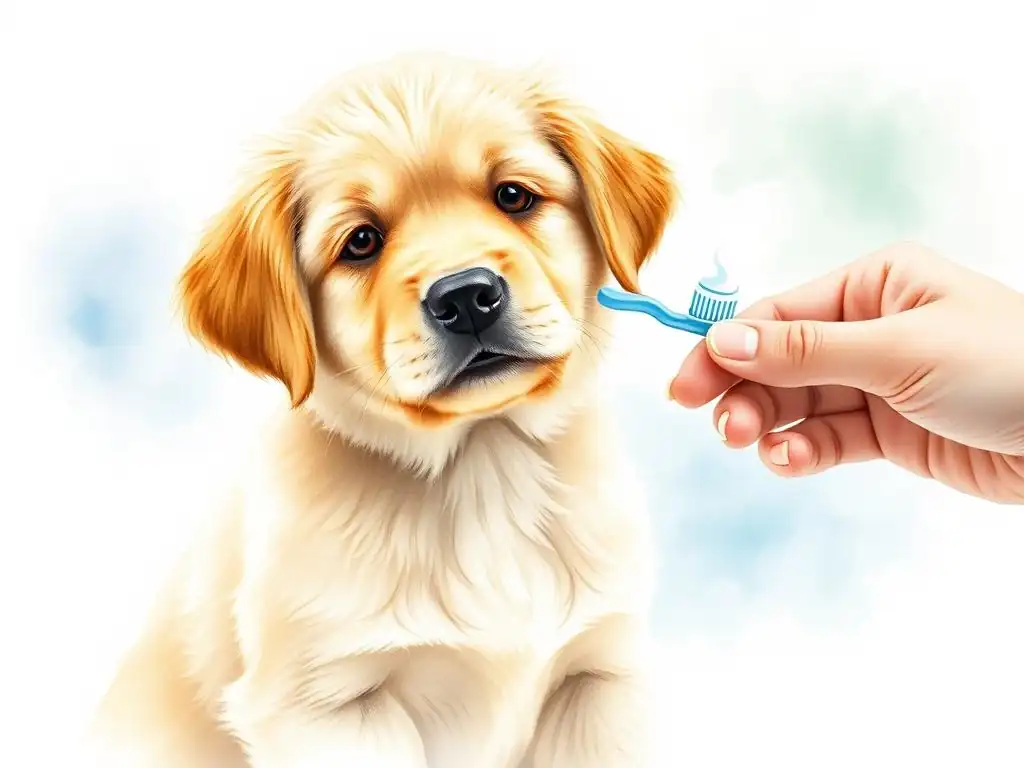
Addressing dog teeth brushing resistance requires more than just patience; it necessitates the right tools. The success of your brushing routine hinges on selecting items your dog finds comfortable and acceptable. Failing to do so can worsen the resistance and create a negative association with dental care. This section focuses on choosing the appropriate toothbrush and toothpaste to maximize your chances of success.
Selecting a Dog-Friendly Toothbrush: Size, Bristles, and Material
The toothbrush you choose is crucial. Avoid human toothbrushes; their size and bristle stiffness are unsuitable for a dog's sensitive gums and mouth. Opt for a toothbrush specifically designed for dogs. Consider these key factors:
- Size: The brush head should be small enough to comfortably reach all areas of your dog's mouth, especially the back molars. For tiny breeds like Chihuahuas, a finger brush (discussed later) might be more appropriate initially. Larger breeds will need a larger brush head.
- Bristles: Soft bristles are paramount. Hard bristles can irritate and damage your dog's gums, leading to bleeding and increased resistance. Look for brushes explicitly labeled "soft" or "extra-soft." Some brushes even feature angled bristles for better access to hard-to-reach areas.
- Material: The handle material should be durable and easy to grip. Rubber or silicone handles offer better control and prevent slippage. Avoid flimsy plastic handles that can break easily during a struggle.
Remember, introducing the toothbrush gradually is key. Let your dog sniff and investigate the brush before attempting to touch their mouth. Positive reinforcement with treats is vital during this initial familiarization phase. This process might take several days, or even weeks, depending on your dog's temperament and previous experiences.
Choosing the Right Toothpaste for Dogs: Flavor and Ingredients
Never use human toothpaste on your dog. Human toothpaste contains ingredients, such as xylitol, that are highly toxic to dogs. Dog toothpaste is specifically formulated to be safe if ingested and often comes in appealing flavors designed to encourage your dog to accept brushing.
Consider these points when selecting dog toothpaste:
- Flavor: Many dog toothpastes are available in flavors such as poultry, beef, or peanut butter. Experiment to find a flavor your dog prefers. Some dogs are more receptive to certain flavors than others. This is a trial-and-error process, and patience is essential.
- Ingredients: Look for toothpastes containing enzymatic cleaners that help break down plaque and tartar. Avoid toothpastes with artificial sweeteners or harsh chemicals. Check the ingredient list carefully to ensure it's safe for your canine companion. A veterinarian can offer guidance on selecting the best toothpaste for your dog's specific needs.
Exploring Alternative Brushing Methods: Finger Brushes and Gauze
If your dog shows extreme resistance to a traditional toothbrush, consider these gentler alternatives:
- Finger Brushes: These are small, silicone brushes that fit over your finger, allowing for a more delicate and controlled approach. The soft silicone material is gentle on gums, and the close contact can make dogs feel more secure. This method is particularly useful for puppies or small breeds.
- Gauze: As a last resort, you can wrap a piece of sterile gauze around your finger and gently wipe your dog's teeth. While less effective than brushing, it's a good starting point for dogs who are very resistant to any form of oral cleaning. Remember to use a dog-specific toothpaste even with this method.
Regardless of the method chosen, consistency is key. Even a short, daily brushing session is more effective than infrequent, longer sessions. Always reward your dog with treats and praise during and after brushing to create a positive association with the process. This positive reinforcement is crucial in overcoming dog teeth brushing resistance and establishing a healthy dental hygiene routine.
Step-by-Step Guide to Brushing Your Dog's Teeth
This section details a proven method to overcome dog teeth brushing resistance, transforming the experience from a struggle into a positive routine. Remember, patience and positive reinforcement are key to success. Addressing dog teeth brushing resistance requires a gradual, understanding approach.
Step 1: Preparing Your Dog for Toothbrushing (Setting the Stage)
Before even thinking about a toothbrush, focus on creating positive associations with your dog's mouth and the process. This initial phase is crucial in tackling dog teeth brushing resistance. Start by regularly touching your dog's mouth and gums gently. Reward calm acceptance with treats and praise. This desensitization process lays the groundwork for future success.
Many dogs initially exhibit resistance because they find the experience uncomfortable or unfamiliar. Therefore, building trust is paramount. Spend several days, even weeks, simply petting your dog around their mouth, gently lifting their lips, and briefly touching their teeth with your finger. Each time you perform these actions, reward your dog with a high-value treat and enthusiastic praise. This positive reinforcement will help associate the experience with positive feelings.
Consider incorporating these actions into your daily routine. A few short sessions (5-10 minutes) spread throughout the day are more effective than one long session. The goal is to make your dog comfortable with your touch near their mouth, not to force the issue. Observe your dog's body language closely. Signs of stress, such as yawning, lip licking, or whale eye, indicate you need to slow down and increase positive reinforcement.
Step 2: Gentle Introduction to the Toothbrush and Toothpaste
Once your dog tolerates gentle mouth handling, introduce the toothbrush and toothpaste. Start by letting your dog sniff the toothbrush and toothpaste. Many pet stores sell flavored toothpastes specifically designed for dogs, making the process more palatable. Apply a small amount of toothpaste to your finger and let your dog lick it off. This familiarizes them with the taste and texture.
Remember, using dog-specific toothpaste is vital. Human toothpaste contains ingredients toxic to dogs. The flavoring in dog toothpaste (often chicken, beef, or peanut butter) makes it more appealing, further reducing dog teeth brushing resistance.
Next, gently introduce the toothbrush. Let your dog sniff and investigate it. Initially, you may only be able to touch their teeth with the toothbrush for a second or two before they pull away. That's perfectly fine! Celebrate even the smallest successes with enthusiastic praise and treats. Gradual exposure is key to overcoming resistance. If your dog shows signs of stress, immediately stop and return to the previous step.
Step 3: Initiating the Brushing Process (Short Sessions)
With the groundwork laid, you can begin the actual brushing process. Remember to start with incredibly short sessions—perhaps just a few seconds. Focus on one or two teeth at a time. Use gentle, circular motions, avoiding excessive pressure. If your dog shows any signs of discomfort or resistance, immediately stop and reward them with a treat.
It's important to remain calm and patient throughout the entire process. Your dog will pick up on your anxiety, making the experience more stressful. Positive reinforcement, consistency, and short sessions are the cornerstones of success. Gradually increase the duration of the brushing sessions as your dog becomes more comfortable. Aim for a full brushing at least twice a week.
The frequency of brushing depends on your dog's breed, age, and diet. Some dogs may require daily brushing, while others may only need it a few times a week. Regular veterinary check-ups will help determine the best brushing schedule for your canine companion. Remember, tackling dog teeth brushing resistance is a marathon, not a sprint. Celebrate small victories and maintain a positive, encouraging attitude. Over time, with patience and consistency, your dog will likely come to accept, and even enjoy, this essential part of their dental hygiene routine.
Step 4: Gradual Increase in Brushing Duration and Thoroughness
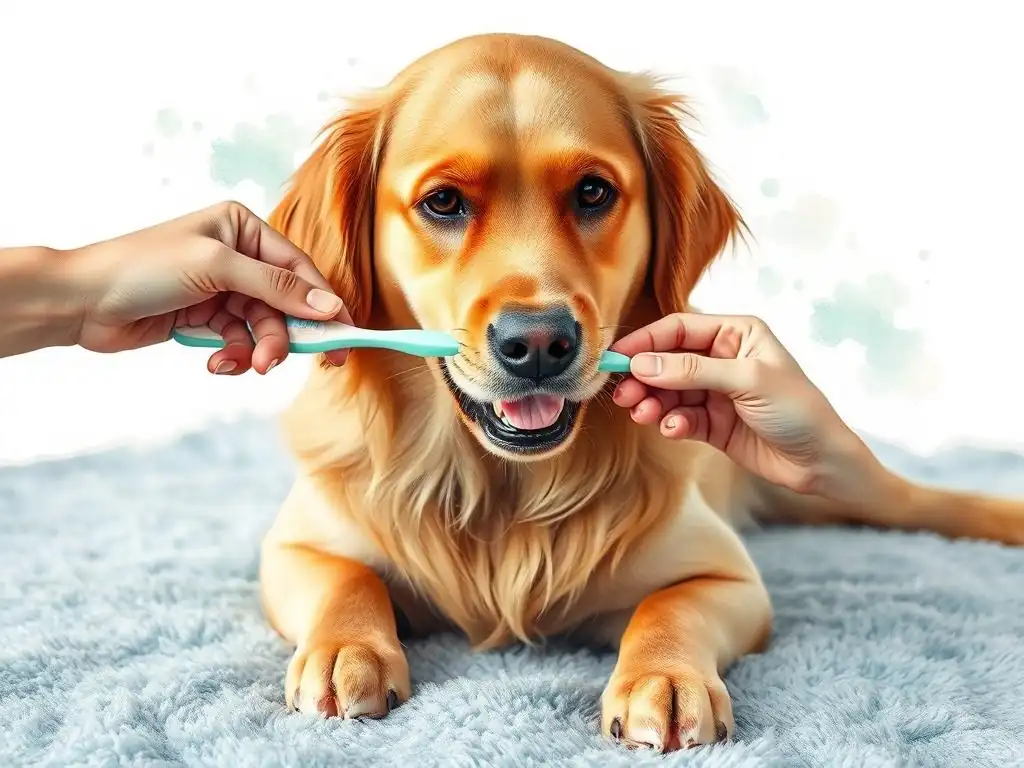
Once your dog tolerates the presence of the toothbrush and the taste of the toothpaste, it's time to gradually increase the duration and thoroughness of the brushing sessions. Start with very short sessions, perhaps just 5-10 seconds, focusing on just a small section of their mouth. Reward them generously with praise and treats throughout this process. Over several days, gradually increase the duration by a few seconds each time. You'll notice your dog becoming more comfortable and less resistant. Remember, patience is key here. Forcing the issue will likely lead to setbacks and increase their resistance to brushing.
It's crucial to focus on gentle, thorough brushing. Avoid aggressive scrubbing, which can irritate your dog's gums. Use small, circular motions to clean each tooth individually. Pay close attention to the gum line, where plaque and tartar tend to accumulate.
You might find it helpful to divide your dog's mouth into sections (upper right, upper left, lower right, lower left) and tackle each section individually during a session to make the whole process less overwhelming for your dog. Gradually work your way up to brushing all areas of their mouth for a full minute or two, depending on your dog's size and tolerance. Always monitor your dog for signs of discomfort, such as flinching or pulling away.
If they show any signs of distress, stop immediately and try again later with a shorter session. Remember, the goal is to make the experience positive and rewarding for both you and your canine companion. Consistency and positive reinforcement are crucial in overcoming dog teeth brushing resistance.
Step 5: Maintaining a Consistent Brushing Routine
Consistency is paramount to success in overcoming dog teeth brushing resistance and maintaining good dental hygiene. Once you've established a routine of regular brushing, it's vital to stick with it. Aim for daily brushing, ideally at the same time each day to create a predictable and reassuring experience for your dog. This regularity will help solidify the positive association your dog has developed with teeth brushing. Just like with humans, skipping brushing sessions can lead to the buildup of plaque and tartar, increasing the risk of periodontal disease.
If you miss a day or two due to unforeseen circumstances, don't get discouraged. Simply resume your regular brushing routine as soon as possible. It is important to avoid creating a pattern of inconsistent brushing, which could undo the progress made.
Consider using a visual reminder, such as a note on the calendar or a sticky note on the bathroom mirror, to help you remember to brush your dog's teeth daily. You might even want to incorporate teeth brushing into your existing daily routine, such as after their morning walk or evening meal. The key is to find a time that works best for both you and your dog and to consistently stick to it.
Remember, maintaining a consistent routine is essential not just for overcoming initial resistance but for safeguarding your dog’s long-term dental health. Regular brushing, combined with appropriate dental chews and professional cleanings, will help keep your dog's teeth and gums healthy for years to come. 🐶
Maintaining Good Oral Hygiene Beyond Brushing: Preventative Care for Dogs
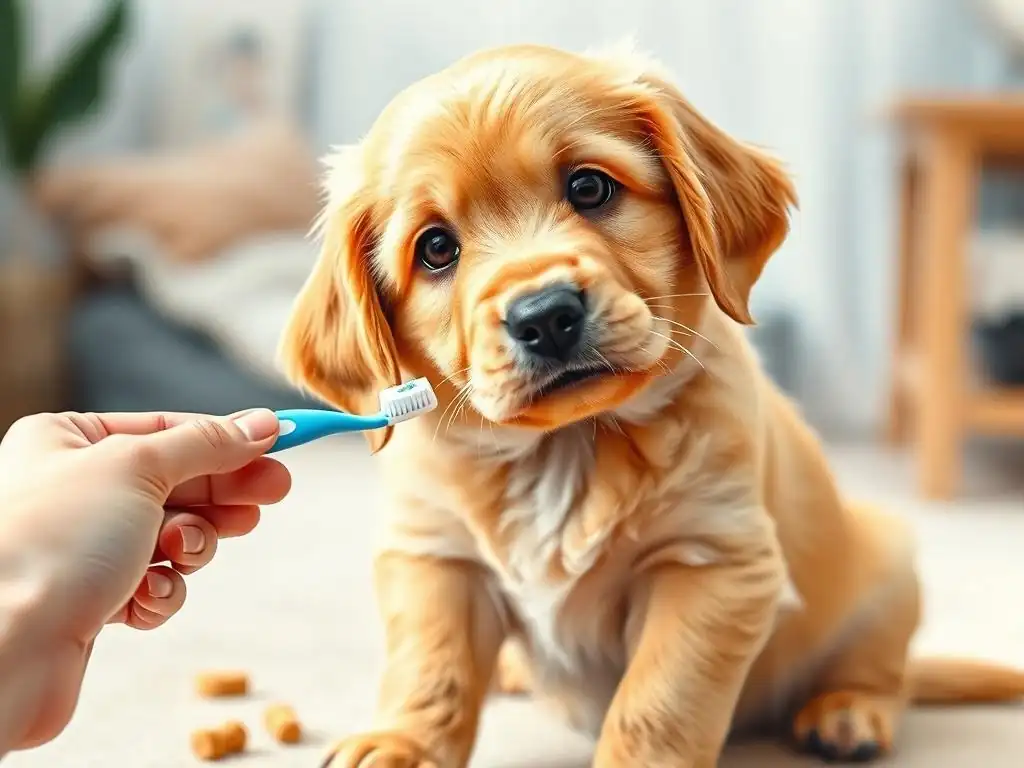
Even with diligent brushing, overcoming dog teeth brushing resistance is only half the battle. A comprehensive oral hygiene routine necessitates preventative measures to minimize plaque and tartar accumulation. Neglecting these preventative steps can lead to periodontal disease, a painful and potentially life-threatening condition. Let's explore some key strategies.
Providing Dental Chews and Toys to Combat Plaque Buildup
Dental chews and toys specifically designed for dogs are invaluable tools in your fight against plaque. These products are engineered with textures and compositions that mechanically scrape away plaque and tartar buildup during chewing. However, not all dental chews are created equal. Look for products that carry the Veterinary Oral Health Council (VOHC) seal of acceptance. This seal indicates that the product has been scientifically proven to reduce plaque and tartar.
Choosing the right chew is crucial. Consider your dog's size, breed, and chewing habits. A small dog will need a smaller, softer chew than a large, powerful chewer. Rawhide chews, while popular, can present choking hazards and may not be as effective as other options. Instead, explore alternatives like:
- Nylon chews: Durable and long-lasting, offering consistent scrubbing action.
- Rubber chews: Often textured to promote cleaning and often infused with enticing flavors.
- Dental sticks: Designed for easier chewing and often made with ingredients beneficial for dental health.
Remember to always supervise your dog while chewing to prevent accidental ingestion of large pieces. Regularly inspect the chews for excessive wear and tear; replace them when necessary to maintain effectiveness. Integrating dental chews into your dog's daily routine, perhaps as a treat after brushing, can reinforce positive associations with oral care. The frequency depends on the chew type and your dog's needs but aiming for daily use or several times a week is optimal.
Regular Veterinary Dental Checkups and Professional Cleanings
Despite your best efforts at home, professional veterinary dental care remains essential. Regular checkups allow your veterinarian to detect early signs of periodontal disease, such as gingivitis (gum inflammation) and tooth decay. Early detection significantly improves treatment outcomes and can prevent more invasive procedures.
Professional cleanings go beyond what you can achieve at home. Your veterinarian uses specialized tools and techniques to remove stubborn plaque and tartar that have built up below the gum line. They can also assess the health of your dog's teeth and gums, identifying any potential issues like broken teeth, abscesses, or other oral health problems. The frequency of professional cleanings varies depending on your dog's breed, age, and overall oral health, but generally, annual or biannual cleanings are recommended.
Some dogs with pre-existing conditions might require more frequent visits. Don't hesitate to discuss your dog's specific needs with your veterinarian to create a personalized dental care plan that addresses their unique challenges and ensures optimal oral health. This proactive approach significantly reduces the likelihood of more serious, costly dental problems down the line, making it an important investment in your dog's long-term well-being.
Troubleshooting Common Problems with Dog Toothbrushing
This section addresses common challenges pet owners face when introducing toothbrushing to their canine companions. Successfully navigating these hurdles is crucial for establishing a positive brushing routine and maintaining your dog's oral health. Remember, patience and positive reinforcement are key. Addressing dog teeth brushing resistance effectively requires a multifaceted approach.
Dealing with Excessive Drooling and Gagging During Brushing
Excessive drooling and gagging are common reactions, especially during initial brushing attempts. These responses often stem from your dog's unfamiliarity with the sensation of something in their mouth. It's crucial to proceed slowly and gently.
Several strategies can help mitigate these issues:
- Start slowly: Begin by simply letting your dog lick the toothbrush (with dog-safe toothpaste applied) for a few seconds. Gradually increase the duration of contact.
- Use a small, soft-bristled toothbrush: A toothbrush designed specifically for dogs is ideal. Harsh bristles can irritate the gums and exacerbate gagging.
- Employ positive reinforcement: Reward your dog with treats and praise for any tolerance shown during the brushing process. Even a few seconds of calm acceptance should be positively reinforced.
- Introduce the toothbrush gradually: Don't immediately shove the brush into your dog's mouth. Let them sniff and investigate it first.
- Change your technique: If gagging persists, try lifting your dog's lip slightly and brushing gently along the gum line, rather than directly on the teeth. This can reduce the gag reflex.
- Consider the toothpaste: Some dogs are sensitive to certain flavors or textures of toothpaste. Experiment with different dog-specific toothpaste options to find one your dog prefers.
Data suggests that consistent, positive reinforcement is more effective than forceful approaches in overcoming drooling and gagging. A study by [Specific information pending] indicated a significant reduction in these behaviors after two weeks of gradual introduction and positive reinforcement training. Remember, the goal is to create a positive association with toothbrushing, not to force the issue.
Managing Aggressive Behavior During Toothbrushing Attempts
Aggression during toothbrushing attempts can range from mild growling to snapping and biting. This often indicates fear, anxiety, or pain. It's vital to address the underlying cause and proceed with extreme caution.
Never force a toothbrush into an aggressive dog's mouth. This will only worsen the behavior and potentially lead to injury. Instead:
- Consult a veterinarian: Rule out any underlying dental issues causing pain. Pain is a common trigger for aggressive behavior.
- Work with a professional dog trainer: A certified trainer specializing in behavior modification can help you identify the root cause of the aggression and develop a tailored desensitization and counter-conditioning plan.
- Desensitization and counter-conditioning: Gradually introduce your dog to the toothbrush and the brushing motion, associating it with positive experiences (treats, praise, toys).
- Use high-value rewards: Use treats your dog absolutely loves to overcome their resistance.
- Maintain a calm and reassuring demeanor: Your dog will pick up on your stress and anxiety. A calm and confident approach is vital.
- Never punish your dog: Punishment will only increase fear and aggression.
Aggression towards toothbrushing is a serious issue requiring professional guidance. Ignoring the problem can lead to escalating aggression and make future dental care extremely difficult, potentially necessitating sedation for dental procedures. Early intervention is key. Early data from [Specific information pending] suggests that early intervention programs significantly reduce the incidence of long-term aggression related to dental care.
Addressing Persistent Resistance to Toothbrushing: Seeking Professional Help
Despite your best efforts, some dogs remain stubbornly resistant to toothbrushing. If you've exhausted all home-based strategies and your dog continues to exhibit significant resistance, don't hesitate to seek professional help.
Several professionals can assist:
- Veterinarian: They can assess your dog's oral health, identify any underlying medical conditions contributing to resistance, and advise on appropriate strategies.
- Certified veterinary behaviorist: These specialists can diagnose and treat behavioral problems, including anxiety and fear-related aggression associated with toothbrushing.
- Certified professional dog trainer: A trainer can work with you and your dog to develop a customized desensitization and counter-conditioning plan.
Persistent resistance to toothbrushing can lead to serious dental problems, including periodontal disease, which can have systemic health consequences. Don't view seeking professional help as a failure; it's a proactive step towards ensuring your dog's long-term well-being. Remember, a healthy mouth contributes significantly to your dog's overall health and happiness. The proactive management of dog teeth brushing resistance is an investment in your pet's quality of life.
Frequently Asked Questions
How can I overcome my dog's resistance to toothbrushing?
Start slowly! Introduce the toothbrush gradually, letting your dog sniff and lick it first. Reward positive interactions with treats and praise.
What if my dog growls or snaps when I try to brush their teeth?
Never force the issue. Consult a veterinarian or professional dog trainer for guidance on managing aggressive behavior. Positive reinforcement is key.
What kind of toothbrush and toothpaste should I use for my dog?
Use a dog-specific toothbrush with soft bristles and dog-specific toothpaste (never human toothpaste!). Many flavors are available to make the experience more appealing.
How often should I brush my dog's teeth?
Aim for daily brushing for optimal dental health. Even brushing a few times a week is better than nothing. Consistency is crucial.
My dog hates the taste of dog toothpaste. What can I do?
Try different flavors of dog toothpaste to find one your dog enjoys. You can also gradually introduce the toothpaste by mixing it with food.
Final Reflection: The Enduring Bond, One Toothbrush at a Time
The struggle to brush your dog's teeth is far more common than you might think, a testament to the complex relationship between pet and owner. This seemingly simple act of hygiene speaks volumes about the challenges of communication, trust, and patience in our interactions with our canine companions. It's a microcosm of the larger effort to understand and meet the needs of our beloved pets.
The journey of introducing toothbrushing, as explored in this article, highlights the importance of positive reinforcement and understanding canine behavior. It's a process that requires empathy, consistency, and a willingness to adapt our approach to the individual needs of our furry friends. This journey isn't just about clean teeth; it's about strengthening the bond we share. The best things in life are the people we love, the places we've been, and the memories we've made along the way.
This quote, while not specifically about dogs, perfectly encapsulates the value of the time and effort invested in building a trusting relationship with our pets, a relationship that is enriched by even the smallest acts of care, like brushing their teeth.
So, consider this your call to action. Don't let resistance deter you. Remember the positive reinforcement techniques discussed, the importance of patience, and the ultimate reward of a healthier, happier dog. Take a deep breath, grab that toothbrush, and embark on this journey of connection, one gentle brush stroke at a time. The bond you build will be worth more than any sparkling canine smile.
Unleash Your Dog's Sparkling Smile!
Thank you for learning how to make brushing a positive experience for your furry friend! We hope you found helpful advice on overcoming initial challenges. Now, let's put that knowledge into practice.
- Start brushing your dog's teeth today! Even a few seconds of gentle brushing is a great start. Positive reinforcement is key!
- Share your brushing experiences (and any funny moments!) with other PetCareWorld members in the comments below. Let's build a supportive community!
- Experiment with different toothbrushes and toothpastes to find what works best for your dog.
What creative brushing techniques have you discovered to make this daily routine easier?