
Boost Your Bird's Immunity: The Power of Fresh Fruits and Vegetables

Welcome to PetCareWorld, your ultimate guide to a happier, healthier life for your beloved companions! Are you looking to give your feathered friend the best possible care? Discover the secrets to a robust immune system with our in-depth guide on the best fruits for bird immunity. Unlock the power of nature's bounty and learn how simple dietary changes can make a world of difference. Explore our expert advice and empower yourself to provide optimal care for your avian friend – let's dive in!
- Understanding Your Bird's Nutritional Needs for Strong Immunity
- Best Fruits for Bird Immunity: A Comprehensive Guide
- Best Vegetables for Bird Immunity: A Colorful Selection
- Preparing Fruits and Vegetables for Your Feathered Friend
- Potential Risks and Precautions: Fruits and Vegetables to Avoid
- Monitoring Your Bird's Health and Immune Response
- Frequently Asked Questions
- Final Reflection: Nurturing Avian Wellness Through Nature's Bounty
- Unlock Your Feathered Friend's Inner Vitality!
Understanding Your Bird's Nutritional Needs for Strong Immunity
Maintaining a robust immune system is crucial for your feathered friend's health and longevity. Just like humans, birds require a balanced diet rich in essential nutrients to fight off illness and maintain overall well-being. This article delves into the vital role of fresh fruits and vegetables in boosting your bird's immunity, focusing specifically on the "best fruits for bird immunity," helping you understand how to provide optimal nutrition for a happy and healthy companion.
We'll explore the essential vitamins and minerals that support a strong avian immune system, the protective power of antioxidants, and how to recognize signs of a weakened immune system in your bird. Providing your bird with the right nutrition is an investment in their health, ensuring they live a long and vibrant life. Let's dive into the details!
Essential Vitamins and Minerals for Avian Immune Systems
Avian immune systems, while different from our own, rely heavily on specific vitamins and minerals for optimal function. A deficiency in any of these crucial nutrients can significantly weaken your bird's defenses, making them more susceptible to diseases. For example, Vitamin A is essential for maintaining healthy mucous membranes and skin, the bird's first line of defense against pathogens.
Vitamin C, although not synthesized by birds like it is in some mammals, acts as a potent antioxidant, protecting cells from damage. Similarly, Vitamin E plays a critical role in immune cell function. Minerals like zinc and selenium are also vital components of various enzymes involved in immune responses.
Ensuring your bird's diet includes a variety of fresh fruits and vegetables is the best way to guarantee they receive these essential nutrients in sufficient quantities. A lack of these nutrients can manifest in several ways, including lethargy, increased susceptibility to infections, and feather problems. Therefore, a carefully considered diet is paramount.
The Role of Antioxidants in Preventing Bird Illnesses
Antioxidants are powerful compounds that neutralize harmful free radicals, preventing cellular damage that can compromise the immune system. Free radicals, produced as byproducts of normal metabolic processes, can cause oxidative stress, leading to a weakened immune response. Many fruits and vegetables are packed with antioxidants like Vitamin C, Vitamin E, and carotenoids (such as beta-carotene, which converts to Vitamin A).
These antioxidants act as a shield, protecting your bird's cells from damage and contributing to a stronger immune response. Incorporating antioxidant-rich foods into your bird's diet is a proactive approach to preventing illness and promoting overall health. The specific antioxidant content varies greatly between fruits and vegetables, highlighting the importance of dietary diversity.
Identifying Signs of a Weakened Immune System in Birds
Recognizing the signs of a weakened immune system in your bird is critical for early intervention. While a weakened immune system can manifest in various ways, some common symptoms include:
- Lethargy and decreased activity levels
- Changes in feather quality (dullness, ruffled feathers)
- Weight loss or loss of appetite
- Increased susceptibility to infections (respiratory infections, etc.)
- Diarrhea or changes in droppings
- Swollen joints or difficulty moving
If you observe any of these symptoms, it's crucial to consult an avian veterinarian immediately. Early diagnosis and treatment can significantly improve your bird's chances of recovery. Remember, proactive measures like providing a balanced diet rich in fresh fruits and vegetables are essential for preventing these issues and maintaining your bird's health. A healthy diet is the foundation of a strong immune system, and it's the best way to ensure your feathered friend thrives.
Best Fruits for Bird Immunity: A Comprehensive Guide
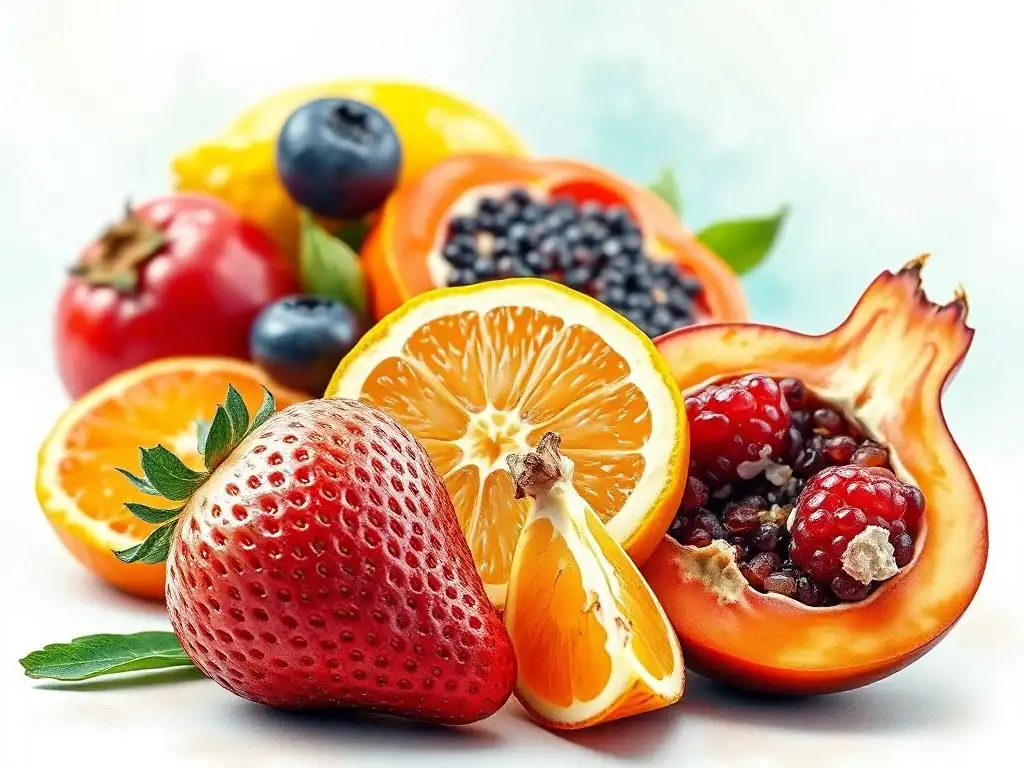
This section delves into the specifics of which fruits are best suited to bolster your feathered friend's immune system. Remember, a balanced diet is key, and these fruits should supplement, not replace, a complete birdseed mix formulated for your specific species. Always introduce new foods gradually to monitor for any adverse reactions. Providing variety is crucial for optimal health and well-being. The "best" fruits will vary slightly depending on your bird's species and individual needs, so observation is key.
Top 5 Fruits to Boost Your Bird's Immune System
Choosing the right fruits can significantly impact your bird's health and resistance to illness. The following fruits are known for their high vitamin and antioxidant content, contributing to a robust immune system. However, moderation and proper preparation are crucial to avoid digestive upset. Always remove seeds, pits, and cores before serving.
Berries: Blueberries, Raspberries, and Cranberries
Berries are nutritional powerhouses packed with antioxidants. Blueberries, in particular, are rich in anthocyanins, potent antioxidants linked to improved immune function. Raspberries offer vitamin C and fiber, while cranberries contribute to urinary tract health, which is particularly beneficial for certain bird species.
Berries are a fantastic addition to your bird's diet, offering a delightful treat while boosting their immunity.
Remember to wash berries thoroughly before offering them to your bird. Small quantities, a few times a week, are ideal. Avoid giving moldy or spoiled berries.
Citrus Fruits: Oranges, Grapefruit (in moderation) and Clementines
Citrus fruits are excellent sources of Vitamin C, a vital nutrient for immune support. Oranges and clementines are generally well-tolerated, but grapefruit should be given sparingly due to its higher acidity. Always peel the fruit completely and offer only small pieces to prevent digestive issues.
| Fruit | Vitamin C Content (mg/100g) | Notes |
|---|---|---|
| Orange | ~53 | Excellent source, offer in moderation. |
| Grapefruit | ~40 | High acidity, use sparingly. |
| Clementine | ~40 | Good source, sweeter than oranges. |
Overconsumption of citrus fruits can lead to digestive problems, so moderation is key.
Tropical Fruits: Mangoes, Papayas, and Bananas (in moderation)
Tropical fruits offer a unique blend of vitamins and minerals. Mangoes are rich in beta-carotene, a precursor to Vitamin A, essential for immune function and vision. Papayas provide papain, an enzyme with anti-inflammatory properties. Bananas, while a good source of potassium, should be offered in moderation due to their sugar content.
- Mangoes: Rich in beta-carotene and fiber.
- Papayas: Contain papain, an enzyme with anti-inflammatory properties.
- Bananas: Good source of potassium, but high in sugar – offer sparingly.
Always remove the skin and seeds before serving tropical fruits.
Apples and Pears: Providing Fiber and Essential Nutrients
Apples and pears offer a good source of fiber, promoting healthy digestion, which indirectly supports the immune system. They also contain vitamins and antioxidants. Remember to remove the core and seeds before offering them to your bird.
Apples and pears are a great way to add fiber and essential nutrients to your bird's diet, contributing to overall health and well-being.
Choose organic options whenever possible to minimize pesticide exposure.
Melon: Watermelon, Cantaloupe, and Honeydew
Melons are hydrating and offer a refreshing treat, especially during warmer months. Watermelon, cantaloupe, and honeydew are all good choices, providing vitamins and antioxidants. Remove the rind and seeds before serving. Offer small pieces to prevent digestive issues. Always ensure the melon is fresh and free from spoilage.
Important Considerations
Always introduce new fruits gradually to observe your bird's reaction. Monitor for any signs of digestive upset, such as diarrhea or vomiting. If you notice any adverse effects, discontinue feeding that particular fruit and consult with an avian veterinarian.
Remember, a varied diet is crucial for optimal bird health. These fruits should complement, not replace, a complete and balanced birdseed mix. Consult with an avian veterinarian for personalized dietary recommendations for your specific bird species. 🍉🍎🍌🍊
Best Vegetables for Bird Immunity: A Colorful Selection
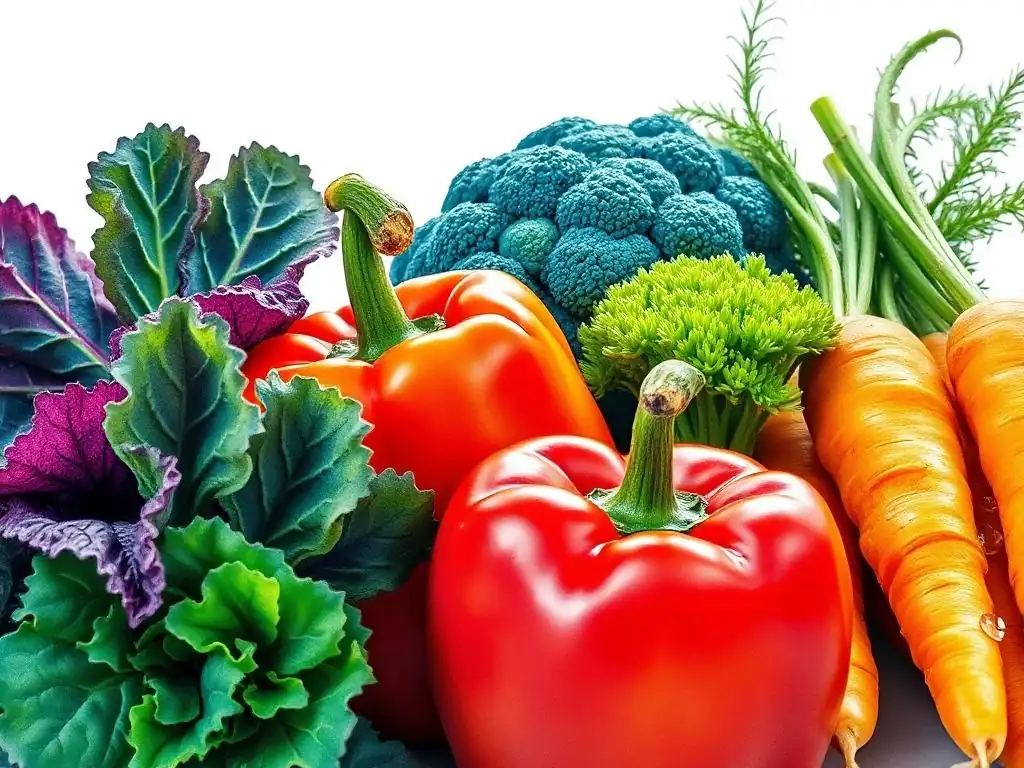
Providing your feathered friend with a diverse range of vegetables is crucial for bolstering their immune system. A vibrant mix of colors translates to a diverse array of vitamins, minerals, and antioxidants, all essential components of a robust immune response. Remember to always introduce new vegetables gradually to avoid digestive upset and monitor your bird for any adverse reactions. Portion sizes should be appropriate for your bird's size and species; too much of a good thing can be detrimental. The best fruits for bird immunity are often complemented by a strong vegetable foundation.
Leafy Greens: Kale, Spinach, and Collard Greens
Leafy greens are nutritional powerhouses, packed with vitamins A, C, and K, as well as essential minerals like calcium and iron. These nutrients play a vital role in supporting the immune system's function.
- Kale: This dark green leafy vegetable is particularly rich in antioxidants, which help protect cells from damage caused by free radicals. Free radicals can weaken the immune system, making your bird more susceptible to illness. Offer kale in moderation, as it contains oxalates which can interfere with calcium absorption if consumed in large quantities.
- Spinach: Another excellent source of vitamins and minerals, spinach offers a similar nutritional profile to kale, but with a slightly milder flavor that some birds might find more appealing. Like kale, moderation is key due to its oxalate content.
- Collard Greens: These slightly tougher leaves are a good source of fiber, which aids in digestion and overall gut health. A healthy gut is essential for a strong immune system. Remember to chop collard greens finely before offering them to your bird to make them easier to eat.
Cruciferous Vegetables: Broccoli, Cauliflower, and Brussels Sprouts (in moderation)
Cruciferous vegetables, while beneficial in moderation, should be offered sparingly. They contain compounds that can interfere with thyroid function in some birds if consumed excessively.
- Broccoli: A good source of vitamin C and fiber, broccoli florets should be offered in small amounts, chopped into bite-sized pieces. Introduce it gradually and observe your bird's reaction.
- Cauliflower: Similar to broccoli, cauliflower offers vitamins and fiber but should also be given in small quantities to prevent potential thyroid issues.
- Brussels Sprouts: These small, cabbage-like vegetables are rich in antioxidants, but again, moderation is crucial due to their potential impact on thyroid function.
Root Vegetables: Carrots, Sweet Potatoes, and Beets
Root vegetables offer a different spectrum of nutrients, contributing to a well-rounded diet that supports bird immunity.
- Carrots: A classic bird treat, carrots are a great source of beta-carotene, which the body converts into vitamin A – essential for vision and immune function. They are also a good source of fiber.
- Sweet Potatoes: These offer a good dose of vitamin A and fiber, as well as other essential nutrients. They provide a slightly sweeter option, which can be appealing to picky eaters. Ensure they are cooked thoroughly before serving.
- Beets: Beets are rich in antioxidants and nitrates, which can improve blood flow and overall health. However, they should be offered in small amounts and only after being thoroughly cooked and chopped. The vibrant color may stain your bird's droppings.
Remember, variety is key when it comes to providing your bird with the best fruits for bird immunity and a diverse selection of vegetables. A balanced diet, combined with clean water and a stimulating environment, will contribute to a happy and healthy bird with a strong immune system. Always consult with an avian veterinarian for personalized dietary advice specific to your bird's species, age, and health condition. 🐔🥕🥦
Other Beneficial Vegetables: Peppers, Zucchini, and Green Beans
Peppers, particularly bell peppers, offer a vibrant burst of vitamins and antioxidants crucial for bolstering a bird's immune system. The different colors—red, yellow, orange, and green—each contribute a unique blend of nutrients. Red bell peppers, for instance, are exceptionally rich in vitamin C, a potent antioxidant known to support immune function and protect cells from damage.
Including small pieces of chopped bell peppers in your bird's diet can significantly contribute to their overall health and resilience against illness. Remember to remove the seeds and core before serving, as these can be a choking hazard. Always introduce new foods gradually to observe for any adverse reactions.
Zucchini, a versatile and readily available vegetable, is another excellent addition to a bird's diet focused on immune support. Low in calories but packed with essential vitamins like vitamin A and vitamin C, zucchini provides a refreshing and nutritious treat. Its mild flavor makes it palatable for many bird species, and its soft texture is easy for most birds to consume.
You can offer it raw, finely chopped, or lightly steamed. Steaming helps to soften it further, making it even more accessible for smaller birds or those with weaker beaks. However, always ensure the zucchini is thoroughly cooled before offering it to your feathered friend.
Green beans, a staple in human diets, also hold significant benefits for avian companions. These legumes are a good source of fiber, which aids in digestion and overall gut health—a critical factor in maintaining a strong immune system. The vitamins and minerals present in green beans also contribute to the overall health and well-being of your bird. They can be offered raw, cooked, or even sprouted, providing variety in texture and nutritional content.
However, avoid serving green beans seasoned with salt, pepper, or other spices, as these can be harmful to birds. Always opt for plain, unseasoned green beans to ensure your bird receives the maximum nutritional benefit without any added risks. Observing your bird's reaction to new foods, including green beans, is crucial for ensuring their safety and well-being.
Preparing Fruits and Vegetables for Your Feathered Friend
This section focuses on the crucial steps involved in preparing fruits and vegetables to maximize their nutritional benefits and ensure your bird's safety. Improper preparation can introduce harmful bacteria or pesticides, undermining the very immunity boost you're aiming for. Therefore, meticulous cleaning and appropriate portioning are paramount. Remember, the goal is to provide your avian companion with the best fruits for bird immunity, and proper preparation is the first step.
Safe Washing and Cleaning Techniques for Bird Produce
Thorough cleaning is non-negotiable when preparing fruits and vegetables for your bird. Pesticides, herbicides, and other contaminants are common on commercially grown produce and can severely impact your bird's health. Avoid simply rinsing under tap water; a more rigorous approach is necessary.
Here's a step-by-step guide:
- Pre-wash: Begin by discarding any visibly damaged or bruised areas of the fruit or vegetable. These areas are more susceptible to harboring bacteria.
- Soak and Scrub: Submerge the produce in a bowl of cold water containing a small amount of mild, bird-safe dish soap (check the ingredients carefully to ensure it's non-toxic to birds). Let it soak for at least 10-15 minutes, gently scrubbing with a soft-bristled brush. Avoid harsh chemicals or abrasive cleaners.
- Rinse Thoroughly: After scrubbing, rinse the produce under cold, running water for at least 2 minutes to remove all traces of soap.
- Final Inspection: Before serving, carefully inspect the fruit or vegetable one last time to ensure there are no remaining blemishes or debris.
Remember, even organic produce should be washed meticulously, as organic farming practices don't eliminate all potential contaminants. The safety of your feathered friend should always be your top priority. Think of this as providing your bird the best fruits for bird immunity through careful preparation.
Proper Serving Sizes and Portion Control for Different Bird Species
Portion control is crucial for maintaining your bird's health and preventing digestive upset. Overfeeding fruits and vegetables, even healthy ones, can lead to weight gain, digestive issues, and nutritional imbalances. The optimal serving size varies significantly depending on your bird's species, size, age, and activity level.
The following table provides a general guideline, but always consult with an avian veterinarian for personalized recommendations:
| Bird Species | Approximate Daily Serving (Fruits & Vegetables) | Notes |
|---|---|---|
| Small Parakeets | 1-2 teaspoons | Smaller birds have smaller stomachs and higher metabolisms. |
| Cockatiels | 1-2 tablespoons | Adjust based on size and activity level. |
| Conures | 2-3 tablespoons | Larger birds require larger portions. |
| African Greys | 2-4 tablespoons | Highly intelligent and active, often require more food. |
| Macaws | 4-6 tablespoons | Large birds with high caloric needs. |
Remember, these are estimates. Observe your bird's eating habits and adjust portion sizes accordingly. If you notice any changes in your bird's behavior or droppings, consult your avian veterinarian immediately. Providing the best fruits for bird immunity also means paying attention to quantity.
Creative Ways to Incorporate Fruits and Vegetables into Your Bird's Diet
Simply placing a piece of fruit in a bowl isn't always the most appealing or effective way to encourage your bird to eat its veggies. Get creative! Here are a few ideas:
- Fruit and Veggie Kabobs: Thread small pieces of fruits and vegetables onto safe, bird-friendly skewers. This makes feeding fun and engaging.
- Stuffed Toys: Hide small pieces of chopped produce inside foraging toys to encourage natural foraging behaviors.
- Smoothies (occasionally): Blend small amounts of fruits and vegetables into a smooth consistency (ensure no seeds are included) and offer it as a treat. Use only bird-safe ingredients.
- Variety is Key: Offer a diverse range of fruits and vegetables to ensure your bird receives a broad spectrum of vitamins and minerals. Experiment with different colors and textures to find what your bird enjoys most.
Remember, consistency is key. Introduce new fruits and vegetables gradually and observe your bird's reaction. By offering a variety of options and making mealtimes fun, you can ensure your bird receives the nutritional support it needs to thrive. This approach contributes significantly to providing your bird with the best fruits for bird immunity. 🍹🍎🥕
Potential Risks and Precautions: Fruits and Vegetables to Avoid
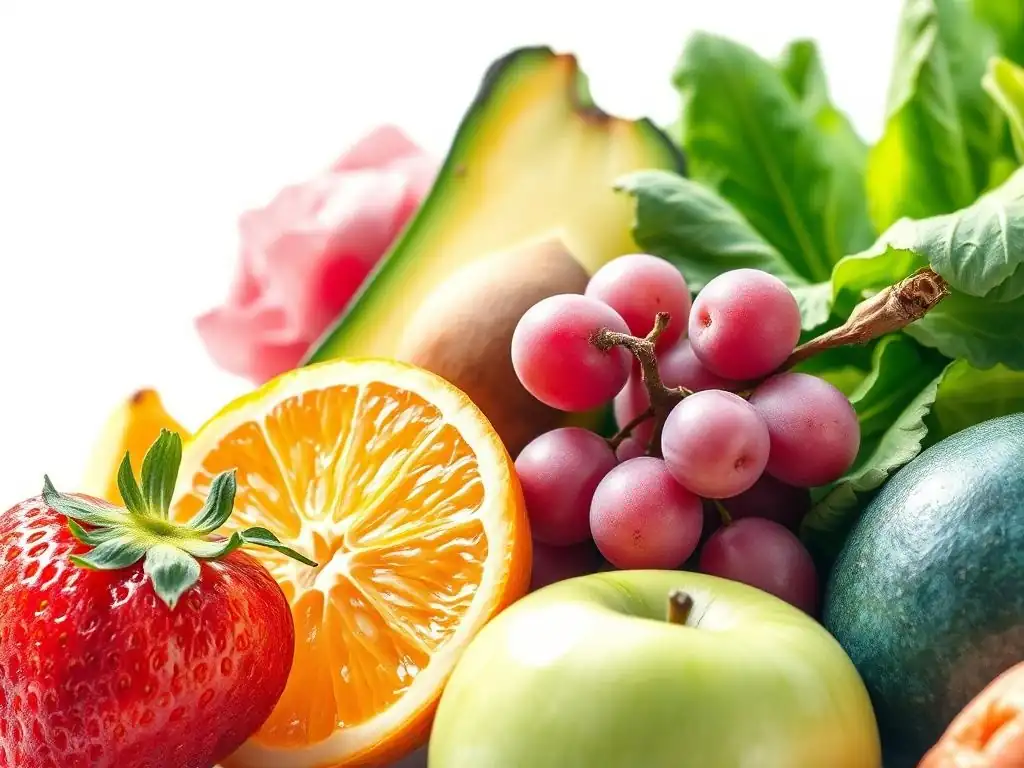
Feeding your feathered friend a varied diet of fresh fruits and vegetables is crucial for boosting their immunity and overall health. However, it's equally important to understand the potential risks involved and take necessary precautions to ensure their safety. Not all fruits and vegetables are created equal when it comes to avian nutrition, and some can be downright toxic. Careful selection and preparation are key to maximizing the benefits while minimizing the dangers.
Remember, even the "best fruits for bird immunity" can cause problems if not introduced properly. Always consult with an avian veterinarian before making significant changes to your bird's diet, especially if they have pre-existing health conditions. A gradual introduction of new foods is always recommended.
Toxic Fruits and Vegetables for Birds: A Complete List
Some fruits and vegetables are simply unsuitable for birds and can cause serious health problems, even death. It's vital to avoid these completely. This list isn't exhaustive, and new research continues to refine our understanding of avian toxicology. Always err on the side of caution.
| Fruit/Vegetable | Toxicity Level | Symptoms | Notes |
|---|---|---|---|
| Avocado | High | Vomiting, diarrhea, respiratory distress | Contains persin, a toxin harmful to birds. |
| Onions and Garlic | High | Anemia, digestive upset, damage to red blood cells | Even small amounts can be problematic. |
| Rhubarb | High | Kidney failure, digestive problems | Contains oxalates, which are toxic to birds. |
| Chocolate | High | Cardiac arrhythmias, seizures, death | Contains theobromine, a stimulant toxic to birds. |
| Caffeine (coffee, tea) | High | Increased heart rate, tremors, restlessness | Avoid all caffeinated beverages and products. |
| Raw potatoes | Moderate | Digestive upset | Contains solanine, a toxin that can cause illness. Cooked potatoes are safer. |
| Apricot pits | Moderate | Cyanide poisoning | Contains cyanogenic glycosides. |
| Cherry pits | Moderate | Cyanide poisoning | Contains cyanogenic glycosides. |
| Unripe or spoiled produce | Moderate | Digestive upset, vomiting, diarrhea | Avoid any produce that is moldy, bruised, or otherwise damaged. |
Remember to always thoroughly wash all fruits and vegetables before serving them to your bird. Removing any seeds or pits is also crucial, as these can be particularly hazardous. The best approach is to stick to a list of known safe options and introduce new foods cautiously.
Recognizing Signs of Food Allergies or Sensitivities in Birds
Even with careful selection, some birds may develop allergies or sensitivities to certain fruits and vegetables. Recognizing the signs is crucial for their well-being. Symptoms can vary, but some common indicators include:
- Digestive issues: Diarrhea, vomiting, changes in stool consistency or frequency.
- Respiratory problems: Wheezing, sneezing, coughing, difficulty breathing.
- Skin irritation: Itching, feather plucking, scaly skin.
- Lethargy: Unusual sleepiness, lack of energy.
- Behavioral changes: Restlessness, changes in appetite, aggression.
If you observe any of these symptoms after introducing a new food, immediately remove it from your bird's diet and contact your avian veterinarian. Early diagnosis and intervention are essential to prevent further complications. Keeping a detailed food diary can be incredibly helpful in identifying potential allergens. This diary should include not only what you fed your bird, but also the quantities and any observed reactions.
Accurate record-keeping is an invaluable tool in managing your bird's dietary needs and ensuring their continued health. Remember, a proactive approach to your bird's diet is the best way to ensure they receive the optimal nutrition for a long and healthy life. Choosing the best fruits for bird immunity requires careful consideration and a commitment to their overall well-being. 🐦
Monitoring Your Bird's Health and Immune Response
Maintaining a bird's optimal health is crucial for a robust immune system. Regular monitoring allows for early detection of potential problems, enabling timely intervention and preventing serious illness. This proactive approach is key to ensuring your feathered friend thrives. Understanding your bird's baseline health is the first step to recognizing any deviations that might indicate a weakened immune system. This section will focus on practical strategies for monitoring your bird's health and identifying signs of immune compromise. Remember, early intervention is critical in avian health.
Tracking Your Bird's Weight and Energy Levels
Consistent weight monitoring is a simple yet powerful tool for assessing your bird's overall health. A sudden or gradual weight loss can be an early warning sign of illness, including those impacting the immune system. Weigh your bird weekly using a gram scale, ideally at the same time of day. Record these measurements in a journal or spreadsheet to track trends. A healthy bird will maintain a consistent weight within a narrow range. Significant fluctuations warrant a visit to an avian veterinarian.
Beyond weight, observe your bird's energy levels. A lethargic bird, exhibiting decreased activity, a lack of interest in toys or interaction, or changes in vocalizations, could be displaying symptoms of illness. These changes, coupled with weight loss, can indicate a compromised immune system. Pay close attention to subtle shifts in behavior. A bird that's usually playful and active suddenly becoming quiet and withdrawn requires careful observation and potentially veterinary attention.
Consulting an Avian Veterinarian for Personalized Dietary Advice
While providing fresh fruits and vegetables is vital for boosting your bird's immunity, it’s crucial to remember that every bird is unique. Their nutritional needs vary depending on species, age, and overall health. An avian veterinarian can conduct a thorough examination and provide personalized dietary recommendations. They can assess your bird's current diet, identify any nutritional deficiencies, and advise on the best types and quantities of fruits and vegetables to include.
Moreover, they can rule out underlying health conditions that might be suppressing your bird's immune system, providing a complete picture of your bird's wellbeing. Don't hesitate to seek professional guidance; it's an investment in your bird's long-term health and happiness. Regular check-ups are a proactive measure to ensure optimal bird health and early detection of any issues.
Supplementing with Probiotics and Other Immune Boosters (when necessary)
While a balanced diet rich in fresh fruits and vegetables is the cornerstone of a strong immune system, in some cases, supplementary support may be beneficial. Probiotics, for instance, can help maintain a healthy gut microbiome, which plays a significant role in immune function. However, it’s crucial to consult your avian veterinarian before introducing any supplements. They can assess your bird's individual needs and determine if supplementation is necessary and, if so, recommend appropriate products and dosages.
Improper supplementation can be harmful, so always prioritize professional guidance. Over-supplementation can disrupt the delicate balance of your bird's internal systems, potentially leading to adverse effects. Remember, prevention is key; maintaining a healthy diet is the primary method of supporting your bird’s immune system. Supplements should be considered only under veterinary guidance and as a supporting measure, not a replacement for a proper diet.
Frequently Asked Questions
What are the best fruits for boosting a bird's immunity?
Fruits rich in vitamin C and antioxidants are excellent for bird immunity. Berries (blueberries, raspberries, strawberries), apples, and papaya are great choices. Remember to always offer fruits in moderation.
How often should I give my bird fruit?
Fruit should be offered as a small part of a balanced diet, not the main component. A good guideline is 1-2 times a week, depending on your bird's species and overall diet.
Are all fruits safe for birds?
No, some fruits are toxic to birds. Avoid avocados, grapes, and cherries, as these can be harmful. Always research the specific needs of your bird species.
What other foods contribute to a bird's immune system?
Besides fruits, a balanced diet including vegetables, seeds, and pellets is crucial. Ensure your bird receives adequate protein and essential nutrients.
My bird is sick. Should I only feed it fruit?
No. Never rely on fruit alone to treat illness. If your bird is sick, consult an avian veterinarian immediately for proper diagnosis and treatment. They can advise on a suitable diet during recovery.
Final Reflection: Nurturing Avian Wellness Through Nature's Bounty
The vibrant health of our feathered friends is intrinsically linked to the nourishment they receive, and providing a diet rich in fresh fruits and vegetables is a powerful, readily accessible tool in bolstering their immunity. A simple shift in dietary choices can significantly impact their resilience against illness, contributing to longer, happier lives for our beloved birds.
The impact of a balanced diet extends far beyond simply preventing disease; it influences the overall vitality and vibrancy of our birds, enriching their lives and strengthening the bond we share. The best mirror is an old friend.
This holds true for our avian companions; their health reflects the care we provide, and a diet rich in nature's goodness mirrors our commitment to their well-being. Observing the positive changes in their energy levels, feather quality, and overall demeanor is a deeply rewarding experience.
Now, consider your own bird. What small changes can you make today to enhance their diet? Perhaps introducing a new, immunity-boosting fruit or vegetable, or simply increasing the variety of fresh produce they receive. Remember, every small step contributes to a healthier, happier life for your feathered friend. Let's work together to ensure our birds thrive, not just survive, by embracing the power of nature's pharmacy.
Unlock Your Feathered Friend's Inner Vitality!
Thank you for learning about boosting your bird's immunity with fresh fruits and vegetables! We hope you found the information helpful and inspiring. Now, let's put that knowledge into practice. Here's how you can make a real difference today:
- Introduce a new fruit or vegetable to your bird's diet this week. Start with small amounts and monitor their reaction. You might discover their new favorite healthy treat!
- Share this article with other bird lovers – let's spread the word about naturally boosting bird immunity!
- Consider joining our online community forum to discuss your bird's diet and share tips with other pet owners. You might discover some surprising new ideas!
What's one new fruit or vegetable you're excited to try with your feathered friend? Let's discuss in the comments below!