
Common Mistakes to Avoid When Feeding Your Dog a Raw Diet

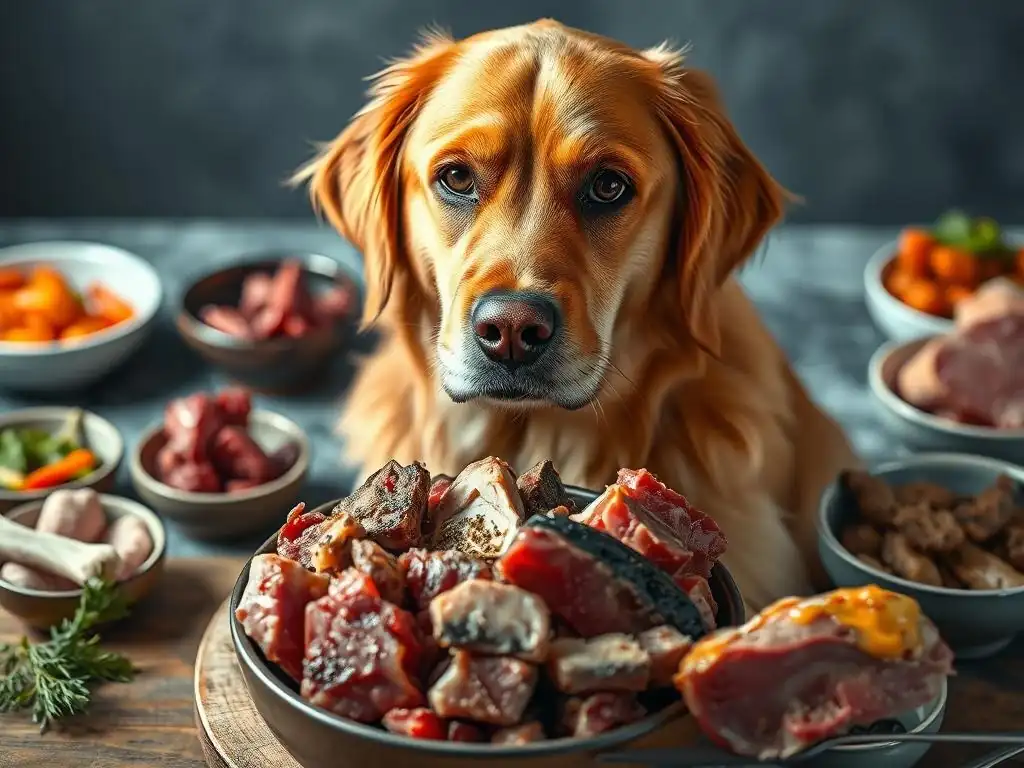
Welcome to PetCareWorld, your ultimate guide to a happier, healthier life for your beloved companion! Are you considering a raw food diet for your canine friend? Then understanding the common mistakes to avoid when feeding your dog raw food is crucial. Discover expert insights and practical tips to ensure your furry friend thrives on this nutritional approach. Dive in and unlock the secrets to successful raw dog food feeding!
- Understanding the Risks of Improper Raw Dog Food Feeding
- Selecting Safe and Appropriate Raw Dog Food Ingredients
- Proper Preparation and Handling of Raw Dog Food
- Monitoring Your Dog's Health on a Raw Food Diet
- Addressing Common Concerns About Raw Dog Food Feeding
- Transitioning Your Dog to a Raw Food Diet Safely
- Supplementing a Raw Dog Food Diet Correctly
- Long-Term Health Considerations for Dogs on Raw Diets
-
Frequently Asked Questions
- What are the biggest risks associated with feeding my dog a raw diet?
- How do I ensure my dog gets all the necessary nutrients on a raw diet?
- My dog seems to be rejecting the raw food. What should I do?
- Are there specific safety precautions I should take when handling raw dog food?
- How often should I feed my dog a raw diet?
- Final Reflection: Navigating the Raw Food Path: A Journey of Responsible Pet Ownership
- Unlock Your Dog's Health Potential: Take the Next Steps!
Understanding the Risks of Improper Raw Dog Food Feeding
Feeding your dog a raw food diet can offer potential benefits, such as improved digestion and a shinier coat. However, transitioning to a raw diet requires meticulous planning and execution to avoid serious health risks. Many well-intentioned pet owners unknowingly make mistakes that can compromise their dog's health and well-being. This comprehensive guide will illuminate common pitfalls associated with raw dog food feeding, providing you with the knowledge to make informed decisions and ensure your canine companion thrives on this dietary approach. We'll cover crucial aspects from maintaining nutritional balance to preventing bacterial contamination and parasitic infestations. Understanding these potential problems is paramount to successfully implementing a safe and effective raw food diet for your beloved dog. Remember, a poorly managed raw diet can be far more detrimental than a well-balanced commercial option. Let's delve into the specifics to ensure your dog receives the optimal nutrition while minimizing inherent risks.
Nutritional Imbalances in Homemade Raw Dog Food Diets
Crafting a balanced homemade raw food diet for your dog is significantly more challenging than it appears. Unlike commercial raw food diets, which undergo rigorous quality control and nutritional analysis, homemade diets are prone to nutritional imbalances. Dogs have specific nutritional requirements; deficiencies or excesses can lead to various health problems. For example, a diet lacking sufficient calcium can result in skeletal deformities, while an excess of certain vitamins can be toxic.
To avoid nutritional imbalances, you must understand your dog's specific needs based on age, breed, activity level, and health conditions. This often requires consulting with a veterinary nutritionist who can help you formulate a diet that meets all the necessary requirements. Simply mimicking a recipe found online without professional guidance is risky. You need to consider the precise ratios of protein, fat, carbohydrates, vitamins, and minerals.
Failing to do so can result in deficiencies that manifest in a variety of ways, from lethargy and weight loss to skin problems and weakened immunity. A detailed analysis of your dog's current condition and future needs is crucial before embarking on a homemade raw diet. Remember, precision is key to success.
Bacterial Contamination in Raw Dog Food: A Major Concern
Raw meat, the cornerstone of a raw food diet, poses a significant risk of bacterial contamination. Bacteria such as Salmonella, E. coli, and Listeria can be present in raw meat and can easily contaminate other ingredients in your dog's food. These bacteria can cause serious illness in both dogs and humans, leading to symptoms ranging from mild gastrointestinal upset to life-threatening infections.
Proper handling and preparation are crucial to minimizing this risk. Thorough handwashing before and after handling raw food is paramount. Using separate cutting boards and utensils for raw meat and other ingredients is also essential. Storing raw food properly, at a temperature below 40°F (4°C), is vital to prevent bacterial growth.
Furthermore, ensuring the source of your raw ingredients is reputable and adheres to strict safety standards is also critical. Ignoring these precautions can lead to severe health consequences for both your dog and your family. The risk of cross-contamination is real and should not be underestimated. The health and safety of your pet and family depend on meticulous hygiene practices.
Avoiding Parasites in Raw Food Dog Food Ingredients
Raw meat and other raw ingredients can harbor various parasites, including worms and protozoa. These parasites can cause significant health problems in dogs, ranging from mild gastrointestinal issues to severe, even life-threatening infections. Some parasites can even be zoonotic, meaning they can transmit to humans.
To mitigate this risk, it’s crucial to source your raw ingredients from reputable suppliers who adhere to strict parasite control protocols. Freezing the raw meat for a specific period can help kill many parasites, but it's not a foolproof method. Furthermore, regularly checking your dog for signs of parasitic infection, such as weight loss, diarrhea, or vomiting, is vital. Prompt veterinary intervention is necessary if you suspect your dog has a parasitic infection.
Regular fecal examinations are recommended for dogs on a raw food diet to monitor for parasites. Remember, prevention is always better than cure when it comes to parasitic infections. Ignoring this aspect can have serious implications for your dog’s health.
Selecting Safe and Appropriate Raw Dog Food Ingredients
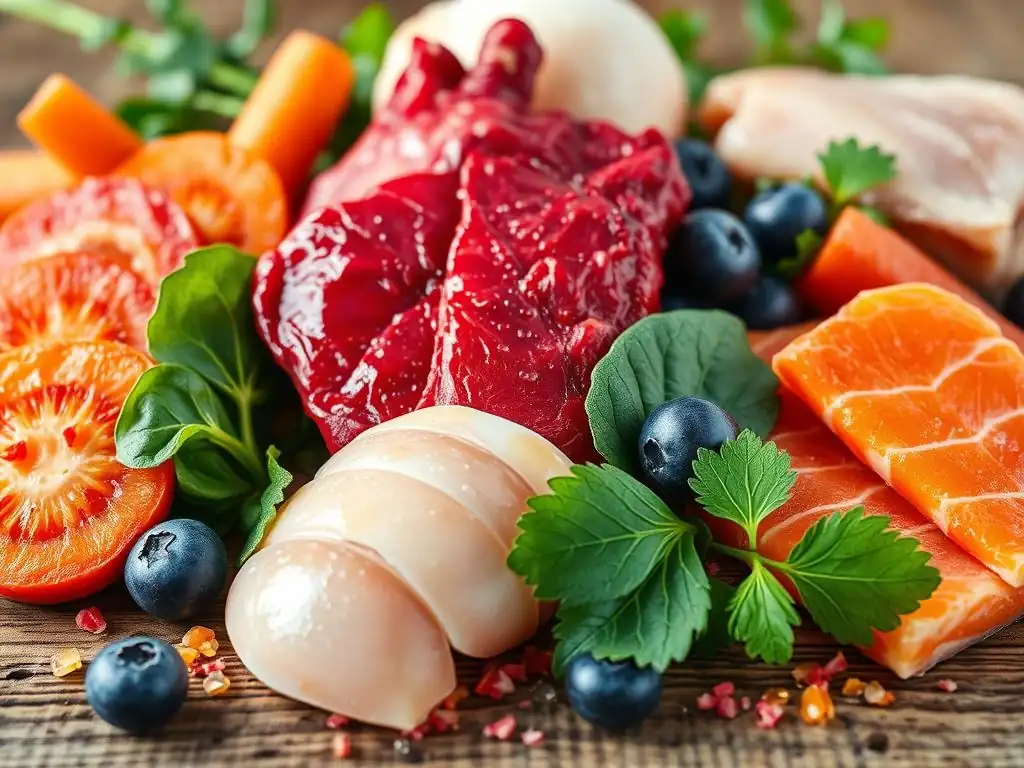
Transitioning your dog to a raw food diet requires meticulous attention to detail, especially when it comes to ingredient selection. Failing to prioritize safety and appropriateness can lead to serious health consequences for your canine companion. Avoiding common mistakes in this crucial aspect of raw feeding is paramount to ensuring your dog thrives on this dietary approach. This section will delve into the specifics of choosing the right ingredients, emphasizing safety and nutritional balance. Understanding these nuances is key to successfully implementing a raw dog food diet for your pet. Let's explore the essential components:
Sourcing High-Quality Raw Meat for Your Canine Companion
The cornerstone of a raw dog food diet is high-quality meat. This isn't simply about buying the cheapest cuts; it's about sourcing meat that's safe, nutritious, and free from harmful contaminants. Prioritizing ethically sourced, human-grade meat whenever possible is crucial. This means understanding where the meat comes from, how the animals were raised, and what practices were used in processing.
Several factors contribute to the quality of raw meat for dogs. For example, grass-fed beef generally contains higher levels of beneficial omega-3 fatty acids compared to grain-fed beef. Similarly, wild-caught fish offer a different nutritional profile than farm-raised fish. However, always ensure that any fish you use is safe for consumption by humans, as you would for yourself. Remember, the goal is to provide your dog with the best possible nutrition, and that starts with the highest-quality ingredients. Consider the following checklist when selecting your meats:
- [ ] Source Verification: Know where your meat comes from. Local butchers or farms often offer greater transparency.
- [ ] Inspection Records: Inquire about any available inspection reports to ensure the meat meets safety standards.
- [ ] Freezing Protocols: Proper freezing is crucial to eliminate pathogens. Ensure the meat has been frozen appropriately.
- [ ] Variety: Offer a variety of meats, including muscle meat, organ meat, and bone to create a balanced diet.
Choosing Safe and Nutritious Raw Vegetables and Fruits for Dogs
While meat forms the foundation of a raw dog food diet, incorporating a variety of safe and nutritious vegetables and fruits can enhance its nutritional value and provide additional benefits. However, not all produce is suitable for canine consumption. Some fruits and vegetables contain substances that can be toxic to dogs. Thorough research and careful selection are essential.
Here's a list of some vegetables and fruits generally considered safe for dogs in moderation:
| Vegetable/Fruit | Benefits | Cautions |
|---|---|---|
| Carrots | Rich in beta-carotene, fiber | Introduce gradually to avoid digestive upset. |
| Green beans | Good source of fiber and vitamins | Should be cooked or lightly steamed. |
| Broccoli (small amounts) | Contains vitamins C and K | Can cause gas in large quantities. |
| Apples (without core/seeds) | Source of fiber and vitamins | Remove seeds and core, which contain cyanide. |
| Blueberries | Antioxidants | Moderate consumption is recommended. |
Remember to always wash all produce thoroughly before feeding it to your dog. Introduce new fruits and vegetables gradually to monitor for any adverse reactions. Avoid feeding your dog grapes, raisins, onions, garlic, avocados, or chocolate, as these are toxic to dogs.
The Importance of Balanced Macronutrient and Micronutrient Ratios in Raw Dog Food
Achieving a balanced macronutrient and micronutrient ratio is crucial for the success of a raw dog food diet. An imbalance can lead to nutritional deficiencies or excesses, negatively impacting your dog's health. This requires careful planning and potentially the guidance of a veterinary nutritionist.
Macronutrients (proteins, fats, and carbohydrates) provide energy and building blocks for the body. Micronutrients (vitamins and minerals) are essential for various bodily functions. The correct ratio of these nutrients depends on various factors including your dog's age, activity level, and breed. A deficiency in any of these nutrients can lead to health problems. For example, a deficiency in calcium can lead to bone problems, while a deficiency in vitamin A can lead to vision problems. Conversely, an excess of certain nutrients can also be harmful.
The optimal balance can be complex, often requiring the use of specialized calculators or consultations with veterinary nutritionists to ensure your dog receives the right amount of each nutrient. There are many online resources available, but always consult a professional to tailor a diet to your dog's specific needs and health status. Don't hesitate to seek professional help if you're unsure about the nutritional balance of your dog's raw food diet. The health and well-being of your dog depend on it. 🐾
Proper Preparation and Handling of Raw Dog Food
Feeding your dog a raw diet offers potential health benefits, but improper preparation and handling can introduce significant risks. Understanding and meticulously following safe practices is paramount to prevent foodborne illnesses in both you and your canine companion. This section details crucial steps to ensure the safety and efficacy of your dog's raw food regimen. Mastering these techniques is vital for minimizing the risks associated with "raw dog food feeding mistakes."
Safe Thawing and Handling Procedures for Raw Dog Food
Thawing raw dog food requires careful attention to prevent bacterial growth. Never thaw raw food at room temperature. The safest methods are:
- Refrigerator Thawing: This is the preferred method. Transfer frozen raw food to the refrigerator 24-48 hours before feeding, allowing it to thaw completely. This slow thaw minimizes bacterial proliferation.
- Cold Water Thawing: Place the sealed package of frozen raw food in a leak-proof container or bag submerged in cold water. Change the water every 30 minutes to maintain a consistently cold temperature. This method is faster than refrigerator thawing but still requires careful monitoring.
- Microwave Thawing (Use with Caution): Microwaving can create hot spots, leading to uneven thawing and potential bacterial growth. If using this method, ensure the food is thoroughly cooked to a safe internal temperature immediately after thawing. This method is generally not recommended due to the increased risk of uneven thawing.
Always wash your hands thoroughly with warm water and soap before and after handling raw food. Use separate cutting boards and utensils for raw dog food to prevent cross-contamination with food intended for human consumption. Dispose of any used packaging and cleaning materials immediately and properly. Remember, diligence is key in preventing "raw dog food feeding mistakes" related to thawing and handling.
Preventing Cross-Contamination in Food Preparation
Cross-contamination is a major concern when handling raw meat. Bacteria from raw food can easily transfer to other surfaces, utensils, and even your hands. Following these steps diligently will significantly reduce the risk:
- Dedicated Surfaces: Use separate cutting boards, knives, and bowls specifically for preparing raw dog food. Avoid using these items for preparing human food.
- Thorough Cleaning: Wash all surfaces, utensils, and your hands thoroughly with hot, soapy water after each use. Consider using a food-safe disinfectant to eliminate any lingering bacteria.
- Prevent Spillage: When handling raw food, take precautions to prevent spills and splashes. Clean up any spills immediately and thoroughly.
- Pet Hygiene: Keep your dog away from the preparation area to prevent accidental ingestion of raw food scraps or bacteria.
Failing to prevent cross-contamination can lead to serious health problems for both you and your pet. This is a crucial aspect of avoiding "raw dog food feeding mistakes" and ensuring a safe and healthy raw food diet for your dog. Remember, prevention is always better than cure.
Proper Storage of Raw Dog Food to Maintain Freshness and Safety
Once thawed, raw dog food should not be left at room temperature for more than two hours. Proper storage is crucial for maintaining freshness and preventing bacterial growth. Here's how:
| Storage Method | Duration | Notes |
|---|---|---|
| Refrigerator | 2-3 days (thawed); several months (frozen) | Use airtight containers or sealable bags. |
| Freezer | Several months to a year | Properly label and date packages for easy tracking and inventory management. |
Always ensure the raw food is stored at the correct temperature. A refrigerator should be maintained at 40°F (4°C) or below, and a freezer should be maintained at 0°F (-18°C) or below. Regularly check the temperature of your refrigerator and freezer to ensure they are functioning properly. Discard any raw food that shows signs of spoilage, such as unusual odor, discoloration, or slime. Careful storage is a critical component of minimizing "raw dog food feeding mistakes" and maintaining a healthy raw food diet. Proper food safety practices are paramount for both your dog's health and your own.
Monitoring Your Dog's Health on a Raw Food Diet
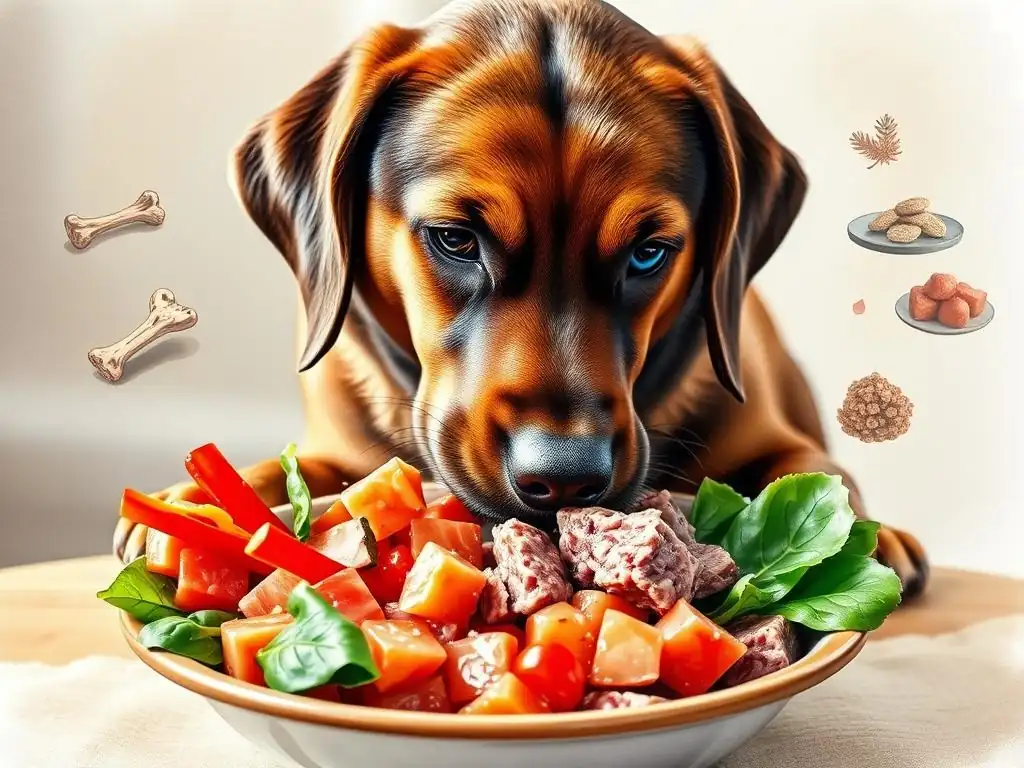
Transitioning your dog to a raw food diet requires diligent monitoring to ensure its nutritional needs are met and potential problems are addressed promptly. This isn't just about avoiding common raw dog food feeding mistakes; it's about proactively safeguarding your canine companion's well-being. Careful observation and regular veterinary check-ups are paramount for the success of this dietary approach. Remember, a well-planned raw diet can offer numerous benefits, but only with consistent attention to detail.
Recognizing Signs of Nutritional Deficiencies in Raw-Fed Dogs
Nutritional deficiencies can manifest in various ways, subtly at first, then becoming more pronounced if left unchecked. Early detection is key to mitigating potential long-term health issues. Here are some common signs to watch out for in dogs fed a raw diet:
- Dull coat: A lackluster, dry, or patchy coat can indicate deficiencies in essential fatty acids, vitamins, or minerals. A healthy dog on a properly balanced raw diet should have a shiny, vibrant coat.
- Weight loss or gain: Unexpected weight fluctuations, whether significant loss or unexplained gain, warrant attention. This could point to imbalances in caloric intake or specific nutrient deficiencies.
- Lethargy and fatigue: Unusual tiredness or lack of energy can be a symptom of various health problems, including nutritional deficiencies. A vibrant, playful dog is a healthy dog.
- Poor appetite: Changes in appetite, either increased or decreased, should be investigated. This could signal a problem with the diet's palatability or a deeper underlying issue.
- Digestive upset: While some digestive adjustments are normal during the transition phase, persistent diarrhea, vomiting, or constipation could indicate a problem with the balance of the raw food diet.
- Behavioral changes: Changes in behavior, such as increased aggression, anxiety, or depression, may be less obvious signs but can still be linked to nutritional deficiencies affecting brain function.
It's crucial to remember that these symptoms aren't exclusive to nutritional deficiencies; they can be caused by other health issues. Therefore, a thorough veterinary examination is essential for accurate diagnosis. Maintaining detailed records of your dog's food intake and any observed symptoms can be invaluable for your veterinarian.
Identifying Potential Allergic Reactions to Raw Food Ingredients
Even with careful planning, allergic reactions to raw food ingredients are possible. Dogs, like humans, can develop sensitivities to various proteins and other components found in raw food diets. Recognizing the signs of an allergic reaction is critical for prompt intervention.
Common symptoms of allergic reactions include:
- Itching and skin rashes: Persistent itching, redness, and skin inflammation are classic signs of an allergic reaction. You might notice your dog excessively licking or scratching.
- Gastrointestinal distress: This can manifest as vomiting, diarrhea, or abdominal pain. The severity can range from mild discomfort to severe illness.
- Respiratory problems: In severe cases, allergic reactions can affect the respiratory system, causing coughing, sneezing, or difficulty breathing. This requires immediate veterinary attention.
- Swollen paws or face: Facial swelling or swelling of the paws are serious signs of a potential allergic reaction and need immediate veterinary attention.
If you suspect an allergic reaction, immediately remove the suspected allergen from your dog's diet and consult your veterinarian. They can perform tests to identify the specific allergen and recommend appropriate management strategies. This might involve switching to a hypoallergenic raw food formula or eliminating certain ingredients permanently. Careful ingredient selection and rotating protein sources can help minimize the risk of developing allergies.
Regular Veterinary Check-ups for Dogs on Raw Diets: Essential Monitoring
Regular veterinary check-ups are not optional when feeding your dog a raw diet; they are absolutely essential. These visits allow your veterinarian to monitor your dog's overall health, assess the effectiveness of the diet, and detect any potential problems early on. This proactive approach is crucial for preventing serious health complications and ensuring your dog thrives on its raw food regimen.
During these check-ups, your veterinarian will:
- Monitor weight and body condition: Assessing your dog's weight and body condition helps ensure the diet is providing adequate nutrition and energy.
- Conduct physical examinations: A thorough physical exam allows for the early detection of any abnormalities or health issues.
- Run blood tests: Blood tests can reveal deficiencies in essential vitamins and minerals, as well as detect any underlying health problems.
- Analyze stool samples: Stool analysis can assess digestive health and identify any parasitic infections.
- Discuss dietary concerns: Your veterinarian can provide guidance on adjusting the diet based on your dog's individual needs and any observed health issues.
The frequency of these check-ups will depend on your dog's age, health status, and the specific needs of your raw feeding plan. However, at a minimum, annual check-ups are recommended, with more frequent visits if any concerns arise. Remember, proactive veterinary care is an integral part of successfully managing your dog's health on a raw food diet. Don't hesitate to seek professional guidance; your veterinarian is your best resource for ensuring your dog receives optimal nutrition and care.
Addressing Common Concerns About Raw Dog Food Feeding
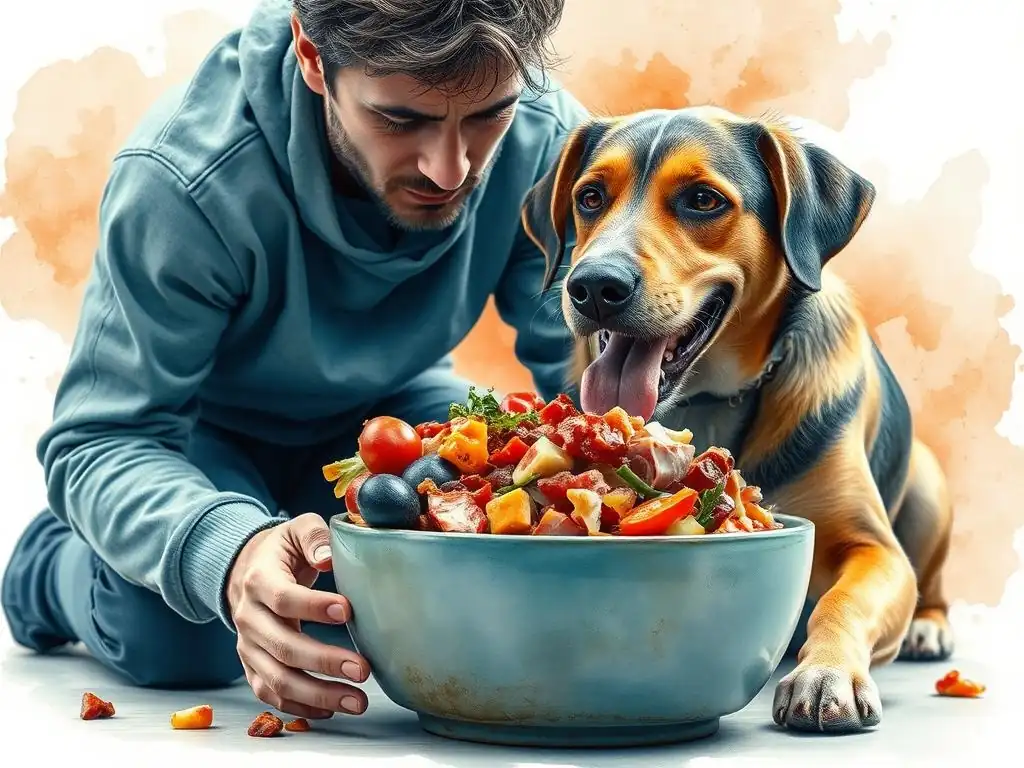
Raw dog food diets, while increasingly popular, often raise concerns among pet owners. This section addresses some of the most prevalent anxieties surrounding this feeding approach, offering evidence-based insights to help you make informed decisions about your canine companion's nutrition. Understanding these concerns is crucial for successfully implementing a raw food diet and maximizing its potential benefits. Successfully navigating these concerns will help ensure your dog receives optimal nutrition and avoids potential pitfalls. The key is careful planning and execution, prioritizing safety and nutritional balance.
Addressing Myths and Misconceptions about Raw Food Diets
Many misconceptions surround raw dog food diets. One common myth is that raw food automatically equates to a "balanced" diet. This is false. A balanced raw diet requires careful planning and sourcing of ingredients to meet your dog's specific nutritional needs. Simply feeding raw meat is insufficient; it's crucial to incorporate organ meats, bones, and vegetables in appropriate proportions to provide a complete and balanced nutritional profile. Failure to do so can lead to nutritional deficiencies, impacting your dog's health and well-being.
Another misconception is that raw food is inherently safer than commercially prepared food. While properly handled raw food can be safe, the risk of bacterial contamination is undeniably higher. Thorough hygiene practices are paramount, including proper food storage, preparation, and handwashing. Ignoring these precautions significantly increases the risk of bacterial infections like Salmonella and E. coli for both your dog and you. Careful sourcing of high-quality ingredients from reputable suppliers is also crucial in minimizing this risk.
A significant fear surrounding raw dog food diets is the potential for parasitic infections. While this is a valid concern, it is largely mitigated by sourcing meat from reputable suppliers who adhere to strict safety standards. Freezing the raw meat prior to feeding can also help kill many parasites. Regular veterinary checkups are essential to monitor your dog's health and quickly address any potential issues. Early detection and treatment are key to preventing serious complications.
Another common fear revolves around the potential for nutritional imbalances. As mentioned previously, a well-planned raw diet should include a variety of ingredients to ensure complete nutrition. However, without careful planning and potentially professional guidance (such as from a veterinary nutritionist), deficiencies can occur. This necessitates a thorough understanding of canine nutritional requirements and the careful calculation of nutrient levels in each meal. Ignoring this aspect can lead to serious health consequences. Consider consulting a veterinary nutritionist for personalized guidance, especially if your dog has specific dietary needs or health conditions.
Comparing Raw Food Diets with Commercially Prepared Dog Food Options
Choosing between a raw food diet and commercially prepared dog food involves weighing various factors. Commercially prepared foods offer convenience and often undergo rigorous quality control, reducing the risk of contamination. However, many commercially prepared foods contain fillers, artificial ingredients, and potentially excessive carbohydrates. These factors can negatively impact your dog's long-term health.
Raw food diets, when properly managed, offer the potential for greater control over ingredient quality and nutrient content. This can be beneficial for dogs with allergies or specific dietary requirements. However, raw feeding requires significantly more time and effort in terms of sourcing, preparing, and storing food. The increased risk of bacterial contamination also necessitates meticulous hygiene practices.
The cost can also be higher, depending on the quality and sourcing of ingredients. Ultimately, the best choice depends on your dog's individual needs, your lifestyle, and your willingness to invest the time and effort required for responsible raw feeding. A detailed comparison of the nutritional profiles of different options is crucial to making an informed decision.
Transitioning Your Dog to a Raw Food Diet Safely
Switching your dog to a raw food diet requires careful planning and execution to avoid potential health problems. A sudden change can lead to digestive upset, nutrient deficiencies, or even bacterial infections. Therefore, a gradual transition is crucial for a smooth and successful shift to a raw diet. This minimizes the risk of adverse reactions and allows your dog's digestive system to adapt to the new food. Successfully transitioning your canine companion to a raw food diet hinges on understanding the process and prioritizing their well-being. This involves careful planning, monitoring, and, importantly, veterinary consultation.
A Gradual Transition Plan to Minimize Digestive Upset
A slow and steady approach is key when introducing raw food. Instead of an immediate switch, gradually incorporate raw food into your dog's existing diet over a period of several weeks. A common method involves a 7-10 day transition period. Begin by mixing a small percentage (around 10-20%) of raw food with your dog's current kibble or canned food. Observe your dog closely for any signs of digestive distress like vomiting, diarrhea, or changes in stool consistency.
Over the following days, gradually increase the proportion of raw food while decreasing the amount of their regular food. Increase the percentage by roughly 10-20% every 2-3 days until your dog is consuming 100% raw food. This allows their digestive system to adapt gradually to the change in diet. Remember to maintain a consistent feeding schedule throughout the transition.
Here's a sample transition schedule:
| Day | Percentage of Raw Food | Percentage of Kibble/Canned Food | Notes |
|---|---|---|---|
| 1-3 | 10-20% | 80-90% | Monitor for any digestive issues. |
| 4-6 | 30-40% | 60-70% | Continue monitoring closely. |
| 7-10 | 50-60% | 40-50% | Increase raw food if no issues observed. |
| 11-14 | 70-80% | 20-30% | Almost fully transitioned. |
| 15 onwards | 100% | 0% | Fully transitioned to raw food diet. |
Remember, this is just a guideline. Adjust the schedule based on your dog's individual needs and response. If you notice any digestive upset, slow down the transition process or consult your veterinarian.
Monitoring Your Dog's Response During the Transition Period
Careful observation is vital throughout the transition. Monitor your dog's stool for consistency, color, and frequency. Changes in bowel movements, such as diarrhea or constipation, can indicate a problem. Also, pay close attention to your dog's appetite, energy levels, and overall behavior. Any significant changes should be reported to your veterinarian immediately. A healthy transition should be marked by consistent energy, regular bowel movements, and a shiny coat. Any deviation from this warrants further investigation. Keep a detailed record of your dog's food intake and any observed changes. This will help your veterinarian diagnose any potential issues.
Consulting with a Veterinarian Before Switching to Raw Food
Before making any significant dietary changes, consulting with your veterinarian is crucial. They can assess your dog's overall health, discuss potential risks and benefits, and help you create a safe and balanced raw food diet plan tailored to your dog's specific needs, breed, age, and activity level. Your veterinarian can also address any concerns you may have about potential nutritional deficiencies or risks associated with raw food. They can help you choose appropriate sources of protein, fats, and other essential nutrients, ensuring that your dog receives a balanced and complete diet.
Ignoring this vital step could lead to serious health problems for your dog. A proactive approach to dietary changes, guided by your veterinarian, will help ensure your canine companion's health and well-being. Don't hesitate to ask questions and seek guidance; your veterinarian is your best resource for ensuring a successful and safe transition to raw dog food.
Supplementing a Raw Dog Food Diet Correctly
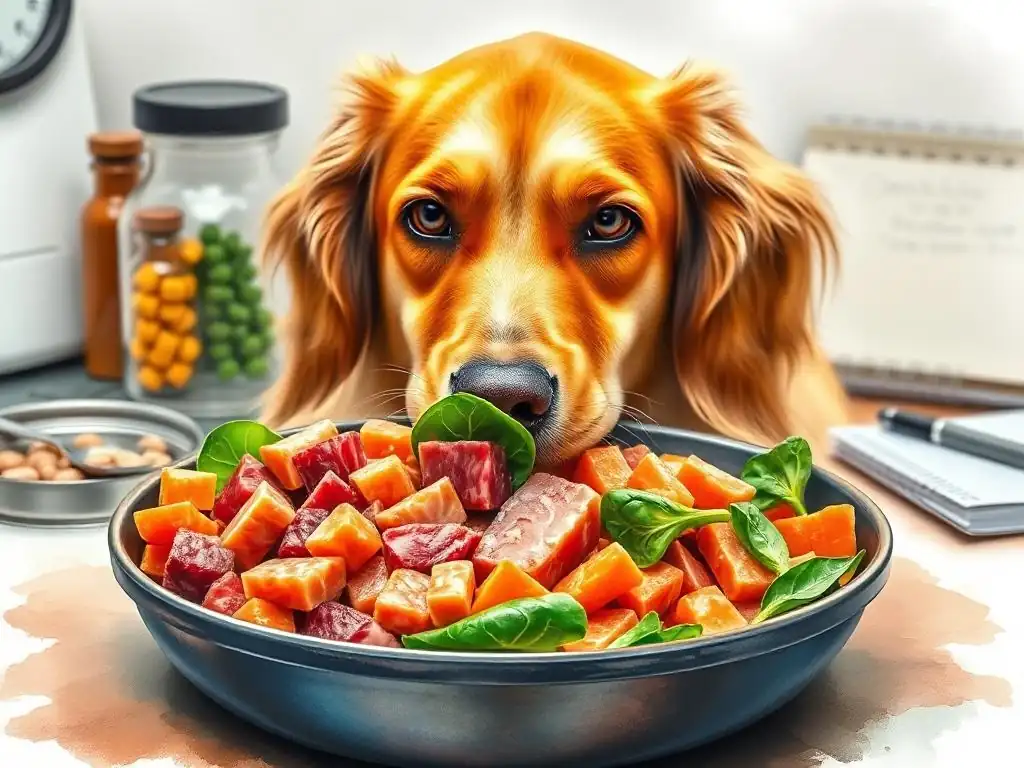
Switching your dog to a raw food diet requires careful planning and execution to ensure your canine companion receives all the necessary nutrients. While a properly balanced raw diet can provide many benefits, it's crucial to understand the importance of supplementation to prevent nutritional deficiencies. Many pet owners mistakenly believe that a raw diet alone provides everything a dog needs, leading to potential health issues down the line.
This section will delve into the specifics of correctly supplementing a raw dog food diet, focusing on essential supplements, avoiding over-supplementation, and understanding the role of probiotics and prebiotics. Mastering these aspects is key to successfully transitioning your dog to a raw food diet and maintaining their optimal health. Remember, the goal is to mimic a dog's natural diet as closely as possible, and that often requires careful consideration of supplementation.
Essential Supplements for Raw-Fed Dogs: A Comprehensive Guide
A well-balanced raw diet should ideally provide most nutrients your dog needs. However, certain deficiencies can occur, even with careful planning. Therefore, understanding which supplements are essential is crucial to avoid potential health problems associated with raw feeding. These supplements are not always necessary, but their inclusion can help ensure your dog's diet is complete and balanced.
- Calcium and Phosphorus: Maintaining the correct calcium-to-phosphorus ratio is paramount. An imbalance can lead to skeletal problems. The ideal ratio is generally considered to be around 1.2:1 to 1.5:1. Many raw food diets are deficient in calcium, so supplementation might be necessary. The exact amount will depend on the specific ingredients in your dog's diet and their individual needs. Consult with a veterinary nutritionist for personalized guidance.
- Vitamin D3: Essential for calcium absorption and bone health. While some foods contain Vitamin D3, supplementing might be beneficial, especially during the winter months when sunlight exposure is limited. Always choose a high-quality, pet-specific supplement.
- Vitamin E: A powerful antioxidant that supports the immune system and protects cells from damage. Many raw food diets are low in Vitamin E, making supplementation a wise precaution.
- Omega-3 Fatty Acids: Crucial for brain health, coat condition, and joint function. While fatty fish like salmon can provide Omega-3s, supplementation with fish oil or krill oil can ensure adequate intake. Look for supplements high in EPA and DHA.
- Taurine: Essential for heart and eye health. While many meats contain taurine, supplementation might be necessary, especially for certain breeds.
The following table summarizes the essential supplements and their potential benefits:
| Supplement | Key Benefits | Potential Deficiency Sources |
|---|---|---|
| Calcium & Phosphorus | Bone health, strong teeth, muscle function | Imbalance in raw food ingredients |
| Vitamin D3 | Calcium absorption, bone health | Limited sunlight exposure, insufficient dietary intake |
| Vitamin E | Antioxidant protection, immune support | Insufficient dietary intake |
| Omega-3 Fatty Acids | Brain health, coat condition, joint function | Insufficient intake of fatty fish in the raw food diet |
| Taurine | Heart and eye health | Certain raw food combinations might be deficient |
Remember, the necessity and dosage of supplements should always be determined in consultation with a veterinary nutritionist experienced in raw feeding. They can help you create a customized supplementation plan based on your dog's breed, age, activity level, and the specific ingredients in their raw food diet.
Avoiding Over-Supplementation in Raw Dog Food Regimens
While ensuring sufficient nutrient intake is crucial, over-supplementation can be just as harmful as deficiency. Too much of certain vitamins and minerals can lead to serious health problems. For instance, excessive Vitamin D can cause hypercalcemia (high blood calcium levels), and excessive Vitamin A can lead to liver damage. Therefore, careful monitoring and adherence to recommended dosages are critical.
Over-supplementation can also lead to digestive upset, including diarrhea and vomiting. Always start with a lower dose than recommended and gradually increase it as needed, carefully observing your dog for any adverse reactions. Remember that many commercially available raw food diets already include some supplements, so you need to factor that into your calculations to avoid accidental overdosing. Always check the labels of your raw food and supplements carefully before combining them.
Understanding the Role of Probiotics and Prebiotics in Raw Dog Food
Probiotics and prebiotics play a vital role in maintaining a healthy gut microbiome, which is crucial for digestion and overall health. A healthy gut supports nutrient absorption and strengthens the immune system. While a raw diet naturally contains some beneficial bacteria, adding probiotics and prebiotics can further enhance gut health.
- Probiotics: These are live microorganisms, similar to those found naturally in the gut. They help restore and maintain the balance of beneficial bacteria in the intestinal tract. Probiotic supplements come in various forms, including powders and capsules.
- Prebiotics: These are non-digestible food ingredients that act as fuel for beneficial bacteria in the gut, promoting their growth and activity. Many prebiotics are found in fiber-rich foods, but supplementation may be beneficial to ensure adequate intake.
Adding probiotics and prebiotics to a raw food diet can help improve digestion, reduce the risk of diarrhea, and boost the immune system. Always choose high-quality probiotic and prebiotic supplements specifically formulated for dogs. Consult your veterinarian or a veterinary nutritionist for guidance on appropriate dosage and selection. Introducing probiotics gradually is generally recommended to avoid digestive upset. Monitor your dog's stool consistency for any changes and adjust the dosage accordingly. A healthy, firm stool is a good indicator of a balanced gut microbiome.
Long-Term Health Considerations for Dogs on Raw Diets
Switching your dog to a raw food diet requires careful planning and ongoing monitoring to ensure its long-term health. While proponents tout numerous benefits, potential drawbacks must be addressed proactively. This section focuses on the crucial aspects of maintaining your dog's well-being over the lifespan while feeding a raw diet. Ignoring these considerations can lead to serious health problems down the line. Proper planning and diligent observation are key to mitigating risks and maximizing the potential rewards of raw feeding. Remember, responsible raw feeding means a commitment to your dog's health and well-being beyond just the immediate benefits.
Maintaining Optimal Bone and Joint Health in Raw-Fed Dogs
Maintaining optimal bone and joint health is paramount, especially in larger breeds prone to hip dysplasia and osteoarthritis. A balanced raw diet should include sufficient calcium and phosphorus in the correct ratio (approximately 1.2:1 to 1.5:1). An imbalance can lead to skeletal deformities. The type of bone included in the diet also matters.
Choosing bones that are appropriate for your dog's size and chewing ability is critical to avoid choking hazards and digestive upset. Over-supplementation of calcium can also be detrimental. Regular veterinary check-ups, including blood work to assess calcium and phosphorus levels, are essential to monitor bone health. Signs of bone or joint problems, like lameness, stiffness, or changes in gait, should be addressed immediately.
Remember, preventing issues is far easier and less costly than treating them later. Consult with your veterinarian or a veterinary nutritionist to create a personalized raw feeding plan that addresses your dog's specific breed, age, and activity level. This proactive approach is crucial for ensuring your dog enjoys a long and active life.
Preventing Dental Issues in Dogs Consuming Raw Food
While raw feeding can improve dental health by providing natural abrasion, it's crucial to avoid misconceptions. Raw bones, while beneficial for some dogs, aren't a guaranteed solution for preventing dental disease. The texture and size of the bones are critical. Large, hard bones can fracture teeth, while small, soft bones might not provide sufficient cleaning. Regular dental check-ups remain crucial. Plaque and tartar can still accumulate, leading to periodontal disease.
Consider incorporating dental chews and toys designed for raw-fed dogs to complement the benefits of bone chewing. Monitor your dog's teeth for any signs of damage, inflammation, or bad breath. Regular professional dental cleanings might still be necessary depending on your dog's individual needs. A holistic approach combining appropriate bone selection, dental chews, and regular veterinary care is the best way to maintain optimal dental health in raw-fed dogs. Don't rely solely on raw bones for complete dental care.
Addressing Potential Long-Term Health Challenges in Raw-Fed Dogs
Raw feeding, while potentially beneficial, isn't without potential long-term health risks. These risks are often associated with improper diet formulation and inadequate monitoring. Bacterial contamination is a significant concern. Careless handling and storage of raw food can lead to foodborne illnesses like Salmonella and E. coli, affecting both the dog and its owner. Nutrient deficiencies are another potential issue.
A poorly balanced raw diet may lack essential vitamins and minerals, leading to long-term health problems. Regular blood work is essential to monitor for any deficiencies. Furthermore, some dogs might develop allergies or sensitivities to certain ingredients in raw diets. Careful ingredient selection and monitoring for symptoms like itching, digestive upset, or skin issues are crucial.
It's important to understand that a raw diet requires significant commitment and attention to detail to mitigate these risks. Regular veterinary check-ups, including blood work and stool analysis, are vital for early detection and management of any potential long-term issues. The long-term success of a raw diet depends heavily on responsible preparation, careful monitoring, and proactive veterinary care. Don't hesitate to consult with a veterinary nutritionist for guidance.
Frequently Asked Questions
What are the biggest risks associated with feeding my dog a raw diet?
The biggest risks include bacterial contamination leading to food poisoning in both you and your dog, nutritional deficiencies if not carefully planned, and the potential for introducing parasites. A properly planned diet minimizes these risks.
How do I ensure my dog gets all the necessary nutrients on a raw diet?
You must work with a veterinarian or a veterinary nutritionist to create a balanced diet. They can help you ensure your dog receives the correct ratio of proteins, fats, and carbohydrates, along with essential vitamins and minerals. Pre-made raw food diets can also help.
My dog seems to be rejecting the raw food. What should I do?
Try gradually transitioning your dog to a raw diet, mixing it with their current food. Experiment with different types of meat and vegetables to find what your dog enjoys. Consult your vet if the issue persists.
Are there specific safety precautions I should take when handling raw dog food?
Absolutely! Always practice rigorous hygiene. Wash your hands thoroughly before and after handling raw food. Prepare the food on a separate surface and use separate utensils to avoid cross-contamination.
How often should I feed my dog a raw diet?
The frequency depends on your dog's age, size, activity level, and the specific recipe. Consult with your veterinarian or a veterinary nutritionist to determine the appropriate feeding schedule and portion sizes for your individual dog.
The raw food diet for dogs is gaining popularity, but its success hinges on informed choices. A single misstep can have serious consequences for your canine companion, highlighting the critical need for meticulous planning and unwavering commitment to safety. Ignoring the potential pitfalls can lead to nutritional deficiencies, bacterial infections, and even life-threatening illnesses.
The ongoing debate surrounding raw feeding underscores the importance of responsible pet ownership. It's not simply about providing a trendy diet; it's about understanding the intricate balance of nutrients and the potential hazards involved. The best laid plans of mice and men often go awry,
and this holds true for canine nutrition. We must approach raw feeding with a deep understanding of the risks and a commitment to mitigating them, ensuring our furry friends receive the optimal nourishment they deserve. My own experience in researching this topic has reinforced the need for continuous learning and adaptation in this ever-evolving field.
Now, consider your own approach to your dog's diet. Are you fully aware of the potential pitfalls of raw feeding? Do you have a plan in place to address potential issues? Take the time to review the information presented, and make informed decisions that prioritize your dog's health and well-being. Embrace the responsibility of pet ownership, and let's work together to ensure our canine companions thrive on a diet that is both nutritious and safe.
Unlock Your Dog's Health Potential: Take the Next Steps!
Thank you for learning about the benefits of a raw food diet for your canine companion! You've gained valuable insights into creating a balanced and healthy meal plan. Now, let's put that knowledge into practice.
- Create a personalized raw food plan: Begin by considering your dog's breed, age, activity level, and any specific health concerns. This tailored approach will ensure optimal nutrition.
- Join our supportive community: Connect with other pet owners in our online forum to share experiences, recipes, and successes. Let's build a strong network of raw-feeding enthusiasts!
- Learn how to source high-quality ingredients: Our detailed guide will help you avoid potential risks and ensure your dog receives the best nutrition possible.
Ready to embark on this exciting journey towards a healthier, happier dog? What's the first step you'll take to improve your dog's diet today?