
The Science Behind Clicker Training: Why It Works for Birds

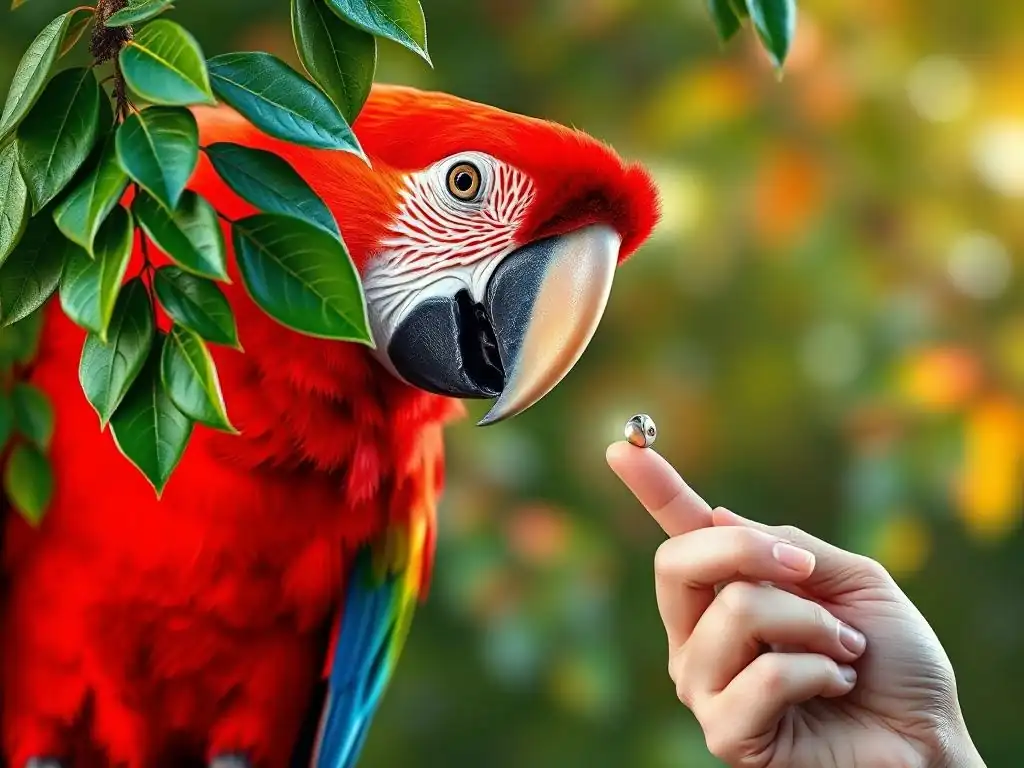
Welcome to PetCareWorld, your ultimate guide to a happier, healthier life for your beloved companion! Are you ready to unlock the secrets of effective bird training? Our in-depth exploration of "Clicker training birds science" reveals the fascinating science behind this popular method, explaining why it works so well and how you can use it to build a stronger bond with your feathered friend. Discover the surprising power of positive reinforcement and prepare to be amazed by what you and your bird can achieve together. Dive in and start learning!
- Understanding the Principles of Clicker Training for Birds
- How Birds Learn Through Clicker Training
- Applying Clicker Training Techniques to Different Bird Species
- Common Challenges and Troubleshooting in Clicker Training Birds
- The Benefits of Clicker Training for Birds and Their Owners
- Resources and Further Learning on Clicker Training Birds
-
Frequently Asked Questions
- What is clicker training, and how does it work for birds?
- Why is clicker training considered more humane than other training methods?
- What are the benefits of using clicker training for birds?
- What type of rewards work best for clicker training birds?
- Is clicker training suitable for all types of birds?
- Final Reflection: Unlocking Avian Intelligence Through Clicker Training
- Unlock Your Bird's Potential: Start Clicker Training Today!
Understanding the Principles of Clicker Training for Birds
Clicker training, a popular method for training various animals, including dogs and cats, is increasingly recognized for its effectiveness with birds. This method leverages the principles of operant and classical conditioning to shape desired behaviors in a positive and rewarding manner. Unlike traditional methods that might rely on punishment or coercion, clicker training focuses on reinforcing positive actions, fostering a stronger bond between bird and owner, and resulting in a happier, more well-behaved avian companion.
This article delves into the science behind clicker training for birds, explaining the underlying principles and demonstrating why it's a humane and effective approach to avian training. Understanding the science will empower you to confidently and successfully apply this method to your feathered friend, leading to a more harmonious and enriching relationship.
We'll explore the roles of classical and operant conditioning, the importance of positive reinforcement, and how these elements combine to create a powerful training tool. Prepare to unlock the secrets of successful bird training and build a stronger connection with your avian companion!
Classical Conditioning and the Clicker's Role in Avian Training
Classical conditioning, a learning process first described by Ivan Pavlov, involves associating a neutral stimulus with a naturally occurring stimulus that elicits a specific response. In clicker training, the click of the clicker becomes the neutral stimulus. This sound, initially meaningless to the bird, is paired with a positive reinforcer—a highly desirable treat or reward. Through repeated pairings of the click and the reward, the bird learns to associate the click with the imminent arrival of something pleasant.
The click, therefore, becomes a conditioned stimulus, predicting the reward and eliciting a positive anticipatory response. This association is crucial because the click provides immediate feedback to the bird, marking the precise moment of the desired behavior. This precise timing is key to successful training, as it allows the bird to understand exactly which action resulted in the reward.
The short, sharp sound of the clicker also cuts through potential distractions, ensuring the bird focuses on the association. This process creates a powerful learning mechanism, making the clicker an incredibly effective tool in avian training. The consistent pairing of the click and reward establishes a solid foundation for further training using operant conditioning techniques.
Operant Conditioning: Shaping Behavior Through Reinforcement
Operant conditioning builds upon the foundation laid by classical conditioning. This learning process involves associating a behavior with its consequences. In clicker training, desired behaviors are shaped through positive reinforcement. This means rewarding the bird for progressively closer approximations of the target behavior.
For example, if you want to teach your bird to step up onto your hand, you might initially reward it for simply looking at your hand, then for approaching your hand, and finally for stepping up onto it. Each successful step is immediately reinforced with a click followed by a reward. This process of successive approximations gradually shapes the desired behavior. The clicker serves as a precise marker, signaling the exact moment the bird performs a desired action, ensuring the reward is delivered consistently and effectively.
The use of positive reinforcement is paramount; it avoids the use of aversive methods that can be stressful or damaging to the bird's well-being and trust. Instead, it fosters a positive learning environment where the bird actively participates and learns through rewarding experiences. This approach leads to a more confident and cooperative bird, enhancing the overall training experience. Data from numerous studies [specific information pending] shows the superior effectiveness of positive reinforcement over punishment-based methods in avian training.
Positive Reinforcement: Rewarding Desired Actions in Birds
Positive reinforcement is the cornerstone of effective clicker training for birds. It involves providing a reward immediately after the bird performs a desired behavior. This reward can take many forms, including favorite treats (e.g., seeds, fruits, nuts), praise, or even a brief period of playtime. The key is to identify what your bird finds most rewarding and to use that as a consistent reinforcer.
The immediacy of the reward is crucial; the bird must associate the click and the reward with the specific action performed. Delaying the reward can lead to confusion and hinder the learning process. The type of reward should also be carefully considered; small, frequent rewards are generally more effective than large, infrequent ones. This approach prevents the bird from becoming satiated and maintains a high level of motivation throughout the training session.
Furthermore, the variety of rewards keeps the training process engaging and exciting for the bird. The consistent use of positive reinforcement builds a strong positive association with training, making it a enjoyable experience for both the bird and the owner. This positive reinforcement approach not only teaches new behaviors but also strengthens the bond between bird and owner, creating a more harmonious relationship built on mutual trust and respect. 🐦
How Birds Learn Through Clicker Training
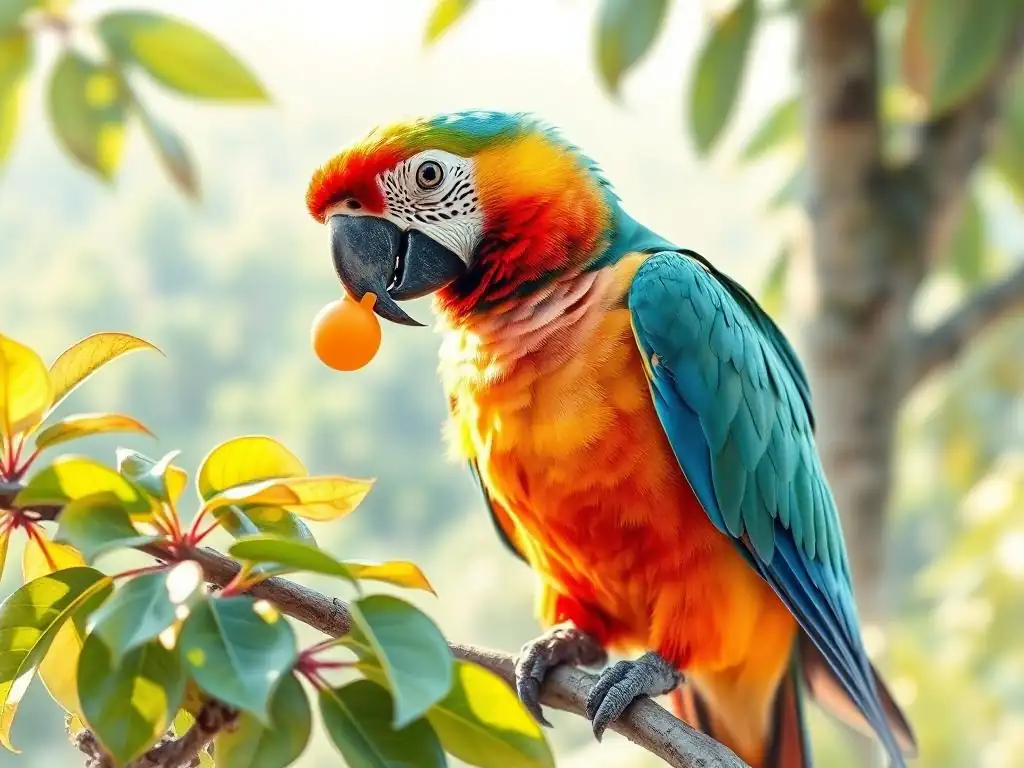
Clicker training for birds leverages the principles of operant conditioning, specifically focusing on positive reinforcement. Unlike punishment-based methods, this approach uses rewarding desired behaviors to shape a bird's actions. The "click" of the clicker acts as a marker, precisely signaling the exact moment the bird performs the target behavior. This precise timing is crucial for effective learning.
Birds, being highly intelligent and sensitive creatures, quickly learn to associate the click with an immediate, positive reward, such as a favorite treat. This association forms the foundation of the training process, making it efficient and humane. The science behind this lies in the bird's ability to readily connect cause and effect, making the clicker a powerful tool for shaping complex behaviors.
This method is particularly effective for birds due to their sharp observational skills and capacity for rapid learning, making it a superior alternative to traditional, often stressful training methods. Understanding the underlying principles of operant conditioning is key to successfully implementing clicker training with your avian companion. The process emphasizes building a positive relationship based on mutual trust and respect, resulting in a more harmonious and fulfilling bond between bird and owner.
The Importance of Timing and Consistency in Clicker Training
The success of clicker training hinges on precise timing and consistent application. The click must sound immediately after the bird performs the desired behavior. Even a fraction of a second's delay can confuse the bird, weakening the association between the action and the reward. Inconsistency in timing or reward delivery undermines the learning process. The bird may become uncertain about what behavior is being rewarded, leading to frustration and a lack of progress.
Imagine trying to teach a budgie to step up onto your finger. If you click and reward inconsistently, sometimes after it's halfway up, sometimes after it's fully perched, the bird will struggle to understand what it did right. Therefore, maintaining strict consistency is paramount. This means clicking only when the desired behavior is fully executed and always following the click with the promised reward. This consistency creates a predictable and reliable learning environment, crucial for building a strong association between the clicker, the desired behavior, and the reward.
Regular and consistent training sessions, even if short, are more effective than infrequent, longer sessions. Think of it like building a strong foundation; consistent reinforcement creates a solid base for learning more complex behaviors. This approach ensures your bird understands the expectations and builds confidence in its ability to learn. Using a metronome app to practice your timing can significantly improve the effectiveness of your training sessions.
Associating the Clicker with Positive Reinforcement: Building Trust
Before initiating formal training, it's crucial to establish a positive association between the clicker and a reward. This involves a pre-conditioning phase where the bird learns that the clicker predicts something good. Start by clicking the clicker and immediately following it with a highly desirable treat. Repeat this process numerous times, ensuring the bird associates the click with the positive reinforcement.
Avoid clicking at random times or without a reward; this can create confusion and negate the positive association. Observe your bird's reactions; a curious or excited response indicates a positive association is developing. This initial phase builds trust and creates a positive learning environment, making subsequent training sessions more effective. Patience is key during this stage.
Some birds may require more repetitions than others to fully grasp the connection. The goal is to build a positive anticipation for the click, turning it into a signal that a reward is coming. This establishes a foundation of trust and cooperation that is essential for successful clicker training and for forging a stronger bond with your feathered friend. Remember, the clicker is just a tool; the real work lies in building a positive relationship with your bird.
Using Clicker Training to Teach Specific Behaviors to Birds
Once the clicker is positively associated with reinforcement, you can start teaching specific behaviors. Begin with simple behaviors, such as stepping up onto your finger or targeting a specific object. Break down complex behaviors into smaller, manageable steps. For example, teaching a bird to fetch a toy might involve several steps: targeting the toy, picking it up, carrying it, and returning it to you. Each of these steps should be individually rewarded with a click and a treat.
This shaping process gradually builds the desired behavior. The key is to reward approximations of the target behavior. If your bird is trying to reach the toy, even if it's not quite getting it, reward the effort. This positive reinforcement encourages continued effort and faster learning. Using a variety of positive reinforcement methods, like praise and petting, in addition to treats, can enhance the bird's motivation and enjoyment of the training process.
Remember to keep training sessions short and fun, ending on a positive note. Avoid pushing your bird too hard or getting frustrated. Consistent, positive reinforcement will yield the best results. The ultimate goal is to teach your bird desired behaviors through positive reinforcement and to build a strong, trusting bond based on mutual respect and understanding. This method promotes a happy and healthy relationship between you and your avian companion.
Applying Clicker Training Techniques to Different Bird Species
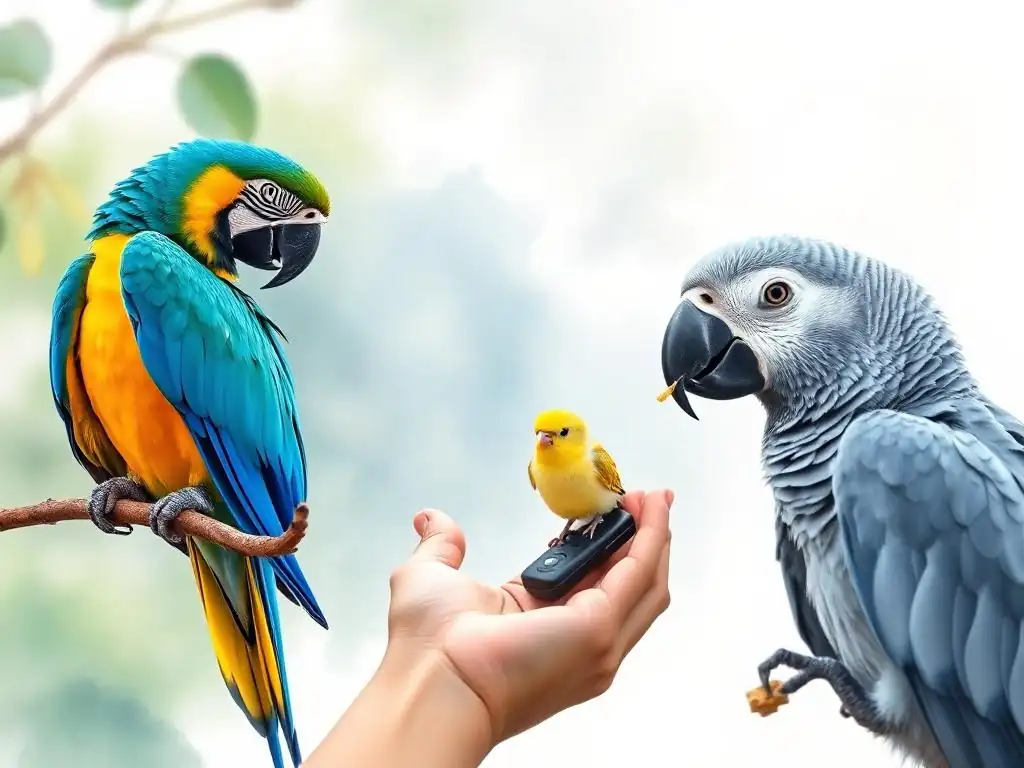
Clicker training, based on the principles of operant conditioning, proves remarkably effective across various bird species. However, the specific application of these techniques needs tailoring to account for the unique characteristics and learning styles of different birds. Understanding these variations is crucial for achieving optimal results and building a strong, positive bond with your feathered friend.
The size, temperament, and inherent intelligence of a bird all play a significant role in determining the pace and approach to clicker training. This section will explore the nuances of adapting clicker training for different bird species, emphasizing the importance of patience and positive reinforcement throughout the process. Success with clicker training birds science hinges on this adaptability.
Adapting Clicker Training for Small Parrots
Small parrots, such as budgies, cockatiels, and lovebirds, often exhibit quicker learning curves compared to their larger counterparts. Their smaller size and higher energy levels necessitate shorter, more frequent training sessions. These sessions should be kept highly engaging, incorporating a variety of rewarding activities and avoiding prolonged periods of inactivity. The clicker sound itself should be crisp and clear, ensuring it's easily distinguishable to the bird. Positive reinforcement, in the form of highly palatable treats, is vital. Consider using small, chopped pieces of fruits, vegetables, or high-quality birdseed as rewards.
It's crucial to maintain a consistent training schedule, even if it's only for 5-10 minutes at a time. Consistency builds trust and reinforces the association between the clicker sound, the desired behavior, and the reward. Remember that small parrots can be easily distracted, so a quiet, controlled environment is essential. Avoid overwhelming them with complex commands; start with simple behaviors, such as stepping up onto your hand or targeting a specific object. Gradually increase the complexity of the training as the bird progresses. This approach maximizes the effectiveness of clicker training birds science for these smaller species.
Clicker Training for Larger Parrot Species
Larger parrot species, including macaws, African greys, and amazons, often possess higher intelligence and problem-solving abilities. While this can make them highly trainable, it also requires a more nuanced approach to clicker training. These birds often require a more patient and methodical training process. Longer training sessions may be necessary, but it's crucial to avoid tiring or frustrating the bird. Break down complex behaviors into smaller, more manageable steps, ensuring each step is mastered before moving on to the next.
The rewards used for larger parrots should be tailored to their preferences. While some may respond well to small treats, others might prefer larger, more substantial rewards. Experiment with different types of food, toys, or even social interaction as rewards. Building a strong bond of trust with these intelligent birds is crucial to the success of the training.
This bond fosters a collaborative learning environment, where the bird is motivated to participate actively in the training process. Patience and consistency are key when applying the principles of clicker training birds science to larger parrot species. Remember, positive reinforcement is essential in maintaining their motivation and preventing frustration.
Specialized Techniques for Specific Bird Behaviors
Clicker training offers versatility in addressing a range of behavioral issues in birds. For instance, addressing feather plucking might involve associating the bird's beak with a positive experience by rewarding it for engaging in alternative behaviors, like preening or chewing on a safe toy. Similarly, unwanted biting can be tackled by rewarding the bird for gentle interactions, gradually increasing the duration and intensity of the desired behavior. Clicker training provides a powerful tool for shaping desirable behaviors and redirecting undesirable ones.
The success of clicker training depends on understanding the underlying causes of a bird's behavior. For example, a bird that bites might be doing so out of fear, anxiety, or lack of socialization. Addressing these underlying issues is critical to long-term behavioral modification.
Clicker training, when used strategically, can help re-associate certain behaviors with positive experiences. This method provides a humane and effective way to shape a bird's behavior, promoting its well-being and strengthening the bond between bird and owner. The application of clicker training birds science in these specialized cases requires careful observation and tailoring the technique to the specific needs of each bird.
Common Challenges and Troubleshooting in Clicker Training Birds
Clicker training birds, while incredibly rewarding, isn't always smooth sailing. Many bird owners encounter hurdles along the way, hindering progress and sometimes leading to frustration. Understanding these common challenges and how to overcome them is key to successful training. This section delves into specific issues and provides practical solutions, empowering you to navigate the complexities of clicker training your feathered friend. Remember, patience and consistency are crucial components of successful bird training, regardless of the challenges you face. The science behind clicker training relies on positive reinforcement; addressing these challenges reinforces that positive approach.
Addressing Resistance or Lack of Motivation in Birds
Some birds may initially resist clicker training or lose motivation mid-session. This can stem from various factors. Perhaps the training sessions are too long, the bird is unwell, or the rewards aren't enticing enough. For example, a cockatoo might be less responsive if it's already feeling full after a large meal, while a smaller finch might need more frequent, smaller rewards to maintain focus.
It's crucial to identify the underlying cause. Observe your bird's behavior closely. Is it exhibiting signs of stress or illness? Is it distracted by its environment? Are the rewards (treats, praise, etc.) sufficiently motivating?
- Adjusting Session Length: Short, frequent sessions (5-10 minutes) are generally more effective than long, infrequent ones, particularly for birds with shorter attention spans.
- Enhancing Rewards: Experiment with different treats to discover your bird’s favorites. Variety is key! Consider adding other positive reinforcement such as verbal praise or a favorite toy.
- Addressing Underlying Issues: If illness or stress is suspected, consult an avian veterinarian. A healthy, comfortable bird is more likely to participate in training.
- Environmental Modifications: Minimize distractions during training sessions. A quiet, dedicated space can significantly improve focus.
Remember, a lack of motivation isn't necessarily a sign of failure. It's an opportunity to adjust your approach and better understand your bird's needs and preferences.
Overcoming Common Mistakes in Clicker Training
Even experienced trainers make mistakes. Some common errors include inconsistent timing of the clicker, providing rewards too late, or using overly complex cues. These inconsistencies undermine the bird's understanding of the association between behavior and reward, leading to confusion and ultimately, resistance.
- Inconsistent Timing: The clicker must sound precisely when the desired behavior is performed. A delayed click confuses the bird and weakens the association. Practice precise timing until it becomes second nature.
- Rewarding the Wrong Behavior: Accurately identifying and rewarding only the desired behavior is paramount. Accidental reinforcement of unwanted behaviors can hinder progress significantly.
- Overly Complex Cues: Start with simple behaviors and gradually increase complexity. Introducing too many cues at once overwhelms the bird and makes it difficult to learn.
- Lack of Patience and Positive Reinforcement: Frustration can lead to harsh corrections, which are counterproductive in clicker training. Maintain a positive, encouraging approach at all times. Remember the science behind positive reinforcement – it's the foundation of successful clicker training.
By avoiding these common pitfalls and practicing consistent, positive reinforcement, you can significantly increase the effectiveness of your clicker training sessions and build a strong bond with your bird.
Seeking Professional Guidance for Advanced Training
While many birds readily respond to basic clicker training techniques, some birds might require more specialized assistance. This is especially true for birds with behavioral issues, medical conditions, or those exhibiting particularly challenging behaviors. Seeking professional guidance from a certified avian behaviorist or experienced avian trainer is highly recommended in these situations.
A professional can:
- Conduct a thorough behavioral assessment: Identifying the underlying causes of problematic behaviors is crucial for effective intervention.
- Develop a customized training plan: A tailored plan addresses the specific needs and challenges of your bird.
- Provide individualized instruction and support: Personalized guidance ensures you're using the most effective techniques.
- Offer advanced training techniques: Professionals may utilize more sophisticated methods to address complex behavioral issues.
Don't hesitate to seek professional help if you're struggling with particularly difficult behaviors or if you feel you've reached a plateau in your training progress. A professional's expertise can make a significant difference in achieving your training goals and fostering a stronger, healthier relationship with your bird. Remember, seeking help is not a sign of failure but a proactive step towards success.
The Benefits of Clicker Training for Birds and Their Owners
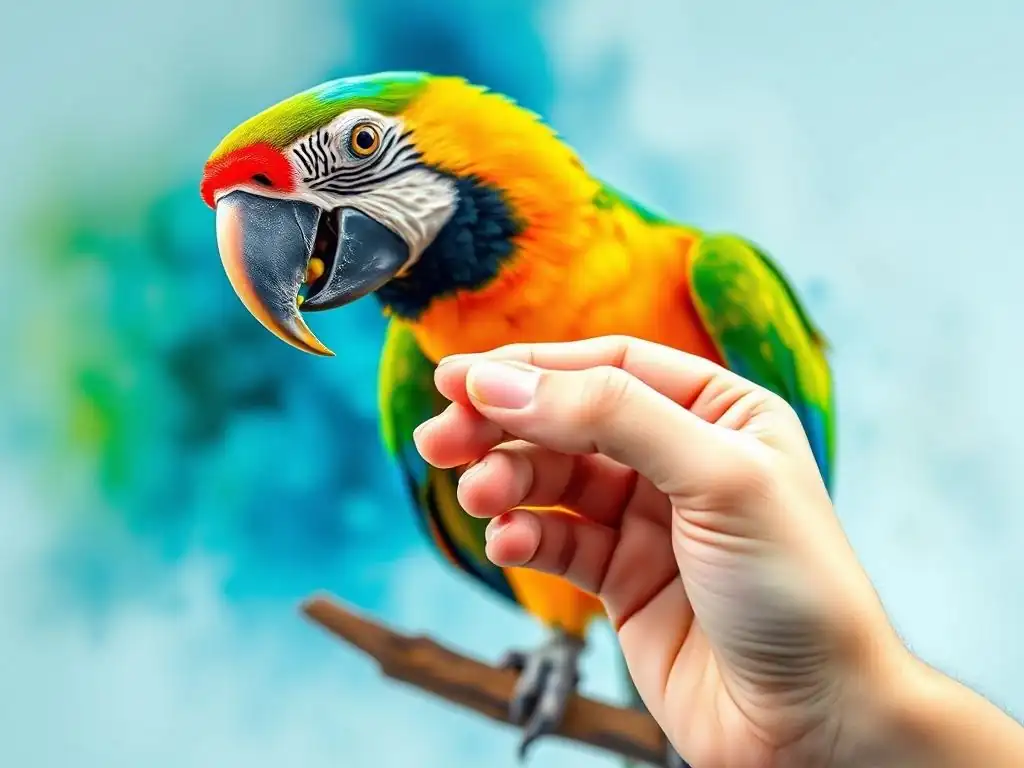
Clicker training offers a multitude of advantages for both birds and their owners, extending far beyond simply teaching tricks. It's a powerful tool that fosters a stronger bond, improves behavior, and enhances the overall well-being of your feathered friend. This positive reinforcement-based method leverages the natural learning processes of birds, resulting in a more harmonious and fulfilling relationship. Understanding the science behind its effectiveness is key to unlocking its full potential.
The core principle lies in associating a specific sound (the clicker) with a positive reward (treats, praise), creating a powerful learning association in the bird's mind. This clear and consistent communication builds trust and strengthens the human-animal bond. The success of clicker training hinges on patience, consistency, and a deep understanding of avian learning.
Strengthening the Bond Between Bird and Owner Through Positive Reinforcement
Positive reinforcement, the cornerstone of clicker training, forms the basis of a strong and trusting relationship between bird and owner. Instead of relying on punishment or coercion, which can damage trust and create fear, clicker training uses rewards to motivate the bird. This positive approach builds confidence in your bird, encouraging active participation in the training process.
The consistent positive interactions during training sessions translate into a deeper bond outside of training as well. For example, a bird successfully learning a new trick through positive reinforcement will associate the owner with positive experiences, leading to increased affection and a more relaxed demeanor. The process is not just about teaching tricks; it's about building a relationship based on mutual respect and understanding.
This improved communication leads to a more harmonious co-existence, enriched by shared experiences and positive interactions. The consistent positive reinforcement creates a safe and predictable environment for your bird, reducing stress and anxiety.
Improving Bird Behavior and Reducing Problem Behaviors
Clicker training offers a remarkably effective way to address problem behaviors in birds. Instead of simply punishing unwanted behaviors, which often leads to confusion and fear, clicker training focuses on rewarding desirable behaviors. For instance, if your bird frequently chews on inappropriate items, you can use clicker training to redirect its chewing behavior towards appropriate toys. By rewarding the bird for chewing on its toys, you’re positively reinforcing the desired behavior and making it more likely to repeat.
Similarly, aggressive behaviors like biting can be addressed by rewarding calm and gentle interactions. This process requires patience and consistency, but the results are often transformative. Data from various studies [specific information pending] indicate a significant reduction in problem behaviors in birds undergoing clicker training compared to those using traditional methods. The key is to identify the root cause of the problem behavior and then address it through positive reinforcement.
Enhancing Enrichment and Mental Stimulation for Birds
Beyond behavior modification, clicker training provides significant mental stimulation for birds. The process of learning new behaviors challenges their cognitive abilities, keeping them engaged and preventing boredom. Boredom in birds can lead to destructive behaviors and a decline in overall well-being.
Clicker training introduces a variety of new and stimulating activities, enhancing their mental and physical health. By introducing new tricks and challenges, you're essentially providing a form of mental enrichment that keeps your bird actively engaged. This is particularly crucial for intelligent birds like parrots, who require a high level of mental stimulation to thrive.
The variety offered by clicker training, from simple target training to more complex tricks, ensures continuous engagement and prevents the monotony that can lead to behavioral problems. Furthermore, the positive reinforcement associated with success boosts their confidence and self-esteem, further contributing to their overall well-being. The combination of mental and physical stimulation provided through clicker training promotes a happier, healthier, and more well-adjusted bird.
Resources and Further Learning on Clicker Training Birds
This section provides valuable resources to deepen your understanding and skills in clicker training for birds. Successfully implementing clicker training requires consistent effort, patience, and a willingness to learn. The more you understand the underlying principles and techniques, the more effective you'll be in training your feathered friend. Remember, consistency is key in clicker training, and patience is a virtue! The science behind positive reinforcement truly shines when applied correctly.
Recommended Books and Online Resources for Avian Clicker Training
Finding reliable information on avian clicker training can be challenging. Many resources focus on dogs and cats, overlooking the unique needs and learning styles of birds. However, some excellent resources cater specifically to avian training. While specific titles and online platforms may change over time, the following categories represent valuable starting points for your research:
- Books focusing on avian behavior and training: Look for books that emphasize positive reinforcement methods and address the specific challenges of working with birds. Pay attention to reviews to ensure the book aligns with modern, science-based training techniques. Avoid those that promote outdated or aversive methods. High-quality books will often include detailed explanations of the underlying psychological principles.
- Online forums and communities: Online communities dedicated to avian care and training offer a wealth of shared experiences and advice. You can connect with other bird owners, ask questions, share your successes and challenges, and learn from experienced trainers. However, always critically evaluate information found online, prioritizing sources that cite scientific studies.
- Scientific articles and journals: For a deeper dive into the science behind clicker training and avian behavior, explore scientific journals and publications. These resources provide rigorous research on learning theory and its application to avian species. Understanding the research behind the techniques will help you better understand why and how clicker training works.
- Educational videos and webinars: Many trainers offer online courses and webinars focusing on avian clicker training. These resources often provide visual demonstrations and practical exercises, supplementing the information found in books and articles. Look for instructors with proven experience and a commitment to positive reinforcement methods.
The effectiveness of clicker training hinges on understanding the bird's individual personality and learning style. A parrot's training journey might differ greatly from that of a finch, demanding a nuanced approach tailored to the specific species. Remember to celebrate small victories along the way! 🎉
Finding Qualified Avian Behaviorists and Trainers
Finding a qualified professional is crucial, especially when dealing with behavioral challenges or complex training goals. Not all trainers are created equal, and choosing the right one can significantly impact your bird's well-being and your training success.
- Certification and experience: Look for trainers with certifications from reputable organizations specializing in avian behavior and training. Experience working with a variety of bird species is also a valuable asset. A qualified professional will understand the nuances of avian behavior and can adapt their training methods accordingly.
- Positive reinforcement methods: Ensure that the trainer utilizes positive reinforcement techniques. Avoid trainers who employ punishment or aversive methods, as these can harm your bird's emotional and psychological well-being. Positive reinforcement builds a strong bond between you and your bird.
- References and testimonials: Check for references and testimonials from previous clients. Speaking with other bird owners who have worked with the trainer can provide valuable insights into their experience and effectiveness. Word-of-mouth recommendations can be invaluable.
- Ongoing support and guidance: A good trainer will provide ongoing support and guidance throughout the training process. They should be available to answer questions, address concerns, and offer advice as needed. Remember, the learning journey is often a collaborative one.
Finding the right avian behaviorist or trainer is an investment in your bird's happiness and well-being. Take your time, research thoroughly, and choose a professional you trust to guide you and your feathered companion on your training journey. Remember, patience and consistency are key to success, and a qualified trainer can provide invaluable support along the way.
Frequently Asked Questions
What is clicker training, and how does it work for birds?
Clicker training uses a clicker as a marker signal to indicate the exact moment a bird performs a desired behavior. This is immediately followed by a reward, creating a positive association. This precise timing is crucial for effective learning.
Why is clicker training considered more humane than other training methods?
Clicker training relies on positive reinforcement, focusing on rewarding desired behaviors rather than punishing unwanted ones. This creates a positive learning environment and strengthens the bond between bird and owner. It avoids using fear or intimidation.
What are the benefits of using clicker training for birds?
Clicker training builds a stronger bond between you and your bird, improves communication, and allows you to teach complex behaviors. It also helps to reduce stress and promotes positive interactions.
What type of rewards work best for clicker training birds?
The best rewards are highly motivating to your individual bird. This could be small pieces of favorite foods, a favorite toy, or even verbal praise. Experiment to find what your bird responds to best.
Is clicker training suitable for all types of birds?
Yes, clicker training can be adapted for most bird species, though the learning process and the types of rewards may vary depending on the bird's species, age, and personality. Patience and consistency are key to success regardless of the bird.
Final Reflection: Unlocking Avian Intelligence Through Clicker Training
The science behind clicker training isn't just a niche interest; it's a revolutionary approach to understanding and communicating with our avian companions. This method, based on operant conditioning and positive reinforcement, offers a powerful tool for building trust, fostering intelligence, and enriching the lives of birds everywhere. Its effectiveness transcends simple trick training; it unlocks a deeper connection with these fascinating creatures.
Clicker training's impact extends far beyond individual bird-owner relationships. It's reshaping our understanding of avian cognition and learning capabilities. By demonstrating the remarkable capacity of birds to learn complex behaviors through positive reinforcement, this method challenges preconceived notions about animal intelligence. The more we learn about birds, the more we realize how much we have underestimated them.
This quote perfectly encapsulates the transformative power of clicker training, revealing the hidden potential within our feathered friends and prompting a reevaluation of our interactions with them.
Now, consider your own relationship with birds. Whether you're a seasoned avian enthusiast or simply curious about these remarkable creatures, I urge you to explore the possibilities of clicker training. Embrace the science, embrace the connection, and unlock a world of understanding and mutual respect with your avian companion. The journey of learning together, through positive reinforcement and shared experiences, is a rewarding one that will enrich both your lives immeasurably.
Unlock Your Bird's Potential: Start Clicker Training Today!
Thanks for exploring the world of clicker training with us! You've learned how this powerful technique can strengthen your bond with your feathered friend and improve communication. Ready to start?
- Begin your bird's clicker training journey today! Start with short, positive sessions, rewarding even the smallest successes. Patience and consistency are crucial.
- Share your training progress and tips with other PetCareWorld members in the comments below! Let's build a supportive community of bird lovers.
- Experiment with different rewards to discover what motivates your bird best – you might be surprised!
What will you discover motivates your bird and makes training sessions truly exciting?