
Beyond Psittacosis: Understanding Other Common Bird Diseases

Welcome to PetCareWorld, your ultimate guide to a happier, healthier life for your beloved pets! Are you ready to unlock the secrets to keeping your feathered friends thriving? We delve into the crucial topic of Common Bird Diseases Prevention, going beyond the well-known psittacosis to equip you with the knowledge you need to safeguard your avian companions. Discover essential preventative measures and learn how to recognize early warning signs – your journey to expert bird care starts now!
- Common Bird Diseases Prevention: A Holistic Approach
- Avian Influenza (Bird Flu): Symptoms, Prevention, and Treatment
- Newcastle Disease: A Highly Contagious Threat
- Psittacine Beak and Feather Disease (PBFD): Understanding and Managing this Viral Infection
- Bacterial and Fungal Infections in Birds: Common Pathogens and Treatment
- Parasites in Birds: Internal and External Threats
- Understanding and Preventing Common Bird Diseases: A Summary of Key Prevention Strategies
- Frequently Asked Questions
- Final Reflection: Avian Health: Our Shared Responsibility
- Uncover More Avian Health Secrets!
Common Bird Diseases Prevention: A Holistic Approach
Pet ownership is a rewarding experience, filled with joy and companionship. However, responsible pet ownership necessitates understanding and addressing potential health concerns. This article delves into the crucial topic of common bird disease prevention, moving beyond the well-known psittacosis to encompass a broader range of avian illnesses. We'll explore proactive healthcare strategies, nutritional considerations, and hygiene practices that contribute to a healthier, longer life for your feathered friend.
Understanding and implementing these preventative measures is key to ensuring your bird thrives and remains free from common ailments, contributing to their overall well-being and strengthening the bond you share. Effective "common bird diseases prevention" is not just about reacting to illness, but proactively building a robust foundation for your bird's health. This holistic approach empowers you to take charge of your bird's health, minimizing risks and maximizing their lifespan.
Proactive Healthcare for Your Avian Companion: Regular Vet Checkups and Preventative Measures
Regular veterinary check-ups are the cornerstone of preventative care for birds. Just like humans, birds benefit greatly from routine examinations, even when appearing healthy. These visits allow veterinarians to detect subtle changes or potential problems early on, when treatment is often more effective and less invasive.
Avian veterinarians possess specialized knowledge of avian anatomy, physiology, and common illnesses, enabling them to provide tailored advice and care. Beyond annual check-ups, prompt veterinary attention is crucial if you observe any changes in your bird's behavior, such as lethargy, changes in appetite, respiratory distress, or unusual droppings. Early intervention significantly improves the prognosis for many avian diseases.
Preventative measures, such as vaccinations against specific diseases (availability varies depending on location and bird species), can further enhance your bird’s resilience. Remember that different bird species may have differing susceptibility to certain diseases, so consulting your avian vet about species-specific preventative measures is vital. The frequency of check-ups might also vary depending on your bird's age and overall health status.
Nutritional Strategies for Preventing Avian Illnesses: Diet and Supplementation
A balanced and nutritious diet is paramount in bolstering your bird’s immune system and reducing the risk of disease. Avoid feeding your bird solely seeds; a varied diet consisting of high-quality pellets, fresh fruits, vegetables, and occasional treats is essential. The specific nutritional requirements vary considerably across bird species; therefore, researching the dietary needs of your specific bird species is crucial.
For example, a cockatoo's nutritional needs differ significantly from those of a finch. Providing a diet lacking essential nutrients weakens the immune system, making your bird more susceptible to infections and illnesses. Furthermore, supplementing your bird's diet with appropriate vitamins and minerals, as recommended by your avian veterinarian, can further enhance their immune function and overall health.
Always consult with your avian veterinarian before introducing any new foods or supplements into your bird's diet to avoid potential adverse reactions. Monitoring your bird's weight and droppings is also crucial to ensure they are properly digesting their food and absorbing essential nutrients. Remember, a healthy diet forms the foundation of a strong immune system.
Hygiene Practices to Minimize Disease Risk: Cage Cleaning and Environmental Control
Maintaining a clean and hygienic environment is crucial in preventing the spread of disease. Regular cage cleaning is not merely about aesthetics; it's a vital preventative measure. Remove soiled food and water daily, and thoroughly clean and disinfect the cage, perches, and toys at least once a week. Use bird-safe disinfectants and ensure that all surfaces are completely dry before returning your bird to its cage.
Proper ventilation is also important in preventing the build-up of harmful bacteria and fungi. Avoid overcrowding multiple birds in a small cage, as this increases the risk of disease transmission. Regularly inspect your bird's cage and environment for any signs of mold or mildew, promptly addressing any issues to prevent respiratory problems and other health concerns.
Remember, a clean environment significantly reduces the risk of exposure to pathogens that can cause various avian illnesses. Regularly replacing food and water dishes also minimizes the risk of bacterial growth. These consistent hygiene practices represent a significant investment in your bird's long-term health and well-being.
Avian Influenza (Bird Flu): Symptoms, Prevention, and Treatment
Avian influenza, commonly known as bird flu, is a highly contagious viral disease affecting various bird species. While some strains cause mild or no symptoms, others can be devastating, leading to significant morbidity and mortality. Effective common bird diseases prevention strategies are crucial to protect your feathered friends. This section details the symptoms, preventative measures, and treatment options for avian influenza in birds.
Recognizing the Signs of Avian Influenza in Your Bird
Recognizing the early signs of avian influenza is critical for timely intervention. Symptoms can vary depending on the strain and the bird's overall health, but some common indicators include:
- Respiratory distress: This can manifest as labored breathing, gasping, coughing, or sneezing. You might notice unusual sounds emanating from your bird's respiratory system.
- Neurological signs: These can range from mild incoordination and lethargy to severe tremors, paralysis, and convulsions. Changes in behavior, such as unusual sleepiness or aggression, should also raise concern.
- Gastrointestinal issues: Diarrhea, decreased appetite, and weight loss are common gastrointestinal symptoms associated with avian influenza. Observe your bird's droppings for any changes in consistency or color.
- Decreased egg production: In laying hens, a significant drop in egg production or the production of soft-shelled eggs can be an indicator of illness.
- Swollen head and neck: In some severe cases, swelling of the head and neck may be observed.
It's important to remember that these symptoms can also be indicative of other illnesses. Therefore, a prompt veterinary examination is crucial for accurate diagnosis and appropriate treatment. Early detection significantly improves the chances of a positive outcome. Don't hesitate to contact an avian veterinarian if you suspect your bird might be suffering from avian influenza. Early intervention is key to common bird diseases prevention.
Preventing the Spread of Avian Influenza: Biosecurity Measures
Preventing the spread of avian influenza relies heavily on robust biosecurity measures. These measures aim to limit the bird's exposure to the virus and prevent its transmission to other birds. Key biosecurity practices include:
- Quarantine: Newly acquired birds should be quarantined for at least 30 days to monitor for any signs of illness before introducing them to your existing flock.
- Hygiene: Maintain impeccable hygiene in your bird's environment. Regularly disinfect cages, perches, food and water bowls, and any other surfaces your bird comes into contact with. Use appropriate disinfectants recommended for avian use.
- Footwear: Wear dedicated footwear when interacting with your birds and avoid wearing the same shoes outside your bird's area.
- Clothing: Change your clothes before handling your birds, especially if you've been in contact with other birds or poultry.
- Wild bird contact: Limit contact between your birds and wild birds. Secure enclosures to prevent wild birds from accessing your bird's area.
- Rodent control: Rodents can carry and transmit diseases, so maintaining a rodent-free environment is essential.
- Visitor control: Limit access to your bird's area to minimize the risk of introducing the virus. Ask visitors to wash their hands before and after interacting with your birds.
Implementing these biosecurity measures diligently contributes significantly to common bird diseases prevention and safeguards your birds' health. Regular vigilance and proactive measures are vital in minimizing the risk of avian influenza outbreaks.
Treatment Options and Veterinary Care for Avian Influenza
Unfortunately, there's no specific cure for avian influenza. Treatment focuses on supportive care to manage the symptoms and improve the bird's chances of survival. Veterinary intervention is absolutely crucial. Treatment options may include:
- Fluid therapy: Intravenous or subcutaneous fluids help maintain hydration and electrolyte balance, especially in severely affected birds.
- Respiratory support: Oxygen therapy may be necessary to alleviate respiratory distress.
- Antiviral medications: While not a cure, some antiviral medications may help reduce the severity and duration of the illness. Your veterinarian will determine the appropriate medication and dosage.
- Nutritional support: Providing a highly nutritious diet is essential to support the bird's immune system and promote recovery. Your vet might recommend a specialized diet.
- Symptom management: Pain relief and anti-inflammatory medications may be used to manage symptoms like fever and inflammation.
The prognosis for avian influenza varies depending on several factors, including the strain of the virus, the bird's overall health, and the timeliness of intervention. Early diagnosis and prompt veterinary care are essential for maximizing the chances of a positive outcome. Remember that preventing the disease through rigorous biosecurity measures is the most effective approach to common bird diseases prevention. 🐦
Newcastle Disease: A Highly Contagious Threat
Newcastle disease (ND), also known as avian pneumoencephalitis, is a highly contagious and devastating viral disease affecting a wide range of bird species, including domestic poultry, wild birds, and pet birds. This section focuses on understanding the disease, implementing preventative measures, and managing infections. Effective "common bird diseases prevention" strategies are crucial in mitigating the impact of ND. The economic and welfare implications of ND outbreaks are significant, underscoring the importance of proactive measures.
Identifying Newcastle Disease in Birds: Clinical Manifestations
Newcastle disease presents a diverse range of clinical signs, depending on the virulence of the infecting strain and the age and species of the affected bird. In severe cases, mortality can be extremely high, reaching up to 100% in susceptible flocks. Less virulent strains may cause subclinical infections, going unnoticed until an outbreak occurs.
Clinical manifestations can vary significantly. Respiratory signs are common, including sneezing, coughing, gasping for air, and nasal discharge. Neurological signs, such as tremors, paralysis, twisting of the neck (torticollis), and incoordination, can also be observed, particularly in acute infections. Digestive signs, such as diarrhea and decreased appetite, are frequently reported. In some cases, birds may exhibit depression, weakness, and ruffled feathers. Mortality can range from sudden death to a prolonged period of illness, depending on the severity of the infection. Early detection is key for effective "common bird diseases prevention" and management.
Accurate diagnosis requires laboratory testing, such as virus isolation, hemagglutination inhibition (HI) tests, or polymerase chain reaction (PCR). Clinical signs alone are not sufficient for definitive diagnosis, as they can overlap with other avian diseases. Therefore, prompt veterinary consultation is crucial when suspecting ND. The severity of symptoms can vary widely, highlighting the need for vigilant monitoring of your birds' health. Remember, early intervention significantly improves the chances of successful treatment and minimizes the spread of the disease.
Biosecurity and Vaccination Strategies for Newcastle Disease Prevention
Robust biosecurity measures are fundamental to preventing ND outbreaks. These measures aim to limit the introduction and spread of the virus within a flock. Strict biosecurity protocols are a cornerstone of "common bird diseases prevention" strategies, significantly reducing the risk of ND infection.
- Quarantine: Newly acquired birds should be quarantined for a minimum of 30 days before introduction to the main flock. This allows for observation of any potential clinical signs and prevents the introduction of the virus.
- Hygiene: Maintaining high levels of hygiene within the aviary is crucial. Regular cleaning and disinfection of cages, equipment, and surrounding areas helps reduce viral transmission. Proper disposal of waste materials is also essential.
- Rodent Control: Rodents can act as mechanical vectors, carrying the virus on their bodies and spreading it to birds. Implementing effective rodent control measures is crucial.
- Visitor Control: Limiting access to the aviary by unauthorized individuals reduces the risk of introducing the virus. Visitors should be instructed to wash and disinfect their hands before and after interacting with the birds.
Vaccination is a highly effective method of preventing ND. Several different types of vaccines are available, including live attenuated vaccines and inactivated vaccines. The choice of vaccine will depend on various factors, including the age and species of the birds, the prevalence of ND in the region, and the level of immunity required. A vaccination schedule should be tailored to the specific needs of the flock and should be discussed with an avian veterinarian. Regular vaccination is an integral part of "common bird diseases prevention" and should be considered a vital aspect of responsible bird ownership.
Management and Treatment of Newcastle Disease Infections
Unfortunately, there is no specific treatment for ND. Supportive care is the primary focus of management. This includes providing clean water, nutritious food, and maintaining a comfortable environment. Electrolyte solutions may be administered to prevent dehydration. Antibiotics may be used to treat secondary bacterial infections that can often complicate ND. However, antibiotics are not effective against the virus itself.
The prognosis for birds with ND varies depending on the severity of the infection and the bird's overall health. Early detection and supportive care can improve the chances of survival. However, in severe cases, euthanasia may be the most humane option. Strict biosecurity measures, alongside vaccination, are the most effective strategies for "common bird diseases prevention" and minimizing the impact of ND outbreaks. Prompt veterinary attention is crucial for diagnosis and management of any suspected cases. Remember, responsible bird ownership includes proactive disease prevention and prompt veterinary care.
Psittacine Beak and Feather Disease (PBFD), caused by the circovirus family, is a significant concern for bird owners, particularly those with psittacine birds like parrots and cockatoos. This highly contagious viral infection affects the immune system, leading to characteristic beak and feather deformities. Effective common bird diseases prevention strategies are crucial in managing this debilitating condition. Understanding the disease's progression and implementing preventative measures are key to protecting your feathered friend. Let's delve deeper into this challenging avian illness.
Recognizing the Symptoms of PBFD: Beak and Feather Deformities
Early detection of PBFD is crucial for effective management. Unfortunately, initial symptoms can be subtle and easily overlooked. Many birds initially show no outward signs of illness. However, as the disease progresses, several characteristic symptoms emerge, primarily affecting the beak and feathers.
These include:
- Abnormal Feather Growth: New feathers may be stunted, brittle, and easily broken. Feather shafts may be deformed, resulting in a ragged, unkempt appearance. Feather loss can be significant, particularly around the head and tail. Plucking behaviors may also increase.
- Beak Deformities: The beak can become overgrown, deformed, or abnormally shaped. This can interfere with eating and preening, leading to further health complications. Cracks and discoloration of the beak may also be observed.
- Immune Suppression: PBFD weakens the bird's immune system, making them more susceptible to secondary bacterial or fungal infections. This can manifest as lethargy, weight loss, and general weakness. Increased susceptibility to other common bird diseases is a serious complication.
The severity of symptoms varies depending on the bird's age, immune system strength, and the viral strain. Younger birds are generally more severely affected. Regular observation and prompt veterinary attention are essential for early diagnosis and intervention.
Diagnosis and Treatment of PBFD: Veterinary Intervention and Supportive Care
Unfortunately, there's no cure for PBFD. Treatment focuses primarily on supportive care to manage symptoms and improve the bird's quality of life. A veterinarian specializing in avian medicine will conduct a thorough examination, which may include:
- Physical Examination: Assessing the bird's overall health, noting beak and feather abnormalities.
- Blood Tests: Analyzing blood samples to detect antibodies against the PBFD virus. This can indicate past or current infection.
- Feather Examination: Microscopic examination of feathers can reveal characteristic viral changes.
Treatment strategies often involve:
- Nutritional Support: Providing a high-quality diet to maintain the bird's strength and boost their immune system. This might include specialized avian formulas supplemented with vitamins and minerals.
- Hygiene: Maintaining a clean environment to minimize the risk of secondary infections.
- Medication: Antibiotics or antifungals may be prescribed to combat secondary infections. Pain medication may be necessary to manage discomfort associated with beak deformities.
The prognosis for birds with PBFD is variable. While some birds may live for years with the virus, others may experience a rapid decline in health. Supportive care is crucial for maximizing the bird's lifespan and quality of life. Regular veterinary checkups are vital for monitoring the bird's condition and adjusting the treatment plan as needed.
Preventing PBFD Transmission: Hygiene and Quarantine Measures
Implementing strict hygiene and quarantine measures is vital to prevent the spread of PBFD. The virus is highly contagious and can be transmitted through direct contact with infected birds, contaminated surfaces, or even through the air. Effective common bird diseases prevention relies heavily on proactive measures.
Key preventative strategies include:
- Quarantine New Birds: Any new bird introduced to your aviary should be quarantined for at least 30 days to observe for any signs of illness. This prevents the introduction of PBFD or other infectious diseases.
- Hygiene Practices: Regularly disinfect cages, perches, and other equipment with an appropriate avian-safe disinfectant. Thoroughly wash your hands before and after handling birds.
- Avoid Contact with Infected Birds: If you suspect a bird has PBFD, isolate it immediately to prevent the spread of the virus.
- Proper Waste Disposal: Dispose of fecal matter and other waste materials properly to minimize contamination.
By adhering to these preventative measures, you can significantly reduce the risk of PBFD transmission within your flock and protect your beloved birds. Remember, proactive measures are far more effective than reactive treatments when it comes to this challenging viral infection. Regular veterinary check-ups and careful observation are also key components of a comprehensive common bird diseases prevention strategy.
Bacterial and Fungal Infections in Birds: Common Pathogens and Treatment
Bacterial and fungal infections represent a significant threat to avian health, contributing substantially to morbidity and mortality among pet birds. Understanding the common pathogens and effective treatment approaches is crucial for "common bird diseases prevention." This section delves into the specifics of these infections, providing insights into diagnosis and management strategies. Early detection and intervention are key to improving prognosis and ensuring the well-being of your feathered friend.
Common Bacterial Infections in Birds: Treatment Approaches
Several bacterial species can cause severe illness in birds. Colibacillosis, caused by Escherichia coli, is a prevalent example, often manifesting as respiratory infections, diarrhea, or septicemia. Salmonella, another common culprit, can lead to similar symptoms and poses a zoonotic risk (meaning it can be transmitted to humans). Treatment strategies typically involve administering antibiotics tailored to the specific bacterial pathogen identified through diagnostic testing (e.g., culture and sensitivity).
The choice of antibiotic depends on several factors, including the species of bacteria, the severity of the infection, and the overall health of the bird. Broad-spectrum antibiotics might be used initially, but once the bacterial species is identified, treatment is often narrowed to a more targeted antibiotic to minimize disruption of the bird's gut microbiome. Supportive care, such as providing nutritious food and fluids, maintaining optimal environmental conditions (temperature, humidity), and reducing stress, is also crucial for recovery.
Monitoring the bird's response to treatment is essential, with regular veterinary check-ups to assess progress and adjust treatment as needed. Without prompt and appropriate treatment, bacterial infections can rapidly become life-threatening.
Some common antibiotics used in avian medicine include enrofloxacin, doxycycline, and amoxicillin. However, it's crucial to remember that antibiotic use should always be guided by a veterinarian, as improper use can lead to antibiotic resistance and other complications. The dosage and duration of treatment will vary depending on the individual bird and the specific infection.
Fungal Infections in Birds: Treatment Approaches
Fungal infections, or mycoses, are another significant concern in avian medicine. Aspergillosis, caused by the fungus Aspergillus, is a particularly serious and potentially fatal disease, often affecting the respiratory system. Symptoms can range from subtle respiratory distress to severe pneumonia. Diagnosis often involves radiographic imaging (X-rays) and/or culture of respiratory samples. Treatment typically involves antifungal medications, such as itraconazole or voriconazole.
The effectiveness of antifungal treatment varies depending on the severity of the infection and the bird's overall health. Supportive care, similar to that provided for bacterial infections, is crucial for successful treatment. This includes maintaining a clean and hygienic environment, providing a balanced diet, and minimizing stress. Prognosis is often dependent on early detection and aggressive treatment. Unfortunately, some cases of aspergillosis may be unresponsive to treatment, leading to a poor outcome. Preventing fungal infections through good hygiene practices and maintaining a clean environment is a crucial aspect of "common bird diseases prevention."
Treatment Approaches for Bacterial and Fungal Infections
Effective treatment for both bacterial and fungal infections in birds requires a multi-faceted approach encompassing appropriate medication, supportive care, and preventative measures. A veterinarian's expertise is essential in diagnosing the specific pathogen and tailoring the treatment plan to the individual bird's needs. This includes considering factors such as the bird's species, age, overall health, and the severity of the infection. Regular veterinary check-ups are crucial for monitoring treatment progress and adjusting the plan as needed.
The role of supportive care cannot be overstated. Providing a clean and hygienic environment, a nutritious diet, and minimizing stress are all vital components of successful treatment. Furthermore, preventative measures, such as maintaining good hygiene, providing appropriate nutrition, and avoiding exposure to potential pathogens, are crucial for "common bird diseases prevention" and reducing the risk of future infections. A proactive approach to avian health, including regular veterinary check-ups and preventative care, is essential for ensuring the long-term well-being of your pet bird. Remember, early detection and prompt treatment are key to improving the chances of a successful outcome.
Parasites in Birds: Internal and External Threats
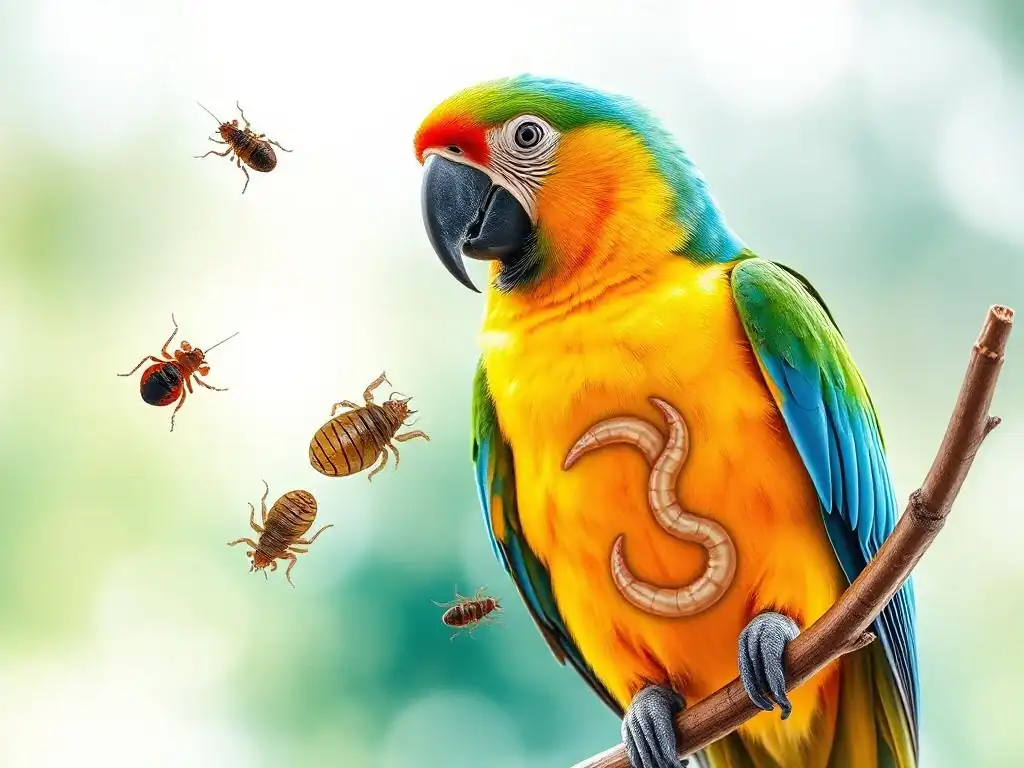
Birds, like other animals, are susceptible to a variety of parasitic infestations, both internal and external. These parasites can significantly impact a bird's health, leading to decreased vitality, weight loss, and even death. Effective prevention and management strategies are crucial for maintaining the well-being of avian companions. Understanding the different types of parasites and their effects is the first step towards implementing successful "common bird diseases prevention" measures. Ignoring these threats can lead to serious health complications for your feathered friend.
Internal Parasites in Birds: Control Strategies
Internal parasites, such as worms (including nematodes, cestodes, and trematodes) and protozoa (like coccidia and giardia), reside within a bird's digestive tract or other internal organs. These parasites can cause a range of symptoms, including diarrhea, weight loss, lethargy, and ruffled feathers. Early detection is vital for effective treatment. Regular fecal examinations by an avian veterinarian are highly recommended, particularly for young birds or those exhibiting signs of illness. The vet can identify the specific parasite and recommend the appropriate medication.
Treatment typically involves administering anthelmintics (for worms) or antiprotozoals (for protozoa), often in the form of oral medications or injectable solutions. The specific medication and dosage will depend on the type of parasite and the bird's species and size. It's crucial to follow the veterinarian's instructions precisely. Additionally, maintaining a clean environment is essential.
Regular cleaning and disinfection of cages and food and water containers will help prevent re-infestation. Providing a balanced diet rich in nutrients can also strengthen a bird's immune system, making it more resistant to parasitic infections. Remember, consistent veterinary care is a cornerstone of "common bird diseases prevention", especially concerning internal parasites.
External Parasites in Birds: Management Strategies
External parasites, such as mites, lice, and fleas, live on the bird's skin or feathers. These parasites can cause intense itching, feather loss, skin irritation, and secondary bacterial infections. Regular visual inspection of your bird's feathers and skin is essential for early detection. Look for signs such as excessive scratching, feather picking, or visible parasites. Effective "common bird diseases prevention" involves diligent monitoring and proactive management of these external threats.
Treatment options for external parasites vary depending on the specific parasite. In some cases, topical medications, such as sprays or powders, may be effective. In other instances, your avian veterinarian might recommend systemic medications to address a more widespread infestation. Maintaining a clean environment is equally crucial. Regular cleaning and disinfection of the cage, perches, and toys will help reduce the parasite population.
Regular bathing can also help remove parasites and debris from the bird's feathers. For severe infestations, professional cleaning and disinfection of the bird's living space might be necessary. A comprehensive approach combining medication, environmental hygiene, and regular veterinary check-ups forms the basis of a robust "common bird diseases prevention" strategy against external parasites. Remember, proactive measures are far more effective and less stressful for your bird than reacting to a severe infestation.
Understanding and Preventing Common Bird Diseases: A Summary of Key Prevention Strategies
This section focuses on proactive measures to minimize the risk of common bird diseases. Effective prevention is crucial for maintaining the health and longevity of your feathered friend. While no preventative measure guarantees complete protection, a multi-pronged approach significantly reduces the likelihood of illness. This involves creating a safe and hygienic environment, establishing a consistent veterinary care schedule, and implementing sound nutritional practices. Remember, early detection and intervention are key to successful treatment should your bird fall ill. Proactive "common bird diseases prevention" is the best approach to avian health.
Creating a Safe and Healthy Environment for Your Bird
A clean and stimulating environment is paramount in preventing the spread of disease. Bacteria and viruses thrive in unsanitary conditions, increasing your bird's susceptibility to illness. This extends beyond simply cleaning the cage; it encompasses the entire bird's living space.
Several key aspects contribute to a safe and healthy environment:
- Regular Cage Cleaning: Thoroughly clean and disinfect your bird's cage at least once a week. Use a pet-safe disinfectant and avoid harsh chemicals. Remove all perches, toys, and food and water dishes before cleaning. Rinse thoroughly to remove all traces of the disinfectant. This diligent cleaning helps prevent bacterial and fungal growth.
- Proper Ventilation: Ensure adequate airflow within the cage and the surrounding room. Poor ventilation can lead to the buildup of harmful gases and increase the risk of respiratory infections, a common category within common bird diseases.
- Safe Toys and Perches: Provide a variety of safe and durable toys to keep your bird mentally and physically stimulated. Avoid toys made of materials that can easily be chewed and ingested, posing a choking hazard or introducing toxins. Natural wood perches are generally preferred over plastic ones, which can be more difficult to clean.
- Fresh Water and Food: Always provide fresh, clean water and a balanced diet. Spoiled food and contaminated water are breeding grounds for bacteria and can cause various digestive issues. Consider using multiple water dishes to ensure your bird always has access to clean water.
- Quarantine New Birds: If introducing a new bird to your existing flock, quarantine it for at least 30 days to observe for any signs of illness before integrating it into the main group. This preventative measure minimizes the spread of potential pathogens.
The Importance of Regular Veterinary Care in Preventing Bird Illnesses
Regular veterinary checkups are essential for preventing common bird diseases. Even seemingly healthy birds can harbor latent infections or develop subtle health problems that go unnoticed by the owner. Preventative care allows for early detection and treatment of potential issues, improving the bird's overall health and lifespan.
Here's why regular veterinary visits are crucial:
- Early Disease Detection: Veterinarians can detect early signs of illness, often before they become visible to the owner. This early intervention can significantly improve treatment outcomes and prevent the disease from progressing to a more serious stage.
- Preventative Medications and Vaccinations: Some bird diseases can be prevented through vaccinations or prophylactic medications. Your veterinarian can advise on appropriate vaccinations and medication based on your bird's species, age, and overall health.
- Nutritional Guidance: Veterinarians can provide personalized dietary advice to ensure your bird receives the proper nutrition for optimal health. Nutritional deficiencies can weaken the immune system, making birds more susceptible to various illnesses.
- Behavioral Assessment: Changes in your bird's behavior can be an early indicator of illness or stress. Veterinarians can assess your bird's behavior and identify potential underlying health issues. This proactive approach helps address behavioral changes before they escalate into more significant problems.
Regular veterinary care, combined with a safe and stimulating environment, forms a robust strategy for "common bird diseases prevention," significantly enhancing your bird's well-being and longevity. Remember, proactive care is the cornerstone of responsible bird ownership.
Frequently Asked Questions
What are some common bird diseases besides Psittacosis?
Several diseases affect birds, including Avian Influenza, Newcastle Disease, and Salmonellosis. These can cause respiratory issues, neurological problems, and digestive upset. Prevention is key.
How can I prevent my bird from contracting Avian Influenza?
Strict biosecurity measures are crucial. This includes preventing contact with wild birds, practicing good hygiene (washing hands and disinfecting cages), and isolating sick birds. Vaccination may be an option depending on your bird's species and location.
What are the symptoms of Newcastle Disease in birds?
Symptoms vary but can include respiratory distress, such as sneezing and coughing, along with nervous system problems, like tremors and paralysis. Immediate veterinary attention is essential if you suspect Newcastle Disease.
How important is proper nutrition in preventing bird diseases?
A balanced diet is fundamental to a bird's immune system. Providing a varied diet with fresh fruits, vegetables, and appropriate birdseed mixes helps boost their resistance to disease.
What role does hygiene play in preventing common bird diseases?
Maintaining a clean environment is paramount. This includes regular cleaning and disinfection of cages, food and water bowls, and toys. Regular cage cleaning significantly reduces the risk of bacterial and parasitic infections.
The health of our avian companions is inextricably linked to our own well-being, impacting not only individual birds but also broader ecosystems and public health. Understanding and preventing common bird diseases is not merely a matter of pet care; it's a crucial step towards a healthier planet and a more compassionate world.
The ongoing impact of avian diseases extends far beyond the individual bird; it shapes our understanding of zoonotic illnesses, influences conservation efforts, and underscores the interconnectedness of all living things. The fate of humankind is interwoven with the fate of all living creatures. We are all connected in a vast web of life.
This sentiment rings true when considering the implications of neglecting avian health, impacting not only the birds themselves but also the delicate balance of our shared environment. The responsibility to understand and prevent these diseases rests upon each of us.
Consider the information presented in this article. Take the time to learn about the specific diseases discussed, and implement preventative measures in your own interactions with birds, whether they are pets, wild birds you observe, or birds you encounter in your daily life. You have the power to make a difference. By actively participating in responsible bird care and disease prevention, you contribute to a healthier future for birds and for ourselves. Let's work together to ensure the vibrant songs of birds continue to fill our world for generations to come.
Uncover More Avian Health Secrets!
Thank you for learning about common bird illnesses! We hope you feel more confident identifying potential health problems in your feathered friends. Ready to take the next step in ensuring their well-being?
- Schedule a checkup with your avian veterinarian: This is crucial for proactively addressing concerns and ensuring your bird receives the best possible care. Don't wait for symptoms to appear!
- Join our online community forum: Connect with other bird owners, share experiences, and learn from experts in our supportive online space.
- Share this article with fellow bird enthusiasts—helping others protect their pets is incredibly rewarding!
What proactive steps will you take today to keep your bird healthy and happy?