
When Bird Proofing Fails: Troubleshooting Common Issues

Welcome to PetCareWorld, your ultimate guide to a happier, healthier life for your beloved animal companions! Are you struggling with unexpected challenges in bird-proofing your home? Our expert guide, " When Bird Proofing Fails: Troubleshooting Common Issues," tackles the most frustrating bird-proofing problems and offers practical, effective solutions. Discover how to create a truly safe and enriching environment for your feathered friend – read on to uncover the secrets to successful bird proofing!
- Understanding Bird Proofing Failures: Identifying Common Problems
- Troubleshooting Specific Bird Proofing Challenges
- Advanced Bird Proofing Solutions for Persistent Problems
- Preventing Future Bird Proofing Issues: Proactive Measures
- Case Studies: Real-World Examples of Bird Proofing Challenges and Solutions
- Frequently Asked Questions
- Final Reflection: Beyond the Netting: A Deeper Look at Bird-Human Coexistence
- Unlock Your Bird's Potential: Next Steps to a Safer Home!
Understanding Bird Proofing Failures: Identifying Common Problems
Bird proofing your home is crucial for the safety and well-being of your feathered friend. However, even the most diligent efforts can sometimes fall short. This article delves into the common reasons why bird proofing might fail, providing practical solutions and preventative measures to ensure a safe and enriching environment for your bird.
We will explore various aspects of bird behavior, common mistakes made during the proofing process, and offer a holistic approach to effectively securing your home against even the most resourceful avian escape artists. Understanding these challenges is the first step towards creating a truly bird-safe home, significantly reducing the risk of accidents and ensuring your pet's continued health and happiness. Successfully addressing "bird proofing problems solutions" requires a multifaceted strategy, encompassing both environmental modifications and a deep understanding of your bird's unique personality and capabilities.
Why Bird Proofing Efforts Might Fail: A Holistic Approach
Many bird proofing failures stem from a lack of comprehensive planning and execution. Simply covering obvious hazards isn't enough; birds are surprisingly resourceful and intelligent creatures. A holistic approach considers several factors:
- Underestimating Your Bird's Abilities: Parrots, in particular, are intelligent and adept at problem-solving. They can open latches, untie knots, and even manipulate small tools. What seems secure to a human may be a trivial challenge for a clever bird. For example, a seemingly secure cage might be easily opened with a persistent parrot.
- Incomplete Assessment of the Home Environment: A thorough assessment should cover every room, including often-overlooked areas like behind furniture or within wall cavities. Birds can squeeze into surprisingly small spaces, and a single overlooked gap can lead to a dangerous escape. A detailed checklist should be used, marking each area as checked.
- Ignoring Behavioral Cues: Your bird's behavior can provide valuable insights into potential vulnerabilities in your bird-proofing strategy. If your bird shows persistent interest in a particular area or object, it may indicate a potential weakness in your security measures. Observing your bird's behavior is key to identifying potential escape routes.
- Lack of Ongoing Maintenance: Bird proofing isn't a one-time task. Regular checks and maintenance are essential to identify and address any potential problems that may arise over time. Regular inspections should be incorporated into your pet care routine. This includes checking for wear and tear on protective measures, ensuring that all closures remain secure, and assessing the overall integrity of your bird-proofing efforts.
Assessing Parrot Behavior and Intelligence: A Key Factor in Bird Proofing Success
Parrots, renowned for their intelligence and problem-solving abilities, present unique challenges to bird proofing. Their cleverness necessitates a more sophisticated approach than simply covering obvious hazards.
Consider these points when assessing your parrot's behavior:
- Curiosity and Exploration: Parrots are naturally curious and will explore their environment relentlessly. This innate curiosity can lead them to investigate potential escape routes or access to dangerous items. Providing ample enrichment and mental stimulation can help redirect this behavior.
- Problem-Solving Skills: Parrots are capable of complex problem-solving. They can learn to manipulate objects and open simple mechanisms. Bird-proofing solutions must therefore be robust and resistant to manipulation. Think of it like a game of cat and mouse, where you must anticipate and counter your bird's clever strategies.
- Individual Differences: Each parrot has a unique personality and level of intelligence. What works for one bird may not work for another. Careful observation of your individual bird's behavior is essential in tailoring your bird-proofing strategy. This individual approach is paramount to success.
Common Bird Proofing Mistakes: Preventing Future Issues
Many common mistakes can undermine even the most well-intentioned bird proofing efforts. Learning from these errors can significantly improve your chances of success.
Here are some frequent pitfalls to avoid:
- Using Weak or Easily-Broken Materials: Materials used for bird proofing must be strong and durable enough to withstand a determined bird. Avoid using flimsy materials that can be easily chewed or broken. A robust and secure setup is necessary.
- Leaving Gaps or Openings: Even small gaps or openings can provide an escape route for a resourceful bird. Ensure all gaps are sealed completely, paying special attention to areas around windows, doors, and vents. Thorough sealing is crucial.
- Neglecting Regular Inspections: Regular inspections are crucial for identifying and addressing any potential problems before they become serious. Schedule regular check-ups to ensure everything remains secure. Proactive maintenance is key.
- Underestimating the Bird's Reach: Birds can reach further than you might think, particularly if they have access to perches or other elevated surfaces. Consider their ability to reach high places when planning your bird-proofing strategy. Consider their reach.
By addressing these common issues and adopting a comprehensive approach, you can significantly improve your bird proofing success, creating a safer and more enriching environment for your beloved pet. Remember, consistent vigilance and proactive measures are key to preventing accidents and ensuring your bird's well-being.
Troubleshooting Specific Bird Proofing Challenges
This section delves into common bird-proofing problems and offers practical solutions to help you create a safer and more enriching environment for your feathered friend. Remember, even the most meticulous bird-proofing can encounter unexpected challenges. Proactive problem-solving is key to preventing accidents and ensuring your bird's well-being. Addressing bird proofing problems effectively requires a multi-faceted approach, combining careful material selection, secure environmental modifications, and positive reinforcement training.
Dealing with Persistent Chewing: Material Selection and Deterrents
Persistent chewing is a common bird proofing problem. Birds, especially those who are bored or lacking sufficient mental stimulation, may target seemingly indestructible materials. Addressing this requires a two-pronged approach: material selection and deterrent strategies.
First, strategically choose materials that are less appealing to your bird's chewing instincts. Avoid using easily chewed plastics, untreated wood, or fabrics that could be ingested. Opt for bird-safe materials like stainless steel perches, hard ceramic food bowls, and toys made from durable, non-toxic wood. Remember to regularly inspect these materials for any signs of damage or wear.
Second, employ deterrents to discourage chewing. Bitter apple sprays, applied to vulnerable areas (following the product instructions carefully! ), can make chewing less appealing. However, never use toxic substances. Some birds may simply ignore the deterrent initially, but persistence often yields results.
Positive reinforcement is equally important. When your bird chooses to chew on an appropriate toy, immediately reward it with praise, a treat, or a favorite activity. This positive reinforcement helps redirect their chewing behavior towards acceptable outlets. Consider rotating toys regularly to maintain interest and prevent boredom-induced chewing. Providing a variety of toys with different textures and functions will also cater to your bird’s natural instinct to explore and manipulate objects.
Data shows that birds who experience sufficient environmental enrichment and mental stimulation exhibit significantly less destructive chewing behavior. [Specific data on correlation between enrichment and chewing behavior pending].
Preventing Escapes: Securing Windows, Doors, and Openings
Preventing escapes is paramount in bird proofing. Even small openings can provide an escape route for a determined bird. Thorough assessment of your home is crucial.
Start by meticulously examining all windows and doors. Ensure that screens are securely fastened and in good condition; consider using double or reinforced screens to prevent accidental tears or punctures. Window latches should be robust and difficult for a bird to manipulate. Consider adding childproof locks to windows and doors, as these are often more difficult for birds to open than standard latches. Never underestimate a bird's ingenuity; they are surprisingly adept at finding weaknesses in seemingly secure systems.
Pay close attention to any gaps or cracks around windows and doors. Seal these with appropriate sealant to create a completely airtight barrier. Similarly, inspect vents, chimneys, and other openings that could potentially provide access to the outside. Remember to check for openings that are high up; birds can be surprisingly good at climbing and reaching unexpected areas. Regularly review these areas, as changes in weather or normal wear and tear could compromise the security of these points.
| Area | Recommended Security Measures |
|---|---|
| Windows | Reinforced screens, secure latches, caulking around frames |
| Doors | Childproof locks, weather stripping, door sweeps |
| Vents/Openings | Mesh covers, sealant, careful inspection for gaps and cracks |
Managing Destructive Behavior: Enrichment and Training Techniques
Destructive behavior, such as excessive chewing or feather plucking, is often a sign of underlying issues like boredom, stress, or lack of mental stimulation. Addressing these behavioral problems requires a holistic approach combining environmental enrichment and positive reinforcement training.
Providing a stimulating environment is crucial. Offer a variety of toys, perches, and foraging opportunities to keep your bird mentally and physically engaged. Rotate toys regularly to prevent boredom. Consider creating a foraging puzzle by hiding treats in toys or around the cage. This encourages natural foraging behaviors and prevents destructive behaviors caused by lack of stimulation.
Positive reinforcement training can redirect undesirable behaviors. Reward your bird for engaging in appropriate behaviors, such as chewing on appropriate toys or remaining calm. Avoid punishment-based training methods, as these can be detrimental to your bird's well-being. Instead, focus on rewarding good behavior and ignoring or redirecting unwanted behaviors. Consistency is key in training; the more consistent you are, the faster your bird will learn.
A well-trained bird is less likely to engage in destructive behaviors. Remember to consult with an avian veterinarian or a certified avian behaviorist if you are struggling to manage your bird's destructive behavior. They can provide tailored advice and support based on your bird's specific needs and behaviors. Early intervention is often key to preventing the escalation of these issues.
Birds are naturally curious and driven by their strong sense of smell, making kitchens a particularly hazardous area in a home that isn't properly bird-proofed. Food left out, even seemingly insignificant crumbs, can pose a significant risk to your feathered friend. Improper storage can lead to ingestion of toxic substances, resulting in illness or even death. Therefore, meticulous bird-proofing of the kitchen is crucial for your bird's safety.
One of the most common problems is unsecured food storage. Birds are remarkably adept at opening cabinets and drawers, and even seemingly secure containers might not be bird-proof. We've seen cases where clever parrots have managed to open childproof locks! Therefore, storing all food items—including pet food—in airtight, heavy-duty containers is essential.
Consider using containers with locking lids or those specifically designed for pet food storage. Furthermore, storing food in high cabinets, out of reach of even the most acrobatic bird, is a highly effective preventative measure. Remember, prevention is always better than cure when it comes to bird safety.
Another significant challenge is bird-proofing the kitchen counters. Many birds will happily explore counters, seeking out spilled crumbs or exposed food. Regular and thorough cleaning is key to minimizing this risk. Immediately wipe up any spills, and consider using placemats or covering counters with bird-safe materials when preparing food. Avoid leaving food unattended on counters, even for short periods. This simple precaution can prevent many accidents.
Beyond food storage, the kitchen itself presents other hazards. Many common cleaning products and cooking ingredients are highly toxic to birds. Keep all cleaning supplies securely stored in cabinets with childproof locks, preferably well out of reach of your bird. When using these products, ensure the area is thoroughly ventilated before allowing your bird back into the room.
Similarly, be mindful of non-stick cookware; the fumes released during cooking can be harmful to birds. Opt for cookware made from safer materials whenever possible. Always prioritize your bird's health and safety by carefully considering the potential dangers within the kitchen environment. A well-organized and meticulously cleaned kitchen is a safer kitchen for your beloved bird.
Advanced Bird Proofing Solutions for Persistent Problems
Even with meticulous bird proofing, some feathered friends prove remarkably resourceful. This section delves into advanced strategies for tackling persistent bird-proofing challenges, moving beyond basic measures to create truly secure environments for both your birds and your home. We'll explore specialized products, expert consultations, and room-specific solutions to address even the most determined escape artists. Mastering these techniques will significantly reduce bird proofing problems and enhance your bird's safety.
Specialized Bird-Proofing Products and Materials: A Review
Standard bird proofing often falls short when dealing with particularly clever birds. Fortunately, a range of specialized products exists to bolster your defenses. These advanced materials are designed to withstand even the most determined attempts at escape.
Consider these options:
- High-tensile strength mesh: This incredibly strong netting is far more resistant to tearing than standard netting. Its tighter weave prevents beaks from accessing openings. Ideal for windows, large enclosures, and balcony railings. The material's durability significantly reduces the risk of escape.
- Bird-resistant sealants: Standard caulk often fails against persistent pecking. Specialized sealants, designed specifically for bird proofing, offer superior adhesion and resistance to beak damage. They’re crucial for sealing cracks and gaps in window frames, baseboards, and other vulnerable areas. Choosing a sealant explicitly labeled as bird-resistant is essential.
- Reinforced door latches and locks: Standard door latches are easily manipulated by clever birds. Consider upgrading to heavy-duty, bird-proof locks and latches that are difficult to open, even with considerable effort. This is especially vital for doors leading to the outside.
- Custom-made cages and enclosures: For particularly destructive birds, a custom-built cage designed to your bird's specific needs and capabilities is often the best solution. This allows for the integration of specialized materials and features to prevent escape. This is a significant investment, but it offers unmatched security.
Consulting with Avian Veterinarians and Bird Behaviorists: Expert Advice
Sometimes, persistent bird proofing problems aren't solely about physical barriers. Your bird's behavior plays a crucial role. Consulting with professionals can provide valuable insights into your bird's motivations and offer tailored solutions.
- Avian Veterinarians: They can rule out underlying medical conditions that might contribute to destructive behaviors. For instance, hormonal imbalances or stress can lead to increased escape attempts. An avian vet can help diagnose and address these issues.
- Certified Avian Behaviorists: These experts can assess your bird's behavior, identify triggers for escape attempts, and recommend behavior modification techniques. They can help you understand your bird's communication and create a more enriching environment that reduces the urge to escape. They can provide custom training plans tailored to your specific bird.
Creating a Bird-Safe Environment: Room-Specific Strategies
A holistic approach to bird proofing involves adapting each room to minimize escape opportunities. This goes beyond simply blocking obvious exits.
- Kitchen: Keep all food items securely stored in bird-proof containers. Avoid leaving out crumbs or spills. Secure cabinets and drawers thoroughly. Consider removing potentially hazardous items like cleaning supplies.
- Bathroom: Secure all toiletries and cleaning supplies. Keep the toilet lid closed at all times. Ensure there are no gaps under the door. The bathroom presents a significant hazard due to its various chemicals and potential drowning risks.
- Living Room: Secure any loose cords or wires that might be tempting to chew. Cover any exposed electrical outlets. Regularly inspect furniture for any damage or weaknesses that might provide access to escape routes. The living room is often the bird's main activity area, so thorough proofing is paramount.
- Bedroom: Ensure windows are securely covered. Keep all curtains and blinds tightly closed when the bird is out of its cage. Avoid leaving any items on the floor that the bird might use to climb. A calm, low-stimulation environment can reduce stress and the likelihood of escape attempts.
Remember, consistent vigilance and a layered approach are key to successful bird proofing. By combining these advanced techniques, you can create a safe and enriching environment for your feathered companion, minimizing bird proofing problems and ensuring their well-being. Careful observation and proactive adjustments will greatly enhance your success.
Preventing Future Bird Proofing Issues: Proactive Measures
Once you've addressed immediate bird-proofing problems, shifting your focus to preventative measures is crucial. This proactive approach minimizes the risk of future escapes and ensures the ongoing safety and well-being of your feathered friend. A robust preventative strategy combines regular inspections, ongoing behavioral monitoring, and educating everyone who interacts with your bird. This holistic approach transforms bird proofing from a one-time task into an ongoing commitment to your pet's safety. Remember, consistent vigilance is key to preventing bird proofing problems.
Regular Inspections and Maintenance: A Continuous Process
Regular inspections are not just about identifying existing vulnerabilities; they're about proactively preventing new ones from developing. Think of it as a continuous cycle of assessment and reinforcement. Aim for weekly checks, focusing on areas your bird frequently interacts with. This includes windows, doors, vents, and any potential entry points.
Here's a checklist to guide your inspections:
- Window and Door Seals: Check for any wear and tear on seals, gaps, or cracks. Even small openings can be exploited by a determined bird.
- Cages and Perches: Inspect the cage for any damage, loose screws, or rust. Ensure perches are securely attached and in good condition.
- Electrical Cords and Wires: Ensure all cords are safely tucked away and out of reach. Birds are notorious for chewing on wires, posing a significant electrical hazard.
- Plants and Furniture: Inspect for any changes that might create new access points. For instance, a rearranged piece of furniture could suddenly create a pathway to an unsecured area.
- Food and Water Dishes: Check for spills or debris that could attract unwanted pests or create slippery surfaces for your bird.
Regular maintenance is equally important. Replacing worn-out seals, tightening loose screws, and repairing damaged areas prevents future problems before they arise. Consider scheduling preventative maintenance every few months to ensure your bird-proofing remains effective. This proactive approach significantly reduces the likelihood of future bird proofing problems solutions. This consistent attention to detail is a testament to your commitment to your bird's safety.
Ongoing Bird Behavior Monitoring and Adjustments: Adapting Your Strategy
Even with thorough bird proofing, understanding your bird's behavior is vital. Birds are intelligent and resourceful creatures; they may find new ways to test the boundaries of their environment. Continuous monitoring allows you to identify potential issues before they escalate into escapes.
Consider these aspects of bird behavior monitoring:
- Escape Attempts: Observe your bird's behavior closely. Do they repeatedly attempt to access certain areas? This might indicate a weakness in your bird-proofing strategy.
- Chewing Habits: Pay attention to your bird's preferred chewing spots. This information helps you reinforce those areas with additional protection.
- Flight Patterns: Observe your bird's flight patterns within the house. This helps you anticipate potential escape routes and reinforces security in those areas.
- Curiosity and Exploration: Birds are naturally curious. Monitor their exploration habits to identify potential hazards they might encounter.
Adapting your bird-proofing strategy based on your bird's behavior is key. If you notice a pattern of escape attempts near a specific window, reinforce that area with stronger seals or additional barriers. If your bird frequently chews on a particular piece of furniture, consider covering it or moving it to a less accessible location. This dynamic approach ensures your bird-proofing remains effective, even as your bird's behavior evolves. This proactive adjustment significantly improves your chances of preventing future bird proofing problems solutions.
Educating Family Members and Guests: Collective Responsibility for Bird Safety
Bird proofing is not a solo effort; it requires the collective responsibility of everyone in the household and any guests who visit. Educating your family and friends about bird safety measures is crucial to preventing accidents. Clear communication and consistent reinforcement of safety protocols are essential.
Here’s how to effectively educate others:
- Establish Clear Rules: Create a set of clear rules about interacting with your bird and respecting its environment. This includes keeping doors and windows closed, avoiding sudden movements that might startle the bird, and never leaving the bird unattended near open windows or doors.
- Provide Visual Aids: Use visual aids, such as posters or checklists, to reinforce key safety measures. This is especially helpful for children who may not fully understand the importance of bird safety.
- Regular Reminders: Regularly remind family members and guests about bird safety protocols. This ensures everyone remains vigilant and aware of their role in preventing accidents.
- Emergency Plan: Develop a clear emergency plan in case your bird escapes. This should include contact information for local animal shelters and rescue organizations.
By fostering a shared understanding and commitment to bird safety, you create a protective environment that minimizes the risk of escapes and accidents. This collective responsibility is paramount in preventing bird proofing problems and ensuring the long-term well-being of your feathered companion. A well-informed household is a safer household for your bird. This collaborative approach is a significant step in preventing future bird proofing problems solutions.
Case Studies: Real-World Examples of Bird Proofing Challenges and Solutions
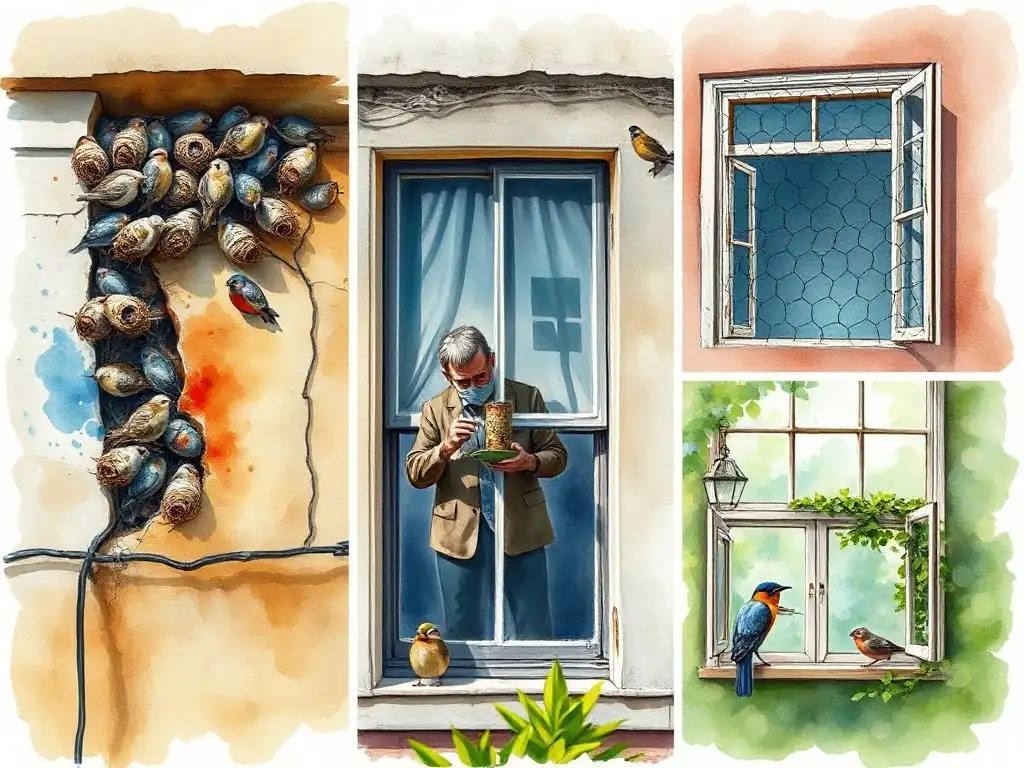
This section delves into specific instances where bird-proofing measures fell short, analyzing the reasons for failure and outlining effective solutions. Understanding these real-world scenarios can help prevent similar issues in your own home and enhance the overall safety and security of your feathered friend. Addressing "bird proofing problems solutions" requires a meticulous approach, as even small oversights can have significant consequences.
Case Study 1: Parrot Escape Through a Compromised Window Frame
A large Amazon parrot, Coco, escaped her seemingly secure cage despite the owner's diligent bird-proofing efforts. The initial setup included a sturdy cage, covered perches, and window guards. However, Coco, a particularly intelligent and resourceful bird, discovered a weakness: a small gap between the window frame and the newly installed window guard. Over time, she managed to widen this gap using her beak, creating a sufficient opening to squeeze through. The escape resulted in a stressful search and eventual recapture, highlighting the importance of regular inspections and proactive maintenance of bird-proofing measures.
The solution involved replacing the existing window guard with a more robust, custom-fitted model that eliminated any potential gaps or weak points. Furthermore, the owner installed additional security measures, including a secondary latch on the window and a bird-proof screen across the entire window area. Regular inspections, at least weekly, became part of the owner's routine to prevent future escapes.
This case underscores the need for considering the ingenuity of your bird and the potential for them to exploit even small vulnerabilities in your bird-proofing strategy. Remember, a seemingly small gap can be a significant "bird proofing problem" with potentially serious consequences.
Case Study 2: Persistent Chewing on Electrical Cords
Another common "bird proofing problem" involves persistent chewing on electrical cords, posing a significant risk of electrocution or fire. In this instance, a cockatiel named Sunny repeatedly chewed on cords despite the owner's attempts to cover them with cord protectors. While the initial cord covers were effective for a short time, Sunny's persistent chewing eventually damaged several of them, exposing the dangerous wires beneath. This behavior is often driven by boredom, a lack of appropriate chew toys, or a nutritional deficiency.
The solution required a multi-pronged approach. First, all exposed electrical cords were completely concealed within walls or covered with heavy-duty, reinforced cord protectors designed to withstand persistent chewing. This addressed the immediate danger. However, equally important was addressing the root cause of Sunny's behavior. The owner introduced a wider variety of chew toys, including natural wood perches, foraging toys, and mineral blocks, to alleviate boredom and provide appropriate chewing outlets.
A vet check also ruled out any nutritional deficiencies that might have been contributing to the behavior. This comprehensive solution tackled both the immediate "bird proofing problems solutions" and the underlying behavioral issues, resulting in a safer and more enriched environment for Sunny. This case highlights that effective bird-proofing requires not only physical barriers but also addressing the behavioral needs of your bird. 🐦
Frequently Asked Questions
What are some common bird-proofing problems?
Many homes have unintentional hazards for birds. These include open windows, toxic plants, unsecured electrical cords, and small objects they can swallow. Thorough assessment is key to prevention.
My bird keeps escaping! What can I do?
Ensure all windows and doors are securely closed and latched. Consider installing bird-safe window coverings or screens. Regularly check for any gaps or weaknesses in your bird's cage.
How can I prevent my bird from chewing on dangerous items?
Provide plenty of safe chew toys to redirect their natural chewing instincts. Keep toxic substances out of reach and thoroughly clean areas where your bird spends time. Positive reinforcement training can help deter unwanted chewing.
My bird seems stressed after a bird-proofing attempt. What should I do?
Birds are sensitive to changes. Create a calm and enriching environment with familiar toys and perches. Allow your bird time to adjust to the new setup. If stress persists, consult an avian veterinarian.
Are there any specific plants I should avoid having around my bird?
Many common houseplants are toxic to birds. Research thoroughly before introducing any new plants into your home. Avocado, lilies, and tulips are particularly dangerous. Opt for bird-safe alternatives.
Final Reflection: Beyond the Netting: A Deeper Look at Bird-Human Coexistence
The persistent challenge of bird proofing highlights a fundamental truth: our attempts to control nature often reveal more about our own relationship with the wild than about the birds themselves. While effective solutions exist for deterring birds from unwanted areas, the very need for such measures underscores the increasing tension between human development and the natural world. We must move beyond simple fixes and consider the bigger picture.
The ongoing struggle to balance human needs with the preservation of bird habitats speaks volumes about our evolving understanding of environmental responsibility. We've learned that simply pushing birds away isn't enough; we need to understand their behaviors, their needs, and the impact of our actions on their ecosystems. The fate of the bird is the fate of the world.
This sentiment, though poetic, holds a powerful truth: our actions towards birds reflect our broader approach to environmental stewardship. We must strive for solutions that are both effective and ethically sound.
Consider the implications of your own interactions with birds. Are you actively creating environments that encourage coexistence, or are you simply reacting to problems as they arise? I urge you to move beyond the immediate solutions presented in this article and to reflect on your own role in shaping the relationship between humans and birds. By understanding the underlying causes of bird-related issues, and by embracing a more holistic and compassionate approach, we can create a future where both humans and birds can thrive.
Unlock Your Bird's Potential: Next Steps to a Safer Home!
Thank you for learning about bird-proofing your home! We hope you found the information helpful. Now, let's put that knowledge into practice. Ready to create a truly safe haven for your feathered friend?
- Tackle your biggest challenge first: Identify the most significant hazard in your home—perhaps unsecured windows, exposed electrical cords, or toxic plants—and address it immediately. Even a small change can make a big difference.
- Share your successes (or challenges!) with our community in the comments below. Let's learn from each other!
- Conduct a thorough home assessment: Create a checklist of potential hazards and mark each one as you address it. This will help ensure you haven't overlooked anything important.
What's one small step you'll take today to improve your bird's safety?