
StressFree Sojourns: Calming Techniques for Birds During Travel

Welcome to PetCareWorld, your ultimate guide to a happier, healthier life for your beloved companion! Are you planning a trip with your feathered friend? Discover stress-free travel with our expert guide on calm bird travel techniques. Learn the secrets to ensuring a safe and comfortable journey for your bird, transforming stressful travel into a smooth and enjoyable experience for both of you. Read on to unlock the key to peaceful travel with your avian companion!
- Understanding Your Bird's Travel Anxiety: Recognizing Signs of Distress
- Preparing for a Smooth Journey: Creating a Relaxing Travel Environment
- In-Transit Calming Strategies for Birds: Minimizing Stress During Travel
- Post-Travel Care: Helping Your Bird Adjust to Home After a Trip
- Advanced Techniques for Managing Avian Travel Anxiety: Natural and Holistic Approaches
- Choosing the Best Travel Method for Your Bird: Air, Car, or Train
- Frequently Asked Questions about Bird Travel and Stress Reduction
- Frequently Asked Questions
- Final Reflection: Finding Peace in Transit: A Journey for Birds and Their Humans
- Unleash Your Bird's Inner Zen: Travel Prep Made Easy
Understanding Your Bird's Travel Anxiety: Recognizing Signs of Distress
Traveling with your beloved feathered friend can be a rewarding experience, strengthening your bond and creating lasting memories. However, for many birds, travel can be a significant source of stress. Understanding your bird's anxieties and implementing appropriate calming techniques is crucial for ensuring a safe and comfortable journey for both of you. This article will delve into practical strategies for minimizing stress during bird travel, focusing on recognizing signs of distress, pre-trip preparation, and in-travel calming techniques.
We'll explore effective methods to transform potentially stressful journeys into calm and enjoyable experiences for your avian companion, helping you master the art of stress-free bird travel. This guide focuses on creating a positive travel experience for your bird, ultimately enhancing their well-being and strengthening your relationship. Remember, a well-prepared and calm owner contributes significantly to a stress-free journey for their pet.
Identifying Stress Indicators in Parrots, Cockatoos, and Other Avian Companions
Recognizing signs of stress in birds is paramount to ensuring their well-being during travel. Different species may exhibit stress differently, but some common indicators include:
- Changes in vocalizations: Increased squawking, screeching, or unusual calls can signal anxiety. A normally quiet bird might become excessively vocal, while a typically vocal bird may become unusually silent.
- Feather ruffling: Birds may ruffle their feathers excessively as a sign of discomfort or fear. This can be accompanied by fluffed-up plumage, making them appear larger than usual.
- Changes in appetite: A decrease or complete loss of appetite is a clear indication of stress. Observe your bird's food and water intake closely before, during, and after travel.
- Increased aggression or fearfulness: A normally friendly bird might become more aggressive or fearful, exhibiting biting, lunging, or hiding behavior.
- Restlessness and pacing: Excessive pacing or restless movements within their cage are common signs of anxiety. They might repeatedly try to climb or perch in unusual places.
- Diarrhea or changes in droppings: Changes in the consistency or frequency of droppings can indicate stress, so monitor your bird's droppings closely.
- Dilated pupils: While subtle, dilated pupils can be a telltale sign of fear or anxiety in birds.
Understanding these signs allows you to proactively address your bird's stress and implement appropriate calming strategies before, during, and after travel. Early identification of these indicators is key to preventing more serious issues. Keep a detailed record of your bird's behavior before, during, and after trips to better understand their individual responses to travel.
Pre-Trip Veterinary Checkup: Ensuring a Healthy Journey for Your Feathered Friend
Before embarking on any journey with your bird, a pre-trip veterinary checkup is crucial. This checkup serves several important purposes:
- Health assessment: Your veterinarian can assess your bird's overall health and identify any potential health issues that could be exacerbated by travel. This is especially important for older or birds with pre-existing conditions.
- Vaccination and parasite control: Ensure your bird's vaccinations are up-to-date and that they are free from internal and external parasites. This minimizes the risk of illness during travel.
- Travel-specific advice: Your veterinarian can provide specific advice on travel arrangements, including appropriate carriers, environmental considerations, and potential health risks associated with your destination.
- Medication recommendations: If your bird requires medication, your vet can advise on how to manage medication administration during travel. They may prescribe calming medication if necessary.
A healthy bird is better equipped to handle the stresses of travel. Don't underestimate the importance of this crucial step in ensuring a safe and enjoyable journey for your feathered friend. The peace of mind gained from a pre-trip veterinary check is invaluable.
Behavioral Changes: Subtle Clues to Avian Travel Anxiety
Even subtle behavioral changes can indicate underlying travel anxiety in your bird. These changes might be easily overlooked if you're not paying close attention. Examples include:
- Changes in sleep patterns: Your bird might experience insomnia or excessive sleeping before or during travel. This disruption in their normal sleep-wake cycle is a clear sign of stress.
- Preening habits: Increased or decreased preening can be a subtle indicator of stress. Observe if your bird is preening excessively or neglecting their feathers altogether.
- Changes in social interaction: A bird that is usually sociable might become withdrawn or less interactive with you or other birds before or during travel. Conversely, a normally shy bird might become more clingy.
- Self-mutilation: In extreme cases, stressed birds might engage in self-mutilating behaviors like feather plucking. If you observe such behavior, seek veterinary attention immediately.
Paying close attention to these subtle cues allows for early intervention and the implementation of appropriate calming strategies. Remember, proactive care is essential for preventing significant stress-related issues during travel. By carefully monitoring your bird's behavior, you can create a smoother and more enjoyable journey for both of you.
Preparing for a Smooth Journey: Creating a Relaxing Travel Environment
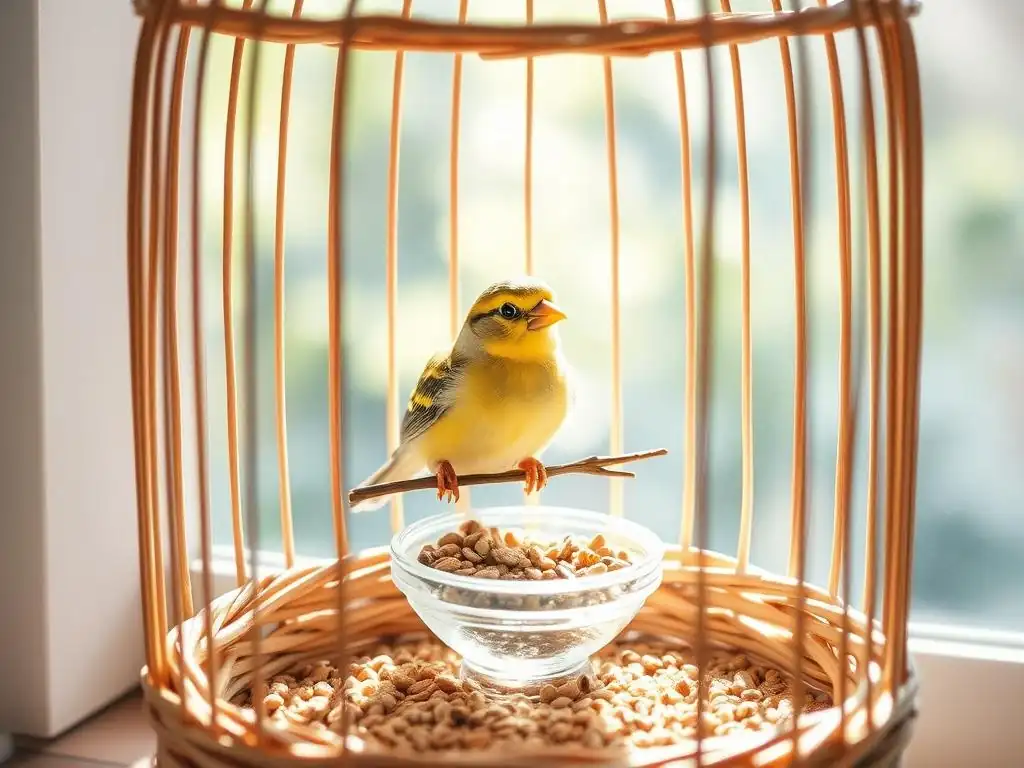
This section focuses on establishing a calm and reassuring atmosphere for your feathered friend before, during, and after travel. Minimizing stress during transportation is crucial for your bird's well-being. A well-planned journey can significantly reduce anxiety and ensure a safe and comfortable experience for both you and your pet. Remember, a relaxed bird is a safer bird.
The Importance of a Secure and Comfortable Bird Carrier: Choosing the Right Cage
Choosing the right bird carrier is paramount for a stress-free journey. A poorly designed or unsuitable carrier can exacerbate your bird's anxiety and even lead to injury. Avoid carriers that are too small, cramped, or lack adequate ventilation. The ideal carrier should provide ample space for your bird to move around slightly, perch comfortably, and feel secure. Think of it as a temporary, mobile home for your bird.
Consider the following factors: Is the carrier appropriately sized for your bird's species and size? Does it offer sufficient ventilation to prevent overheating? Is it sturdy and escape-proof? A carrier with a secure latch and strong construction is essential to prevent accidental escapes during travel. Furthermore, the material should be easy to clean and disinfect. Many pet stores offer a variety of carriers designed specifically for birds, ranging from small travel cages for smaller species to larger carriers for larger parrots. Remember, a comfortable carrier contributes significantly to calm bird travel techniques.
Carrier Selection Criteria: Size, Ventilation, and Safety Features
The dimensions of your bird's carrier are critical. The carrier should be large enough for your bird to fully extend its wings without hitting the sides or top. A cramped carrier will increase stress levels. For example, a small parakeet will need a smaller carrier than a large macaw. Always check the manufacturer's specifications to ensure compatibility with your bird's size.
Ventilation is equally important. Poor ventilation can lead to overheating, especially during warmer months or longer journeys. Look for carriers with ample mesh or wire openings for proper airflow. Avoid carriers with insufficient ventilation or those made from materials that trap heat.
The carrier should also be sturdy and secure, with strong latches and a robust construction to prevent accidental openings or escapes during transit. Safety features such as sturdy perches inside the carrier will also help your bird feel more secure. Prioritize carriers with features designed to minimize stress and maximize comfort, contributing to effective calm bird travel techniques.
Essential Supplies for a Calm Bird Travel Experience: Toys, Food, and Water
Packing the right supplies is crucial for a smooth journey. Familiar toys can provide comfort and a sense of security during travel. Bring a few of your bird's favorite toys, but avoid anything that can easily break or create a mess. Small, soft toys are ideal. Food and water are essential. Use travel-friendly food and water containers to prevent spills and messes. Bring enough food and water for the duration of the journey, plus some extra. Consider bringing your bird's usual food to avoid digestive upsets.
Additionally, including a familiar soft cloth or small blanket can provide a sense of security and comfort. The familiar scent can be soothing during the journey. Remember, a well-prepared travel kit contributes significantly to your bird's overall comfort and reduces stress, making your journey a success with effective calm bird travel techniques. Planning ahead and focusing on your bird's comfort will result in a much more enjoyable experience for both of you.
In-Transit Calming Strategies for Birds: Minimizing Stress During Travel
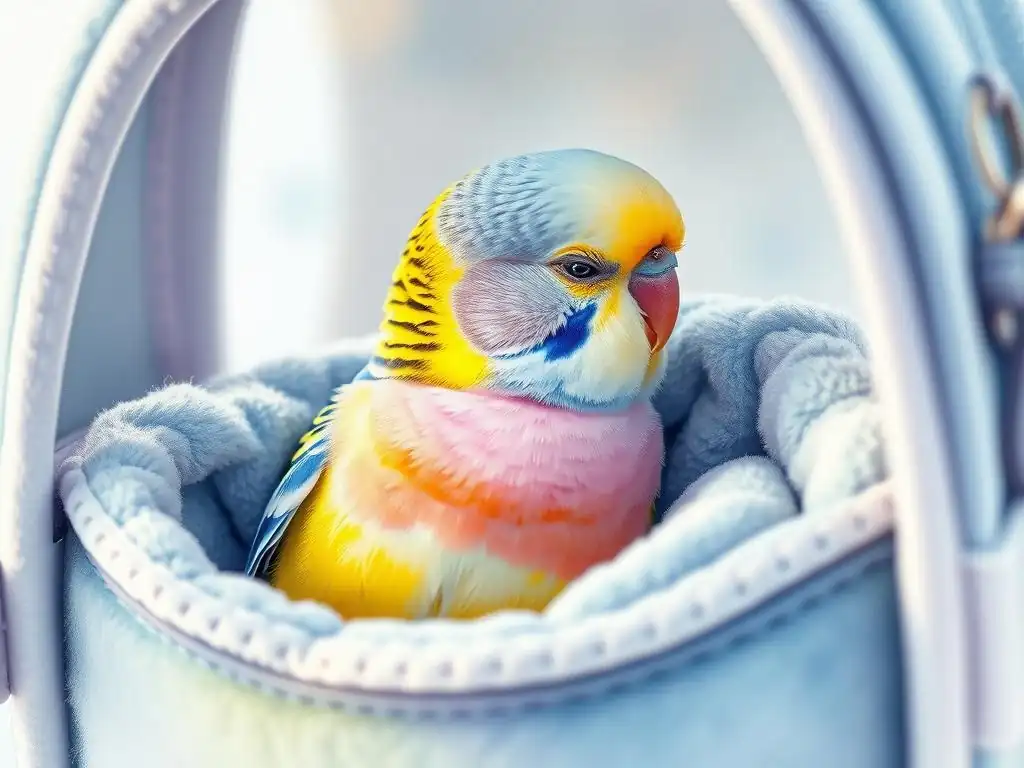
This section focuses on practical, evidence-based techniques to reduce anxiety and stress in birds during travel. Successfully implementing these strategies contributes significantly to a smoother, safer journey for your feathered friend and enhances their overall well-being before, during, and after the trip. Remember, a calm bird is a safer bird, especially in the unfamiliar environment of travel. We'll explore several key approaches to achieving this goal, focusing on minimizing sensory overload and maintaining a sense of familiarity.
Reducing Noise and Visual Stimulation: Creating a Quiet and Dark Space
Excessive noise and visual stimulation are major stressors for birds. The unfamiliar sights and sounds of travel – car engines, airplane noises, bustling crowds – can overwhelm their sensitive nervous systems. Creating a quiet and dark space within their travel carrier is crucial for reducing anxiety.
Consider these strategies:
- Carrier Placement: Position the carrier in the quietest area of the vehicle. In a car, this might be away from the engine and speakers. On a plane, if possible, request a seat away from high-traffic areas.
- Covering the Carrier: Partially or completely covering the carrier with a dark, breathable cloth can significantly reduce visual stimulation and create a sense of security. Ensure adequate ventilation to prevent overheating.
- Noise Reduction: Use calming music or white noise to mask jarring sounds. Experiment beforehand to determine what sounds your bird tolerates best. Avoid loud or jarring music. Some owners report success using recordings of natural bird sounds.
- Travel Time: Plan your journey to avoid peak travel times when noise and activity are highest. Traveling during off-peak hours can significantly minimize stress.
The Power of Familiar Scents: Using Bird-Safe Calming Products
Familiar scents can have a powerful calming effect on birds, providing a sense of comfort and security in a strange environment. However, it's crucial to use only bird-safe products. Many essential oils, for instance, are toxic to birds.
Here's how to leverage the power of scent:
- Familiar Toys and Bedding: Include a few small, familiar toys and a piece of bedding from your bird's cage. The familiar smells and textures provide comfort and reduce anxiety.
- Bird-Safe Calming Sprays: Some companies produce bird-safe calming sprays that contain natural ingredients like chamomile or lavender. Always thoroughly research any product before using it on your bird and follow the instructions carefully. [Specific product recommendations pending further research].
- Avoid Harsh Chemicals: Never use air fresheners or other scented products near your bird's carrier, as these can be harmful. Keep the travel environment as clean and chemical-free as possible.
Maintaining a Consistent Routine: Minimizing Disruption During Travel
Maintaining a consistent routine can significantly reduce stress for birds during travel. This means sticking to their usual feeding, sleeping, and activity schedules as closely as possible.
Here’s how to maintain consistency:
- Feeding Schedule: Feed your bird at their usual times, using familiar food and water dishes. Pack enough food and water for the entire journey, ensuring access at all times.
- Rest Periods: Allow your bird regular rest periods during the journey. Avoid excessive handling or interaction during these times.
- Pre-Trip Preparation: Before the trip, gradually adjust your bird's routine to mimic the travel schedule, such as adjusting feeding times to accommodate travel. This helps ease the transition and minimizes stress.
- Post-Trip Reintegration: Upon arrival, gradually reintegrate your bird back into their normal routine. Avoid major changes immediately following the trip.
By carefully implementing these calming techniques, you can significantly reduce the stress your bird experiences during travel, ensuring a more pleasant and safe journey for both of you. Remember, patience and understanding are key to a successful and stress-free experience for your feathered companion. Always prioritize your bird's well-being and consult with an avian veterinarian if you have any concerns. 🐦
Post-Travel Care: Helping Your Bird Adjust to Home After a Trip
Bringing your feathered friend home after a journey requires careful attention to their well-being. The transition back to their familiar environment shouldn't be rushed; instead, it should be a gradual process designed to minimize stress and promote a smooth reintegration. Successful post-travel care focuses on easing your bird back into its routine, addressing any potential anxiety, and providing extra attention and enrichment to rebuild trust and comfort.
This careful approach is crucial for ensuring your bird's continued happiness and health. Remember, even seemingly calm birds can experience underlying stress after travel, so vigilance is key. Proper post-travel care is a vital component of calm bird travel techniques.
Easing Your Bird Back into its Routine: Gradual Reintroduction to its Environment
The immediate post-travel period is critical. Avoid overwhelming your bird with sudden changes. Upon arrival, gently place your bird's cage in its usual location, ensuring it's in the same spot as before the trip. Resist the urge to immediately interact extensively; allow your bird some quiet time to acclimate to the familiar surroundings. Observe your bird closely for any signs of distress, such as ruffled feathers, unusual vocalizations, or decreased appetite.
Over the next few days, gradually resume your bird's normal routine. This includes feeding times, playtime, and any other established habits. Consistency is paramount; sticking to the schedule helps your bird feel secure and reduces anxiety. If your bird usually enjoys interaction, offer gentle pats and soft talking, but be mindful of their cues. If they seem withdrawn, respect their space and allow them time to adjust at their own pace. Remember, patience is a cornerstone of effective calm bird travel techniques.
Addressing Post-Travel Anxiety: Signs and Solutions
Some birds exhibit post-travel anxiety, manifested in various ways. These signs can include increased vocalization (often more frequent or higher-pitched than usual), excessive preening or feather plucking, changes in appetite (either increased or decreased), lethargy, or unusual droppings. These are subtle but important indicators of stress.
If you observe any of these signs, provide a calm and reassuring environment. Dim lighting can help reduce stimulation, and playing soft, familiar music can soothe your bird. Avoid loud noises or sudden movements that might further distress them. Offering favorite treats can also be helpful in alleviating anxiety and building trust. In more severe cases, consulting an avian veterinarian is recommended to rule out any underlying medical conditions and receive tailored advice. Early intervention is crucial for implementing effective calm bird travel techniques.
Providing Extra Attention and Enrichment: Rebuilding Trust and Comfort
Following a journey, your bird may need extra attention and enrichment activities to help them regain their sense of security and well-being. This might involve spending more time interacting with your bird, offering new toys, or providing opportunities for foraging. New toys and foraging opportunities provide mental stimulation and distraction, diverting their attention away from any lingering anxiety. Positive reinforcement techniques, such as rewarding desired behaviors with treats or praise, can help rebuild trust and strengthen your bond.
Consider creating a more enriching environment. This could involve adding new branches to the cage, rearranging toys, or providing fresh greens and fruits. Remember, a stimulating and comfortable environment is crucial for your bird's overall well-being, especially after a potentially stressful travel experience. By providing extra attention and enrichment, you can significantly improve your bird's post-travel adjustment and contribute to long-term emotional well-being, solidifying your commitment to calm bird travel techniques.
When to Seek Veterinary Assistance: Recognizing Signs of Severe Stress
Even with careful planning and execution of calm bird travel techniques, some birds may experience more significant stress than others. Recognizing the signs of severe stress is crucial for ensuring your feathered friend's well-being. While mild stress might manifest as ruffled feathers or decreased appetite for a short period, severe stress requires immediate veterinary attention. These signs can indicate a more serious underlying issue that needs professional diagnosis and treatment. Don't hesitate to seek veterinary help if you observe any of these symptoms persisting beyond a day or two after your return home.
Several key indicators signal the need for urgent veterinary care. Prolonged lethargy, where your bird remains inactive and unresponsive for extended periods, is a serious concern. This could indicate a deeper problem beyond simple travel fatigue. Similarly, persistent refusal to eat or drink, especially coupled with weight loss, demands immediate professional assessment.
Dehydration can rapidly become life-threatening for birds, so this symptom should never be ignored. Changes in droppings, such as a significant increase or decrease in frequency, unusual color or consistency, or the presence of blood, should also raise a red flag. These changes can point to various underlying health issues exacerbated by the stress of travel.
Furthermore, respiratory distress, indicated by labored breathing, gasping, or wheezing, requires immediate veterinary attention. Birds are highly susceptible to respiratory infections, and the stress of travel can weaken their immune systems, making them more vulnerable. Any unusual vocalizations, such as excessive squawking, shrill cries, or unusual silence, can also indicate distress. Behavioral changes, such as excessive self-mutilation (plucking feathers excessively), aggression towards their usual companions or humans, or extreme fear and anxiety, should prompt a visit to the avian veterinarian.
These dramatic shifts in behavior are often indicative of underlying emotional distress, which can have serious physical consequences if left untreated. Remember, early intervention is key to resolving these issues and ensuring your bird's swift recovery. Trust your instincts; if something seems wrong, don't delay in seeking professional help. Your bird's health and happiness are paramount.
Advanced Techniques for Managing Avian Travel Anxiety: Natural and Holistic Approaches
This section delves into more nuanced strategies for calming your feathered friend during travel, focusing on natural and holistic approaches that complement the basic safety measures discussed previously. These techniques aim to reduce anxiety and promote a more relaxed journey for your bird, building upon the foundation of a secure and comfortable carrier. Remember, always consult your avian veterinarian before introducing any new supplements or therapies to your bird's routine.
Nutritional Support for Stress Reduction: Dietary Supplements for Birds
A balanced diet plays a crucial role in a bird's overall well-being, including its ability to cope with stress. Certain dietary supplements can help support your bird's nervous system and promote relaxation. However, it's vital to proceed with caution and consult your avian veterinarian before introducing any supplements. Improper supplementation can be harmful.
Some commonly discussed supplements include:
- L-Theanine: This amino acid is known for its calming effects and may help reduce anxiety in birds. However, dosage must be carefully determined by a vet, considering the bird's species and size.
- Melatonin: This hormone regulates sleep cycles. Small doses, prescribed by a veterinarian, might help birds adjust to travel-related disruptions in their sleep patterns. Never administer melatonin without veterinary guidance.
- Probiotics: Maintaining a healthy gut microbiome is essential for overall health and can indirectly influence stress response. Probiotics can support gut health, but should be chosen and administered under veterinary supervision.
It's crucial to remember that these supplements are not a replacement for proper travel preparation and a secure carrier. They work best as adjunctive therapies to support your bird's overall well-being during travel. Improper use can be detrimental. Always prioritize veterinary guidance.
Aromatherapy for Birds: Essential Oils and Their Impact on Avian Behavior
Aromatherapy, the use of essential oils to influence mood and behavior, has shown promise in calming anxious animals. However, it's extremely important to understand that essential oils are potent substances and must never be used directly on a bird. Inhalation of diluted essential oils, under strict conditions, might be considered, but only after consultation with an avian veterinarian experienced in aromatherapy for birds.
The potential benefits and risks are not fully understood for all bird species. Some oils, like lavender, are often associated with calming effects in mammals, but their impact on birds requires further research and should only be explored under professional guidance. Improper use can lead to respiratory issues or other health problems.
| Essential Oil | Potential Effect (in mammals) | Caution for Birds |
|---|---|---|
| Lavender | Calming, relaxing | Extremely diluted, vet supervision required |
| Chamomile | Calming, soothing | Extremely diluted, vet supervision required |
| Avoid: Eucalyptus | Respiratory stimulant | Extremely dangerous for birds; never use |
| Avoid: Peppermint | Respiratory stimulant | Extremely dangerous for birds; never use |
The use of aromatherapy for birds is a complex issue. Always prioritize safety and seek expert veterinary advice before attempting any aromatherapy techniques. Improper use can be incredibly harmful.
Positive Reinforcement Training for Travel: Building Positive Associations
Positive reinforcement training is a powerful tool for managing anxiety in birds. By associating travel preparation with positive experiences, you can help your bird develop more positive associations with the travel process. This involves gradually introducing aspects of travel—the carrier, the car, etc.—while rewarding your bird with treats, praise, and favorite toys.
This process should begin well before the actual travel date.
- Carrier Association: Start by placing your bird's favorite toys and treats inside the carrier. Allow them to explore it freely and associate it with positive reinforcement.
- Gradual Exposure: Gradually increase the duration your bird spends in the carrier, rewarding them throughout. Never force them inside.
- Car Rides: Begin with short car trips, gradually increasing the distance as your bird becomes more comfortable. Reward calm behavior during the ride.
- Consistent Routine: Maintain a consistent pre-travel routine to help your bird anticipate and feel more secure during the travel process.
The key is patience and consistency. Building positive associations takes time and effort, but the resulting reduction in anxiety during travel will be well worth it. Remember, positive reinforcement training is about building trust and creating positive memories, not about forcing a bird into a situation they fear. 🐦
Choosing the Best Travel Method for Your Bird: Air, Car, or Train
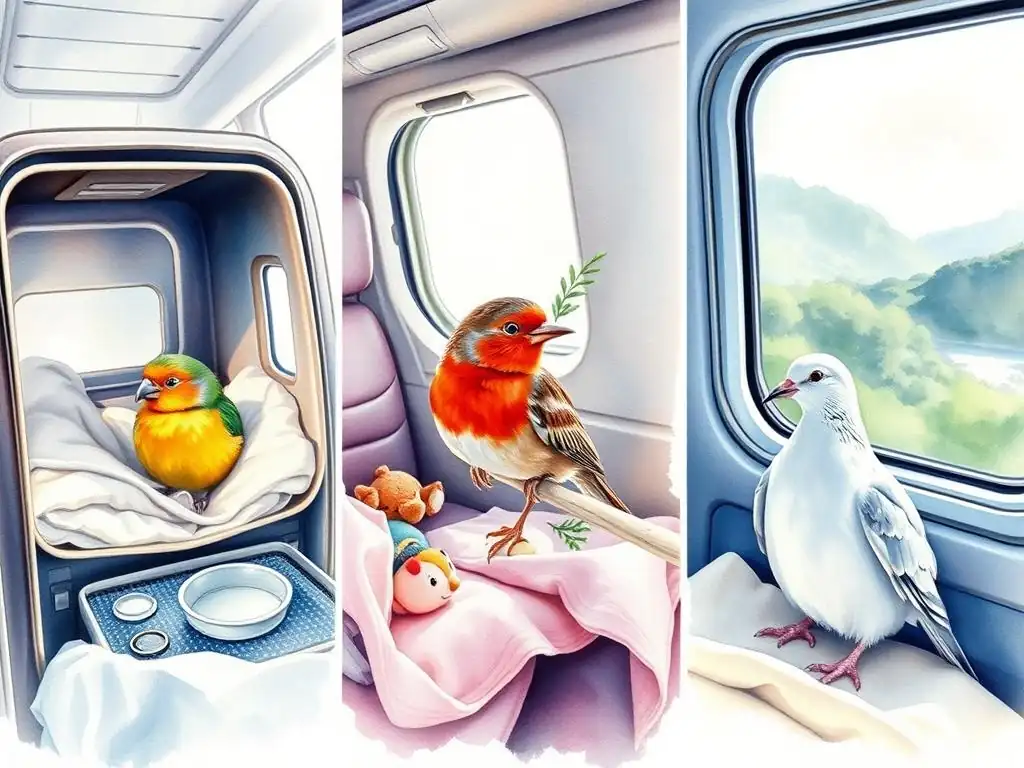
Selecting the optimal transportation method for your feathered friend is paramount for a stress-free journey. The best choice depends heavily on the distance, your bird's temperament, and the specific regulations surrounding pet travel in your chosen mode of transport. Each method presents unique challenges and advantages concerning your bird's safety and comfort. Careful consideration of these factors will significantly impact your bird's experience and overall well-being during the trip.
Understanding the pros and cons of air, car, and train travel will empower you to make an informed decision that prioritizes your bird's welfare. Remember, the goal is to minimize stress and ensure a smooth, safe journey for your beloved companion. Let's explore the specifics of each travel option to help you choose the best fit for your bird and your travel plans.
Air Travel with Birds: Regulations, Safety, and Minimizing Stress
Air travel with birds necessitates meticulous planning and adherence to strict airline regulations. These regulations vary widely depending on the airline and your destination, so confirming specific requirements well in advance is crucial. Many airlines categorize birds as "special baggage," requiring advance booking and potentially extra fees. Your bird will likely need to travel in an appropriately sized, well-ventilated carrier designed specifically for avian transport. The carrier should be secure, escape-proof, and provide adequate space for your bird to stand, stretch its wings (partially), and turn around comfortably.
Choosing the right carrier is key to minimizing stress. Consider a carrier with a solid bottom to prevent slipping and a secure latch to prevent escapes. Line the bottom with absorbent material such as paper towels to easily clean up any accidents. Providing a familiar toy or perch can help comfort your bird during the flight. Remember to clearly label the carrier with your contact information and a note indicating that it contains a live bird.
Minimizing stress during air travel requires proactive measures. Avoid traveling during peak travel times to reduce potential turbulence and delays. Consider bringing a small spray bottle to lightly mist your bird with water if it appears stressed, but avoid overdoing it. Remember to check the airline's regulations regarding food and water provisions for your bird during the flight.
Many airlines have specific requirements, such as only providing certain types of food or a limited amount of water. Always confirm these specific details prior to your flight. Planning ahead and understanding the potential challenges involved in air travel will greatly improve your bird's chances of a safe and less stressful journey.
Car Travel with Birds: Tips for a Safe and Comfortable Journey
Car travel offers a greater degree of control and potentially less stress for your bird compared to air travel. However, it's still essential to take precautions to ensure your bird's safety and comfort. Securing your bird's carrier appropriately is paramount. Place the carrier in a stable location, away from direct sunlight and any potential hazards such as airbags. Using a seatbelt or other securing method can prevent the carrier from shifting during sudden stops or turns.
Maintaining a comfortable temperature inside the vehicle is vital. Birds are sensitive to temperature fluctuations, so avoid extreme heat or cold. Use climate control to maintain a comfortable temperature inside the car. Regular stops are recommended, particularly on longer journeys, to allow your bird to stretch its wings and relieve itself. During these stops, supervise your bird closely to prevent any escapes. Consider bringing a small travel spray bottle to mist your bird with water if it becomes dehydrated, particularly on hot days. Always provide fresh water and a small amount of familiar food during the journey.
Remember to plan your route in advance, considering potential traffic delays and rest stops along the way. A well-planned car journey can significantly reduce stress for both you and your bird, ensuring a smoother and more enjoyable travel experience. For example, breaking up a long journey into shorter segments with overnight stays at pet-friendly accommodations can greatly improve your bird's comfort.
Train Travel with Birds: Considerations and Best Practices
Train travel offers a relatively calm and less turbulent journey compared to air travel, but still requires careful consideration. Most train companies allow birds in appropriate carriers, but specific regulations vary. Confirming the airline's pet policy is crucial before booking your trip. Your bird’s carrier should be placed securely on the floor or on a shelf – avoiding overhead compartments to prevent accidental damage.
Similar to car travel, maintaining a comfortable temperature within the train carriage is important. Birds are sensitive to temperature changes, so be mindful of the temperature and adjust accordingly. Provide fresh water and a small amount of familiar food throughout the journey. Regular breaks are advisable, especially on longer journeys, to allow your bird to stretch its wings and relieve itself. During these breaks, ensure your bird is supervised closely to prevent escapes. Consider bringing a familiar toy or perch to help comfort your bird during the journey.
Remember that train travel can be a more extended journey than car travel, so extra planning is crucial. Planning for sufficient rest stops and breaks can make a significant difference in your bird's comfort level. Pack enough food and water to last the entire journey, and consider bringing extra absorbent material for any potential accidents. With careful planning and preparation, train travel can be a relatively stress-free option for your avian companion.
Frequently Asked Questions about Bird Travel and Stress Reduction
This section addresses common concerns pet owners have regarding bird travel and stress reduction, offering practical advice to ensure a smooth and calm journey for your feathered friend. We'll explore pre-travel preparation, recognizing signs of stress, and handling anxious situations during transit. Remember, a well-prepared journey minimizes stress and maximizes the enjoyment of your trip for both you and your bird.
How to Acclimate Your Bird to a Carrier Before Travel?
Successfully acclimating your bird to its travel carrier is crucial for minimizing stress during the journey. A gradual introduction is key. Don't just shove your bird into the carrier right before departure! Instead, follow these steps:
- Phase 1: Familiarization (1-2 weeks before travel): Place the open carrier in your bird's usual environment. Leave the door open and allow your bird to investigate at its own pace. Include favorite toys and perches inside to make it inviting. Offer treats inside the carrier to create positive associations.
- Phase 2: Positive Reinforcement (1 week before travel): Start putting your bird briefly inside the carrier several times a day. Reward with treats and praise immediately after placing them inside and when they remain inside calmly. Gradually increase the duration of time your bird spends inside.
- Phase 3: Simulated Travel (2-3 days before travel): Close the carrier door for short periods, again rewarding calm behavior. Gradually lengthen these periods, ensuring your bird never feels trapped or distressed. You might even move the carrier around the room to simulate movement.
- Phase 4: Pre-Trip Check: Before the actual journey, ensure the carrier is securely fastened, well-ventilated, and appropriately sized for your bird. Provide fresh food, water, and a familiar perch. Consider a small, soft toy to comfort your bird during the trip.
Remember, patience and positive reinforcement are essential. Avoid forcing your bird into the carrier, as this will create negative associations and exacerbate travel anxiety. Observe your bird's body language. Signs of stress include ruffled feathers, rapid breathing, and hiding. If you see these signs, reduce the duration of the carrier sessions and try again later. Consistent positive interactions will help your bird view the carrier as a safe and comfortable space.
What are the signs of severe stress in birds after travel?
Even with careful preparation, some birds may still exhibit signs of stress after travel. Recognizing these signs is critical for providing appropriate care and support. Severe stress in birds after travel can manifest in various ways:
- Lethargy and Depression: Your bird may appear unusually quiet, withdrawn, and less interactive than usual. It might spend most of its time perched in one spot, showing little interest in food, water, or toys.
- Feather Plucking: Excessive preening or feather plucking can indicate significant stress. This is a self-soothing behavior, and if it persists, it could indicate a deeper problem.
- Changes in Eating and Drinking Habits: A significant decrease or increase in food and water intake is a warning sign. Weight loss or dehydration are serious consequences of prolonged stress.
- Respiratory Issues: Rapid or labored breathing, gasping, or wheezing could indicate respiratory distress, a potential complication of travel stress.
- Diarrhea or Changes in Droppings: Alterations in the consistency, color, or frequency of droppings can signify digestive upset, a common stress response.
- Aggression or Fearful Behavior: Some birds might become unusually aggressive or fearful, exhibiting biting, snapping, or hiding behaviors.
If you observe any of these severe stress indicators, consult an avian veterinarian immediately. Prompt veterinary attention is crucial to prevent further complications and ensure your bird's well-being. Early intervention can often make a significant difference in recovery.
What should I do if my bird is exhibiting signs of anxiety during travel?
If your bird displays signs of anxiety during travel (such as ruffled feathers, panting, or vocalizations), take immediate steps to calm them:
- Minimize Movement: If possible, stop the vehicle or find a quiet, secure location. Avoid sudden movements or loud noises.
- Provide Comfort: Speak softly and gently to your bird. If safe to do so, gently stroke or pet your bird (only if your bird is accustomed to this).
- Offer Familiar Items: If you have a small, soft toy or familiar item in the carrier, offer it to your bird for comfort.
- Ensure Fresh Air: Make sure the carrier is well-ventilated.
- Monitor for Severe Symptoms: Observe your bird closely for any signs of severe stress, such as those listed previously. If you notice anything concerning, seek veterinary help as soon as possible.
Remember, a calm and reassuring demeanor from you is crucial. Your bird will sense your anxiety and may react accordingly. Maintaining a calm and gentle approach is essential for helping your bird manage its anxiety during travel. Consider using calming techniques like playing soft music or covering part of the carrier to create a more secure environment. Planning ahead and anticipating potential anxiety is key to ensuring a smoother and less stressful journey for your feathered companion.
Frequently Asked Questions
How can I best prepare my bird for travel?
Preparing your bird for travel involves several steps. Gradual acclimation to the carrier is crucial. Ensure the carrier is secure, well-ventilated, and appropriately sized, offering familiar toys and perches.
What are some calming techniques for my bird during travel?
Covering part of the carrier can reduce visual stimulation and anxiety. Playing soothing music or using pheromone sprays (consult your avian vet) can also help. Speak softly and reassuringly to your bird.
What should I pack for my bird's journey?
Pack sufficient food and water, a familiar toy or two, and paper towels or absorbent material for any accidents. Include any necessary medications and your veterinarian's contact information.
How can I minimize my bird's stress during car travel?
Keep the car cool and well-ventilated. Avoid sudden stops and starts. Place the carrier securely to prevent movement. Consider using a travel harness if your bird is comfortable with it.
What if my bird shows signs of distress during travel?
If your bird shows signs of extreme stress (e.g., excessive panting, feather plucking), stop the vehicle immediately in a safe location and assess the situation. Provide water and try calming techniques. Consult your avian vet if necessary.
Final Reflection: Finding Peace in Transit: A Journey for Birds and Their Humans
The gentle art of stress-free travel for birds is not merely a niche interest; it's a crucial aspect of responsible pet ownership in an increasingly mobile world. Our feathered friends, despite their delicate nature, deserve the same consideration and care we give ourselves when navigating the often-chaotic landscape of travel. Their well-being during transport directly impacts their overall health and happiness.
The impact of mindful travel practices extends beyond the immediate journey; it shapes the bond we share with our avian companions. By prioritizing their comfort and minimizing stress, we foster a deeper connection built on trust and mutual respect. This understanding transcends the practical aspects of travel; it speaks to the very essence of our responsibility as caregivers. The greatness of a nation and its moral progress can be judged by the way its animals are treated.
- Mahatma Gandhi. This quote, while broad, speaks to the ethical considerations at the heart of ensuring calm and safe travel for our beloved birds.
Now, consider your own relationship with your feathered friend. What steps can you take to ensure their next journey is as peaceful and stress-free as possible? Take the time to implement the techniques discussed in this article – from proper cage preparation to calming aromatherapy – and witness the transformative effect on your bird's demeanor and your bond. Remember, a calm journey is not just about reaching the destination; it's about enriching the journey itself, creating a positive experience for both you and your beloved bird.
Unleash Your Bird's Inner Zen: Travel Prep Made Easy
Thank you for learning how to make travel less stressful for your feathered friend! We hope you found helpful information to create a calmer journey for your beloved bird. Now, let's put that knowledge into practice.
- Prioritize your bird's comfort: Begin preparing your carrier and travel essentials immediately. A well-prepared journey means a happy, relaxed bird. Include familiar toys, favorite perches, and ensure a secure, comfortable space.
- Share your experience! Discuss your travel successes (and challenges!) with other bird lovers on our PetCareWorld forum. Let's build a supportive community to help every bird enjoy a stress-free flight.
- Review and refine your travel plan: Take a moment to re-evaluate your preparations, ensuring you've considered every aspect of your bird’s comfort and safety.
Ready to transform your bird's travel experience into a smoother, more enjoyable adventure?