
Reptile Travel Carriers: Choosing the Right Enclosure for a Safe Journey

Welcome to PetCareWorld, your ultimate guide to a happier, healthier life for your beloved companion! Are you planning an adventure with your scaly friend? Then you've come to the right place. Discover everything you need to know about safe reptile travel carriers in our comprehensive guide, ensuring a stress-free journey for both you and your reptile. Learn how to choose the perfect carrier and keep your pet safe and comfortable during travel. Let's embark on this journey together!
- Understanding the Importance of a Safe Reptile Travel Carrier
- Types of Reptile Travel Carriers: A Comparative Analysis
-
Buying Guide: Selecting the Perfect Safe Reptile Travel Carrier
- Assessing Your Reptile's Size and Species for Carrier Selection
- Evaluating Ventilation Systems in Reptile Travel Carriers
- Security Features: Preventing Escapes During Transportation
- Comfort and Support: Choosing a Carrier that Minimizes Stress
- Material Considerations: Durability and Cleanability of Reptile Carriers
- Budget-Friendly Options vs. Premium Reptile Travel Carriers
- Top 5 Best Safe Reptile Travel Carriers in 2024
- Preparing Your Reptile for Travel: Beyond the Carrier
- Addressing Common Myths about Reptile Travel Carriers
- Frequently Asked Questions
- Final Reflection: The Journey's Safety: Ensuring Reptile Well-being on the Road
- Ready to Hit the Road with Your Scaly Friend?
Understanding the Importance of a Safe Reptile Travel Carrier
Transporting your reptile, whether for a short trip to the vet or a longer journey to a new home, requires careful planning and the right equipment. A safe reptile travel carrier is not merely a convenient container; it's a crucial element ensuring your reptile's well-being and safety throughout the travel process. A poorly chosen or improperly prepared carrier can lead to stress, injury, or even death for your reptile.
This comprehensive guide will walk you through the essential considerations for selecting the perfect carrier, focusing on factors that contribute to a stress-free and safe journey for your scaly companion. We'll explore everything from understanding the legal requirements to choosing the appropriately sized carrier for your specific reptile species and size.
Choosing the right carrier is paramount for responsible reptile ownership and demonstrates your commitment to your pet's health and happiness, even during travel. Let's delve into the details to ensure your reptile's next adventure is a safe and successful one.
Avoiding Stress and Injury During Reptile Transportation
Reptiles, unlike mammals, are ectothermic, meaning they rely on external sources to regulate their body temperature. Sudden temperature fluctuations during transport can be incredibly stressful and even life-threatening. A safe reptile travel carrier must maintain a stable temperature range appropriate for your reptile's species. This often involves using supplemental heat sources like heat packs (used correctly and safely!)
or insulating the carrier to minimize temperature changes. Furthermore, the carrier's design should minimize jostling and movement, preventing potential injuries. Secure latching mechanisms are crucial to prevent escapes, which can lead to injury or loss of your pet. Consider the following factors to minimize stress and injury:
- Proper Ventilation: Adequate ventilation is essential to prevent overheating and ensure fresh air circulation. Poor ventilation can lead to respiratory problems and even death.
- Secure Locking Mechanisms: Double-check that the latches and closures on your chosen carrier are robust and secure. Escapes during transport can have devastating consequences.
- Soft Bedding: Provide appropriate bedding material within the carrier to cushion your reptile and prevent injuries from bumps and jolts during travel. Avoid materials that could be ingested or cause harm.
- Escape-Proof Design: Look for carriers with solid walls and secure lids to prevent escapes. Mesh or wire carriers are generally not recommended for reptiles due to the risk of escape and injury.
Legal Requirements for Reptile Travel Carriers
Before embarking on any journey with your reptile, it's crucial to understand the legal requirements for transporting reptiles. These regulations vary depending on your location (country, state, or even city) and the specific species of reptile. Some jurisdictions may require specific types of carriers, while others may have regulations concerning the necessary documentation or permits for transporting certain species. Failure to comply with these regulations can lead to penalties, including fines or even the confiscation of your reptile.
Always check with your local authorities – including transportation agencies (airlines, etc.) – well in advance of your travel date to ensure you are fully compliant. Ignoring these regulations is not only irresponsible but potentially harmful to your reptile and puts you at risk. Researching and understanding these rules before your travel date is a key component of responsible pet ownership.
Choosing the Right Size Carrier for Your Reptile
Selecting the appropriately sized carrier is paramount for your reptile's safety and comfort. A carrier that is too small will restrict movement and cause undue stress, while a carrier that is too large can lead to your reptile becoming disoriented and potentially injured. The ideal carrier should provide enough space for your reptile to move around comfortably but not so much space that it becomes easily lost or injured. Consider the following points when determining the ideal size:
| Reptile Type | Carrier Size Considerations |
|---|---|
| Small Lizards (geckos) | Small, secure container with ample ventilation. |
| Larger Lizards (iguanas) | Larger enclosure with secure latches and internal perches. |
| Snakes (small) | Secure container with enough space to coil comfortably. |
| Snakes (large) | Specialized carrier designed for larger snakes. |
| Tortoises | Carrier with secure base, preventing tipping and falls. |
Remember to account for the adult size of your reptile, not just its current size, especially if you are planning longer journeys. A carrier that is comfortable for a juvenile reptile may become inadequate as it grows. Prioritize safety and comfort; a well-chosen carrier is an investment in your reptile's well-being.
Essential Features of a Safe Reptile Travel Carrier
A safe reptile travel carrier is paramount for the well-being of your scaly companion during transportation. Neglecting this crucial aspect can lead to stress, injury, or even death for your reptile. Therefore, selecting a carrier with specific features is non-negotiable. These features go beyond simple containment; they prioritize your reptile's safety and comfort throughout the journey.
Several key aspects contribute to a truly safe reptile travel carrier. Firstly, secure locking mechanisms are essential. These should prevent accidental escapes, a scenario that could lead to injury or loss of your pet. The locks should be robust and easy to operate, even under stressful travel conditions. Consider carriers with multiple locking points for added security, especially for larger or more active reptiles. A flimsy latch is simply not sufficient for a safe journey.
Secondly, adequate ventilation is crucial. Reptiles are ectothermic, meaning they rely on external sources to regulate their body temperature. Poor ventilation can lead to overheating, dehydration, and respiratory problems. Look for carriers with ample mesh or perforated areas that allow for sufficient airflow. The size and placement of these vents should be appropriate for the size and species of your reptile. Small, insufficient vents will not provide the necessary airflow for a safe journey.
Another critical feature is escape-proof construction. This is more than just secure latches; it involves the overall design and materials of the carrier. Seams should be securely fastened, and the materials should be durable and resistant to chewing or scratching, especially important for species known for their escape artistry. Consider carriers made from strong, non-toxic materials that can withstand the wear and tear of travel. A carrier compromised by chewing or scratching will not provide the necessary security for your reptile.
Finally, a suitable interior space is vital. The carrier should be large enough to allow your reptile to move comfortably but not so large that it becomes difficult to manage during transport. Sufficient space prevents injuries from being cramped and allows your reptile to maintain a natural posture. Overcrowding also increases stress levels, which can negatively impact your reptile's health. Always choose a carrier that provides sufficient space for your reptile to turn around and maintain a comfortable position. The size is crucial for a stress-free and ultimately, safe journey.
Types of Reptile Travel Carriers: A Comparative Analysis
Choosing the right reptile travel carrier is crucial for ensuring a safe reptile travel carrier experience for your scaly companion. The market offers a variety of options, each with its own strengths and weaknesses. Understanding these differences will help you select the best carrier for your specific reptile and travel needs. This section will compare hard-sided and soft-sided carriers, highlighting key features and considerations.
Hard-Sided Carriers
Hard-sided carriers offer superior protection against impacts and potential predators. They provide a more secure and stable environment for your reptile during transit, minimizing stress and the risk of injury. However, they tend to be heavier and less portable than soft-sided options. The added durability comes at a cost, both in terms of price and weight. Let's explore some popular examples.
Zoo Med ReptiBreeze Carrier
The Zoo Med ReptiBreeze carrier is a popular choice among reptile keepers. Its design prioritizes ventilation, a critical factor for reptile well-being during travel. The carrier features numerous ventilation holes, preventing overheating and ensuring adequate airflow. It's typically made from durable plastic, offering good impact resistance.
However, the size options may be limited, potentially making it unsuitable for larger reptiles. Furthermore, the plastic can be prone to scratches and may not be as aesthetically pleasing as some alternatives. Consider the size of your reptile carefully before purchasing; a cramped carrier can increase stress levels during travel. Remember, a comfortable and spacious carrier is a crucial component of a safe reptile travel carrier system.
Exo Terra Reptile Carrier
The Exo Terra Reptile Carrier often boasts a more robust construction compared to the Zoo Med option. It frequently includes features like secure latches and internal dividers, allowing for better organization of accessories and separation of multiple smaller reptiles (if appropriate for your species). The Exo Terra often incorporates more advanced ventilation systems, minimizing the risk of overheating, a common concern when transporting reptiles. However, the added features and durable construction usually translate to a higher price point.
The weight can also be a significant consideration, especially for longer journeys. It's essential to weigh the benefits of enhanced durability and features against the increased weight and cost when deciding if the Exo Terra is the right safe reptile travel carrier for your needs. Always prioritize your reptile's safety and comfort.
Soft-Sided Carriers
Soft-sided carriers offer portability and flexibility, making them ideal for shorter trips or situations where weight is a major concern. They are generally lighter and easier to store than hard-sided carriers. However, they offer less protection against impacts and are more susceptible to damage. Careful consideration of ventilation and structural support is paramount when choosing a soft-sided carrier.
ReptiZoo Soft Carrier
ReptiZoo soft carriers often utilize breathable fabrics, allowing for good airflow. Their collapsible design makes them easy to store when not in use. These carriers are usually lightweight and relatively inexpensive. However, the lack of rigid structure means they offer less protection against external forces. The materials used may be prone to tearing or punctures, especially if exposed to sharp objects. Therefore, thorough inspection before and after each use is essential. A safe reptile travel carrier, even a soft-sided one, requires careful handling and attention to detail.
Considerations: Ventilation and Support in Soft-Sided Carriers
Ventilation is critical in any reptile carrier, but it's especially important in soft-sided models. Inadequate ventilation can lead to overheating and potentially fatal consequences. Look for carriers with ample mesh panels or breathable fabric. The structural support of a soft-sided carrier is also crucial.
A flimsy carrier won't provide adequate protection for your reptile. Choose a carrier with reinforced stitching and a sturdy base to prevent collapse. Consider carriers with internal supports or frames to enhance stability and provide your reptile with a more secure environment. Remember, a well-ventilated and structurally sound carrier is a key element of a truly safe reptile travel carrier.
Specialized Carriers for Specific Reptile Needs
Reptiles, with their diverse sizes, shapes, and temperaments, require specialized carriers to ensure their safety and comfort during travel. A generic carrier simply won't suffice for all species. For example, a large arboreal lizard like a green iguana needs a tall carrier with ample climbing space, unlike a terrestrial snake that requires a long, secure enclosure. Ignoring these species-specific needs can lead to stress, injury, or even death for your reptile companion. Choosing the right carrier is paramount for a safe and stress-free journey.
Consider the following factors when selecting a specialized carrier:
- Species-Specific Requirements: The size and shape of the carrier should accommodate your reptile's natural posture and movement. A constricting carrier can cause injury, particularly to snakes. Arboreal species need vertical space for climbing and basking, while terrestrial species require ample floor space for comfortable movement.
- Ventilation: Proper ventilation is critical to prevent overheating and respiratory issues. The carrier should have adequate ventilation holes or mesh panels, particularly for species sensitive to high temperatures and humidity. The location and size of these ventilation points should be considered carefully. For example, a carrier for a desert species might require more ventilation than one for a rainforest dweller.
- Escape-Proof Design: Secure latches and closures are essential to prevent escapes. Snakes, in particular, are adept at squeezing through small openings, so a carrier specifically designed for snakes needs robust, secure fasteners. Double-check all latches and closures before and during transportation.
- Material: The carrier's material should be durable, easy to clean, and appropriate for your reptile's needs. Hard plastic carriers offer excellent protection, while soft-sided carriers are lighter and more portable but may offer less protection. Consider the climate and the potential for damage during transit.
Real-world examples: A bearded dragon, a relatively docile species, might thrive in a solid plastic carrier with good ventilation. However, a venomous snake requires a robust, escape-proof carrier made of durable, non-porous material, often with specialized locking mechanisms. A chameleon, needing high humidity and vertical space, would require a tall, well-ventilated carrier with branches for climbing. Failing to meet these specialized needs can result in a dangerous and unpleasant travel experience for your pet. Prioritize safety and comfort when choosing a carrier, always researching the specific needs of your reptile species.
Buying Guide: Selecting the Perfect Safe Reptile Travel Carrier
This section provides a detailed guide to help you choose the right reptile travel carrier, prioritizing safety and your reptile's well-being. Finding the perfect "safe reptile travel carrier" involves careful consideration of several key factors. We'll break down these crucial aspects to ensure your reptile's journey is stress-free and secure.
Assessing Your Reptile's Size and Species for Carrier Selection
Choosing a carrier that's appropriately sized for your reptile is paramount. A carrier that's too small will restrict movement and cause undue stress, potentially leading to injury. Conversely, a carrier that's too large can present escape risks. Consider these points:
- Species-Specific Needs: Different reptile species have unique requirements. For example, a large iguana needs significantly more space than a small gecko. Research your reptile's specific size and activity level to determine the minimum dimensions needed. A cramped environment can lead to overheating or injury during transport.
- Adult vs. Juvenile: Juveniles grow rapidly. While a smaller carrier might suffice for a young reptile, you'll need to upgrade as they mature. Consider purchasing a carrier with adjustable features or planning for a future upgrade to avoid unnecessary stress and potential escapes.
- Measurement Matters: Don't just rely on general size descriptions. Always measure your reptile (length, width, and height) and compare these measurements to the internal dimensions of the carrier. Add a few extra inches to allow for comfortable movement and prevent overcrowding.
Evaluating Ventilation Systems in Reptile Travel Carriers
Adequate ventilation is crucial to prevent overheating and ensure your reptile's respiratory health during travel. Poor ventilation can lead to a dangerous buildup of carbon dioxide and a lack of oxygen, posing a serious threat to your pet's life. Look for these features:
- Multiple Vents: The carrier should have multiple vents strategically placed to ensure proper airflow. Top and side vents are ideal.
- Mesh vs. Solid Vents: Mesh vents offer superior airflow but may not provide complete protection from drafts. Solid vents with small holes can offer a balance between ventilation and protection.
- Vent Size and Placement: The size and placement of the vents should be appropriate for the reptile's size and species. Larger reptiles may need larger vents. Consider the positioning of the vents to prevent direct sunlight from entering and causing overheating.
- Testing Ventilation: Before your journey, test the carrier's ventilation system. Place a small thermometer inside and observe the temperature fluctuation over a period of time under various conditions (shade, sunlight, etc.). This will help you understand how effectively the carrier maintains a stable temperature.
Security Features: Preventing Escapes During Transportation
Preventing escapes is a top priority when transporting reptiles. A seemingly secure carrier can become a source of worry if it lacks proper security features. Consider these aspects:
- Secure Latches and Clasps: The carrier's latches and clasps should be robust and difficult for your reptile to open. Avoid carriers with flimsy or easily manipulated closures. Double-check the latches multiple times before travel.
- Escape-Proof Design: Look for carriers with a solid base and walls to prevent burrowing or climbing escapes. Some reptiles are adept climbers or diggers, so choose a carrier designed to withstand such attempts.
- Material Strength: The material of the carrier should be durable and strong enough to withstand the stress of travel. Avoid carriers made of flimsy plastic that could easily break or crack.
| Feature | Importance | How to Assess |
|---|---|---|
| Secure Latches | Prevents accidental opening and escapes | Test the strength and ease of opening/closing. |
| Solid Construction | Prevents escapes through walls or base | Examine the material and construction quality. |
| Ventilation | Prevents overheating and ensures respiratory health | Check the number, size, and placement of vents. |
| Appropriate Size | Prevents stress and injury from overcrowding | Measure your reptile and compare to internal dimensions. |
Remember, a "safe reptile travel carrier" is not just about the carrier itself; it's about the responsible preparation and handling that accompanies it. Always supervise your reptile during travel, and be prepared for unexpected situations. 🐢
Comfort and Support: Choosing a Carrier that Minimizes Stress
A safe reptile travel carrier prioritizes not just physical safety, but also the comfort and well-being of your reptile. Stress during travel can negatively impact a reptile's health, potentially leading to illness or even death. Therefore, selecting a carrier that provides adequate space and support is paramount. Consider the size and species of your reptile. A cramped carrier will increase stress levels significantly.
For example, a large iguana needs considerably more space than a small gecko. The carrier should allow your reptile to move around slightly, but not so much that it can injure itself. Look for carriers with secure, well-padded perches or platforms that mimic their natural environment. These platforms provide a safe place to rest and prevent injury from sliding or falling during transit. Furthermore, consider adding soft bedding material (appropriate for your reptile species) to cushion the bottom of the carrier and provide additional comfort.
Avoid using materials that could be ingested or cause injury. Remember, a comfortable reptile is a calmer reptile, and a calm reptile is a safer reptile during travel. Always prioritize a carrier that is appropriately sized for your reptile's body and natural movement patterns. This minimizes stress and ensures a smoother journey. Proper ventilation is also crucial for comfort; a stuffy carrier can quickly overheat, leading to serious health problems.
Material Considerations: Durability and Cleanability of Reptile Carriers
The material of your reptile travel carrier is crucial for both durability and ease of cleaning. Durability is especially important for preventing accidents during transport. A sturdy carrier protects your reptile from impacts and sudden movements. Hard plastic carriers are generally durable and offer good protection, but ensure that the latches are secure and unbreakable. Some hard plastic carriers also come with additional features like built-in ventilation systems and secure locking mechanisms. Soft-sided carriers, often made from fabric, are lighter and more portable, but they offer less protection against impacts.
Opt for a high-quality, reinforced fabric with strong stitching to ensure durability. Whatever the material, always check for any sharp edges or protrusions that could injure your reptile. Cleanability is equally crucial. Reptiles can shed skin and their carriers can get messy. Choose a carrier that is easy to clean and disinfect.
Hard plastic carriers are generally easier to clean than soft-sided ones. Ensure any materials are non-porous and can withstand regular cleaning with reptile-safe disinfectants. Thorough cleaning prevents the build-up of bacteria and parasites, maintaining a hygienic environment for your reptile. Remember to always thoroughly rinse and dry the carrier after cleaning to prevent any residual cleaning solution from harming your pet. The ease of cleaning should be a significant factor in your choice of a safe reptile travel carrier.
The market offers a wide range of reptile travel carriers, spanning various price points. Budget-friendly options often prioritize functionality over extra features. These carriers may be made of less durable materials or lack advanced features like integrated ventilation systems. However, many budget-friendly carriers still provide adequate protection and comfort for shorter journeys. Before purchasing a budget option, carefully assess its sturdiness and ensure it meets the basic requirements for your reptile's size and species.
Premium reptile travel carriers, on the other hand, typically offer enhanced features and superior materials. These might include better ventilation, reinforced construction, multiple secure latches, and even temperature regulation systems for longer trips. Premium carriers often use high-quality, easy-to-clean materials, making maintenance simpler. Consider the length and frequency of your travels when deciding between a budget and a premium option.
For frequent long-distance travel, a premium carrier's extra features and durability might be worth the investment to ensure your reptile's safety and comfort. However, for occasional short trips, a budget-friendly option might suffice. Ultimately, the best choice depends on your specific needs and budget, while always prioritizing your reptile's safety and well-being. Weigh the benefits of each option against your travel needs and your reptile's specific requirements.
Top 5 Best Safe Reptile Travel Carriers in 2024
This section reviews five of the best reptile travel carriers available in 2024, focusing on safety features and suitability for different reptile species. Choosing the right carrier is crucial for ensuring a stress-free and safe journey for your reptile companion. A secure and appropriately sized carrier minimizes the risk of injury or escape during transport, contributing to your pet's overall well-being. Remember to always prioritize your reptile's comfort and safety.
Product 1: Exo Terra Reptile Carrier
The Exo Terra Reptile Carrier is a popular choice among reptile keepers. Its robust construction, featuring durable, escape-proof latches and ventilation slots, makes it an excellent option for various reptile species. The clear plastic allows for easy observation of your reptile during transport. Its size range caters to smaller reptiles like geckos and anoles, as well as larger species like smaller snakes or turtles, depending on the specific model purchased.
The carrier also features a secure, removable water dish which is essential for longer journeys. This feature significantly enhances the safety and comfort of your reptile during transit. Consider the Exo Terra if you are looking for a balance between affordability and reliable security.
Product 2: Zoo Med ReptiBreeze Carrier
Known for its superior ventilation system, the Zoo Med ReptiBreeze Carrier is ideal for reptiles sensitive to heat and humidity fluctuations. The extensive mesh panels ensure optimal airflow, preventing overheating and maintaining a comfortable environment for your reptile. This is particularly important for species like chameleons or other arboreal lizards that require good ventilation.
The carrier's secure locking mechanism prevents accidental openings, and its lightweight yet sturdy design makes it easy to handle. While slightly more expensive than some other options, its commitment to ventilation makes it a premium choice for a safe reptile travel carrier, especially for delicate species. User reviews consistently highlight its effectiveness in keeping reptiles cool and calm during travel.
Product 3: ReptileOne Travel Carrier
The ReptileOne Travel Carrier focuses on simplicity and functionality. Its simple design makes it easy to clean and maintain. While lacking some of the extra features of higher-end carriers, it excels in providing a secure and stable environment for your reptile. The strong clips and secure lid ensure that your reptile will remain safely contained.
The transparent sides allow for easy monitoring. This carrier is a budget-friendly option that doesn't compromise on safety, making it suitable for smaller reptiles or for owners who prioritize affordability without sacrificing essential safety features. It's a solid choice for a safe reptile travel carrier for those on a budget. However, ventilation might be slightly less optimal compared to mesh-heavy designs, so consider this factor when choosing.
Product 4
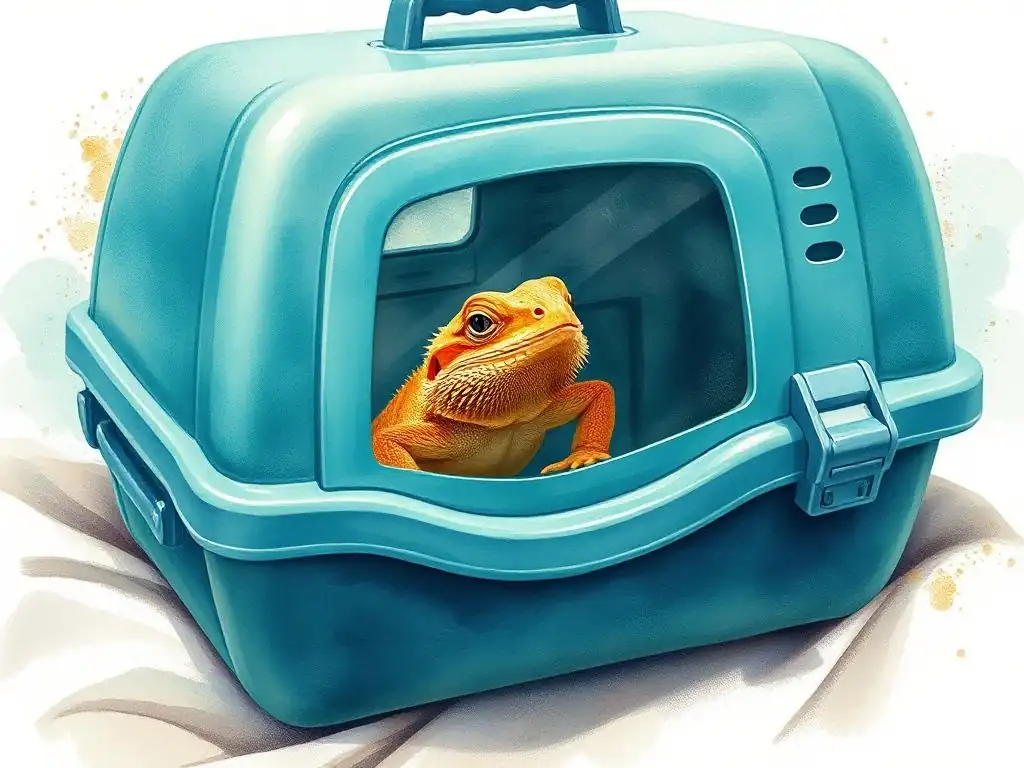
This carrier prioritizes ventilation and secure containment for your reptile companion. The design incorporates numerous strategically placed vents, ensuring optimal airflow to prevent overheating, a crucial factor for a safe reptile travel carrier. The material itself is lightweight yet durable, a blend of impact-resistant plastic and a breathable mesh. This combination offers protection against accidental drops or bumps during transit while maintaining a comfortable environment for your reptile.
The locking mechanism is robust, featuring multiple secure latches to prevent accidental openings. Inside, the carrier features a removable, washable substrate tray for easy cleaning and maintenance. This is particularly important for maintaining hygiene during travel, minimizing the risk of bacterial growth or parasite transmission. Furthermore, the carrier's compact design makes it easily manageable for most travel situations, fitting comfortably under airline seats or in car carriers.
The size is suitable for medium-sized reptiles, such as many species of lizards and smaller snakes. Remember to always check the specific dimensions to ensure it's appropriate for your reptile's size and species. A secure and well-ventilated carrier is paramount for a stress-free journey for your reptile. This product excels in both areas, making it a strong contender for a safe reptile travel carrier.
Product 5
Our final recommendation for a safe reptile travel carrier is a premium option that emphasizes both safety and comfort. This carrier boasts a unique double-layered design with an insulated outer shell to maintain a stable internal temperature, preventing drastic temperature fluctuations during travel. This feature is especially beneficial for reptiles sensitive to temperature changes. The inner compartment features a soft, padded lining to protect your reptile from harsh surfaces and vibrations during transit.
The carrier also includes a built-in hydration system, a small water reservoir that allows you to provide your reptile with fresh water throughout the journey, avoiding dehydration. The carrier's robust construction features reinforced corners and heavy-duty zippers, ensuring maximum durability and security. The large, clear viewing window allows for easy observation of your reptile during travel, allowing you to monitor its well-being. The locking mechanism is exceptionally secure, with multiple latch points and a reinforced locking system.
This high-end carrier is designed for larger reptiles, offering ample space for movement and comfort. However, always ensure the dimensions are suitable for your specific reptile. While slightly more expensive than other options, the added features of temperature regulation, hydration, and enhanced padding make this a top choice for those prioritizing the ultimate comfort and safety of their reptile during travel. This makes it a truly excellent choice for a safe reptile travel carrier, especially for longer journeys.
Preparing Your Reptile for Travel: Beyond the Carrier
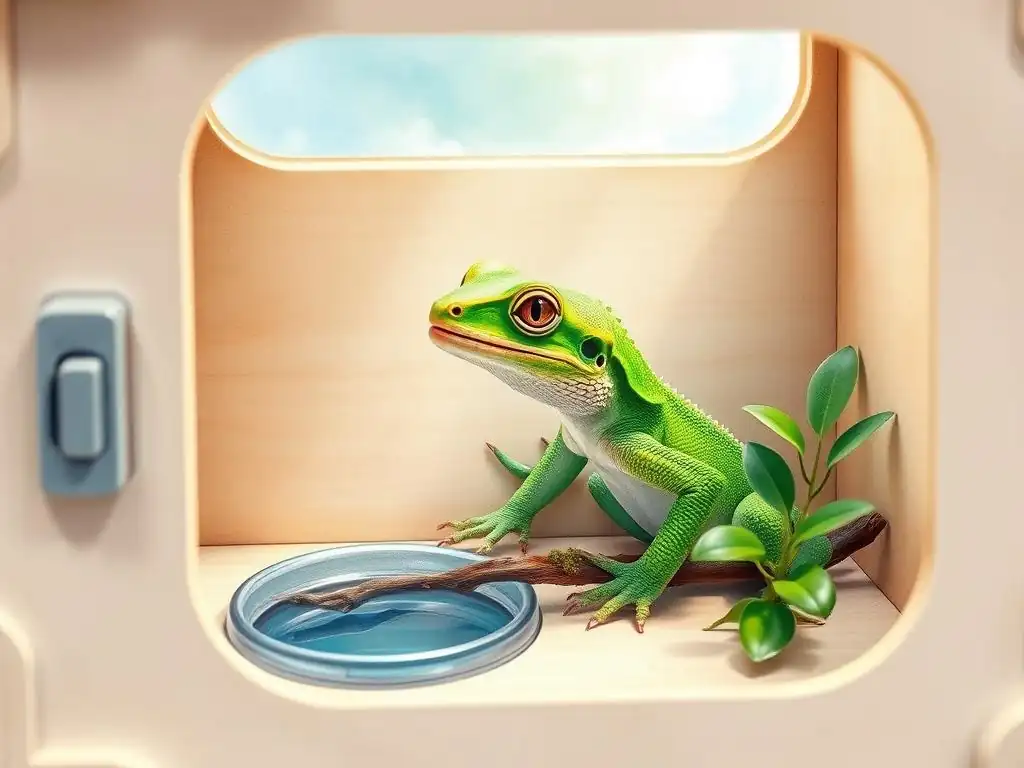
Before even considering the safe reptile travel carrier itself, preparing your reptile for the journey is paramount. A stressed reptile is more susceptible to illness and injury during travel. This preparation goes beyond simply placing your reptile in its carrier; it involves acclimation, proper supplies, and careful consideration of environmental factors. Neglecting this crucial step can significantly compromise your pet's safety and well-being, undermining the very purpose of investing in a high-quality carrier. Remember, a safe journey hinges on a well-prepared reptile.
Acclimating Your Reptile to the Carrier Before the Trip
Acclimating your reptile to its travel carrier before the actual trip is crucial for reducing stress. Start this process several days, even weeks, in advance. Begin by placing the carrier in your reptile's usual habitat. This allows your pet to investigate the carrier at its own pace, associating it with a familiar environment. Gradually increase the time your reptile spends inside the carrier, offering treats and favorite hiding spots to create positive associations. Avoid forcing your reptile into the carrier; gentle encouragement is key.
Observe your reptile's behavior closely. Signs of stress might include hiding constantly, refusing food, or exhibiting unusual lethargy. If you notice any such signs, reduce the time spent in the carrier and try again later. Remember, patience is key to a successful acclimation process. A relaxed reptile is a safer reptile during travel.
Essential Supplies for Reptile Travel
Packing the right supplies is as important as choosing the right safe reptile travel carrier. Your reptile's needs will vary depending on the species and length of the journey. However, some essentials include:
- Water: Provide a secure water dish that won't spill during transit. The amount of water will depend on the length of the trip and your reptile's hydration needs.
- Food: Pack appropriate food for the duration of the trip, ensuring it remains fresh and accessible. Consider non-perishable options if your journey is long.
- Substrate: A small amount of appropriate substrate can help maintain humidity and provide a sense of security. Choose a substrate that won't easily shift or create a mess during transit.
- Heating/Cooling Packs (if necessary): Maintain the proper temperature range for your reptile's species using reusable heating or cooling packs. Check the temperature regularly throughout the journey.
- Paper towels: These are useful for absorbing any waste and maintaining cleanliness within the carrier.
- First-aid kit (for reptiles): While hopefully not needed, having a small kit with essentials for minor injuries can be invaluable. [Specific contents of a reptile first-aid kit pending].
Maintaining Proper Temperature and Humidity During Transport
Maintaining the correct temperature and humidity is vital for your reptile's health and safety during travel. Fluctuations can cause stress, dehydration, and even death. The ideal temperature and humidity will depend on your reptile's species; research your specific species' requirements thoroughly. For short journeys, you might be able to rely on the carrier's insulation. However, longer trips often require additional measures. Consider using:
- Heating pads: These can help maintain consistent warmth, but ensure they are properly regulated and positioned to avoid burns.
- Heat packs: Disposable heat packs can provide a reliable heat source for longer journeys. Make sure to follow the manufacturer's instructions carefully.
- Cooling packs: For warmer climates, cooling packs can prevent overheating. Again, ensure they are used safely and effectively.
- Humidity gauges: These allow you to monitor humidity levels throughout the journey, ensuring they remain within the safe range for your reptile.
Remember, a safe reptile travel carrier is only part of the equation. Thorough preparation, including acclimation, appropriate supplies, and precise temperature and humidity control, are essential for ensuring a safe and stress-free journey for your beloved reptile. Prioritizing your reptile's well-being will guarantee a positive travel experience for both of you.
Safe Driving Practices for Reptile Transportation
Safe transport isn't solely reliant on the quality of the reptile travel carrier; responsible driving plays a crucial role in ensuring your reptile's well-being during the journey. Sudden braking or sharp turns can stress your reptile and potentially injure it within its carrier. Therefore, meticulous driving is paramount for a safe reptile travel experience.
Consider the following best practices to minimize stress and risk:
- Plan your route meticulously: Before embarking on your journey, meticulously plan your route, accounting for traffic patterns, road construction, and potential delays. A well-planned route minimizes sudden stops and unexpected maneuvers, providing a smoother ride for your reptile. For longer trips, plan for regular breaks to check on your reptile and offer hydration (where appropriate).
- Maintain a steady speed: Avoid sudden acceleration and deceleration. Maintain a consistent and moderate speed throughout the journey. This prevents jarring movements within the carrier that could harm your reptile. Sudden braking, in particular, poses a significant risk of injury.
- Smooth driving techniques: Practice smooth driving techniques, minimizing sharp turns and abrupt lane changes. Gentle steering and predictable movements are essential for a comfortable ride for your reptile. Remember, even small movements can be amplified within the confined space of the carrier.
- Secure the carrier properly: Ensure the reptile carrier is securely fastened within your vehicle, ideally using seatbelts or other appropriate restraints to prevent it from shifting during sudden stops or turns. This added layer of security can prevent the carrier from tipping or falling, safeguarding your reptile.
- Avoid distractions: Driving while distracted, whether by mobile phones, passengers, or other factors, significantly increases the risk of accidents. Focus solely on driving to ensure a safe journey for both yourself and your reptile. A safe arrival is the ultimate goal.
- Temperature control: Maintaining a stable temperature inside your vehicle is vital, especially during extreme weather conditions. Avoid leaving your reptile in a hot or cold car, even for short periods. Consider using climate control to maintain a suitable temperature range for your reptile's species.
By adhering to these safe driving practices, you significantly reduce the risk of accidents and ensure a stress-free journey for your reptile companion. Remember, responsible driving is an integral part of safe reptile transportation. A well-planned trip, combined with careful driving, significantly contributes to the overall safety and well-being of your reptile during travel.
Addressing Common Myths about Reptile Travel Carriers
This section debunks common misconceptions surrounding reptile travel carriers, focusing on choosing the right enclosure for a truly safe reptile travel carrier experience. Ignoring these crucial details can compromise your reptile's health and well-being during transport.
Myth 1: Any Container Will Do for Reptile Travel
Many pet owners mistakenly believe that any sturdy container will suffice for transporting their reptile. This is a dangerous misconception. While a sturdy container is a necessary component, it's far from sufficient. Using unsuitable containers, such as repurposed food storage tubs or ill-fitting boxes, can lead to serious problems. These often lack adequate ventilation, proper temperature regulation, and secure fastenings, increasing the risk of escape, injury, or even death.
A safe reptile travel carrier prioritizes the reptile's specific needs. For example, a bearded dragon requires different considerations than a corn snake. Bearded dragons, being diurnal and requiring basking spots, would need a carrier with a heat source and a basking area. Corn snakes, being nocturnal and preferring cooler temperatures, require a different setup. Choosing a carrier based solely on size, without considering the species' specific needs, is a recipe for disaster. Improper ventilation can lead to respiratory issues, stress, and overheating, while a poorly secured lid can result in a panicked escape, potentially leading to injury or loss.
Myth 2: Larger is Always Better When Choosing a Reptile Carrier
While providing ample space might seem ideal, a carrier that's excessively large poses its own set of challenges. A reptile in a spacious container may become stressed and disoriented, especially during travel. The larger volume makes temperature regulation more difficult, increasing the risk of overheating or chilling. The reptile may also expend more energy navigating the space, leading to exhaustion.
The optimal size for a safe reptile travel carrier is one that allows the reptile to comfortably move around, but not so large that it feels lost or insecure. The carrier should be just large enough for the reptile to turn around comfortably. Consider the reptile's size and species-specific needs when choosing a carrier. A smaller, well-designed carrier often provides a more secure and less stressful environment than a larger, poorly designed one. Prioritizing security and climate control over sheer size is crucial for a successful journey. Remember, a cramped carrier is better than one that's too spacious.
Myth 3: Reptiles Don't Need Ventilation During Short Trips
Even short trips necessitate proper ventilation in a safe reptile travel carrier. Restricting airflow can quickly lead to a buildup of carbon dioxide and a depletion of oxygen, creating a life-threatening situation for your reptile. This is especially true for species with higher metabolic rates or those sensitive to changes in air quality. Furthermore, a lack of ventilation can cause a rapid increase in temperature and humidity, leading to overheating and stress.
A safe reptile travel carrier must have adequate ventilation holes strategically placed to ensure proper airflow without creating drafts. The number and size of these holes will depend on the size and species of the reptile. Small holes may be sufficient for smaller reptiles, whereas larger reptiles may require more ventilation. Never completely seal the carrier, even for a short journey. Proper ventilation is critical for maintaining a healthy environment and preventing respiratory issues. Always prioritize ventilation, even if the journey is short, to safeguard your reptile's well-being. The consequences of inadequate ventilation can be severe and potentially fatal.
Frequently Asked Questions
What makes a reptile travel carrier "safe"?
A safe reptile travel carrier prioritizes the animal's well-being during transport. This means it must be secure, escape-proof, appropriately sized, and provide adequate ventilation and temperature regulation.
What size carrier do I need for my reptile?
The carrier should be large enough for your reptile to comfortably stand, turn around, and bask if needed. Avoid carriers that are too small, which can cause stress and injury. Check the specific needs of your reptile species.
What features should I look for in a safe reptile travel carrier?
Essential features include secure latches, adequate ventilation, a leak-proof bottom, and sufficient space for water and food dishes (if necessary). Consider features like escape-proof mesh and handles for easy carrying.
Are there specific regulations for transporting reptiles?
Yes, airline and state regulations vary. Check with your airline or relevant authorities before traveling with your reptile to understand any necessary permits, documentation, or restrictions on carrier types.
How do I prepare my reptile for travel?
Before travel, ensure your reptile is healthy and hydrated. Securely place your reptile in the carrier with appropriate bedding, water, and any necessary temperature regulation equipment, such as a heat pack or ice pack. Minimize travel time as much as possible.
Final Reflection: The Journey's Safety: Ensuring Reptile Well-being on the Road
The safe transport of reptiles remains a critical concern for responsible owners, and the right carrier is the cornerstone of a stress-free journey. A seemingly simple task, transporting your reptile, can quickly become a perilous undertaking without the proper preparation and equipment. This article highlighted the crucial role of selecting the appropriate carrier, emphasizing factors like ventilation, security, and suitability to the specific species.
The impact of responsible reptile ownership extends far beyond the individual animal; it influences the broader conversation surrounding animal welfare and conservation. The choices we make, from the carrier we select to the care we provide, contribute to a larger narrative of ethical treatment. The greatness of a nation and its moral progress can be judged by the way its animals are treated.
- Mahatma Gandhi. This quote underscores the interconnectedness of our actions and their ripple effects on the well-being of creatures under our care. It's a responsibility we must all take seriously.
Now, consider your own reptile's needs. What steps can you take to ensure their safety during travel? Perhaps it's time to reassess your current carrier, or perhaps this article has provided the knowledge you needed to make an informed purchase for your next journey. Remember, a safe and comfortable journey for your reptile isn't just about convenience; it's about demonstrating respect and compassion for a creature that relies entirely on you for its well-being. Let's prioritize their safety, ensuring every journey is a positive experience for both you and your scaly companion.
Ready to Hit the Road with Your Scaly Friend?
Thank you for learning about safe reptile travel! We hope you feel confident choosing the right carrier for your pet's next trip. Let's ensure your reptile enjoys the journey as much as you do.
- Prioritize comfort and safety: Begin by researching carriers that best suit your reptile's size and species. Consider ventilation, escape-proofing, and temperature regulation. This is crucial for a smooth trip!
- Share your carrier choice: Tell us in the comments which carrier you chose and why! We'd love to hear your experiences and recommendations.
- Prepare your reptile for travel: Research ways to minimize stress during travel, such as ensuring proper hydration, acclimating your reptile to the carrier beforehand, and including familiar scents.
What innovative tip or trick will you use to create the safest and most enjoyable travel experience for your reptile?