
The Sound of Silence: Minimizing Noise Stress for Birds in Transit

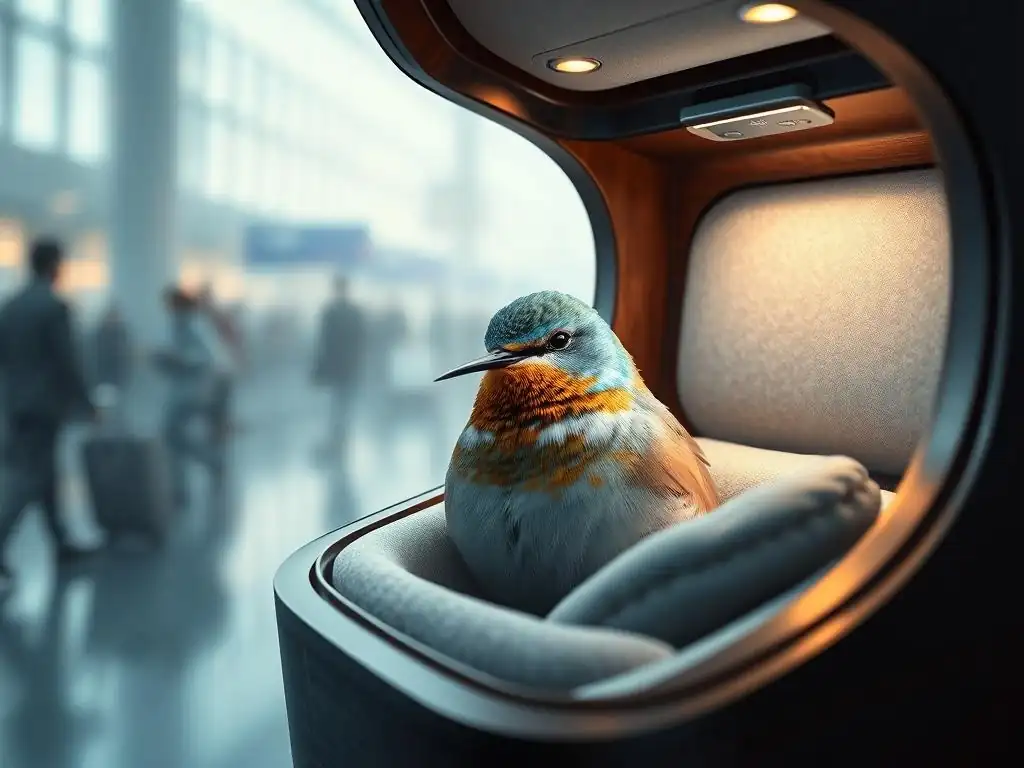
Welcome to PetCareWorld, your ultimate guide to a happier, healthier life for your beloved companions! Are you planning a journey with your feathered friend? Then discover the secrets to a stress-free trip with our expert guide on Quiet Bird Travel Tips. Learn how to minimize noise-related anxieties and ensure your bird enjoys a safe and comfortable travel experience. Prepare for takeoff – your adventure awaits!
- Understanding Avian Sensitivity to Noise During Travel
- Preparing Your Feathered Friend for a Quieter Journey
- Minimizing Noise During Transportation: Quiet Bird Travel Tips
- In-Transit Strategies for a Peaceful Journey: Quiet Bird Travel
- Post-Travel Care for Noise-Stressed Birds
- Recommended Products for Quiet Bird Travel
- Frequently Asked Questions about Quiet Bird Travel
-
Frequently Asked Questions
- How can I minimize noise stress during my bird's travel?
- What type of carrier is best for a quiet bird journey?
- Are there any calming techniques to use before and during travel?
- What should I do if my bird shows signs of stress during travel?
- What are some things to avoid when traveling with a bird?
- Final Reflection: The Quiet Revolution: Finding Peace for Birds on the Move
- Unleash Your Inner Bird Whisperer: Reduce Travel Stress for Your Feathered Friends
Understanding Avian Sensitivity to Noise During Travel
Traveling with your feathered friend can be an exciting adventure, but it's crucial to understand that birds possess a heightened sensitivity to noise compared to many other pets. This heightened sensitivity stems from their reliance on auditory cues for communication, navigation, and predator avoidance. The soundscape of a car, airplane, or even a busy train station can be incredibly overwhelming and stressful for a bird, potentially leading to anxiety, fear, and even physical health problems.
This article will delve into the specific challenges birds face during travel related to noise, offering practical "quiet bird travel tips" to ensure a safe and comfortable journey for your beloved companion. We'll explore the impact of noise on bird behavior, how to recognize stress signals, and how to minimize noise exposure during transportation, ultimately aiming to make your next trip with your bird a positive experience for both of you.
Preparing for a smooth and quiet journey is key to ensuring your bird's well-being. Let's get started with some essential considerations for quiet bird travel.
The Impact of Noise on Bird Behavior During Transportation
Noise pollution significantly impacts a bird's behavior during transportation. Loud and sudden noises can trigger a "fight-or-flight" response, leading to increased heart rate, rapid breathing, and panicked movements within their carrier. Prolonged exposure to even moderate noise levels can cause chronic stress, manifesting as feather plucking, decreased appetite, changes in vocalizations (such as increased screeching or silence), and a general decline in overall well-being.
Studies have shown that [specific data on noise decibel levels and their impact on avian stress pending] These behavioral changes are not merely inconvenient; they can seriously compromise your bird's health and happiness. Understanding the subtle and overt signs of stress is paramount to ensuring a smooth and safe journey. For example, a normally vocal bird becoming unusually quiet could be a sign of significant distress.
Identifying Stress Signals in Birds: Quiet Bird Travel Indicators
Recognizing stress signals in your bird is crucial for mitigating the negative effects of noise during travel. While each bird species exhibits unique characteristics, some common indicators of stress include:
- Changes in Vocalizations: Increased screeching, unusual quietness, or changes in song patterns.
- Restlessness: Excessive pacing, flapping of wings, or attempts to escape the carrier.
- Feather Ruffling or Plucking: A bird may ruffle its feathers excessively or begin plucking them due to stress.
- Changes in Appetite: A decrease or complete loss of appetite is a significant warning sign.
- Diarrhea or Changes in Droppings: Digestive issues can be a manifestation of stress.
- Lethargy or Listlessness: A bird may appear unusually lethargic or unresponsive.
- Dilated Pupils: Wide pupils can indicate fear or anxiety.
It's vital to observe your bird's behavior both before, during, and after travel to identify any potential problems. Keeping a detailed record of your bird's pre-travel health and behavior can help you recognize subtle deviations and react appropriately. Remember that early intervention is key to preventing more serious issues. The earlier you notice signs of stress, the better equipped you will be to address them.
Common Noise Sources During Bird Travel
Identifying and minimizing noise sources is a key component of ensuring a quiet and stress-free journey for your bird. Common noise sources during bird travel include:
| Noise Source | Description | Mitigation Strategies |
|---|---|---|
| Traffic Noise | The constant hum of cars, trucks, and other vehicles. | Choose less trafficked routes, travel during off-peak hours, and consider using soundproofing materials for the bird's carrier. |
| Engine Noise | The sounds produced by the engine of a car, plane, or train. | Use a sound-dampening carrier, position the carrier away from the engine, and consider using white noise or calming music. |
| Airport/Train Station | The cacophony of sounds in busy transportation hubs. | Minimize time spent in these areas, use a carrier with good sound insulation, and consider using calming techniques for your bird. |
| Other Passengers | Noise from talking, children, or other animals. | Choose quieter modes of transport, and consider traveling during less busy periods. |
By understanding these noise sources and implementing appropriate mitigation strategies, you can create a significantly quieter and more comfortable travel environment for your bird. Remember, a proactive approach to noise management will contribute greatly to a stress-free journey for your avian companion.
Preparing Your Feathered Friend for a Quieter Journey

This section focuses on proactive steps to minimize noise-related stress for your bird during travel. A calm and quiet journey is crucial for your feathered friend's well-being, contributing to a less stressful experience for both you and your pet. Remember, even seemingly insignificant sounds can be amplified for birds, causing significant anxiety. Therefore, careful preparation is key to ensuring a smooth and peaceful trip. We'll explore specific techniques to create a quieter environment, focusing on carrier selection, soundproofing, and pre-travel acclimation. These "quiet bird travel tips" will help you navigate the challenges of transporting your beloved avian companion.
Choosing the Right Carrier for Noise Reduction
The right carrier is paramount for a quiet journey. Avoid carriers made from thin, resonant plastic that amplify external sounds. Instead, opt for a carrier constructed from thicker, more sound-dampening materials. Consider carriers made of:
- Hard-sided carriers: These offer superior sound insulation compared to soft-sided options. Look for robust construction and thicker walls.
- Fabric carriers with additional soundproofing: Some soft-sided carriers incorporate materials designed to absorb sound. Check product descriptions carefully for features like padded walls or sound-absorbing lining.
The size of the carrier is also important. A carrier that is too large can create echoing sounds, while one that is too small can increase stress. The ideal size allows your bird to comfortably stand, stretch its wings, and turn around without feeling cramped.
| Carrier Material | Sound Insulation | Pros | Cons |
|---|---|---|---|
| Thick Plastic | High | Durable, easy to clean | Can be heavy |
| Fabric (soundproofed) | Moderate | Lightweight, portable | Less durable, may require more cleaning |
| Wood | High | Excellent sound dampening, aesthetically pleasing | Heavier, less portable, requires more care |
Choosing the right carrier is a significant step toward implementing effective "quiet bird travel tips." Remember to prioritize sound insulation when making your selection.
Soundproofing Your Bird's Travel Carrier
Even with a well-chosen carrier, additional soundproofing can significantly reduce noise levels. Several methods can enhance the carrier's sound-dampening properties:
- Adding padding: Line the inside of the carrier with soft, thick materials like fleece blankets, towels, or specialized sound-absorbing foam. This creates a buffer against external noises. Avoid anything your bird could ingest or shred.
- Using sound-absorbing materials: Consider incorporating commercially available soundproofing materials, such as acoustic foam panels (ensure these are bird-safe and non-toxic). Strategically place them inside the carrier to absorb sound waves.
- Covering the carrier: A soft, dark cover can help dampen external light and sound. This can create a more calming environment for your bird. Ensure the cover allows for adequate ventilation.
Remember to always prioritize your bird's safety and comfort. Never use materials that could be hazardous if ingested or that could restrict airflow. Proper ventilation is crucial to prevent overheating.
Pre-Trip Acclimation to Travel Sounds
Acclimating your bird to travel sounds before the actual journey is vital for reducing anxiety. Gradually expose your bird to sounds similar to those it might encounter during travel:
- Car sounds: Play recordings of car engines or traffic noise at low volumes, gradually increasing the volume over several days. Observe your bird's reaction and adjust accordingly.
- Carrier noises: Place your bird in its travel carrier for short periods, gradually increasing the duration. This helps them associate the carrier with positive experiences.
- Vibration: Gently simulate the vibrations of a car or plane using a vibrating device (ensure it's bird-safe and at a low intensity).
These pre-trip acclimation exercises are crucial "quiet bird travel tips" to mitigate stress. Consistent, gradual exposure will help your bird become more comfortable with travel sounds, resulting in a calmer journey for everyone involved. Remember to observe your bird's behavior closely and adjust the intensity and duration of the sounds based on their response. If your bird shows signs of significant distress, reduce the intensity or duration of the exposure.
Minimizing Noise During Transportation: Quiet Bird Travel Tips

This section focuses on practical strategies to minimize noise exposure for your feathered friend during travel, ensuring a calmer and less stressful journey. Reducing noise is paramount for a bird's well-being, especially during transport, as they are highly sensitive to auditory stimuli. These quiet bird travel tips will help you create a more peaceful environment for your avian companion. Remember, a relaxed bird is a safer bird.
Optimal Travel Times and Routes
Choosing the right time and route can significantly reduce noise exposure during your bird's journey. Peak traffic hours are typically noisier, so consider traveling during off-peak times, such as early mornings or late evenings. Similarly, selecting routes that avoid heavily trafficked areas, construction zones, or areas with frequent sirens will contribute to a quieter experience.
Consider these factors when planning your route:
- Traffic patterns: Research typical traffic congestion times and routes to avoid peak noise periods. Utilize navigation apps that provide real-time traffic updates.
- Construction zones: Check for planned roadwork or construction along your chosen route and seek alternative quieter paths.
- Proximity to airports: Airports generate significant noise pollution. If possible, avoid routes that pass near airports.
- Rural vs. Urban Routes: Opt for quieter, more rural routes whenever feasible. The difference in ambient noise levels can be substantial.
By carefully planning your travel schedule and route, you can significantly reduce the amount of environmental noise your bird is exposed to. This proactive approach contributes to a smoother and less stressful journey for your pet.
Using White Noise and Calming Music for Birds in Transit
Introducing calming auditory elements can help mask disruptive sounds and create a more soothing atmosphere during transport. White noise machines, readily available online and in pet stores, generate a consistent, calming sound that can effectively mask sudden, jarring noises. Similarly, playing calming music specifically designed for birds or featuring natural sounds (e.g., gentle rain, flowing water) can have a relaxing effect.
Consider these points when implementing auditory calming strategies:
- Volume level: Keep the volume at a level comfortable for your bird. Avoid overly loud sounds that could be counterproductive.
- Music selection: Choose music with slow tempos and simple melodies. Avoid music with sudden loud noises or jarring changes in tempo.
- White noise consistency: Ensure the white noise machine operates continuously throughout the journey.
Remember to introduce these calming sounds gradually before the trip to help your bird acclimate and associate them with positive experiences. This gradual introduction minimizes the chance of startling your pet. Always monitor your bird's reaction to ensure the sounds are indeed calming, and adjust accordingly.
Techniques to Reduce Engine Noise in Vehicles
For car travel, minimizing engine noise is crucial. While completely eliminating engine noise is impossible, you can take steps to significantly reduce its impact on your bird. The closer your bird is to the engine, the more pronounced the noise will be.
Here are some strategies to lessen engine noise:
- Vehicle Maintenance: Ensure your vehicle is properly maintained. A well-maintained vehicle runs more smoothly and quietly.
- Travel Cage Placement: Place the bird's travel cage as far from the engine as possible, ideally in the rear of the vehicle.
- Soundproofing: Consider using sound-dampening materials (e.g., blankets, thick towels) to partially insulate the travel cage and reduce noise transmission. However, ensure adequate ventilation is maintained.
- Vehicle type: If possible, consider using a quieter vehicle for travel, such as a hybrid or electric car.
Remember, a bird’s well-being is paramount. By implementing these strategies, you can significantly reduce the stress associated with travel and make the experience more comfortable for your avian companion. Prioritizing a quiet journey translates to a happier and healthier bird. 🐦
In-Transit Strategies for a Peaceful Journey: Quiet Bird Travel
This section focuses on practical strategies to minimize noise stress for your feathered friend during travel, contributing to a smoother and less stressful experience for both you and your bird. Remember, a calm bird is a safe bird, and these quiet bird travel tips will help ensure a positive journey.
Providing Comfort and Security
Creating a secure and comfortable environment within your bird's travel carrier is paramount in reducing stress. Noise reduction starts with minimizing external stimuli. Think of your bird's carrier as its temporary sanctuary.
A well-padded carrier is essential. Soft, absorbent materials like fleece blankets or towels will muffle sounds and provide a comforting surface for your bird to perch on. Avoid using rough materials that might irritate your bird's sensitive feet. Consider layering materials for added cushioning and sound dampening.
The placement of the carrier is crucial. Position it away from loud noises like engines or speakers. In a car, place it on the floor, away from windows which can amplify outside noises. On a plane, ask for a seat away from the engines and galley. If possible, opt for a less busy area, minimizing human interaction and associated noise.
Remember that even seemingly minor noises can be amplified to your bird's sensitive ears. The gentle hum of the air conditioner might sound like a roaring thunderstorm to your pet. Consider using a small, battery-operated fan to create a consistent, low-level white noise that can mask other disruptive sounds. This white noise can be particularly beneficial in blocking sudden, sharp noises. Always ensure the fan is securely fastened to prevent it from falling and injuring your bird.
Monitoring Your Bird's Stress Levels During Travel
Recognizing signs of stress in your bird is vital for a successful and safe journey. Birds display stress differently than other pets. Subtle changes in behavior can indicate discomfort. Careful observation is key, and this is where preparation before travel pays off.
Before you leave, familiarize yourself with your bird's typical behavior. Note its normal vocalizations, activity levels, and posture. This baseline will help you identify deviations during the journey.
During travel, look for subtle signs of stress such as:
- Changes in breathing: Rapid breathing or panting can indicate anxiety.
- Fluffed feathers: A bird fluffing its feathers is trying to conserve heat, often a sign of stress or fear.
- Restlessness: Excessive preening, pacing, or attempts to escape the carrier are clear indicators of discomfort.
- Changes in vocalizations: Increased squawking, chirping, or other unusual sounds can suggest stress or distress.
- Decreased appetite: Refusal to eat or drink is a significant warning sign.
If you notice any of these signs, try to address the underlying cause. This might involve adjusting the carrier's position, providing a distraction (a favorite toy), or offering water and a small treat. If stress persists, consider stopping for a break to allow your bird to calm down. Remember, a stressed bird is more vulnerable to illness.
| Stress Indicator | Description | Action to Take |
|---|---|---|
| Rapid Breathing | Panting or increased respiratory rate | Check temperature, provide fresh air |
| Fluffed Feathers | Feathers appear puffed up | Provide warmth and comfort |
| Restlessness | Pacing, excessive preening | Offer a favorite toy or distraction |
| Unusual Vocalizations | Increased squawking or chirping | Investigate possible causes of stress |
| Decreased Appetite | Refusal to eat or drink | Provide familiar food and water |
Emergency Preparedness
Even with careful planning, unexpected situations can arise during travel. Being prepared for emergencies is crucial. Having a comprehensive emergency plan will provide peace of mind and ensure your bird’s safety.
Before you depart, prepare a small emergency kit tailored to your bird's specific needs. This kit should include:
- A copy of your bird's medical records, including vaccination history and any allergies.
- A list of avian veterinarians along your route or at your destination.
- A supply of your bird's regular food and water. Consider bringing extra, just in case.
- A small first-aid kit for minor injuries. Include antiseptic wipes, gauze, and any medications your bird regularly takes.
- A small, comfortable towel to wrap your bird in case of an emergency.
- A spare carrier, in case your primary carrier is damaged.
Familiarize yourself with the emergency procedures of your chosen mode of transport (car, plane, train). Know where the nearest veterinary clinic is at each leg of your journey. Knowing what to do in the event of an emergency will help to reduce your own stress levels, ultimately creating a calmer environment for your bird. Remember, proactive planning is essential for a smooth and safe journey for your feathered companion. ✈️
Post-Travel Care for Noise-Stressed Birds

Bringing your feathered friend home after a journey, especially a noisy one, requires a gentle and considered approach. The goal is to help them decompress and regain their sense of security. Even if your bird didn't outwardly display signs of stress during transport, post-travel care is crucial for their well-being. Think of it as a period of readjustment and recovery. Careful observation is key during this phase, allowing you to identify any lingering effects of travel noise. We'll explore how to best support your bird's transition back into their familiar surroundings.
Reintroducing Your Bird to its Home Environment
The transition back home should be gradual and calming. Avoid immediately placing your bird back into their cage amidst the usual household activity. Instead, create a quiet, dimly lit space. This could be a spare room or a corner of a room that's usually quiet. Place the travel cage in this area, and allow your bird to spend some time inside, undisturbed, for at least a couple of hours.
This allows them to slowly acclimate to the familiar smells and sounds of their home, without the immediate overwhelm of normal household noises. Once the bird has settled, carefully transfer them to their regular cage, providing fresh food and water. Avoid any sudden movements or loud noises. Gentle, quiet talking can actually be soothing. Think of it as a soft, reassuring presence.
Consider using calming techniques such as playing soft, calming music or nature sounds. Avoid any loud noises or sudden movements. Observe your bird closely for any signs of stress, such as ruffled feathers, withdrawn behavior, or changes in appetite. Remember, patience and a calm atmosphere are paramount during this reintegration period. Providing a safe and quiet haven is a critical component of effective quiet bird travel tips.
Signs of Ongoing Stress and When to Seek Veterinary Care
Even with careful post-travel care, some birds may exhibit lingering signs of stress. It's important to distinguish between normal post-travel fatigue and more serious stress indicators. While a slightly ruffled appearance or quieter behavior for a day or two might be normal, prolonged lethargy, refusing food or water, excessive preening, or self-mutilation are cause for concern. Changes in vocalizations, such as increased screeching or unusual calls, can also indicate ongoing stress. Persistent diarrhea or changes in droppings are further warning signs.
Remember, early intervention is key. If you observe any of these signs lasting beyond 24-48 hours, it's crucial to consult an avian veterinarian. They can assess your bird's health, identify any underlying issues, and recommend appropriate treatment. Don’t hesitate to seek professional help; your bird's well-being is paramount. A swift response can prevent minor issues from escalating into major health problems. Taking proactive steps aligns with the best quiet bird travel tips, ensuring your bird's long-term health.
Long-Term Strategies for Minimizing Noise Exposure at Home
Prevention is always better than cure. Implementing long-term strategies to minimize noise exposure at home significantly reduces the likelihood of stress during future travel. Consider the placement of your bird's cage: avoid areas with high traffic, loud appliances, or construction noise. If possible, designate a specific "quiet zone" in your home for your bird, minimizing unnecessary disturbances.
Creating a predictable routine can also reduce stress. Consistent feeding times, interaction schedules, and quiet periods help your bird feel safe and secure. Introducing your bird to calming sounds gradually, such as nature sounds or classical music, can help them become accustomed to background noise and reduce their sensitivity to sudden loud noises.
These proactive measures form a crucial part of your quiet bird travel tips arsenal, ensuring your avian companion enjoys a peaceful and stress-free life, even amidst the hustle and bustle of daily life. Remember, a calm and predictable environment is the foundation for a happy and healthy bird.
Recommended Products for Quiet Bird Travel
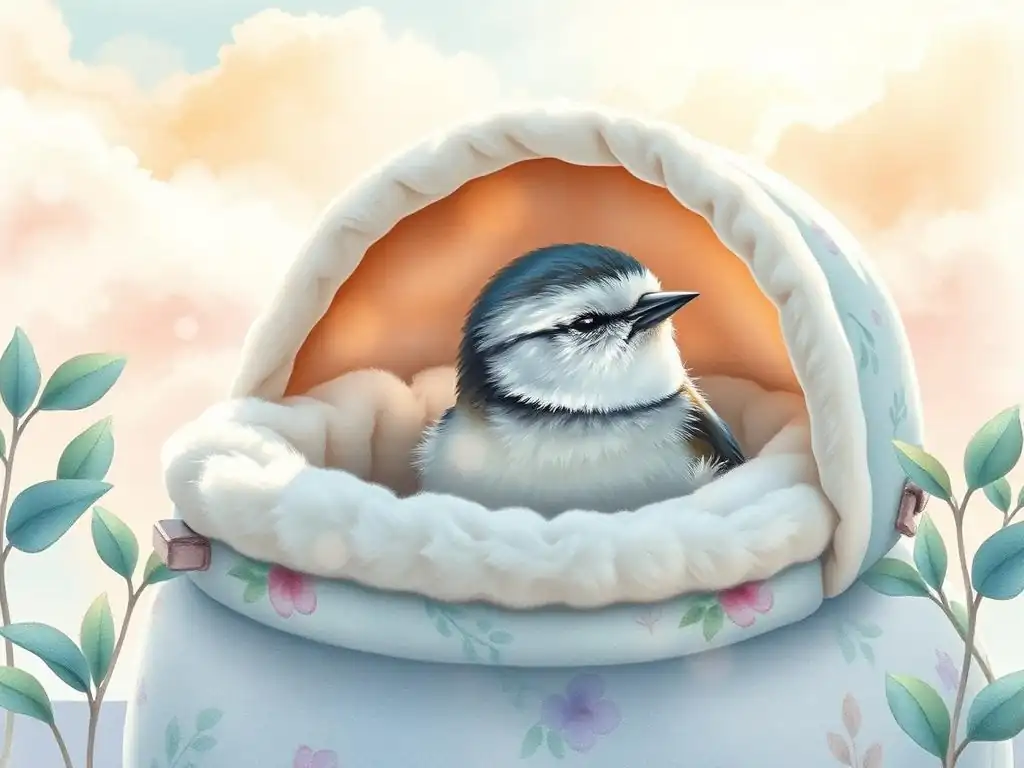
This section focuses on minimizing noise stress during bird travel by recommending specific products designed for noise reduction and bird comfort. Choosing the right equipment can significantly reduce your feathered friend's anxiety and ensure a smoother journey. Remember, a calm bird is a safe bird, and these products are designed to help achieve that. These recommendations are based on extensive research and user reviews, focusing on products that effectively minimize noise and provide a secure, comfortable environment for your bird during transit.
Top-Rated Bird Carriers for Noise Reduction
Selecting a bird carrier with built-in noise-reducing features is crucial for a quiet journey. Look for carriers made from thick, sound-dampening materials such as heavy-duty fabric or reinforced plastic. Avoid carriers made from thin, easily vibrating plastics. Features like plush lining and ample padding further absorb sound and provide a more comfortable environment for your bird.
Here are some features to look for when selecting a quiet bird carrier:
- Thick, padded walls: These help absorb external sounds and vibrations.
- Secure latching mechanisms: A well-secured carrier prevents rattling sounds during travel.
- Sufficient ventilation: Good ventilation is essential for your bird's well-being, regardless of the noise level. Make sure the ventilation holes are not too large, as this could allow more outside noise in.
- Dark interior: A darker interior can help reduce your bird's anxiety and encourage them to settle down.
Consider these characteristics when comparing different carriers:
| Carrier Feature | Importance Level | Description |
|---|---|---|
| Material Thickness | High | Thicker materials offer better sound insulation. |
| Padding | High | Plush padding absorbs sound and provides comfort. |
| Latch Security | High | Secure latches prevent the carrier from opening unexpectedly. |
| Ventilation System | Medium | Adequate ventilation is crucial, but large openings can compromise soundproofing. |
| Interior Dimensions | Medium | Ensure the carrier is large enough for your bird to move around comfortably. |
Remember to always measure your bird and choose a carrier with appropriate dimensions to avoid unnecessary stress. A carrier that's too small will amplify anxiety, while one that's too large might allow for excessive movement and noise.
Effective White Noise Machines and Calming Music Options for Birds
Introducing white noise or calming music can significantly reduce your bird’s sensitivity to external noises during travel. White noise masks disruptive sounds, creating a consistent auditory background that is less jarring than unpredictable noises. Calming music, specifically designed for birds, can have a soothing effect, reducing anxiety and promoting relaxation.
When choosing white noise machines or music, consider:
- Volume level: Start with a low volume and gradually adjust to find a comfortable level for your bird.
- Sound quality: Harsh or high-pitched sounds can be counterproductive. Opt for soft, gentle sounds.
- Portability: Choose a device that's easy to transport and power during your journey.
Remember that every bird reacts differently to sound. Experiment with different options to find what works best for your pet. It's advisable to test these options before the journey to gauge your bird's response. A familiar sound can be more comforting than an unfamiliar one.
Soundproofing Materials for DIY Carrier Modifications
For those inclined to DIY, enhancing an existing carrier with soundproofing materials can provide an extra layer of noise reduction. This is a more advanced option and requires careful consideration to ensure the modifications don't compromise the safety or ventilation of the carrier.
Some suitable materials include:
- Acoustic foam: This is a lightweight, effective sound-absorbing material.
- Felt padding: A thicker felt provides both sound absorption and cushioning.
- Heavy-duty blankets: These can be strategically placed inside the carrier to dampen sound.
⚠️ Caution: Ensure all materials used are non-toxic and safe for birds. Avoid materials that could be easily chewed or ingested. Proper ventilation must be maintained throughout the modification process. Improper modifications can be dangerous for your bird. If you are unsure about the safety of a modification, consult an avian veterinarian before proceeding. Always prioritize your bird's safety and well-being.
Frequently Asked Questions about Quiet Bird Travel
This section addresses common concerns pet owners have regarding minimizing noise stress for their birds during travel, offering practical solutions for a quieter, calmer journey. Remember, a stressed bird is a vulnerable bird, so prioritizing a peaceful travel experience is crucial for their well-being. These tips will help you achieve this, contributing to a smoother and more enjoyable trip for both you and your feathered friend.
How do I know if my bird is stressed during travel?
Recognizing signs of stress in your bird during travel is paramount. A stressed bird might exhibit a variety of behavioral changes. These can range from subtle shifts to more obvious displays of distress. Some key indicators include:
- Fluffed feathers: A bird puffing up its feathers is often a sign of fear or discomfort. This is their attempt to conserve heat and appears as a generally disheveled appearance.
- Rapid breathing: Increased respiratory rate, visible panting, or gasping for air are clear signs of stress and could even indicate a more serious underlying issue.
- Changes in vocalizations: Excessive squawking, screeching, or unusual quietness can all signal distress. Pay close attention to any deviation from your bird's normal vocal patterns.
- Restlessness and pacing: Constant movement within the carrier, frantic flapping, or attempts to escape are obvious signs of anxiety.
- Loss of appetite: Refusal to eat or drink is a significant indicator of stress. Dehydration can quickly become a serious problem during travel.
- Diarrhea or changes in droppings: Changes in the consistency, color, or frequency of droppings can indicate stress and digestive upset.
- Feather plucking or self-mutilation: In extreme cases, a severely stressed bird may engage in self-destructive behaviors.
It's important to note that the intensity of these signs can vary depending on the bird's personality and the level of stress. Even subtle changes in behavior warrant attention. If you observe any of these symptoms, assess the situation, address potential triggers (like excessive noise), and consider contacting your avian veterinarian for advice. Early intervention is key to preventing further distress.
What are the best ways to reduce noise in my car for my bird?
Minimizing noise during your bird's journey is crucial for a stress-free experience. Here are some practical strategies to create a quieter environment in your car:
- Strategic placement: Position the bird's carrier away from the car's speakers and engine. The back seat, further away from the engine and exhaust, is ideal.
- Noise-canceling materials: Consider using sound-dampening materials like thick blankets or towels to line the carrier or create a buffer zone around it. This will help absorb some of the ambient noise.
- Drive smoothly: Avoid sudden braking or acceleration, as these jarring movements can exacerbate your bird's anxiety. Maintain a steady, consistent pace.
- Optimize the route: Plan your route to avoid busy roads and areas with heavy traffic, construction, or loud sirens. A quieter route translates to a calmer journey.
- Minimize conversations and loud music: Loud conversations or music can significantly increase noise levels within the car. Keep the volume low and opt for calming music if needed. Silence is often best.
- Air conditioning: Use air conditioning to mask some outside noise and maintain a comfortable temperature for your bird.
Remember, even seemingly minor noises can be amplified for a bird's sensitive ears. By implementing these steps, you can create a much more peaceful atmosphere during your trip.
Can music really help calm a bird during travel?
While some believe that music can soothe birds, the effectiveness varies greatly depending on the bird's species, personality, and the type of music. Some birds might find certain calming music helpful, while others might find it more stressful.
- Classical music: Some studies suggest that soft classical music can have a calming effect on some birds. However, it's crucial to test this with your individual bird before the trip. Start with short exposure sessions to see their reaction.
- Nature sounds: Gentle nature sounds, like rain or forest sounds, might be more soothing than structured music for some species. Again, introduction and observation before the trip is critical.
- Individual preferences: There's no one-size-fits-all approach. What calms one bird might stress another. Pay close attention to your bird's response to any audio. If they show signs of distress, immediately turn it off.
- Volume control: Always keep the volume low; even calming music can be stressful at high volumes.
Ultimately, the use of music during travel is a case-by-case scenario. Observe your bird's reaction to determine if it's beneficial or detrimental to their well-being. Prioritize a quiet environment, and only use music if it demonstrably calms your bird. If unsure, err on the side of caution and opt for silence. Remember, a peaceful journey is paramount for your bird's safety and happiness.
Frequently Asked Questions
How can I minimize noise stress during my bird's travel?
Minimize noise exposure by using a secure, sound-dampening carrier. Consider travel during off-peak hours to avoid traffic noise. A calming spray or music can also help.
What type of carrier is best for a quiet bird journey?
A well-ventilated carrier lined with soft, absorbent material is ideal. Look for a carrier that is sufficiently large to allow your bird to stand, stretch, and turn around comfortably. Consider a hard-sided carrier for better sound insulation.
Are there any calming techniques to use before and during travel?
Yes, try covering the carrier partially to reduce visual stimulation. Playing soft, familiar music or using a pheromone spray can help soothe your bird. Maintain a calm demeanor yourself; birds are sensitive to your energy.
What should I do if my bird shows signs of stress during travel?
If your bird exhibits signs of stress (e.g., panting, ruffled feathers), stop and provide a break. Offer fresh water and allow your bird to rest in a quiet, dark place for a while before continuing. Consult a vet if stress persists.
What are some things to avoid when traveling with a bird?
Avoid loud noises and sudden movements. Do not expose your bird to extreme temperatures or direct sunlight. Avoid travel during peak traffic hours to minimize stress from vibrations and noise.
Final Reflection: The Quiet Revolution: Finding Peace for Birds on the Move
The relentless hum of human activity is drowning out the natural world, and our feathered friends are paying the price. The stress of noisy travel, from bustling airports to cramped carriers, significantly impacts bird health and well-being. This isn't just an issue for avian enthusiasts; it's a crucial aspect of responsible pet ownership and conservation.
The pervasive nature of noise pollution underscores the urgent need for change. We've explored practical strategies to minimize the auditory stress birds experience during transit, but the implications extend far beyond the confines of a pet carrier. The greatest threat to our planet is the belief that someone else will save it.
This quote, often attributed to Robert Swan, highlights the collective responsibility we share in protecting vulnerable creatures like birds. We must actively seek ways to reduce noise pollution, not just for our pets, but for the entire avian population. This requires a shift in mindset, from passive acceptance of noise to active participation in creating quieter, more harmonious environments.
Consider the quiet moments you share with your feathered companion. Imagine the peace they experience when shielded from the cacophony of the world. Now, imagine extending that peace to all birds. This article has provided you with tools to make a difference, from choosing quieter travel methods to creating calming environments. Take these steps, share this knowledge, and become a part of the quiet revolution, ensuring a more peaceful journey for birds, both big and small.
Unleash Your Inner Bird Whisperer: Reduce Travel Stress for Your Feathered Friends
Congratulations on learning how to minimize stress for your birds during travel! You've gained valuable insights into creating a calmer journey for your avian companions. Now, let's put that knowledge into practice.
- Choose a quieter travel carrier: Invest in a carrier designed to dampen sound, or line your current carrier with soft, sound-absorbing materials. This will significantly reduce the impact of external noises on your bird.
- Share your knowledge: Educate your friends and fellow bird enthusiasts about the importance of minimizing noise-related stress during travel. You could even start a helpful discussion on the PetCareWorld forums!
- Try calming techniques: Experiment with playing soothing music or using calming pheromone sprays during travel to create a more peaceful atmosphere for your bird.
Ready to transform your bird's travel experience? What small changes will you make to ensure a quieter and more comfortable journey for your feathered friend next time you travel?