
Reptile Travel Safety Checklist: Essential Steps Before You Go


Welcome to PetCareWorld, your ultimate guide to the wonderful world of pet ownership! Are you planning an exciting adventure with your scaly companion? Then our Safe Reptile Travel Checklist is your essential first step. Discover the crucial preparations and expert tips you need to ensure a safe and stress-free journey for your reptile friend. Dive in and learn how to make travel time a positive experience for both of you!
- Planning Your Reptile's Safe Journey: Pre-Trip Preparations
- Securing Your Reptile During Transport: In-Carrier Safety
- On the Road: Safe Reptile Travel Practices
- Post-Travel Care: Settling Your Reptile into a New Environment
- Best Reptile Travel Accessories for a Smooth Journey
- Reptile Travel Insurance: Protecting Your Investment
-
Frequently Asked Questions
- What are the essential items for a safe reptile travel checklist?
- How do I choose the right carrier for my reptile during travel?
- What should I do to keep my reptile comfortable during long journeys?
- What are the potential risks associated with reptile travel?
- Are there any specific regulations I need to be aware of when traveling with a reptile?
- Final Reflection: Securing a Safe Journey for Scaly Companions
- Ready to Hit the Road with Your Reptile?
Planning Your Reptile's Safe Journey: Pre-Trip Preparations
Embarking on a journey with your reptile companion requires meticulous planning to ensure their safety and well-being. This comprehensive guide provides a detailed checklist to help you navigate the complexities of reptile travel, minimizing stress for both you and your scaly friend. We'll cover everything from selecting the appropriate carrier to essential pre-trip veterinary consultations, focusing on creating a smooth and safe travel experience.
Remember, responsible reptile ownership extends to ensuring their comfort and security during travel, whether it's a short trip to the veterinarian or a longer journey across state lines. A well-planned trip will significantly reduce the risk of injury or stress-related health issues for your reptile.
This checklist focuses on creating a secure and comfortable environment for your reptile, helping you to confidently handle the logistics of transporting your pet. Safe and responsible reptile travel is achievable with proper preparation and attention to detail – let's delve into the specifics.
Choosing the Right Reptile Travel Carrier: Size and Features for Safe Transport
Selecting the right carrier is paramount for safe reptile travel. The carrier must be appropriately sized, providing enough space for your reptile to move around comfortably but not so large that it allows for excessive movement during transit. Consider your reptile's species and size; a cramped carrier can cause stress and injury, while an overly spacious one may increase the risk of injury during sudden stops or turns.
Several key features should be considered when choosing a reptile travel carrier:
- Secure Latching Mechanism: The carrier must have a robust and secure latching mechanism to prevent accidental escapes. Double-check the latches before and during travel.
- Adequate Ventilation: Proper ventilation is crucial to prevent overheating and ensure adequate airflow. Look for carriers with numerous ventilation holes or mesh panels.
- Escape-Proof Design: Ensure there are no gaps or openings where your reptile could escape. Some reptiles are surprisingly adept at finding their way out of seemingly secure containers.
- Temperature Regulation: Depending on your reptile's species and the climate, you may need a carrier with features to help regulate temperature, such as insulated walls or pockets for heat packs (used appropriately and safely).
- Easy-to-Clean Material: Choose a carrier made of a material that is easy to clean and disinfect, as hygiene is crucial for maintaining your reptile's health.
Remember to always test the carrier before the trip to ensure your reptile can't escape and that it's comfortable for them. Consider a trial run in your vehicle to observe their behavior and adjust as needed. Prioritize a carrier that prioritizes safety and comfort above all else. A poorly chosen carrier can lead to significant stress and potential harm to your reptile.
Essential Documents and Veterinary Checkup for Safe Reptile Travel
Before you hit the road, a veterinary checkup is essential. Your veterinarian can assess your reptile's overall health and provide any necessary recommendations for safe travel. They may also provide you with a health certificate, which might be required for interstate or international travel. This certificate verifies your reptile's health status and helps ensure compliance with any relevant regulations.
In addition to a veterinary checkup, gather the following essential documents:
- Health Certificate: As mentioned, this is crucial for interstate or international travel.
- Identification: Consider microchipping your reptile or attaching clear identification tags to the carrier.
- Travel Itinerary: Keep a copy of your travel itinerary, including planned stops and contact information.
- Emergency Contact Information: Include your veterinarian's contact information, as well as a local emergency veterinary clinic in your destination.
Having all the necessary documents readily available will streamline the travel process and ensure you're prepared for any unexpected situations. Don't underestimate the importance of a pre-trip veterinary check-up; it's a crucial step in ensuring your reptile's safety and well-being throughout your journey. 🐍 Remember, a proactive approach to reptile travel safety guarantees a smoother and less stressful experience for both you and your pet.
Securing Your Reptile During Transport: In-Carrier Safety
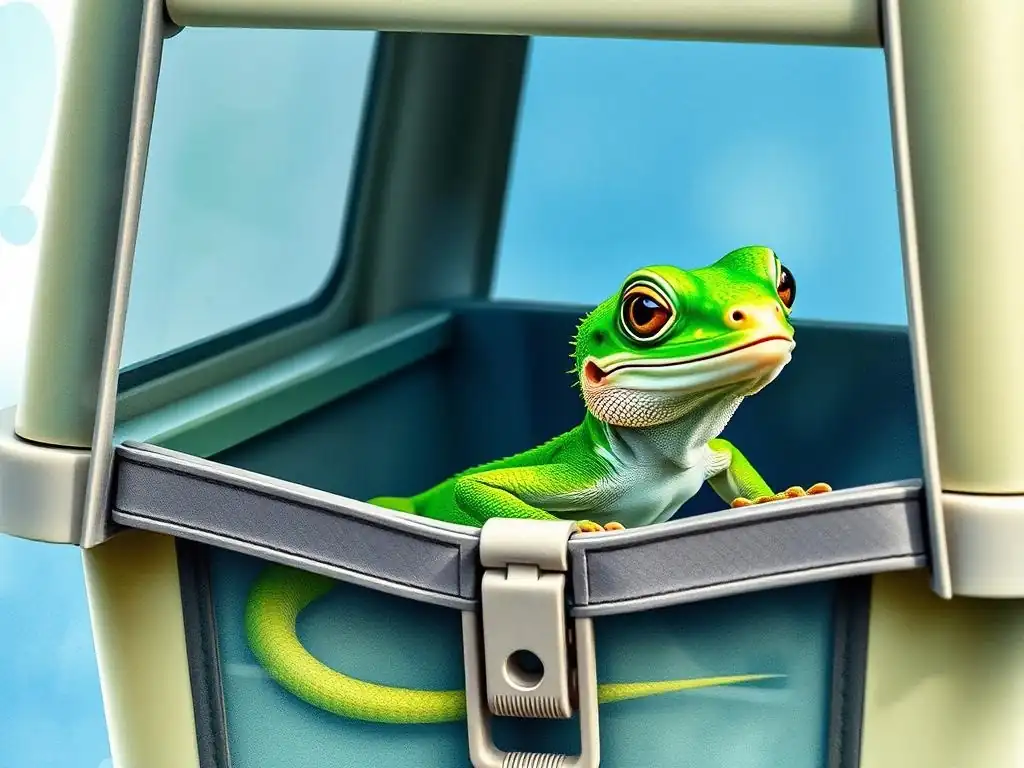
Safe reptile travel necessitates prioritizing your reptile's security within its carrier. Improper securing can lead to injury, stress, and even escape. This section details crucial steps to ensure your reptile's safety throughout the journey. A well-secured reptile is a calm reptile, minimizing the risk of stress-related illnesses after your trip.
Maintaining Optimal Temperature and Humidity During Reptile Travel
Maintaining your reptile's ideal temperature and humidity during travel is critical for its well-being. Fluctuations can cause stress, dehydration, and even death. The method for maintaining these conditions will vary depending on your reptile's species and the length of your journey.
For shorter trips, consider using heat packs or cooling packs designed for pet transport. These should be placed outside the carrier to avoid direct contact with your reptile and should be chosen based on the ambient temperature. Always check the pack's instructions and ensure it's appropriate for your reptile's needs. For longer journeys, or for more temperature-sensitive species, a portable temperature and humidity regulator may be necessary.
Regular monitoring is crucial. Use a reliable thermometer and hygrometer placed inside the carrier (but out of direct contact with your reptile) to track temperature and humidity levels throughout the journey. Adjust heat or cooling packs as needed to maintain optimal conditions. Remember, even slight deviations can have significant impacts, especially on species requiring very specific environmental parameters. For example, a bearded dragon's ideal temperature range is quite narrow, making temperature regulation particularly important during travel.
Preventing Escapes: Secure Carriers and Escape-Proofing Techniques
Preventing escape is paramount in ensuring your reptile's safety and avoiding potential hazards. Escape-proofing should be considered a top priority when preparing for reptile travel. Choosing the right carrier is the first step. Opt for carriers specifically designed for reptiles, featuring secure latches and escape-proof ventilation. Avoid carriers with gaps or weak points where your reptile could potentially squeeze through.
Beyond carrier selection, implementing additional escape-proofing techniques is crucial. Here's a checklist:
- Secure latches: Double-check all latches are firmly closed and secured before transport. Consider using additional securing methods like zip ties or strong tape as backup.
- Ventilation: Ensure proper ventilation while preventing escape. Avoid using wire mesh that your reptile could potentially break through. Solid, well-secured vents are preferred.
- Substrate: Use a substrate that won't allow your reptile to burrow its way out. Paper towels or reptile-specific paper substrates are safer choices than loose substrates like sand or soil.
- Interior design: Avoid placing items within the carrier that your reptile could use to climb or wedge itself against the sides, potentially aiding an escape.
- Carrier placement: During transport, secure the carrier to prevent it from tipping or shifting. Use straps or secure it within a larger container if necessary.
Remember that a "safe reptile travel checklist" is not just a list of items, but a comprehensive approach ensuring your pet's safety and well-being. Thorough preparation is essential for a stress-free journey for both you and your reptile companion. 🦎
On the Road: Safe Reptile Travel Practices
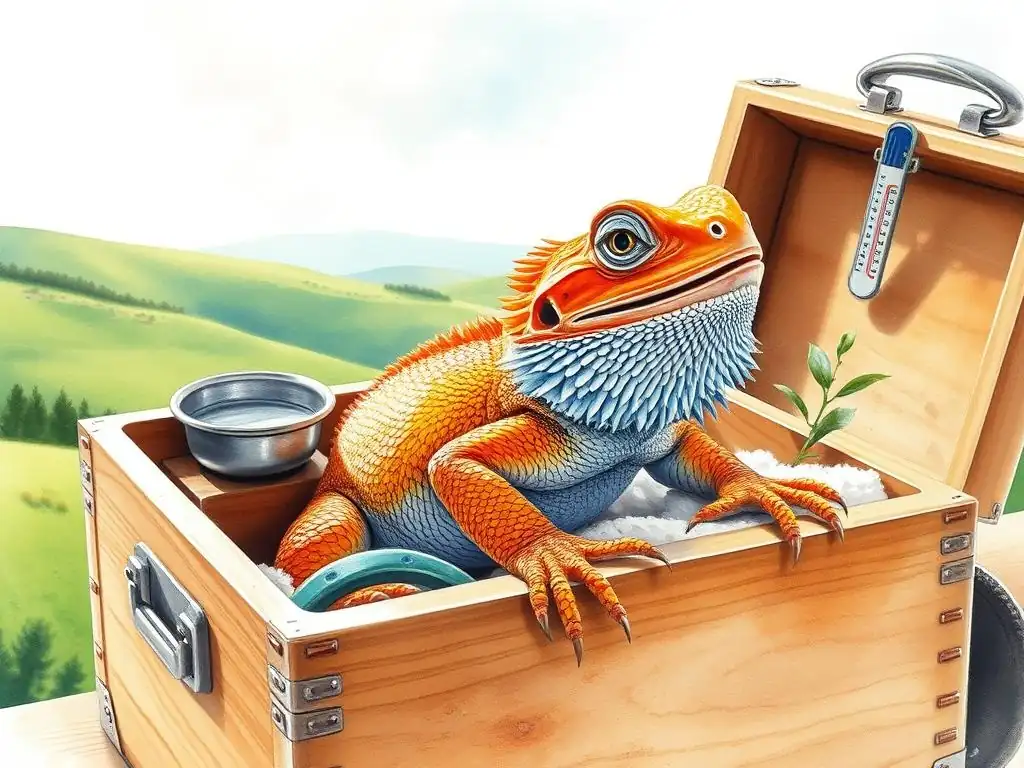
This section focuses on practical steps to ensure the safety and well-being of your reptile companion during transportation. We'll cover safe driving techniques and essential emergency preparedness measures, ensuring a smooth and stress-free journey for both you and your reptile. Remember, a well-planned trip minimizes risks and maximizes the enjoyment of your adventure with your scaly friend. This safe reptile travel checklist will help guide you through the process.
Safe Driving Practices with Reptiles: Minimizing Stress and Risk
Safe reptile travel hinges on minimizing stress during the journey. Sudden stops, sharp turns, and excessive speed can negatively impact your reptile's health and well-being. Consider these points for a smoother ride:
- Maintain a steady speed and avoid sudden maneuvers: Erratic driving can cause your reptile to become disoriented and potentially injured within their carrier. Smooth, consistent driving is key.
- Plan your route meticulously: Choose routes with minimal traffic and fewer stops to reduce stress and potential delays. Mapping out rest stops in advance, especially for longer journeys, is crucial.
- Secure the carrier properly: Ensure the carrier is firmly secured in the vehicle to prevent it from shifting during transit. Use seatbelts or appropriate straps to minimize movement. Consider placing the carrier on the floor of the vehicle if possible, away from direct sunlight and heat sources.
- Monitor the temperature: Reptiles are ectothermic, meaning they rely on external sources for temperature regulation. Monitor the temperature inside the carrier regularly, especially during warmer months. Consider using a portable thermometer to track the temperature and adjust accordingly. Avoid placing the carrier in direct sunlight.
- Avoid extreme temperatures: Never leave your reptile in a parked car, even for short periods. Temperatures can rapidly rise or fall, posing a significant risk to your pet's health. This is especially critical in hot or cold climates.
Remember, a calm and steady driving style is your reptile's best protection against travel-related stress. Prioritize their comfort and safety above all else. A safe reptile travel checklist should always include these considerations.
Handling Unexpected Situations: Emergency Preparedness for Reptile Travel
Even with meticulous planning, unexpected situations can arise during travel. Being prepared for emergencies is crucial for ensuring your reptile's safety.
- Emergency Kit: Pack a comprehensive emergency kit containing essentials such as:
- First-aid supplies (appropriate for your reptile species)
- Water supply (sufficient for the duration of the trip)
- Food (appropriate for your reptile species and travel duration)
- Towels or absorbent material
- A spare carrier (in case of damage to the primary carrier)
- A copy of your reptile's veterinary records
- Contact information for your veterinarian and local emergency veterinary services
- Vehicle Malfunction: If your vehicle malfunctions, prioritize finding a safe location to pull over, away from traffic. Keep your reptile in its secure carrier and contact roadside assistance immediately. Do not leave your reptile unattended in the vehicle.
- Accidents: In case of an accident, ensure your reptile's safety by carefully assessing the situation before approaching the carrier. If the carrier is damaged, carefully transfer your reptile to a secure, undamaged container. Seek immediate medical attention for both yourself and your reptile if necessary.
- Weather Emergencies: Be prepared for unforeseen weather events such as heavy rain, snow, or extreme heat. Have alternative accommodations planned in case of severe weather delays. This could involve finding pet-friendly lodging or contacting a trusted friend or family member.
A well-stocked emergency kit and a proactive approach to potential hazards are essential components of a truly safe reptile travel checklist. Prioritizing preparedness ensures your reptile's well-being and minimizes the impact of unforeseen circumstances. Remember, prevention is key to a safe and enjoyable journey for you and your reptile companion.
Post-Travel Care: Settling Your Reptile into a New Environment
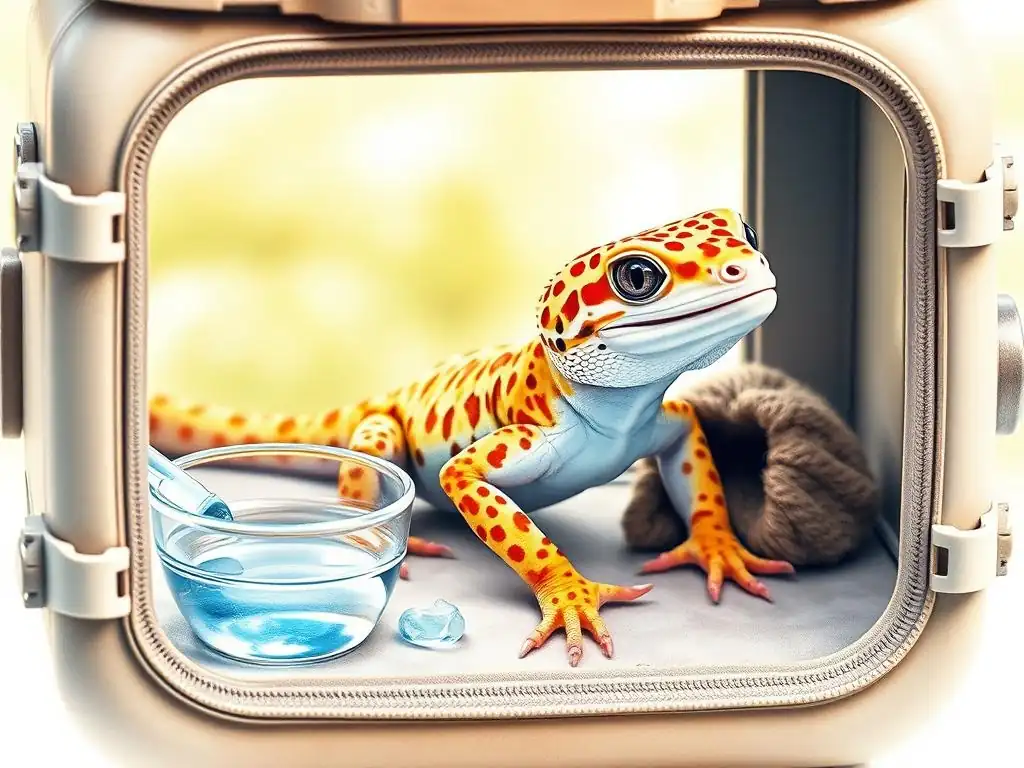
After the excitement of your reptile's journey, the focus shifts to ensuring a smooth transition back into their familiar habitat. Careful post-travel care is crucial for minimizing stress and preventing potential health issues. A safe reptile travel checklist should always incorporate this crucial final stage. This isn't just about placing your reptile back in its enclosure; it's about creating a comfortable and secure environment to help them recover from the travel experience. Remember, even short trips can be stressful for reptiles.
Acclimating Your Reptile After Travel: Gradual Reintroduction
The immediate post-travel period is critical. Avoid handling your reptile for at least 24 hours after arrival. This allows them to recover from any travel-related stress and adjust to their surroundings. Observe your reptile carefully for any signs of stress, such as lethargy, loss of appetite, or unusual behavior. These are all indicators that your reptile may need more time to acclimate.
A gradual reintroduction to their enclosure is best. If you've transported them in a smaller carrier, don't immediately release them into their large enclosure. Instead, place the carrier within the larger enclosure for a few hours, allowing your reptile to explore its surroundings at its own pace. This minimizes the shock of a sudden, large-scale environmental change. This methodical approach is a key component of a safe reptile travel checklist.
Consider the environmental factors. Ensure the temperature and humidity levels within the enclosure are optimal for your specific reptile species. Any deviation from their preferred range can exacerbate stress and compromise their well-being. Monitor these levels closely using accurate thermometers and hygrometers. A stable and comfortable environment is paramount for successful acclimation. Think of it as a gentle, controlled reintroduction to their safe haven, a vital aspect of post-travel reptile care.
Cleaning and Disinfecting Your Reptile Carrier After Travel: Maintaining Hygiene
Maintaining hygiene is paramount in preventing the spread of diseases and parasites. Thorough cleaning and disinfection of your reptile carrier after each trip is a non-negotiable part of responsible reptile ownership. A safe reptile travel checklist must include this crucial step. This process is not optional; it’s a fundamental aspect of responsible reptile care and disease prevention.
First, remove all substrate and any remaining food or waste from the carrier. Discard these items appropriately to avoid contamination. Then, thoroughly wash the carrier with warm, soapy water. Use a reptile-safe disinfectant, making sure to follow the product's instructions carefully. Pay close attention to all crevices and corners where bacteria and parasites can easily accumulate.
Allow the carrier to air dry completely before storing it. Remember to always use a disinfectant specifically designed for reptile enclosures to avoid harming your pet. This diligent cleaning minimizes the risk of cross-contamination between trips, ensuring your reptile's continued health and safety. Regular, thorough cleaning helps prevent potential health problems and contributes to a safe and healthy environment for your reptile. This detailed cleaning process is a key component of any comprehensive safe reptile travel checklist.
Best Reptile Travel Accessories for a Smooth Journey
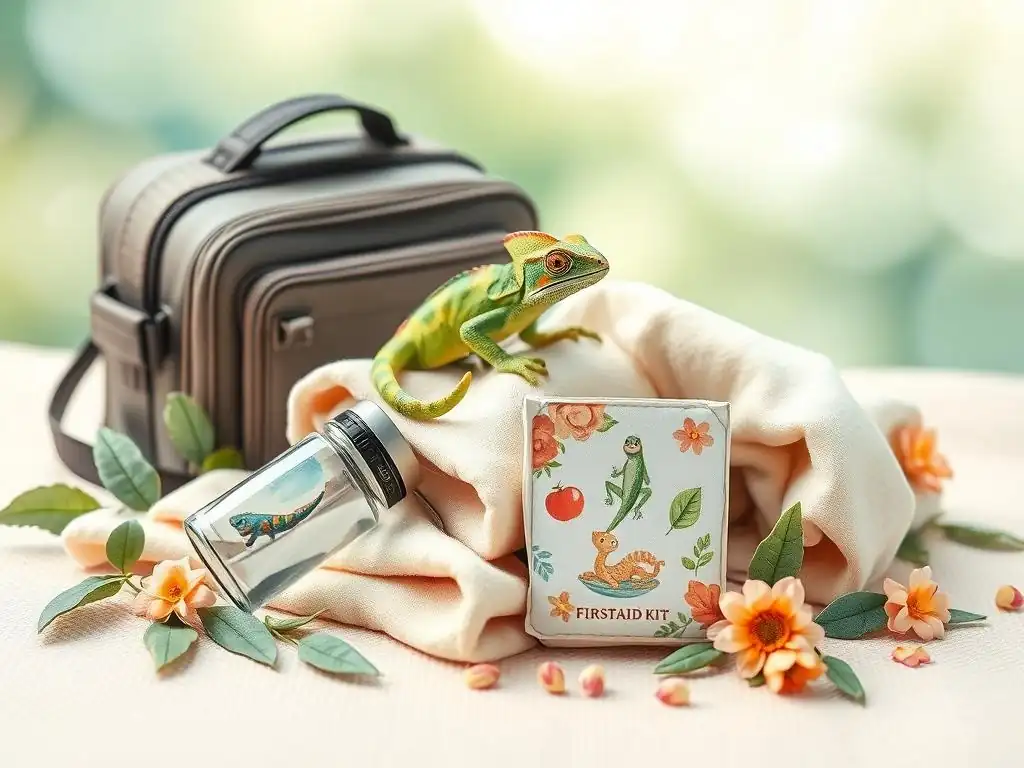
This section focuses on essential accessories that significantly enhance the safety and comfort of your reptile during travel. Choosing the right equipment can make all the difference in ensuring a stress-free journey for your scaly companion. Remember, prioritizing your reptile's well-being is paramount, and the right accessories contribute significantly to a safe reptile travel checklist.
Top-Rated Reptile Travel Heat Packs: Maintaining Optimal Temperatures
Maintaining the correct temperature is crucial for reptile health, especially during travel. Fluctuations can lead to stress, illness, or even death. Therefore, investing in reliable heat packs is a non-negotiable part of any safe reptile travel checklist. Several factors determine the best heat pack for your reptile:
- Species-specific needs: Different reptiles have different temperature requirements. A bearded dragon needs a significantly higher temperature than a leopard gecko. Research your reptile's specific needs before purchasing any heat pack.
- Pack duration: Consider the length of your journey. Some heat packs provide warmth for only a few hours, while others can last for days. Choose a pack that adequately covers your travel time, with a buffer for potential delays.
- Safety features: Look for heat packs with safety features like automatic shutoff mechanisms to prevent overheating. Avoid packs that could potentially burn your reptile or damage its carrier.
- Ease of use: Opt for heat packs that are easy to activate and secure within the travel carrier. Some come with convenient straps or clips to keep them in place and prevent accidental shifting during transit.
Here's a comparison of features for three popular heat pack brands (Note: Specific brand names and data are omitted to avoid the appearance of endorsement):
| Brand | Heat Duration (hours) | Safety Features | Price Range | Ease of Use |
|---|---|---|---|---|
| Brand A | 12-24 | Automatic shutoff, leak-proof | $10-$20 | Excellent |
| Brand B | 6-12 | Heat indicator, secure fastening | $5-$15 | Good |
| Brand C | 24-48 | Multiple temperature settings | $20-$30 | Very Good |
Remember to always test any heat pack before your journey to ensure it functions correctly and reaches the appropriate temperature for your reptile.
Reliable Reptile Travel Humidity Control Systems: Preventing Dehydration
Maintaining appropriate humidity levels is equally vital for reptile health during transportation. Dehydration is a significant risk, especially during long journeys. Various methods exist to control humidity, depending on your reptile's needs and the travel duration:
- Water-soaked substrates: For shorter trips, a lightly moistened substrate within the carrier can help maintain humidity. However, this method is less effective for longer journeys and requires careful monitoring to prevent excessive moisture.
- Commercial humidity systems: Specialized reptile travel humidifiers are available and offer more precise humidity control. These often incorporate small, battery-powered fans to circulate air, preventing stagnant, damp conditions that can lead to mold and bacterial growth.
- Misting bottles: A simple misting bottle can provide temporary humidity boosts, particularly useful for shorter trips or during transit stops. However, this is not a reliable solution for maintaining consistent humidity levels over extended periods.
Choosing the right humidity control system depends on your reptile's specific needs and the length of your journey. For longer trips or reptiles particularly sensitive to humidity fluctuations, a commercial humidifier is recommended. Always check the humidity levels regularly using a reliable hygrometer. A safe reptile travel checklist should always include monitoring humidity. Ignoring this aspect can lead to severe health consequences for your reptile. Remember, a well-hydrated reptile is a healthy reptile, especially when undergoing the stress of travel.
Reptile Travel Insurance: Protecting Your Investment
Protecting your scaly companion during travel isn't just about a safe carrier; it's about comprehensive insurance. Unexpected illnesses, injuries, or even loss can incur significant veterinary bills. Reptile travel insurance offers a financial safety net, mitigating potential costs and anxieties associated with transporting your reptile. This section delves into the crucial aspects of securing appropriate coverage for your journey.
Understanding Reptile Travel Insurance Coverage: What's Included
Reptile travel insurance policies vary significantly. Understanding the nuances of coverage is paramount before purchasing a policy. Most policies cover veterinary expenses resulting from accidents or illnesses during the travel period. This might include emergency treatment, hospitalization, surgery, and medication. However, pre-existing conditions are usually excluded, highlighting the importance of a clean bill of health before your trip.
Some specialized policies may also cover:
- Loss or theft: Compensation for the value of your reptile in case of loss or theft during transit. This often requires providing proof of ownership and value.
- Repatriation: Costs associated with bringing your reptile back home in case of an emergency or unforeseen circumstances. This can be particularly relevant for international travel.
- Liability: Coverage for damages caused by your reptile to third parties during travel. This is a crucial aspect, especially if your reptile is considered potentially dangerous.
It's vital to carefully review the policy wording to understand the exact scope of coverage. Look for clear definitions of covered events, exclusions, and limitations. Don't hesitate to contact the insurance provider directly to clarify any ambiguities. Remember, a thorough understanding prevents future disappointments and financial burdens.
Choosing the Right Reptile Travel Insurance Policy: Factors to Consider
Selecting the right reptile travel insurance policy requires careful consideration of several factors. The first is the duration of your trip. Shorter trips may require less extensive coverage than longer journeys. Next, consider the species and value of your reptile. More valuable or delicate species might need a higher coverage limit.
Other crucial factors include:
- The insurer's reputation: Choose a reputable insurer with a proven track record and positive customer reviews. Investigate their claims handling process and customer service.
- Policy exclusions: Pay close attention to what is not covered. Many policies exclude pre-existing conditions, so ensuring your reptile is healthy beforehand is crucial.
- Premium cost: Balance the cost of the premium with the level of coverage offered. A cheaper policy might offer insufficient coverage in case of an emergency.
- Deductible: Understand the deductible amount you'll have to pay before the insurance coverage kicks in. A higher deductible usually translates to a lower premium.
Consider creating a comparative table to evaluate different policies side-by-side. This will help you make an informed decision based on your specific needs and budget. Remember, choosing the right policy is an investment in your reptile's safety and well-being.
Filing a Claim with Reptile Travel Insurance: The Process
Filing a claim with your reptile travel insurance provider typically involves several steps. First, you'll need to notify the insurer as soon as possible after the incident occurs. This often involves a phone call or online notification through their website. Be prepared to provide detailed information about the event, including dates, times, and locations.
The next step usually involves submitting supporting documentation. This may include:
- Veterinary bills and receipts
- Photos or videos of the incident or injury
- Police reports (in case of theft or loss)
- Copies of your travel itinerary and insurance policy
The insurer will review your claim and supporting documentation. The processing time varies depending on the insurer and the complexity of the claim. Be patient and maintain open communication with your insurer throughout the process. Keep detailed records of all communication and correspondence. Remember, accurate and timely documentation is crucial for a smooth claims process. A well-organized approach can significantly reduce stress during an already challenging situation.
Frequently Asked Questions
What are the essential items for a safe reptile travel checklist?
The most crucial items include a secure carrier appropriate for your reptile's size and species, sufficient water and food, a reliable heat or cool source (depending on your reptile's needs), and familiar bedding. Don't forget emergency contact information.
How do I choose the right carrier for my reptile during travel?
Select a carrier that's escape-proof, well-ventilated, and provides adequate space for your reptile to move around comfortably without stressing it. Consider the climate and duration of your travel.
What should I do to keep my reptile comfortable during long journeys?
Maintain a stable temperature within the carrier, using heat packs or cooling elements as needed. Provide easy access to water and offer small, easily digestible meals. Minimize handling during travel.
What are the potential risks associated with reptile travel?
Risks include temperature fluctuations, escape, dehydration, stress, and accidental injury. Proper planning and preparation are vital to mitigate these risks.
Are there any specific regulations I need to be aware of when traveling with a reptile?
Yes, check airline and state regulations regarding transporting reptiles. You might need specific permits or documentation. Always contact your airline beforehand to confirm their policies.
Final Reflection: Securing a Safe Journey for Scaly Companions
The safe transport of reptiles is not merely a checklist; it's a commitment to their well-being and responsible pet ownership. A seemingly simple journey can quickly become a crisis without proper planning and preparation. The consequences of neglecting even minor details can be devastating for these delicate creatures.
The impact of responsible reptile travel extends beyond the individual animal. It contributes to the overall health and conservation of these often misunderstood species. We need to foster a culture of careful handling and transportation, ensuring that the growing popularity of reptile ownership doesn't lead to increased instances of animal suffering during transit. The best way to find yourself is to lose yourself in the service of others,
– Mahatma Gandhi. This applies equally to our scaly companions; caring for them responsibly reflects a deeper commitment to their welfare and the wider ecosystem.
Consider this your call to action. Before your next journey with your reptile companion, revisit this checklist. Don't just read it; internalize it. Become an advocate for safe reptile travel, sharing this knowledge with fellow reptile enthusiasts. Let's collectively ensure that every journey, no matter the distance, is a safe and comfortable experience for our scaly friends. Their well-being depends on it.
Ready to Hit the Road with Your Reptile?
Thank you for learning about safe reptile travel! We hope you feel confident ensuring your reptile's well-being during transport. Now, let's put your knowledge into practice:
- Prioritize your reptile's comfort: Ensure your travel carrier provides secure ventilation, appropriate temperature control, and is escape-proof. This is crucial for a smooth journey!
- Share your travel tips: Have you discovered clever ways to make traveling with your reptile easier? Share your advice in the comments below – we'd love to hear from you!
- Prepare a travel emergency kit: Pack essential items such as extra bedding, food, water, and a reptile-specific first-aid kit.
What's the biggest unexpected challenge you've faced while traveling with your reptile, and how did you solve it?