
Road Trip with a Cat: Essential Tips for a Safe and Happy Journey

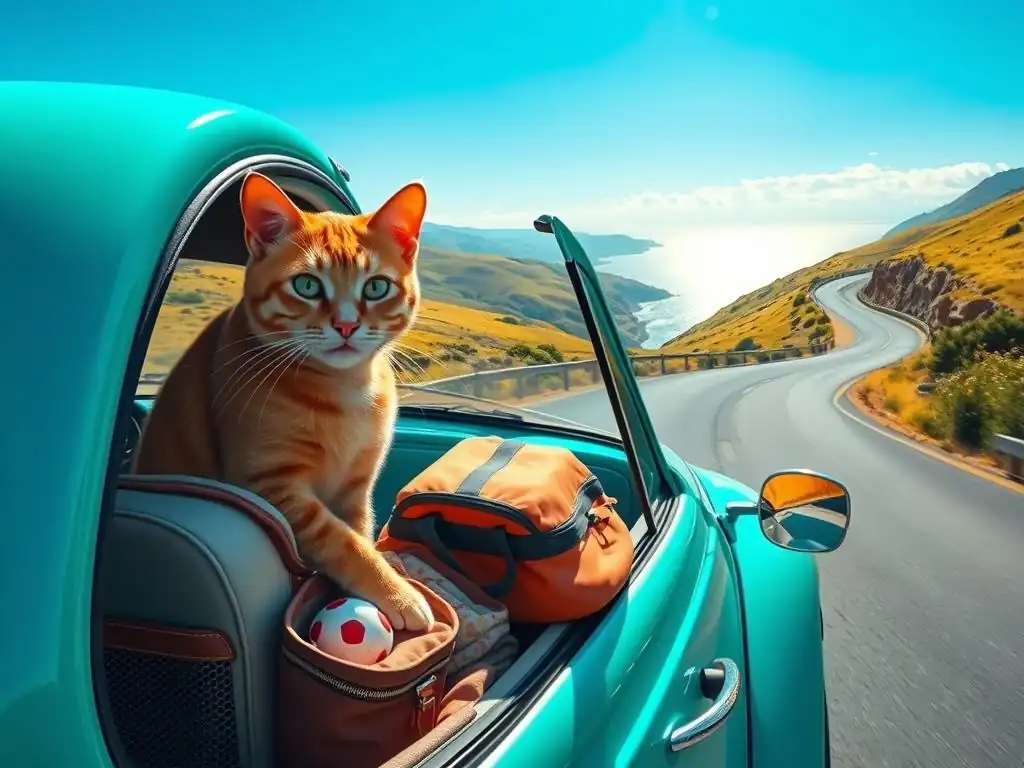
Welcome to PetCareWorld, your ultimate guide to a happier, healthier life for your beloved companion! Are you planning a road trip with your feline friend? Discover essential tips for a safe and stress-free journey with our in-depth guide on "Safe Cat Road Trip Tips." Learn how to ensure your cat's comfort and safety, transforming your next adventure into a purr-fect getaway. Let's get started!
- Planning Your Safe Cat Road Trip: Preparation is Key
- Ensuring Your Cat's Safety During the Drive
- Maintaining Your Cat's Comfort and Well-being on the Road
- Destination Cat-Friendly Accommodations: Finding Pet-Friendly Hotels and Destinations
- Post-Trip Care: Helping Your Cat Readjust After the Journey
- Common Myths and Realities of Traveling with Cats
-
Top 5 Products for a Stress-Free Cat Road Trip
- Product Name 1: Secure and Comfortable Cat Carrier
- Product Name 2: Travel-Sized Litter Box and Litter
- Product Name 3: Cat-Friendly Travel Bowl and Water Bottle
- Product Name 4: Calming Pheromone Spray or Diffuser
- Product Name 5: Interactive Cat Toys and Treats
- Product Name 4: A Comfortable and Secure Cat Carrier
- Product Name 5: Feliway Diffuser and Spray for Calming
-
Frequently Asked Questions
- How can I make my cat comfortable during a long car ride?
- What are some essential supplies to bring for my cat on a road trip?
- How do I prevent my cat from getting carsick?
- What's the best way to secure my cat's carrier in the car?
- What should I do if my cat becomes stressed or anxious during the car ride?
- Final Reflection: The Purrfect Journey: A Legacy of Safe Travels
- Ready to Hit the Road with Your Cat?
Planning Your Safe Cat Road Trip: Preparation is Key
Embarking on a road trip with your feline companion can be an exciting adventure for both of you, but ensuring a safe and stress-free journey requires meticulous planning. This comprehensive guide provides essential tips and advice to help you prepare for a smooth and enjoyable road trip with your cat, focusing on minimizing stress and maximizing safety. We'll cover everything from creating a cat-friendly checklist to acclimating your cat to their carrier, ensuring your furry friend enjoys the ride as much as possible.
Remember, a well-planned trip translates to a happy and relaxed cat, making the entire experience more rewarding for both of you. This guide focuses on optimizing your cat's comfort and safety during travel, equipping you with the knowledge to make informed decisions and handle any unexpected situations that may arise. The goal is to transform your road trip from a potential source of anxiety into a positive and memorable experience for you and your beloved cat.
Let's get started on creating the perfect feline road trip! 😻
Creating a Cat-Friendly Travel Checklist: Essential Items for a Smooth Journey
Before you even think about starting the engine, creating a comprehensive checklist is paramount. A well-stocked travel kit will ensure your cat's comfort and safety throughout the journey. Forgetting even one essential item can lead to unnecessary stress for both you and your pet. Here's a detailed checklist to help you prepare:
- Food and Water: Pack enough food for the entire trip, plus some extra, in case of unexpected delays. Consider using a travel-sized food and water bowl.
- Litter Box and Litter: A disposable litter box is ideal for easy cleanup. Bring plenty of litter, especially if your cat is prone to frequent urination.
- Familiar Bedding: Packing your cat's favorite blanket or toy can provide comfort and reduce anxiety during the journey.
- First-Aid Kit: Include essentials like antiseptic wipes, gauze, and any medication your cat regularly takes. It's also wise to have the contact information for your veterinarian readily available.
- Toys and Entertainment: Bring a few of your cat's favorite toys to keep them occupied during the drive. Puzzle feeders can also help alleviate boredom and anxiety.
- Waste Bags: For easy cleanup of any accidents.
- Carrier Cleaning Supplies: In case of any spills or accidents in the carrier.
- Identification Tags: Ensure your cat is wearing a collar with updated identification tags, including your contact information. Consider a microchip as an additional safety measure.
- Emergency Contact Information: Keep a list of emergency contacts, including your veterinarian, local animal hospitals, and any emergency pet services along your route.
Choosing the Right Carrier for Your Cat: Reviews of Top-Rated Cat Carriers
Selecting the right carrier is crucial for your cat's safety and comfort. The carrier should be spacious enough to allow your cat to stand, turn around, and lie down comfortably. Consider these key factors when choosing a carrier:
- Size and Space: The carrier should be appropriately sized for your cat's breed and size. Avoid carriers that are too small or too large.
- Ventilation: Adequate ventilation is essential to prevent overheating. Look for carriers with numerous ventilation holes or mesh panels.
- Security: Choose a carrier with secure latches and a sturdy construction to prevent your cat from escaping.
- Comfort: A comfortable carrier will help reduce your cat's stress. Consider carriers with soft bedding or cushioning.
- Portability: Opt for a carrier that's easy to carry and maneuver, especially if you'll be making frequent stops.
Acclimating Your Cat to Their Carrier: Gradual Introduction and Positive Reinforcement Techniques
Introducing your cat to their carrier gradually is key to preventing anxiety and fear during the road trip. Don't just shove your cat into the carrier right before departure! Instead, follow these steps:
- Positive Associations: Leave the carrier open in a familiar area of your home for several days before the trip. Place treats and toys inside to create positive associations.
- Gradual Introduction: Encourage your cat to enter the carrier voluntarily by placing treats or toys inside. Never force your cat into the carrier.
- Short Practice Sessions: Once your cat is comfortable entering the carrier, close the door for short periods and gradually increase the duration. Reward your cat with treats and praise.
- Familiar Scents: Include familiar bedding or toys inside the carrier to make it feel more comfortable and secure.
- Patience and Consistency: Acclimating your cat to their carrier takes time and patience. Be consistent with your training and reward your cat for positive behavior. Remember, a calm and relaxed cat will make for a much smoother road trip! 🎉
Ensuring Your Cat's Safety During the Drive
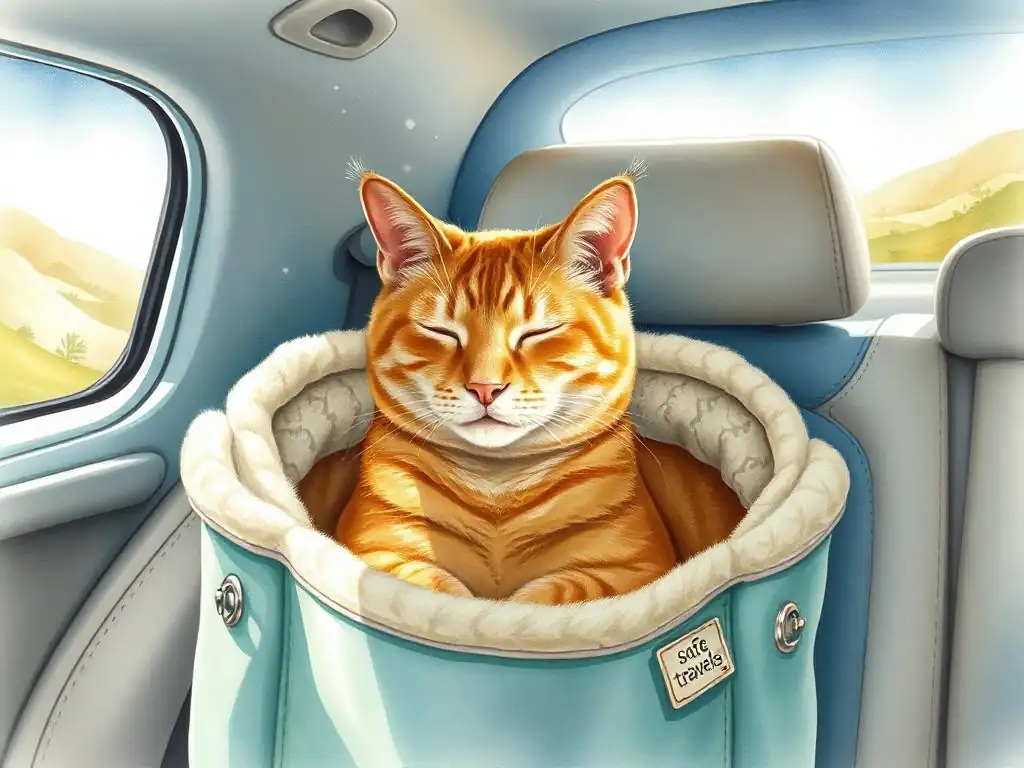
This section focuses on prioritizing your cat's safety throughout your road trip. A safe and secure journey hinges on careful planning and proactive measures. We'll explore crucial aspects to ensure your feline companion remains comfortable and unharmed during transit. Remember, a happy cat means a happy road trip for everyone!
Securing Your Cat in the Car: Safe Carrier Placement and Avoiding Sudden Stops
The cornerstone of a safe cat road trip is a secure carrier. Avoid flimsy carriers; opt for a sturdy, well-ventilated one that's appropriately sized for your cat, allowing them to stand, turn around, and lie down comfortably. Never place the carrier in the front seat—it's a safety hazard in the event of an accident. Instead, secure it firmly in the backseat using a seatbelt or pet car safety harness, away from airbags. Sudden braking or acceleration can be stressful for your cat. Drive smoothly and anticipate traffic conditions, minimizing jarring movements.
Consider the placement of the carrier within the vehicle. Ideally, position it away from direct sunlight to prevent overheating and in a location that minimizes vibrations. Avoid placing it near loud speakers or areas where it might be bumped or jostled.
If possible, choose a route that avoids excessive bumps and sudden changes in elevation to lessen the impact of motion on your cat. Remember, a comfortable and stable ride is key to reducing stress and anxiety during your journey. This proactive approach to safe carrier placement directly contributes to a more positive and less stressful road trip experience for your feline friend.
Managing Motion Sickness in Cats: Natural Remedies and Preventative Measures
Motion sickness, or car sickness, is a common issue for cats traveling by car. Symptoms include drooling, vomiting, restlessness, and excessive meowing. To minimize the risk, feed your cat a light meal several hours before departure. Avoid feeding them right before or during the drive. Restrict access to water for an hour or two before the journey to prevent nausea.
Several natural remedies can help alleviate motion sickness. Ginger, known for its anti-nausea properties, can be offered in small amounts. You can find it in cat-friendly treats or add a tiny bit of grated fresh ginger to their food (consult your vet first). Feliway diffusers or sprays, which release calming pheromones, can also help reduce anxiety and consequently, motion sickness.
Consider giving your cat a short car ride before your trip to help them acclimate to the car environment, gradually increasing the duration of the rides. This acclimatization can significantly reduce the likelihood of motion sickness during the long road trip. Remember to consult your veterinarian for advice tailored to your cat's specific needs and health status, especially if they have a history of motion sickness. They can suggest suitable medication options if necessary.
Emergency Preparedness: First-Aid Kit for Cats and Veterinary Contacts along Your Route
Unforeseen events can occur during long road trips. Therefore, preparedness is crucial. Pack a comprehensive first-aid kit specifically designed for cats. This should include items like antiseptic wipes, gauze pads, bandage rolls, tweezers, and any medication your cat regularly takes. Include a list of emergency veterinary clinics along your planned route, along with their contact information and operating hours.
Knowing where to seek immediate veterinary attention in case of an accident or sudden illness is paramount. Consider carrying a copy of your cat's vaccination records and any relevant medical history. Taking these preventative measures will provide peace of mind and ensure you're well-prepared to handle any unexpected situations that may arise. A well-stocked first-aid kit and a readily accessible list of veterinary contacts are essential components of a safe and responsible road trip with your feline companion. Remember that proactive planning can make all the difference in a crisis.
Maintaining Your Cat's Comfort and Well-being on the Road
Ensuring your feline companion's comfort and well-being during a road trip is paramount for a successful journey. A stressed cat can become disruptive and even unwell. This section focuses on practical strategies to minimize stress and maximize comfort for your cat throughout the travel experience, optimizing your chances of a safe and enjoyable "safe cat road trip" for both of you. Remember, a happy cat makes for a happy driver!
Providing Food and Water on the Go: Travel-Friendly Bowls and Hydration Strategies
Providing consistent access to food and water is crucial for your cat's health, especially during long drives. Dehydration can quickly become a serious issue, so planning ahead is essential. Avoid using flimsy bowls that might tip over during acceleration or braking. Instead, opt for sturdy, non-spill travel bowls designed for pets. Many are available that secure to the car seat or attach to a crate.
Consider a slow-feeder bowl to prevent your cat from gulping down its food and water too quickly. This is especially important if your cat tends to be a fast eater. Furthermore, offering fresh water frequently is key. Carry several bottles of fresh water and replace the water in the bowl regularly. Think about adding a little bit of low-sodium broth to the water to encourage your cat to drink more, particularly during hotter months. You might also consider a portable water fountain to encourage drinking.
| Bowl Type | Pros | Cons |
|---|---|---|
| Non-spill bowl | Prevents spills, maintains cleanliness | Might be slightly bulkier than others |
| Collapsible bowl | Space-saving, easy to pack and clean | May not be as sturdy as other options |
| Slow-feeder bowl | Encourages slower eating, aids digestion | Requires more planning and preparation |
Litter Box Solutions for Road Trips: Disposable Litter Boxes and Travel-Sized Litter
Litter box access is another critical aspect of a safe cat road trip. Cats need to relieve themselves regularly, and a lack of appropriate facilities can lead to stress and accidents. Avoid using your regular litter box; instead, invest in a lightweight, disposable litter box specifically designed for travel. These are often collapsible and easy to clean up afterward. Consider using clumping litter to minimize mess and odor during your journey.
Alternatively, you can use a larger, sturdy plastic container lined with absorbent pads or newspaper, making cleanup easier. Remember, the size of the litter box should be appropriate for your cat's size; a cramped box will only increase stress. Don't forget to bring plenty of travel-sized litter. Pre-portioning the litter into zip-top bags will save space and keep things organized. Proper waste disposal is also vital; plan where you will dispose of used litter responsibly during rest stops.
Regular Breaks and Enrichment Activities: Preventing Boredom and Stress During Long Drives
Long car rides can be monotonous and stressful for cats, leading to anxiety and undesirable behaviors. Plan for regular breaks, ideally every 2-3 hours, to allow your cat to stretch its legs, use the litter box, and have a drink of water. Short walks in a secure area can help to alleviate some of the stress of being confined.
During the drive, providing enrichment activities can significantly improve your cat's comfort. Familiar toys can help distract and entertain your cat. A puzzle feeder can provide mental stimulation and encourage natural behaviors. Consider a pheromone diffuser or calming spray to help reduce stress and anxiety.
Always ensure your cat is securely confined in a carrier to prevent escapes and ensure safety. Remember, a relaxed cat is a safer cat, ensuring a smoother and more enjoyable road trip for both of you. A well-planned journey, focusing on your cat's needs, will transform your "safe cat road trip" from a stressful event into a pleasant shared experience.
Destination Cat-Friendly Accommodations: Finding Pet-Friendly Hotels and Destinations
Finding suitable accommodations is crucial for a safe and enjoyable cat road trip. Many pet owners overlook this critical aspect, leading to stressful situations for both themselves and their feline companions. Securing cat-friendly lodging before you even start your engine is paramount for a smooth journey. This involves more than just finding a place that allows cats; it necessitates finding a location that caters to their needs and ensures their comfort and safety.
Researching Pet-Friendly Hotels and Vacation Rentals: Websites and Apps for Finding Cat-Friendly Stays
The search for cat-friendly accommodations begins long before your departure date. Several dedicated websites and apps specialize in listing pet-friendly hotels, motels, and vacation rentals. These resources often filter results based on specific pet needs, allowing you to quickly identify options that meet your cat's requirements. For example, some may offer larger suites or yards, vital for a cat's comfort and mental stimulation during travel.
It's also wise to check user reviews; these frequently highlight the level of pet-friendliness a particular establishment offers, revealing details not always found in official descriptions. Look for mentions of amenities like pet bowls, litter boxes, or even designated pet areas. Beyond dedicated pet travel sites, many general travel booking platforms now include pet-friendly filters, simplifying your search. Utilizing multiple resources increases your chances of finding the perfect, safe haven for your furry travel buddy.
Planning Cat-Friendly Activities at Your Destination: Parks, Trails, and Pet-Friendly Businesses
While the primary goal is a safe cat road trip, it's equally important to plan enriching activities for your cat at your destination. A stimulating environment helps prevent boredom and stress. Researching local parks and trails that allow leashed cats (always prioritize safety with a secure harness and lead) can offer opportunities for gentle exploration. Remember to check local regulations regarding off-leash areas and ensure the environment is secure and free from hazards.
Additionally, explore pet-friendly businesses in the area. Some cafes or shops welcome well-behaved cats, providing opportunities for socialization (within a controlled environment) and a change of scenery. Always prioritize your cat's comfort and safety; if they show signs of stress, return to your accommodation and provide a quiet, secure space. A successful and safe cat road trip balances exploration with relaxation.
Keeping Your Cat Safe in New Environments: Supervision and Preventing Escapes
Even in cat-friendly environments, maintaining vigilance is paramount. New surroundings can be overwhelming for cats, increasing the risk of escape. Always supervise your cat, especially when exploring unfamiliar areas. Ensure windows and doors are securely closed, and consider using pet-safe deterrents like window screens or cat enclosures if necessary. Familiarizing your cat with their carrier before the trip can also assist in managing their behavior in new environments.
The carrier should be seen as a safe space, not a prison. Reward calm behavior with treats and praise. If your cat becomes stressed, provide a quiet, familiar space within the accommodation. Planning for potential escape routes and having a well-fitting harness and leash readily available are vital components of a truly safe cat road trip. Remember, a proactive approach to safety minimizes risks and ensures a stress-free journey for both you and your beloved feline companion.
Post-Trip Care: Helping Your Cat Readjust After the Journey
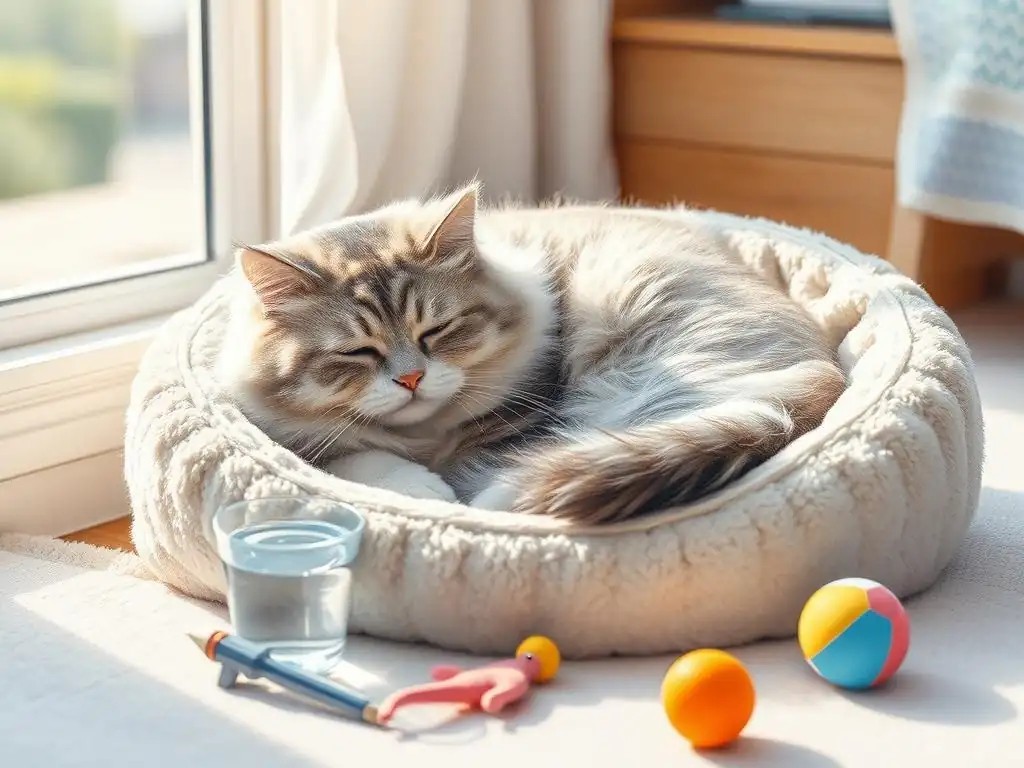
After the excitement (and hopefully uneventful travel!) of your road trip, it's crucial to focus on helping your feline friend readjust to their home environment. A smooth transition minimizes stress and ensures a swift return to their normal, happy self. Remember, even the most adaptable cat can experience some post-travel anxiety.
Providing a calm and familiar atmosphere is key to a successful reintegration. This process involves careful observation, patience, and a touch of understanding. The goal is to help your cat feel safe, secure, and back in their element as quickly as possible. Consider this phase as important as the preparation for the trip itself; it's the final step in ensuring a truly safe cat road trip.
Easing Your Cat Back into Their Routine: Gradual Reintegration and Patience
Bringing your cat home shouldn't be a rushed affair. Avoid immediately placing them back into their usual routines. Instead, allow them some time to decompress. Let them explore their carrier first – a familiar space in unfamiliar surroundings – before fully releasing them into the house. This allows them to regain their bearings and assess their environment at their own pace.
Gradually reintroduce them to their food, water, litter box, and favorite sleeping spots. Don't overwhelm them with immediate interaction. Instead, offer gentle pets and soft words from a distance, allowing them to approach you when they feel ready. This gradual reintegration minimizes stress and allows your cat to regain their sense of normalcy. Patience is paramount during this period.
Observe their behavior for any signs of distress or discomfort. If they seem withdrawn or anxious, allow them more time and space to adjust. Providing a quiet, dark space, like a comfortable bed in a quiet room, can be helpful for cats needing extra time to settle. Remember, every cat is different, and their adjustment period will vary accordingly. Consider enriching their environment with familiar toys and scents to aid in the process.
Monitoring Your Cat's Health Post-Travel: Signs to Watch For and Veterinary Checkups
Following a long journey, even a relatively short one, it's vital to closely monitor your cat's health. While most cats adapt well, some may exhibit subtle signs of stress or underlying health issues that might have been exacerbated by the travel. Pay close attention to changes in appetite, litter box habits, and overall demeanor. A sudden decrease in appetite, vomiting, diarrhea, or changes in urination frequency are all cause for concern and warrant immediate veterinary attention. Even seemingly minor issues, such as lethargy or increased vocalization, could indicate underlying problems.
Keep a close eye on your cat's energy levels and activity. A cat that is usually playful and active might become lethargic or subdued after a road trip. This could be a sign of stress or illness. Moreover, look out for any physical injuries, such as cuts or bruises, that may have gone unnoticed during the journey.
A post-trip veterinary checkup is strongly recommended, especially if your cat exhibits any unusual behavior or symptoms. A preventative health check ensures early detection and treatment of any potential problems, making sure your cat recovers fully from your safe cat road trip. This proactive approach contributes greatly to the overall well-being of your furry companion.
Learning from Your Experience: Tips for Future Cat Road Trips
Every road trip offers valuable lessons. Reflect on your recent journey – what worked well, and what could be improved? Did your cat tolerate the carrier well? Were there any unexpected challenges? This self-assessment is crucial for future trips, ensuring smoother and less stressful journeys for both you and your cat.
For instance, if your cat showed signs of significant stress, consider investing in a more spacious or comfortable carrier for future trips. Perhaps pheromone diffusers or calming aids could be beneficial. Alternatively, if your cat handled the trip surprisingly well, you might consider adjusting your packing list to include more of their favorite toys or treats to keep them entertained during the journey. The goal is to continuously refine your approach, learning from each experience to create a more enjoyable travel experience for your beloved feline companion.
Remember, thorough planning and preparation are key components of a successful safe cat road trip. By carefully considering these points, you can ensure that future adventures are even more enjoyable and stress-free for both you and your furry friend. 😻
Common Myths and Realities of Traveling with Cats
This section will debunk common misconceptions surrounding cat travel, providing evidence-based realities to ensure a safe and comfortable journey for your feline companion. Successfully navigating a road trip with your cat hinges on understanding their needs and addressing potential anxieties proactively. Let's explore some prevalent myths and their corresponding realities:
Myth: Cats Hate Car Rides – Reality: Proper preparation makes all the difference.
Many believe cats inherently despise car travel. While some cats may exhibit initial apprehension, a negative association isn't inevitable. The key lies in desensitization and counter-conditioning. Before the big trip, gradually acclimate your cat to the carrier. Place it in a familiar area, leaving the door open and allowing your cat to explore at its own pace. Reward positive interactions with treats and praise.
Consider using pheromone diffusers or sprays (like Feliway) to create a calming environment inside the carrier and even in your vehicle. These products mimic feline facial pheromones, promoting relaxation and reducing stress. Remember, a gradual approach is key; forcing a cat into a carrier will only worsen anxiety. Data from various pet behaviorist studies show that cats accustomed to their carriers before travel experience significantly less stress during the journey. In essence, a well-prepared cat is a happy traveler.
Myth: Cats Don't Need Breaks – Reality: Regular stops are crucial for their well-being.
The misconception that cats can endure long journeys without breaks is dangerous. Cats, like humans, require regular stops for hydration, elimination, and to stretch their legs (or paws!). A lengthy, uninterrupted car ride can lead to dehydration, urinary tract issues, and general discomfort. Plan your route strategically, incorporating frequent stops every 2-3 hours, especially on longer trips. During these breaks, allow your cat to briefly explore a safe, enclosed area (like a secured outdoor space or a quiet room at a pet-friendly rest stop).
Never leave your cat unattended outside the carrier. Provide fresh water throughout the journey. Observe your cat for signs of stress, such as excessive panting, vocalization, or restlessness. Addressing these needs proactively ensures your cat's comfort and well-being, minimizing the potential for travel-related health problems. Ignoring this crucial aspect can negatively impact your cat's health and increase the risk of accidents.
Myth: Any Carrier Will Do – Reality: Choosing the right carrier is essential for safety and comfort.
Selecting the appropriate carrier is paramount to your cat's safety and comfort. A poorly chosen carrier can lead to anxiety, injury, and escape attempts. Avoid flimsy carriers; opt for a sturdy, well-ventilated carrier that's appropriately sized for your cat. It should allow your cat to stand, turn around, and lie down comfortably. Secure latches are essential to prevent escape.
Consider features like a removable top for easy access and cleaning, and a comfortable, washable bedding. Some carriers offer additional features such as integrated food and water bowls, and even wheels for easier transport. Remember, a secure and comfortable carrier contributes significantly to reducing your cat's stress levels during the road trip. The investment in a high-quality carrier is a worthwhile one for a safe and happy journey. Think of it as an investment in your cat's peace of mind – and yours!
Choosing the right carrier is a crucial aspect of ensuring a safe cat road trip. Remember, a well-prepared journey leads to a happy and stress-free experience for both you and your feline friend. Prioritize your cat's comfort and well-being for a smooth and enjoyable road trip adventure.
Top 5 Products for a Stress-Free Cat Road Trip
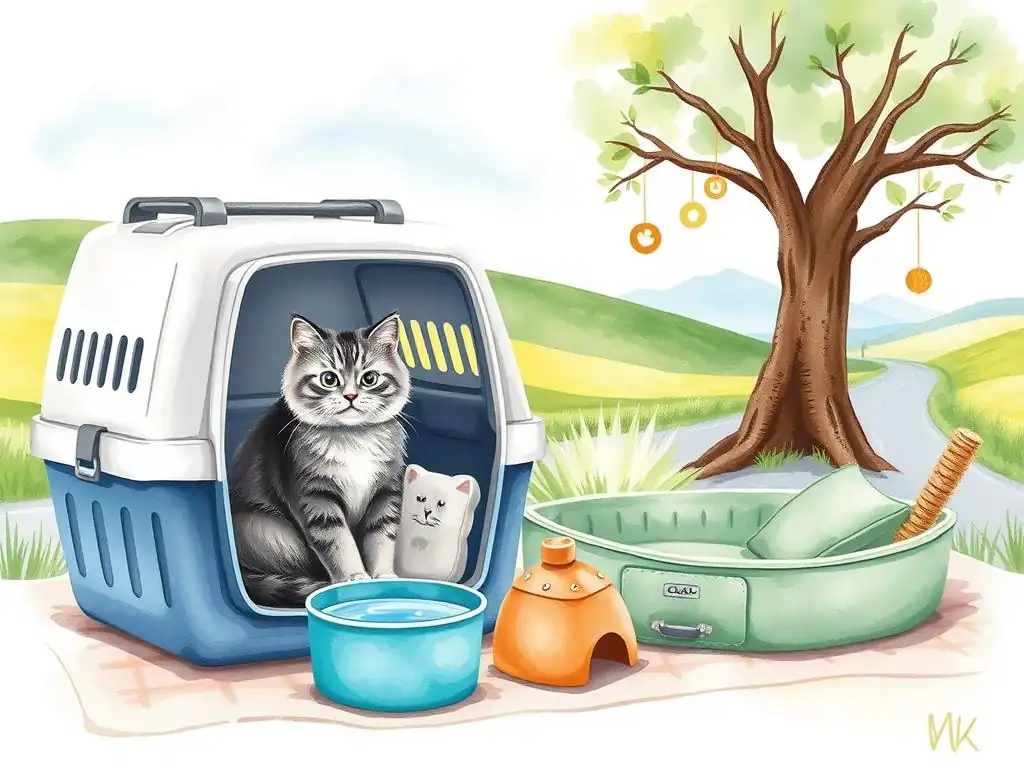
This section focuses on essential products to ensure your feline companion enjoys a safe and comfortable road trip. Choosing the right equipment can significantly reduce stress for both you and your cat, transforming a potentially harrowing experience into a pleasant adventure. Remember, a well-prepared journey is a happy journey! We'll explore five key products that contribute to a smoother, safer cat road trip.
Product Name 1: Secure and Comfortable Cat Carrier
Selecting the right carrier is paramount for a safe cat road trip. Avoid flimsy carriers; opt for a sturdy, well-ventilated carrier that offers ample space for your cat to stand, turn around, and lie down comfortably. Consider carriers made from durable plastic or reinforced fabric. Features like secure latches, escape-proof designs, and comfortable bedding are crucial.
Look for carriers with good ventilation to prevent overheating, especially during warmer months. A carrier with a top opening can be beneficial for easier access and reduced stress during loading and unloading. The ideal size depends on your cat's breed and size; a cat that feels cramped will be more stressed than one that has sufficient space. Remember, your cat will likely spend several hours in this carrier, so prioritize comfort and safety.
Product Name 2: Travel-Sized Litter Box and Litter
Maintaining litter box hygiene during a long journey is vital. A lightweight, collapsible travel litter box is a space-saving solution. Choose a litter that is low-dust and clumping to minimize mess and odor. Consider biodegradable or eco-friendly litters to reduce your environmental impact. Pack extra litter bags for easy disposal. Remember to clean the litter box frequently, especially during longer trips, to maintain a hygienic environment for your cat. Consider the amount of litter needed for the duration of your trip and pack accordingly; running out of litter can create unnecessary stress.
Product Name 3: Cat-Friendly Travel Bowl and Water Bottle
Providing fresh water is essential, especially during warmer weather. A travel-sized water bowl that attaches to the carrier or a spill-proof water bottle designed for cats prevents spills and ensures your cat stays hydrated throughout the journey. Consider a bowl with a non-slip base to prevent accidents. Regularly check and refill the water supply to keep your cat hydrated and comfortable. Dehydration can lead to stress and discomfort, so maintaining access to fresh water is a top priority for a safe cat road trip.
Product Name 4: Calming Pheromone Spray or Diffuser
Reducing anxiety is key to a stress-free road trip. Cat-friendly pheromone sprays or diffusers can help calm your cat during travel. These products mimic the natural calming pheromones cats produce, helping them feel more secure and relaxed in unfamiliar environments. Spray the pheromone on the carrier or use a diffuser in your vehicle (if compatible). Always follow the manufacturer's instructions for safe and effective use. While pheromones aren't a guaranteed solution for all cats, they can be a valuable tool in managing travel anxiety.
Product Name 5: Interactive Cat Toys and Treats
Keeping your cat entertained during the journey helps distract them from potential anxieties. Pack a selection of small, interactive toys that can be easily stored in the carrier. Puzzle toys that dispense treats can provide mental stimulation and keep your cat occupied. Small, soft toys that can be easily grasped and batted around can also provide entertainment.
Including familiar toys from home can help your cat feel more secure. Remember to pack some of your cat's favorite treats to reward them for good behavior and to help soothe any anxiety they may experience. Positive reinforcement can significantly improve your cat's travel experience.
Remember, planning and preparation are key to a successful and safe cat road trip. By using these products and adopting a calm and reassuring approach, you can help your feline friend enjoy the journey. Safe travels! 🐱
Product Name 4: A Comfortable and Secure Cat Carrier
Choosing the right carrier is paramount for a safe cat road trip. A cramped, uncomfortable carrier will only exacerbate your cat's anxiety. Look for a carrier that's spacious enough for your cat to stand, turn around, and lie down comfortably. Hard-sided carriers offer superior protection during transit compared to soft-sided ones, providing a secure barrier against sudden stops or bumps.
Features like adequate ventilation, secure latches, and a comfortable, washable bedding are crucial. Consider carriers with built-in water and food bowls to keep your feline friend hydrated and nourished throughout the journey. Remember, a happy cat is a calm cat, and a comfortable carrier is the cornerstone of a stress-free road trip. The ideal carrier should be tailored to your cat's size and breed, allowing for comfortable movement without excessive space that might cause them to feel insecure.
Prior to the trip, acclimate your cat to the carrier by placing it in a familiar area, allowing them to explore and associate it with positive experiences, such as treats and playtime. This positive reinforcement will significantly reduce their anxiety during the actual journey. Don't forget to include a familiar blanket or toy to provide a sense of security and comfort during the drive.
Product Name 5: Feliway Diffuser and Spray for Calming
Anxiety is a common issue for cats during car travel. To mitigate this, consider using a pheromone diffuser or spray, specifically Feliway. Feliway mimics feline facial pheromones, which have a naturally calming effect on cats. The diffuser plugs into your car's 12V outlet and releases pheromones subtly, creating a relaxing atmosphere in the car.
Alternatively, you can use the Feliway spray to lightly mist the carrier and surrounding areas before the trip. Remember to follow the manufacturer's instructions carefully. While Feliway isn't a miracle cure, it can significantly reduce stress and anxiety levels in many cats, making the journey considerably more pleasant for both you and your pet.
Combining Feliway with other stress-reducing strategies, such as a comfortable carrier and a familiar toy, will further enhance its effectiveness. It's important to note that not all cats respond equally to Feliway; however, it's generally a safe and well-tolerated product that's worth considering for reducing stress during a road trip. Always consult with your veterinarian if you have any concerns about using Feliway or other calming aids for your cat.
Frequently Asked Questions
How can I make my cat comfortable during a long car ride?
A comfortable carrier is crucial. Ensure it's spacious enough for your cat to stand, turn, and lie down. Provide a familiar blanket or toy to reduce anxiety.
What are some essential supplies to bring for my cat on a road trip?
Pack food and water bowls, plenty of fresh water, their regular food, a litter box and litter, and waste bags. Don't forget medication if needed.
How do I prevent my cat from getting carsick?
Feed your cat a light meal several hours before the trip. Avoid rich or fatty foods. Consider consulting your vet about anti-nausea medication.
What's the best way to secure my cat's carrier in the car?
Use a seatbelt or carrier restraint to prevent the carrier from moving around during sudden stops or turns. Never place the carrier in the front passenger seat with an airbag. Safety first!
What should I do if my cat becomes stressed or anxious during the car ride?
Try to remain calm yourself. Speak to your cat in a soothing voice. If anxiety is severe, consult your vet about anxiety medication for the journey.
Final Reflection: The Purrfect Journey: A Legacy of Safe Travels
The open road beckons, but for our feline friends, it can be a source of anxiety. Ensuring a safe and happy road trip for your cat requires careful planning and a deep understanding of their needs, a journey that extends far beyond simply securing them in a carrier. This isn't just about getting from point A to point B; it's about creating a positive experience for your beloved companion.
The impact of responsible pet travel extends beyond the individual cat; it shapes our understanding of animal welfare and our commitment to their well-being. It's about recognizing that our pets are not just possessions, but sentient beings with feelings and needs. This journey of responsible pet ownership reflects a growing societal awareness of animal rights and the importance of compassionate travel. The bond with a pet is one of the purest loves known to humankind.
This sentiment underscores the responsibility we carry to ensure their safety and comfort during any journey.
Now, consider your own future travels with your feline companion. Will you approach your next road trip with a renewed sense of preparedness and empathy? Will you prioritize their comfort and safety above all else, ensuring a stress-free and enjoyable experience for both of you? Remember the tips outlined in this article, and let them guide you on many happy and safe journeys together. The road awaits, and with the right preparation, it can be a purrfect adventure.
Ready to Hit the Road with Your Cat?
Thanks for joining us on this journey through the essentials of a safe and happy road trip with your feline friend! We hope you've gained valuable insights to make your next adventure memorable. Now, let's put those tips into action!
- Plan your route carefully: Consider your cat's comfort and needs when choosing stops and driving times. This includes frequent breaks for food, water, and litter box use. Don't forget to pack extra supplies, such as food, water, and litter.
- Share your road trip wisdom: Tell us about your own experiences traveling with your cat! What are your best tips and tricks for keeping them calm and comfortable on the road? Share them in the comments below – we’d love to hear from you.
- Create a relaxing pre-trip routine: Help your cat relax and reduce stress before the journey begins. This could involve playing their favorite game, providing a familiar-smelling blanket, or creating a quiet, dark space in the car for them to retreat to.
What unique strategies do you use to ensure your cat stays calm and happy during car travel?