
Conquering Cat Travel Anxiety: Practical Tips for a Calm Adventure

Welcome to PetCareWorld, your ultimate guide to a happier, healthier life for your beloved companions! Are you dreading your next trip with your feline friend? Discover practical and effective tips to reduce cat travel anxiety and ensure a smooth, stress-free journey for both of you. Learn how to transform stressful travel into a calm adventure – read on to unlock the secrets to happy travels with your cat!
- Understanding Your Cat's Travel Anxiety: Recognizing the Signs
-
Preparing Your Cat for Travel: Pre-Trip Strategies to Reduce Anxiety
- Creating a Safe and Secure Travel Carrier: Choosing the Right Carrier for Your Cat
- Introducing Your Cat to the Carrier: Gradual Desensitization Techniques
- Packing Essentials for a Stress-Free Trip: Food, Water, Litter, and Comfort Items
- Using Feliway Diffusers and Sprays to Reduce Travel Stress: A Calming Pheromone Approach
-
During the Journey: Minimizing Stress During Transportation
- Safe Car Travel for Cats: Securing the Carrier and Maintaining a Calm Environment
- Air Travel with Cats: Airline Regulations and Anxiety-Reducing Strategies
- Managing Motion Sickness in Cats During Travel: Medication and Natural Remedies
- Providing Comfort and Security During Travel: Toys, Blankets, and Familiar Scents
- Post-Trip Care: Helping Your Cat Adjust After Travel
- Products to Reduce Cat Travel Anxiety: A Buyer's Guide
- Debunking Myths About Cat Travel and Anxiety
- Conclusion: Ensuring a Safe and Enjoyable Travel Experience for Your Feline Friend
- Frequently Asked Questions
- Final Reflection: The Purrfect Journey: Easing Feline Travel Stress
- Unleash Your Cat's Travel Spirit!
Understanding Your Cat's Travel Anxiety: Recognizing the Signs
Traveling with your feline companion can be a rewarding experience, but for many cats, the journey itself is a significant source of stress. Understanding feline travel anxiety is the first step to ensuring a safe and comfortable trip for your furry friend. This article delves into the common causes of cat travel anxiety, provides practical tips to reduce stress, and highlights the importance of recognizing the signs of anxiety in your cat before, during, and after travel.
We’ll explore effective strategies to minimize discomfort and create a positive travel experience, helping you conquer cat travel anxiety and make your next adventure together a purr-fect success! This guide focuses on providing you with the knowledge and tools to effectively reduce cat travel anxiety, ensuring a smoother journey for both you and your beloved pet.
We will explore various techniques to minimize stress and create a more positive travel experience for your cat. Remember, a calm and prepared cat is a happy cat, especially when embarking on an exciting new adventure!
Identifying Stress Cues in Cats Before, During, and After Travel
Cats are masters of disguise when it comes to expressing discomfort. While a hissing cat clearly indicates distress, subtle signs of anxiety often go unnoticed. Recognizing these subtle cues is crucial for addressing travel anxiety effectively. Before travel, signs may include decreased appetite, increased vocalization (meowing or yowling), hiding, changes in litter box habits (increased frequency or accidents), and excessive grooming. During travel, watch for flattened ears, dilated pupils, restless pacing in the carrier, excessive salivation, trembling, or attempts to escape. After travel, continued hiding, lethargy, changes in appetite or elimination habits, and increased aggression are all potential indicators of lingering anxiety. Keeping a detailed record of these behaviors can help you identify patterns and adjust your approach for future journeys.
Remember, early intervention is key! If you notice any of these signs, don't hesitate to consult your veterinarian. They can help rule out underlying medical conditions and provide additional advice on managing your cat's anxiety.
Common Causes of Cat Travel Anxiety: Noise, Motion Sickness, and Unfamiliarity
Several factors contribute to cat travel anxiety. The unfamiliar environment, loud noises (traffic, engine sounds), and the motion of the vehicle can all trigger stress. Many cats experience motion sickness, leading to nausea, vomiting, and further distress. The confinement within a carrier, even if spacious and comfortable, can feel restrictive and heighten anxiety.
The lack of control over their surroundings adds to their stress levels. Unfamiliarity with the destination itself can also play a role, especially if it involves a significant change in environment or routine. Understanding these root causes helps you develop targeted strategies to mitigate anxiety. For example, introducing the carrier well in advance of the trip, associating it with positive experiences (treats, playtime), can significantly reduce anxiety related to confinement.
The Impact of Anxiety on Your Cat's Health During Travel
Untreated travel anxiety can have significant consequences for your cat's health. Prolonged stress weakens the immune system, making them more susceptible to illness. The physical symptoms of anxiety, such as vomiting and diarrhea, can lead to dehydration and electrolyte imbalances. In extreme cases, severe anxiety can trigger panic attacks, resulting in more serious health complications.
Chronic stress can contribute to long-term health problems, including gastrointestinal issues, urinary tract infections, and even behavioral changes. Therefore, proactively addressing travel anxiety is not just about making the journey more comfortable; it's about protecting your cat's overall health and well-being. Prioritizing their comfort and safety is crucial for a positive and healthy travel experience for both of you. 😻
Preparing Your Cat for Travel: Pre-Trip Strategies to Reduce Anxiety
This section focuses on proactive steps you can take before the journey to significantly reduce your cat's travel anxiety. Remember, a well-prepared cat is a calm cat! Minimizing stress before travel is key to a smoother experience for both you and your feline companion. We'll explore several strategies to help your cat adjust to the idea of travel and reduce the likelihood of a stressful trip. Effective strategies for reducing cat travel anxiety involve a gradual approach and focus on creating positive associations with travel-related items.
Creating a Safe and Secure Travel Carrier: Choosing the Right Carrier for Your Cat
Choosing the right carrier is paramount. Your cat needs a space that feels safe, secure, and spacious enough to comfortably stand, turn around, and lie down. Avoid carriers that are too small or cramped, as this can exacerbate anxiety. Look for carriers with adequate ventilation, preferably on all sides. Hard-sided carriers offer superior protection during transit compared to soft-sided ones. Consider these factors:
- Size: Measure your cat and ensure the carrier provides ample room.
- Ventilation: Plenty of air holes are crucial to prevent overheating and anxiety.
- Material: Hard-sided carriers are generally safer and more secure.
- Door Mechanism: A secure latch is essential to prevent escapes.
- Cleaning: Choose a carrier that's easy to clean and disinfect.
Consider adding a familiar, soft blanket or toy to the carrier to make it more comforting for your cat. A carrier with a removable interior liner is also beneficial for easy cleaning. Remember, a comfortable and secure carrier is a significant step toward reducing your cat's travel anxiety. Think of it as their temporary, safe haven during the journey. This will significantly contribute to reducing cat travel anxiety tips.
Introducing Your Cat to the Carrier: Gradual Desensitization Techniques
Don't just shove your cat into the carrier right before departure! Gradual desensitization is crucial. Start by leaving the carrier open in a familiar area of your home for several days. Encourage your cat to explore it at their own pace, perhaps by placing treats or toys inside. Over time, gradually close the door for short periods, rewarding calm behavior with treats and praise.
This positive reinforcement helps create a positive association with the carrier, transforming it from a scary object into a safe space. Consistency is key; spend several days or even weeks working on this process. The goal is to ensure your cat feels comfortable and secure in its carrier before embarking on any journey. This preventative measure will greatly contribute to reducing cat travel anxiety tips.
Packing Essentials for a Stress-Free Trip: Food, Water, Litter, and Comfort Items
Packing efficiently and thoughtfully is vital for a smooth trip. Besides the obvious essentials like food, water, and litter, consider packing items that will provide comfort and a sense of familiarity. This will help to reduce your cat's anxiety during travel.
| Item | Importance | Notes |
|---|---|---|
| Food | Essential for maintaining energy levels and reducing stress. | Pack enough for the entire journey, plus extra. |
| Water | Crucial for hydration, especially during long trips. | Use a spill-proof container. |
| Litter | Provide enough litter for the duration of the trip. | Pack disposable litter boxes for easy cleanup. |
| Familiar Blanket/Toy | Provides a sense of security and comfort. | Something your cat regularly interacts with and finds comforting. |
| Medications (if needed) | Essential for cats with underlying health conditions. | Make sure you have a sufficient supply and keep them in a secure place. |
| Spray bottle with pheromones (Feliway) | Can help calm and soothe your cat during stressful situations. | Use as directed according to the product instructions. |
Remember, a well-prepared journey means a calmer cat. By following these steps, you significantly increase the chances of a stress-free travel experience for your beloved feline friend. These are essential reduce cat travel anxiety tips. 😻
Using Feliway Diffusers and Sprays to Reduce Travel Stress: A Calming Pheromone Approach
Feliway products utilize feline pheromones to create a calming and reassuring environment for cats, significantly reducing anxiety during stressful situations like travel. These synthetic pheromones mimic the natural facial pheromones cats release when they feel safe and secure, helping to alleviate stress and promote relaxation. For travel, a multi-pronged approach using both diffusers and sprays can be highly effective.
One effective strategy is to start using a Feliway Diffuser at least a week before the travel date. The diffuser, plugged into an electrical outlet in the room where your cat spends the most time, gradually releases the pheromones into the air. This helps to create a consistent calming atmosphere in your cat's familiar surroundings, easing the transition to a more stressful environment later on.
Feliway Classic Diffusers are widely available and specifically designed for this purpose. It's crucial to ensure the diffuser is placed in an area where your cat frequents, ideally away from direct heat sources or drafts, to maximize its effectiveness.
In addition to the diffuser, incorporating Feliway Spray can further enhance the calming effect. A few days before the trip, spray the Feliway Classic Spray onto the cat carrier, bedding, and any other surfaces your cat will come into contact with during travel. This helps to associate these items with a sense of comfort and security. Remember to avoid spraying directly onto your cat, as this may startle or upset them. Instead, focus on the surfaces they'll interact with. The spray should be applied liberally but evenly to ensure complete coverage.
Remember that using Feliway isn't a guaranteed cure-all for travel anxiety. Some cats may respond better than others. However, when used as part of a comprehensive approach, including other stress-reducing techniques, Feliway diffusers and sprays can significantly contribute to a calmer and more relaxed journey for your feline companion.
Combining Feliway with other methods, such as creating a comfortable carrier environment (discussed in subsequent sections), can offer a synergistic effect, maximizing the chances of a stress-free trip. The consistent use of Feliway over an extended period before travel allows your cat to acclimate to the pheromones gradually and helps build a positive association with the travel experience. For particularly anxious cats, consulting a veterinarian about additional calming aids may be beneficial.
During the Journey: Minimizing Stress During Transportation
This section focuses on practical strategies to reduce your cat's anxiety during the actual transportation phase of your journey. Remember, a well-prepared cat is a calm cat, and minimizing stress during travel is crucial for both their well-being and a smoother trip for you. We'll explore different modes of transport and offer specific tips to make the experience as pleasant as possible, addressing the keyword "reduce cat travel anxiety tips" directly.
Safe Car Travel for Cats: Securing the Carrier and Maintaining a Calm Environment
Safe and secure transport is paramount when traveling with your feline companion. The carrier itself should be appropriately sized, allowing your cat to stand, turn around, and lie down comfortably. Avoid carriers that are too small or too large, as both can increase anxiety. A familiar, comfortable carrier lined with a soft blanket or their favorite toy can significantly reduce stress.
Secure the carrier firmly in your vehicle, preferably using a seatbelt or pet car seat restraint system, to prevent it from shifting during sudden stops or turns. This prevents injury to your cat and provides them with a sense of security.
Maintaining a calm environment within the car is also essential. Avoid sudden movements or loud noises. Playing calming music specifically designed for pets can help soothe your cat. Consider using pheromone diffusers – specifically Feliway – inside the carrier. These diffusers release synthetic feline pheromones that mimic the natural calming scents cats produce, creating a sense of comfort and security. Remember to always keep your cat well-hydrated by providing fresh water before, during, and after the journey. 💧
Air Travel with Cats: Airline Regulations and Anxiety-Reducing Strategies
Air travel presents unique challenges for cats. Thoroughly research airline regulations before booking your flight. Different airlines have varying requirements regarding carrier size, documentation, and in-cabin versus cargo transport. Some airlines may even have specific health certificates required. Failing to meet these regulations can result in delays or even prevent your cat from traveling.
For in-cabin travel (always preferable for your cat's comfort), ensure your carrier meets the airline's size restrictions and is appropriately secured under the seat in front of you. Consider a carrier designed for under-seat storage with good ventilation.
To reduce anxiety during the flight, consider using a calming supplement approved by your veterinarian well in advance of travel. Avoid giving anything new immediately before the flight. A familiar, comforting toy or scent can also be placed in the carrier. Remember to keep your cat hydrated with a small, travel-friendly water bottle. ✈️
Managing Motion Sickness in Cats During Travel: Medication and Natural Remedies
Motion sickness in cats during travel, while not as common as in dogs, can still occur. Symptoms might include drooling, vomiting, restlessness, or lethargy. If your cat is prone to motion sickness, consult your veterinarian. They can advise on appropriate anti-nausea medication specifically formulated for cats. It's crucial to follow their recommendations meticulously regarding dosage and timing.
Beyond medication, several natural remedies can help mitigate motion sickness. Feeding your cat a light meal several hours before travel can help. Avoid rich or greasy foods. Keeping the car cool and well-ventilated can also make a difference. Consider placing the carrier in a stable, less bumpy area of the vehicle. Some owners report success using ginger, either as a supplement (always consult your vet first) or in small amounts added to their food, but this should be approached cautiously and with veterinary guidance. 🌿
Providing Comfort and Security During Travel: Toys, Blankets, and Familiar Scents
Creating a comforting and secure environment for your cat during travel is crucial for reducing anxiety. Think of it as creating a miniature, mobile sanctuary. Familiar objects can significantly reduce stress levels, providing a sense of stability amidst the unfamiliar surroundings of a car, plane, or train. A soft, familiar blanket, for instance, can offer tactile comfort and a sense of home. Consider a blanket your cat already sleeps with – the scent alone can be incredibly soothing.
Beyond blankets, incorporating familiar toys can be beneficial. A favorite plush toy or a simple ball of yarn can provide a distraction and a sense of normalcy. The key is to choose toys that are easily packable and won't present a hazard during transit. Avoid toys with small parts that could be swallowed or get lost. The aim is to provide comfort, not additional stress!
The power of scent should not be underestimated. A lightly sprayed familiar scent, like a cat pheromone spray (designed specifically for travel anxiety and available at most pet stores), can work wonders. Alternatively, a small piece of clothing that carries your scent can also offer a calming effect. However, avoid using strong-smelling products, as these can be overwhelming and even increase anxiety in your feline companion. Remember, the goal is to replicate the familiar and comforting scents of home, not to mask the travel environment with unfamiliar and potentially stressful aromas. A subtle, comforting scent will help your cat feel safer and more secure during the journey. Experiment to see what works best for your cat; some cats may respond better to one method than another. The most important aspect is to create a safe and secure space that replicates as closely as possible the comfort of their home environment.
Post-Trip Care: Helping Your Cat Adjust After Travel
Bringing your feline friend home after a journey, even a short one, requires careful attention to their well-being. The stress of travel can linger, and a smooth reintegration into their familiar environment is crucial for reducing lingering cat travel anxiety. This phase is as important as the pre-travel preparations, ensuring a complete and positive travel experience for your cat. The goal is to help them feel safe, secure, and back in control.
Easing Your Cat Back into Their Routine After a Trip: Gradual Reintroduction
The immediate post-travel period should focus on gentle reintroduction to their usual routine. Avoid overwhelming them with sudden changes or excessive interaction. Let your cat explore their territory at their own pace. Many cats will initially seek out their favorite hiding spots—this is perfectly normal behavior. Resist the urge to force interaction; instead, offer quiet reassurance from a distance.
Provide access to their food, water, litter box, and favorite toys in familiar locations. A familiar scent, such as a worn blanket or toy, can be incredibly comforting. Maintain their regular feeding schedule, as consistency is key to restoring their sense of normalcy. Over the next few days, gradually reintroduce activities like playtime and grooming sessions, observing their comfort levels carefully. If your cat seems particularly stressed, consider extending this reintroduction period. It's better to proceed slowly and patiently than to risk triggering further anxiety.
Monitoring Your Cat for Signs of Continued Anxiety: When to Seek Veterinary Help
Even after a smooth reintroduction, it's essential to monitor your cat closely for any lingering signs of anxiety. These signs can manifest in several ways, including changes in appetite (reduced eating or overeating), increased vocalization (meowing excessively or at unusual times), changes in litter box habits (increased urination or defecation outside the box), excessive grooming (leading to hair loss or skin irritation), hiding more than usual, and increased aggression or fearfulness.
The severity of these symptoms can vary greatly depending on the individual cat and the length/stress level of their journey. A few days of mild changes are often normal, but persistent or worsening symptoms warrant a visit to your veterinarian. They can rule out any underlying medical conditions contributing to the anxiety and recommend appropriate treatment options, such as pheromone diffusers, calming medications, or behavior modification strategies. Early intervention is key to preventing long-term anxiety issues. Remember, seeking professional help is a sign of responsible pet ownership, not a failure.
Long-Term Strategies for Managing Cat Travel Anxiety: Behavioral Modification Techniques
For cats who consistently experience significant travel anxiety, long-term strategies are necessary to manage this behavior. Behavioral modification techniques, often employed in conjunction with veterinary advice, can be highly effective. These techniques typically involve gradual desensitization and counter-conditioning.
Desensitization involves gradually exposing your cat to travel-related stimuli (e.g., the carrier, sounds of a car engine) in a controlled and non-threatening way. Start with minimal exposure and gradually increase the intensity over time, rewarding calm behavior with treats and praise. Counter-conditioning pairs the previously anxiety-inducing stimuli with positive experiences, such as tasty treats or playtime. This helps your cat associate the stimuli with positive emotions, reducing their anxiety response.
Consistent application of these techniques, combined with a supportive and understanding approach, can significantly improve your cat's travel experience. Remember, patience and persistence are essential. If you're struggling to manage your cat's travel anxiety on your own, consulting a certified veterinary behaviorist or a professional pet trainer specializing in feline behavior can provide valuable guidance and support. They can create a tailored plan to address your cat's specific needs and anxieties, leading to calmer and more enjoyable travels for both you and your furry companion. 🐾
Products to Reduce Cat Travel Anxiety: A Buyer's Guide
Traveling with cats can be stressful, especially for anxious felines. Fortunately, numerous products are designed to mitigate travel-related anxiety and make the journey smoother for both you and your pet. Choosing the right products can significantly improve your cat's comfort and reduce stress levels. This section provides a buyer's guide to help you select the best options for your cat's specific needs. Remember, always consult your veterinarian before introducing new medications or supplements into your cat's routine.
Best Cat Carriers for Anxiety-Prone Cats: Comparison of Top Brands (e.g., Sherpa, Petmate)
The right carrier can make a world of difference. Anxious cats benefit from carriers that offer security, comfort, and ventilation. Here's a comparison of some top brands known for their anxiety-reducing features:
| Brand | Features | Pros | Cons | Price Range |
|---|---|---|---|---|
| Sherpa | Soft-sided, expandable, multiple ventilation points | Lightweight, easy to carry, comfortable for cats, airline approved | Less rigid structure, may not be suitable for all cats | $$$ |
| Petmate | Hard-sided, secure latches, ample ventilation | Durable, protective, good for long journeys, secure for escape-prone cats | Can be heavier than soft-sided carriers, less flexible | |
| [Brand Name Pending] | [Features Pending] | [Pros Pending] | [Cons Pending] | [Price Pending] |
Consider these features when selecting a carrier:
- Ventilation: Adequate airflow prevents overheating.
- Security: Secure latches prevent escapes and provide a sense of safety.
- Comfort: Soft bedding, ample space, and a familiar scent (like a blanket from home) can help.
- Portability: Choose a carrier that's easy to carry and maneuver.
Choosing a carrier that fits your cat's size comfortably is crucial. A cramped carrier will only increase their anxiety.
Top-Rated Calming Aids for Cats: Pheromone Sprays, Supplements, and Medications (mention specific brands)
Several calming aids can help reduce your cat's travel anxiety. These range from pheromone sprays to supplements and, in some cases, prescription medication. Always consult your veterinarian before using any medication or supplement.
Pheromone Sprays: These sprays mimic feline facial pheromones, creating a sense of calm and security. [Specific brand name pending] and [Specific brand name pending] are popular choices. Spray the carrier and surrounding areas before travel.
Supplements: Some supplements, such as those containing L-theanine or chamomile, may help reduce anxiety. However, effectiveness varies from cat to cat, and veterinary guidance is crucial. [Specific supplement brand names pending] and [Specific supplement brand names pending] are examples. Always follow dosage instructions carefully.
Medications: In severe cases, your veterinarian may prescribe anti-anxiety medication. This should only be used under professional guidance, as it carries potential side effects. [Specific medication names pending]. Discuss this option thoroughly with your vet before administering any medication.
Remember to introduce any new calming aid well in advance of the trip to allow your cat to adjust.
Effective Travel Toys and Comfort Items for Cats: Interactive Puzzles and Cozy Blankets
Providing familiar and engaging items can significantly reduce a cat's stress during travel.
- Familiar Blanket or Toy: The scent of a familiar blanket or toy can provide comfort and security. Pack a favorite blanket or toy your cat already loves.
- Interactive Puzzle Toys: These can help distract your cat and prevent boredom during the journey. Simple puzzle feeders or toys that require a little work to get a treat are ideal. [Specific interactive toy brand names pending] are examples.
- Cozy Carrier Bedding: Soft, comfortable bedding inside the carrier provides a safe and calming space.
More Tips for Reducing Cat Travel Anxiety
Consider these additional tips to help your cat stay calm during travel: Familiarize your cat with the carrier well in advance of the trip. Keep the carrier in a safe and accessible location so your cat can explore it on their own terms. Avoid overwhelming your cat with sudden movements or loud noises during travel. Provide plenty of fresh water and avoid feeding your cat a large meal immediately before travel.
By carefully selecting and utilizing the right products and strategies, you can significantly reduce your cat's travel anxiety and make the journey a more pleasant experience for both of you. Remember that patience and understanding are key to a successful trip.
Debunking Myths About Cat Travel and Anxiety
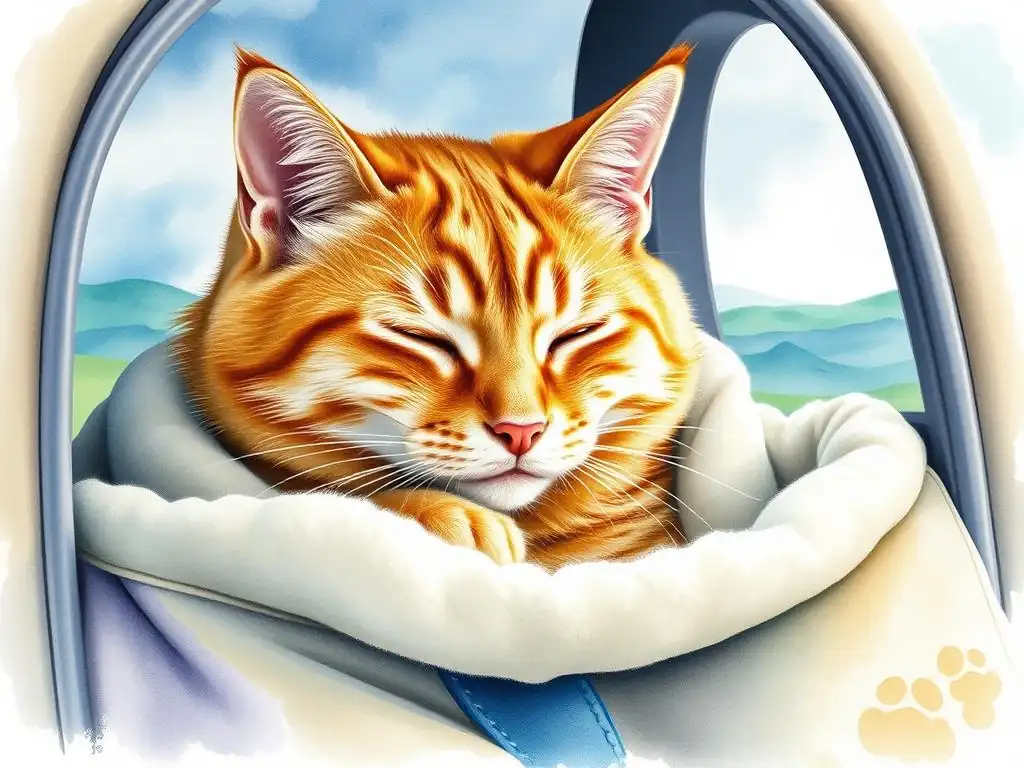
Traveling with cats can be fraught with stress, both for the feline and their owner. Many misconceptions surrounding feline travel anxiety complicate the process further. Let's address some common myths and replace them with evidence-based realities. Understanding these myths is crucial to effectively reduce cat travel anxiety tips and ensure a smoother journey for your beloved pet.
Myth: Cats Always Hate Traveling - Reality: Anxiety is Trainable
The belief that all cats inherently despise travel is a significant misconception. While many cats exhibit signs of anxiety during travel, it's not an ingrained, immutable trait. Instead, it's often a learned behavior, stemming from negative past experiences or a lack of proper desensitization. Many cats, with the right preparation and training, can become surprisingly comfortable with car rides and other modes of transport. This positive shift hinges on gradual exposure and positive reinforcement.
Think of it like this: a cat that's only ever experienced chaotic and stressful car journeys will understandably associate travel with fear. However, a cat that's gradually introduced to car rides with positive associations—treats, toys, a safe and comfortable carrier—is far more likely to develop a more neutral or even positive attitude towards travel. This highlights the importance of proactive, positive training to mitigate travel-related anxiety. The key is consistent, positive reinforcement, building confidence gradually.
Myth: Medication is the Only Solution - Reality: Holistic Approaches Work Best
While veterinary medication can be a valuable tool in managing severe cat travel anxiety in some cases, it shouldn't be the first, or only, resort. Relying solely on medication overlooks the potential of holistic approaches that address the root causes of anxiety. These approaches often yield better long-term results and minimize potential side effects associated with medication. A holistic strategy might include:
- Pheromone diffusers/sprays: These release synthetic feline pheromones, mimicking the calming scents cats naturally produce, creating a more secure environment.
- Environmental enrichment: A comfortable, secure carrier with familiar bedding and toys can significantly reduce stress.
- Desensitization and counter-conditioning: Gradually exposing your cat to the sights, sounds, and sensations of travel in a controlled, positive way.
- Behavioral modification techniques: Working with a certified cat behaviorist can help identify and address underlying anxiety triggers.
Consider the following example: Instead of immediately reaching for medication for a mildly anxious cat, you could start by introducing the cat to the carrier weeks before the trip, leaving it open with treats and toys inside. This gradual desensitization, combined with pheromone diffusers, might eliminate the need for medication altogether.
Myth: Short Trips Don't Cause Anxiety - Reality: Even Short Journeys Can Be Stressful
The duration of the journey doesn't always correlate with the level of stress experienced by a cat. Even seemingly short trips to the vet or a nearby pet store can trigger significant anxiety. Cats are sensitive creatures, and the unfamiliar environment, the car ride itself, and the change in routine can all contribute to stress, regardless of distance.
Think of it from their perspective: being confined to a carrier, subjected to unfamiliar sounds and movements, and removed from their safe and comfortable home environment is inherently stressful, regardless of whether the journey is short or long. Therefore, a comprehensive reduce cat travel anxiety tips strategy should be implemented for even the shortest trips, ensuring a calm and comfortable experience for your feline companion. This emphasizes the importance of pre-travel preparation and a calm, reassuring demeanor from the owner, even for seemingly insignificant journeys.
The table below summarizes the key differences between myths and realities regarding cat travel anxiety:
| Myth | Reality |
|---|---|
| Cats always hate traveling | Anxiety is trainable through positive reinforcement and gradual desensitization. |
| Medication is the only solution | Holistic approaches, including pheromones and behavioral modification, are often more effective. |
| Short trips don't cause anxiety | Even brief journeys can be stressful for cats. |
By dispelling these myths and adopting a proactive, holistic approach, you can significantly improve your cat's travel experience and foster a more positive association with journeys. Remember, understanding your cat's needs is key to a successful and stress-free adventure together.
Conclusion: Ensuring a Safe and Enjoyable Travel Experience for Your Feline Friend
Successfully navigating pet travel, especially with a cat, requires careful planning and understanding of your feline companion's unique needs. Reducing cat travel anxiety isn't about eliminating stress entirely – some level of apprehension is normal – but about minimizing it to ensure a safe and comfortable journey for your furry friend. Remember, a calm and prepared cat is a happy cat, and a happy cat makes for a much more enjoyable travel experience for everyone involved.
By implementing the strategies outlined in this guide, you can significantly improve your cat's travel experience and build a stronger bond based on trust and positive associations. The key is consistent positive reinforcement and creating a predictable, safe environment, both at home and during transit. This proactive approach to managing feline travel anxiety will pave the way for more relaxed journeys and many happy adventures together.
Recap of Key Strategies for Reducing Cat Travel Anxiety
Let's summarize the crucial steps to minimize your cat's travel stress:
- Pre-Trip Preparation: This is paramount. Begin acclimating your cat to the carrier well in advance of the trip, making it a positive space with treats and playtime. Familiar scents and comfortable bedding inside the carrier can also significantly reduce anxiety. Consider using pheromone sprays or diffusers to further calm your cat. A pre-travel veterinary checkup ensures your cat is healthy enough for travel and addresses any underlying health concerns that might exacerbate anxiety.
- Travel Day Strategies: Avoid feeding your cat a large meal immediately before travel to prevent car sickness. A calming supplement, approved by your vet, can be beneficial for particularly anxious cats. Choose the most direct route possible to minimize travel time and potential stressors. Keep the carrier secure and well-ventilated. Consider playing calming music or using a white noise machine to mask distracting sounds.
- Post-Trip Care: Upon arrival, allow your cat to decompress in a quiet, familiar space. Offer food, water, and plenty of affection. Continue positive reinforcement and continue using the carrier for short periods at home to maintain positive associations. If your cat exhibits severe or persistent anxiety, consult your veterinarian to explore further management options, including behavioral modification techniques or medication.
Remember, every cat is an individual, and what works for one might not work for another. Observe your cat's behavior and adjust your approach accordingly. Patience and understanding are key to a successful and stress-free travel experience for both you and your beloved feline companion. Consistent application of these strategies will help you effectively reduce cat travel anxiety tips and make traveling with your cat a much more pleasant experience.
Resources for Further Information on Cat Travel and Anxiety Management
While this guide provides comprehensive information on reducing cat travel anxiety, PetCareWorld offers a wealth of additional resources to delve deeper into specific aspects of feline travel and anxiety management. We have dedicated articles focusing on:
- Choosing the right cat carrier for various travel situations.
- Detailed guides on using feline pheromones for anxiety relief.
- Expert advice on recognizing and addressing different types of cat anxiety.
- Comprehensive information on cat-friendly travel destinations and accommodations.
These resources are designed to empower pet owners with the knowledge and tools they need to provide the best possible care for their feline friends during travel. [specific information pending - links to relevant PetCareWorld articles]
Frequently Asked Questions
How can I tell if my cat is experiencing travel anxiety?
Cats experiencing travel anxiety may show signs of excessive meowing or vocalization, restlessness, hiding, panting, or vomiting. Observe your cat's behavior before, during, and after travel to identify potential anxiety.
What are some ways to prepare my cat for a car trip?
Familiarize your cat with the carrier well before the trip. Use positive reinforcement like treats and playtime inside. A pheromone spray can also help reduce stress.
Are there any calming aids I can use for my cat during travel?
Yes, cat-specific pheromone sprays or diffusers can help soothe anxiety. Calming treats or supplements (always consult your vet first) can also be beneficial. A comfortable, secure carrier is crucial.
How can I make the car ride itself less stressful for my cat?
Keep the car cool and well-ventilated. Drive smoothly to avoid sudden movements. Consider placing the carrier in a familiar, safe location in the car. Play calming music softly.
My cat still seems anxious despite these tips. What should I do?
If anxiety persists, consult your veterinarian. They can rule out underlying medical conditions and may recommend prescription medication or behavioral modification techniques. Professional help is always an option.
Final Reflection: The Purrfect Journey: Easing Feline Travel Stress
The anxieties surrounding pet travel are very real, and for cats, often amplified. A smooth journey for your feline companion isn't just about convenience; it's about ensuring their well-being and strengthening your bond. This article has explored practical strategies to mitigate travel-related stress, ultimately leading to happier, healthier cats and more relaxed owners.
The impact of understanding and addressing pet anxiety extends far beyond a single car ride or flight. It's about recognizing the unique sensitivities of our animal companions and adapting our actions to create a more compassionate and understanding relationship. The greatness of a nation and its moral progress can be judged by the way its animals are treated.
- Mahatma Gandhi. This quote, while broad, speaks to the responsibility we bear in caring for those dependent on us, including our beloved cats. Understanding their anxieties allows us to better meet their needs and build a stronger, more trusting connection.
Now, consider your own cat. Think about their individual quirks and anxieties. What steps can you take to make their next journey, whether a short trip to the vet or a longer adventure, a more positive experience? Start small, build trust, and remember that patience and understanding are key ingredients in conquering cat travel anxiety. The reward – a relaxed, happy cat by your side – is well worth the effort.
Unleash Your Cat's Travel Spirit!
Thank you for joining us on this journey to calmer cat travels! We hope you've gained valuable insights into easing your feline friend's anxiety while traveling. Now, let's put that knowledge into action:
- Practice makes perfect: Before the big trip, take your cat on short car rides, rewarding them with treats and positive reinforcement to create positive associations with travel. This is crucial for a stress-free journey.
- Create a comforting travel den: Pack your cat's favorite toys, a familiar blanket, and a pheromone spray to create a safe and secure space within their carrier.
- Share your experiences: Have you discovered any other travel tips for anxious cats? Let's build a supportive community in the comments below! Share your successes or any questions you may have.
Ready to transform your cat's travel experience? What's the first step you'll take to prepare for your next adventure together?