
Tips for Introducing New Foods to Your Dog


Welcome to PetCareWorld, your ultimate guide to a happier, healthier life for your beloved companion! Are you ready to revolutionize your dog's mealtimes? We've got the answers you need. Discover our expert Dog food introduction tips and learn how to smoothly transition your furry friend to a new diet, avoiding upset tummies and ensuring optimal nutrition. Dive in and unlock the secrets to a seamless and delicious food journey for your canine companion!
- Understanding Your Dog's Dietary Needs: A Guide to Safe Food Introduction
- Step-by-Step Guide: Introducing New Dog Food Safely
- Common Mistakes to Avoid When Introducing New Dog Food
- Addressing Specific Dietary Concerns: Senior Dogs, Puppies and Specific Needs
- When to Consult a Veterinarian: Recognizing When Professional Help is Needed
- Maintaining a Healthy Diet: Long-Term Dog Food Management
- Frequently Asked Questions
- Final Reflection: A Pawsitive Approach to Dietary Change
- Unlock Your Dog's Culinary Adventures!
Understanding Your Dog's Dietary Needs: A Guide to Safe Food Introduction
Introducing new foods to your canine companion can be an exciting experience, but it's crucial to approach it with careful planning and consideration. A sudden dietary shift can lead to digestive upset, allergies, or other health problems. This comprehensive guide will walk you through the process of safely introducing new foods to your dog, ensuring a smooth transition and maintaining their optimal health and well-being. We'll cover identifying potential sensitivities, the importance of gradual introduction, and factors to consider when selecting a new food, all to help you navigate this important aspect of dog nutrition.
Following these "Dog food introduction tips" will empower you to make informed decisions about your dog's diet, contributing to a longer, healthier, and happier life for your furry friend. Remember, a balanced and appropriate diet is the cornerstone of a healthy dog. 🐶
Identifying Potential Food Sensitivities and Allergies in Dogs
Many dogs can experience adverse reactions to certain ingredients in their food. Recognizing potential sensitivities and allergies is paramount before introducing any new food. Symptoms can vary widely, ranging from mild digestive upset (like diarrhea or vomiting) to more severe reactions such as itching, skin inflammation, or even respiratory distress. Common canine allergens include beef, dairy, chicken, wheat, soy, and corn.
Keep a detailed food journal! ✍️ Note down everything your dog eats, including treats, and any subsequent changes in behavior or health. This detailed record will be invaluable in identifying potential triggers. If you suspect your dog has a food allergy or sensitivity, consult your veterinarian immediately. They can perform allergy testing and recommend a suitable elimination diet to pinpoint the culprit and develop a management plan. Early intervention is key to preventing more serious health issues.
It's important to remember that even if your dog has never shown a reaction before, introducing a new food always carries a risk, however small. Careful monitoring is always recommended.
Gradual Introduction of New Dog Food: Minimizing Digestive Upset
The key to successful food introduction is gradualism. Avoid abrupt changes, which can overwhelm your dog's digestive system. A slow transition allows your dog's body to adapt to the new food's ingredients and nutrients.
Here's a recommended approach:
- Days 1-3: Mix a small amount (approximately 25%) of the new food with your dog's current food.
- Days 4-7: Increase the proportion of new food to 50%.
- Days 8-10: Increase to 75% new food, 25% old food.
- Day 11 onwards: Transition completely to the new food.
Observe your dog closely throughout this process. Monitor their stool consistency, appetite, and overall behavior. Any signs of digestive upset (diarrhea, vomiting, gas) warrant slowing down the transition or even reverting to the old food and consulting your veterinarian. Remember, patience is key! This gradual approach significantly minimizes the risk of digestive issues.
Choosing the Right New Dog Food: Factors to Consider
Selecting a new dog food requires careful consideration of several factors to ensure it meets your dog's specific nutritional needs and preferences. Don't just focus on the marketing hype; delve into the details.
| Factor | Considerations |
|---|---|
| Age | Puppies, adults, and senior dogs have different nutritional requirements. |
| Breed | Certain breeds are prone to specific health issues, requiring specialized diets. |
| Activity Level | Highly active dogs need more calories and protein than less active dogs. |
| Health Conditions | Allergies, sensitivities, and other health concerns must be considered. |
| Ingredient Quality | Look for high-quality, recognizable ingredients, avoiding fillers and artificial additives. |
| Nutritional Balance | Ensure the food provides a complete and balanced diet, meeting AAFCO standards. |
Remember to always consult your veterinarian before making significant changes to your dog's diet, especially if they have pre-existing health conditions. They can provide personalized advice and guidance to ensure your dog receives the optimal nutrition for a long and healthy life. 🎉
Step-by-Step Guide: Introducing New Dog Food Safely
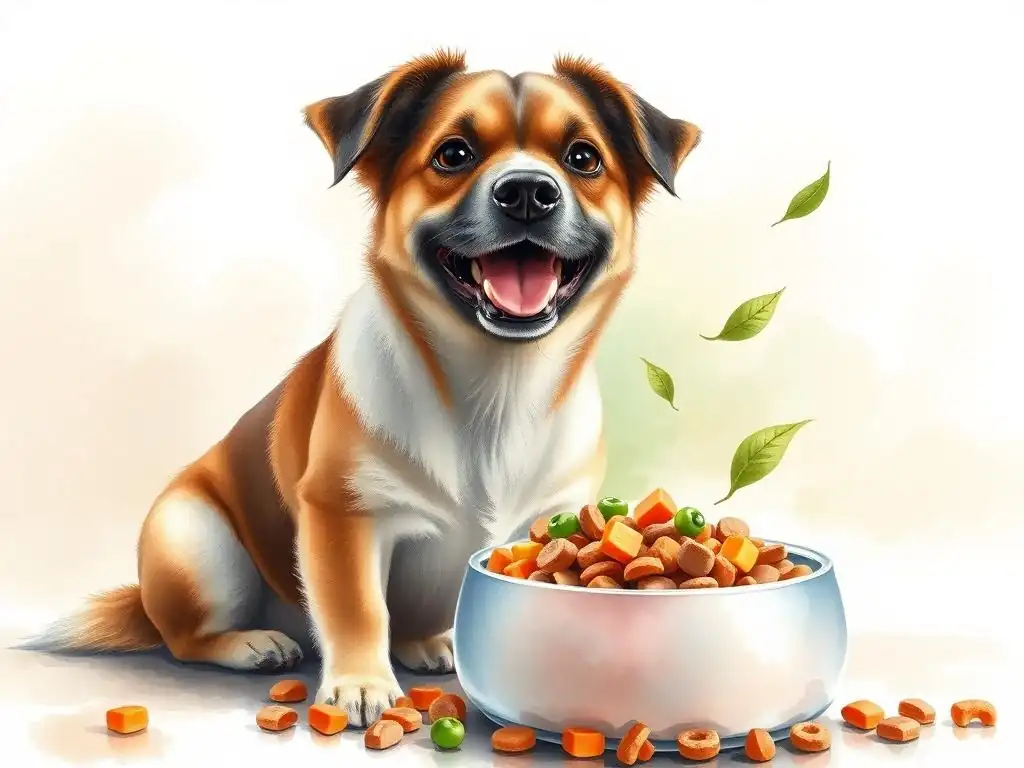
This section provides a detailed, step-by-step guide on safely introducing new dog food into your canine companion's diet. Successfully transitioning your dog to a new food minimizes the risk of digestive upset and ensures a smooth dietary change. Remember, gradual introduction is key for optimal results and your dog's well-being. This process is crucial for managing potential allergies and ensuring your dog thrives on its new nutrition plan. Following these steps will help you confidently navigate the process of dog food introduction, improving your dog's overall health and happiness.
Step 1: Researching New Dog Food Options
Before even opening a new bag of dog food, thorough research is paramount. Don't just grab the first attractive bag you see! Consider your dog's age, breed, activity level, and any existing health conditions. A senior dog will have different nutritional needs than a playful puppy. Similarly, a high-energy working dog requires a different calorie and nutrient profile than a less active companion.
Choosing the right dog food involves careful scrutiny of the ingredient list. Look for high-quality protein sources listed prominently, avoiding fillers like corn, wheat, and soy, which can be poorly digested by some dogs. Check the guaranteed analysis to understand the levels of protein, fat, and fiber. Opt for foods that clearly state their sourcing and manufacturing processes, prioritizing transparency and quality control.
Consider consulting your veterinarian for personalized recommendations tailored to your dog's specific requirements. They can provide valuable insights into the best dog food choices to support your dog's health and address any potential concerns. Remember, a balanced diet is fundamental to a happy and healthy dog.
Step 2: Small Portions, Big Results: Starting with Tiny Amounts
Once you've selected a new food, the transition should be gradual. Avoid a sudden switch, which can significantly upset your dog's digestive system. Start by mixing a tiny amount (approximately 10-25% depending on the dog’s size and sensitivity) of the new food with your dog's current food. This allows your dog's digestive system to slowly adjust to the new ingredients and flavors.
Over the next 7-10 days, gradually increase the proportion of the new food while decreasing the amount of the old food. Observe your dog closely during this transition period. This gradual approach minimizes the chance of digestive upset and allows for a smoother transition to the new diet. For example, if you are using a 2-cup daily serving, start with a teaspoon of new food mixed with 1 ¾ cups of the old food.
The next day, increase to 1 tablespoon new food and 1 ½ cups old food. Continue this gradual increase until your dog is eating only the new food. Remember, patience and observation are key to a successful transition!
Step 3: Monitoring for Digestive Issues: Signs to Watch For
Throughout the introduction process, monitor your dog closely for any signs of digestive upset. These can include:
- Diarrhea: This is a common sign of intolerance or sensitivity to a new food.
- Vomiting: Similar to diarrhea, vomiting indicates a potential problem with the new food.
- Loss of Appetite: A sudden decrease in appetite can signal digestive discomfort.
- Gas: Excessive gas or flatulence can also indicate that your dog isn't tolerating the new food.
- Changes in Stool Consistency: Pay attention to the firmness and frequency of your dog's bowel movements.
What to do if you notice digestive issues?
If you notice any of these symptoms, immediately reduce the amount of new food you're introducing and increase the amount of the old food. If the symptoms persist, consult your veterinarian. They can help determine the cause of the problem and recommend the best course of action. Don't hesitate to seek professional guidance if you are concerned about your dog's health.
If any of these issues arise, immediately revert to the previous feeding schedule and consult your veterinarian before attempting to introduce the new food again. Remember, a healthy digestive system is essential for a healthy dog. Careful monitoring and prompt veterinary attention, when needed, are key components of responsible pet ownership and successful dog food introduction. By following these steps, you can ensure a smooth and safe transition to a new and potentially improved diet for your furry friend. 🐶
Step 4: Gradual Increase of New Dog Food: A Phased Approach
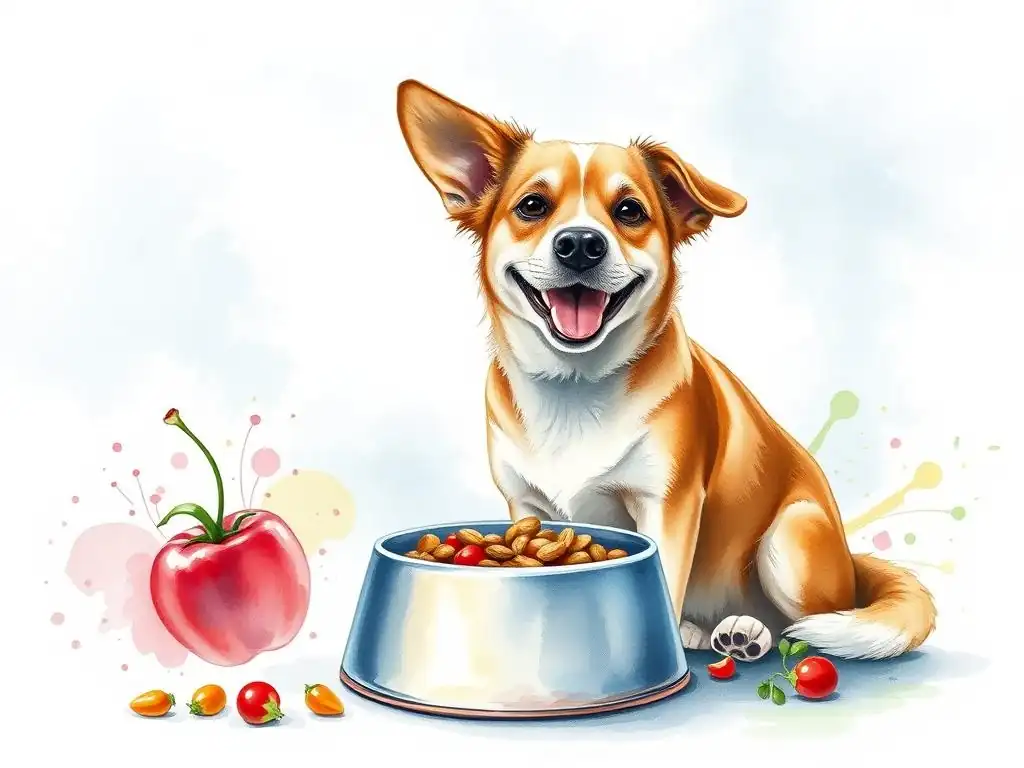
Introducing a new dog food requires a slow and steady approach to avoid digestive upset. A sudden change can lead to vomiting, diarrhea, and other unpleasant symptoms. The key is to gradually increase the proportion of the new food over several days or even weeks, depending on your dog's sensitivity. A common method involves a 7-10 day transition period. On day one, mix approximately 25% of the new food with 75% of the old food. Observe your dog closely for any signs of digestive distress.
If all seems well, increase the ratio to 50/50 on day three. Continue this gradual increase, reaching 75% new food by day five or six, and then 100% new food by day seven to ten. Remember, every dog is different; some might require a longer transition period than others. If you notice any signs of digestive upset like loose stools or vomiting at any point, reduce the amount of new food and slow down the process. Don't hesitate to consult your veterinarian if you have any concerns. It’s better to err on the side of caution and take the transition slowly.
This phased approach minimizes the risk of digestive problems and allows your dog's system to adapt smoothly to the new food. This careful introduction is crucial for ensuring a successful and healthy transition. Consider keeping a food diary to track your dog's bowel movements and any changes in appetite during this period. This detailed record can be invaluable if problems arise. This meticulous approach to introducing new food will help you better understand your dog's tolerance and preferences.
Step 5: Transition Complete: When to Switch Fully
Once your dog has happily consumed the new food at a 100% ratio for several days without experiencing any digestive issues, you can consider the transition complete. This typically occurs after the 7-10 day period (or longer if necessary), as outlined in Step 4. However, even after a successful transition, continue monitoring your dog's stool consistency and overall health for a few more days. Look for firm, well-formed stools, a healthy appetite, and normal energy levels.
Any changes from the baseline should warrant careful observation and possibly a consultation with your veterinarian. Switching fully to the new food doesn't mean you can't offer occasional treats or supplemental food items, but keep these additions minimal and ensure they are compatible with the new diet. Remember, the goal is to provide your dog with consistent, high-quality nutrition. A sudden change in food after a successful transition should be approached with the same caution as the initial introduction.
Observe your dog's reaction carefully and always be prepared to adjust the feeding plan as needed. Maintaining a healthy gut microbiome is essential for your dog's overall health and well-being, and a slow, careful food introduction is a key component of this. 🎉 A successful transition means a happier, healthier dog!
Common Mistakes to Avoid When Introducing New Dog Food
This section details common pitfalls pet owners encounter when transitioning their dogs to new food and offers solutions for a smoother process. Successfully introducing new dog food requires patience and careful observation. Ignoring these crucial steps can lead to digestive distress and other health problems for your canine companion. Remember, gradual and mindful dog food introduction is key.
Sudden Changes in Diet: The Dangers of Abrupt Transitions
Switching your dog's food abruptly is a major mistake. A sudden change in diet can significantly disrupt your dog's gut microbiome, leading to digestive upset, vomiting, and diarrhea. The bacteria in your dog's digestive system are finely tuned to the nutrients in their current food. Introducing a drastically different food overwhelms this delicate balance.
Consider this example: A dog accustomed to kibble is suddenly switched to a raw food diet. The digestive system, not prepared for the different protein sources and fiber content, reacts negatively. This can manifest as severe diarrhea, potentially leading to dehydration and requiring veterinary intervention.
Instead of a sudden switch, a gradual transition is essential. Start by mixing a small amount (25%) of the new food with their existing food. Over seven to ten days, gradually increase the proportion of the new food while decreasing the old food. This allows the dog's digestive system to adapt slowly and minimizes the risk of adverse reactions. This dog food introduction strategy applies to any new food, whether it's a different brand, flavor, or type of kibble.
Ignoring Digestive Upset: Recognizing and Addressing Symptoms
Even with a gradual transition, some digestive upset is possible. It's crucial to monitor your dog closely for any signs of distress. These symptoms can include:
- Vomiting
- Diarrhea
- Loss of appetite
- Gas
- Changes in stool consistency or frequency
If you observe any of these symptoms, slow down the introduction process. Decrease the proportion of new food and increase the amount of the old food. If the symptoms persist or worsen, consult your veterinarian immediately. They can help determine the cause and recommend appropriate treatment. Ignoring these symptoms could lead to more serious health complications. Proactive monitoring is a critical aspect of safe dog food introduction.
Not Considering Your Dog's Age and Health: Tailoring Food Introduction
Your dog's age and overall health significantly influence how they tolerate dietary changes. Puppies, senior dogs, and dogs with pre-existing health conditions (e.g., sensitive stomachs, allergies) require extra caution. Their digestive systems are more vulnerable to disruption.
For puppies, a gradual introduction is even more crucial. Their immature digestive systems are less resilient to changes. Senior dogs often experience slower digestion and may have underlying health issues that make them more susceptible to digestive problems. Dogs with known allergies or sensitivities should have new foods introduced extremely slowly, under veterinary guidance. You might need to consult an animal nutritionist for a personalized dog food introduction plan tailored to their specific needs.
| Dog Age Group | Food Introduction Strategy | Considerations |
|---|---|---|
| Puppies (under 1 year) | Extremely gradual transition; smaller increments over a longer period (10-14 days or more) | Immature digestive systems; potential for nutrient deficiencies if transition is too fast |
| Adult Dogs (1-7 years) | Gradual transition over 7-10 days | Generally more resilient, but still requires careful monitoring |
| Senior Dogs (7+ years) | Very gradual transition; potentially even longer than 10 days; smaller portion increments | Slower digestion; potential for underlying health issues; consult veterinarian |
| Dogs with Sensitivities | Extremely slow transition; consult veterinarian before introducing new food; small portions | Allergies or intolerances; potential for severe reactions |
Remember, responsible dog food introduction is a crucial aspect of ensuring your dog's health and well-being. Prioritizing a gradual and monitored approach minimizes risks and promotes a smooth transition to a new diet. 🐶
Addressing Specific Dietary Concerns: Senior Dogs, Puppies and Specific Needs

This section delves into the nuances of introducing new foods to dogs with specific dietary needs, focusing on senior dogs, puppies, and those with allergies or sensitivities. Successfully transitioning your canine companion to a new diet requires careful planning and attention to detail, especially when pre-existing conditions are involved. Remember, always consult your veterinarian before making significant changes to your dog's diet, particularly if they have underlying health issues. This advice is for informational purposes only and should not substitute professional veterinary guidance.
Introducing New Food to Senior Dogs: Considerations for Older Canines
Senior dogs often experience digestive sensitivities and decreased metabolic rates. Introducing new food gradually is crucial to avoid digestive upset. Start by mixing a small amount (around 25%) of the new food with their current food. Over a period of 7-10 days, slowly increase the proportion of the new food while decreasing the old food. Monitor your senior dog closely for any signs of digestive distress, such as vomiting, diarrhea, or changes in stool consistency. These symptoms could indicate a problem with the new food.
Senior dogs may also benefit from foods specifically formulated for their age. These often contain higher levels of easily digestible protein and lower levels of fat. Look for senior dog foods that contain glucosamine and chondroitin to support joint health, a common concern in older canines. Remember, consistency is key; even after a successful transition, continue to monitor your senior dog's bowel movements and overall health. Any significant changes should prompt a visit to the vet. 💧
Introducing New Food to Puppies: Gentle Introduction for Young Dogs
Puppies have developing digestive systems that are more sensitive than those of adult dogs. Introducing new food too quickly can lead to digestive problems and nutritional deficiencies. A gradual transition is even more crucial for puppies. Begin by mixing a very small amount (around 10%) of the new puppy food with their current food. Gradually increase the proportion over 10-14 days, carefully monitoring for any signs of upset stomach or diarrhea. 🐾
Consider choosing puppy food specifically formulated to meet the nutritional needs of growing dogs. These foods are typically higher in calories and essential nutrients to support healthy growth and development. Ensure the food meets the Association of American Feed Control Officials (AAFCO) standards for puppy nutrition. Remember, puppies are prone to rapid changes in their dietary needs as they grow, so regular veterinary check-ups and dietary adjustments are important.
Dietary Restrictions and Food Allergies: Special Considerations for Sensitive Dogs
Dogs with food allergies or sensitivities require a particularly careful approach to introducing new foods. Even seemingly minor changes can trigger allergic reactions. Before introducing a new food, carefully examine the ingredient list. Look for common allergens like beef, dairy, chicken, wheat, soy, and corn. Elimination diets, often guided by a veterinarian, are often necessary to identify and manage food allergies. 🍎
If your dog has known allergies or sensitivities, start with a very small amount of the new food (perhaps 5% or less) mixed with their current food. Observe closely for any signs of an allergic reaction, including itching, skin rashes, vomiting, diarrhea, or ear infections. If any allergic reactions occur, discontinue the new food immediately and consult your veterinarian. A detailed food diary can be invaluable in tracking your dog's reaction to different foods and identifying potential allergens. This careful monitoring will help you manage your dog's dietary needs effectively and ensure their well-being. 🐕🦺
When to Consult a Veterinarian: Recognizing When Professional Help is Needed

Introducing new foods to your dog's diet is an exciting process, but it's crucial to monitor their response closely. While most dogs adapt well to dietary changes, some may experience adverse reactions requiring professional veterinary attention. Knowing when to seek veterinary help is paramount to your dog's health and well-being. This section details crucial signs indicating the need for professional veterinary care during food introduction. Ignoring these symptoms can potentially lead to more serious health complications. Remember, prevention is key, and proactive monitoring is the best approach. Early intervention often results in faster and more effective treatment.
Severe Allergic Reactions: Identifying Symptoms and Seeking Immediate Care
Severe allergic reactions to new dog foods can manifest rapidly and require immediate veterinary intervention. Symptoms can range from mild skin irritation to life-threatening anaphylaxis. Immediate veterinary care is essential if you observe any of the following severe allergic reactions:
- Difficulty breathing: Wheezing, gasping, or labored breathing are critical signs requiring immediate veterinary attention.
- Facial swelling: Swelling of the face, particularly around the eyes, muzzle, and lips, indicates a significant allergic reaction.
- Hives or urticaria: The sudden appearance of raised, itchy welts on the skin is a clear sign of an allergic response.
- Vomiting and diarrhea: While some mild gastrointestinal upset is common, severe, persistent vomiting and diarrhea accompanied by other symptoms warrant immediate veterinary attention.
- Collapse or loss of consciousness: This is a life-threatening emergency and requires immediate veterinary treatment.
Remember, even if symptoms seem mild initially, they can escalate quickly. Don't hesitate to contact your veterinarian immediately if you suspect a severe allergic reaction. Timely intervention can significantly improve your dog's prognosis. Keep your veterinarian's contact information readily available, especially during the food introduction phase. This proactive approach can save valuable time in an emergency.
Persistent Digestive Problems: When to Seek Veterinary Advice
While some mild digestive upset, such as loose stools or occasional vomiting, might occur during the transition to a new food, persistent or worsening digestive problems require veterinary consultation. These problems can indicate underlying health issues or an intolerance to the new food. It's important to distinguish between normal transitional issues and concerning persistent symptoms.
Here's a breakdown of persistent digestive problems that necessitate veterinary attention:
- Prolonged diarrhea: If your dog experiences diarrhea for more than 24-48 hours, especially if it's watery or bloody, consult your veterinarian. Dehydration can quickly become a serious concern.
- Chronic vomiting: Persistent vomiting, especially if accompanied by lethargy, weight loss, or other symptoms, should be evaluated by a veterinarian.
- Constipation: Difficulty defecating or passing hard, dry stools for an extended period could indicate a problem requiring veterinary intervention.
- Loss of appetite: A significant decrease in your dog's appetite, especially when combined with other digestive issues, warrants a veterinary checkup.
- Weight loss: Unexplained weight loss, despite maintaining food intake, could signal a more serious underlying health issue.
Monitoring your dog's stool consistency and frequency is crucial during food introduction. Keep a detailed record of any changes, including the frequency and consistency of bowel movements, the presence of blood or mucus, and any other relevant observations. This information will be invaluable to your veterinarian in diagnosing the cause of any digestive problems. Regular veterinary checkups, especially during times of dietary change, are essential for maintaining your canine companion's overall health and well-being. Proactive care is always better than reactive treatment. 🐶
Maintaining a Healthy Diet: Long-Term Dog Food Management
Successfully introducing new dog foods is only the first step in ensuring your canine companion thrives. Maintaining a healthy diet is a long-term commitment that requires careful planning and consistent monitoring. This section focuses on strategies for managing your dog's nutrition beyond the initial food introduction phase, ensuring optimal health and well-being for years to come. Remember, a balanced diet contributes significantly to a dog's overall health, impacting everything from coat condition to energy levels. Proper dog food introduction tips are crucial, but maintaining that healthy eating pattern is just as important.
Regular Veterinary Check-ups: Monitoring Your Dog's Health and Nutrition
Regular veterinary check-ups are paramount in maintaining your dog's health and assessing the effectiveness of their diet. These visits aren't just for vaccinations and addressing illnesses; they provide opportunities for your veterinarian to monitor your dog's weight, assess their body condition score (BCS), and evaluate their overall nutritional status. Your vet can identify potential issues early on, such as weight gain, weight loss, or nutrient deficiencies, allowing for timely intervention.
They can also provide tailored advice on adjusting your dog's food intake or recommending specific supplements if needed. During these visits, be sure to discuss any changes in your dog's appetite, stool consistency, energy levels, or coat condition, as these can be indicators of dietary issues.
A proactive approach to veterinary care, combined with mindful dog food introduction tips, is essential for long-term canine health. Don't hesitate to ask your vet questions about your dog's diet; they are a valuable resource for ensuring your furry friend receives optimal nutrition.
Consistent Feeding Schedule: Establishing a Routine for Optimal Digestion
Establishing a consistent feeding schedule is crucial for promoting optimal digestion and preventing digestive upset. Dogs thrive on routine, and a predictable feeding pattern helps regulate their digestive system. This means feeding your dog at approximately the same times each day, avoiding inconsistent feeding intervals. For adult dogs, two meals per day are generally recommended, while puppies may require more frequent feedings. Avoid free-feeding, where food is constantly available, as this can lead to overeating and obesity.
Instead, measure out your dog's food according to the feeding guidelines on the packaging, considering their age, weight, and activity level. Always provide fresh, clean water at all times. A consistent feeding schedule, in conjunction with mindful dog food introduction tips, contributes to a healthier and happier dog. Consider using a feeding schedule chart to keep track of feeding times and amounts.
Understanding Your Dog's Preferences: Finding the Right Balance of Taste and Nutrition
While nutrition is paramount, ignoring your dog's taste preferences can lead to feeding challenges. Finding a balance between nutritional value and palatability is key to ensuring your dog eats their food consistently. Observe your dog's reactions to different foods and flavors. Some dogs are picky eaters, while others are more adventurous.
If your dog consistently refuses a particular food, despite its nutritional benefits, consider trying different brands, flavors, or textures. You can also try mixing in small amounts of enticing toppers, such as plain cooked chicken or a dollop of plain yogurt (always check with your vet before adding anything new). However, avoid relying heavily on toppers, as this can lead to nutritional imbalances.
Remember that dog food introduction tips are best implemented alongside a keen understanding of your dog's individual personality and preferences. A happy dog is a healthy dog, and a healthy dog enjoys its food! Experimentation, within the bounds of a balanced diet, is key to finding the perfect food that caters to both your dog's nutritional needs and its palate.
Frequently Asked Questions
How should I introduce a new dog food gradually?
Start by mixing a small amount (25%) of the new food with 75% of the old food. Gradually increase the proportion of new food over 7-10 days, monitoring your dog for any digestive upset.
What if my dog refuses the new food?
Don't force it! Try mixing smaller amounts with higher-value treats or warming the food slightly. If problems persist, consult your vet.
My dog has sensitive digestion. What precautions should I take?
Introduce the new food even more slowly, perhaps over two weeks or longer. Look for dog foods specifically formulated for sensitive stomachs.
Are there any signs I should watch for during the introduction period?
Monitor your dog for diarrhea, vomiting, or changes in stool consistency. If you see any of these, slow down the introduction or switch back to the old food.
What if my dog is switching from homemade food to commercial kibble?
The transition should still be gradual. The texture and nutritional content are very different, so a slow introduction is crucial to avoid digestive upset.
Final Reflection: A Pawsitive Approach to Dietary Change
Successfully introducing new foods to your canine companion is not just about avoiding upset stomachs; it's about building a foundation of trust and ensuring their long-term health and happiness. The gradual approach, mindful observation, and understanding of individual sensitivities outlined in this article are crucial for responsible pet ownership, impacting both the immediate well-being and the overall lifespan of your furry friend.
The journey of introducing new foods is a microcosm of the larger relationship we share with our pets. It's a testament to the delicate balance between providing for their needs and respecting their individual preferences. The bond with a pet is as powerful as any human relationship. It's a love that knows no bounds.
This quote perfectly encapsulates the importance of approaching dietary changes with patience and understanding, mirroring the care and consideration we should extend to all aspects of their lives.
Now, consider your own dog. Think back on their reactions to new foods – the tentative sniffs, the enthusiastic gobbling, or perhaps the hesitant rejection. Remember the lessons learned here, and apply them not only to their diet but to all aspects of their care. Take the time to observe, adapt, and build a strong, trusting relationship based on mutual respect and understanding. Your dog's well-being, and the depth of your bond, will thank you for it.
Unlock Your Dog's Culinary Adventures!
Thank you for learning how to safely introduce new foods to your dog! We hope you feel confident and ready to expand their palate in a fun and healthy way. Ready to try it out?
- Start with a small amount: Begin by offering a tiny piece of the new food—about the size of a pea—and watch your dog closely for any digestive issues. This is crucial!
- Share your experience: Tell us about your dog's food adventures in the comments! What new food did you try, and how did your dog react? We love hearing from our PetCareWorld community!
- Keep a food diary: Track what your dog eats, how much, and any reactions. This helps you spot potential allergies or sensitivities early on.
What delicious new food will you share with your canine companion today?