
Temperature Triumphs: Mastering Heat & Lighting for Reptiles

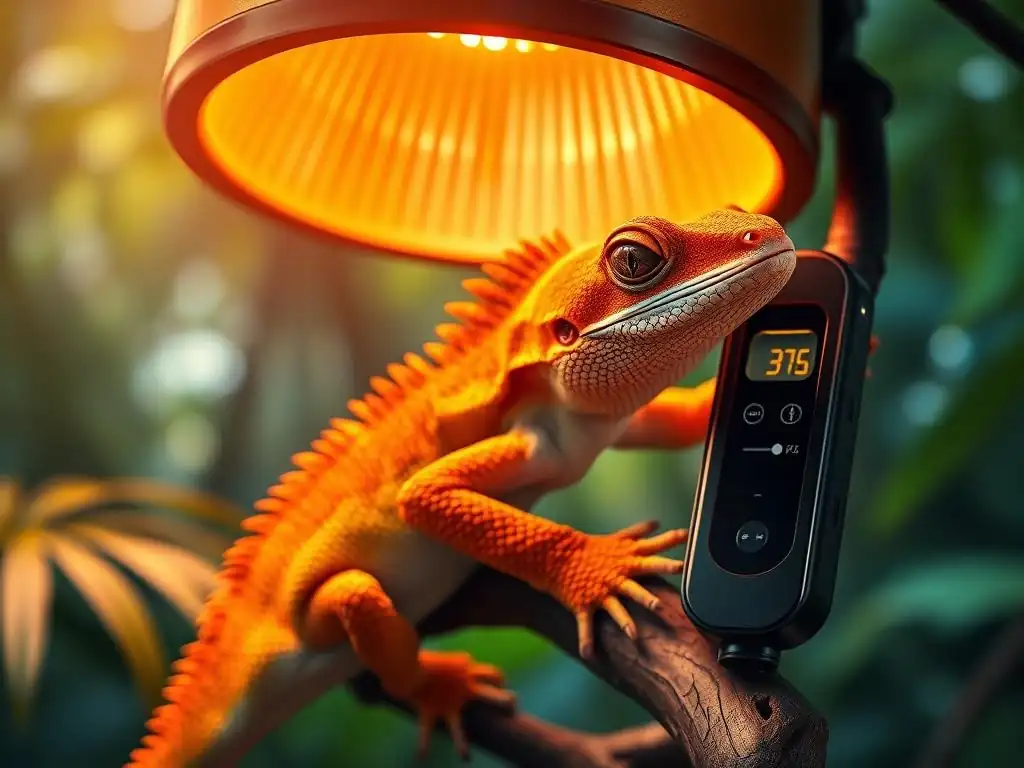
Welcome to PetCareWorld, your ultimate guide to a happier, healthier life for your beloved companion! Are you ready to unlock the secrets to thriving reptile care? Our expert Reptile heat lamp temperature guide will help you master the art of providing the perfect thermal environment for your scaly friend, ensuring their comfort and well-being. Dive in and discover how to create a temperature triumph for your reptile!
- Understanding Reptile Heat Lamp Temperature Requirements
- Setting Up the Ideal Thermal Gradient
-
Reptile Heat Lamp Temperature Guide: Species-Specific Needs
- Temperature Requirements for Common Lizards (e.g., Bearded Dragons, Leopard Geckos)
- Temperature Requirements for Common Snakes (e.g., Corn Snakes, Ball Pythons)
- Temperature Requirements for Common Turtles and Tortoises (e.g., Red-Eared Sliders, Russian Tortoises)
- Adjusting Temperature Based on Reptile Age and Health
- Avoiding Common Mistakes in Reptile Heating
- Supplementing Heat with UVB Lighting
- Monitoring and Maintaining Optimal Temperatures
- Conclusion: A Healthy Habitat Through Thermal Control
- Frequently Asked Questions
- Final Reflection: The Enduring Glow of Responsible Reptile Care
- Unlock Your Reptile's Radiant Potential!
Understanding Reptile Heat Lamp Temperature Requirements
Maintaining the correct temperature is absolutely crucial for the health and well-being of your reptile. Unlike mammals and birds, reptiles are ectothermic, meaning they rely on external sources of heat to regulate their body temperature. This article serves as your comprehensive guide to understanding and mastering the art of providing appropriate heat and lighting for your scaled companion, focusing on the key element of choosing and using the right heat lamp and monitoring the temperature accurately.
We'll explore the specific temperature needs of various reptile species, the essential equipment you'll need, and the best practices for accurate temperature monitoring to ensure your reptile thrives. This guide will equip you with the knowledge to confidently manage your reptile's thermal environment, contributing significantly to their longevity and overall happiness.
Mastering this aspect of reptile care is a cornerstone of responsible pet ownership and will help you avoid common pitfalls that can lead to health problems. Think of this as your definitive "Reptile heat lamp temperature guide" to success!
Determining the Ideal Temperature Range for Your Reptile Species
The ideal temperature range for your reptile is highly species-specific. A temperature too high can lead to dehydration, organ damage, and even death, while temperatures that are too low can result in lethargy, poor digestion, and an increased susceptibility to illness. Before even considering heat lamps, you need to research the specific needs of your reptile species. For example, a desert tortoise requires significantly higher basking temperatures than a green tree frog.
Here's a simplified example illustrating the variation:
| Reptile Species | Basking Temperature (°F) | Ambient Temperature (°F) |
|---|---|---|
| Leopard Gecko | 88-92 | 75-80 |
| Bearded Dragon | 95-105 | 75-85 |
| Corn Snake | 88-92 | 75-80 |
| Green Tree Frog | 75-80 | 70-75 |
Remember that these are general ranges. The precise temperature requirements can vary depending on factors like the age and health of your reptile, as well as the humidity levels in the enclosure. Always consult reliable sources such as reputable herpetological websites, books, and veterinary professionals for species-specific information. Don't rely solely on online forums, as information can be inaccurate or conflicting. Detailed research and careful observation are essential for success.
Essential Equipment: Choosing the Right Heat Lamps and Thermometers
Selecting the appropriate heating equipment is critical. Several types of heat lamps are available, each with its advantages and disadvantages. Ceramic heat emitters (CHEs) produce heat without emitting light, making them ideal for nighttime heating or species that prefer darkness. Incandescent bulbs provide both heat and light, suitable for diurnal (day-active) reptiles. However, they are less energy-efficient than CHEs. Consider using a dimming thermostat to control the intensity and prevent overheating. Using a combination of heat sources might be necessary for creating a thermal gradient within the enclosure.
Accurate temperature monitoring is equally important. You'll need at least two thermometers: one for measuring the basking spot temperature and another for the ambient (overall) enclosure temperature. Digital thermometers with probes are generally preferred for their accuracy and ease of use. Avoid using stick-on thermometers, as they are unreliable and can be easily affected by ambient conditions. Regular calibration is key to maintaining accuracy. Invest in quality equipment; your reptile's health depends on it. Don’t skimp on this crucial aspect of their care.
Accurate Temperature Measurement: Placement and Calibration of Thermometers
The placement of your thermometers is crucial for obtaining accurate readings. The basking spot thermometer should be positioned directly under the heat lamp, at the level your reptile would typically bask. The ambient thermometer should be placed away from the direct heat source, representing the overall temperature within the enclosure. This allows you to create a thermal gradient, providing your reptile with a choice of warmer and cooler areas. Remember that the temperature can fluctuate throughout the day and night.
Regular calibration of your thermometers is essential to ensure accurate readings. Compare your thermometers to a known accurate source, such as a certified thermometer from a pet supply store or veterinary clinic. If a discrepancy is found, adjust your heat lamp accordingly to maintain the correct temperature range. Consistent monitoring and timely adjustments are essential to guarantee your reptile's well-being and prevent health problems. Consider keeping a detailed temperature log to track changes and identify potential issues early on. This proactive approach will significantly enhance your reptile's health and longevity.
Setting Up the Ideal Thermal Gradient
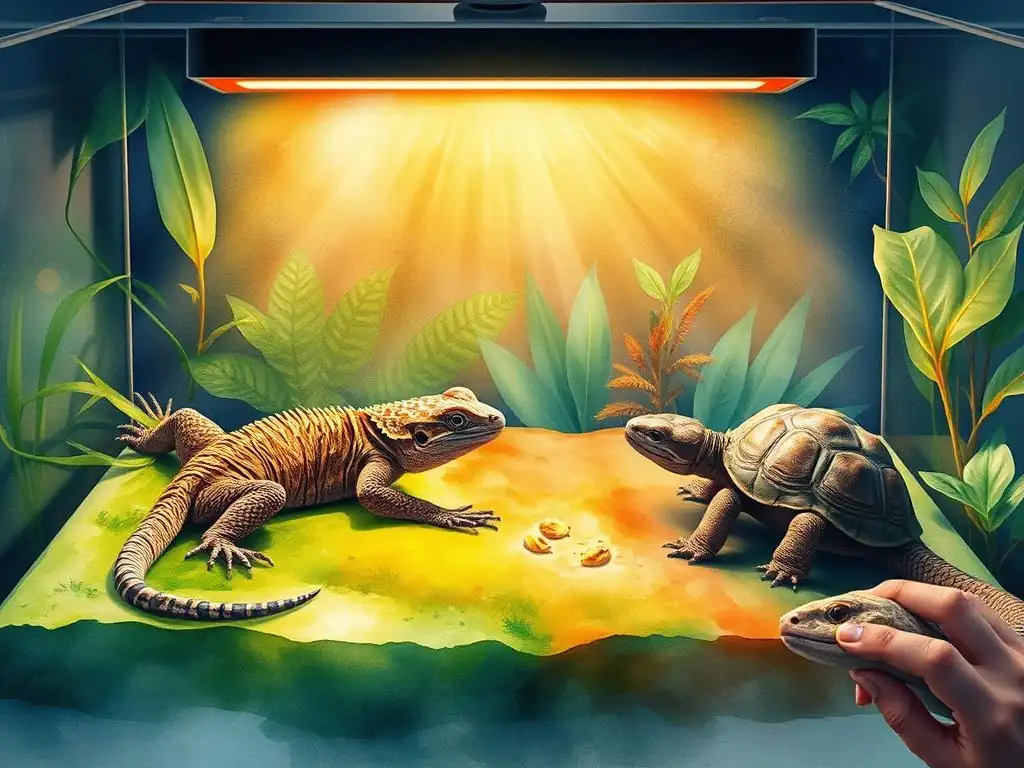
Creating the perfect environment for your reptile involves understanding and mastering thermal gradients. A thermal gradient refers to the gradual change in temperature across your reptile's enclosure. This isn't simply about providing one specific temperature; it's about offering a range of temperatures allowing your reptile to thermoregulate effectively.
This means they can move to warmer areas to increase their body temperature or cooler areas to decrease it, mimicking their natural behaviors. Failure to provide a proper thermal gradient can lead to health problems, including metabolic bone disease (MBD) and respiratory infections. A well-established gradient is a cornerstone of responsible reptile keeping and a key element in a comprehensive reptile heat lamp temperature guide.
Creating a Basking Spot with Optimal Temperature
The basking spot is the warmest area in your reptile's enclosure. The ideal temperature for this spot depends entirely on the species of reptile you're keeping. For example, a bearded dragon requires a basking spot temperature of around 100-110°F (38-43°C), while a leopard gecko might only need 88-92°F (31-33°C). Using a reliable thermometer, such as a digital probe thermometer, is crucial for accurate monitoring. Placement of the heat source is key; it should be positioned so the reptile can easily bask without being directly underneath the lamp, preventing burns.
Too high a temperature can cause dehydration and burns; too low and your reptile won't be able to properly digest food or absorb necessary vitamins. Regularly check and adjust the basking spot temperature, especially during seasonal temperature fluctuations. Remember, consistency is key in maintaining optimal reptile health. Consider using a thermostat to maintain a steady temperature in the basking spot.
Maintaining a Cooler Area for Thermoregulation
While the basking spot is crucial, providing a cooler area within the enclosure is equally important. This area should be significantly cooler than the basking spot, offering your reptile a place to escape the heat and regulate its body temperature. The temperature of this cooler area should ideally be 10-15°F (5-8°C) lower than the basking spot temperature. This allows your reptile to move between warm and cool areas throughout the day, assisting in digestion and overall well-being.
Providing appropriate substrate, such as reptile carpet or tile, can also help to maintain a cooler area. Avoid using materials that retain excessive heat, like sand, in areas intended to be cooler. The availability of a cooler area is often overlooked but is essential for a successful reptile heat lamp temperature guide, as it completes the thermal gradient.
Utilizing Different Heat Sources for a Balanced Gradient
Achieving the perfect thermal gradient often requires utilizing a combination of heat sources. Ceramic heat emitters (CHEs) are excellent for providing nighttime heat without emitting light, crucial for reptiles with nocturnal activity patterns. Under-tank heaters (UTHs) can provide a base level of heat, warming the substrate from below. However, solely relying on UTHs is generally insufficient, as they don't create the necessary basking spot temperature.
Heat lamps, such as incandescent bulbs or specialized reptile heat lamps, are ideal for creating the warm basking spot. The combination of these heat sources allows for a more precise and controlled thermal gradient. Remember to always use a thermostat with any heat source to prevent overheating. This layered approach, detailed in any effective reptile heat lamp temperature guide, ensures your reptile has the precise temperature control it needs.
This detailed guide provides a solid foundation for establishing a safe and effective thermal gradient in your reptile enclosure. Remember to always research the specific needs of your reptile species to ensure you are providing the appropriate temperatures and utilizing the correct heat sources. Consistent monitoring and adjustments are key to maintaining a healthy and thriving environment for your scaly companion.
Reptile Heat Lamp Temperature Guide: Species-Specific Needs
This section delves into the crucial aspect of maintaining the correct temperature for your reptile using heat lamps. Understanding species-specific needs is paramount to your reptile's health and longevity. Incorrect temperatures can lead to a variety of health problems, including metabolic bone disease (MBD), respiratory infections, and even death. This guide provides a starting point; always consult with a veterinarian specializing in reptiles for personalized advice based on your individual pet's needs and age. Remember, consistent monitoring with accurate thermometers is key.
Temperature Requirements for Common Lizards (e.g., Bearded Dragons, Leopard Geckos)
Maintaining the correct thermal gradient is critical for lizards. This means providing a range of temperatures within their enclosure, allowing them to thermoregulate effectively. They need a basking spot significantly warmer than the ambient temperature, allowing them to digest food properly and regulate their body temperature.
- Bearded Dragons: These popular lizards require a basking spot temperature of 95-105°F (35-41°C). The cool side of the enclosure should be around 75-85°F (24-29°C). Nighttime temperatures can drop to 70-75°F (21-24°C). Using a combination of heat lamps and under-tank heaters (UTHs) often provides the necessary thermal gradient. Incorrect temperatures can easily lead to MBD in Bearded Dragons.
- Leopard Geckos: Unlike Bearded Dragons, Leopard Geckos are nocturnal and don't require the same high basking temperatures. A thermal gradient is still crucial, however. Aim for a basking spot of 88-92°F (31-33°C) and a cool side of 70-75°F (21-24°C). Nighttime temperatures should remain around 70°F (21°C). Overheating is a significant concern for Leopard Geckos, so careful monitoring is essential. UTHs are generally preferred over overhead heat sources for these species.
- Other Lizards: Temperature requirements vary greatly among lizard species. For example, Green Iguanas require significantly higher temperatures than Leopard Geckos. Always research the specific needs of your lizard species before setting up their enclosure.
Temperature Requirements for Common Snakes (e.g., Corn Snakes, Ball Pythons)
Snakes, being ectothermic, also rely on external heat sources to regulate their body temperature. However, their needs differ significantly from lizards. They often prefer a more consistent temperature range across their enclosure, rather than a strong thermal gradient.
- Corn Snakes: These docile snakes thrive in a temperature range of 75-85°F (24-29°C) during the day. Nighttime temperatures can drop slightly, to around 70-75°F (21-24°C). While a slight thermal gradient can be beneficial, it's not as critical as for lizards. Under-tank heaters are often the preferred heat source for Corn Snakes, providing consistent bottom heat.
- Ball Pythons: Ball Pythons are known for their preference for slightly cooler temperatures compared to other snakes. A daytime temperature of 80-88°F (27-31°C) is ideal, with nighttime temperatures dropping to 75-80°F (24-27°C). Providing a hide box on the warm side is crucial for these snakes to feel secure. Again, UTHs are usually the best option for maintaining a consistent temperature.
- Other Snakes: As with lizards, snake species exhibit diverse temperature preferences. Researching your specific snake species is crucial for ensuring their well-being. Consider factors like size and age; younger snakes may require slightly higher temperatures than adults.
Temperature Requirements for Common Turtles and Tortoises (e.g., Red-Eared Sliders, Russian Tortoises)
Turtles and tortoises have unique heating requirements, often necessitating both basking lamps and ambient heating to create a suitable environment. The specific requirements vary significantly depending on the species and their natural habitat.
- Red-Eared Sliders: These aquatic turtles require a basking area with temperatures reaching 90-95°F (32-35°C). The water temperature should be maintained between 75-80°F (24-27°C). A combination of basking lamps and underwater heaters is generally necessary. Maintaining proper water quality is equally important for their health.
- Russian Tortoises: Unlike aquatic turtles, Russian Tortoises are terrestrial and require a different approach to heating. They need a basking spot of around 85-90°F (29-32°C) and a cooler area of around 70-75°F (21-24°C). They benefit from a significant thermal gradient. Overhead heat lamps and UTHs might be used to achieve this. Providing a suitable substrate for burrowing is also crucial.
- Other Turtles and Tortoises: The diversity in turtle and tortoise species necessitates careful research into individual requirements. Factors such as species, age, and overall health will influence the ideal temperature range. Always consult with a reptile veterinarian for species-specific guidance.
Remember: This is a general guide. Always consult a veterinarian specializing in reptiles before making any decisions about your pet's care. Accurate temperature monitoring using multiple thermometers is essential for ensuring your reptile's well-being. Providing the correct temperature is crucial for preventing health issues and promoting a long, healthy life for your reptile companion. 🦎🌡️
Adjusting Temperature Based on Reptile Age and Health
Reptile thermoregulation is a complex process significantly influenced by age and health status. Young reptiles, still developing their thermoregulatory systems, are particularly vulnerable to temperature fluctuations. They require a narrower, more precisely controlled temperature gradient within their enclosure than adult counterparts. A consistently warm basking spot, coupled with a slightly cooler area for thermoregulation, is crucial for optimal growth and development.
Failure to provide these conditions can lead to stunted growth, weakened immune systems, and increased susceptibility to disease. Monitoring their behavior closely is key; lethargy, unusually pale coloration, or a reluctance to bask can all signal a temperature issue. Adjusting the heat lamp's distance or wattage might be necessary to rectify this.
For instance, juvenile bearded dragons require a basking spot temperature of around 100-110°F (38-43°C), while adults might tolerate a slightly higher temperature of 105-115°F (41-46°C). This difference highlights the need for tailored temperature control based on the reptile's developmental stage. Always consult species-specific care guides for precise temperature ranges. Regular monitoring of their body temperature, using a reptile-safe thermometer, is highly recommended, especially during the crucial early growth stages. This allows for prompt adjustments to prevent health complications.
Furthermore, a reptile's health significantly impacts its ability to regulate its body temperature. A reptile suffering from illness or injury will often struggle to maintain its optimal temperature range. They may become lethargic, less active, and unable to properly utilize their preferred basking spots. In such cases, it's crucial to consult a veterinarian immediately.
While adjusting the temperature may seem like a solution, it's essential to address the underlying health issue. Using a heat lamp inappropriately for a sick reptile might exacerbate their condition. Providing a warm, quiet, and stress-free environment is paramount for their recovery.
This might involve temporarily adjusting the temperature gradient to a slightly warmer overall temperature, but this should always be done under veterinary guidance to avoid further complications. The veterinarian can provide specific instructions on how to adjust the heating and lighting based on the reptile's specific needs and illness. Remember, addressing the root cause of the problem is crucial for a successful recovery.
Avoiding Common Mistakes in Reptile Heating
Maintaining the correct temperature is crucial for reptile health and well-being. Improper heating can lead to serious health issues, even death. This section focuses on common mistakes and how to avoid them, ensuring your reptile thrives in its environment. Understanding the nuances of reptile heat lamp temperature is key to responsible reptile ownership. A proper "Reptile heat lamp temperature guide" is essential, and this section will provide that crucial information.
Overheating: Recognizing the Signs and Taking Corrective Action
Overheating is a significant risk for reptiles, especially those housed in enclosures with inadequate ventilation or insufficient temperature regulation. Signs of overheating can vary depending on the species, but common indicators include:
- Lethargy and weakness: Your reptile may appear sluggish, less active than usual, and struggle to move.
- Excessive panting or gaping: This is the reptile's attempt to dissipate heat. Observe carefully for this behavior, particularly in species not known for panting (like many lizards).
- Changes in skin color: Some reptiles may exhibit darkening or reddening of their skin as a response to overheating stress.
- Dehydration: Overheating often leads to dehydration, manifested by sunken eyes, dry mouth, and loss of skin elasticity.
- Loss of appetite: A reptile struggling with overheating will likely show reduced interest in food.
If you suspect your reptile is overheating, immediately take the following actions:
- Reduce the ambient temperature: Turn off or lower the heat source. Increase ventilation by opening windows or using fans (carefully, to avoid drafts).
- Provide a cool, shaded area: Ensure your reptile has access to a cool area within the enclosure where it can retreat from the heat.
- Mist with cool water: Gently mist your reptile with cool water to help lower its body temperature. Avoid soaking it, as this can be stressful.
- Monitor closely: Observe your reptile's behavior and continue to cool the environment. If symptoms persist or worsen, consult a veterinarian immediately. A severe heat stroke can be life-threatening.
Underheating: Identifying Symptoms and Adjusting Heating Systems
Underheating is just as detrimental as overheating. Reptiles are ectothermic, meaning they rely on external sources of heat to regulate their body temperature. Insufficient heat can lead to several problems, including:
- Slowed metabolism and digestion: Low temperatures hinder metabolic processes, leading to poor digestion and potential weight loss.
- Reduced immune function: A cold reptile is more susceptible to infections and illnesses.
- Inability to thermoregulate: The reptile cannot effectively regulate its body temperature, impacting its overall health and well-being.
- Difficulty shedding: Underheating can interfere with the shedding process, leading to retained skin and potential infections.
- Reproductive issues: In breeding animals, underheating can significantly impact reproductive success.
Symptoms can be subtle. Look for:
- Lethargy and inactivity: Similar to overheating, but often accompanied by a reluctance to move to warmer areas.
- Clustering in one spot: The reptile may constantly seek out the warmest area of the enclosure, indicating insufficient overall heat.
- Poor appetite: Reduced food intake is a common sign of various health problems, including underheating.
If you notice these signs, you'll need to adjust your heating system. This may involve:
- Increasing the wattage of your heat lamp: Choose a lamp appropriate for your reptile's size and enclosure.
- Adding supplemental heat sources: Consider using under-tank heaters (UTH) in addition to heat lamps to provide a more even temperature gradient.
- Improving enclosure insulation: Ensure your enclosure retains heat effectively. This may involve using better insulation materials or sealing any gaps.
- Using a thermostat: A thermostat is crucial for maintaining consistent temperatures, preventing both overheating and underheating. This is a critical component of a comprehensive "Reptile heat lamp temperature guide."
Avoiding Burns: Safe Placement of Heat Lamps and Other Heating Devices
Burns are a serious risk associated with improper placement of heat lamps and other heating devices. Always prioritize safety to prevent injury to your reptile. Here's how:
- Maintain a safe distance: The heat lamp should be positioned far enough away from basking sites to prevent direct contact and burns. The exact distance will depend on the wattage of the lamp and the size of the enclosure. Always consult reliable resources for species-specific recommendations.
- Use a protective guard or shield: A protective guard can help prevent your reptile from accidentally touching the heat lamp and getting burned.
- Regularly check lamp functionality: Ensure the lamp is functioning correctly and is not producing excessive heat. Burnt-out lamps can sometimes produce unexpected and dangerous heat spikes.
- Avoid using incandescent bulbs directly: Incandescent bulbs can become extremely hot and pose a significant burn risk. Consider ceramic heat emitters (CHEs) for a safer alternative.
- Monitor the temperature regularly: Use a thermometer to monitor the temperature gradient within the enclosure. This ensures that the basking spot is within the appropriate range without creating hot spots that could burn your reptile. Accurate temperature monitoring is a vital aspect of any "Reptile heat lamp temperature guide."
Remember, responsible reptile care necessitates careful attention to detail, particularly regarding temperature regulation. By understanding and avoiding these common mistakes, you significantly improve your reptile's chances of a long, healthy, and happy life.
Supplementing Heat with UVB Lighting
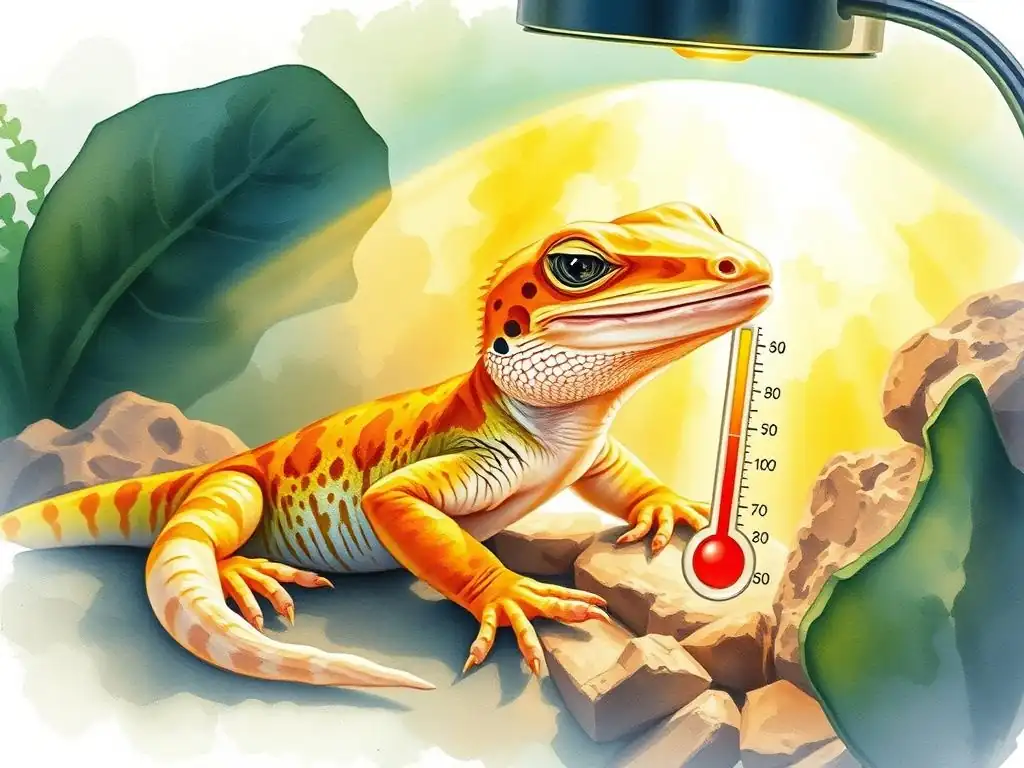
Reptiles, unlike mammals, cannot produce their own Vitamin D3. This crucial vitamin is essential for calcium absorption, which directly impacts bone health, immune function, and overall well-being. While heat lamps are vital for maintaining the correct basking temperature, they do not provide the UVB radiation necessary for Vitamin D3 synthesis. Therefore, understanding the critical role of UVB lighting in your reptile's health is paramount to responsible reptile care. This section focuses on how to effectively supplement heat with UVB lighting, ensuring your reptile thrives. A well-designed heating and lighting setup is the cornerstone of a healthy reptile environment.
The Importance of UVB Lighting for Reptile Health
UVB lighting is not merely a supplementary element; it's a fundamental requirement for the vast majority of reptiles. A deficiency in Vitamin D3, caused by inadequate UVB exposure, leads to a cascade of negative health consequences. Metabolic bone disease (MBD) is a common and often debilitating condition resulting from calcium deficiency. Symptoms include soft bones, skeletal deformities, lethargy, and ultimately, death. Beyond MBD, UVB deficiency weakens the immune system, making your reptile more susceptible to infections and diseases.
The severity of UVB deficiency depends on the species and age of the reptile, with younger, growing reptiles being particularly vulnerable. Providing appropriate UVB is not just about preventing disease; it's about ensuring your reptile lives a long, healthy, and vibrant life. Remember, a happy reptile is a healthy reptile! 🦎
Choosing the Right UVB Bulb for Your Reptile
Selecting the correct UVB bulb is crucial and depends heavily on your reptile's species and enclosure size. Different reptiles require different levels of UVB output. For example, a desert tortoise will have different needs than a rainforest dwelling gecko. The packaging of UVB bulbs usually specifies the UVB output (e.g., 5.0, 10.0), and this number indicates the percentage of UVB radiation emitted.
A higher number doesn't always mean better; an overly strong bulb can be harmful. Consult reputable reptile care guides or a veterinarian specializing in reptiles to determine the appropriate UVB strength for your specific reptile. Furthermore, consider the bulb's lifespan.
UVB bulbs lose their effectiveness over time, even if they still appear to be working. Replacing your UVB bulb every 6-12 months, or as recommended by the manufacturer, is essential to maintain optimal UVB levels. Don't skimp on this vital aspect of reptile care; a worn-out bulb is essentially providing no benefit.
Proper Placement and Usage of UVB Bulbs
The placement of the UVB bulb is just as crucial as the bulb itself. It needs to be positioned at the correct distance and angle to provide effective UVB radiation to your reptile's basking area. Too close, and you risk overheating and burning your reptile; too far, and the UVB radiation will be too weak to be effective. The optimal distance varies depending on the bulb's strength and your enclosure's size.
Always follow the manufacturer's instructions for proper distance. Moreover, the type of enclosure material can also affect UVB penetration. Glass and some plastics significantly reduce UVB penetration, so ensure your enclosure is made of UVB-permeable material. Regularly monitor your reptile's behavior and appearance; if you notice any signs of lethargy, weakness, or skeletal deformities, consult a veterinarian immediately.
Proactive monitoring and proper UVB lighting are key components in maintaining a healthy and thriving reptile companion. Remember, a proactive approach to reptile care is always the best approach! ☀️
This detailed guide provides a solid foundation for understanding and implementing proper reptile heat and UVB lighting. Remember to always prioritize your reptile's well-being and consult with a veterinarian for species-specific advice.
Monitoring and Maintaining Optimal Temperatures
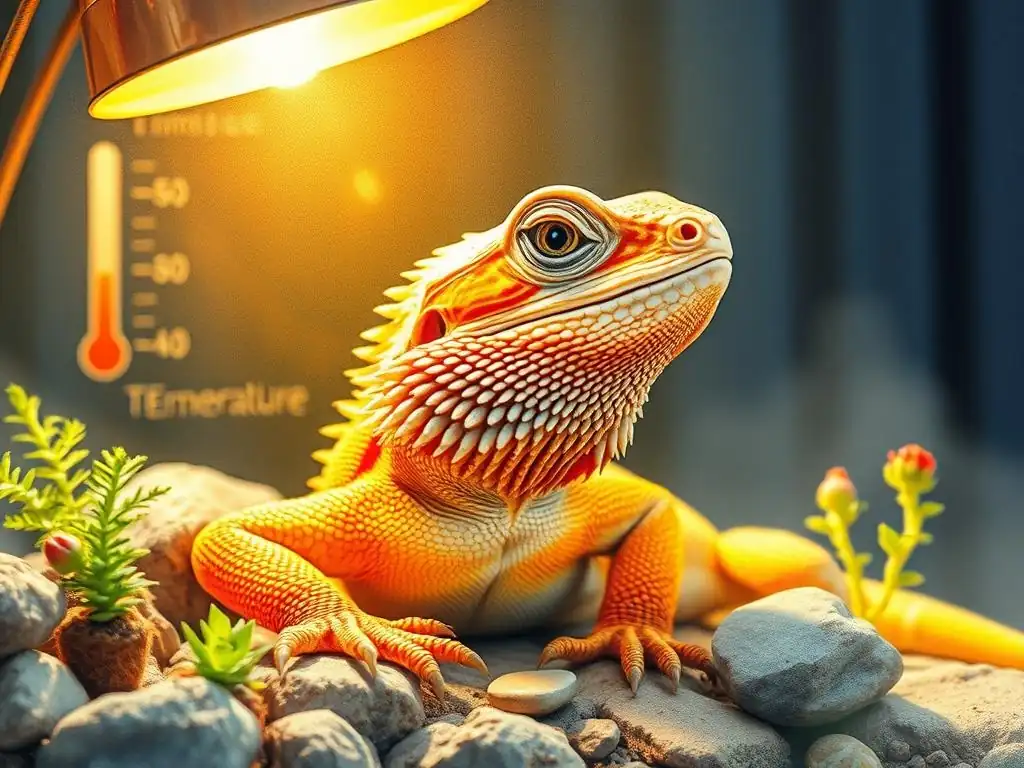
Maintaining the correct temperature is crucial for your reptile's health and well-being. A reptile's metabolism, digestion, and immune system are all directly influenced by ambient temperature. Failure to provide the appropriate thermal gradient can lead to serious health problems, including metabolic bone disease (MBD), respiratory infections, and even death. This section details how to monitor and maintain optimal temperatures for your reptile, ensuring they thrive in their enclosure. Understanding your reptile's specific needs, based on its species and age, is paramount. This "Reptile heat lamp temperature guide" will help you achieve that.
Daily Temperature Checks and Adjustments
Daily temperature checks are non-negotiable. Use accurate thermometers – both digital and infrared thermometers are recommended – to monitor the basking spot temperature, the cool side temperature, and the overall ambient temperature within the enclosure. Record these readings in a logbook or a digital spreadsheet to track temperature fluctuations over time. This allows you to identify trends and make informed adjustments.
For example, a leopard gecko requires a basking spot temperature between 88-92°F (31-33°C) and a cool side temperature of 75-80°F (24-27°C). If you find the basking spot consistently falls below 88°F, you may need to adjust the heat lamp's distance or wattage. Conversely, if the temperature is consistently too high, you might need to increase the distance of the lamp, use a lower wattage bulb, or add more ventilation. Remember to always check temperatures after the heat lamp has been on for a sufficient period, usually after an hour or two.
Remember to consider seasonal changes. Room temperature can fluctuate, so you may need to adjust your heating strategy throughout the year. During colder months, you might need to increase the wattage of your heat lamp or add supplemental heating sources.
Regular Equipment Maintenance
Maintaining your heating equipment is as crucial as monitoring temperatures. Regular cleaning and inspection of heat lamps, heat mats, and thermostats are essential to prevent malfunctions and ensure consistent heat output. Dust buildup on heat lamps can reduce their effectiveness and even create a fire hazard.
- Heat Lamps: Replace heat lamps according to the manufacturer's recommendations. Even if a lamp still appears to be working, its output can decrease over time, leading to inconsistent temperatures. Regularly inspect the bulb for cracks or discoloration.
- Heat Mats: Check heat mats for fraying wires or damage. Never use a heat mat that is damaged or shows signs of wear and tear. Ensure the heat mat is appropriately sized for the enclosure and is not directly underneath the substrate.
- Thermostats: Thermostats are critical for maintaining consistent temperatures. Calibrate your thermostat regularly to ensure accurate readings. A malfunctioning thermostat can lead to dangerous temperature fluctuations, putting your reptile at risk. Consider using a secondary thermometer to double-check the thermostat's readings.
Regular maintenance not only ensures the safety of your reptile but also extends the lifespan of your heating equipment, saving you money in the long run.
While diligent monitoring and maintenance can prevent many issues, some temperature-related problems require veterinary intervention. Observe your reptile closely for any signs of illness that might be linked to temperature issues.
Signs to watch out for include:
- Lethargy or inactivity.
- Loss of appetite.
- Dehydration (sunken eyes, wrinkled skin).
- Difficulty shedding.
- Muscle weakness or tremors.
- Respiratory distress.
If you notice any of these symptoms, or if you suspect a temperature-related problem, contact a veterinarian specializing in reptiles immediately. Early intervention is crucial for the best possible outcome. Don't delay seeking professional help; your reptile's health depends on it. This is especially important if you are unsure about the optimal temperature range for your specific species of reptile. Remember, a healthy reptile is a happy reptile! 🦎
Conclusion: A Healthy Habitat Through Thermal Control
Maintaining the correct temperature is paramount for reptile health and well-being. A reptile's survival and thriving directly depend on a precisely regulated thermal environment, mimicking their natural habitats. Failing to provide adequate heating can lead to a range of health issues, from metabolic bone disease (MBD) to respiratory infections and even death. Conversely, overheating can cause severe burns, dehydration, and organ damage.
Therefore, understanding and implementing the correct heating methods and monitoring temperatures diligently are crucial aspects of responsible reptile ownership. This requires more than simply plugging in a heat lamp; it demands consistent monitoring, adjustments based on species-specific needs, and a proactive approach to maintaining a healthy, thriving environment for your scaled companion. Remember, a happy reptile is a healthy reptile, and temperature control is the cornerstone of their happiness.
Recap of Key Temperature Considerations for Reptile Care
This section serves as a concise summary of the crucial temperature aspects discussed throughout this "Reptile heat lamp temperature guide". Remember, the ideal temperature gradient is key. This means providing a basking spot significantly warmer than the ambient temperature, allowing your reptile to thermoregulate effectively. This is achievable through a combination of heat lamps and under-tank heaters (UTHs).
Let's review some critical points:
- Species-Specific Needs: Temperature requirements vary dramatically between reptile species. A desert tortoise will require much higher temperatures than a rainforest dwelling frog. Always research the specific needs of your reptile species before setting up your heating system. Failure to do so can have dire consequences.
- Basking Spot vs. Ambient Temperature: The basking spot should be significantly warmer than the overall enclosure temperature. This allows your reptile to regulate its body temperature by moving between warmer and cooler areas. Use a thermometer to accurately measure both temperatures.
- Monitoring and Adjustment: Regularly monitor temperatures using accurate thermometers (both digital and infrared are recommended). Adjust your heating system as needed to maintain the correct temperature gradient throughout the day and night. Seasonal variations may also require adjustments.
- Heat Sources: Various heat sources are available, each with its own advantages and disadvantages. Heat lamps, UTHs, ceramic heat emitters (CHEs), and heat rocks all have different applications and safety considerations. Choose the appropriate heat source based on your reptile's needs and enclosure type.
- Safety First: Always ensure that your heat sources are safely secured and cannot be easily accessed by your reptile. Avoid overheating, and never leave heat sources unattended for extended periods.
| Reptile Type | Ideal Basking Temperature (°F) | Ideal Ambient Temperature (°F) | Notes |
|---|---|---|---|
| Leopard Gecko | 90-95 | 75-80 | Requires a cool hide as well |
| Bearded Dragon | 95-105 | 75-85 | Needs a significant temperature gradient |
| Corn Snake | 88-92 | 75-80 | Relatively low temperature requirements |
| Green Iguana | 95-100 | 75-85 | Requires large enclosures and specific UV lighting |
| [Specific data pending] | [Specific data pending] | [Specific data pending] | [Specific data pending] |
Remember, consistent monitoring and adjustment are key to maintaining optimal temperatures. A seemingly small fluctuation can significantly impact your reptile's health. Always err on the side of caution and consult with a veterinarian specializing in reptiles if you have any concerns.
Resources for Further Learning and Support
While this guide provides a solid foundation for understanding reptile heat lamp temperature requirements, additional resources can further enhance your knowledge and confidence in caring for your reptile. Consider seeking information from reputable sources such as:
- Herpetological Societies: These organizations often offer valuable resources, including species-specific care sheets and expert advice.
- Veterinarians specializing in reptiles: A reptile vet can provide personalized guidance and address any specific concerns regarding your reptile's health and heating needs.
- Reputable online forums and communities: These platforms can connect you with other reptile owners, allowing you to share experiences and learn from others. However, always critically evaluate the information you find online.
- Books and scientific literature: In-depth research on reptile care can provide a comprehensive understanding of their thermal needs.
This "Reptile heat lamp temperature guide" aims to equip you with the essential knowledge to create a safe and thriving environment for your reptile. Remember, consistent monitoring and a proactive approach to thermal management are crucial for your reptile's long-term health and well-being. By following these guidelines and seeking additional resources when needed, you can contribute to the healthy and happy life of your scaled companion. 🦎
Frequently Asked Questions
What is the ideal temperature range for my reptile?
The ideal temperature depends entirely on your specific reptile species. Consult a reputable reptile care guide or veterinarian for species-specific temperature requirements. Ambient temperature and basking spot temperature will differ.
How do I measure the temperature in my reptile's enclosure?
Use accurate digital thermometers with both a surface probe for basking spots and an air thermometer to monitor ambient temperature. Regularly check and adjust your heating sources as needed. Consistency is key.
What type of heat lamp is best for my reptile?
The best type of heat lamp depends on your reptile's needs and enclosure setup. Ceramic heat emitters provide heat without light, while basking lamps offer both heat and light. Consider your reptile's diurnal or nocturnal habits.
How can I prevent overheating or underheating my reptile?
Use a thermostat to regulate the heat lamp and maintain consistent temperatures. Provide a thermal gradient within the enclosure, allowing your reptile to thermoregulate. Monitor temperatures regularly.
Lethargy can be a sign of improper temperatures. Check your heating equipment and thermometer readings. If temperatures are incorrect or your reptile shows other symptoms, consult a veterinarian immediately.
Final Reflection: The Enduring Glow of Responsible Reptile Care
Understanding the precise thermal needs of our reptilian companions is not merely a hobbyist detail; it's a cornerstone of ethical and successful reptile keeping. The right temperature isn't just about survival; it's about ensuring vibrant health, natural behaviors, and a fulfilling life for these fascinating creatures. Failure to grasp this fundamental aspect can have devastating consequences.
The impact of proper heating and lighting extends far beyond the individual reptile; it reflects a growing awareness of animal welfare and responsible pet ownership. We are increasingly recognizing the complex needs of our non-traditional pets, moving beyond simple provision of food and water to a deeper understanding of their environmental requirements. The greatness of a nation and its moral progress can be judged by the way its animals are treated.
- Mahatma Gandhi. This quote, while broad, speaks to the ethical responsibility we bear towards all creatures under our care, and reptiles are no exception. The knowledge shared in this guide contributes to a larger movement towards more informed and compassionate reptile keeping.
Now, consider your own reptile's environment. Are you confident in your understanding of its thermal requirements? Take a moment to review the information presented, perhaps even revisit your setup with a critical eye. Empower yourself to provide the best possible care for your scaly friend; their well-being depends on it. Let the enduring glow of responsible reptile care illuminate your path towards a deeper connection with these remarkable animals.
Unlock Your Reptile's Radiant Potential!
Thanks for exploring the world of reptile care! You've gained essential knowledge to create a thriving habitat for your reptile. Ready to put your new skills to the test?
- Prioritize proper heating and lighting: Adjust your reptile's setup according to the species-specific needs you've learned. This is the most crucial step you can take to ensure your reptile's well-being.
- Share your success: Show off your improved habitat and inspire fellow reptile enthusiasts on social media using #ReptileRadiantHabitat.
- Explore our community forum to connect with other reptile keepers and share your experiences – you might even discover helpful new techniques!
What creative solutions are you using to ensure your reptile thrives in its ideal environment?