
Top 5 Reptile Terrarium Mistakes and How to Avoid Them

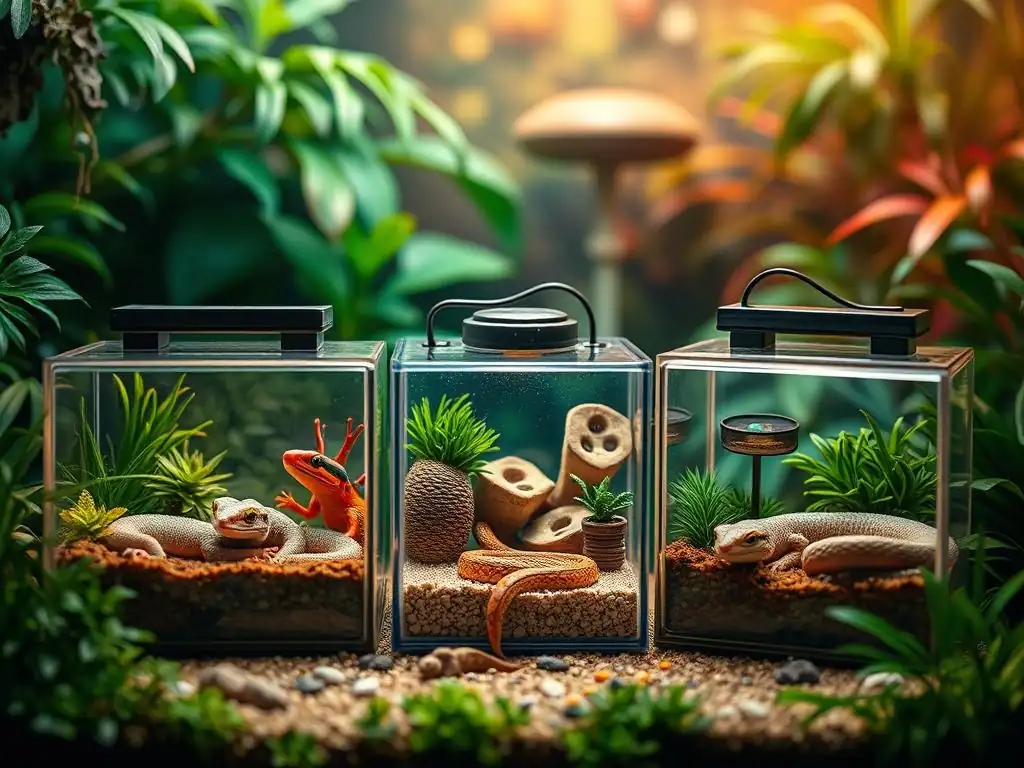
Welcome to PetCareWorld, your ultimate guide to a happier, healthier life for your beloved animal companions! Are you ready to create the perfect habitat for your scaly friend? Then dive into our expert advice on avoiding reptile terrarium mistakes. Discover the top five common errors and learn how to transform your reptile's enclosure into a thriving, safe haven. Uncover the secrets to successful reptile keeping and unlock the key to a flourishing pet-owner relationship—read on to learn more!
- Common Reptile Terrarium Setup Mistakes: Avoiding Fatal Errors for Your Reptile
-
Creating the Perfect Reptile Terrarium: A Checklist for Success
- Choosing the Right Terrarium Size Based on Your Reptile Species
- Essential Lighting and Heating Equipment for Reptile Terrariums
- Maintaining Optimal Humidity and Ventilation in Your Reptile Habitat
- Selecting Safe and Appropriate Substrate for Your Reptile
- Providing Enrichment and Hiding Places to Reduce Stress
- Establishing a Regular Cleaning and Maintenance Schedule for Your Reptile Terrarium
-
Frequently Asked Questions
- What are the most common mistakes new reptile owners make with terrariums?
- How do I ensure the correct temperature and humidity in my reptile terrarium?
- What type of substrate is best for a reptile terrarium?
- How important is providing hiding places in a reptile terrarium?
- My reptile seems stressed; what are some signs I should look for?
- Final Reflection: Nurturing a Thriving Ecosystem: Beyond the Terrarium
- Unleash Your Inner Herpetologist: Create the Perfect Reptile Home!
Common Reptile Terrarium Setup Mistakes: Avoiding Fatal Errors for Your Reptile
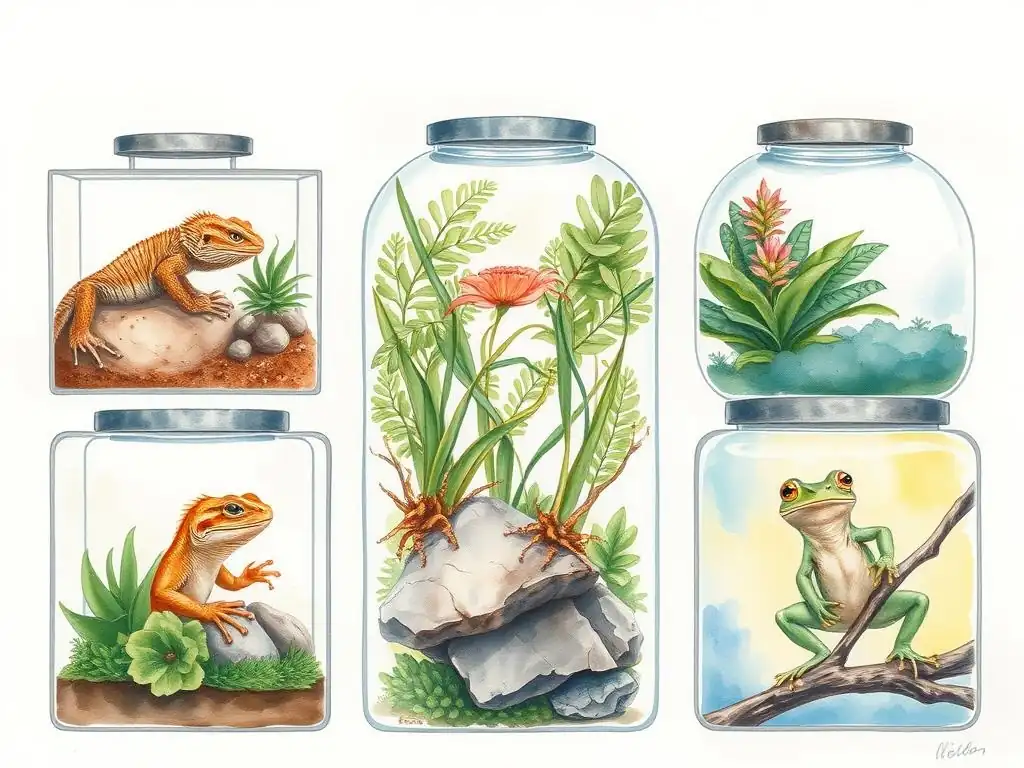
Creating the perfect reptile terrarium can feel like a daunting task. The health and happiness of your scaly companion hinges on providing a meticulously crafted environment that accurately mimics their natural habitat. However, even experienced reptile keepers can fall prey to common mistakes that can have severe consequences. This article will highlight five frequent errors in reptile terrarium setup and provide practical solutions to ensure your reptile thrives.
By understanding and avoiding these pitfalls, you’ll be well on your way to creating a safe and enriching environment that promotes your reptile’s longevity and well-being. We'll focus on the most critical aspects to avoid common mistakes and ensure your reptile enjoys a long and healthy life. Let's delve into the top five mistakes to avoid when setting up a reptile terrarium, so you can create a thriving habitat for your pet. 🦎
Incorrect Temperature and Humidity Levels for Reptile Health
Maintaining the correct temperature and humidity levels is paramount for reptile health. Reptiles are ectothermic, meaning they rely on external sources to regulate their body temperature. An incorrect temperature gradient can lead to a variety of health problems, including metabolic bone disease (MBD), respiratory infections, and even death. Different species have vastly different needs; for example, a desert tortoise requires much drier conditions than a rainforest dwelling frog.
To avoid this mistake, invest in accurate and reliable temperature and humidity gauges. Place these gauges at multiple points within the terrarium to ensure consistent readings. Use appropriate heating and humidity control methods, such as under-tank heaters (UTHs), heat lamps, ceramic heat emitters (CHEs), and misting systems. Regularly monitor and adjust these systems to maintain the ideal parameters for your specific reptile species.
Remember to research your specific reptile's needs thoroughly before setting up their enclosure. A reptile's health is directly linked to the stability of its environment. Failure to maintain correct temperature and humidity can lead to significant health issues and ultimately, endanger your pet's life. Precise monitoring and adjustment are crucial for success.
Inadequate Substrate Choice for Reptile Wellbeing
The substrate, or bottom covering, of your reptile terrarium plays a crucial role in maintaining humidity and providing a natural environment. An inappropriate substrate can lead to impaction (a blockage in the digestive tract), burns from overheating, and even infections. For example, sand can be particularly problematic for some species, as it can easily be ingested and cause impaction. Similarly, certain wood shavings can splinter and cause injury.
Choosing the right substrate requires careful consideration of your reptile's species and their specific needs. Research the ideal substrate for your reptile before making a purchase. Options range from paper towels (easily cleaned and suitable for young or sick reptiles) to specially formulated reptile substrates designed to mimic natural environments. Consider factors like humidity retention, ease of cleaning, and the potential for ingestion.
Always prioritize safety and hygiene when selecting a substrate. A poorly chosen substrate can lead to serious health complications, so proper research is essential. Remember, a healthy substrate is a vital component of a healthy reptile terrarium.
Neglecting Proper Ventilation in Reptile Habitats
Adequate ventilation is essential for maintaining proper air quality and preventing the buildup of harmful gases like ammonia. Poor ventilation can lead to respiratory problems, stress, and even death. A terrarium that lacks proper ventilation can become excessively humid, creating a breeding ground for bacteria and fungi.
Ensure your terrarium has adequate ventilation openings, typically located on the top and sides. Avoid completely sealed enclosures. The size and number of ventilation openings will depend on the size and type of terrarium, as well as the species of reptile housed within. Consider using screen tops or mesh panels to maximize airflow while preventing escapes.
Regularly clean the terrarium to prevent the buildup of waste and debris, which can further compromise air quality. Proper ventilation is a cornerstone of a healthy reptile environment, ensuring your pet breathes clean, fresh air and remains healthy and happy. Don't underestimate the importance of this seemingly simple aspect of terrarium maintenance.
Ignoring Hiding Places and Enrichment for Reptile Stress Reduction
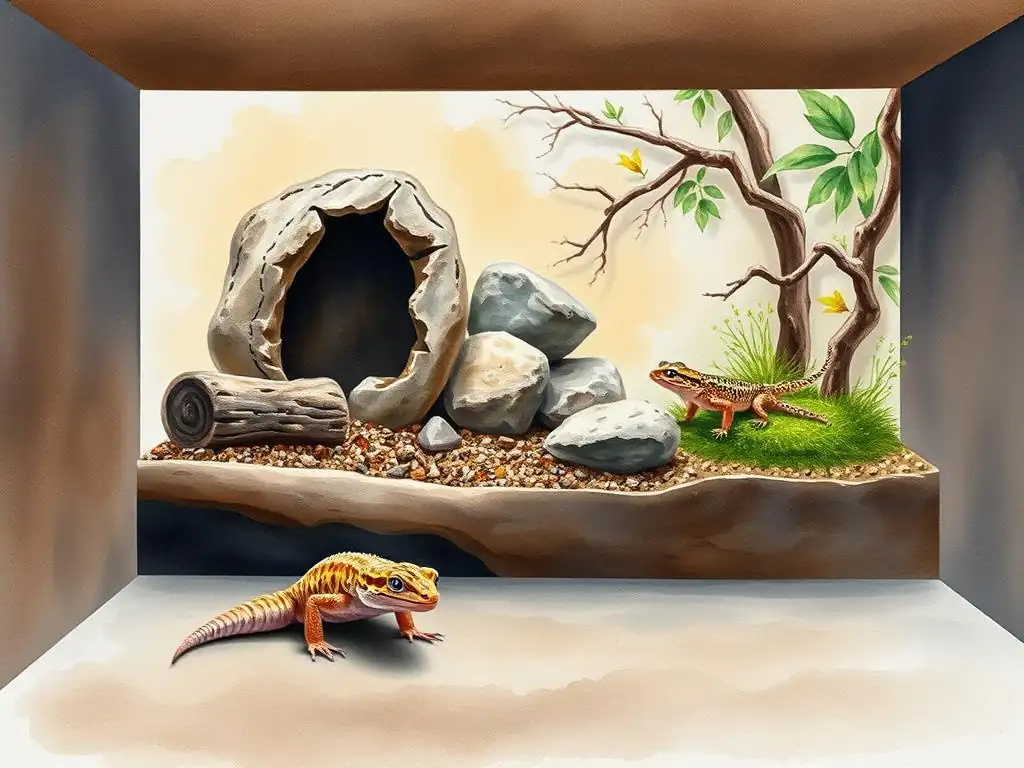
Reptiles, despite their often stoic appearance, are sensitive creatures that require a stimulating and secure environment to thrive. Ignoring the importance of hiding places and environmental enrichment is a common mistake that can lead to significant stress, impacting their health and lifespan. A stressed reptile may exhibit decreased appetite, lethargy, and even self-mutilation in severe cases.
Providing adequate hiding spots is crucial for mimicking their natural habitat where they can feel safe and secure, away from perceived threats or overwhelming stimuli. These hiding places should be of varying sizes and types, allowing your reptile to choose its preferred refuge. For example, a large arboreal lizard might appreciate both a hollow log and a dense cluster of artificial foliage, while a terrestrial snake might prefer a rock cave or a buried hide.
Beyond simply providing shelter, environmental enrichment is paramount for preventing boredom and promoting natural behaviors. Enrichment can take many forms, from adding climbing structures for arboreal species to providing digging substrates for burrowing reptiles. Live plants, strategically placed rocks, and even carefully chosen toys can stimulate your reptile's natural instincts and reduce stress. For instance, a leopard gecko might enjoy exploring a shallow sand bath, while a bearded dragon might appreciate basking on a warm rock under a heat lamp.
Remember that the type and amount of enrichment will vary drastically depending on the species, so thorough research into the specific needs of your reptile is crucial to avoid common mistakes. Neglecting these crucial aspects can lead to a diminished quality of life and increased susceptibility to illness in your reptile companion. Prioritizing both hiding places and enrichment is an essential step in providing responsible and ethical reptile care.
Overlooking Regular Cleaning and Maintenance of Reptile Terrariums
Maintaining a clean and hygienic terrarium is not just about aesthetics; it's fundamental to your reptile's health and well-being. Overlooking regular cleaning and maintenance is a significant error that can lead to the buildup of harmful bacteria, parasites, and waste products, creating a breeding ground for disease. The frequency of cleaning will depend on the size of the terrarium, the number of reptiles housed within, and the type of substrate used.
However, a general rule of thumb is to spot-clean the terrarium daily, removing any visible waste or uneaten food. This simple practice prevents the accumulation of waste and minimizes odor.
More thorough cleanings, involving the complete removal of substrate and a scrubbing of the enclosure, should be undertaken more regularly, typically every few weeks or months. The frequency depends heavily on the type of substrate used; paper towels require more frequent changes than bioactive substrates. During these more intense cleanings, all surfaces should be thoroughly disinfected with a reptile-safe disinfectant, ensuring that all traces of previous waste are eliminated.
Failure to properly disinfect the terrarium can perpetuate the cycle of bacterial and parasitic growth, increasing the risk of illness for your reptile. It's crucial to remember that many commonly used household cleaners are toxic to reptiles, so selecting a reptile-specific disinfectant is paramount to avoid accidental poisoning.
Ignoring this critical aspect of reptile care can severely compromise your reptile's health, leading to infections, parasitic infestations, and ultimately, a reduced lifespan. Prioritizing regular and thorough cleaning is a key element in maintaining a healthy and thriving reptile habitat, so don't overlook this vital step when caring for your scaled friend.
Creating the Perfect Reptile Terrarium: A Checklist for Success
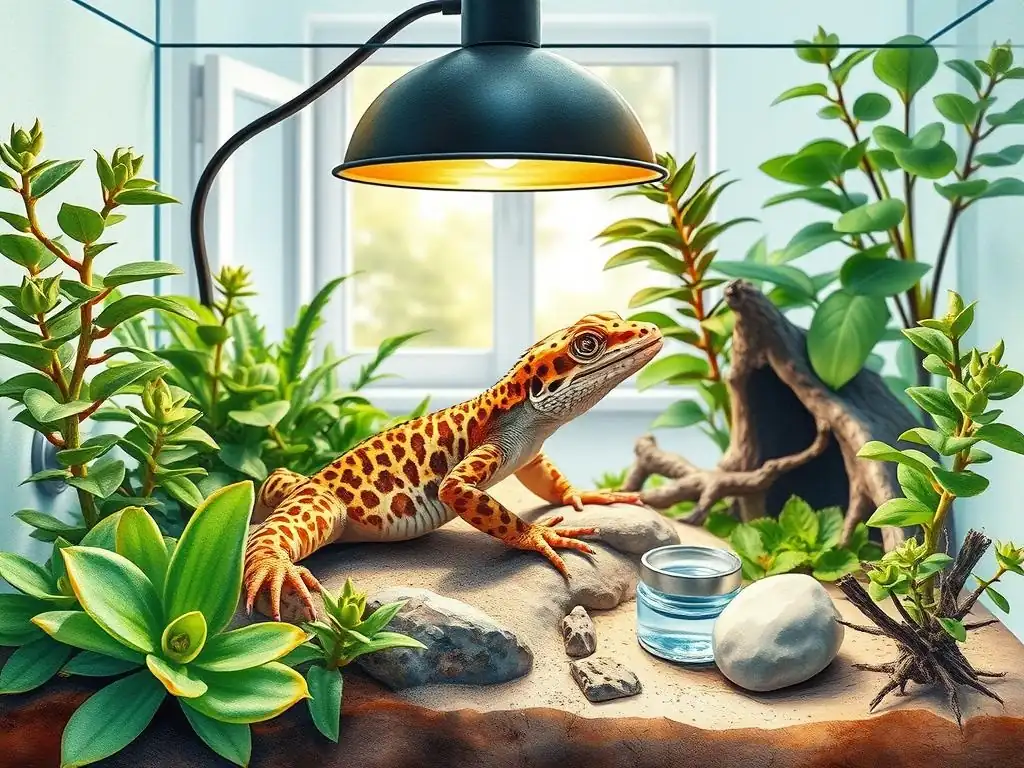
This section focuses on avoiding common reptile terrarium mistakes by providing a detailed checklist for creating a thriving reptile habitat. Successfully avoiding these pitfalls ensures your reptile's health, happiness, and longevity. Remember, a well-maintained terrarium is crucial for preventing illness and stress in your scaly companion. Let's delve into the key elements.
Choosing the Right Terrarium Size Based on Your Reptile Species
Selecting the appropriate terrarium size is paramount in avoiding overcrowding and stress. A cramped environment can lead to aggression, difficulty thermoregulating, and impaired health. The terrarium should allow your reptile ample space to move freely, explore, and exhibit natural behaviors. Consider these factors:
- Species-Specific Requirements: Different reptile species have vastly different size requirements. A small gecko will thrive in a much smaller enclosure than a large monitor lizard. Researching the adult size of your specific reptile is crucial before purchasing a terrarium. For example, a bearded dragon will need a significantly larger enclosure than a leopard gecko.
- Vertical vs. Horizontal Space: Some reptiles, like arboreal species (those that live in trees), need taller terrariums with plenty of branches for climbing. Others, like terrestrial species, require longer, wider enclosures with ample floor space. Understanding your reptile's natural habitat will guide your choice.
- Future Growth: Buy a terrarium that's large enough to accommodate your reptile's adult size, avoiding the need to upgrade later. Frequent moves can stress your reptile and disrupt its environment.
| Reptile Species | Approximate Adult Size | Recommended Terrarium Size (L x W x H) |
|---|---|---|
| Leopard Gecko | 8-10 inches | 18 x 18 x 12 inches |
| Bearded Dragon | 18-24 inches | 48 x 24 x 24 inches |
| Corn Snake | 3-5 feet | 36 x 18 x 18 inches |
| Crested Gecko | 6-8 inches | 18 x 18 x 24 inches |
Failing to properly assess the space needs of your reptile is a common mistake that can have significant consequences for their well-being. Always prioritize ample space for your pet.
Essential Lighting and Heating Equipment for Reptile Terrariums
Providing proper lighting and heating is critical for the health and survival of most reptiles. Inadequate heating can lead to poor digestion, suppressed immune systems, and even death. Similarly, insufficient UVB lighting can cause metabolic bone disease (MBD), a debilitating condition.
- Heat Sources: Different reptiles require different heat sources and temperature gradients. You might need a combination of basking lamps, ceramic heat emitters, or under-tank heaters (UTHs) to create a thermal gradient within the terrarium. Always use a reliable thermometer to monitor temperatures accurately.
- UVB Lighting: Most reptiles need UVB lighting to synthesize vitamin D3, essential for calcium absorption and bone health. The UVB bulb's strength and placement are crucial; too weak, and it's ineffective; too strong, and it can harm your reptile. Replace UVB bulbs regularly, as their effectiveness decreases over time. This is often overlooked and leads to many avoidable health issues.
- Timers and Thermostats: Using timers to control lighting cycles and thermostats to regulate temperature is essential to mimic natural conditions and prevent overheating or underheating. These devices are crucial for maintaining optimal conditions and avoiding common mistakes related to temperature regulation.
Maintaining Optimal Humidity and Ventilation in Your Reptile Habitat
Humidity and ventilation are often overlooked but are crucial for preventing respiratory infections and maintaining a healthy environment. Poor ventilation can lead to the buildup of ammonia and other harmful gases, while inappropriate humidity levels can cause skin problems and dehydration.
- Humidity Levels: Different reptiles require different humidity levels. Research your specific species' needs to determine the ideal range. You can use a hygrometer to monitor humidity and adjust it using misting, water bowls, or substrate choices. Maintaining the correct humidity is crucial, especially for species that require higher humidity levels.
- Ventilation: Adequate ventilation is necessary to prevent the buildup of harmful gases and maintain proper airflow. Ensure your terrarium has sufficient ventilation openings, but avoid drafts that could chill your reptile. Poor ventilation is a common mistake that can significantly impact your reptile's health.
- Substrate Selection: The type of substrate you choose can also impact humidity levels. Some substrates retain moisture better than others. Choosing the right substrate for your reptile and its specific needs is essential for maintaining optimal humidity. For example, paper towels provide good ventilation, while cypress mulch retains more moisture. This requires careful consideration based on your reptile's needs.
By carefully following this checklist and understanding the specific needs of your reptile species, you can significantly reduce the risk of making common terrarium mistakes and create a thriving, healthy environment for your pet. Remember, proactive care is the best way to avoid reptile terrarium mistakes.
Selecting Safe and Appropriate Substrate for Your Reptile
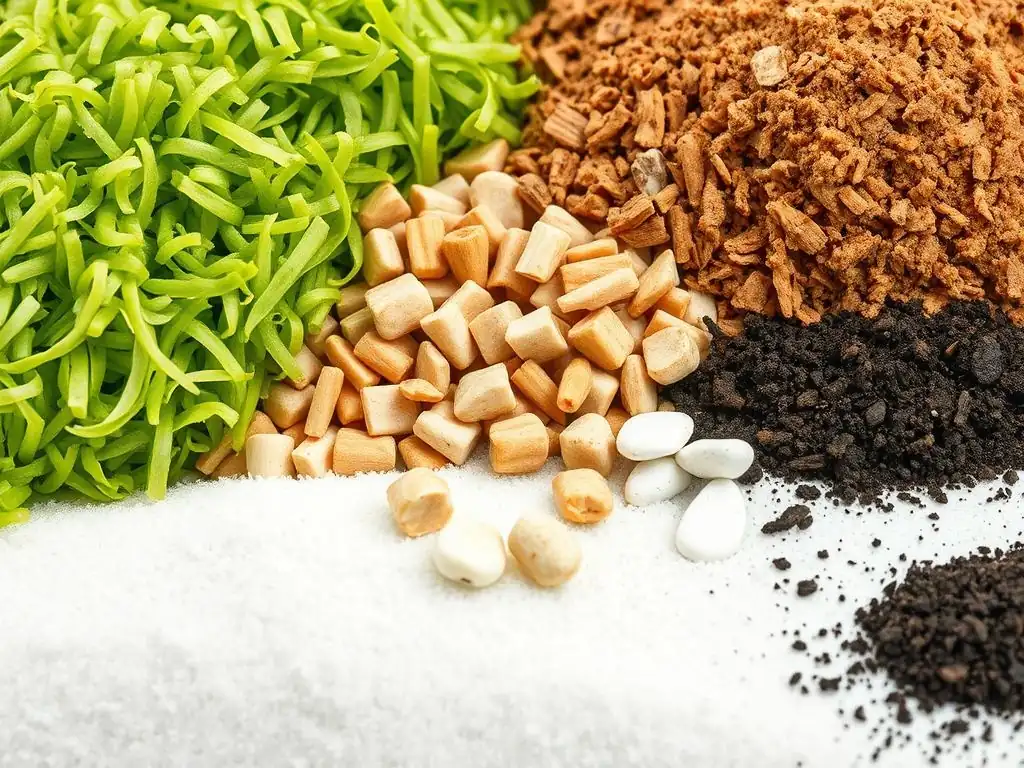
Choosing the right substrate is crucial for maintaining a healthy environment and preventing health problems in your reptile. The ideal substrate depends heavily on the species of reptile you are keeping. For example, a desert species like a leopard gecko thrives in a dry, loose substrate like calcium sand or paper towels. Using a substrate that retains too much moisture can lead to fungal infections and scale rot.
Conversely, a species that requires higher humidity, such as a green tree frog, might need a substrate like coconut fiber or cypress mulch, which retains moisture but still allows for good drainage. Never use materials like cedar or pine shavings, as they release harmful phenols that can negatively impact your reptile's respiratory system. Avoid substrates that are easily ingested and could cause impaction, especially for young reptiles or those prone to eating their substrate. Always research the specific needs of your reptile species before making a substrate choice.
Consider the substrate's ability to retain moisture, its propensity for molding, and its potential for ingestion. A poorly chosen substrate can lead to serious health complications, so thorough research is paramount. Remember to replace or spot-clean the substrate regularly to maintain hygiene and prevent the buildup of bacteria and parasites. The frequency of substrate changes will depend on the type of substrate and the cleanliness habits of your reptile.
Providing Enrichment and Hiding Places to Reduce Stress
Reptiles, despite their often-perceived stoicism, require environmental enrichment to thrive. A barren terrarium can lead to stress, boredom, and even illness. Providing a variety of hiding places is essential for mimicking a reptile's natural environment and reducing stress. These hiding places should offer different levels of security; some should be dark and enclosed, while others might be partially open, allowing the reptile to observe its surroundings while still feeling safe.
You can use commercially available reptile hides, or create your own using natural materials like rocks, cork bark, or hollow logs. Ensure that the hiding places are appropriately sized for your reptile and are securely positioned to prevent collapse. Beyond hiding places, consider adding climbing structures, branches, or rocks to create vertical space and stimulate natural behaviors. For arboreal species, providing plenty of climbing opportunities is crucial.
Remember to consider the texture and material of any enrichment items, ensuring they are safe and won't harm your reptile. A stimulating environment contributes significantly to a reptile's overall well-being, reducing stress and promoting natural behaviors. Think about what your reptile might enjoy exploring and interacting with in its natural habitat, and try to replicate those elements in the terrarium. This proactive approach to enrichment will lead to a happier and healthier reptile.
Establishing a Regular Cleaning and Maintenance Schedule for Your Reptile Terrarium
Maintaining a clean and hygienic terrarium is crucial for preventing the spread of bacteria, parasites, and disease. A regular cleaning schedule should be established based on the size of the terrarium, the number of reptiles housed within, and the type of substrate used. Spot cleaning should be performed daily, removing any feces, uneaten food, and shed skin. A more thorough cleaning should be conducted weekly or bi-weekly, involving a partial or complete substrate change, depending on the substrate type.
Thoroughly clean and disinfect all surfaces within the terrarium using a reptile-safe disinfectant. Avoid harsh chemicals that could harm your reptile or damage the terrarium materials. When cleaning, remove your reptile to a safe, temporary enclosure to prevent accidental injury or exposure to cleaning products. Always wash your hands thoroughly before and after handling your reptile or cleaning its terrarium.
Regular water changes are also essential, ensuring that the water source remains clean and free of debris. The frequency of complete terrarium cleaning will depend on the specific needs of your reptile and the type of substrate used; however, maintaining a consistent schedule will help ensure a healthy environment for your pet. Failing to maintain a clean terrarium can lead to various health issues for your reptile, so establishing and following a regular cleaning routine is a fundamental aspect of responsible reptile keeping. Proper hygiene is key to preventing potential health problems and ensuring the longevity of your reptile's life.
Frequently Asked Questions
What are the most common mistakes new reptile owners make with terrariums?
New reptile owners often make mistakes with temperature and humidity regulation, substrate selection, and providing inadequate hiding places. These can lead to serious health problems for your reptile.
How do I ensure the correct temperature and humidity in my reptile terrarium?
Use a reliable thermometer and hygrometer to monitor conditions. Invest in appropriate heating and humidity control equipment, such as heat lamps, under-tank heaters, and misting systems, adjusting them based on your reptile's specific needs. Research your specific reptile species for ideal parameters.
What type of substrate is best for a reptile terrarium?
The best substrate depends on your reptile's species and its needs. Avoid substrates that can be ingested and cause impaction. Research appropriate substrates for your specific reptile, considering factors like moisture retention and ease of cleaning.
How important is providing hiding places in a reptile terrarium?
Providing adequate hiding places is crucial for your reptile's well-being. Hiding places reduce stress and provide a sense of security, which is vital for their health and behavior. Offer a variety of sizes and types of hides, such as caves, logs, and plants.
My reptile seems stressed; what are some signs I should look for?
Signs of stress in reptiles include lethargy, loss of appetite, unusual shedding patterns, and changes in behavior. If you notice these, review your terrarium setup to ensure it meets your reptile's needs. Consult a veterinarian if you are concerned.
Final Reflection: Nurturing a Thriving Ecosystem: Beyond the Terrarium
The health and well-being of our reptile companions hinge entirely on our understanding of their specific needs. A seemingly minor oversight in terrarium setup can have devastating consequences, impacting not only the animal's physical health but also its overall quality of life. Ignoring these crucial details is not just irresponsible; it's a betrayal of the trust placed in us as caretakers.
Creating a successful reptile terrarium is more than just assembling equipment; it's about crafting a miniature ecosystem that mirrors the animal's natural habitat. This process has profoundly shaped my understanding of responsibility and the delicate balance required to support life beyond our own. The greatest danger to our planet is the belief that someone else will save it.
– Robert Swan. This quote resonates deeply, as the responsibility for the well-being of our captive animals rests solely on our shoulders. We cannot afford complacency; constant learning and adaptation are key to providing the best possible care.
So, as you embark on your journey of reptile keeping, remember the lessons learned here. Don't just build a terrarium; build a thriving world. Take the time to research, to observe, and to adapt your approach based on your reptile's individual needs. Your diligence will not only ensure the health and happiness of your scaly friend but will also contribute to a greater understanding and appreciation for these often-misunderstood creatures. The future of responsible reptile keeping depends on each of us making conscious choices and embracing continuous learning.
Unleash Your Inner Herpetologist: Create the Perfect Reptile Home!
Thanks for exploring the world of reptile care with us! We hope you've gained valuable insights into avoiding common terrarium problems. Now, let's put that knowledge into practice.
Here's how you can proceed:
- Design your ideal reptile habitat: Use what you've learned to carefully plan a terrarium that's both functional and aesthetically pleasing. Remember those crucial temperature gradients and hiding places! It's time to start building!
- Share your progress: We'd love to see your amazing creations! Post photos of your terrarium on social media using #PetCareWorldReptiles and showcase your new skills.
- Learn more about reptile care: Explore the unique needs of different reptile species through our extensive library of resources (available on PetCareWorld).
Ready to transform your reptile's home? What's the most exciting part of creating the perfect terrarium for your scaly friend?