
The Benefits of Using a Dual Heat and Light System

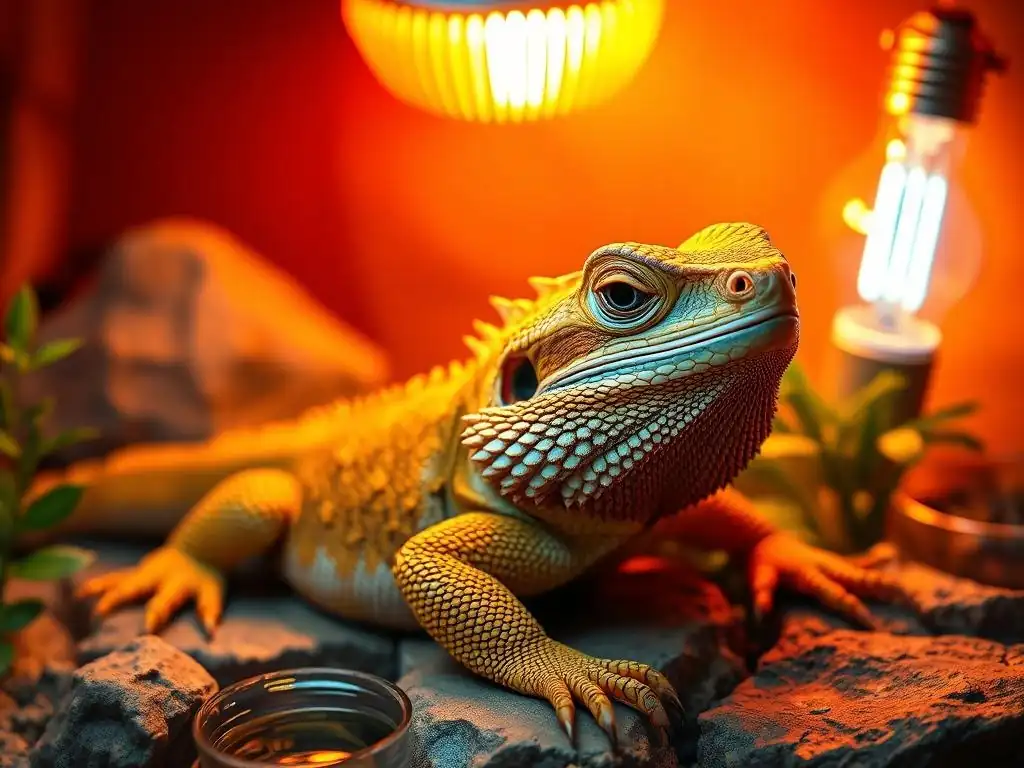
Welcome to PetCareWorld, your ultimate guide to a happier, healthier life for your beloved companion! Are you ready to unlock the secrets to optimal reptile care? Discover the unparalleled benefits of a dual heat lamp reptile system and learn how this simple addition can dramatically improve your reptile's well-being. Dive into our in-depth article and uncover the surprising advantages that await you and your scaly friend. Let's embark on this journey together!
- Understanding Dual Heat and Light Systems for Reptile Habitats
-
Key Benefits of Dual Heat and Light Systems for Reptile Health
- Maintaining Optimal Temperatures for Reptiles: Basking Spots and Ambient Temperatures
- The Crucial Role of UVB Lighting in Reptile Health: Vitamin D3 Synthesis and Calcium Absorption
- Preventing Metabolic Bone Disease (MBD) in Reptiles through Proper Lighting and Heating
- Improved Reptile Behavior and Activity Levels with Proper Temperature and Light Cycles
- Enhancing Reptile Immunity and Overall Well-being with Optimal Environmental Conditions
- Comparing Dual Heat and Light Systems to Single Heat Source Systems
-
Selecting and Installing Your Dual Heat and Light System
- Choosing the Right Bulbs and Fixtures for Your Reptile Enclosure
- Safe Installation of Heat Lamps and UVB Bulbs to Prevent Burns and Accidents
- Monitoring Temperatures and Adjusting the System as Needed: Thermometers and Thermostats
- Maintaining Your Dual Heat and Light System for Optimal Performance: Bulb Replacement Schedule
- Troubleshooting Common Issues with Dual Heat and Light Systems
-
Frequently Asked Questions
- What are the benefits of using a dual heat and light system for my reptile?
- Why is it important to have both heat and light sources?
- What types of reptiles benefit most from a dual heat and light system?
- How do I choose the right dual heat and light system for my reptile?
- Are there any potential drawbacks to using a dual heat and light system?
- Final Reflection: Illuminating the Path to Reptile Wellness
- Unlock Your Pet's Comfort: Take Action Today!
Understanding Dual Heat and Light Systems for Reptile Habitats
Providing optimal environmental conditions is crucial for the health and well-being of your reptile. A key aspect of responsible reptile ownership is ensuring proper heating and lighting, mimicking their natural habitat as closely as possible.
This article delves into the significant advantages of using a dual heat and light system for your reptile, specifically addressing the benefits of combining heat lamps with UVB bulbs. We’ll explore what these systems are, their components, and how to choose the right one to meet your reptile's specific needs, ultimately contributing to a longer, healthier life for your scaled companion.
This comprehensive guide will equip you with the knowledge to make informed decisions about your reptile's heating and lighting, ultimately enhancing their quality of life. Understanding the nuances of dual heat and light systems is essential for responsible reptile care, and this article will serve as your guide to mastering this critical aspect of reptile husbandry.
What is a Dual Heat and Light System?
A dual heat and light system for reptiles combines two essential elements: a heat source (typically a heat lamp) and a UVB light source. Unlike single-function devices, this combined approach provides both the thermal gradient necessary for thermoregulation and the crucial UVB radiation vital for vitamin D3 synthesis and overall reptile health. Many reptiles, especially those from desert or arid environments, require basking spots significantly warmer than the ambient temperature.
Simultaneously, UVB light is essential for calcium absorption, preventing metabolic bone disease (MBD), a debilitating and often fatal condition. A dual system efficiently and effectively addresses both these critical needs within a single setup, simplifying reptile care and maximizing their well-being. The convenience and efficiency of a dual system make it a popular choice among reptile keepers of all experience levels.
Components of a Dual Heat and Light System: Heat Lamps and UVB Bulbs
A successful dual heat and light system relies on the careful selection and placement of its two main components: heat lamps and UVB bulbs.
- Heat Lamps: These provide the necessary warmth for your reptile to thermoregulate. Different types of heat lamps exist, including incandescent, ceramic heat emitters (CHEs), and deep heat projectors (DHPs). Each has its own advantages and disadvantages regarding heat output, energy efficiency, and lifespan. Incandescent bulbs are readily available and inexpensive, but they also produce significant visible light and aren't energy efficient. CHEs, on the other hand, produce heat without visible light, making them ideal for nighttime heating. DHPs offer a more focused heat source, mimicking the warmth of a basking spot. The choice depends on your reptile's species and the specific requirements of its habitat.
- UVB Bulbs: These bulbs are essential for the production of vitamin D3 in your reptile, crucial for calcium absorption and preventing MBD. UVB bulbs come in various strengths (measured in UVB percentage), and the appropriate strength depends on the species and size of your reptile. It is crucial to replace UVB bulbs regularly (typically every 6-12 months), as their UVB output diminishes over time, even if they still produce light. Failure to replace them can lead to serious health issues for your reptile. Choosing the correct UVB bulb is paramount for long-term health.
Choosing the Right System for Your Reptile's Needs: Wattage and Bulb Types
Selecting the appropriate dual heat and light system necessitates considering several factors, primarily the wattage of the heat lamp and the type and strength of the UVB bulb. The wattage of the heat lamp dictates the amount of heat produced, directly impacting the temperature gradient within the enclosure. Too little heat can lead to hypothermia, while excessive heat can cause burns or dehydration.
Consult reptile care guides specific to your species for optimal temperature ranges. Moreover, the distance between the heat lamp and basking spot significantly influences the temperature, requiring careful monitoring and adjustment. Using a thermometer is essential to ensure the basking spot reaches the correct temperature.
The type and strength of the UVB bulb are equally critical. Different reptile species have different UVB requirements, with some requiring higher UVB output than others. Choosing the wrong bulb can lead to MBD and other health problems. Always research the specific needs of your reptile species before making a purchase.
Remember to replace UVB bulbs regularly to maintain their effectiveness and prevent health complications. Regular monitoring of your reptile's behavior and health is crucial to ensure that the chosen system is meeting its needs. A healthy, active reptile is a sign of a well-maintained habitat and a properly functioning dual heat and light system.
Key Benefits of Dual Heat and Light Systems for Reptile Health
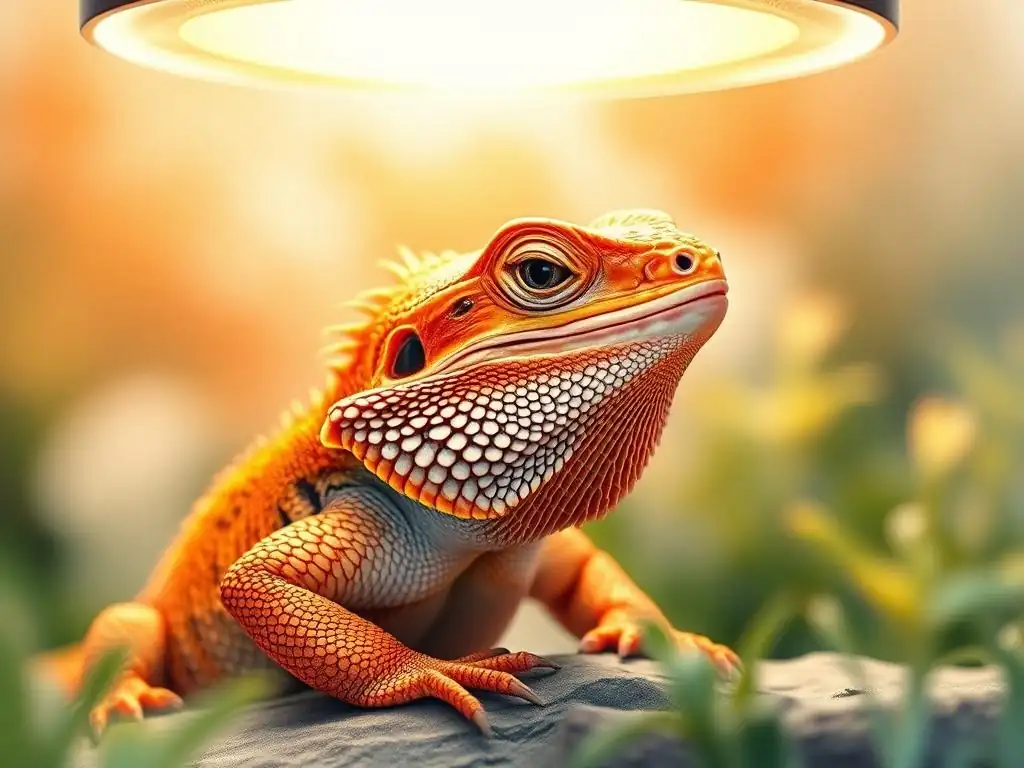
Dual heat and light systems offer significant advantages for reptile keepers seeking to create a thriving and healthy environment for their scaled companions. These systems, which typically combine a heat source (like a ceramic heat emitter or infrared bulb) with a UVB bulb, are superior to single-source heating because they allow for precise temperature gradient control and crucial UVB exposure, mimicking natural conditions vital for reptile well-being.
This section will explore the key benefits, focusing on temperature regulation, UVB importance, and disease prevention. Understanding these benefits is crucial for responsible reptile ownership and contributes to a longer, healthier life for your pet.
Maintaining Optimal Temperatures for Reptiles: Basking Spots and Ambient Temperatures
Reptiles are ectothermic, meaning they rely on external sources to regulate their body temperature. A dual system allows for the creation of a thermal gradient within the enclosure. This means one area provides a basking spot with a significantly higher temperature than the ambient temperature of the rest of the enclosure.
This is critical because reptiles need to thermoregulate, moving between warmer and cooler areas to maintain their ideal body temperature. For example, a bearded dragon might require a basking spot of 100-110°F (38-43°C) while the ambient temperature remains in the 80-90°F (27-32°C) range. A single heat source often struggles to achieve this gradient effectively, potentially leading to overheating in one area and insufficient warmth in others.
The dual system allows precise control over both the basking and ambient temperatures, ensuring your reptile can thermoregulate effectively. Failure to provide this crucial gradient can lead to a range of health problems, including lethargy, poor appetite, and difficulty shedding.
The Crucial Role of UVB Lighting in Reptile Health: Vitamin D3 Synthesis and Calcium Absorption
UVB lighting is not just about providing warmth; it's essential for reptile health. Reptiles cannot produce Vitamin D3 without UVB exposure. Vitamin D3 is crucial for calcium absorption, which is vital for healthy bones, muscles, and overall physiological function. Calcium deficiency leads to a multitude of problems, including Metabolic Bone Disease (MBD), a debilitating and often fatal condition.
A dual heat and light system allows for the inclusion of a high-quality UVB bulb, ensuring your reptile receives the necessary UVB radiation for Vitamin D3 synthesis. The distance between the bulb and the reptile is crucial; placement too far away renders the UVB ineffective, while placement too close can cause burns. Careful monitoring and proper bulb placement are vital aspects of using a dual system effectively. The type of UVB bulb is also crucial—consider the wattage and the reptile species to ensure appropriate UVB levels.
Preventing Metabolic Bone Disease (MBD) in Reptiles through Proper Lighting and Heating
Metabolic Bone Disease (MBD) is a severe and often irreversible condition in reptiles caused by calcium deficiency. This deficiency stems primarily from inadequate UVB exposure and insufficient dietary calcium. A dual heat and light system, when used correctly, is a powerful tool in preventing MBD. By providing both the necessary heat gradient for optimal digestion and absorption and the UVB light crucial for Vitamin D3 production and calcium utilization, the dual system significantly reduces the risk of MBD.
However, proper diet is equally important. Providing a diet rich in calcium, often supplemented with calcium powder, is essential. Regular monitoring of your reptile's weight, posture, and behavior can also help detect early signs of MBD.
Early detection and intervention are crucial for successful treatment. A proactive approach using a dual system, coupled with a balanced diet, dramatically improves the chances of preventing this devastating disease. Remember, regular veterinary checkups are essential for detecting and treating potential health issues, including MBD.
Improved Reptile Behavior and Activity Levels with Proper Temperature and Light Cycles
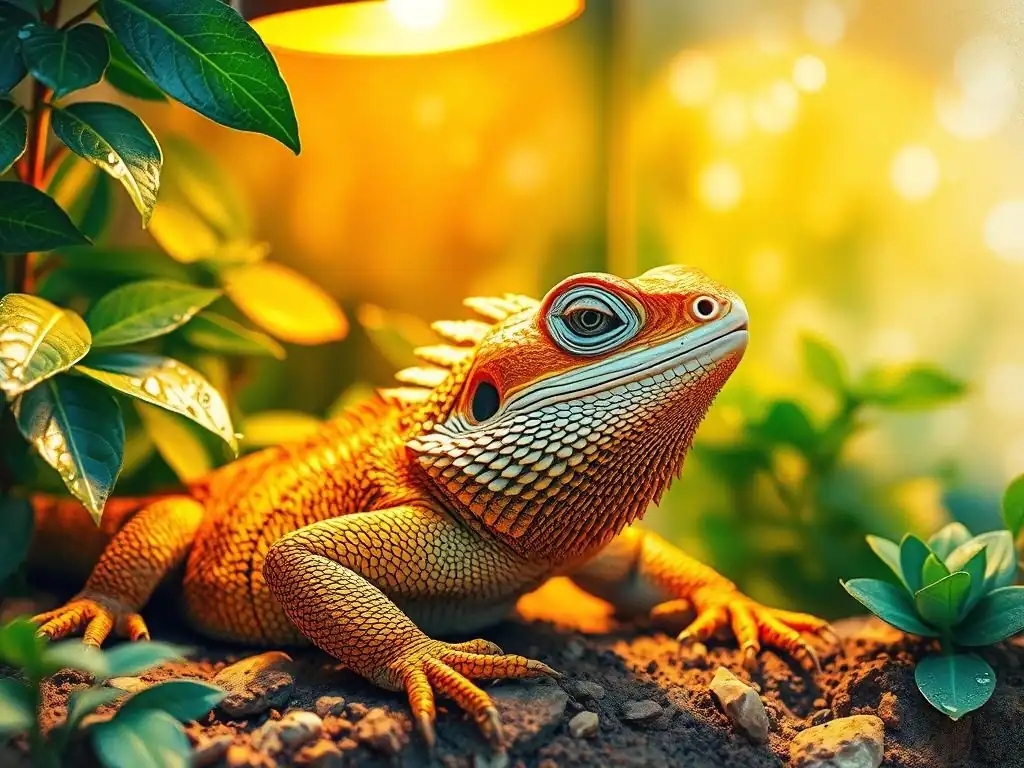
Providing your reptile with the correct temperature and light cycle is crucial for its overall well-being. A dual heat and light system allows for precise control over both, leading to significant improvements in behavior and activity levels. Many reptiles are ectothermic, meaning they rely on external sources of heat to regulate their body temperature. Insufficient heat can lead to lethargy, poor appetite, and difficulty digesting food.
Conversely, excessively high temperatures can cause stress, dehydration, and even death. A dual system, however, allows you to create a thermal gradient within the enclosure, offering your reptile the ability to choose its preferred temperature zone throughout the day. This is especially important for species that require basking spots for digestion and thermoregulation.
The light cycle is equally important. Reptiles use light cues to regulate their circadian rhythms, influencing their sleep-wake cycles, feeding patterns, and reproductive behaviors. An inconsistent or inadequate light cycle can disrupt these natural processes, resulting in behavioral problems, such as increased aggression or lethargy.
A dual system allows you to mimic natural daylight patterns, promoting more natural and healthy behaviors. For example, a bearded dragon exposed to a proper light cycle will exhibit more natural basking behavior, leading to improved digestion and a more active lifestyle. Conversely, a reptile kept under inadequate lighting may become less active, less responsive, and more prone to illness.
The ability to fine-tune both the heat and light components ensures your reptile's environment is optimized for natural behavior and activity. This translates to a happier, healthier reptile that actively engages with its environment. Consider the specific needs of your reptile species; some require UVB light for calcium absorption, which a high-quality dual system can effectively provide.
Enhancing Reptile Immunity and Overall Well-being with Optimal Environmental Conditions
Optimal environmental conditions, facilitated by a dual heat and light system, are paramount for boosting reptile immunity and overall health. Maintaining the correct temperature and humidity levels is key to preventing infections and diseases. Reptiles with compromised immune systems are more susceptible to bacterial, viral, and parasitic infections.
A dual system allows for precise control over temperature, creating a stable and consistent environment that minimizes stress and supports a robust immune response. Fluctuations in temperature can weaken a reptile's immune system, making it more vulnerable to illness. A stable temperature range, carefully managed with a dual system, provides a consistent and supportive environment for the reptile's immune function.
Furthermore, proper lighting, particularly UVB lighting, is essential for vitamin D3 synthesis. Vitamin D3 is crucial for calcium absorption, which is vital for strong bones, healthy muscles, and a properly functioning immune system. A deficiency in vitamin D3 can lead to metabolic bone disease (MBD), a serious and often fatal condition.
A dual heat and light system, incorporating a high-quality UVB bulb, ensures adequate vitamin D3 production, significantly reducing the risk of MBD and strengthening the reptile's immune system. By providing the correct combination of heat and light, you are essentially creating an environment that promotes a stronger immune response, thereby enhancing the reptile's ability to fight off potential illnesses.
Investing in a dual heat and light system is therefore not merely a convenience; it's a crucial step in ensuring the long-term health and well-being of your reptile companion. Remember to research your specific reptile's needs to ensure the system is appropriately configured to meet those specific requirements for optimal health and a thriving immune system.
Comparing Dual Heat and Light Systems to Single Heat Source Systems
This section directly addresses the core query: "Dual heat lamp reptile benefits" by comparing the efficacy and safety of dual heat and light systems against traditional single heat source setups. Many reptile keepers rely on a single heat lamp, often overlooking the crucial role of balanced heating and UVB radiation in maintaining optimal reptile health. A dual system, however, integrates both heat and UVB light emission in a single, more efficient and safer unit. This leads to significant advantages in terms of reptile health, well-being, and ease of habitat management. We'll delve into the specific benefits shortly.
Heat Lamp vs. Dual Systems: A Detailed Comparison of Reptile Heating Methods
Traditional reptile heating often involves a single incandescent heat lamp. While effective in providing warmth, these lamps have limitations. They primarily emit heat in the infrared spectrum, offering minimal to no UVB radiation. UVB is essential for reptiles; it helps them synthesize Vitamin D3, crucial for calcium absorption and preventing metabolic bone disease (MBD). A single heat lamp necessitates the addition of a separate UVB bulb, increasing setup complexity and potentially creating inconsistent heating gradients within the enclosure.
In contrast, a dual heat and light system combines both heat and UVB emission in one unit. This integrated approach streamlines the heating and lighting process, ensuring a more consistent thermal gradient and readily available UVB radiation. The efficiency and ease of use offered by a dual system drastically reduce the risk of errors in setup and maintenance, common pitfalls with single heat lamp arrangements. Consider this table summarizing the key differences:
| Feature | Single Heat Lamp System | Dual Heat and Light System |
|---|---|---|
| Heat Source | Incandescent Heat Lamp | Integrated Heating Element |
| UVB Provision | Separate UVB Bulb | Integrated UVB Emission |
| Setup Complexity | High | Low |
| Cost | Potentially Lower (initially) | Potentially Higher (initially) |
| Maintenance | Higher | Lower |
| Consistency | Lower | Higher |
| Risk of MBD | Higher | Lower |
Single Heat Lamp Limitations: Risks of Inconsistent Heating and UVB Deficiency
Relying solely on a single heat lamp presents several significant drawbacks that directly impact reptile health. Inconsistent heating is a major concern. A single lamp might create "hot spots" and leave other areas of the enclosure too cool, forcing the reptile to constantly move to find the optimal temperature. This constant searching for the right temperature can lead to stress and exhaustion, compromising their overall well-being. Furthermore, the reptile may not be able to thermoregulate effectively, leading to health issues.
The lack of sufficient UVB radiation is equally problematic. Without adequate UVB, reptiles cannot produce Vitamin D3, resulting in calcium deficiency. This deficiency manifests as Metabolic Bone Disease (MBD), a debilitating condition characterized by weakened bones, skeletal deformities, and potentially fatal complications. The symptoms of MBD can be subtle initially, making early detection and treatment challenging. Careful monitoring and ensuring proper UVB provision is therefore crucial. A single heat lamp often fails to deliver the necessary UVB levels, increasing the risk of MBD significantly.
Advantages of Dual Systems Over Single Heat Sources: Enhanced Reptile Health and Well-being
Dual heat and light systems offer a multitude of advantages that contribute to improved reptile health and a more manageable habitat. The integrated design simplifies the setup, minimizing the risk of errors in positioning lamps and ensuring consistent heating and UVB exposure across the enclosure. This consistency reduces stress on the reptile, allowing it to thermoregulate efficiently and maintain optimal health. The built-in UVB component eliminates the need for a separate UVB bulb, reducing costs and simplifying maintenance.
Moreover, the improved heating and UVB provision directly translates to a lower risk of MBD. By providing consistent warmth and sufficient UVB, dual systems help reptiles absorb calcium effectively, strengthening their bones and preventing skeletal deformities. This leads to healthier, more active reptiles with improved overall well-being. The ease of use and reduced maintenance also contribute to a less stressful environment for both the reptile and its owner. Ultimately, investing in a dual system is an investment in the long-term health and happiness of your reptile companion. The improved health outcomes often outweigh the initial higher cost.
Selecting and Installing Your Dual Heat and Light System
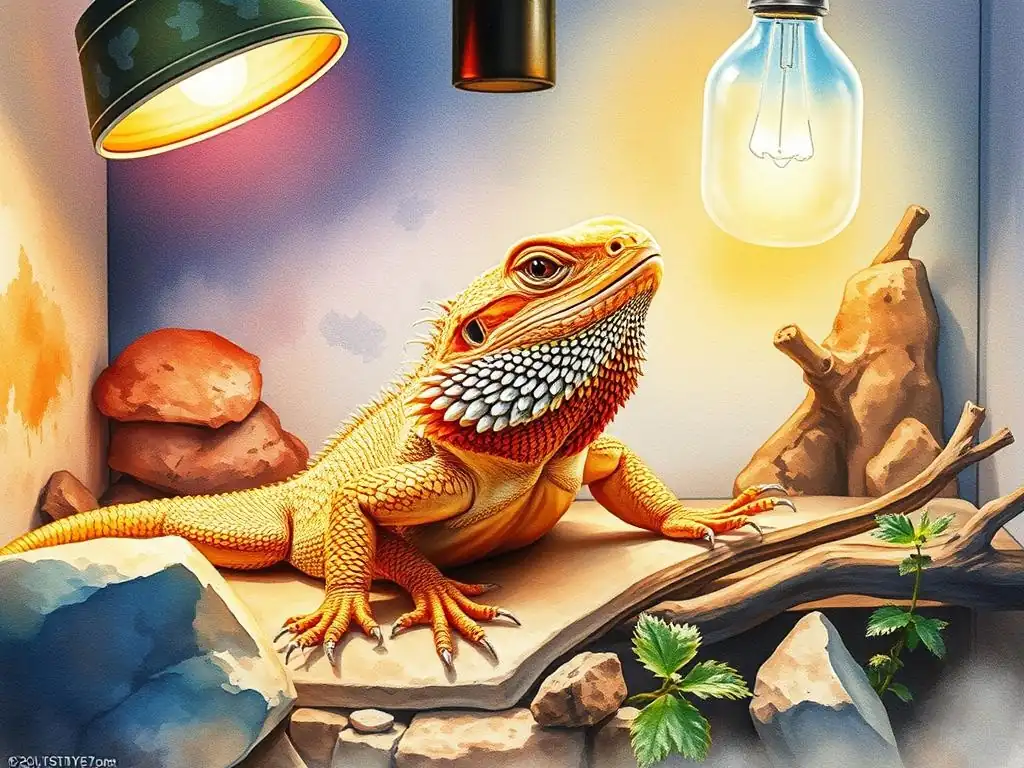
This section focuses on the practical aspects of setting up a dual heat and light system for your reptile, maximizing the benefits for your scaly friend. Proper setup is crucial for their health and well-being, ensuring they thrive in their environment. We'll cover choosing the right equipment and installing it safely. Remember, a healthy reptile relies on a properly functioning and carefully monitored heating and lighting system.
Choosing the Right Bulbs and Fixtures for Your Reptile Enclosure
Selecting the appropriate bulbs and fixtures is paramount when setting up a dual heat and light system for your reptile. The wrong choice can lead to inadequate heating, insufficient UVB, or even injury to your pet. Consider these factors:
- Species-Specific Needs: Different reptile species have varying thermal and UV requirements. A bearded dragon, for instance, needs significantly more UVB than a corn snake. Research your specific reptile's needs before purchasing any equipment. Always consult reputable sources like herpetological societies or veterinary specialists for specific recommendations.
- Heat Lamps: You'll need a heat lamp to provide basking spots, crucial for digestion and thermoregulation. Ceramic heat emitters (CHEs) are a popular choice as they produce heat without emitting light, ideal for nighttime heating. Alternatively, incandescent or halogen bulbs offer both heat and light. The wattage will depend on the enclosure size and your reptile's needs. Higher wattage bulbs generate more heat, but also consume more energy.
- UVB Bulbs: UVB radiation is essential for calcium metabolism and vitamin D3 synthesis in many reptiles. A deficiency can lead to metabolic bone disease (MBD), a severe and often fatal condition. Choose a UVB bulb specifically designed for reptiles, and select the appropriate strength (e.g., 5.0, 10.0) based on your reptile's needs and the distance from the bulb to the basking spot. Remember that UVB bulbs degrade over time and need replacing regularly, typically every 6-12 months, depending on the manufacturer's recommendations.
- Fixtures: The fixture holds the bulbs and should be securely mounted to prevent accidental drops or burns. Ensure the fixture is compatible with the chosen bulb type and wattage. Look for fixtures with good ventilation to prevent overheating. Some fixtures offer adjustable heights, allowing you to fine-tune the distance between the bulb and your reptile.
Safe Installation of Heat Lamps and UVB Bulbs to Prevent Burns and Accidents
Safe installation is crucial to prevent accidents and ensure your reptile's safety. Follow these guidelines:
- Proper Distance: Maintain the correct distance between the heat and UVB lamps and your reptile. Too close, and your reptile risks burns; too far, and the heat or UVB won't be effective. Use a thermometer to monitor temperatures at various points in the enclosure.
- Secure Mounting: Use secure mounting brackets or clamps to prevent the lamps from falling. Ensure the fixture is firmly attached to the enclosure to prevent accidental drops, which could cause serious injury to your reptile. Consider using safety chains or clips as an additional precaution.
- Protective Barriers: Use a protective barrier around the bulbs to prevent your reptile from touching them directly. This is especially important for heat lamps, which can cause severe burns. Mesh guards are a good option, allowing for adequate heat and light penetration while protecting your reptile.
- Electrical Safety: Inspect all wiring regularly for damage or fraying. Use a surge protector to protect your equipment from power surges. Never leave the lamps unattended for extended periods, especially when using high-wattage bulbs. Always unplug the lamps before cleaning or maintenance.
Monitoring Temperatures and Adjusting the System as Needed: Thermometers and Thermostats
Consistent monitoring is key to maintaining the ideal temperature gradient in your reptile enclosure. Fluctuations in temperature can negatively impact your reptile’s health.
- Thermometers: Use multiple thermometers to monitor temperatures at various points within the enclosure: the basking spot, the cool side, and the ambient temperature. Digital thermometers with probes are highly recommended for accuracy. Consider using both surface thermometers (to measure the basking surface temperature) and air thermometers (to measure the overall air temperature).
- Thermostats: A thermostat is essential for automatically regulating the heat lamps and preventing overheating. This device automatically turns the heat lamp on and off based on the set temperature, maintaining a consistent environment. Choose a thermostat compatible with your heat lamp and enclosure. Regularly check the thermostat's accuracy to ensure it is functioning correctly.
- Temperature Gradient: Aim for a temperature gradient within the enclosure, providing both a warm basking spot and a cooler area. This allows your reptile to thermoregulate by moving to different locations within the enclosure, depending on its needs. The ideal temperature range will vary depending on your reptile's species. Always consult reliable sources for species-specific temperature requirements.
- Regular Adjustments: Monitor temperatures daily and adjust the system as needed. Factors such as ambient room temperature, enclosure size, and bulb age can affect the temperature gradient. Regularly check the bulbs for degradation and replace them as needed to maintain optimal heating and UVB output. This proactive approach ensures your reptile's health and wellbeing. Remember, a healthy reptile is a happy reptile! 🦎
Maintaining Your Dual Heat and Light System for Optimal Performance: Bulb Replacement Schedule
Regular maintenance is crucial for ensuring your dual heat and light system continues to provide the optimal basking and ambient temperatures your reptile needs for its health and well-being. Neglecting maintenance can lead to inconsistent heating, potentially causing stress, illness, or even death in your reptile. A key aspect of this maintenance is adhering to a strict bulb replacement schedule.
Different bulbs have different lifespans. Ceramic heat emitters (CHEs), for instance, typically last for several years with consistent use, while incandescent bulbs and specialized reptile UVB bulbs tend to have shorter lifespans, often ranging from six months to a year. However, this is just an estimate; the actual lifespan can be affected by several factors.
The frequency of use, the quality of the bulb, and even ambient temperatures can all contribute to the longevity of your bulbs. Always consult the manufacturer’s instructions for the specific lifespan of your chosen bulbs. Don't rely solely on the visual appearance of the bulb; a bulb can appear to be functioning correctly even when it's significantly reducing its output.
To avoid any issues, develop a proactive replacement schedule. Mark the date of installation for each bulb on a calendar or in a digital document. This simple step will ensure you don’t miss crucial replacement times. Consider setting reminders on your phone or computer to alert you when it's time to change the bulbs. This proactive approach is far better than waiting for a bulb to fail completely, potentially leaving your reptile exposed to unsafe temperatures.
Furthermore, regularly inspect your bulbs for any signs of damage, such as cracks or discoloration. Even if a bulb hasn't reached the end of its expected lifespan, any visible damage necessitates immediate replacement. A damaged bulb can pose a fire hazard and significantly compromise the effectiveness of your heating system.
Always prioritize safety when dealing with heat lamps and electrical equipment. Remember, a small investment in timely bulb replacements can prevent costly veterinary bills and ensure the long-term health and happiness of your reptile. Think of it as preventative reptile care – an ounce of prevention is worth a pound of cure!
Troubleshooting Common Issues with Dual Heat and Light Systems
This section addresses common problems encountered when using dual heat and light systems for reptile enclosures, offering practical solutions to maintain optimal conditions for your reptile's well-being. Proper setup and maintenance are crucial for maximizing the benefits of a dual system and ensuring your reptile thrives. Ignoring these issues can lead to health problems and even mortality. Let's dive into the most frequent challenges and how to overcome them.
Addressing Temperature Inconsistency in Reptile Enclosures
Maintaining a consistent temperature gradient within the reptile enclosure is paramount. Temperature inconsistencies, even minor fluctuations, can stress your reptile, impacting its appetite, digestion, and immune system. A dual heat and light system, while beneficial, requires careful monitoring and adjustment to prevent these inconsistencies.
Several factors contribute to temperature variations. These include:
- Incorrect bulb placement: The distance between the heat lamps and the basking spot directly impacts the temperature. Too close, and you risk overheating; too far, and the basking spot will be too cool. Experiment with placement to achieve the desired temperature gradient. Use a reliable thermometer to accurately measure temperatures at different points within the enclosure.
- Inefficient heat distribution: The enclosure's size and construction materials play a significant role. Larger enclosures, or those made of materials with poor insulation, require more powerful bulbs or supplemental heating to maintain consistent temperatures. Consider adding heat rocks or under-tank heaters for better temperature distribution.
- Poor ventilation: Inadequate ventilation can lead to pockets of hot and cold air within the enclosure, creating inconsistencies. Ensure proper ventilation to allow for optimal air circulation.
- Bulb wattage mismatch: The wattage of your heat and UVB bulbs should be appropriate for the size of your enclosure and the specific needs of your reptile species. Using underpowered bulbs can result in insufficient heating, while overpowered bulbs can lead to overheating.
To address temperature inconsistencies:
- Invest in accurate thermometers: Use both digital and analog thermometers placed at various points within the enclosure (basking spot, cool side) to monitor temperature fluctuations throughout the day and night.
- Adjust bulb placement and wattage: Fine-tune the position of your heat lamps and consider adjusting bulb wattage based on your readings.
- Improve insulation: Consider adding insulation to the enclosure walls to help maintain a more consistent temperature.
- Enhance ventilation: Ensure there is adequate ventilation without creating drafts that could cool down the enclosure.
- Utilize supplemental heating: If necessary, supplement your primary heat source with a heat rock or under-tank heater for more even heat distribution.
Remember to always prioritize the safety and well-being of your reptile. Regular monitoring and adjustments are key to maintaining a stable and comfortable environment.
Dealing with Bulb Malfunctions and Replacement Strategies
Bulb malfunctions are a common occurrence, especially with frequent use. A malfunctioning bulb can lead to inconsistent heating, inadequate UVB radiation, or even fire hazards. Therefore, regular inspection and timely replacements are crucial.
Signs of a malfunctioning bulb include:
- Dimming or flickering: A bulb that dims or flickers indicates it's nearing the end of its lifespan and should be replaced immediately.
- Unusual noise: Any unusual sounds emanating from the bulb, such as buzzing or crackling, are warning signs of a potential problem.
- Visible damage: Cracks or discoloration on the bulb's surface indicate damage and a need for immediate replacement.
Replacement strategies should involve:
- Always turn off the power: Before handling any bulbs, always ensure the power to the enclosure is completely switched off.
- Use appropriate replacement bulbs: Use bulbs of the same type and wattage as the originals, ensuring they are designed for reptile enclosures. Check the manufacturer's recommendations for lifespan and replacement intervals.
- Proper installation: Carefully install the new bulb, ensuring it's securely fitted and positioned correctly to maintain the desired temperature gradient.
- Keep spare bulbs: Having spare bulbs on hand can prevent disruptions in your reptile's environment if a bulb malfunctions unexpectedly.
- Regular inspections: Regularly inspect your bulbs for signs of wear and tear to prevent unexpected malfunctions.
Implementing these strategies will minimize the risk of disruptions caused by bulb malfunctions and ensure the continued optimal functioning of your dual heat and light system. Remember, proactive maintenance is far better than reactive troubleshooting.
Ensuring Proper UVB Penetration in the Reptile Habitat
UVB radiation is essential for many reptiles to synthesize vitamin D3, crucial for calcium absorption and overall bone health. A dual heat and light system should incorporate a UVB bulb to supplement natural sunlight. However, several factors can affect UVB penetration, leading to deficiencies.
Factors affecting UVB penetration:
- Bulb age and type: UVB bulbs lose their effectiveness over time. Replace them according to the manufacturer's recommendations. Different types of UVB bulbs (e.g., coil, linear) have varying penetration capabilities.
- Distance from the reptile: The further the bulb is from the reptile, the less effective the UVB radiation will be. Position the bulb appropriately to ensure adequate exposure.
- Enclosure materials: Certain enclosure materials, such as thick glass or plastic, can significantly reduce UVB penetration. Choose materials that allow for sufficient UVB transmission. Consider using a mesh top for maximum penetration.
- Bulb shielding: Anything blocking the direct line of sight between the bulb and the reptile will reduce UVB exposure. Avoid placing objects between the bulb and the basking area.
To ensure proper UVB penetration:
- Use a high-quality UVB bulb: Choose a reputable brand and ensure the bulb is appropriate for your reptile species and the size of your enclosure.
- Replace bulbs regularly: Replace UVB bulbs every 6-12 months, even if they appear to be functioning correctly.
- Position the bulb correctly: Place the UVB bulb at the appropriate distance from the basking spot.
- Use appropriate enclosure materials: Select enclosure materials that allow for maximum UVB penetration.
- Maintain cleanliness: Keep the bulb and the enclosure clean to prevent dust or debris from reducing UVB transmission.
Regular monitoring of your reptile's health and behavior is crucial to identify potential UVB deficiencies. Signs of deficiency can include lethargy, weakness, bone deformities, and poor appetite. Addressing UVB deficiencies promptly is essential for maintaining your reptile's health and well-being. Remember, a healthy reptile is a happy reptile!
Frequently Asked Questions
What are the benefits of using a dual heat and light system for my reptile?
A dual system offers precise temperature control, crucial for reptile health. It provides both basking heat and ambient warmth, mimicking their natural habitat and promoting optimal digestion and activity levels.
Why is it important to have both heat and light sources?
Reptiles rely on UVB light for vitamin D3 synthesis and heat for thermoregulation. A dual system ensures both needs are met, preventing metabolic bone disease and other health problems. Separate controls allow for individual adjustment.
What types of reptiles benefit most from a dual heat and light system?
Many reptiles benefit, but it's especially crucial for desert-dwelling species like bearded dragons and leopard geckos that require a significant temperature gradient. Species with specific basking requirements also greatly benefit.
How do I choose the right dual heat and light system for my reptile?
Consider your reptile's specific needs and size. Research the appropriate wattage and UVB output. Ensure the system is safe and secure, preventing burns or escape. Consult with a veterinarian or reptile specialist.
Are there any potential drawbacks to using a dual heat and light system?
While generally beneficial, incorrect setup can lead to overheating or insufficient UVB. Regular monitoring of temperatures and bulb function is essential. High energy consumption is another potential factor.
Final Reflection: Illuminating the Path to Reptile Wellness
The integration of dual heat and light systems in reptile care represents a significant advancement in responsible pet ownership, offering a crucial step towards mimicking natural habitats and ensuring optimal reptile health. This isn't merely about providing warmth; it's about fostering a thriving environment that promotes natural behaviors, reduces stress, and ultimately, extends the lifespan of these fascinating creatures. The benefits extend beyond the individual reptile, impacting the ethical considerations of reptile keeping as a whole.
The shift towards understanding the nuanced needs of reptiles, moving beyond simple heat sources to a more holistic approach, is a testament to the evolving understanding of animal welfare. This journey of discovery highlights the importance of continuous learning and adaptation within the pet-keeping community. The best thing we can do is to learn from the past, but to live for the future.
This quote resonates deeply, reminding us that ongoing research and responsible practices are essential for the well-being of our reptile companions.
Consider the impact of your choices. Are you providing your reptile with the best possible environment, one that truly reflects its natural needs? Take the time to research the specific requirements of your reptile species, and don't hesitate to invest in a dual heat and light system. By doing so, you're not just providing warmth and light; you're investing in the health, happiness, and longevity of your scaly friend, contributing to a more ethical and informed future for reptile keeping.
Unlock Your Pet's Comfort: Take Action Today!
Thank you for exploring dual heat and light systems for pets! We hope you now understand how these innovative systems can create a safer, more comfortable environment for your furry friend. Ready to take the next step?
- Prioritize your pet's comfort: Research heating and lighting solutions that best suit your pet's needs and your home. Consider factors like size, wattage, and safety features. Choosing the right system will ensure your pet stays warm and comfortable.
- Share your experience: Tell other pet owners about the benefits you've discovered! Share your thoughts in the comments below – your experience could help others create a more comfortable environment for their pets.
- Improve your pet's space: Consider how you can adapt your current setup to improve your pet's comfort. Even small changes can make a big difference.
Ready to create a cozy, safe, and comforting haven for your pet? What's the first step you'll take to improve your pet's living space?