
Fresh Food Prep 101: Easy Tips for Preparing Nutritious Meals for Birds

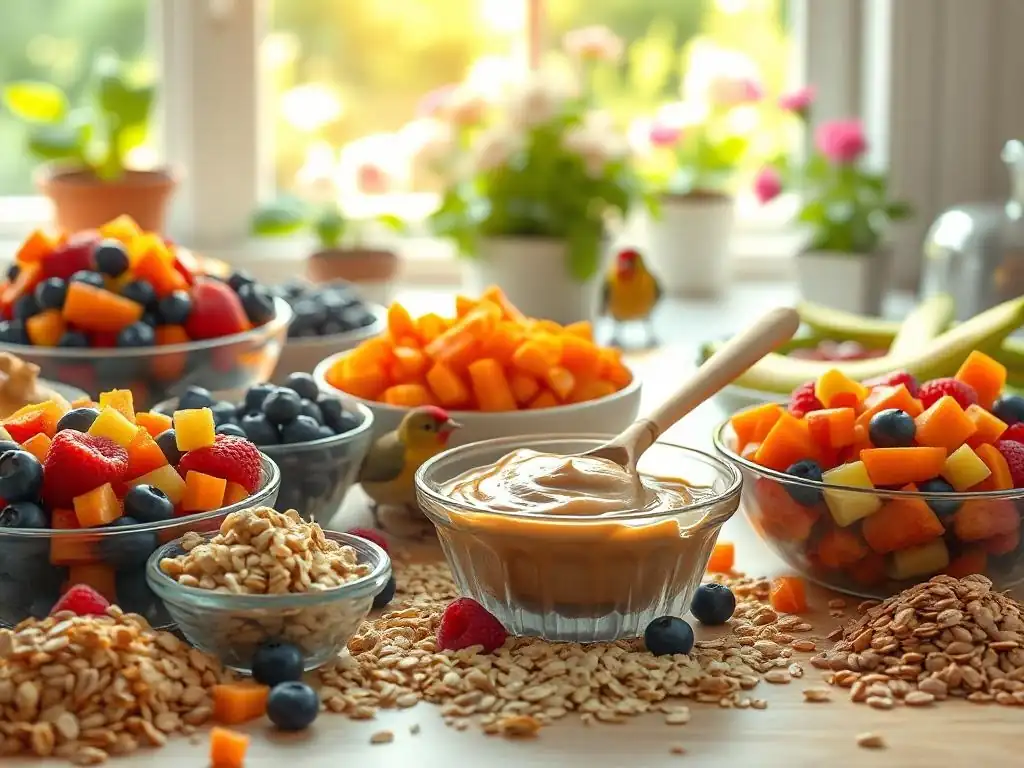
Welcome to PetCareWorld, your ultimate guide to a happier, healthier life for your beloved pets! Are you ready to unlock the secrets to vibrant bird health? We've got you covered. Dive into our expert guide on best bird food recipes homemade, discovering easy and nutritious meal prep tips that will leave your feathered friend chirping with joy. Learn how to create delicious and healthy meals that will keep your bird thriving. Let's explore the world of avian nutrition together!
- Understanding Your Bird's Dietary Needs: A Guide to Best Bird Food Recipes Homemade
- Best Bird Food Recipes Homemade: Simple and Nutritious Options
- Advanced Techniques for Preparing Homemade Bird Food
- Troubleshooting Common Issues with Homemade Bird Food
- Frequently Asked Questions
- Final Reflection: Nourishing Wings, Nourishing Souls
- Unlock Your Bird's Inner Foodie: Start Prepping Today!
Understanding Your Bird's Dietary Needs: A Guide to Best Bird Food Recipes Homemade
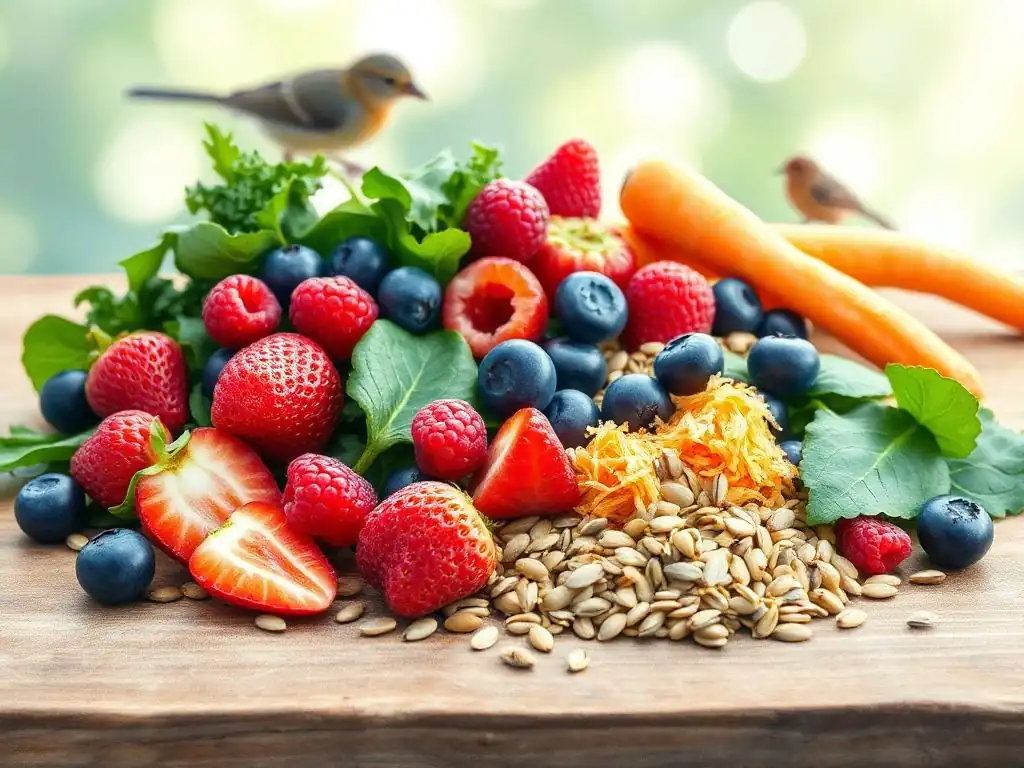
Preparing nutritious, homemade meals for your feathered friend can significantly enhance their health and well-being. This comprehensive guide delves into the essentials of creating delicious and nutritious food for your bird, focusing on providing the best bird food recipes homemade. We'll explore essential nutrients, identify safe and unsafe food options, and address common nutritional deficiencies often overlooked by bird owners.
By following these guidelines, you can contribute to a longer, healthier, and happier life for your beloved avian companion. Remember, a balanced diet is crucial for maintaining vibrant plumage, strong bones, and a robust immune system in your bird. Creating the best bird food recipes homemade doesn't have to be complicated; with a little knowledge and preparation, you can provide your bird with the nourishment they deserve.
Essential Nutrients for a Healthy Avian Diet
A balanced avian diet requires a careful blend of essential nutrients. These nutrients are vital for various bodily functions, from maintaining strong bones and feathers to supporting a healthy immune system. Let's break down the key components:
- Proteins: Essential for muscle growth, feather development, and overall bodily functions. Good sources include cooked lean meats (chicken, turkey), hard-boiled eggs, and certain legumes (in moderation). The percentage of protein in your bird's diet will vary depending on the species and age. [Specific protein percentage recommendations pending based on bird species]
- Fats: Provide energy and aid in the absorption of fat-soluble vitamins. However, moderation is key, as excessive fat can lead to health problems. Healthy fats can be found in small amounts of nuts (e.g., almonds, walnuts – unsalted and in shell) and seeds (e.g., sunflower, pumpkin – offered sparingly).
- Carbohydrates: Provide energy, but should be limited to avoid obesity. Fruits and vegetables offer natural carbohydrates and fiber.
- Vitamins and Minerals: Crucial for various metabolic processes. A deficiency in any of these can lead to significant health issues. While some can be obtained through a varied diet, supplementation might be necessary in some cases. [Specific vitamin and mineral recommendations pending based on bird species]
- Fiber: Essential for healthy digestion. Fruits, vegetables, and some grains provide necessary fiber. Lack of fiber can lead to digestive problems such as constipation. Always ensure your bird has access to grit for proper digestion.
| Nutrient Category | Important Sources | Potential Deficiencies |
|---|---|---|
| Proteins | Cooked lean meats, eggs, legumes | Muscle weakness, poor feather growth |
| Fats | Nuts (in moderation), seeds (in moderation) | Lack of energy, impaired vitamin absorption |
| Carbohydrates | Fruits, vegetables | Low energy levels, weakness |
| Vitamins & Minerals | Varied diet, supplements | Various health problems depending on the deficiency |
| Fiber | Fruits, vegetables, grains | Digestive issues, constipation |
Remember to always introduce new foods gradually to avoid digestive upset. A gradual transition allows your bird's digestive system to adjust to the new ingredients. Observe your bird for any signs of adverse reactions after introducing a new food.
Identifying Safe and Unsafe Foods for Your Bird
Knowing which foods are safe and unsafe for your bird is crucial for their health. Some foods are toxic, while others may be simply unsuitable for their digestive system. Here's a breakdown:
Safe Foods: Many fruits and vegetables are excellent additions to a bird's diet. These include:
- Apples (remove seeds and core)
- Bananas (in moderation)
- Blueberries
- Carrots
- Broccoli
- Green beans
- Peppers (remove seeds)
Unsafe Foods: These foods should be avoided completely:
- Avocado 🥑
- Chocolate 🍫
- Caffeine ☕
- Alcohol 🍻
- Onions 🧅
- Garlic 🧄
- Salty foods 🧂
Always research the specific needs of your bird species, as some birds may tolerate certain foods better than others. This list provides a general guideline, but it's essential to consult avian veterinary resources for species-specific dietary information.
Common Nutritional Deficiencies in Bird Diets and How to Avoid Them
Nutritional deficiencies can significantly impact your bird's health, leading to various problems. Some common deficiencies include:
- Vitamin A Deficiency: Can lead to poor feather growth, eye problems, and weakened immunity. Ensure your bird consumes foods rich in beta-carotene, which the body converts to Vitamin A. [Specific foods rich in beta-carotene for birds pending]
- Calcium Deficiency: Can result in weak bones, egg-laying problems (in females), and muscle weakness. Provide calcium-rich foods like leafy greens and cuttlebone.
- Vitamin D Deficiency: Can cause weakened bones and muscle problems. While some sunlight exposure is beneficial, it's important to supplement with Vitamin D as needed, especially for indoor birds. [Specific Vitamin D supplementation recommendations pending]
Preventing these deficiencies involves providing a varied and balanced diet, including fresh fruits, vegetables, and appropriate protein sources. Regular veterinary checkups are crucial to monitor your bird's health and identify any potential deficiencies early on. Don't hesitate to consult with an avian veterinarian for personalized dietary advice tailored to your bird's specific needs and species. They can conduct tests to identify any deficiencies and recommend appropriate solutions.
Best Bird Food Recipes Homemade: Simple and Nutritious Options
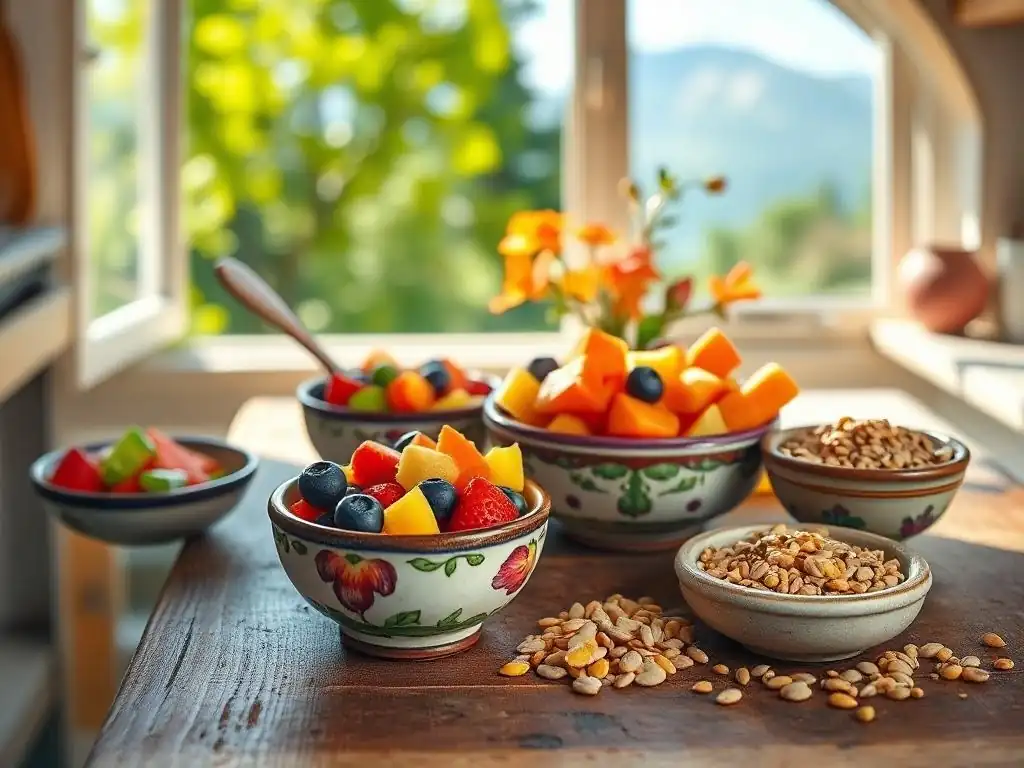
This section delves into creating delicious and nutritious homemade bird food, focusing on recipes that are easy to prepare and packed with essential nutrients. Remember to always consult with an avian veterinarian before making significant changes to your bird's diet, especially if they have pre-existing health conditions. The best bird food recipes homemade are those tailored to your bird's specific needs and preferences. Variety is key to ensuring a balanced diet.
Quick and Easy Recipes for Daily Bird Feed
Many bird owners seek quick and easy solutions for daily feeding. Here are a few recipes that are both nutritious and simple to prepare:
Recipe 1: Quick Veggie Mix
- 1/4 cup chopped broccoli florets
- 1/4 cup shredded carrots
- 1 tablespoon cooked, unsalted quinoa
- 1 teaspoon finely chopped parsley
Instructions: Simply mix all ingredients together. This recipe provides essential vitamins and fiber. Serve fresh daily.
Recipe 2: Fruit and Nut Medley
- 1/4 cup chopped apple (remove seeds and core)
- 1/4 cup chopped banana
- 1 tablespoon unsalted, shelled sunflower seeds
- 1 teaspoon chopped walnuts (small pieces to avoid choking hazards)
Instructions: Combine all ingredients. Offer this mix as a supplemental treat, not a primary food source. Avoid grapes and avocado, which are toxic to birds.
Nutritional Considerations: These recipes provide a good source of vitamins, minerals, and fiber. Adjust quantities based on your bird's size and daily caloric needs. Always supervise your bird during feeding to ensure safe consumption. Observe for any signs of digestive upset after introducing new foods. Remember to remove any uneaten food after a few hours to prevent spoilage.
Preparing Delicious and Nutritious Seed Sprouts for Your Bird
Seed sprouts offer a fantastic source of easily digestible nutrients for birds. They are packed with vitamins, enzymes, and antioxidants, boosting your bird's immune system and overall health. Here's a step-by-step guide:
- Choose your seeds: Opt for seeds that are specifically intended for sprouting, such as alfalfa, mung beans, or lentils. Avoid using seeds treated with pesticides or chemicals.
- Rinse and soak: Rinse the seeds thoroughly under cold water. Soak them in a bowl of fresh water for 6-8 hours, or overnight.
- Drain and rinse: Drain the soaked seeds and rinse them again.
- Sprouting: Place the seeds in a sprouting container (a jar or a sprouting tray works well). Rinse them twice a day with fresh, clean water.
- Harvest: Once the sprouts have developed small leaves (usually 2-3 days), they are ready to harvest. Rinse them one last time before offering them to your bird.
Important Note: Always ensure that the sprouts are fresh and free from mold. Discard any sprouts that show signs of spoilage. Introduce sprouts gradually into your bird's diet to monitor for any adverse reactions. Sprouting is a great way to increase the nutritional value of your bird's diet and offer a delicious, crunchy treat.
Homemade Fruit and Vegetable Purees for Baby Birds and Sick Birds
Fruit and vegetable purees are invaluable for hand-feeding baby birds or providing easily digestible nutrition for sick birds. These purees are gentle on their digestive systems and provide essential nutrients for growth and recovery.
Recipe 1: Simple Apple-Carrot Puree
- 1/2 medium apple (peeled, cored, and chopped)
- 1/2 medium carrot (peeled and chopped)
- A few drops of water (if needed for blending)
Instructions: Steam or boil the apple and carrot until soft. Blend until smooth using a blender or food processor. Add a few drops of water if necessary to achieve a smooth consistency. This puree is rich in vitamins A and C.
Recipe 2: Green Veggie Puree
- 1/4 cup cooked spinach
- 1/4 cup cooked green beans
- 1 tablespoon cooked sweet potato
Instructions: Steam or boil the vegetables until soft. Blend until smooth. This puree offers vital vitamins and minerals.
Important Considerations: Always use fresh, high-quality ingredients. Avoid adding any sugars, salts, or seasonings. Introduce purees gradually to monitor for any digestive issues. Store leftover purees in the refrigerator for up to 24 hours. Discard any puree that shows signs of spoilage. Consult with an avian veterinarian for specific dietary recommendations for baby birds or birds with health problems. Providing a variety of purees ensures a broader range of nutrients for your feathered friend.
Creating Nutritious Bird Mash: A Guide to Best Bird Food Recipes Homemade
Creating a nutritious bird mash is a fantastic way to provide your feathered friend with a delicious and healthy meal, contributing significantly to their overall well-being. This approach allows for customization based on your bird's specific dietary needs and preferences, making it a superior choice compared to many commercially available options. The key is to balance ingredients carefully, ensuring a mix of essential vitamins, minerals, and proteins.
One excellent recipe for a basic bird mash incorporates cooked brown rice as a foundation. Brown rice provides complex carbohydrates, offering sustained energy throughout the day. To this, add finely chopped, cooked vegetables like carrots, sweet potatoes, and green beans. These vegetables are packed with essential vitamins and fiber, promoting healthy digestion. A small amount of cooked, lean protein, such as finely shredded chicken or hard-boiled egg (ensure it's completely cooked! ), can also be incorporated. Protein is crucial for muscle development and overall health.
Remember to introduce new foods gradually to avoid digestive upset. Start with small portions of the new mash, mixed with your bird's regular food, and slowly increase the proportion over several days. Observe your bird closely for any signs of digestive distress, such as diarrhea or lethargy. If you notice any problems, immediately revert to their regular diet and consult with an avian veterinarian.
It's crucial to avoid adding any ingredients that are toxic to birds, such as avocado, chocolate, caffeine, or onions. Always thoroughly wash all vegetables and fruits before incorporating them into the mash. Furthermore, ensure all ingredients are cooked properly to eliminate any potential bacteria. Proper food preparation is paramount for maintaining your bird's health.
The beauty of homemade bird mash lies in its versatility. You can experiment with different fruits and vegetables, introducing seasonal options to provide a wider range of nutrients throughout the year. For example, during summer months, you might add blueberries or raspberries, rich in antioxidants. In winter, consider adding cooked pumpkin or butternut squash, offering a boost of vitamins and fiber. Always remember to chop ingredients finely to prevent choking hazards.
A food processor can be a helpful tool for achieving the right consistency. The goal is to create a mash that is easily consumed by your bird, without being overly watery or too dry. Regularly monitor your bird's weight and overall health to assess the effectiveness of your homemade recipes. A happy, healthy bird is the best reward for your efforts! This approach to creating best bird food recipes homemade is truly rewarding.
Advanced Techniques for Preparing Homemade Bird Food
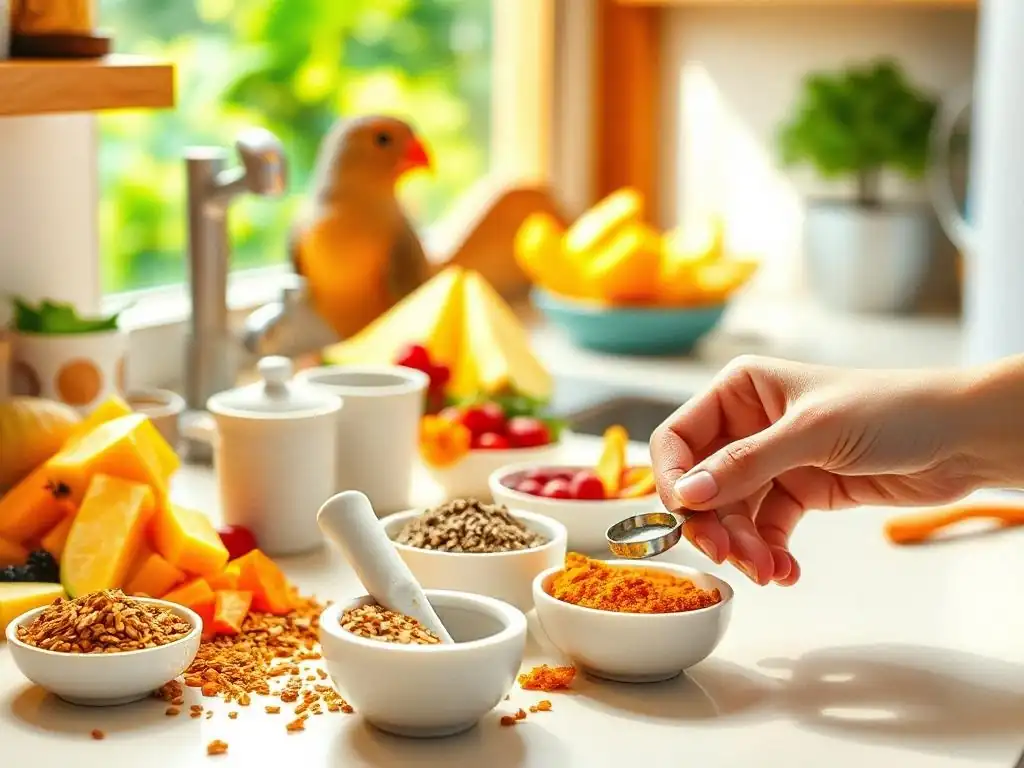
This section delves into more sophisticated methods for creating nutritious and palatable meals for your feathered friends, going beyond the basics of chopping vegetables and fruits. We'll explore techniques to maximize nutrient retention and create a varied and exciting diet for your bird. Finding the best bird food recipes homemade often involves mastering these advanced preparation methods.
Incorporating Herbs and Supplements into Your Bird's Diet
Many herbs and supplements can offer significant health benefits to birds. However, it's crucial to research thoroughly before introducing anything new to your bird's diet. Some herbs, while beneficial for humans, can be toxic to birds. Always consult with an avian veterinarian before adding any supplements or herbs to your bird's food.
Here's a table outlining some safe and beneficial additions, along with precautions:
| Herb/Supplement | Benefits | Precautions | Dosage Guidelines |
|---|---|---|---|
| Parsley | Rich in Vitamin K, antioxidants | Use sparingly, avoid large quantities | A small sprig a few times a week |
| Cilantro | Aids digestion | Introduce gradually to monitor for sensitivity | A small amount, a few times a week |
| Turmeric | Anti-inflammatory properties | Use in very small quantities, monitor closely | A pinch, once or twice a week, at most |
| Note: Always consult your avian veterinarian before introducing any new herbs or supplements to your bird's diet. |
Remember, moderation is key. Even beneficial herbs and supplements should be given in small amounts to avoid digestive upset. Observe your bird closely for any adverse reactions after introducing a new ingredient. Early detection of any problems is crucial for your bird's health.
Making Homemade Bird Biscuits: A Healthy and Tasty Treat
Homemade bird biscuits offer a fun and nutritious addition to your bird's diet. They are easy to make and can be customized to include a variety of healthy ingredients. These biscuits provide a different texture and can help keep your bird mentally stimulated. They are a great way to incorporate seeds, grains, and other nutritious elements that might not be as readily accepted in other forms.
Here's a basic recipe:
- 1 cup whole wheat flour
- ½ cup rolled oats
- ¼ cup finely chopped vegetables (e.g., carrots, zucchini)
- 1 egg, lightly beaten
- ¼ cup water
- 1 tablespoon honey (optional)
Instructions:
- Preheat oven to 350°F (175°C).
- Combine all dry ingredients in a bowl.
- Add the egg and water, mixing until a dough forms.
- Roll out the dough to about ¼ inch thickness.
- Use cookie cutters to create fun shapes, or simply cut into small squares.
- Bake for 15-20 minutes, or until golden brown.
- Let cool completely before giving to your bird.
Remember to always supervise your bird when offering any treats, including homemade biscuits.
Storing and Preserving Homemade Bird Food for Optimal Freshness
Proper storage is essential to maintain the nutritional value and safety of homemade bird food. Spoiled food can lead to illness, so freshness is paramount.
- Refrigeration: Most fresh food preparations should be refrigerated and used within 2-3 days. This significantly slows bacterial growth.
- Freezing: For longer-term storage, freezing is the best option. Portion food into small, freezer-safe containers for easy thawing. Frozen food should be thawed in the refrigerator before serving. Avoid repeated freezing and thawing cycles.
- Airtight Containers: Use airtight containers to minimize exposure to air and moisture, which can lead to spoilage.
- Avoid Cross-Contamination: Always wash your hands and thoroughly clean all surfaces before preparing bird food to prevent cross-contamination with harmful bacteria.
By following these guidelines, you can ensure your bird enjoys fresh, nutritious, and safe homemade meals, maximizing the benefits of your efforts in creating the best bird food recipes homemade. Remember that consistency and variety are key to a healthy and happy bird!
Troubleshooting Common Issues with Homemade Bird Food
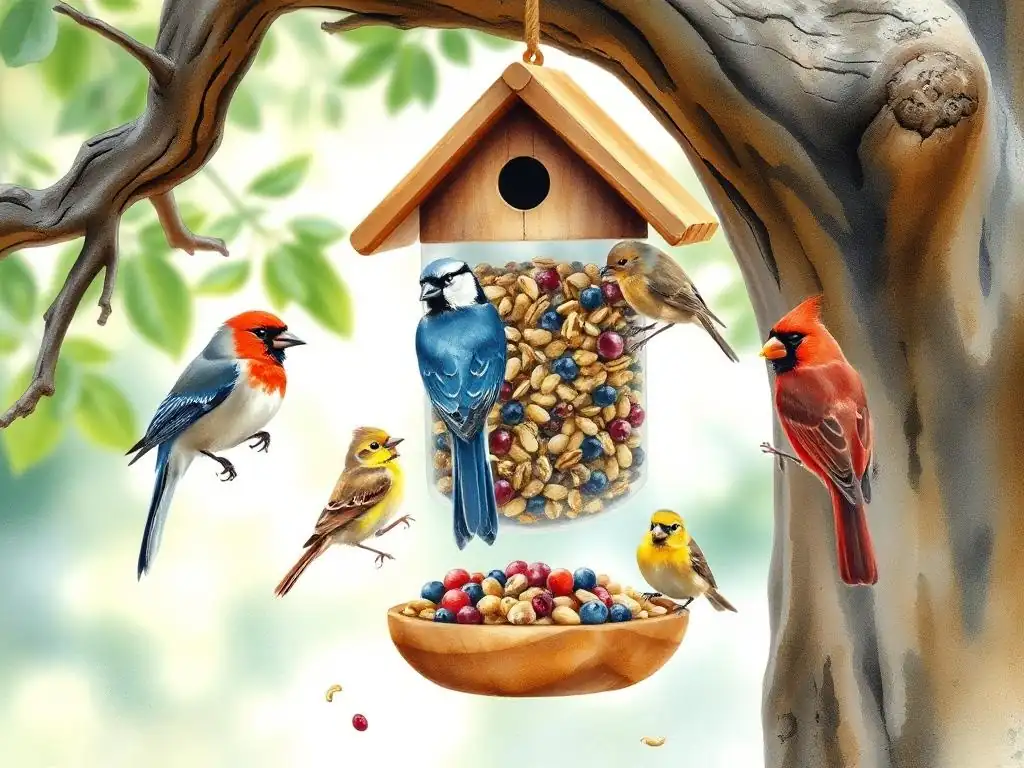
Preparing homemade bird food offers numerous benefits, including greater control over ingredients and the satisfaction of knowing exactly what your feathered friend is consuming. However, the journey isn't always smooth sailing. This section addresses common challenges encountered when preparing fresh, nutritious meals for your bird, providing practical solutions to ensure a successful and enjoyable experience for both you and your pet. Successfully navigating these issues will help you achieve the goal of providing the best bird food recipes homemade.
Dealing with Picky Eaters: Encouraging Your Bird to Try New Foods
Many bird owners face the frustration of a picky eater. Birds, like humans, have preferences. Introducing new foods requires patience and a strategic approach. Don't be discouraged if your bird initially rejects a new recipe. Here's a step-by-step guide to overcome this hurdle:
- Gradual Introduction: Start by mixing a small amount of the new food with a familiar favorite. Gradually increase the proportion of the new food over several days or even weeks. This helps your bird adjust to the new taste and texture without feeling overwhelmed.
- Variety is Key: Offer a diverse range of fresh foods, rotating them regularly to prevent boredom and encourage exploration. Think of it as a culinary adventure for your bird!
- Presentation Matters: The way you present the food can significantly impact your bird's willingness to try it. Try offering it in different forms – finely chopped, grated, or as small pieces – to see what your bird prefers. Experiment with different serving dishes as well.
- Positive Reinforcement: Reward your bird with praise and small treats when they try a new food, even if they only take a small bite. Positive reinforcement strengthens the association between the new food and a positive experience.
- Patience is Paramount: Remember, it can take time for a bird to accept new foods. Don't give up easily! Persistence and a positive attitude are crucial.
For example, if your bird refuses to eat a new vegetable mix, try adding a small amount to their usual seed mix. Gradually increase the vegetable portion over a week or two. If they still refuse, try presenting the vegetables in a different way, such as finely chopped or pureed. Remember to always supervise your bird during meal times and remove any uneaten food promptly to prevent spoilage.
Understanding Food Spoilage and Preventing Waste
Food spoilage is a significant concern when preparing homemade bird food. Bacteria and mold can quickly develop, posing a serious health risk to your bird. Proper food handling and storage are crucial to minimize waste and ensure your bird's safety.
- Freshness is Key: Use only the freshest ingredients. Avoid using produce that shows signs of bruising, discoloration, or spoilage.
- Proper Storage: Store prepared food in airtight containers in the refrigerator. Most homemade bird food should be consumed within 24-48 hours. Some recipes may require freezing for longer storage. Always label containers with the date of preparation.
- Observe for Spoilage: Regularly inspect your bird's food for signs of mold, discoloration, or unusual odors. Discard any food that shows signs of spoilage immediately.
- Portion Control: Prepare only the amount of food your bird can consume within a day or two to minimize waste and reduce the risk of spoilage. This is particularly important during warmer months.
- Hygiene is Crucial: Maintain impeccable hygiene when preparing and handling bird food. Wash your hands thoroughly, and use clean utensils and containers.
Adjusting Recipes Based on Your Bird's Specific Needs and Preferences
Each bird is unique, with individual dietary requirements and preferences. While a recipe might work well for one bird, it might not be suitable for another. It's essential to adjust recipes based on your bird's specific needs and preferences, considering factors such as species, age, health conditions, and activity level.
| Factor | Considerations | Example |
|---|---|---|
| Species | Different bird species have different dietary needs. | Cockatoos require a higher fat content than finches. |
| Age | Young birds require different nutrients than adult birds. | Chicks need a higher protein diet than mature birds. |
| Health Conditions | Birds with specific health issues may require dietary modifications. | Birds with liver problems might need a low-fat diet. |
| Activity Level | Active birds require more calories than less active birds. | A highly active bird needs more energy-rich foods than a sedentary one. |
| Individual Preferences | Some birds are picky eaters and may prefer certain foods over others. | One bird might love berries, while another prefers vegetables. |
Remember, providing your bird with a balanced and varied diet is crucial for their health and well-being. By understanding and addressing these common issues, you can confidently prepare delicious and nutritious homemade meals that your bird will love. Finding the best bird food recipes homemade is a journey of experimentation and adaptation, tailored specifically to your unique feathered companion.
Frequently Asked Questions
What are the key ingredients for a healthy homemade bird food recipe?
A healthy recipe should include a variety of fresh fruits and vegetables, cooked grains like brown rice or quinoa, and a source of protein like cooked lentils or hard-boiled eggs. Remember to always research your specific bird's dietary needs.
How often should I prepare homemade bird food?
It's best to prepare fresh food every 2-3 days to ensure freshness and prevent spoilage. Leftovers should be discarded to avoid bacterial growth.
Are there any foods I should avoid giving my bird?
Yes, avocado, chocolate, caffeine, and alcohol are all toxic to birds. Also avoid uncooked beans, salt, and excessive amounts of fat. Always research safe foods for your specific bird species.
Can I use seeds as the primary component of my homemade bird food?
Seeds should only be a small part of a balanced diet, not the primary ingredient. Over-reliance on seeds can lead to nutritional deficiencies. Focus on a variety of fresh foods.
Where can I find more detailed recipes for homemade bird food?
PetCareWorld offers many detailed recipes and guides tailored to various bird species. Explore our website for in-depth information and to find recipes perfect for your feathered friend's specific dietary needs.
Final Reflection: Nourishing Wings, Nourishing Souls
The simple act of preparing fresh food for our feathered friends transcends mere sustenance; it's an act of connection, a testament to the profound bond we share with nature. Providing our birds with nutritious, homemade meals isn't just about ticking a box on their care checklist; it's about actively participating in their well-being and enriching their lives in meaningful ways. This directly impacts their health, vibrancy, and overall quality of life.
The journey of discovering the joy of preparing fresh bird food has been deeply rewarding. It's not just about following recipes; it's about understanding the nutritional needs of our avian companions and adapting our approach to their individual preferences. The best mirror is an old friend.
This holds true for our birds; observing their reactions to different foods offers invaluable insight into their tastes and dietary needs, allowing us to tailor their meals for optimal health and happiness. This personal connection deepens our understanding and appreciation for these remarkable creatures.
Now, I invite you to embark on your own culinary adventure for your feathered friends. Don't be afraid to experiment, to adapt the recipes presented here to suit your birds' unique needs and preferences. Remember, every seed, every fruit, every carefully prepared meal is a testament to the love and care you provide. The journey of preparing fresh, nutritious food for your birds is a journey of connection, learning, and ultimately, of enriching the lives of these beautiful creatures. Start today, and witness the transformative power of a simple, yet profoundly meaningful, act.
Unlock Your Bird's Inner Foodie: Start Prepping Today!
Thanks for learning about preparing fresh, healthy meals for your feathered friend! You now have the tools to create a truly nutritious diet. Ready to put your knowledge into practice?
- Dive into meal prepping: Begin by trying one new recipe this week. Even small changes can make a big difference!
- Share your bird's culinary adventures: Post a picture of your bird enjoying its fresh food on social media and tag us! #PetCareWorldFoodieBirds
- Explore our other articles on bird nutrition for more delicious recipe ideas and feeding tips.
What fresh ingredient will you try in your bird's next meal?