
Rabbit Housing 101: The Ultimate Guide to Creating a Safe & Happy Home

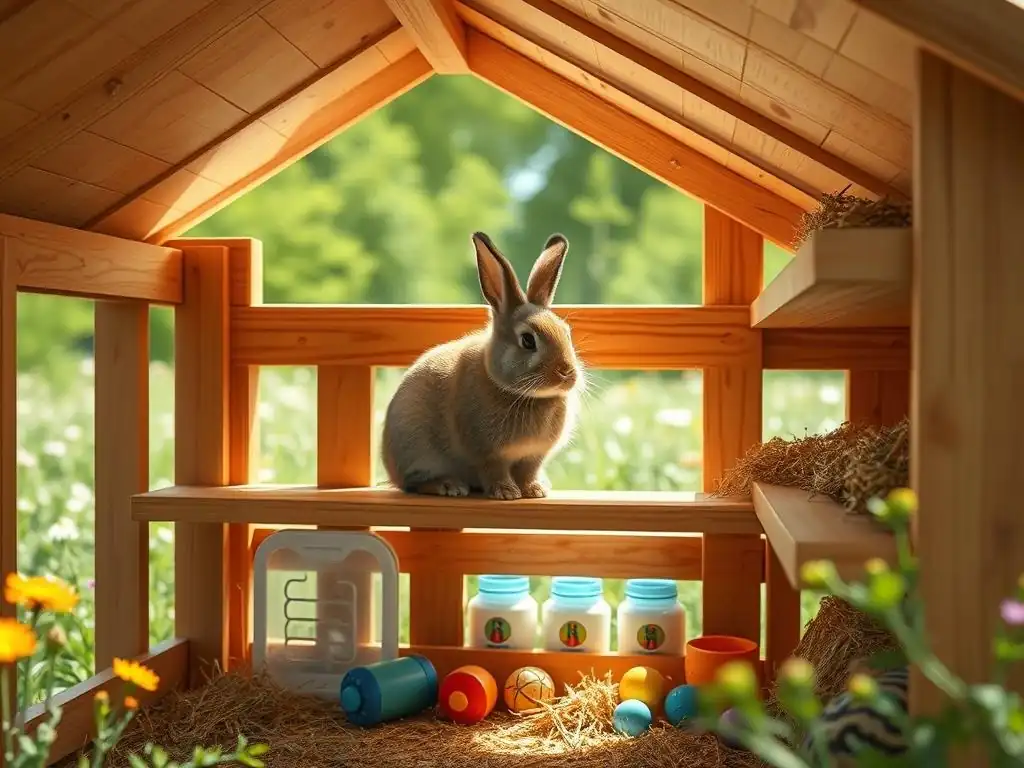
Welcome to PetCareWorld, your ultimate guide to a happier, healthier life for your beloved companions! Are you ready to create the perfect sanctuary for your furry, feathered, or scaled friend? Then dive into our best rabbit hutch setup guide, a comprehensive resource packed with expert advice to ensure your rabbit thrives in a safe and stimulating environment. Discover the secrets to building the ideal rabbit hutch and unlock the key to a truly happy bunny. Let's embark on this enriching journey together!
- Choosing the Best Rabbit Hutch: Size, Material & Features
- Setting Up the Ideal Rabbit Hutch: A Step-by-Step Guide
- Best Rabbit Hutch Setup Guide: Interior Design and Layout
- Understanding Your Rabbit's Needs: Behavior and Enrichment
- Maintaining a Healthy Rabbit Hutch Environment: A Practical Guide
- Troubleshooting Common Rabbit Housing Problems
- Building Your Own Rabbit Hutch: A DIY Guide (Optional)
- Frequently Asked Questions
- Final Reflection: Building Bridges to a Better Bunny Life
- Unleash Your Bunny's Best Life: Actionable Steps to a Thriving Habitat
Choosing the Best Rabbit Hutch: Size, Material & Features
Welcome to the ultimate guide on creating a safe and happy home for your beloved rabbit! Finding the perfect rabbit hutch is crucial for your bunny's well-being, impacting everything from their physical health to their mental stimulation. This comprehensive guide will walk you through the essential considerations when choosing a hutch, helping you build the ideal environment for your furry friend.
We'll cover everything from determining the right size based on your rabbit's breed to understanding the pros and cons of different materials and identifying key features of a high-quality rabbit hutch. This guide aims to be your definitive resource for creating the best rabbit hutch setup, helping you rank high in your search for the "best rabbit hutch setup guide." Let's dive in and ensure your rabbit enjoys a comfortable and stimulating home!
Determining the Appropriate Hutch Size for Your Rabbit Breed
The size of your rabbit hutch is paramount. A cramped space can lead to stress, behavioral problems, and even health issues. The general rule of thumb is that your rabbit should have enough space to comfortably stretch out fully, hop freely, and comfortably stand on its hind legs without hitting the roof or sides. Different breeds vary significantly in size, so consider this carefully. For example, a Flemish Giant rabbit will require a significantly larger hutch than a dwarf rabbit.
Here's a helpful table to guide you:
| Rabbit Breed | Approximate Adult Size | Minimum Hutch Dimensions (L x W x H) |
|---|---|---|
| Flemish Giant | Large | 6 ft x 4 ft x 4 ft |
| Giant Papillon | Large | 5 ft x 3 ft x 3.5 ft |
| New Zealand White | Medium | 4 ft x 3 ft x 3 ft |
| Dutch | Medium | 4 ft x 2.5 ft x 3 ft |
| Dwarf Lop | Small | 3 ft x 2 ft x 2.5 ft |
| Lionhead | Small | 3 ft x 2 ft x 2.5 ft |
Remember these are minimum sizes. Larger is always better! Consider providing additional space for exercise outside the hutch, such as a run or playpen. 🐰
Essential Materials: Wood vs. Wire – Pros and Cons
Choosing the right materials for your rabbit hutch is crucial for your pet's safety and comfort. The two most common materials are wood and wire, each with its own advantages and disadvantages.
Wood:
- Pros: Provides excellent insulation, keeping your rabbit warm in winter and cool in summer. Offers a more natural and aesthetically pleasing look. Can be more durable and long-lasting.
- Cons: Can be more expensive. Requires regular cleaning and maintenance to prevent rot and infestation. Can be chewed on by some rabbits, potentially leading to splinters or ingestion of wood chips.
Wire:
- Pros: Generally more affordable. Easier to clean. Offers good ventilation.
- Cons: Can be cold in winter and hot in summer. Less durable than wood. Can cause injuries to your rabbit's paws if the wire mesh is too coarse. Offers less protection from predators.
Ideally, a combination of wood and wire is often the best option. A solid wooden base provides warmth and protection, while wire sides ensure adequate ventilation.
Key Features to Look for in a High-Quality Rabbit Hutch
Beyond size and materials, several key features contribute to a high-quality rabbit hutch. These features enhance your rabbit's comfort, safety, and overall well-being.
- Easy Cleaning: A hutch with easily accessible trays and removable parts simplifies cleaning, which is crucial for maintaining hygiene and preventing disease.
- Secure Latches: Robust latches are essential to prevent escapes and ensure your rabbit's safety.
- Adequate Ventilation: Proper ventilation prevents the build-up of ammonia and other harmful gases, crucial for respiratory health.
- Durable Construction: A sturdy, well-built hutch will last longer and withstand the rigors of daily use.
- Multiple Levels/Areas: Providing multiple levels or separate areas within the hutch encourages natural rabbit behaviors like exploring and resting. Consider adding ramps for easy access between levels.
- Weather Protection: If placed outdoors, ensure the hutch offers protection from rain, wind, and extreme temperatures.
Choosing the right rabbit hutch is an investment in your pet’s happiness and health. By carefully considering these factors, you can create a safe, comfortable, and enriching environment for your bunny to thrive in! 🎉
Indoor vs. Outdoor Rabbit Hutches: A Comprehensive Comparison
Choosing between an indoor and outdoor rabbit hutch significantly impacts your bunny's well-being and your own convenience. The best option depends heavily on your lifestyle, climate, and the rabbit's specific needs. Let's delve into a detailed comparison to help you make an informed decision.
Indoor hutches offer unparalleled climate control. Your rabbit will be protected from extreme temperatures, rain, snow, and wind, ensuring consistent comfort throughout the year. This is especially crucial for rabbits, who are sensitive to temperature fluctuations and can easily suffer from heatstroke or hypothermia. Furthermore, indoor placement allows for closer interaction with your pet, strengthening the bond and making daily care routines easier.
However, indoor housing requires careful consideration of space. You'll need a dedicated area that's large enough for the hutch and allows for sufficient room for your rabbit to exercise and play outside the hutch. Also, indoor rabbits might require more frequent litter box cleaning due to proximity to living areas. Finally, potential household hazards, such as electrical cords and toxic substances, need to be completely secured to ensure your rabbit's safety.
Outdoor hutches, on the other hand, offer a more natural environment, allowing your rabbit access to fresh air and sunlight (provided they have adequate shade). Many rabbits thrive on the stimulation of outdoor sights and sounds, particularly if their hutch is placed in a safe, enclosed area of a garden. However, outdoor hutches present significant challenges regarding climate control. Extreme weather conditions can pose serious risks to your rabbit's health, necessitating robust weatherproofing and potentially additional heating or cooling systems depending on your location.
Predators also present a considerable threat, requiring secure fencing and vigilant monitoring to protect your rabbit from foxes, coyotes, or even neighborhood cats. Regular cleaning becomes more challenging, especially during inclement weather, and routine maintenance must account for seasonal changes and potential damage from the elements. The level of daily interaction may also decrease due to the physical separation.
Ultimately, the best choice hinges on a careful assessment of your circumstances. Consider factors such as your climate, available space, your rabbit's breed and individual needs, and your own lifestyle before making a decision. For regions with harsh winters or extreme summers, an indoor hutch is almost always the safer option. However, for rabbits in milder climates and owners who can provide adequate protection and supervision, an outdoor hutch, with appropriate modifications, can offer a stimulating and enriching environment. Remember, regular monitoring of your rabbit's behavior and health is crucial regardless of the chosen housing type. 🐰🏡
Setting Up the Ideal Rabbit Hutch: A Step-by-Step Guide
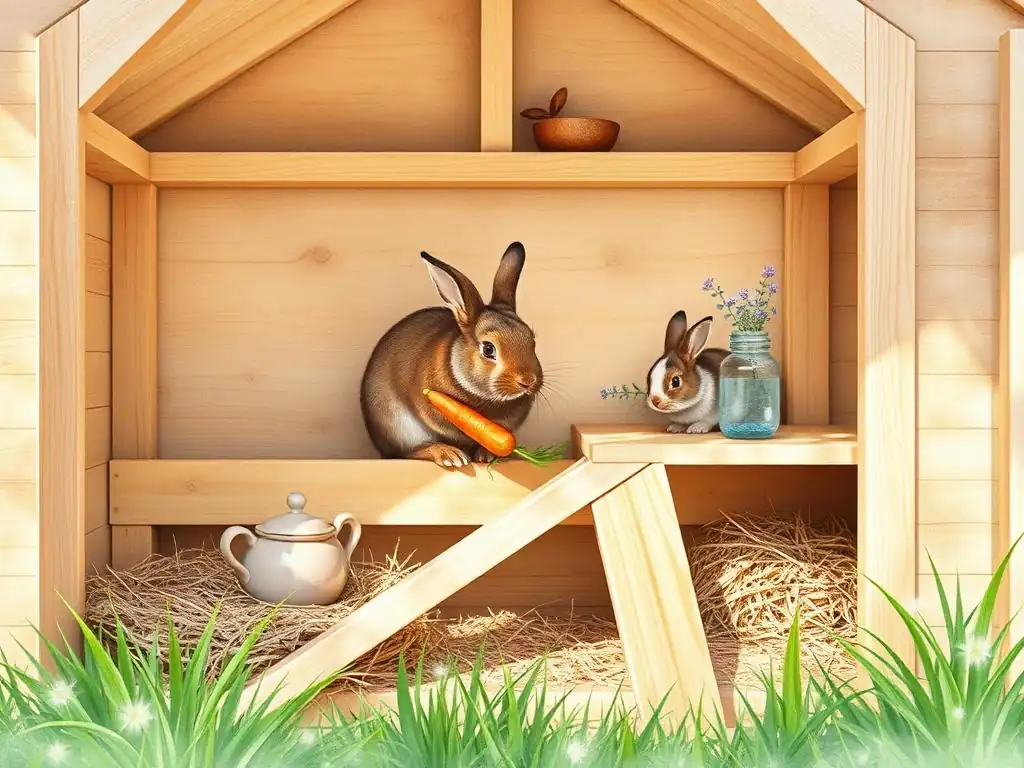
This section provides a detailed, step-by-step guide to setting up the best rabbit hutch, focusing on creating a safe, comfortable, and enriching environment for your furry friend. Remember, a well-designed hutch is crucial for your rabbit's physical and mental well-being. This guide will help you achieve the optimal setup for your bunny's happiness, addressing key aspects of the best rabbit hutch setup.
Creating a Safe and Secure Environment for your Rabbit
Creating a safe space is paramount. Your rabbit needs a hutch that protects them from predators, the elements, and potential hazards. Consider these critical points:
- Location: Choose a location that's protected from direct sunlight, rain, and extreme temperatures. Avoid drafty areas and places with high foot traffic. A spot near a window, allowing for natural light but not direct sun, is ideal.
- Size Matters: The hutch must be spacious enough for your rabbit to comfortably stretch out, hop, and move around freely. A cramped hutch can lead to stress, boredom, and health problems. Research suggests a minimum floor space of 10 square feet for one rabbit, with additional space needed for multiple rabbits.
- Material and Construction: Opt for a hutch made from durable, non-toxic materials. Wood is a popular choice, but ensure it's treated to withstand weather conditions and is free from splinters or sharp edges. Wire mesh should be adequately spaced to prevent injury. Avoid materials that could be easily chewed and ingested.
- Secure Enclosure: All doors and latches should be securely fastened to prevent escapes. Rabbits are escape artists! Double-check all closures regularly to ensure your rabbit's safety. Consider adding a secure run attached to the hutch to provide additional space for exercise and exploration.
Essential Accessories: Food Bowls, Water Bottles, Hay Racks
Providing the right accessories is key to a happy and healthy rabbit. Here's a breakdown of essentials:
- Food Bowls: Heavy, ceramic bowls are ideal. Avoid plastic bowls, as rabbits can easily chew and tip them over. Multiple bowls are beneficial to encourage a variety of food consumption.
- Water Bottles: Choose a sturdy, leak-proof water bottle that's easily accessible to your rabbit. Clean and refill the water bottle daily to maintain fresh, clean water. Consider providing a separate water bowl as well for variety.
- Hay Racks: Hay racks are crucial for keeping hay clean and off the hutch floor. This prevents waste and promotes good hygiene. Choose a rack that is securely mounted and easy for your rabbit to access. Unlimited hay access is vital for a rabbit's digestive health.
- Additional Considerations: A litter box, toys for enrichment (such as chew toys and tunnels), and a hidey-house for security are also essential additions to your rabbit's hutch setup. Regularly rotate toys to maintain engagement and prevent boredom. A comfortable and secure hidey-house will provide your rabbit with a safe space to retreat when feeling stressed or threatened.
Bedding Selection: Comfort, Hygiene and Absorbency
Choosing the right bedding is crucial for maintaining a clean and comfortable environment for your rabbit. Several options exist, each with its own pros and cons:
- Paper-based bedding: This is a popular and absorbent option. Look for dust-free, unbleached paper bedding to avoid respiratory problems. It's easy to clean and readily available. However, some rabbits may not find it as comfortable as other options.
- Wood shavings: Avoid cedar and pine shavings, as they contain phenols that can be harmful to rabbits. Aspen or poplar shavings are safer alternatives. They offer good absorbency, but can be dusty for some rabbits.
- Hay: Using hay as bedding offers excellent absorbency and provides additional fiber for your rabbit's diet. This is a cost-effective and environmentally friendly option. However, it needs frequent replacement due to soiling.
- Important Note: Regardless of the bedding type you choose, ensure it is free of harmful chemicals, dust, and sharp pieces. Regularly spot-clean the hutch and perform full bedding changes at least once a week to maintain hygiene and prevent the build-up of ammonia. Frequent cleaning is paramount to ensuring your rabbit's health and well-being, aligning with the best rabbit hutch setup practices. The frequency of cleaning might depend on the number of rabbits and the type of bedding used.
Providing Enrichment: Toys, Chewing Materials, and Hiding Places
Rabbits are intelligent and active animals that require a stimulating environment to prevent boredom and behavioral problems. A crucial aspect of creating a best rabbit hutch setup is providing ample opportunities for enrichment. This involves offering a variety of toys, chewing materials, and hiding places to keep your rabbit happy and mentally engaged.
Providing a variety of toys is essential for preventing boredom and encouraging natural behaviors. Think beyond the typical plastic rabbit toy. Consider items like willow balls, cardboard tubes (ensure they are not treated with harmful chemicals! ), and wooden chew toys. These provide opportunities for chewing, a vital activity for rabbits to wear down their continuously growing teeth.
Rotating toys regularly keeps your bunny engaged and prevents them from becoming overly attached to a single item. Remember to supervise your rabbit with any new toy initially to ensure it is safe and appropriate. Avoid small toys that could be swallowed, and always replace any damaged or worn toys promptly. A simple cardboard box can provide hours of entertainment; rabbits love to explore and hide inside them.
Chewing is an instinctual behavior for rabbits, necessary for dental health. Providing a variety of safe chewing materials is crucial. Hay should form the bulk of their diet, but supplementing with safe wood chew toys and branches from fruit trees (ensure they are untreated and pesticide-free!) adds variety and further aids in dental health. Avoid toxic woods such as cedar and pine. Always supervise your rabbit when introducing new chewing materials.
Hiding places are equally important for a rabbit's well-being. Rabbits are prey animals and instinctively seek safe spaces to feel secure. Providing multiple hiding places within the hutch, such as cardboard boxes, tunnels, or commercially available rabbit houses, allows your rabbit to retreat when feeling stressed or overwhelmed. This provides a sense of security and control over their environment, crucial for their overall happiness. The more hiding places, the better! Observe your rabbit's behavior to see which hiding spots they prefer and adjust accordingly.
Maintaining Hygiene: Daily Cleaning and Regular Disinfecting
Maintaining a clean and hygienic rabbit hutch is paramount for your rabbit's health and well-being. Neglecting hygiene can lead to various health problems, including respiratory infections and skin issues. A best rabbit hutch setup guide always emphasizes cleanliness. A consistent cleaning schedule is vital for preventing the buildup of harmful bacteria and parasites.
Daily cleaning involves removing fresh droppings and soiled hay from the living area of the hutch. Spot-cleaning urine stains immediately prevents them from becoming deeply ingrained and reduces odor. This daily maintenance helps prevent the spread of bacteria and keeps the hutch smelling fresh. Use a pet-safe cleaning solution, avoiding harsh chemicals that could harm your rabbit. Always rinse thoroughly after cleaning to remove any residue. Remember to change the water in the water bottle daily and ensure fresh, clean water is always available.
Regular disinfecting is crucial for preventing the buildup of bacteria and parasites. Once a week, thoroughly clean the entire hutch using a pet-safe disinfectant. Remove all bedding, toys, and food bowls. Scrub all surfaces with warm water and a disinfectant solution, paying close attention to areas where urine or feces might accumulate. Allow the hutch to dry completely before replacing bedding and other items.
Regular disinfecting is especially important after your rabbit has been ill or if you notice any unusual odors or signs of illness. Always follow the instructions on your chosen disinfectant carefully to ensure its effective use and safety for your rabbit. Proper hygiene significantly contributes to your rabbit's overall health and happiness, making it a critical component of the best rabbit hutch setup. 🐰🧼
Best Rabbit Hutch Setup Guide: Interior Design and Layout
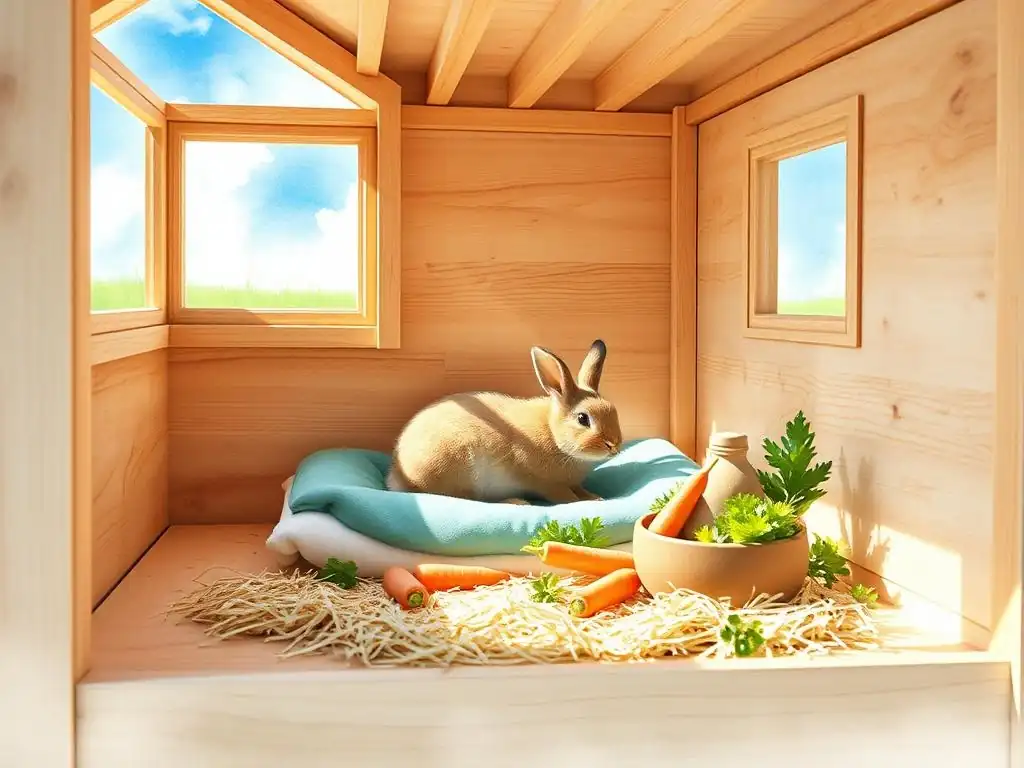
This section focuses on maximizing the interior space of your rabbit's hutch to ensure a stimulating and comfortable environment. A well-designed interior is crucial for a happy and healthy bunny, contributing significantly to their overall well-being. Remember, a rabbit's hutch is more than just a cage; it's their home. Let's explore how to optimize it.
Optimizing Space for Hopping and Exploring
Rabbits are naturally active animals. They need ample space to hop, stretch, and explore. Insufficient space can lead to boredom, stress, and even health problems. The general rule of thumb is bigger is better! Aim for a hutch that's as large as you can reasonably accommodate. The minimum recommended floor space for a single rabbit is approximately 10 square feet, but ideally, you should provide significantly more. For multiple rabbits, increase the space accordingly; two rabbits will need at least double the space, and so on.
Consider the hutch's shape. A long, rectangular hutch is generally preferable to a small, square one, as it allows for more linear movement, mimicking their natural environment. Avoid hutches with multiple levels unless they have ramps with gentle inclines; steep ramps are dangerous and can lead to injuries. You can enhance the space by adding tunnels, ramps, and shelves to create vertical space and encourage exploration. This verticality mimics their natural burrowing behavior and provides enrichment.
Think of it like creating a rabbit playground! Providing plenty of room for your bunny to move around freely is a key element of responsible rabbit care and contributes to a positive rabbit hutch setup. Remember to regularly assess your rabbit's space requirements as they grow.
Creating Separate Areas for Eating, Sleeping, and Toileting
Hygienic separation of areas within the hutch is paramount for maintaining a clean and healthy environment for your rabbit. By designating distinct zones for eating, sleeping, and toileting, you minimize the risk of disease transmission and make cleaning significantly easier.
- Sleeping Area: Provide a comfortable and secluded sleeping area, perhaps using a soft, washable bedding material like hay or fleece. A cozy corner or a dedicated house within the hutch is ideal. Rabbits appreciate a sense of security and privacy when they rest.
- Eating Area: Place food and water bowls away from the sleeping and toileting areas. This prevents contamination of food and water and keeps the sleeping area cleaner. Use heavy, stable bowls that won't easily tip over.
- Toileting Area: Designate a corner of the hutch for a litter box. Place the litter box away from the eating and sleeping areas. Use a suitable litter material such as paper-based litter or wood shavings (avoid cedar or pine shavings, as they are toxic to rabbits). Regular cleaning of the litter box is crucial to maintaining hygiene.
| Area | Placement Recommendation | Material Suggestions | Importance |
|---|---|---|---|
| Sleeping | Quiet, secluded corner | Soft hay, fleece, rabbit-safe bedding | Comfort and security |
| Eating | Away from sleeping & toileting | Heavy, stable bowls | Prevents contamination of food and water |
| Toileting | Opposite sleeping & eating | Paper-based litter, wood shavings (safe) | Hygiene and disease prevention |
Regular cleaning of all areas is essential. Spot clean daily and do a thorough cleaning of the entire hutch at least weekly. A clean hutch is a happy hutch! This contributes to a superior rabbit hutch setup.
Preventing Boredom: Creative Hutch Design Ideas
A stimulating environment is key to preventing boredom and behavioral problems in rabbits. A barren hutch can lead to destructive behaviors such as chewing on the bars or excessive digging. Enrichment is crucial for a happy rabbit.
Here are some creative ideas to enhance your rabbit's hutch and prevent boredom:
- Tunnels and Tubes: Rabbits love to explore! Add tunnels and tubes made of cardboard or pet-safe materials to create a maze-like environment.
- Hidey-Houses: Provide several hidey-houses made from cardboard boxes or pet-safe materials. Rabbits like to feel secure and hidden away.
- Chew Toys: Rabbits need to chew to wear down their constantly growing teeth. Provide a variety of safe chew toys, such as willow branches, hay, and wooden toys.
- Hay Racks: Hang hay racks from the ceiling of the hutch to encourage natural foraging behavior and keep the floor clean.
- Interactive Toys: Scatter toys and treats around the hutch to encourage exploration and problem-solving. This creates a more engaging rabbit hutch setup.
Remember, the best rabbit hutch setup is one that is spacious, clean, safe, and provides plenty of opportunities for your bunny to hop, explore, and express their natural behaviors. By incorporating these design elements, you can create a truly enriching and stimulating environment for your beloved pet. A happy rabbit is a healthy rabbit, and a well-designed hutch is a crucial part of providing the best possible care.
Providing Access to Fresh Air and Sunlight (Safety Precautions)
Providing adequate ventilation is crucial for maintaining a healthy environment for your rabbit. Stagnant air can lead to respiratory problems and the buildup of ammonia from urine, which is harmful to your pet's health. However, it's equally important to ensure that the airflow doesn't create drafts, which can chill your rabbit and make them susceptible to illness. A good balance is key.
Consider using mesh panels on the sides or top of the hutch, ensuring that the mesh is fine enough to prevent your rabbit from escaping or getting its head stuck. Avoid placing the hutch in direct sunlight for extended periods, as this can lead to overheating. Instead, opt for a location that receives indirect sunlight, offering warmth without the risk of heatstroke. Remember that rabbits are particularly sensitive to temperature fluctuations; a consistent temperature is vital for their well-being.
Always monitor the temperature inside the hutch, especially during extreme weather conditions. A thermometer placed inside the hutch can provide valuable real-time data. Regularly check the air quality, noticing any unusual odors or dampness that might indicate poor ventilation or hygiene issues. Addressing these promptly will prevent the development of health problems.
Consider the placement of your rabbit's hutch carefully. A sunny spot provides natural warmth but should be carefully managed to prevent overheating. Direct sunlight should be avoided during the hottest parts of the day. Instead, aim for a location that receives morning or late afternoon sun, providing warmth without the intense heat of midday.
Observe your rabbit's behavior; if they seem excessively lethargic or are panting heavily, they might be overheating. Relocating the hutch to a shadier area might be necessary. Conversely, a consistently cold and drafty area can also be detrimental. Ensure the hutch is sheltered from strong winds and rain, and consider using a waterproof cover during inclement weather.
Regularly cleaning the hutch and replacing bedding will also help maintain a fresh, healthy environment, minimizing the risk of respiratory problems and other health issues. A clean hutch also helps prevent the buildup of harmful bacteria and parasites. Remember that a happy, healthy rabbit starts with a well-ventilated and appropriately located hutch. Proper ventilation and sunlight management are essential components of a best rabbit hutch setup guide.
Understanding Your Rabbit's Needs: Behavior and Enrichment
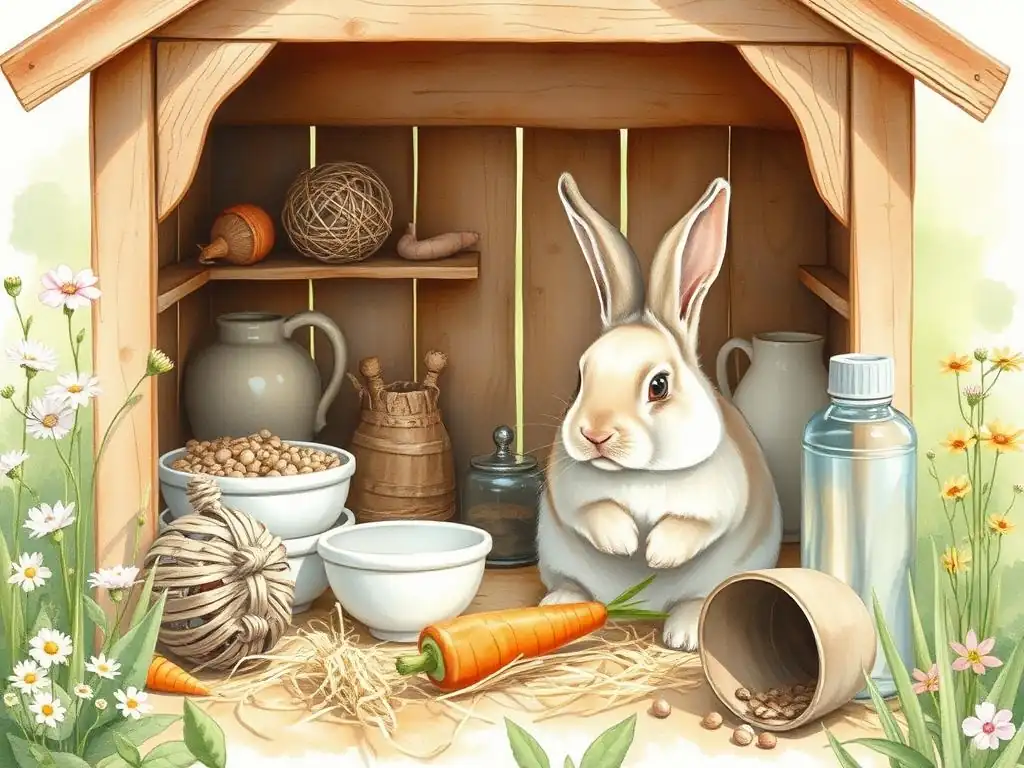
Creating the best rabbit hutch setup isn't just about providing shelter; it's about understanding your rabbit's inherent needs and crafting an environment that caters to their physical and psychological well-being. Rabbits are intelligent, social creatures with complex behavioral patterns. Ignoring these needs can lead to stress, behavioral problems, and ultimately, a less happy bunny. A thriving rabbit displays active exploration, playful behavior, and healthy eating habits. Conversely, a stressed or bored rabbit might exhibit lethargy, excessive grooming (leading to fur loss), aggression, or destructive chewing.
Recognizing Signs of Stress and Boredom in Rabbits
Recognizing the signs of a distressed rabbit is crucial for prompt intervention. Stress manifests in various ways:
- Lethargy and inactivity: A rabbit usually displays a vibrant energy level. A significant decrease in activity levels, spending extended periods in a single spot, should raise concern.
- Changes in appetite: A sudden decrease or increase in food intake could indicate underlying stress or illness. Observe both quantity and quality of food consumption.
- Excessive grooming: While grooming is a normal rabbit behavior, excessive grooming can be a sign of stress or anxiety, often leading to bald patches.
- Aggressive behavior: Uncharacteristic biting, kicking, or lunging can signal stress or fear.
- Chewing and destructive behaviors: Excessive chewing on furniture, cage bars, or other unsuitable objects indicates boredom and a lack of appropriate enrichment.
Example Scenario:
Imagine a rabbit kept in a small, barren hutch with no toys or opportunities for exploration. This rabbit might exhibit all of the above symptoms: lethargy, reduced appetite, excessive grooming resulting in hair loss, and potentially, aggression towards its owner when handled. This clearly highlights the importance of providing a stimulating environment.
Understanding these subtle cues is vital for ensuring your rabbit's happiness and health. Early detection allows for timely adjustments to their environment and enrichment strategies, preventing more severe behavioral problems.
Implementing Enrichment Activities for a Happy Rabbit
Enrichment isn't just about adding toys; it's about providing opportunities for your rabbit to express their natural behaviors. This includes:
- Providing ample space: A spacious hutch or enclosure is paramount. The larger the space, the better! Consider the size of your rabbit breed when determining the necessary space.
- Offering a variety of toys: Rotate toys regularly to prevent boredom. Consider puzzle feeders, chew toys (made of safe materials), tunnels, and hiding places.
- Creating a stimulating environment: Include different textures and levels within the hutch. Hay racks, platforms, and ramps provide vertical space and encourage natural exploration.
- Providing opportunities for digging: Rabbits have an innate desire to dig. A designated digging box filled with safe substrate (such as paper bedding or hay) can fulfill this need.
- Social interaction: If appropriate, consider introducing a compatible companion rabbit. However, ensure a proper introduction to prevent conflict. Remember, not all rabbits enjoy the company of other rabbits.
| Enrichment Activity | Benefit | Materials Needed |
|---|---|---|
| Puzzle Feeders | Mental stimulation, slows eating | Commercially available or DIY |
| Chew Toys | Dental health, stress relief | Safe wood, cardboard tubes, hay |
| Tunnels | Exploration, hiding places | Cardboard boxes, PVC pipes (ensure safety) |
| Digging Box | Natural behavior satisfaction | Paper bedding, hay |
| Hiding Places | Security, stress reduction | Cardboard boxes, hay bales, tunnels |
Implementing a diverse range of enrichment activities is key to preventing boredom and promoting a happy and healthy rabbit. Remember to always supervise your rabbit with new toys or enrichment items to ensure safety.
Understanding Rabbit Body Language and Communication
Effective communication with your rabbit is crucial for understanding their needs and ensuring their well-being. Rabbits communicate primarily through body language, which can be subtle but informative.
- Relaxed posture: A relaxed rabbit will have its ears upright, a relaxed body posture, and slow, shallow breathing. They might be grooming or gently chewing on hay.
- Fear or anxiety: A frightened rabbit will have its ears pressed back against its head, its body hunched, and its tail tucked. They might exhibit rapid breathing or thumping their hind feet.
- Aggression: An aggressive rabbit will have its ears upright and forward, its body tense, and its teeth bared. They might growl, lunge, or bite.
- Submissive behavior: A submissive rabbit will flatten its ears against its head, crouch low to the ground, and may even urinate to show submission.
Understanding these subtle cues is essential for building a strong bond with your rabbit and ensuring a happy and harmonious relationship. Observe your rabbit regularly, paying attention to their posture, movements, and vocalizations. This will help you better understand their needs and respond appropriately. Learning to interpret rabbit body language is a crucial part of responsible rabbit ownership and contributes to creating the best rabbit hutch setup for your furry friend. 🐰
Rabbits are social animals, and proper socialization is crucial for their well-being. A well-socialized rabbit will be more comfortable with handling, less prone to stress, and develop a stronger bond with its owner. Early socialization, starting from a young age, is ideal, but even adult rabbits can benefit from careful and patient interaction. Remember, forcing interaction can be detrimental; instead, focus on building trust and positive associations.
One of the most important aspects of socialization is gentle handling. Avoid sudden movements or loud noises that might frighten your rabbit. Always support their body weight, gently holding them close to your chest. Start with short handling sessions, gradually increasing the duration as your rabbit becomes more comfortable. Reward calm behavior with treats and gentle petting.
Bonding with your rabbit takes time and patience. Spend quality time with your pet every day, even if it's just sitting quietly near their hutch and talking to them. Offer them treats from your hand, and allow them to explore your presence without pressure. Some rabbits enjoy being brushed, which can also strengthen your bond. Pay close attention to your rabbit's body language; signs of stress include flattened ears, tense muscles, or rapid breathing. Respect their boundaries and never force interaction.
Creating a safe and enriching environment significantly contributes to a positive bonding experience. A spacious hutch with plenty of hiding places, toys, and opportunities for exploration provides mental stimulation and reduces stress, making your rabbit more receptive to interaction. Remember, a happy rabbit is a more sociable rabbit. Consider incorporating interactive games, such as hiding treats for your rabbit to find, to further enhance the bonding process. These activities not only strengthen your bond but also provide valuable mental stimulation, preventing boredom and promoting healthy behavior.
The key is consistency and patience; building a strong bond with your rabbit takes time, but the rewards are immeasurable. A well-bonded rabbit will be a happier, healthier companion. Remember to always prioritize your rabbit's comfort and safety during all interactions. 🐰
Maintaining a Healthy Rabbit Hutch Environment: A Practical Guide
Creating the best rabbit hutch setup isn't just about providing shelter; it's about fostering a healthy and stimulating environment. A clean, well-maintained hutch significantly reduces the risk of disease and contributes to your rabbit's overall well-being. This section details crucial aspects of maintaining a hygienic and comfortable living space for your furry friend. Remember, a happy rabbit is a healthy rabbit!
Preventing Disease and Parasites through Proper Hygiene
Proactive hygiene is paramount in preventing disease and parasite infestations in rabbits. Regular cleaning prevents the buildup of harmful bacteria and pathogens that can lead to various health issues. This includes:
- Daily Spot Cleaning: Remove fresh droppings and urine daily. This simple step significantly reduces ammonia buildup, a major contributor to respiratory problems in rabbits. Use a scoop or small shovel to remove waste directly from the hutch.
- Weekly Deep Cleaning: Once a week, thoroughly clean the entire hutch. Remove all bedding, thoroughly scrub the surfaces with a pet-safe disinfectant (ensure it's rabbit-friendly! ), and rinse thoroughly with clean water. Allow the hutch to dry completely before replacing fresh bedding.
- Bedding Selection: Choose absorbent bedding materials like straw, hay, or paper-based bedding. Avoid cedar or pine shavings, as they contain aromatic oils that can be harmful to rabbits' respiratory systems. Deep bedding helps absorb urine and minimize odor.
- Food and Water Bowl Cleaning: Clean food and water bowls daily to prevent bacterial growth. Replace water daily to ensure fresh, clean drinking water is always available.
- Regular Parasite Checks: Regularly inspect your rabbit for fleas, mites, or other parasites. Consult your veterinarian for appropriate preventative measures and treatment options if needed. Early detection is key to effective parasite control. Consider using a fine-toothed comb to check for parasites, paying close attention to their fur.
Example of a Weekly Cleaning Schedule:
Monday: Spot clean. Wednesday: Spot clean. Friday: Spot clean. Saturday: Full deep clean, including hutch and accessories.
Regular Health Checks and Veterinary Care
Preventive healthcare is essential for maintaining your rabbit's health. Regular health checks allow for early detection of potential problems, leading to timely intervention and improved outcomes.
- Monthly Visual Inspections: Regularly check your rabbit's fur, eyes, nose, and mouth for any signs of illness, such as discharge, unusual lumps, or changes in behavior. Note any changes in appetite, weight, or stool consistency.
- Annual Veterinary Checkups: Schedule annual veterinary checkups for your rabbit. These checkups should include a thorough physical examination, weight check, and parasite screening. Your vet can also provide advice on vaccinations and preventative care.
- Prompt Veterinary Attention: If you notice any signs of illness or injury, seek veterinary attention immediately. Don't delay seeking professional help, as early treatment can significantly improve your rabbit's chances of recovery. Early intervention is crucial for managing potential health complications.
| Symptom | Potential Issue | Action |
|---|---|---|
| Lethargy, loss of appetite | Illness, dental problems | Veterinary visit |
| Sneezing, runny nose | Respiratory infection | Veterinary visit |
| Diarrhea, loose stools | Digestive upset, intestinal issues | Veterinary visit, dietary adjustments |
| Weight loss | Illness, dental problems, parasites | Veterinary visit |
| Changes in urine/stool output | Urinary tract infection, kidney issues | Veterinary visit |
Managing Waste and Odors Effectively
Effective waste management is crucial for maintaining a clean and odor-free rabbit hutch. Employing the right techniques minimizes unpleasant smells and keeps your rabbit's environment healthy.
- Litter Box Placement: Provide multiple litter boxes strategically placed throughout the hutch. Rabbits often prefer to urinate and defecate in specific areas. Positioning litter boxes near corners or in quieter areas frequently increases their use.
- Litter Box Cleaning: Clean litter boxes daily, removing fresh droppings and urine. Completely change the litter at least once a week, or more frequently if needed. Use absorbent bedding to help manage odor.
- Ventilation: Ensure adequate ventilation in the rabbit hutch. Proper airflow helps to disperse ammonia and other odors, contributing to a fresher environment.
- Odor Absorbers: Consider using odor absorbers such as activated carbon filters or baking soda to help neutralize unpleasant smells. However, ensure that these products are rabbit-safe and don't pose any inhalation risks. Always prioritize proper ventilation as the primary method of odor control.
- Regular Hutch Cleaning: Regular and thorough cleaning of the entire hutch, as described in the previous section, is essential for odor control. Don't forget to clean all accessories, such as food bowls, water bottles, and toys. Regular cleaning is the most effective method of odor control. A clean hutch is a happy and healthy hutch! 🐰
Seasonal Adjustments for Your Rabbit's Hutch
Maintaining a consistently comfortable environment for your rabbit is crucial year-round, but seasonal changes demand specific attention. Rabbits are sensitive to temperature fluctuations, and failing to adapt their housing can lead to heatstroke in summer or hypothermia in winter. A well-planned approach to seasonal adjustments ensures your bunny stays happy and healthy regardless of the weather outside.
One of the most significant adjustments involves ventilation. In the summer months, increased airflow is paramount. While you shouldn't create a draft that directly hits your rabbit, ensuring good air circulation prevents heat buildup inside the hutch. This can involve opening windows strategically (if the hutch is outdoors) or using fans to gently circulate air, avoiding direct exposure to the rabbit. Conversely, during winter, you'll need to reduce drafts while maintaining adequate ventilation to prevent moisture buildup, which can lead to respiratory problems. This might involve using windbreaks or covering exposed areas of the hutch with waterproof materials.
Temperature regulation is another key consideration. During summer's heat waves, providing shade and cooling measures is essential. This could involve placing the hutch in a shaded area, using cooling mats or tiles, or even providing a shallow dish of cool (not ice-cold) water for your rabbit to lie near.
Conversely, during winter, supplemental heating might be necessary, especially in colder climates. This could involve using a safe, pet-friendly heating pad (placed outside the hutch and not directly touching it) or placing insulating materials around the hutch to retain warmth. Always monitor the temperature inside the hutch to ensure it remains within a safe range for your rabbit (ideally between 55-75°F or 13-24°C).
Finally, consider the humidity levels. High humidity can exacerbate heat stress in summer, while low humidity can dry out your rabbit's skin and respiratory system in winter. Monitoring humidity levels with a hygrometer is a good idea, especially in extreme weather conditions. You may need to adjust ventilation or add moisture-retaining elements to the hutch environment to maintain optimal humidity levels.
Remember that a balanced approach, adjusting for both temperature and humidity, will create a healthier and more comfortable environment for your pet rabbit. Regularly checking and adjusting your rabbit's hutch according to the season demonstrates responsible pet ownership and contributes significantly to your rabbit's overall well-being. This proactive approach can prevent many health issues and ensure your bunny thrives throughout the year. 🐰
Troubleshooting Common Rabbit Housing Problems
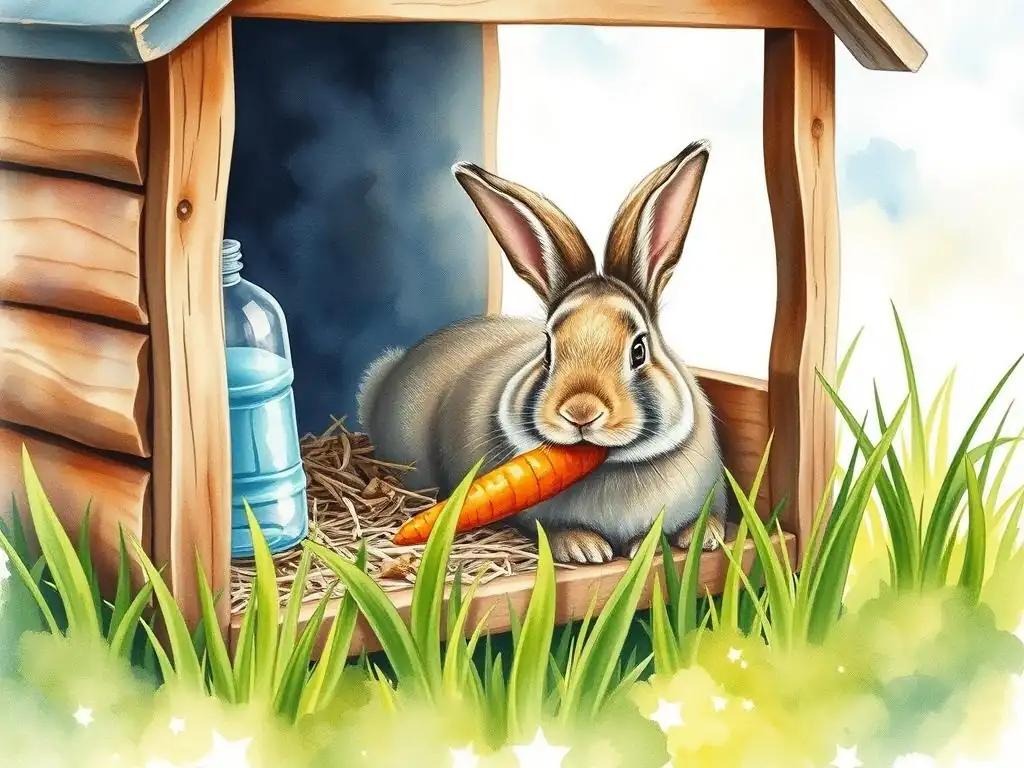
This section addresses common issues pet owners face when setting up and maintaining rabbit housing, offering practical solutions to ensure your bunny's comfort and well-being. Creating the best rabbit hutch setup involves more than just providing a cage; it requires proactive problem-solving and a deep understanding of rabbit behavior. Let's dive into some frequently encountered challenges.
Dealing with Chewing and Destructive Behaviors
Rabbits, by nature, are chewers. This instinct is crucial for their dental health, but it can lead to destructive behaviors if not properly managed. A key component of a best rabbit hutch setup guide is understanding how to redirect this natural instinct. Ignoring destructive chewing can result in damaged furniture, electrical cords, and even harm to your rabbit if they ingest harmful materials.
Several strategies can mitigate chewing problems:
- Provide ample chew toys: Offer a variety of safe, durable chew toys made from wood, cardboard, or hay. Rotate these toys regularly to maintain your rabbit's interest and prevent boredom. Consider toys of varying textures and hardness to cater to their specific preferences. Remember, hay is crucial for dental health and should always be readily available.
- Rabbit-proof your environment: Secure electrical cords, remove toxic plants, and cover any furniture or items your rabbit might find appealing to chew. Use protective coverings or barriers to prevent access to vulnerable areas. This is a vital step in creating a truly safe environment, a key element of any comprehensive best rabbit hutch setup guide.
- Supervise your rabbit: Especially when introducing new toys or environments, supervise your rabbit to ensure they interact appropriately. Early intervention can prevent the development of destructive habits. Regular attention and interaction are key to understanding your rabbit's individual needs and preferences.
- Enrichment activities: A bored rabbit is more likely to engage in destructive behaviors. Provide plenty of mental stimulation through puzzle feeders, tunnels, and interactive toys. A stimulating environment is an often overlooked aspect in many best rabbit hutch setup guides.
Ignoring chewing behaviors can lead to costly repairs and potential harm to your rabbit. Proactive measures, such as providing appropriate chew toys and enriching the environment, are paramount for a happy and safe rabbit.
Solving Litter Box Issues
Litter box training is essential for maintaining a clean and hygienic rabbit environment. However, rabbits can sometimes be picky about their bathroom habits. Failure to address litter box issues can lead to unpleasant odors and potential health problems for your rabbit. A thorough best rabbit hutch setup guide will detail strategies to achieve success in litter box training.
Several factors can contribute to litter box problems:
- Inappropriate litter box placement: Rabbits prefer to relieve themselves in quiet, secluded areas. Place litter boxes away from food and water sources, and in multiple locations within the hutch or enclosure. Consider the location carefully; some rabbits prefer a corner, while others prefer a more open area.
- Type of litter: Experiment with different types of litter to find one that your rabbit prefers. Avoid using scented litters or those containing cedar or pine shavings, as these can be harmful to your rabbit’s respiratory system. Many best rabbit hutch setup guide resources recommend paper-based litters or wood pellets.
- Insufficient litter box size: The litter box should be large enough for your rabbit to comfortably move around in. A small litter box may lead to your rabbit missing the target. Consider the size of your rabbit and choose accordingly.
- Medical conditions: Urinary tract infections or other health issues can affect litter box habits. If you notice a sudden change in your rabbit's litter box use, consult a veterinarian immediately. This is a crucial point often missed in many best rabbit hutch setup guides.
Consistent and patient training is key to successful litter box training. Addressing the underlying causes of litter box problems can create a cleaner, healthier, and more pleasant environment for both you and your rabbit.
Addressing Ventilation and Temperature Concerns
Proper ventilation and temperature control are crucial for maintaining a healthy environment for your rabbit. Inadequate ventilation can lead to ammonia buildup from urine, causing respiratory problems. Extreme temperatures can also negatively impact your rabbit's health and well-being. A complete best rabbit hutch setup guide will strongly emphasize the importance of environmental control.
Here's how to optimize ventilation and temperature:
- Ventilation: Ensure adequate airflow within the hutch or enclosure. Avoid placing the hutch in direct sunlight or near drafts. Proper ventilation prevents the buildup of harmful ammonia and maintains a comfortable environment. Air circulation is a frequently overlooked but critical factor in many best rabbit hutch setup guides.
- Temperature regulation: Rabbits are sensitive to temperature fluctuations. Maintain a consistent temperature within the ideal range (60-70°F or 15-21°C). Use fans or heating pads in extreme weather conditions, but ensure your rabbit has access to both warm and cool areas if necessary.
- Humidity levels: High humidity can exacerbate respiratory problems. Monitor humidity levels and take steps to reduce them if necessary. The ideal humidity level is typically between 30-70%. Many best rabbit hutch setup guides neglect the importance of humidity control.
Ignoring ventilation and temperature concerns can result in serious health problems for your rabbit. Prioritizing environmental control is essential for creating a safe and comfortable living space. A well-ventilated and temperature-controlled environment contributes significantly to the overall well-being of your pet.
Dealing with Predator Threats (if applicable)
Protecting your rabbit from predators is paramount, especially if you house them outdoors. The specific threats will depend heavily on your geographic location. In areas with foxes, coyotes, or even larger birds of prey, securing your rabbit's hutch is crucial. Simply having a sturdy hutch isn't enough; you need to consider multiple layers of protection.
Firstly, the hutch itself should be robust, constructed from strong wire mesh (with small enough gaps to prevent escape and predator entry) and solid wood or metal. Avoid flimsy materials that could easily be compromised. Secondly, consider the placement of the hutch. Avoid placing it in isolated areas or near dense undergrowth where predators could easily ambush your rabbit. A well-lit area, close to the house or other buildings, offers a degree of natural deterrence.
Thirdly, implement supplemental security measures. This could involve burying the hutch's base several inches into the ground to prevent digging predators from accessing it. You could also use heavy-duty wire mesh to create a secure run around the hutch, further protecting your rabbit from aerial or ground-based attacks.
For particularly aggressive predators, consider adding motion-activated lights or even a small, battery-powered electric fence around the perimeter of the run. Regularly inspect your hutch and run for any signs of damage or attempted breaches. A broken wire or damaged wood is a clear indication that a predator has tried to access your rabbit's home.
Remember, prevention is key. Proactive measures are far more effective than reacting to an attack. By combining a secure hutch, strategic placement, and supplementary security, you significantly reduce the risk of your rabbit falling prey to predators. Always prioritize your rabbit's safety and continuously evaluate your protective measures to ensure they remain effective.
Even seemingly minor vulnerabilities can be exploited by determined predators. Regularly assess your setup and adapt your strategy as needed, particularly if you observe any changes in the local wildlife population. The safety and well-being of your rabbit should always be your top priority. A well-protected hutch contributes significantly to a happy and healthy rabbit.
Building Your Own Rabbit Hutch: A DIY Guide (Optional)
Building your own rabbit hutch can be a rewarding experience, allowing you to tailor the design perfectly to your rabbit's needs and your available space. This offers a significant advantage over purchasing a pre-made hutch, as you can customize aspects like size, materials, and internal features to create the best rabbit hutch setup for your furry friend. However, it requires time, skill, and careful planning. This section provides a step-by-step guide to help you through the process. Remember, safety is paramount; ensure all materials are non-toxic and construction is secure to prevent escape or injury.
Planning and Designing Your Custom Rabbit Hutch
Before you even pick up a hammer, meticulous planning is crucial for a successful DIY rabbit hutch. Consider these vital factors:
- Rabbit Breed and Size: Different breeds have varying size requirements. A Flemish Giant will need a significantly larger hutch than a dwarf rabbit. Research your rabbit's breed's adult size to determine the minimum hutch dimensions. Remember to factor in space for a comfortable sleeping area, eating area, and exercise space.
- Available Space: Measure the area where the hutch will be placed. Ensure sufficient space for the hutch itself, as well as for easy access for cleaning and interaction with your rabbit.
- Hutch Design: Sketch out your design. Consider a two-story hutch with a lower level for eating and a raised sleeping area to keep your rabbit safe and dry. Include features like ramps for easy access between levels, and ensure ample ventilation to prevent overheating and ammonia buildup. Think about adding a run for outdoor exercise, attached securely to the main hutch.
- Budget: Determine how much you are willing to spend on materials. This will influence your material choices and overall design complexity.
- Accessibility: Plan for easy access to all areas of the hutch for cleaning and maintenance. Removable trays and easily accessible doors are essential.
Example Hutch Dimensions for a Medium-Sized Rabbit
A good starting point for a medium-sized rabbit might be a hutch with a minimum floor area of 4 sq ft (2ft x 2ft) for the lower level, and a slightly smaller sleeping area upstairs (1.5 sq ft). The height should allow your rabbit to stand up comfortably on its hind legs. Always err on the side of larger rather than smaller.
Materials List and Tools Required
The materials you'll need will depend on your specific hutch design. However, here's a general list for a basic two-story hutch:
| Material | Quantity (Approximate) | Notes |
|---|---|---|
| Untreated Wood | Varies | Choose a durable, non-toxic wood like pine or cedar (check for safety). |
| Wire Mesh | Varies | For ventilation and to prevent escapes. |
| Screws | Many | Appropriate size for the wood and mesh. |
| Hinges | 2-4 | For doors. |
| Wood Glue | 1 Bottle | For added strength. |
| Paint/Stain (Optional) | 1-2 cans/bottles | Use pet-safe options. |
| Roofing Felt/Plywood | Varies | For weather protection on the roof. |
Tools:
- Measuring Tape
- Saw (circular saw or hand saw)
- Drill
- Screwdriver
- Hammer
- Safety Glasses
- Work Gloves
Step-by-Step Construction Instructions
Constructing a rabbit hutch is a multi-step process. Detailed instructions are beyond the scope of this section, but the general steps include:
- Cut the wood: Cut the wood pieces according to your design plans. Ensure accurate measurements to avoid issues later on.
- Assemble the frame: Assemble the main frame of the hutch, using screws and wood glue for extra strength.
- Add the wire mesh: Attach the wire mesh to the sides and front of the hutch for ventilation and to prevent escapes. Ensure the mesh is securely fastened.
- Construct the levels: Build the upper and lower levels of the hutch, ensuring secure connections.
- Install doors and ramps: Install doors and ramps, using hinges and appropriate hardware.
- Add the roof: Attach the roof, ensuring it is weatherproof.
- Finish and paint (optional): Sand down any rough edges and apply a pet-safe paint or stain if desired. Allow it to dry completely before placing your rabbit inside.
Remember to regularly inspect the hutch for any damage or signs of wear and tear and make repairs as needed. A well-maintained hutch is crucial for your rabbit's safety and well-being. Always prioritize safety and ensure that the hutch is escape-proof. Building a custom rabbit hutch is a significant undertaking, but the result is a personalized and safe home for your beloved pet, fulfilling your quest for the best rabbit hutch setup guide. 🐰🏠
Safety Considerations for DIY Rabbit Hutches
Building your own rabbit hutch offers a rewarding experience, allowing for customization and cost savings. However, prioritizing safety is paramount to ensure your bunny's well-being. A poorly constructed hutch can lead to injuries, escapes, and even fatalities. Therefore, meticulous planning and execution are crucial. Let's delve into the key safety aspects to consider when undertaking this project.
One of the most significant safety concerns revolves around the materials used. Avoid using treated lumber, as the chemicals used in the treatment process can be toxic to rabbits. Opt for untreated wood, ensuring it's free from splinters, sharp edges, and any potential hazards.
Regularly inspect the wood for any signs of deterioration or damage that could create escape routes or injury risks. Smooth all surfaces thoroughly with sandpaper to prevent splinters, paying particular attention to corners and edges. Remember, rabbits are adept chewers, so choose wood that is resistant to chewing or consider using non-toxic paint or varnish specifically designed for pet enclosures to protect the wood and to deter chewing.
Another critical safety aspect relates to the hutch's design and construction. Ensure that all wire mesh is securely fastened and free from gaps or holes large enough for your rabbit to escape through. Rabbits are surprisingly nimble and can squeeze through surprisingly small openings. The wire mesh should also be strong enough to withstand your rabbit's chewing and digging attempts.
Consider using hardware cloth, a stronger type of wire mesh, for the floor and any areas particularly vulnerable to chewing. The hutch should also be sturdy enough to prevent tipping or collapse, especially if your rabbit likes to jump or climb. Properly secure all joints and connections using strong screws and brackets. Avoid using nails, as these can pose a risk of injury to your rabbit.
Ventilation is also a crucial safety consideration. Rabbits are sensitive to temperature fluctuations and poor air quality. Ensure the hutch has adequate ventilation to prevent overheating and the build-up of ammonia from urine. However, avoid creating drafts, which can make your rabbit susceptible to illness.
Proper ventilation can be achieved through strategically placed openings, screened vents, or a combination of both. It's vital to maintain good airflow while keeping out predators and drafts. Remember to regularly clean the hutch to prevent the build-up of harmful bacteria and ammonia. A clean and well-ventilated hutch is key to preventing respiratory problems and other health issues in your rabbit.
Finally, consider the overall placement of the hutch. Avoid placing it in direct sunlight, as this can cause overheating. Similarly, avoid placing it in drafty areas or areas prone to flooding. The hutch should be placed on a level surface to prevent tipping. Consider the surrounding environment and ensure it is safe and secure from potential predators.
The overall placement of the hutch is crucial for maintaining a secure and comfortable environment for your pet. Regularly inspect the hutch and its surroundings for any potential hazards that could compromise your rabbit's safety. Remember, a safe and secure hutch is essential for your rabbit's health and happiness. 🐰🏠
Frequently Asked Questions
What size hutch is best for my rabbit?
The ideal hutch size depends on your rabbit's breed and size. A general rule is to allow for enough space to comfortably hop, stretch, and stand upright. Larger is always better!
How do I choose the right location for my rabbit's hutch?
Place the hutch in a safe, sheltered area away from direct sunlight, rain, and extreme temperatures. Good ventilation is crucial, but avoid drafts. Consider easy access for cleaning and interaction.
What bedding is best for a rabbit hutch?
Avoid cedar or pine shavings, as they are toxic to rabbits. Paper-based bedding is a safe and absorbent option. You can also use straw or hay for a more natural feel, but ensure it's regularly cleaned.
What kind of enrichment should I provide in my rabbit's hutch?
Rabbits need mental and physical stimulation. Provide toys like chewing sticks, tunnels, and hiding places. Rotate toys regularly to keep your rabbit engaged and prevent boredom.
How often should I clean my rabbit's hutch?
Regular cleaning is essential for maintaining hygiene and preventing illness. Spot clean daily, removing soiled bedding and droppings. Perform a full hutch cleaning at least weekly, or more often if needed.
Final Reflection: Building Bridges to a Better Bunny Life
The welfare of our pet rabbits is inextricably linked to the quality of their environment; a poorly designed hutch can lead to a lifetime of stress and suffering, while a thoughtfully created space fosters joy and wellbeing. This guide has explored the crucial elements of creating a safe and enriching habitat for your bunny companion, from the right size hutch to essential enrichment items. But the journey to responsible rabbit ownership doesn't end here.
The impact of responsible pet ownership extends far beyond the individual animal; it shapes our understanding of animal welfare and influences how we interact with all creatures. The greatness of a nation and its moral progress can be judged by the way its animals are treated.
- Mahatma Gandhi. This quote speaks to the deeper significance of our actions, reminding us that our commitment to our rabbits reflects our values and our commitment to a more compassionate world. The choices we make about their housing directly impact their physical and mental health, shaping their quality of life and contributing to a broader conversation about responsible pet ownership.
Now, consider your own rabbit's home. Is it truly meeting their needs? Take a moment to reflect on what you've learned. Perhaps it's time for a hutch upgrade, the addition of new enrichment toys, or a simple adjustment to their daily routine. Embrace the opportunity to create a haven for your furry friend, a space where they can thrive and flourish. Remember, every small act of kindness, every thoughtful consideration of their needs, contributes to a richer, more meaningful bond between you and your beloved rabbit.
Unleash Your Bunny's Best Life: Actionable Steps to a Thriving Habitat
Thank you for exploring the world of rabbit care! We hope you've gained valuable insights into creating a safe and happy home for your furry friend. Now let's put that knowledge into action. Ready to transform your bunny's living space?
- Prioritize Enrichment: Begin by carefully evaluating your rabbit's current environment. Is there sufficient space for them to hop and explore freely? Do you offer a variety of engaging toys and chews to keep them mentally stimulated? Identify areas for improvement and start making changes today!
- Share Your Success: Inspire other rabbit lovers! Share photos and your experiences creating a wonderful habitat for your bunny on social media using #BunnyBliss and #PetCareWorld.
- Connect with Fellow Enthusiasts: Join our online community of bunny enthusiasts (link removed) to ask questions, exchange tips, and celebrate your rabbit's progress. It's a fantastic resource for additional support and information.
What positive change will you make today to improve your bunny's well-being?