
Ferret Grooming Made Easy: Bathing, Nail Trimming, and More

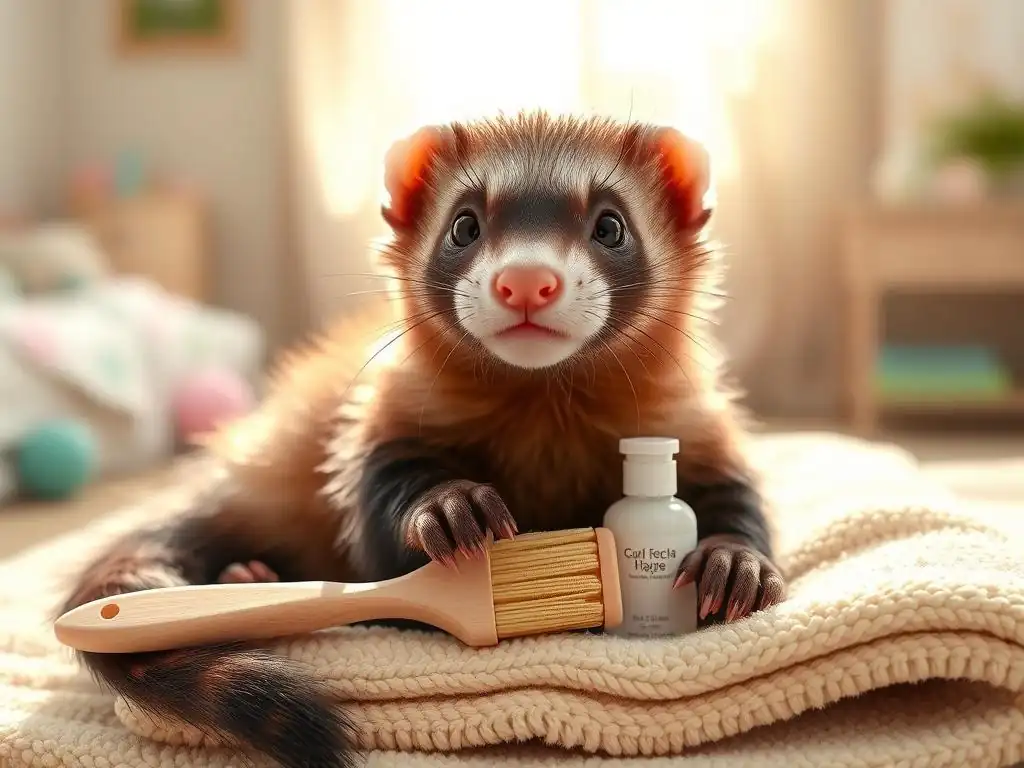
Welcome to PetCareWorld, your ultimate guide to a happier, healthier life for your beloved companions! Are you ready to unlock the secrets to effortless ferret care? Our easy ferret grooming guide will walk you through bathing, nail trimming, and much more, ensuring your furry friend stays clean, comfortable, and looking their best. Dive in and discover the simple steps to mastering ferret grooming – you’ll be amazed at how easy it is!
- The Ultimate Easy Ferret Grooming Guide: A Step-by-Step Approach
- Ferret Nail Trimming: A Comprehensive Guide
- Essential Ferret Dental Care: Keeping Those Teeth Clean
- Ferret Ear Cleaning: A Simple Routine for Healthy Ears
- Maintaining a Clean Ferret Living Environment: Preventing Parasites and Diseases
- Addressing Common Ferret Grooming Challenges: Troubleshooting and Solutions
- When to Seek Professional Help for Ferret Grooming
- Frequently Asked Questions
- Final Reflection: The Enduring Bond Through Dedicated Care
- Unleash Your Ferret's Inner Sparkle: Grooming Tips to Try Today!
The Ultimate Easy Ferret Grooming Guide: A Step-by-Step Approach
Ferrets, with their playful personalities and inquisitive nature, make wonderful companions. However, responsible ferret ownership includes regular grooming to maintain their health and hygiene. This comprehensive guide provides a step-by-step approach to ferret grooming, making the process easy and stress-free for both you and your furry friend. We'll cover everything from preparing your ferret for a grooming session to bathing, nail trimming, and more, ensuring you have all the tools and knowledge to keep your ferret looking and feeling their best.
This easy ferret grooming guide is designed to empower you with the confidence to handle all aspects of your ferret's grooming needs, contributing to their overall well-being and strengthening your bond. Remember, consistent grooming is key to preventing common ferret health issues and promoting a happy, healthy life for your pet. Let's dive in!
Preparing Your Ferret for a Grooming Session: Essential Supplies and Techniques
Before you begin, gather the necessary supplies. This will streamline the process and ensure a smoother experience for both you and your ferret. A calm and prepared environment is crucial for a successful grooming session. Your ferret may be initially hesitant, so patience and positive reinforcement are key.
Here's a checklist of essential supplies:
- A soft, ferret-safe brush (avoid brushes with sharp bristles)
- Ferret-specific shampoo and conditioner (avoid human products!)
- Several soft towels
- Cotton balls or a soft cloth
- Nail clippers designed for small animals
- Treats (as positive reinforcement!)
- A comfortable, non-slip surface to work on
To prepare your ferret, start by gently handling them for a few minutes each day leading up to the grooming session. This helps them get used to being touched and handled, reducing stress during the actual grooming. Speak to them in a soothing voice and offer treats to create positive associations. Remember, a relaxed ferret is a cooperative ferret! Introduce the grooming tools gradually, allowing your ferret to sniff and investigate them before you start using them.
Bathing Your Ferret: A Gentle and Effective Method
Bathing your ferret shouldn't be a dreaded event. With the right approach and products, it can be a relatively straightforward process. Remember, ferrets don't need frequent baths – only when visibly dirty or when they have a specific skin condition. Over-bathing can strip their skin of essential oils.
Choosing the Right Ferret Shampoo and Products
It's crucial to use a ferret-specific shampoo formulated for their sensitive skin. Human shampoos and harsh chemicals can irritate their skin, leading to dryness and discomfort. Look for shampoos that are pH-balanced and free from harsh detergents, fragrances, and dyes. Always check the label to ensure it's specifically designed for ferrets or other small mammals. Consider using a conditioner to help keep their coat soft and healthy.
The Bathing Process: Step-by-Step Instructions for Stress-Free Cleaning
- Prepare the environment: Fill a sink or tub with lukewarm water (never hot!). Ensure the water is shallow enough for your ferret to stand comfortably.
- Gently wet your ferret: Use a cup or a gentle spray to wet your ferret's fur, avoiding getting water in their ears or eyes.
- Apply shampoo: Lather a small amount of ferret shampoo into their fur, massaging gently. Avoid getting shampoo in their eyes or ears.
- Rinse thoroughly: Rinse all the shampoo completely to prevent skin irritation. Ensure no residue remains.
- Apply conditioner (optional): If using a conditioner, follow the product instructions.
- Final rinse: Give your ferret a final, thorough rinse to remove any remaining conditioner.
Drying Your Ferret After Bathing: Preventing Chills and Discomfort
Ferrets are susceptible to hypothermia, so thorough drying is crucial after bathing. Gently wrap your ferret in a warm, soft towel and gently pat them dry. Avoid rubbing vigorously, as this can irritate their skin. You can also use a hairdryer on a low, cool setting, keeping it at a safe distance to prevent burning. Keep your ferret in a warm, draft-free area until they are completely dry to prevent chills and discomfort. Positive reinforcement with treats throughout the bathing and drying process will help create a positive association with bath time.
Ferret Nail Trimming: A Comprehensive Guide
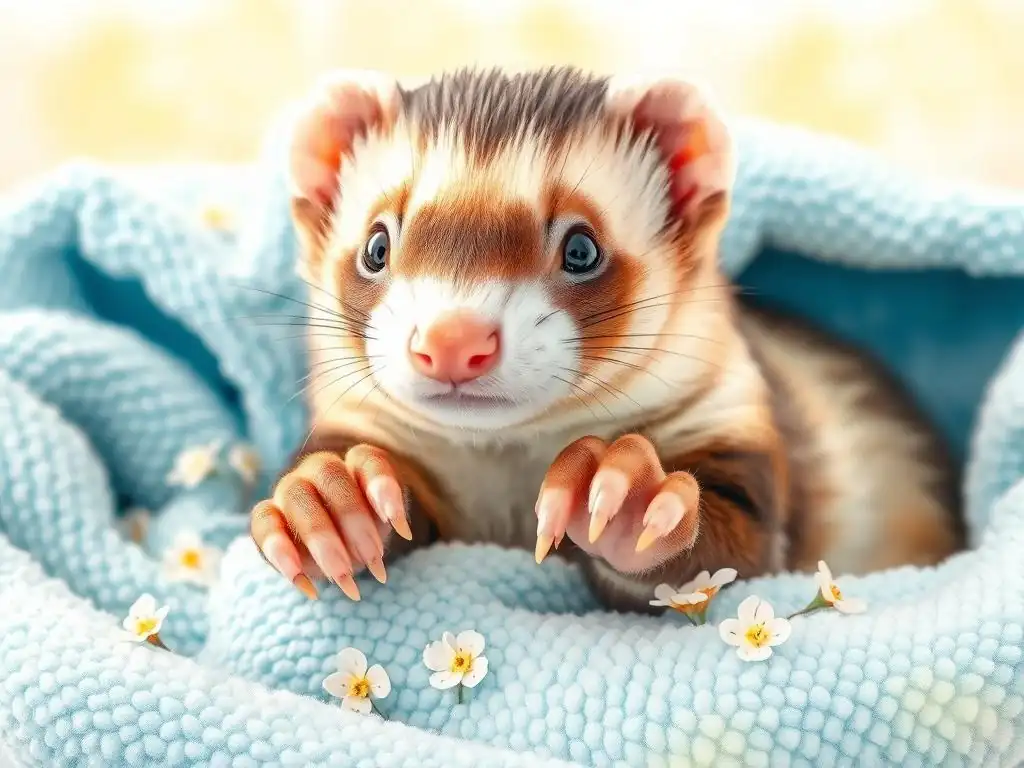
Ferrets, with their playful nature and penchant for digging, require regular nail trims to prevent overgrowth. Long nails can cause discomfort, interfere with their gait, and even lead to ingrown nails—a painful condition requiring veterinary attention. This section provides a detailed, easy ferret grooming guide specifically addressing nail trimming, ensuring a safe and stress-free experience for both you and your ferret. Mastering this essential aspect of ferret care will contribute significantly to their overall well-being and happiness. This easy ferret grooming guide will make the process straightforward and less daunting.
Identifying the Quick: Avoiding Pain and Injury During Trimming
The "quick" is the pink, sensitive part of the nail containing blood vessels and nerves. Cutting into the quick is painful for your ferret and can cause bleeding. Accurately identifying the quick is crucial for a safe trim. In ferrets with dark nails, identifying the quick can be challenging. However, you can usually see a darker area within the nail—this is where the quick ends. In lighter-colored nails, the quick is easily visible as a pinkish hue.
To help you visualize, imagine a semicircle shape at the base of the nail. The quick extends to varying lengths depending on the ferret and the nail itself. Avoid cutting into this semicircle. It’s better to trim a little less than to risk injuring your ferret.
Practice makes perfect; with experience, you'll become more adept at identifying the quick's location and trimming safely. Remember, if you're unsure, it's always best to err on the side of caution and trim less. A slightly longer nail is preferable to a painful and bleeding one. Consider using a bright light to improve visibility, especially with dark nails.
The Proper Technique for Trimming Ferret Nails Safely
Once you've confidently identified the quick, you can begin trimming. Hold your ferret securely but gently, ensuring they feel comfortable and safe. Many ferrets will tolerate nail trimming if they are accustomed to it from a young age. Some ferrets may require a helper to hold them steady. Use sharp nail clippers specifically designed for small animals. Dull clippers can crush the nail, causing pain and increasing the risk of infection.
Trim the nail straight across, just before the quick. Avoid any angled cuts. If you accidentally cut into the quick, apply styptic powder immediately to stop the bleeding. Styptic powder is readily available at most pet stores. If bleeding is profuse or doesn't stop after a few minutes, seek veterinary attention.
After trimming, reward your ferret with a treat to associate nail trimming with a positive experience. Regular, short trimming sessions are better than infrequent, long ones. Aim for a trimming every 2-3 weeks, or as needed, based on your ferret's nail growth rate. Consistent trimming will prevent the nails from becoming excessively long and reduce the risk of injury.
Tools and Supplies Needed for Ferret Nail Trimming
To ensure a smooth and safe ferret nail trimming experience, gather the following essential tools and supplies beforehand:
| Item | Description | Importance |
|---|---|---|
| Small Animal Nail Clippers | Sharp clippers designed for small animals, avoiding crushing the nail. | Prevents injury and ensures a clean cut. |
| Styptic Powder | Stops bleeding if the quick is accidentally cut. | Essential for managing accidental bleeding during the trimming process. |
| Treats | Your ferret's favorite treats to reward them after the trimming. | Creates a positive association with nail trimming, making future sessions easier. |
| Towel (Optional) | To wrap your ferret securely, particularly if they are nervous or fidgety. | Provides additional control and security for both you and your ferret during the procedure. |
| Bright Light (Optional) | Improves visibility of the quick, especially in ferrets with dark nails. | Enhances accuracy and reduces the risk of accidentally cutting into the quick. |
Remember, patience and a gentle approach are key to successful ferret nail trimming. With practice and the right tools, you can master this crucial aspect of ferret care, ensuring your furry friend's comfort and health. This easy ferret grooming guide is designed to simplify this often-challenging task.
Essential Ferret Dental Care: Keeping Those Teeth Clean
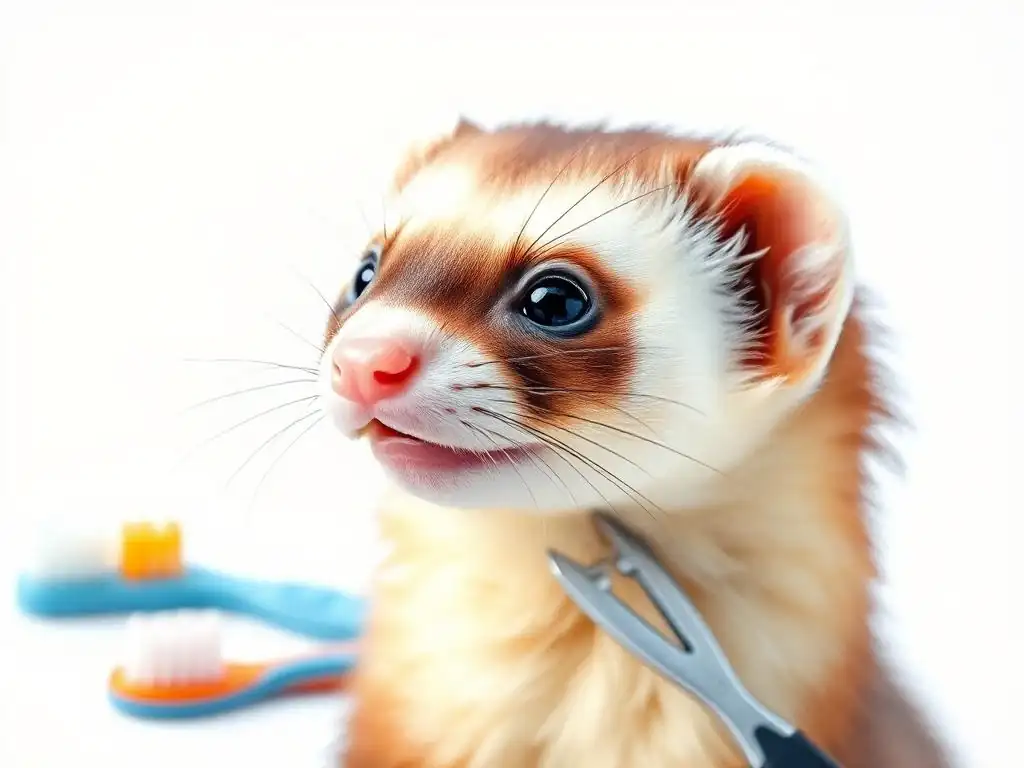
Ferrets, with their playful nature and endearing quirks, often require diligent care to maintain their overall health. While many focus on coat grooming, a crucial aspect often overlooked in an easy ferret grooming guide is dental hygiene. Neglecting ferret dental health can lead to serious and painful conditions, significantly impacting their quality of life. This section provides a comprehensive guide to ferret dental care, empowering you to keep your furry friend's pearly whites sparkling.
Understanding Ferret Teeth and Dental Problems
Ferrets possess a unique dentition perfectly adapted for their carnivorous diet. They have sharp incisors for grasping prey and strong premolars and molars for shearing meat. However, this powerful bite, combined with their tendency to hoard and chew on inappropriate items, makes them prone to several dental issues.
Dental disease in ferrets is prevalent and often manifests as periodontal disease (gum disease). This involves inflammation and infection of the gums, leading to tooth loss if left untreated. Other common problems include:
- Malocclusion: Misalignment of the teeth, causing difficulty chewing and potential jaw problems.
- Abscesses: Pus-filled pockets that form around infected teeth, causing pain and swelling.
- Broken Teeth: Accidental breakage due to chewing on hard objects.
- Dental Calculus (Tartar): A hard mineral deposit that builds up on the teeth, contributing to gum disease.
Early detection is key. Regularly checking your ferret's mouth for any signs of redness, swelling, bad breath (halitosis), difficulty eating, or excessive drooling is crucial for preventing serious complications. A proactive approach, incorporating regular dental cleaning, will significantly improve your ferret's oral health and overall well-being. Remember, a healthy mouth contributes to a happy and healthy ferret.
Techniques for Cleaning Your Ferret's Teeth
Cleaning your ferret's teeth might seem daunting, but with patience and the right techniques, it can become a manageable part of their routine. The key is to start early and make it a positive experience. Here are some effective techniques:
- Finger Brushing: For young ferrets or those resistant to traditional brushing, finger brushing can be a gentle introduction. Use a soft, damp cloth or gauze pad to gently wipe their teeth and gums. This helps remove surface debris and gets them accustomed to having their mouths touched.
- Toothbrush Brushing: Once your ferret is comfortable with finger brushing, you can transition to using a small, soft-bristled toothbrush specifically designed for pets. Apply a tiny amount of enzymatic ferret toothpaste (avoid human toothpaste! ), and gently brush in small, circular motions, focusing on the gum line. Be mindful not to apply excessive pressure.
- Frequency: Aim for at least 2-3 times a week for optimal results. Consistency is vital in maintaining good dental hygiene. Even a quick brushing is better than none.
Remember, positive reinforcement is essential! Reward your ferret with treats and praise after each brushing session to create a positive association. If your ferret is particularly resistant, consult your veterinarian for guidance. They may suggest sedation for the cleaning process if necessary.
Recommended Toothbrushes and Toothpastes for Ferrets
Choosing the right tools is crucial for effective ferret dental care. Avoid human toothbrushes and toothpaste, as these can be harmful to your ferret. Look for pet-specific products designed for small animals.
| Product Type | Key Features | Considerations |
|---|---|---|
| Toothbrushes | Small head, soft bristles, angled neck for easy access | Choose a size appropriate for your ferret's mouth. |
| Toothpastes | Enzymatic, palatable, ferret-specific, no fluoride | Check the ingredients for safety and palatability. |
Remember to always consult your veterinarian for advice tailored to your ferret's specific needs. They can assess your ferret's dental health, provide professional cleaning if needed, and offer guidance on maintaining optimal oral hygiene. This proactive approach, integrated into your easy ferret grooming guide, will ensure your ferret enjoys a long and healthy life.
Ferret Ear Cleaning: A Simple Routine for Healthy Ears
Ferrets, with their inquisitive nature and penchant for exploring tight spaces, are prone to ear infections and build-up of wax and debris. Regular ear cleaning is a crucial part of responsible ferret ownership, contributing significantly to their overall health and well-being. This section provides a straightforward guide to ferret ear cleaning, making it an easy task to incorporate into your routine. Remember, preventative care is key to avoiding more serious health issues and ensuring your ferret enjoys a long, happy life. This easy ferret grooming guide will help you master this essential aspect of ferret care.
Identifying Signs of Ear Infections in Ferrets
Recognizing the early signs of an ear infection is critical for prompt treatment. Ignoring symptoms can lead to more severe complications. Look out for these tell-tale signs:
- Head shaking or tilting: A ferret persistently shaking its head or tilting it to one side is a strong indicator of ear discomfort.
- Scratching at the ears: Excessive scratching, often accompanied by pawing at the ears, suggests irritation or infection.
- Dark or foul-smelling discharge: Any discharge from the ear canal, especially if dark brown or black and has a foul odor, warrants immediate veterinary attention. This is a serious sign and requires professional help.
- Redness or swelling: Examine your ferret's ears carefully. Redness or swelling around the ear opening can indicate inflammation.
- Loss of balance or coordination: In advanced cases, an ear infection can affect balance, leading to stumbling or a loss of coordination. This requires immediate veterinary care.
- Lethargy or loss of appetite: A significant ear infection can cause systemic illness, leading to lethargy, reduced appetite, and overall malaise.
If you observe any of these symptoms, contact your veterinarian immediately. Early intervention is crucial for effective treatment and preventing long-term complications. Don't delay – your ferret's health depends on it.
Safe and Effective Ear Cleaning Techniques
Cleaning your ferret's ears should be a gentle and careful process. Avoid using cotton swabs, as these can push debris further into the ear canal and potentially damage the eardrum. Follow these steps for a safe and effective cleaning:
- Gather your supplies: You will need a ferret-safe ear cleaning solution (as recommended below), cotton balls or soft gauze pads, and a small bowl of warm water.
- Prepare your ferret: Ensure your ferret is calm and comfortable. You may want to have a helper to restrain your ferret gently but firmly. A calm and relaxed ferret will make the process much easier.
- Apply the solution: Gently place a few drops of the ear cleaning solution into the ear canal. Avoid forcing the solution in.
- Massage the base of the ear: Gently massage the base of the ear for a few seconds to help distribute the solution.
- Wipe away excess: Use a clean cotton ball or gauze pad to gently wipe away any excess solution and debris from the outer ear. Never insert anything into the ear canal.
- Repeat as needed: Repeat the process on the other ear. If there's significant build-up, you might need to repeat the process a couple of times with a few days between cleanings.
- Reward your ferret: After the cleaning, give your ferret a treat and plenty of praise to reward their good behavior. Positive reinforcement is key to making grooming a positive experience.
Products Recommended for Ferret Ear Cleaning
Always use a cleaning solution specifically formulated for ferrets. Human ear cleaning solutions may contain ingredients harmful to ferrets. Look for products that are gentle, non-irritating, and specifically designed for small animals. [Specific product names and brands pending]. When in doubt, always consult your veterinarian for recommendations on suitable ear cleaning products for your ferret. They can advise you on the best approach based on your ferret's individual needs and any pre-existing health conditions. Remember, a clean and healthy ear is a happy ear!
Maintaining a Clean Ferret Living Environment: Preventing Parasites and Diseases

Maintaining a clean and hygienic environment for your ferret is crucial for preventing parasites and diseases. A neglected living space can quickly become a breeding ground for bacteria, mites, and other pathogens, leading to various health problems in your pet. This section focuses on practical steps to ensure your ferret's habitat remains a safe and healthy space, contributing to their overall well-being and extending their lifespan. A proactive approach to hygiene is key to easy ferret grooming and overall pet health management. This easy ferret grooming guide emphasizes the importance of preventative measures.
Regular Cage Cleaning and Disinfection
Regular cage cleaning is paramount in preventing the buildup of harmful bacteria and parasites. Aim for a thorough cleaning at least once a week, or more frequently if necessary, especially if your ferret has experienced diarrhea or other digestive issues. This involves removing all soiled bedding, food and water bowls, and toys. Thoroughly scrub the cage with a pet-safe disinfectant, paying close attention to corners and crevices where bacteria can easily accumulate. Rinse the cage completely with clean water to remove any residual disinfectant before replacing fresh bedding.
Remember to always use a pet-safe disinfectant, as many household cleaners contain chemicals that can be toxic to ferrets. Read product labels carefully before use. After cleaning, allow the cage to air dry completely before returning your ferret and their belongings. This simple step significantly reduces the risk of various illnesses and contributes to easy ferret grooming routines by keeping your ferret healthy and clean.
Consider using disposable cage liners to simplify the cleaning process. These liners can be easily replaced, reducing the time and effort needed for cleaning. However, ensure the liners are made from a material safe for ferrets and are properly disposed of to avoid environmental issues.
Choosing the Right Bedding and Litter for Your Ferret
The type of bedding and litter you choose significantly impacts your ferret's hygiene and health. Avoid cedar or pine shavings, as these can release harmful oils that can irritate your ferret's respiratory system. Instead, opt for paper-based bedding, fleece liners, or other absorbent materials specifically designed for ferrets. These options are safer, more absorbent, and easier to clean.
When selecting litter, prioritize a low-dust, unscented option. Dust can irritate your ferret's respiratory system, while scented litters can contain harmful chemicals. Paper-based litters are generally a good choice, but you can also explore other options like recycled newspaper pellets. Regularly changing the litter box is crucial for maintaining a clean and hygienic environment.
Aim to change the litter daily, or more often if needed, depending on your ferret's habits. This is a key component of an easy ferret grooming guide, as a clean litter box reduces odor and minimizes potential health risks. The right bedding and litter choices contribute significantly to easier ferret care and a healthier pet.
Addressing Common Ferret Grooming Challenges: Troubleshooting and Solutions
This section tackles common ferret grooming problems and offers practical, easy-to-follow solutions for maintaining your ferret's healthy coat and skin. A well-groomed ferret is a happy ferret, and this guide will empower you to provide the best possible care. Remember, consistent grooming is key to preventing many of these issues. This easy ferret grooming guide will help you navigate these challenges confidently.
Dealing with Matted Fur: Brushing and De-matting Techniques
Matted fur is a common problem, especially in long-haired ferret breeds or ferrets who are not groomed regularly. Matted fur can be uncomfortable for your ferret and can even lead to skin infections. Prevention is always better than cure, so regular brushing is crucial. Aim for at least 2-3 times a week, using a soft-bristled brush or a specialized ferret grooming comb.
The best approach to dealing with matted fur is gentle and persistent. Avoid pulling or yanking at the mats, as this can hurt your ferret and potentially damage their skin. Instead, try the following techniques:
- Using a De-matting Tool: Specialized de-matting combs are designed to carefully separate matted fur without causing pain. Work slowly and methodically, section by section.
- Using a Conditioning Spray: A detangling spray can help loosen the mats and make them easier to brush out. Apply the spray according to the product instructions, and then gently work through the matted area with your fingers or a comb.
- Trimming Severe Mats: For extremely severe mats that cannot be easily removed with brushing or a de-matting tool, you may need to carefully trim them with blunt-ended scissors. Be extremely cautious to avoid cutting your ferret's skin. If you are uncomfortable doing this, consult a veterinarian or a professional groomer.
Remember, patience is key. De-matting can take time, and it's important to prioritize your ferret's comfort throughout the process. If you encounter significant difficulty, don't hesitate to seek professional help. A veterinarian or experienced groomer can provide guidance and assistance. Regular brushing, as part of your easy ferret grooming routine, will minimize the occurrence of matted fur.
Managing Skin Irritations and Allergies in Ferrets
Skin irritations and allergies can manifest in various ways, from redness and itching to flaky skin and hair loss. These issues can significantly impact your ferret's comfort and overall well-being. Identifying the underlying cause is crucial for effective treatment. Potential causes include:
- Fleas and Mites: Parasites like fleas and mites can cause intense itching and skin irritation. Regular flea and mite checks are essential. Veterinary treatment is necessary to eliminate these parasites.
- Food Allergies: Certain food ingredients can trigger allergic reactions in some ferrets. Identifying and eliminating these allergens from your ferret's diet is crucial. Working with your veterinarian to determine the best dietary approach is recommended.
- Environmental Allergens: Dust, pollen, and other environmental allergens can also irritate a ferret's skin. Maintaining a clean and allergen-free environment can help minimize these reactions.
- Bacterial or Fungal Infections: These infections can cause skin lesions, redness, and scaling. Veterinary diagnosis and treatment are essential to address these infections effectively.
Signs of Skin Irritation in Ferrets
- Excessive scratching or biting
- Redness and inflammation
- Hair loss or thinning
- Scaly or flaky skin
- Lesions or sores
- Odor
If you notice any signs of skin irritation or allergy in your ferret, consult your veterinarian immediately. Early intervention is key to preventing complications and ensuring your ferret's comfort. They can conduct a thorough examination, identify the underlying cause, and recommend appropriate treatment. Remember, this easy ferret grooming guide emphasizes preventative care, but professional veterinary care is crucial when dealing with skin problems. A healthy coat and skin are vital components of a happy and healthy ferret.
When to Seek Professional Help for Ferret Grooming
Ferrets, while relatively independent creatures, require regular grooming to maintain their health and hygiene. While many aspects of ferret grooming can be handled at home with a little patience and the right tools, knowing when to seek professional help is crucial for your pet's well-being. This section outlines situations where professional grooming or veterinary attention is necessary, ensuring your ferret receives the best possible care.
Recognizing When Your Ferret Needs Veterinary Attention for Grooming Issues
Several grooming-related issues require immediate veterinary attention. These aren't simply matters of aesthetics; they can indicate underlying health problems that need prompt treatment. For instance, if you notice excessive scratching, hair loss beyond normal shedding, or persistent skin irritation, a veterinary visit is essential. These symptoms could point towards allergies, parasites (like mites or fleas), or even more serious skin conditions. Don't delay; early intervention is key to effective treatment.
Furthermore, difficulty grooming yourself can indicate underlying health problems. A ferret that seems unusually lethargic or resistant to handling during grooming may be experiencing pain or discomfort. This could be due to arthritis, injury, or other health issues affecting their mobility or comfort levels. Careful observation is crucial; any significant change in your ferret's behavior warrants a veterinary check-up.
It's also important to note that certain skin conditions, like abscesses or severe infections, require professional veterinary care. These conditions often necessitate specific medications or procedures that can only be administered by a qualified vet. Ignoring these problems can lead to serious complications, affecting your ferret's overall health and well-being. Therefore, any unusual skin lesions, discharge, or swelling should prompt a prompt veterinary consultation.
| Symptom | Possible Cause(s) | Action |
|---|---|---|
| Excessive Scratching | Allergies, Parasites (mites, fleas), Skin infections | Veterinary examination |
| Unexpected Hair Loss | Allergies, Hormonal imbalances, Ringworm, Mange | Veterinary examination |
| Persistent Skin Irritation | Allergies, Parasites, Bacterial or fungal infections | Veterinary examination |
| Difficulty Grooming | Arthritis, Injury, Pain, General Illness | Veterinary examination |
| Abscesses or Severe Infections | Bacterial or fungal infections | Immediate veterinary care; antibiotics or surgical intervention may be needed |
| Unusual Skin Lesions | Various skin conditions | Veterinary examination |
Remember, proactive care is far better than reactive treatment. Regular check-ups with your veterinarian, combined with attentive observation of your ferret's grooming habits and overall health, will help you identify and address potential problems early, ensuring your furry friend enjoys a long and healthy life. Early detection often makes a significant difference in treatment outcomes and improves the chances of a full recovery. Don't hesitate to seek professional help when needed; it's a sign of responsible and caring pet ownership.
Frequently Asked Questions
How often should I bathe my ferret?
Ferrets are naturally clean animals and usually only need a bath every few months, or only when visibly dirty. Over-bathing can dry out their skin. Focus on spot cleaning as needed.
How do I safely trim my ferret's nails?
Use sharp, high-quality nail clippers designed for small animals. Only trim the clear part of the nail, avoiding the quick (pink part) to prevent bleeding. If unsure, consult a veterinarian.
What kind of brush is best for ferret grooming?
A soft-bristled brush is ideal for removing loose fur and preventing matting. Regular brushing helps distribute natural oils, keeping their coat healthy and shiny.
My ferret has a smelly odor. What can I do?
Regular cleaning of their living environment is crucial. Consider using enzyme cleaners to eliminate odors from their bedding and litter box. A bath may also be needed if the smell is persistent.
What are some signs that my ferret needs to see a vet regarding grooming?
Look out for excessive shedding, bald patches, skin irritations, or difficulty grooming themselves. These could indicate underlying health issues requiring veterinary attention.
Final Reflection: The Enduring Bond Through Dedicated Care
The simple act of grooming your ferret transcends mere hygiene; it's a cornerstone of building a deep and trusting relationship. Regular grooming isn't just about keeping your ferret clean and healthy; it's about fostering a bond built on mutual respect and understanding. This understanding is crucial for both the ferret's well-being and the enrichment of your life together.
The impact of consistent, gentle grooming extends far beyond a shiny coat. It allows for early detection of potential health issues, strengthening the owner-ferret connection through shared moments of calm and intimacy. The best things in life are simple, and the simplest things are often the most profound.
This quote perfectly encapsulates the profound connection forged through the seemingly mundane act of ferret grooming. It's in these quiet moments of care that we truly appreciate the unique personalities and needs of our beloved pets.
Now, consider the knowledge you've gained. Think about how you can integrate these simple yet effective grooming techniques into your routine, transforming what might seem like a chore into a cherished ritual. Embrace the opportunity to deepen your bond with your ferret, one gentle brush stroke at a time. Remember, the journey of responsible pet ownership is a continuous learning process, and the rewards of dedicated care are immeasurable.
Unleash Your Ferret's Inner Sparkle: Grooming Tips to Try Today!
Thank you for learning about ferret grooming! We hope you feel confident in keeping your furry friend looking and feeling their best. Ready to put your new knowledge into practice?
- Give your ferret a luxurious spa day! Try the bathing and brushing techniques we discussed—you might be surprised how much your ferret enjoys it.
- Share your grooming experiences—both successes and challenges—with other ferret lovers in the comments below. Let's build a supportive community!
- Consider trying different grooming tools. A new brush or nail clipper might make the process easier.
Ready to transform your ferret's grooming routine? What's the first thing you'll try today?