
Bird Body Language and Age: How Behavior Changes Over Time

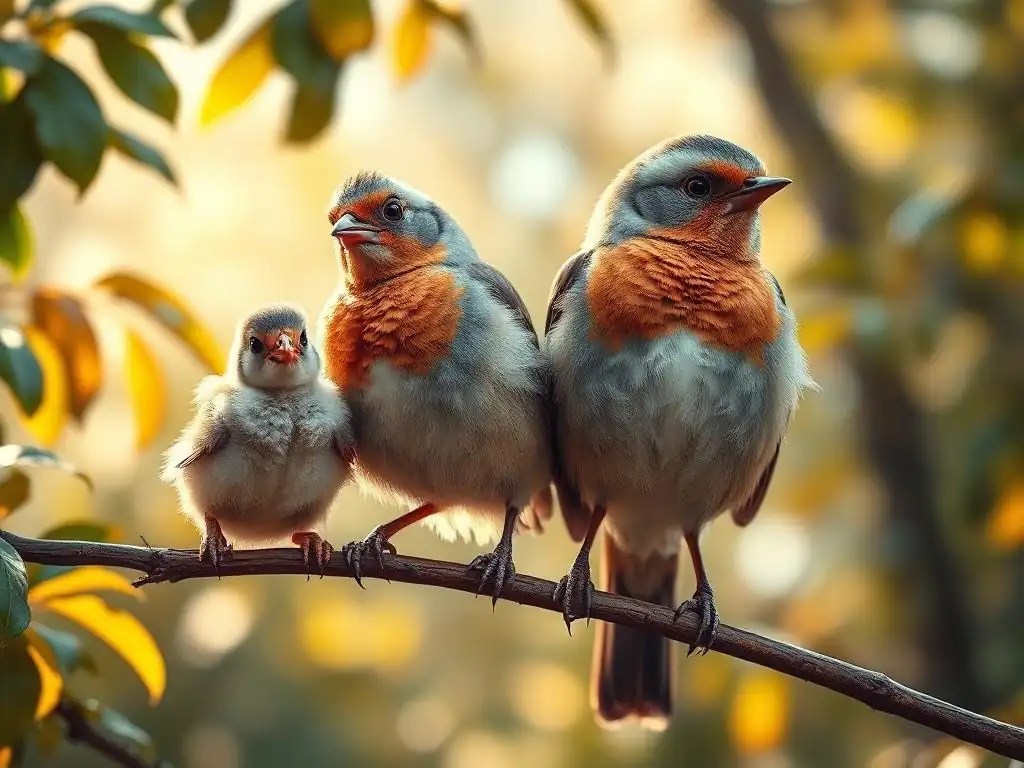
Welcome to PetCareWorld, your ultimate guide to a happier, healthier life for your beloved animal companions! Are you curious about the fascinating ways your feathered friend's behavior changes throughout their life? Discover the secrets behind bird behavior age changes in our comprehensive guide, exploring the subtle shifts in body language that reveal your bird's age and well-being. Unravel the mysteries of avian communication and learn how to best understand and care for your bird at every stage of their life. Dive in and unlock a deeper connection with your feathered friend!
- Understanding Bird Behavior Age Changes: A Comprehensive Guide
- Senior Budgie Behavior: Recognizing Changes in Older Birds
- Recognizing Distress Signals in Budgies of All Ages
- Improving Communication with Your Budgie Through Understanding Age-Related Behaviors
-
Frequently Asked Questions
- How does a bird's behavior change as it ages?
- What are some common behavioral problems in aging birds?
- Can I do anything to help my aging bird adjust to behavioral changes?
- How can I tell if my bird's behavioral changes indicate a health problem?
- What specific behavioral changes are unique to certain bird species as they age?
- Final Reflection: Unlocking Avian Wisdom Through the Lens of Time
- Unlock Your Bird's Secrets: Understanding Their Ever-Changing Communication
Understanding Bird Behavior Age Changes: A Comprehensive Guide

Understanding your bird's behavior is crucial for ensuring their well-being and building a strong bond. Bird behavior, however, isn't static; it undergoes significant transformations throughout their lifespan, influenced by factors like age, species, and individual personality. This comprehensive guide explores how a bird's behavior changes with age, focusing on key developmental stages and providing insights into interpreting their actions.
We'll delve into the nuances of avian communication, examining how different behaviors can signal health, happiness, or distress at various points in their lives. This knowledge empowers pet owners to better understand their feathered friends, respond appropriately to their needs, and ultimately, enjoy a richer and more fulfilling companionship.
This article will primarily focus on budgies (parakeets), a common pet bird, to provide concrete examples, but the underlying principles apply to many other avian species. Learning to recognize age-related behavioral shifts is key to proactive pet care, allowing you to address potential problems early and maintain a thriving avian companion.
Juvenile Budgie Behavior: Identifying Young Birds and Their Unique Traits
Young budgies, or juvenile budgies, exhibit distinct behavioral patterns that differ significantly from their adult counterparts. Their behavior is often characterized by a high level of activity and exploration. They are naturally curious and playful, frequently engaging in activities such as:
- Chewing: Juvenile budgies have an intense need to chew, exploring their environment and strengthening their beaks. Providing a variety of safe chew toys is crucial during this stage.
- Climbing and Exploring: Expect a lot of climbing and exploring their cage and surroundings. This is a natural part of their development and helps them build strength and coordination.
- Vocalizations: Juvenile budgies are often quite vocal, experimenting with different sounds and calls. This vocalization can range from soft chirps to loud squawks.
- Frequent Feeding: They require frequent feeding due to their high energy levels and rapid growth. Observe their food and water intake to ensure they're getting enough nutrition.
- Fear and Timidity: Young budgies can be more timid and fearful than adults. Approach them gently and avoid sudden movements to build trust.
Identifying a juvenile budgie often involves observing physical characteristics alongside behavioral cues. For example, their plumage may not be fully developed, exhibiting subtle differences in color and texture compared to adult birds. Their cere (the fleshy area above the beak) will also have a different color depending on the gender, but it will not be as brightly colored as an adult's. Furthermore, their overall size will be noticeably smaller than that of an adult budgie.
Adolescent Budgie Behavior: The Transition to Adulthood
The adolescent phase in budgies marks a significant transition from juvenile behaviors to the more mature traits of adulthood. This period, typically lasting several months, is characterized by a gradual shift in behavior and social interactions. While the intense playfulness of the juvenile stage may lessen, adolescent budgies still retain a degree of inquisitiveness and a need for mental stimulation. Key behavioral changes during adolescence include:
- Increased Independence: Adolescent budgies begin to exhibit a greater degree of independence, spending less time with their parents or cage mates.
- Hormonal Changes: The onset of puberty brings hormonal changes, which can sometimes manifest as increased aggression or territorial behavior. Providing ample space and enrichment can help mitigate these issues.
- Refinement of Vocalizations: Their vocalizations become more refined and complex, often mimicking sounds from their environment.
- Social Interactions: They might start showing a stronger preference for specific individuals, demonstrating complex social behaviors.
- Mating Behaviors: Some adolescent budgies may begin displaying early mating behaviors, even if they are not yet sexually mature.
Understanding these adolescent behavioral changes is crucial for providing appropriate care and enrichment. Ensuring a stimulating environment with plenty of toys, perches, and social interaction is essential to help them navigate this crucial developmental phase. Monitoring their behavior closely for signs of stress or aggression allows for early intervention and prevents potential behavioral problems in adulthood. Remember that patience and consistent positive reinforcement are key during this period of transition.
Adult Budgie Behavior: Established Patterns and Communication
Adult budgies, typically reaching maturity around six months of age, exhibit established behavioral patterns and communication styles. Understanding these patterns is crucial for building a strong bond with your feathered friend and ensuring their well-being. Their behavior is a complex interplay of instinct, learned behaviors, and individual personality. While some budgies are naturally more outgoing and playful, others might be more reserved and cautious. This inherent personality should be considered when interpreting their actions.
For example, a shy budgie might not readily approach its owner for interaction, unlike a bolder budgie that might actively seek attention. Recognizing these individual differences is key to providing appropriate care and enrichment. Consistent interaction and positive reinforcement will help build trust and strengthen the human-budgie bond. Ignoring negative behaviors, such as biting, while rewarding positive behaviors, is an effective training method.
Adult Budgie Body Language: Interpreting Common Signals
Adult budgies communicate extensively through body language. A relaxed budgie will typically have its feathers smooth and fluffed, sitting upright with a calm demeanor. Conversely, a stressed or frightened budgie might exhibit ruffled feathers, flattened body posture, and dilated pupils. Head bobbing can indicate a variety of emotions, from courtship displays (often accompanied by chirping and singing) to a sign of aggression or dominance, depending on the context.
Wing flicking can be a sign of excitement or nervousness. Tail movements also convey important information; a slightly raised tail might suggest alertness, while a lowered tail could signify fear or illness. Paying close attention to these subtle cues is essential for understanding your budgie's emotional state and responding appropriately. For example, consistently ruffled feathers might signal a need for a warmer environment or medical attention.
Adult Budgie Vocalizations: Meaning and Interpretation
Adult budgies are known for their diverse vocalizations, ranging from sweet chirps and whistles to loud squawks and screams. The context of these vocalizations is crucial in interpreting their meaning. A cheerful chirp often indicates contentment and a friendly greeting, while a loud scream might signal alarm, fear, or distress. Frequent chirping might be a sign of loneliness or a desire for interaction.
Changes in vocalization patterns can also be indicative of illness or stress. For instance, a sudden increase in squawking or a change in the tone of their usual chirps might warrant a veterinary check-up. Understanding the nuances of your budgie's vocalizations requires patience and observation over time. Keeping a record of vocalizations alongside observed behaviors can help in identifying patterns and predicting your budgie's needs.
Adult Budgie Social Interactions: Flock Dynamics and Pair Bonding
Adult budgies are social creatures and thrive in the company of their own kind. Even with a strong bond with their human companions, they benefit from interaction with other budgies. In a multi-budgie household, a clear hierarchy often emerges, with dominant individuals exhibiting assertive behaviors like preening others or controlling access to resources. These interactions, while sometimes appearing aggressive, are usually part of establishing social order within the flock.
Pair bonding is a significant aspect of budgie social behavior. Paired budgies often display mutual preening, cuddling, and feeding behaviors. They might also exhibit synchronized movements and vocalizations.
Understanding these social dynamics is crucial for providing a stimulating and enriching environment for your budgies. A lack of appropriate social interaction can lead to behavioral problems, such as excessive feather plucking or aggression. Providing opportunities for socialization, whether with other budgies or through engaging toys and activities, is essential for maintaining their well-being.
Senior Budgie Behavior: Recognizing Changes in Older Birds
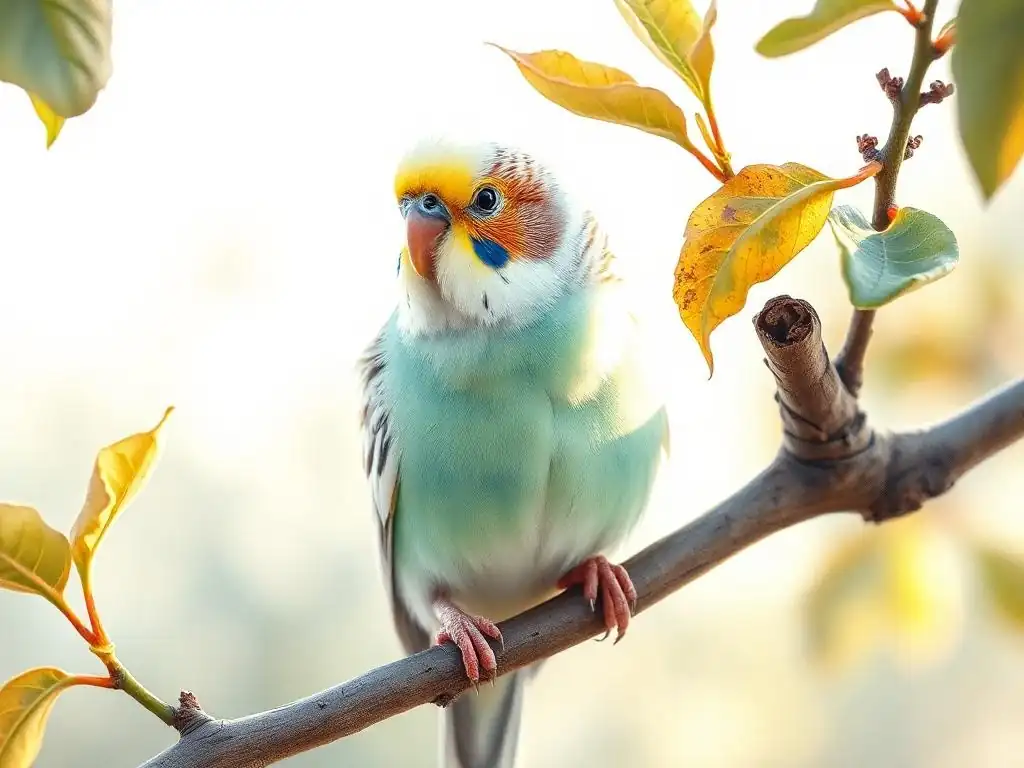
Understanding how a budgie's behavior changes with age is crucial for responsible pet ownership. As budgies age, typically around 8 years and beyond, 1 subtle and sometimes significant shifts in their behavior can occur. These changes are often linked to physiological decline and decreased physical capabilities. Recognizing these changes allows owners to provide appropriate care and maintain their budgie's quality of life during their senior years. This section focuses on identifying common behavioral modifications in aging budgies, enabling proactive care and enrichment adjustments. The key to successful senior budgie care lies in attentive observation and a willingness to adapt your approach to their changing needs. This is especially important for the keyword "Bird behavior age changes" as it highlights the specific behavioral shifts seen in aging budgies, a crucial aspect of responsible pet ownership.
Common Behavioral Changes in Aging Budgies: Specific Changes
Aging budgies often exhibit decreased activity levels. Instead of the energetic flitting and playful antics of their younger years, senior budgies may spend more time resting or preening. This isn't necessarily a cause for alarm, but a natural consequence of aging. However, a significant decrease in activity, coupled with other symptoms, could indicate an underlying health issue requiring veterinary attention. For example, a budgie that was once highly interactive and suddenly becomes lethargic and withdrawn warrants a check-up.
Another common change is a decrease in vocalizations. While some senior budgies remain quite vocal, many experience a reduction in their chirping, singing, or calls. This can be subtle, with a decrease in the frequency or volume of their usual sounds, or more dramatic, with almost complete silence. This change, like decreased activity, should be monitored carefully, especially if accompanied by other behavioral or physical changes.
Changes in appetite and eating habits are also prevalent. Some older budgies may become less interested in food, while others might develop a preference for certain foods over others. Weight loss can be a serious sign of illness, so monitoring food intake and weight is essential. Keep a detailed record of your budgie's eating habits—this can be invaluable when consulting a veterinarian.
Finally, some senior budgies may exhibit increased sleeping patterns. They may sleep for longer periods during the day and night. While increased sleep is normal to a degree, excessive sleeping or difficulty waking up could be indicative of illness.
| Behavioral Change | Description | Potential Underlying Cause(s) |
|---|---|---|
| Decreased Activity | Less flitting, playing, exploring | Age, illness (e.g., respiratory problems, arthritis) |
| Reduced Vocalizations | Less frequent or quieter chirping, singing, or calls | Age, illness, stress |
| Altered Appetite/Eating Habits | Changes in food intake, preference for certain foods, weight loss | Age, illness, dental problems |
| Increased Sleeping | Longer periods of sleep during the day and night | Age, illness, pain |
Maintaining Budgie Wellbeing in Senior Years: Specific Care Recommendations
Maintaining the wellbeing of a senior budgie requires a proactive approach. Providing a comfortable and secure environment is paramount. This includes ensuring the cage is easily accessible, with perches at various heights to accommodate potential mobility issues. Soft bedding can provide additional comfort. Maintaining a consistent temperature and humidity level is also critical, as older birds are often more sensitive to environmental fluctuations.
Nutrition plays a vital role in supporting the health of aging budgies. Offer a balanced diet of high-quality seeds, pellets, fresh vegetables, and fruits. Consider adding supplements as recommended by an avian veterinarian to address any specific nutritional deficiencies. Regular veterinary checkups are crucial for early detection and management of age-related health problems. These checkups should include weight monitoring and thorough examinations.
Gentle handling is crucial to avoid causing stress or injury. Avoid sudden movements and handle your budgie with care, supporting its body adequately. Observe your budgie closely for any signs of discomfort or pain. Remember, early intervention is key when addressing health concerns in older birds.
Important Note on Medications
Always consult with an avian veterinarian before administering any medications to your senior budgie. Some medications can have negative side effects, and incorrect dosage can be harmful.
Adapting Budgie Enrichment for Older Birds: Examples of Suitable Enrichment
While senior budgies may have decreased activity levels, providing appropriate enrichment remains essential for their mental and physical stimulation. The key is to adapt enrichment activities to their reduced physical capabilities. Instead of challenging activities, focus on simple, low-impact options.
For example, you can offer:
- Smaller, lighter toys that are easier to manipulate.
- Food puzzles that require minimal physical effort.
- Soft, comfortable perches in various locations within the cage.
- Quiet, calming music or soundscapes.
- Increased interaction and gentle petting sessions.
Avoid toys with small parts that could pose a choking hazard. Remember that the goal is to provide mental stimulation without causing undue stress or physical strain. Regularly rotate toys to prevent boredom. Observe your budgie's interactions with its toys and adjust accordingly. A senior budgie may enjoy the same toys it always did, but with less enthusiasm. That’s perfectly normal. The goal is to maintain engagement, not to force activity.
1 The lifespan of a budgie can vary depending on factors such as genetics, diet, and overall care.
Recognizing Distress Signals in Budgies of All Ages
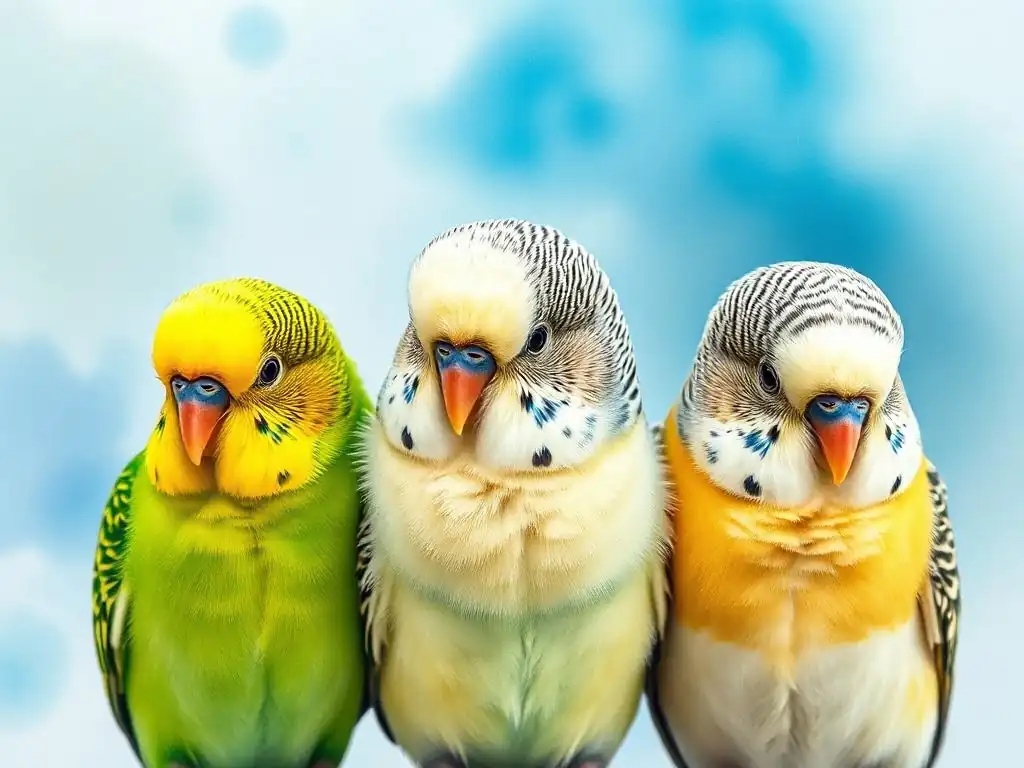
Budgies, or parakeets, are incredibly expressive birds, and understanding their body language is crucial for responsible ownership. Their behavior can subtly shift with age, making it vital to learn to distinguish between normal age-related changes and signs of distress. This section focuses on identifying distress signals in budgies across their lifespan, from fledglings to senior citizens. Early detection of distress is key to ensuring your feathered friend receives prompt and appropriate care. Recognizing these subtle shifts in bird behavior age changes is a critical skill for any budgie owner.
Identifying Signs of Illness or Injury Through Behavior
Illness and injury often manifest first as behavioral changes in budgies. A normally active and playful bird might become lethargic, ruffled, or withdrawn. Specific behavioral indicators of distress include:
- Fluffed-up feathers: While a budgie might fluff its feathers to stay warm, excessive fluffing, particularly when combined with other symptoms, could indicate illness or discomfort. This is a common sign and often one of the first observable bird behavior age changes.
- Changes in vocalizations: A sudden increase in squawking, a change in the tone of their chirps, or complete silence can be a warning sign. Listen carefully to your budgie's usual vocalizations to detect any deviations.
- Lethargy and inactivity: A budgie that is usually active and playful might become unusually lethargic, spending more time perched and less time exploring its environment. This can be a significant indicator, especially when coupled with other behavioral or physical changes.
- Changes in eating and drinking habits: A decrease or increase in food and water intake can signify underlying health problems. Monitor your budgie's food and water consumption regularly.
- Abnormal droppings: Changes in the color, consistency, or frequency of droppings can provide valuable clues about a budgie's health. Keep an eye on the droppings and note any unusual changes.
- Difficulty breathing: Noticeable labored breathing, gasping, or open-mouth breathing can indicate respiratory problems. This is a serious symptom requiring immediate veterinary attention.
- Self-mutilation: Excessive preening or feather plucking, potentially leading to self-mutilation, can sometimes indicate underlying stress, discomfort, or illness.
The severity and combination of these signs can vary depending on the underlying cause. For example, a young budgie might show more pronounced lethargy and decreased appetite during an illness, while an older budgie might exhibit subtle changes in behavior, such as reduced interaction or increased sleep. Careful observation and attention to detail are crucial in detecting these early warning signals and ensuring prompt veterinary care. Understanding these subtle bird behavior age changes is essential for proactive pet care.
Responding to Distress: Immediate Actions and Veterinary Care
If you observe any of the distress signals mentioned above, it's crucial to take immediate action. First, isolate the affected budgie to prevent the spread of any potential illness. Provide a quiet, warm, and comfortable environment. Offer fresh food and water, ensuring easy access.
Next, carefully observe the budgie for any further changes in its behavior or physical condition. Note the time and nature of the observed symptoms. This detailed information will be invaluable when contacting an avian veterinarian.
Prompt veterinary care is essential for any budgie exhibiting signs of distress. Avian veterinarians have specialized knowledge and equipment to diagnose and treat avian illnesses and injuries. Do not attempt to self-treat your budgie. Delaying veterinary care can significantly impact the outcome. Early intervention often leads to better recovery rates. Remember, proactive care based on understanding bird behavior age changes can mean the difference between a quick recovery and a more serious situation. Your budgie's well-being depends on your vigilance and prompt action.

Understanding your budgie's behavior is crucial for a strong bond and successful pet ownership. However, budgie behavior changes significantly throughout their lifespan, meaning what might be normal behavior in a young budgie could indicate a problem in an older bird. This section focuses on how to interpret these age-related behavioral shifts in your budgie and foster better communication.
Successfully navigating these changes is key to ensuring your feathered friend thrives throughout their life. Effective communication with your budgie, regardless of age, hinges on recognizing subtle cues and adapting your approach to their developmental stage. This involves paying close attention to their body language, vocalizations, and overall activity levels.
Building Trust and Bond with Budgies of Different Ages
Building trust with a budgie, regardless of age, requires patience and consistency. Younger budgies, typically under one year old, are often more curious and playful, readily engaging in interaction. They may exhibit bolder behaviors, like approaching your hand for interaction or accepting treats more readily. Establishing trust with a young budgie often involves offering consistent positive interactions such as gentle petting (if the budgie tolerates it), providing tasty treats, and speaking to them in a calm, soothing voice. Positive reinforcement techniques are highly effective.
Older budgies, on the other hand, may be more cautious and less inclined to approach new stimuli. They may have developed ingrained preferences and routines. Building trust with an older budgie may require a slower, more gentle approach. Observe their body language carefully – signs of stress, such as ruffled feathers or avoidance, should be heeded. Respect their personal space and allow them to initiate interactions.
Offering familiar treats and maintaining a consistent routine can help build a sense of security. Gentle verbal reassurance can also be beneficial. Remember, patience is key, particularly with senior budgies who may be experiencing age-related changes in their physical and cognitive abilities. Understanding their individual needs and adapting your interaction style accordingly is vital for maintaining a strong bond.
Tailoring Training Methods to Age and Development Stage
Training a budgie involves understanding their developmental stage. Younger budgies, with their high energy levels and eagerness to explore, are often more receptive to new tricks and commands. Short, frequent training sessions are ideal, using positive reinforcement methods such as rewarding desired behaviors with treats or praise. Keep the sessions fun and engaging, avoiding anything that might stress or overwhelm the bird.
Older budgies may require a different approach. Their physical abilities might decline, affecting their capacity for complex tasks. Adapt training to their physical limitations; shorter sessions and simpler commands are recommended. Avoid pushing them too hard. Focus on reinforcing already learned behaviors rather than introducing new ones.
Consistency and patience remain crucial, but understanding their physical and cognitive capabilities is key to successful training. It's important to remember that some older budgies might be less receptive to training, and that's perfectly acceptable. The emphasis should be on maintaining a positive and supportive relationship, rather than pushing for new skills. The goal is to maintain the bond and enrich their lives, not to stress them. Positive reinforcement, patience, and an understanding of their age-related changes are paramount for successful training at any age.
Frequently Asked Questions
How does a bird's behavior change as it ages?
Bird behavior changes significantly with age. Young birds are typically more active and playful, while older birds may become less energetic and more sedentary. Their social interactions may also shift.
What are some common behavioral problems in aging birds?
Older birds may exhibit increased aggressiveness, decreased appetite, or changes in sleep patterns. They might also become more vocal or display signs of cognitive decline. Veterinary attention is crucial for diagnosis and treatment.
Can I do anything to help my aging bird adjust to behavioral changes?
Yes, providing a safe and stimulating environment is vital. This includes enrichment activities, a comfortable resting place, and a consistent routine. A balanced diet and regular veterinary checkups are also essential.
How can I tell if my bird's behavioral changes indicate a health problem?
Sudden and drastic changes in behavior, such as extreme lethargy, loss of appetite, or self-mutilation, should be considered medical emergencies. Consult your avian veterinarian immediately.
What specific behavioral changes are unique to certain bird species as they age?
Behavioral changes vary among species. For example, some parrot species may become more docile, while others might become more demanding. Researching your specific bird's breed will provide insights into typical age-related changes.
Final Reflection: Unlocking Avian Wisdom Through the Lens of Time
Understanding bird behavior across their lifespan is not merely an academic pursuit; it's crucial for effective conservation and a deeper appreciation of the natural world. The subtle shifts in posture, vocalizations, and social interactions detailed in this article highlight the remarkable adaptability and complexity of avian life, offering a window into the intricate tapestry of their existence.
The insights gained from observing these age-related behavioral changes have profoundly impacted my own understanding of animal intelligence and the interconnectedness of life. The more I learn about birds, the more I realize how much there is still to discover.
This sentiment resonates deeply, as each new observation reveals further layers of complexity in avian behavior, reminding us of the vastness of the natural world and the importance of continued research and observation. The subtle shifts in foraging strategies, mate selection, and parental care, all influenced by age, paint a vibrant picture of the dynamic lives of these creatures.
Consider the implications of this knowledge. How can we better protect aging birds in their natural habitats? How can we improve captive breeding programs by understanding the specific needs of birds at different life stages? You, the reader, hold the power to contribute to this ongoing exploration. By paying closer attention to the birds around you, observing their subtle cues, and sharing your observations, you become a vital part of a larger community dedicated to understanding and protecting these magnificent creatures. Let's continue to learn, to observe, and to advocate for the well-being of birds of all ages.
Unlock Your Bird's Secrets: Understanding Their Ever-Changing Communication
Thank you for exploring the fascinating world of avian communication! Building a strong bond with your bird hinges on understanding how its behavior changes throughout its life. Let's put this knowledge into practice!
- Deepen your connection: Observe your bird closely for an hour, noting subtle shifts in posture, vocalizations, and interactions. You might be surprised by what you discover!
- Share your discoveries: Tell us about an interesting behavior you've observed in the comments below! Let's build a vibrant community of bird lovers!
- Expand your knowledge: Explore other articles on PetCareWorld.org related to bird care – you'll find many more insights to enrich your understanding.
What unusual behavior has most surprised you in your bird? Let's discuss!