
Service Dog Training: Legal Rights and Responsibilities of Service Dog Handlers


Welcome to PetCareWorld, your ultimate guide to the wonderful world of pet care! Are you ready to delve into the crucial legal aspects of responsible pet ownership? Then discover the essential information you need regarding Service Dog Handler Legal Rights. Understanding these rights is paramount for ensuring the safety and well-being of both you and your service dog. Explore our in-depth guide and learn how to navigate the legal landscape with confidence. Let's embark on this journey together!
- Understanding Your Legal Rights as a Service Dog Handler
- Responsibilities of Service Dog Handlers: Maintaining Legal Compliance
- Legal Ramifications of Misrepresenting a Service Dog
- Resources and Further Information for Service Dog Handlers
- Navigating Challenges: Common Issues Faced by Service Dog Handlers
- Protecting Your Rights: Documentation and Advocacy
- Frequently Asked Questions
- Final Reflection: Navigating the Landscape of Service Dog Rights
- Unleash Your Advocacy: Empowering Service Dog Handlers
Understanding Your Legal Rights as a Service Dog Handler
Navigating the world with a service dog requires a thorough understanding of your legal rights and responsibilities. This comprehensive guide delves into the crucial legal aspects of service dog ownership, focusing on the rights afforded to handlers under the Americans with Disabilities Act (ADA) and other relevant legislation. We will explore your rights regarding public access, housing, and transportation, equipping you with the knowledge to advocate effectively for yourself and your service animal.
Understanding these rights is not just about convenience; it's about ensuring equal access and participation in society for individuals with disabilities who rely on their service dogs for independence and well-being. This guide aims to empower you to confidently navigate various situations and challenge any discriminatory practices encountered.
Remember, your service dog is an integral part of your life, and knowing your rights is paramount to ensuring a safe and inclusive experience for both you and your canine companion. 🐕
Public Access Rights for Service Dogs under the ADA
The Americans with Disabilities Act (ADA) grants individuals with disabilities the right to access most public places with their service dogs. This includes restaurants, stores, healthcare facilities, and other businesses open to the public. The ADA defines a service animal as a dog that is individually trained to do work or perform tasks for an individual with a disability. Crucially, the ADA does not require service dogs to wear vests or identification tags, although many handlers choose to use them.
📝 Importantly, businesses are legally prohibited from asking about the nature of a person's disability or what tasks the dog performs. They can only ask two questions: (1) Is this a service animal required because of a disability? and (2) What work or task has the dog been trained to perform? Businesses can deny access only if the dog is out of control and the handler cannot effectively control it or if the dog poses a direct threat.
However, even in these circumstances, reasonable modifications must be considered. For example, if a dog is exhibiting disruptive behavior, the business might ask the handler to remove the dog temporarily or to take the dog outside until the behavior improves. This protection extends to a wide range of service dogs, including those trained for tasks such as mobility assistance, seizure alert, or psychiatric support. Understanding and exercising these rights ensures equal access to essential services and opportunities for individuals reliant on their service animals.
Service Dog Handler Rights in Housing
The Fair Housing Act (FHA) provides significant protections for service dog handlers regarding housing. The FHA prohibits discrimination against individuals with disabilities in housing, including the refusal to rent or lease to a person with a service animal. Landlords cannot impose pet fees or other pet-related charges on service dogs, regardless of breed or size. They also cannot enforce "no pets" policies against service animals.
However, it's important to note that handlers are responsible for any damage caused by their service dogs, just like any other tenant. Providing proper documentation, such as a letter from a healthcare professional or a service dog training organization, can strengthen your position. If a landlord attempts to discriminate against you because of your service dog, you are protected under the FHA and can seek legal recourse. This protection extends to various housing situations, including apartments, condos, and single-family homes.
It is vital to be aware of your rights to ensure fair and accessible housing options for yourself and your service dog. Remember to maintain clear and respectful communication with your landlord to address any potential concerns proactively. 🏡
Transportation Rights for Service Dog Handlers: Air, Rail, and Public Transit
Service dog handlers enjoy significant protections regarding transportation under the ADA. Airlines, trains, and public transit systems are generally required to allow service dogs to accompany their handlers at no additional cost. While airlines may have specific requirements, such as providing advance notice, they cannot refuse to transport a service dog unless the dog poses a direct threat to the safety of others or disrupts the operation of the aircraft. Similarly, train and bus services must accommodate service dogs. However, handlers may need to provide documentation in certain circumstances. It's crucial to check the specific policies of each transportation provider for any specific guidelines or requirements. Remember, your service dog is considered an essential part of your mobility and assistance, and therefore, transportation providers must make reasonable accommodations to ensure your safe and accessible travel. These rights ensure that individuals with disabilities can travel freely and maintain their independence. ✈️🚂🚌
Employment Rights and Service Dogs: Workplace Accommodations
The Americans with Disabilities Act (ADA) significantly protects the rights of individuals with disabilities, including those who rely on service dogs. This protection extends to the workplace, ensuring reasonable accommodations are made for employees with service animals. Understanding these rights is crucial for both employees and employers.
The ADA doesn't define what constitutes a "reasonable accommodation," but it emphasizes that the employer must engage in an interactive process with the employee to determine what adjustments are necessary and feasible. This process should be collaborative and focus on finding solutions that minimize disruption while ensuring the employee can perform their job effectively.
For example, an employee with a visual impairment who uses a service dog for guidance might require adjustments such as designated areas for the dog to rest during the workday or modifications to workspace layout to ensure safe navigation. Similarly, an employee with PTSD who uses a service dog for emotional support might need a quiet workspace or flexibility in their schedule to accommodate the dog's needs.
These accommodations are not limited to physical changes; they can also include changes to work policies or procedures. The key is that the accommodation must be effective in addressing the employee's disability-related needs and not create an undue hardship for the employer.
It's important to note that the ADA doesn't require employers to allow service dogs in areas where animals are prohibited due to health and safety regulations, such as sterile operating rooms or food preparation areas. However, employers must explore alternative arrangements to accommodate the employee's needs.
For instance, if a service dog cannot accompany an employee to a specific area, alternative solutions like modified work tasks or job restructuring might be considered. Denying employment or terminating employment based solely on the presence of a service dog is a violation of the ADA and can result in significant legal consequences for the employer.
The interactive process between the employer and employee is key. This involves open communication, a willingness to explore options, and a commitment to finding workable solutions. Documentation of the disability and the necessity of the service dog can be helpful in this process. The employee should provide appropriate documentation from a licensed healthcare professional, while the employer should maintain confidentiality regarding the employee's disability.
Ignoring these rights, or failing to engage in good-faith efforts to find accommodations, can lead to lawsuits and significant financial penalties for the employer. Successfully navigating these legal waters requires a clear understanding of the ADA's provisions and a commitment to fostering a welcoming and inclusive workplace for all employees. Ignoring these rights can lead to significant legal ramifications for employers. The process necessitates clear communication, collaboration, and a commitment to finding suitable solutions.
Responsibilities of Service Dog Handlers: Maintaining Legal Compliance
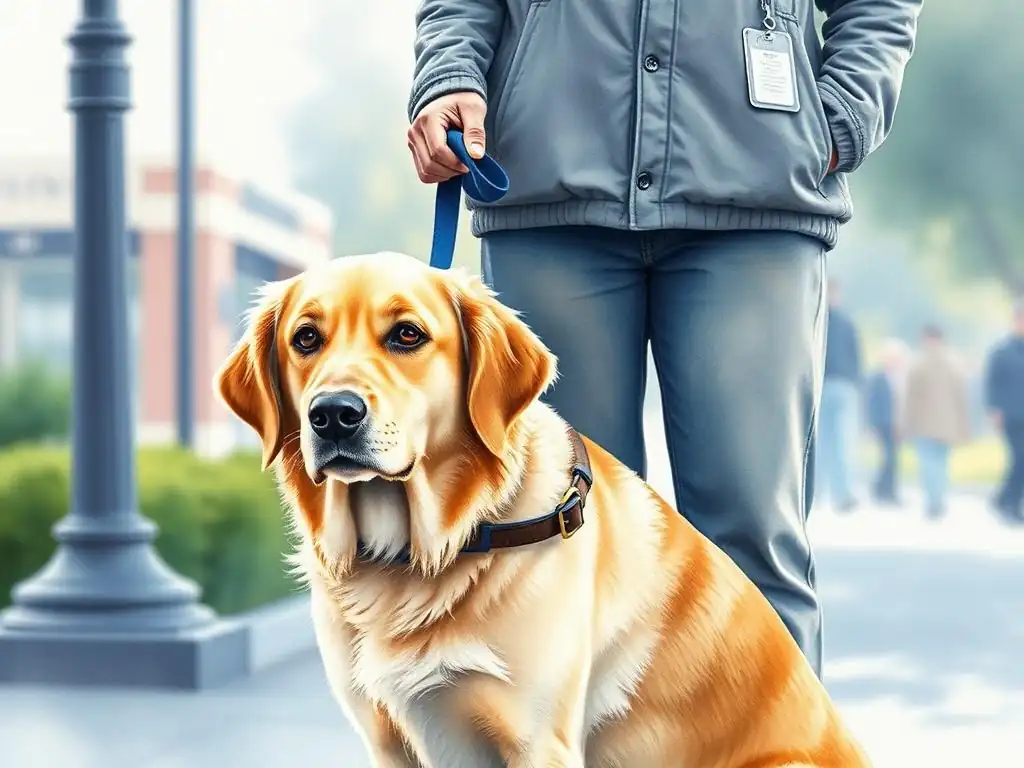
This section details the crucial responsibilities service dog handlers have to ensure legal compliance and responsible pet ownership. Understanding and fulfilling these obligations is essential for maintaining the privileges afforded to service dog handlers under the law and fostering a positive perception of service dogs within the community. Neglecting these responsibilities can lead to legal repercussions and undermine the vital role service dogs play in the lives of their handlers.
Ensuring Your Service Dog is Properly Trained and Behaved
A well-trained service dog is not merely a pet; it's a crucial component of its handler's independence and well-being. The legal framework surrounding service dogs often implicitly, and sometimes explicitly, requires a certain level of training and behavioral control. This isn't about achieving perfect obedience in all situations; it's about ensuring the dog can perform its designated tasks reliably and safely in a variety of public settings. Poorly trained service dogs can pose a risk to the handler, other individuals, and the public perception of service dogs as a whole.
This necessitates a commitment to ongoing training. This training should cover a wide range of scenarios, including distractions, crowds, and unfamiliar environments. Handlers should be prepared to demonstrate their dog's training proficiency if questioned. Specific training needs vary greatly depending on the handler's disability and the dog's tasks, but consistent and comprehensive training is paramount. Consider professional trainers specializing in service dog training for personalized guidance and assessment. Regular practice and reinforcement of learned commands are equally crucial.
The Importance of Proper Identification and Documentation for Your Service Dog
While specific legal requirements vary by jurisdiction, many localities recommend or require some form of identification for service dogs. This might include a vest, harness, or collar clearly identifying the dog as a service animal. However, it's crucial to understand that these are visual aids, not legal requirements in themselves. The absence of such identification does not automatically invalidate a service dog's status. The focus should be on the dog's ability to perform its tasks, not on its appearance.
More important than visible identification is maintaining appropriate documentation related to the service dog's training and its role in mitigating the handler's disability. This documentation isn't generally required to be shown to the public, but it can be invaluable if a situation arises where the handler's right to access with their service dog is challenged. This documentation could include letters from healthcare professionals or training certificates. Keeping this information readily accessible is a proactive step towards ensuring compliance and protecting your rights.
Understanding and Adhering to "No Pets" Policies Exceptions
Businesses and other establishments often have "no pets" policies. However, these policies must make exceptions for service animals under the Americans with Disabilities Act (ADA) and similar legislation in other countries. It’s the handler's responsibility to understand and respectfully navigate these situations. This doesn't mean demanding entry; it means politely and firmly explaining that the dog is a service animal necessary for mitigating a disability. It's generally advisable to be prepared to briefly explain the dog's function without disclosing unnecessary personal medical information.
Remember, handlers are not required to disclose their disability or provide documentation unless legally required to do so. However, politely and professionally addressing concerns can often prevent misunderstandings and ensure smooth access. If a business owner refuses access despite the legitimate status of the service dog, it's important to document the incident and consider filing a complaint with the appropriate regulatory bodies. This proactive approach helps protect your rights and those of other service dog handlers.
Remember, responsible service dog handling is key to maintaining the rights and privileges associated with service dog ownership. By adhering to these responsibilities, handlers contribute to a more inclusive and understanding environment for people with disabilities.
Addressing Misconceptions and Handling Interactions with the Public
Understanding the public's perception of service dogs is crucial for responsible handling. Many people harbor misconceptions about service dogs, their tasks, and the rights of their handlers. These misconceptions often stem from a lack of awareness regarding the Americans with Disabilities Act (ADA) and its provisions concerning service animals. For instance, some individuals may mistakenly believe that any dog can be a service dog, or that handlers are not required to maintain control over their animals. This misunderstanding frequently leads to inappropriate interactions and questions directed towards handlers.
Addressing these misconceptions requires patience and tact. While handlers are not obligated to disclose their disability, politely and briefly explaining the dog's role can often diffuse tense situations. A simple statement like, "My dog is a service animal and is working," is usually sufficient. Avoid getting into lengthy explanations or arguments, as this can be both stressful and unproductive. Remember, your focus should remain on maintaining control of your service dog and ensuring its continued ability to perform its tasks.
Furthermore, it's vital to proactively manage interactions. While you have the right to access public spaces with your service dog, consider the context. For example, in a crowded restaurant, it might be prudent to choose a less busy area to minimize potential disruption. Similarly, ensuring your dog is well-behaved and appropriately harnessed or leashed demonstrates responsible ownership and reduces the likelihood of negative encounters.
By exhibiting responsible behavior, you not only uphold your legal rights but also contribute to a more positive perception of service dogs in the community. Proactive management of interactions is a key responsibility of every service dog handler. Remember, your actions directly impact the public's understanding and acceptance of service animals.
The ADA does not grant handlers the right to bring their service dogs into areas where animals are generally prohibited, such as sterile operating rooms or food preparation areas. Understanding these limitations and respecting them is crucial in maintaining legal compliance. Responsible handlers actively work to prevent situations that could compromise the safety and well-being of others or their service animal.
This proactive approach contributes to the ongoing acceptance of service dogs in public spaces. It's a delicate balance between asserting your legal rights and being a considerate member of the community. This balance is best maintained through proactive communication, responsible dog handling, and a thorough understanding of your rights and limitations under the ADA.
Legal Ramifications of Misrepresenting a Service Dog

Misrepresenting a pet as a service dog carries significant legal consequences, impacting both the individual and the broader community of legitimate service dog handlers. The penalties are not merely fines; they can involve substantial legal battles and reputational damage. Understanding these ramifications is crucial for responsible pet ownership and the preservation of the rights of those who genuinely rely on service dogs.
Penalties for Falsifying Service Dog Status
The penalties for falsely claiming a pet is a service dog vary considerably depending on jurisdiction and the specific circumstances. Some locations might issue warnings or small fines for a first offense, particularly if it's a minor infraction. However, repeated violations or more egregious misrepresentations can lead to much stricter penalties. These can include:
- Significant fines: These fines can range from hundreds to thousands of dollars, depending on the severity of the offense and the jurisdiction.
- Legal action from businesses: Businesses have the right to refuse entry to animals that are not legitimate service animals. If an individual persistently misrepresents their pet's status and causes disruption or damage, the business could pursue legal action to recover losses.
- Criminal charges: In some cases, particularly if fraud or deception is involved (e.g., obtaining disability benefits fraudulently by claiming to need a service dog), criminal charges can be filed, resulting in jail time or a criminal record.
- Civil lawsuits: Individuals who are legitimately harmed or inconvenienced by a falsely represented service animal could file civil lawsuits seeking compensation for damages.
It's important to note that the legal definition of a service dog varies by location. Understanding the specific laws in your area is paramount. Failing to comply with these regulations can result in legal repercussions. The consequences extend beyond the individual; the actions of those who misrepresent their pets undermine the credibility and acceptance of genuine service dog teams. This ultimately harms individuals who truly rely on their service dogs for independence and safety.
Protecting the Integrity of Service Dog Programs
The integrity of legitimate service dog programs is vital. False claims erode public trust and can lead to restrictions that negatively impact individuals who depend on service dogs. Protecting this integrity involves:
- Public education: Raising public awareness about the difference between service dogs, emotional support animals, and pets is crucial. Clear guidelines and educational campaigns can help prevent misunderstandings and discourage misrepresentation.
- Stricter enforcement of existing laws: Consistent and robust enforcement of existing laws regarding service animals is necessary to deter fraudulent behavior. This requires collaboration between law enforcement agencies, businesses, and service dog organizations.
- Improved verification methods: While there isn't a universal registry for service dogs due to privacy concerns, exploring methods for verifying the legitimacy of service animals without compromising the privacy of handlers is an ongoing challenge.
- Collaboration among stakeholders: Effective protection of service dog programs requires collaboration between service dog organizations, disability advocacy groups, businesses, and lawmakers. Shared understanding and coordinated efforts are crucial to establishing and enforcing fair and effective regulations.
The responsible use of service dogs is essential. Protecting the rights of legitimate handlers and the integrity of service dog programs requires a multifaceted approach involving education, enforcement, and collaboration. Misrepresenting a service dog is not only irresponsible but also carries severe legal consequences.
Resources and Further Information for Service Dog Handlers

This section provides valuable resources and further information for service dog handlers, focusing on navigating the legal landscape and ensuring the well-being of both handler and canine companion. Understanding your rights and responsibilities as a service dog handler is crucial for a successful and harmonious partnership. This information supplements the legal framework discussed previously and offers practical avenues for support and guidance.
Organizations Providing Support and Guidance
Numerous organizations dedicated to service dog training and handler support offer invaluable resources, advocacy, and community. These groups provide a network of experienced individuals and professionals who can answer questions, offer advice, and provide crucial support throughout the journey of service dog handling. They play a vital role in advocating for the rights of service dog handlers and promoting understanding and acceptance within the broader community. Seeking out these resources can significantly improve the experience and success of service dog partnerships.
Here's a breakdown of the types of support these organizations often provide:
- Legal Assistance and Advocacy: Many organizations offer legal advice or referrals to lawyers specializing in disability rights, particularly concerning service animal access and discrimination. This is invaluable in addressing legal challenges faced by service dog handlers.
- Training Resources and Workshops: These groups frequently host workshops and provide resources on advanced training techniques, addressing specific challenges, and maintaining a strong bond with your service dog. This ongoing education is critical for maintaining a well-trained and effective service animal.
- Community and Support Networks: Connecting with other service dog handlers creates a supportive community where individuals can share experiences, advice, and offer mutual encouragement. This peer support is invaluable in navigating the challenges of service dog ownership.
- Public Awareness Campaigns: Many organizations actively engage in public awareness campaigns to educate the public about service dogs, their roles, and the rights of their handlers. This education plays a crucial role in fostering a more inclusive and understanding environment for service dogs.
Legal Professionals Specializing in Disability Rights
Navigating the legal complexities surrounding service dogs requires specialized expertise. Seeking legal counsel from professionals specializing in disability rights is often crucial, particularly when facing discrimination or legal challenges. These legal professionals possess in-depth knowledge of the Americans with Disabilities Act (ADA) and related state and local laws, empowering service dog handlers to protect their rights effectively.
When seeking legal representation, consider the following:
- Experience with Service Animal Cases: Look for lawyers with a proven track record of successfully handling cases involving service animals and disability rights. This specific experience is essential for navigating the intricacies of relevant legislation.
- Understanding of the ADA: Ensure the lawyer has a thorough understanding of the ADA and its implications for service dog handlers. This knowledge is fundamental to building a strong legal case.
- Accessibility and Communication: Choose a lawyer who is accessible and communicates effectively, considering the specific needs and challenges faced by service dog handlers. Clear and consistent communication is vital throughout the legal process.
- Client Reviews and Testimonials: Before engaging legal counsel, review client testimonials and feedback to assess their effectiveness and responsiveness. This due diligence can provide valuable insights into the lawyer's approach and client experience.
Remember, proactive engagement with these resources can significantly enhance the experience of being a service dog handler, ensuring both the handler and their service dog thrive. Understanding your legal rights and accessing the support networks available are key to a successful partnership.

Service dog handlers, while enjoying the invaluable support of their canine partners, frequently encounter various challenges. Understanding these difficulties is crucial for promoting a more inclusive and supportive environment for both handlers and their service animals. Successfully navigating these obstacles requires knowledge of legal rights, proactive strategies, and a resilient mindset.
This section explores some of the most prevalent issues faced by service dog handlers, providing insights and practical advice for overcoming them. Effective advocacy and community support play a vital role in mitigating these challenges and ensuring a positive experience for individuals relying on service dogs. The legal framework surrounding service animals, while robust, often needs practical application and understanding to truly benefit handlers.
Dealing with Discrimination and Harassment
Discrimination against service dog handlers remains a significant concern. Many handlers report being denied access to businesses, public transportation, or housing due to misconceptions about service dogs and their rights under the Americans with Disabilities Act (ADA). This often manifests as direct refusal of entry, unwarranted questioning about the dog's specific tasks, or even outright hostility. The emotional toll of such experiences can be substantial, adding to the already complex challenges faced by individuals with disabilities.
Examples of discriminatory practices include:
- Being asked to provide documentation proving the dog's service status (the ADA prohibits this).
- Being subjected to invasive questioning about the handler's disability.
- Being told that the dog is "too big" or "too disruptive."
- Being denied access to services or facilities available to other patrons.
- Experiencing verbal abuse or harassment directed towards the handler or service dog.
It's vital for service dog handlers to understand their rights under the ADA and to confidently assert them when faced with discrimination. Documenting incidents, including dates, locations, and details of the interaction, can be crucial in addressing these situations effectively. Reporting discrimination to the appropriate authorities, such as the Department of Justice, can also help prevent future incidents and promote accountability. Furthermore, educating the public about service dog rights and responsibilities can contribute to a more inclusive society. Remember, the law protects your right to access public accommodations with your service dog.
Addressing Concerns Regarding Service Dog Behavior
While service dogs undergo rigorous training, occasional behavioral issues can arise. These issues, however, are often misunderstood or misinterpreted, leading to unnecessary conflicts. Addressing concerns about a service dog's behavior requires a balanced approach, emphasizing both the handler's responsibility and the public's understanding. It's critical to remember that a service dog is a working animal, focused on supporting its handler. Certain behaviors, even if seemingly disruptive, may be directly related to the handler's disability or needs.
Common concerns include:
- Excessive barking: This might be a response to a handler's sensory overload or a learned signal for assistance.
- Pulling on the leash: This can stem from the dog's training or the handler's need for assistance with mobility.
- Unintentional contact with others: This may be due to the dog's size or the handler's need for physical support.
Handlers have a responsibility to actively manage their service dog's behavior, ensuring it doesn't pose a threat or significant disruption to others. This includes providing appropriate training, using effective communication techniques, and addressing any behavioral problems promptly. However, it's equally important for the public to understand that service dogs are working animals and may exhibit behaviors that wouldn't be acceptable for a pet.
Patience, understanding, and a willingness to communicate can go a long way in resolving any concerns that may arise. Open dialogue and a focus on collaboration are key to ensuring a positive experience for both the handler and the surrounding community. Remember, the service dog's behavior should be evaluated within the context of its work and the handler's needs.
Protecting Your Rights: Documentation and Advocacy
This section focuses on the crucial role of documentation and advocacy in safeguarding your rights as a service dog handler. Strong documentation serves as irrefutable evidence of your service dog's training and your legitimate need for its assistance, significantly bolstering your legal standing. Proactive advocacy, on the other hand, empowers you to navigate potential conflicts and challenges effectively. Remember, understanding your rights as a service dog handler is only half the battle; knowing how to protect those rights is equally vital. The legal landscape surrounding service animals is complex, and preparation is key.
Maintaining Thorough Records of Service Dog Training and Certification
Meticulous record-keeping is paramount. This isn't just about having a certificate; it's about building a comprehensive history demonstrating your service dog's training, its skills, and its crucial role in mitigating your disability. This documentation should include:
- Training Logs: Detailed daily or weekly logs documenting training sessions, focusing on specific tasks and the dog's progress. Note successes, challenges, and adjustments made to the training program. Include dates, times, and specific behavioral observations. For example: "October 26, 2024: Successfully completed 5 repetitions of 'retrieve medication' task. Slight hesitation observed on the 3rd repetition; adjusted cueing method."
- Certification from a Reputable Trainer: Obtain certification from a qualified and reputable service dog trainer. This certification should clearly state the dog's training, tasks performed, and the handler's name. The trainer's credentials and contact information should be included.
- Veterinary Records: Maintain up-to-date veterinary records demonstrating the dog's health and fitness for service. Regular checkups and any necessary treatments should be documented. This verifies the dog's ability to perform its tasks.
- Photos and Videos: Visual documentation can be incredibly helpful. Photos and videos showcasing the dog performing specific tasks can provide compelling evidence, particularly in situations where verbal testimony might be insufficient.
- Letters of Support: Letters from healthcare providers or therapists confirming your disability and the necessity of a service dog for your well-being can provide essential corroboration.
Remember, the more comprehensive your records, the stronger your legal position will be. Consider using a secure, cloud-based system to store your documentation for easy access and backup. This proactive approach minimizes the risk of losing critical information. Think of it as building a strong legal case before you need it.
Knowing Your Rights and How to Assert Them
Under the Americans with Disabilities Act (ADA), service dog handlers possess significant rights. These rights include access to most public places, freedom from discrimination based on their disability or the presence of their service dog, and protection from harassment. However, knowing your rights is only the first step. You must also know how to assert them effectively. This involves:
- Politely but Firmly Informing Businesses of Your Rights: If a business attempts to deny you access, calmly and respectfully explain your rights under the ADA and the essential role your service dog plays in mitigating your disability. Refer to your documentation if necessary.
- Documenting Incidents of Discrimination: Keep detailed records of any instances where you experience discrimination or are denied access. Note the date, time, location, the individuals involved, and a description of the incident. This documentation is crucial if you need to pursue legal action.
- Understanding the Limitations of the ADA: While the ADA provides substantial protection, it’s not without limitations. Familiarize yourself with these limitations to avoid misunderstandings and unnecessary conflict. For example, while handlers generally can't be asked about their disability, questions regarding the dog's behavior or its ability to perform its tasks may be permissible.
- Knowing Your State and Local Laws: State and local laws may offer additional protections or specify certain requirements. Research your local regulations to fully understand the scope of your rights.
Effectively asserting your rights requires a balance of assertiveness and diplomacy. The goal is to resolve conflicts peacefully while firmly upholding your legal entitlements.
Seeking Legal Counsel When Necessary
Despite your best efforts, situations may arise requiring legal intervention. If you face persistent discrimination, harassment, or legal challenges related to your service dog, consulting an attorney specializing in disability rights is essential. An attorney can:
- Advise You on Your Legal Options: They can provide expert guidance on navigating the legal complexities of service dog rights and responsibilities.
- Represent You in Legal Proceedings: If necessary, they can represent you in court or during administrative proceedings.
- Negotiate Settlements: They can negotiate settlements with businesses or individuals who have violated your rights.
- Help You Gather and Organize Evidence: They can assist in collecting and organizing the documentation you've compiled to strengthen your case.
Don't hesitate to seek legal assistance if you encounter significant obstacles. Proactive legal counsel can be invaluable in protecting your rights and ensuring your access to the support you need. Early intervention can often lead to more favorable outcomes. Remember, your well-being and your service dog's ability to assist you are paramount.
Frequently Asked Questions
What are my legal rights as a service dog handler?
As a service dog handler, you have the right to access public accommodations with your service dog under the Americans with Disabilities Act (ADA). This includes restaurants, stores, and transportation. You are generally not required to provide proof of your disability or your dog's training.
Can businesses refuse entry to my service dog?
Businesses cannot refuse entry to a service dog unless the dog is out of control or poses a direct threat to the health and safety of others. They also cannot ask about your disability.
What if a business owner asks for proof of my service dog's training?
You are not required to provide documentation or demonstrate your dog's training. However, you can choose to show proof of training if you wish. It is illegal for businesses to request this.
What are my responsibilities as a service dog handler?
You are responsible for maintaining your service dog's good behavior and ensuring it is under your control at all times. This includes preventing your dog from causing a disturbance or nuisance to others. You are also responsible for cleaning up after your dog.
What happens if my service dog misbehaves in a public place?
If your service dog misbehaves, you are responsible for addressing the situation immediately. This might involve removing your dog from the premises or taking corrective action. Repeated issues could lead to loss of access rights.
The legal framework surrounding service dogs is constantly evolving, yet the core need for clear understanding remains paramount. The rights and responsibilities of service dog handlers are not merely legal technicalities; they are the foundation upon which individuals with disabilities build their independence and participation in society. Misinformation and misunderstanding continue to create barriers, highlighting the urgent need for continued education and advocacy.
The journey of a service dog handler is a testament to resilience, partnership, and the unwavering pursuit of accessibility. It's a journey filled with both triumphs and challenges, demanding patience, dedication, and a deep understanding of the legal landscape. The emotional connection between handler and dog is profound, a bond that transcends the functional role the dog plays. A service dog is more than just a dog; it's an extension of oneself, a lifeline to independence and a symbol of hope.
This profound relationship deserves the protection and understanding afforded by clear and consistently enforced laws.
You, the reader, now possess a deeper understanding of your rights and responsibilities as a service dog handler. Take this knowledge and use it to advocate for yourself and others. Engage in respectful dialogue, educate those around you, and remember that your rights are not privileges to be granted, but fundamental aspects of equal access and participation in society. Let's work together to create a world where service dog handlers are not only legally protected, but also fully embraced and understood.
Unleash Your Advocacy: Empowering Service Dog Handlers
Thanks for exploring the world of service dog handling! You've gained valuable insights into your legal rights and responsibilities—knowledge that empowers you to advocate for yourself and your canine partner. Now, let's put that knowledge into action.
- Connect with Local Resources: Start by contacting your local disability services organization. They can provide invaluable resources tailored to service dog handlers in your area, such as additional training, support groups, or legal advice.
- Share Your Knowledge: Share this information with other service dog handlers to spread awareness of their rights. Understanding these rights allows for confident navigation of public spaces with your service dog.
- Report Discrimination: If you experience discrimination, meticulously document the incident and report it to the relevant authorities. By speaking up, you help create more inclusive environments for all service dog teams.
Ready to make a difference? What concrete step will you take today to better support your service dog and advocate for your rights?