
Unlocking the Secrets of Bird Social Hierarchies: A PetCareWorld Guide

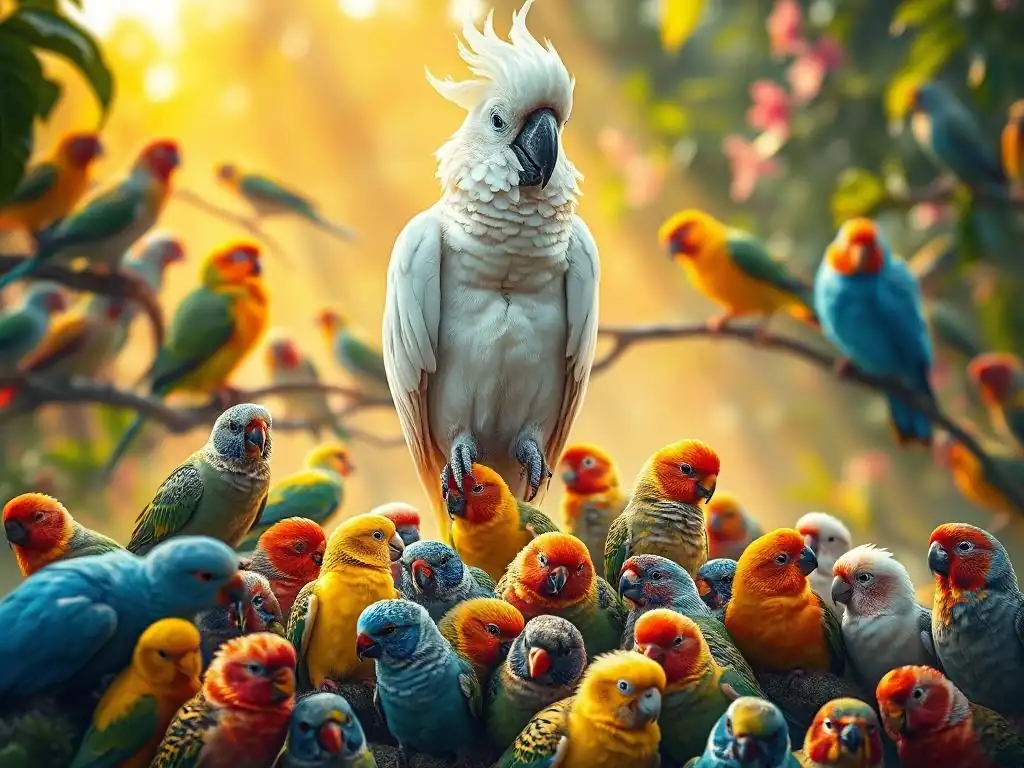
Welcome to PetCareWorld, your ultimate guide to a happier, healthier life for your beloved companion animals! Are you fascinated by the intricate social dynamics within your bird flock? Our comprehensive Bird flock social hierarchy guide dives deep into the fascinating world of avian social structures, revealing the secrets behind pecking order, communication, and conflict resolution. Discover how understanding your bird's place in the flock can unlock a whole new level of connection and improve their overall well-being. Explore the guide now and embark on a journey to better understand your feathered friends!
- Understanding Bird Flock Social Hierarchy: A Comprehensive Guide
- Observing Your Bird's Social Behavior: Practical Tips and Techniques
-
Managing Social Dynamics in Your Bird Flock: Practical Solutions
- Creating a Harmonious Environment for Multiple Birds: Space, Resources, and Enrichment
- Preventing and Resolving Conflicts: Strategies for Maintaining Social Order
- Introducing New Birds to Established Flocks: A Step-by-Step Guide
- Dealing with Bullying and Aggression Among Birds: Intervention Techniques
- Specialized Considerations for Specific Bird Species
-
Enhancing Your Bird's Well-being Through Understanding Social Dynamics
- The Importance of Social Interaction for Bird Health and Happiness
- Recognizing Signs of Social Isolation and Loneliness in Birds
- Providing Enriched Environments to Foster Positive Social Interactions
- The PetCareWorld Commitment to Responsible Bird Ownership
- Recognizing and Addressing Social Stress in Your Bird
- Creating a Stimulating and Enriching Environment for Your Avian Companion
- Frequently Asked Questions
- Final Reflection: Understanding Avian Society for a Happier Flock
- Unleash Your Inner Avian Expert!
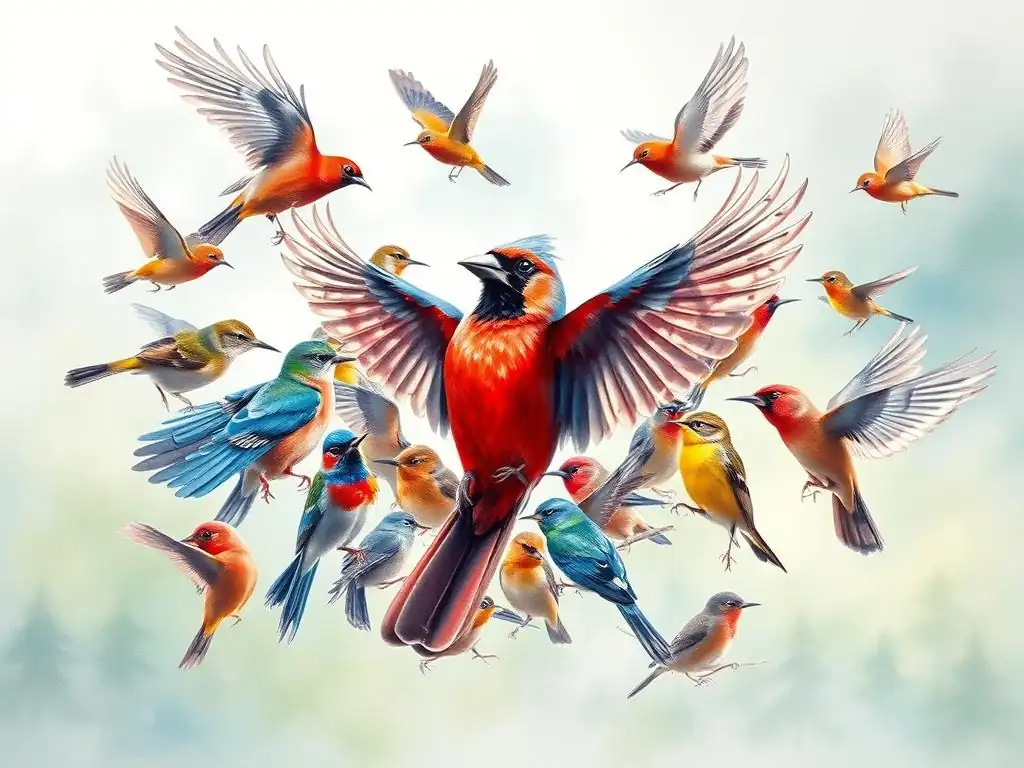
Understanding the intricate social dynamics within a bird flock is crucial for responsible bird ownership. This PetCareWorld guide delves into the complexities of bird flock social hierarchies, providing pet owners with the knowledge to better understand and support their feathered companions' social needs. Successfully navigating these hierarchies can significantly impact a bird's well-being, reducing stress and promoting a happier, healthier life.
We'll explore the key elements of dominance and subordination, the subtle signals birds use to communicate their social standing, and the factors that influence an individual bird's position within the flock. This in-depth exploration will equip you with the tools to create a more harmonious and enriching environment for your avian friend, contributing to their overall health and happiness.
Learning to interpret bird behavior within the context of their social structure is essential for proactive and preventative pet care. This guide will provide you with the knowledge necessary to address potential behavioral issues stemming from social tensions within your flock, or even just a single bird's social standing.
Defining Dominance and Subordination in Avian Society
Dominance and subordination are fundamental concepts in understanding avian social structures. Dominant birds, often referred to as "alpha" birds, exert control over resources and access to mates within the flock. This control is maintained through a combination of assertive behaviors, including aggressive displays, such as puffed-up feathers, direct stares, and even physical attacks. Subordinate birds, on the other hand, exhibit submissive behaviors to avoid conflict with dominant individuals.
These behaviors can manifest as bowing, crouching, or quickly yielding resources to higher-ranking birds. The specific displays vary significantly between species and even within flocks of the same species. For example, a dominant cockatoo might exhibit crest-raising and loud vocalizations, while a subordinate cockatoo might flatten its crest and avoid eye contact.
Understanding these species-specific signals is paramount in interpreting the social dynamics within your bird's flock. The establishment and maintenance of these hierarchies are essential for the organization and stability of the flock, ensuring efficient resource allocation and minimizing internal conflict. However, imbalances within these hierarchies can lead to stress and even health problems for subordinate birds.
Recognizing Signals of Hierarchy: Body Language and Vocalizations in Bird Flocks
Birds communicate their social status through a complex interplay of body language and vocalizations. These signals are often subtle and require careful observation to fully understand. Dominant birds frequently display postures indicating confidence and control, such as upright stances, puffed-up chests, and direct eye contact. They may also use specific vocalizations, such as loud calls or songs, to assert their dominance.
In contrast, subordinate birds often exhibit postures indicating submission, such as crouching, bowing, and averted gaze. Their vocalizations might be softer, quieter, or even absent in the presence of dominant individuals. The frequency and intensity of these signals can vary depending on the context and the specific relationship between birds.
For instance, a bird might display more submissive behavior toward a significantly larger or older bird, but might engage in more assertive behavior with a younger, smaller flock member. Observing these subtle cues is crucial for identifying potential conflicts and ensuring the well-being of all birds within the flock. Keeping detailed records of observed behaviors can help in understanding the dynamics of your birds' social interactions over time.
Several factors contribute to a bird's position within a flock's social hierarchy. Age is a significant determinant, with older birds often holding higher ranks due to their accumulated experience and established dominance. Size also plays a crucial role, as larger birds generally have a physical advantage and can more easily assert their dominance. However, personality also significantly impacts social rank.
Some birds naturally exhibit more assertive and aggressive behaviors, leading them to claim higher positions in the hierarchy. Other birds may be more docile and submissive, leading them to occupy lower positions. It's important to note that these factors often interact in complex ways. A smaller bird with a particularly bold personality might still manage to secure a relatively high rank, while a larger bird with a timid personality might find itself lower in the hierarchy.
Understanding these nuances allows owners to better anticipate potential conflicts and create an environment that supports the social needs of all birds within their care. Careful observation and understanding of individual personalities are key to maintaining a harmonious flock. [Further research on the influence of genetics on social behavior is needed].
Breeding and mating are pivotal events that significantly influence and often reshape the social hierarchy within a bird flock. The reproductive success of a pair directly impacts their social standing. Birds that successfully raise young often achieve higher positions in the hierarchy, commanding respect and potentially access to better resources. This is because successful breeding demonstrates fitness and competence, traits highly valued within the flock's social structure.
The act of breeding itself can also trigger shifts in dominance. For example, a previously subordinate pair might rise in rank after successfully fending off rivals or protecting their nest and offspring. Conversely, failure to reproduce can lead to a decline in social status, as the bird might be perceived as less capable or less valuable to the flock's overall survival.
The mating process itself is often a display of dominance and competition. Males, in many species, will engage in elaborate courtship rituals to attract females and demonstrate their fitness. These displays can involve intricate vocalizations, dazzling plumage displays, or aggressive interactions with rival males. The outcome of these competitions directly influences the social hierarchy, with the most successful males securing mates and achieving a higher social standing.
The females also play a crucial role; their mate choice can influence the social dynamics, potentially elevating or diminishing the status of the chosen male. Furthermore, the dynamics between breeding pairs and non-breeding individuals can be complex. Non-breeding birds might assist in raising young, gaining favor and potentially moving up the social ladder as a result of their contributions.
However, they may also face aggression or competition from breeding pairs protecting their resources and offspring. The complex interplay between breeding success, mate choice, and parental care profoundly shapes the social hierarchy of bird flocks, underscoring the intricate relationship between reproduction and social order. Understanding these dynamics is essential for anyone aiming to provide optimal care for flock-living birds in captivity, ensuring a harmonious and stress-free environment.
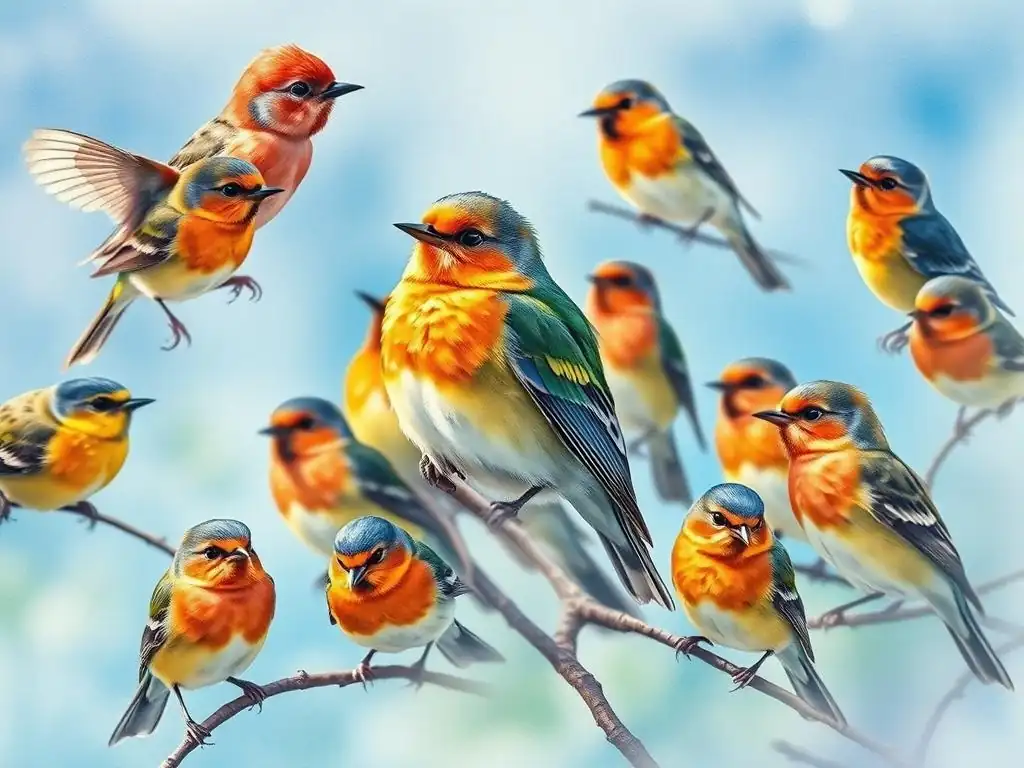
Understanding your bird's social standing within its flock is crucial for maintaining a harmonious and healthy aviary environment. This section provides practical tips and techniques to effectively observe and interpret your bird's social behavior, ultimately helping you create a thriving flock dynamic. A keen eye for detail is essential when navigating the complexities of avian social hierarchies. Remember, subtle cues often reveal much about a bird's position within the group.
Identifying Dominant and Submissive Birds within Your Aviary
Identifying dominant and submissive birds requires careful observation over time. Dominant birds often exhibit assertive behaviors, such as:
- Posturing: They might puff up their feathers, hold their heads high, and spread their wings slightly to appear larger and more intimidating.
- Vocalizations: Dominant birds frequently use loud, harsh calls to assert their dominance, often pushing quieter birds away from food or preferred perches.
- Aggressive Displays: These can include nipping, chasing, or even forceful wing-flapping to maintain their position.
- Prioritized Access to Resources: Dominant birds will consistently secure the best food, perches, and nesting sites.
Submissive birds, on the other hand, display different behaviors:
- Hunched Posture: They may appear smaller by crouching low and keeping their feathers close to their bodies.
- Quiet Vocalizations: Their calls are typically softer and less frequent than those of dominant birds.
- Avoidance Behaviors: They tend to avoid direct contact with dominant birds, often moving out of their way to prevent conflict.
- Acceptance of Lower-Ranked Positions: Submissive birds readily accept less desirable resources without conflict.
Consider keeping detailed records of your observations. A journal noting each bird's behavior, including specific instances of dominance or submission, will greatly assist in understanding your flock's social structure. For example, you might note: "10:00 AM – Coco (Green Cheek Conure) aggressively chased Pip (Sun Conure) away from the sunflower seeds." This type of record keeping allows for a more thorough analysis of your bird's social dynamics over time.
Stress and aggression are common consequences of poorly managed social hierarchies. Recognizing these signs early is vital for preventing escalation and ensuring the well-being of your birds. Symptoms of stress can include:
- Plucking: Excessive feather plucking can be a strong indicator of stress and anxiety, often stemming from social tension.
- Changes in Appetite: A sudden decrease or increase in food intake can signal underlying stress.
- Increased Vocalizations: While some vocalization is normal, excessive or unusual calls, such as high-pitched squeaks or panicked chirps, can suggest distress.
- Lethargy: A noticeable decrease in activity levels and a general lack of energy can be a sign of stress.
- Changes in Behavior: A normally playful bird suddenly becoming withdrawn or aggressive should raise concerns.
Aggression, resulting from hierarchy disputes, might manifest as:
- Physical Attacks: Biting, chasing, and pinning are clear indicators of aggressive interactions.
- Threatening Postures: Intense staring, feather ruffling, and wing-spreading are common preludes to physical aggression.
- Vocalizations: Loud, harsh calls and screeches often accompany aggressive encounters.
- Displacement Behaviors: Birds might engage in self-grooming or other distracting behaviors to reduce tension.
Careful observation and prompt intervention are crucial when dealing with stress and aggression. Providing ample space, resources, and enrichment can significantly mitigate these issues. In severe cases, professional veterinary or avian behavioral advice may be necessary.
Interpreting Bird Interactions: Peaceful Coexistence vs. Conflict
Differentiating between peaceful coexistence and conflict in your bird flock requires understanding the nuances of avian communication. Peaceful interactions usually involve:
- Mutual Grooming: Birds preening each other is a strong sign of bonding and acceptance.
- Shared Resources: Birds calmly sharing food, water, and perches without conflict.
- Soft Vocalizations: Gentle chirps and soft calls indicate a relaxed and comfortable atmosphere.
- Proximity without Aggression: Birds comfortably resting near each other without posturing or aggressive displays.
Conflict, on the other hand, manifests in various ways:
- Aggressive Displays: Posturing, chasing, and physical attacks are clear signs of conflict.
- Resource Guarding: Birds aggressively defending food, water, or perches from others.
- Displacement Behaviors: Birds performing excessive self-grooming or other distracting activities to alleviate tension.
- Avoidance: Constant avoidance of certain birds by others suggests unresolved conflict.
Understanding these subtle differences is key to maintaining a balanced and harmonious environment for your avian companions. Regular observation, combined with a deep understanding of bird behavior, allows for early intervention and helps prevent escalation of conflicts, ultimately leading to a healthier and happier flock. Remember, each species and even each individual bird might express these behaviors differently, requiring attentive and long-term observation to accurately assess your flock's social dynamics.
Understanding and managing social dynamics within your bird flock is crucial for their well-being and your enjoyment of their company. A harmonious flock thrives, exhibiting vibrant plumage, engaging vocalizations, and playful interactions. Conversely, a flock plagued by conflict can lead to stress, feather plucking, aggression, and even injury. This section provides practical solutions to foster a peaceful and enriching environment for your feathered friends. This guide focuses on practical application of principles related to "bird flock social hierarchy guide" to help you create a thriving community.
Creating a Harmonious Environment for Multiple Birds: Space, Resources, and Enrichment
Providing sufficient space is paramount. Cramped living conditions exacerbate competition for resources, leading to increased stress and aggression. The rule of thumb is to provide more space than you think is necessary. For example, a single cockatiel might thrive in a large cage, but two cockatiels will require significantly more space, perhaps even a multi-tiered aviary. The size and type of bird significantly influences space requirements. Larger species like macaws need considerably more room than smaller species like finches.
Adequate resources are equally important. This includes multiple food and water bowls, strategically placed to minimize competition. Think about it like this: if there's only one water bowl, birds might fight over access, creating tension. Providing several dishes in different locations lessens the potential for conflict. Perches should be varied in size, shape, and material, catering to individual preferences. This prevents dominant birds from monopolizing the most desirable perches.
Enrichment is key to preventing boredom-induced aggression. Provide a variety of toys, foraging opportunities, and interactive activities to keep your birds mentally stimulated and physically active. Rotating toys regularly prevents boredom and maintains interest. This reduces the likelihood of birds targeting each other out of frustration or lack of stimulation. Think of puzzles that require problem-solving to access food – this mimics natural foraging behaviors.
Think of this as a multifaceted approach to the "bird flock social hierarchy guide," focusing on the environment's role in shaping social interactions.
Early intervention is key to preventing escalating conflicts. Observe your birds closely for signs of aggression, such as puffed-up feathers, hissing, chasing, or biting. Identifying the root cause is essential. Is it competition for food, mates, or preferred perches? Once the cause is identified, you can implement targeted solutions. For example, if one bird is consistently bullying another, you might need to separate them temporarily, providing each with their own space and resources.
Here’s a table summarizing common conflict signs and solutions:
| Conflict Sign | Possible Cause(s) | Solution |
|---|---|---|
| Feather plucking | Stress, boredom, hormonal imbalance, mites | Enrichment, veterinary checkup, space adjustments |
| Chasing and biting | Competition for resources, territorial disputes | Separate birds, add more resources, provide more space |
| Hissing and vocalizations | Fear, aggression, territorial defense | Identify the trigger, provide more hiding places, separate if needed |
| Loss of appetite | Stress, illness, bullying | Veterinary checkup, separate from aggressor, monitor food intake |
Remember, consistent monitoring and prompt intervention are crucial. Ignoring minor squabbles can allow them to escalate into serious conflicts. A proactive approach is far more effective than reactive measures. Implementing these strategies aligns perfectly with the principles of a comprehensive "bird flock social hierarchy guide."
Introducing New Birds to Established Flocks: A Step-by-Step Guide
Introducing a new bird to an established flock requires careful planning and patience. A rushed introduction can lead to immediate conflict and long-term stress for all birds involved. The process should be gradual and controlled, allowing birds to adjust to each other's presence slowly.
Here's a step-by-step guide:
- Quarantine: Begin by quarantining the new bird for at least 30 days to rule out any potential diseases.
- Visual Introduction: Once the quarantine period is complete, place the new bird's cage near the established flock's cage, allowing them to see and hear each other without direct contact. This allows for a gradual acclimation.
- Scent Swapping: Exchange toys or bedding between cages to familiarize the birds with each other's scent. This helps to reduce the initial shock of encountering a new individual.
- Controlled Interactions: After several days, allow short, supervised interactions in a neutral area. Closely monitor their behavior for any signs of aggression. Separate them immediately if any conflict arises.
- Gradual Integration: Gradually increase the duration and frequency of interactions, always keeping a watchful eye. If everything goes smoothly, you can eventually combine them in a larger cage or aviary.
This method, informed by a thorough understanding of "bird flock social hierarchy guide," helps minimize stress and conflict, leading to a smoother integration process. Patience and careful observation are paramount throughout this entire process. Remember, each bird is an individual, and the integration process may take time.
Dealing with Bullying and Aggression Among Birds: Intervention Techniques
Bullying and aggression in a bird flock are serious concerns requiring immediate and careful intervention. Ignoring these behaviors can lead to severe injuries, chronic stress, and even death for the subordinate birds. Understanding the root causes is the first step towards effective management. Aggression can stem from various factors, including competition for resources (food, perches, toys), hormonal imbalances, and inherent personality differences. Sometimes, a new bird introduced into an established flock can trigger aggressive behavior as the existing members establish their dominance hierarchy.
Effective intervention requires a multi-pronged approach. Firstly, thorough observation is crucial. Keep a detailed log of aggressive incidents, noting the birds involved, the triggers, and the severity of the aggression. This will help you identify patterns and potential causes. For example, is the aggression concentrated around feeding time, suggesting competition for food? Or does it occur when a specific bird approaches a favorite perch? This detailed record is invaluable when implementing solutions.
Secondly, environmental modification can significantly reduce aggression. Providing ample resources – multiple food and water bowls, diverse perches of varying heights and textures, and a wide array of toys – can minimize competition. Consider creating separate feeding stations or using puzzle feeders to encourage individual foraging. This reduces the potential for conflict over limited resources. Increasing the overall space available to the birds can also help alleviate tension. Remember, the more space, the less likely birds are to feel crowded and territorial.
Thirdly, behavioral modification techniques may be necessary. This might involve supervised interaction, gradually introducing birds to each other, and using positive reinforcement to reward calm behavior. For example, you could reward calm interactions with treats or praise. Separation of the aggressor and the victim for short periods might be necessary to de-escalate the situation, but this should always be accompanied by other strategies to address the underlying causes of the aggression. It's vital to avoid punishment, as this can exacerbate the problem and damage the bird’s trust in you.
Finally, in severe cases, professional veterinary assistance is recommended. A veterinarian can rule out any underlying medical conditions that might be contributing to the aggression. They can also recommend specific behavioral modification strategies or medication if necessary. Remember, early intervention is key.
Addressing aggression promptly can prevent long-term behavioral problems and ensure the well-being of all birds in your flock. Consistent monitoring and a proactive approach are essential to maintaining a harmonious and healthy flock environment. Ignoring early signs of aggression can lead to much more difficult problems to solve later. A proactive approach is much more effective and humane than reactive measures.
Specialized Considerations for Specific Bird Species
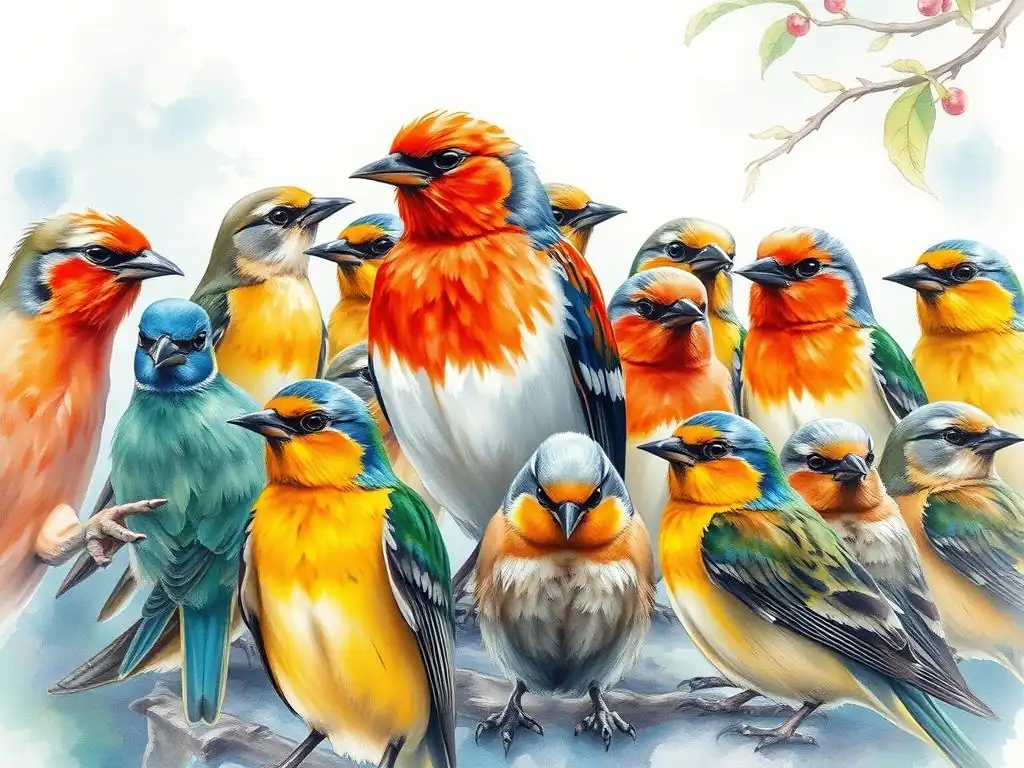
Understanding bird flock social hierarchy is crucial for responsible pet ownership, but the dynamics vary significantly across species. While the general principles of dominance, submission, and pecking order apply, the nuances of these interactions differ greatly depending on the bird's natural social structure and behavior. This section delves into the social dynamics of three popular companion bird species: Cockatoos, Amazon Parrots, and Budgies. This detailed look at Bird flock social hierarchy will help you better understand and manage your feathered friend's social needs.
Cockatoos, known for their intelligence and affectionate nature, also exhibit complex social hierarchies within their flocks. These hierarchies aren't always linear; alliances and shifting power dynamics are common. A dominant cockatoo will often display assertive behaviors such as:
- Crest raising: A prominent display of dominance.
- Loud vocalizations: Shrill calls and screams can assert dominance over other birds.
- Aggressive posturing: Threatening displays, including wing-spreading and beak-clicking.
- Physical aggression: While less common in a captive setting, biting and chasing can occur.
Understanding these signals is essential for early intervention if aggression arises within a multi-cockatoo household. Proper socialization from a young age, providing ample space and enrichment, and careful observation of individual bird interactions are vital for maintaining a harmonious flock environment. Ignoring early signs of aggression can lead to serious injury and lasting behavioral problems. The intensity of the hierarchy also depends on the number of birds; a pair will have a simpler dynamic than a flock of five or more. Data suggests that larger flocks display more complex and fluid hierarchies. 1
Amazon parrots, while incredibly intelligent and capable of forming strong bonds with their human companions, also possess intricate social structures within their flocks. Unlike cockatoos, Amazon parrots may exhibit more subtle displays of dominance. Instead of overt aggression, they might utilize:
- Body language: Subtle shifts in posture, changes in eye contact, and feather ruffling communicate social standing.
- Vocalizations: While not as loud as cockatoos, specific calls and whistles can indicate dominance or submission.
- Resource control: Access to preferred food, perches, or toys can indicate higher social status.
It's important to note that Amazon parrots can be highly sensitive to changes in their environment or flock dynamics. Sudden introductions of new birds or disruptions to their routine can trigger stress and potentially lead to aggression. Providing a stable and predictable environment is crucial for maintaining a peaceful coexistence amongst multiple Amazon parrots. Observing subtle cues, like changes in appetite or sleep patterns, can indicate underlying social stress. Early intervention through environmental enrichment and behavioral modification can prevent escalation of conflict.
Budgies, also known as parakeets, display a less pronounced social hierarchy compared to cockatoos and Amazon parrots. While a pecking order does exist, it's often less rigid and more fluid. Dominant budgies might:
- Claim preferred perches: They'll often occupy the highest or most desirable perches within the cage.
- Control access to food and water: They may aggressively guard these resources from subordinate birds.
- Engage in gentle chasing: Playful nipping and chasing are common, but rarely cause serious injury.
However, even in budgies, stress and overcrowding can exacerbate these behaviors, leading to increased aggression and feather plucking. Providing ample space, multiple feeding stations, and a variety of toys can help mitigate potential conflict. Understanding the subtle signs of stress in budgies is important, as they can be more easily overlooked. Changes in vocalizations, increased preening, or changes in eating habits can all indicate social or environmental stress. A well-structured cage environment and appropriate social interactions can significantly improve the overall well-being of your budgie flock.
1 [Specific data on cockatoo flock hierarchy complexity pending]
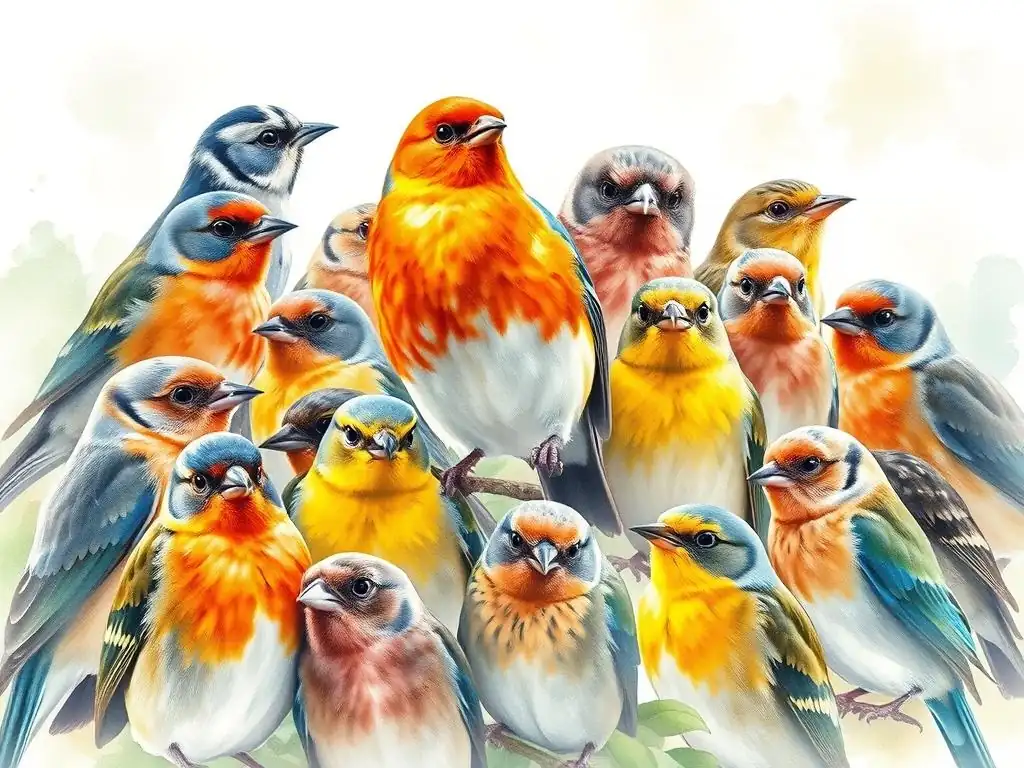
This section delves into the crucial role of social dynamics in ensuring the health and happiness of your avian companion. Understanding your bird's position within its flock (or even its perceived position within your household) is key to providing optimal care. A bird's social standing significantly impacts its behavior, stress levels, and overall well-being.
Ignoring these intricate social structures can lead to behavioral problems, health issues, and a diminished quality of life for your feathered friend. This understanding is paramount for responsible bird ownership and allows you to proactively address potential problems before they escalate. We'll explore how to identify signs of distress and provide strategies to create a harmonious environment.
Social interaction is not merely a desirable aspect of bird life; it’s a fundamental necessity. Birds are highly social creatures, and their well-being is intrinsically linked to their social interactions. Lack of appropriate social interaction can lead to a range of negative consequences, impacting both their physical and mental health. Studies have shown a strong correlation between social isolation and a weakened immune system in birds, making them more susceptible to illness. 1 Furthermore, chronic loneliness can manifest as feather plucking, self-mutilation, lethargy, and depression – all serious indicators of a compromised well-being. Providing ample opportunities for social interaction, whether with other birds or with their human companions, is crucial for a happy and healthy bird. This includes understanding their species-specific social needs and adapting your care accordingly. For example, highly social species like cockatoos require significant interaction, while more solitary species may tolerate less social stimulation. The key is to understand your specific bird's needs and provide a stimulating environment that caters to those needs. This might involve providing opportunities for interaction with other birds of the same species, engaging in regular playtime, and spending quality time with your bird. Remember, even the most independent-seeming bird benefits from a strong bond with its human companion.
1 Further research is needed to cite specific studies on this topic.
Recognizing the signs of social isolation and loneliness in your bird is vital for timely intervention. These signs can be subtle and easily overlooked, but early detection is crucial for preventing more serious behavioral and health problems. Some common indicators include:
- Changes in vocalizations: A decrease in singing, chirping, or other vocalizations can signal distress. Conversely, excessive or unusual vocalizations may also indicate a problem.
- Changes in behavior: Lethargy, decreased activity levels, and a loss of interest in previously enjoyed activities are all potential signs.
- Feather plucking or self-mutilation: This is a significant indicator of stress and often linked to social isolation.
- Aggression or fear: Increased aggression towards humans or other birds, or excessive fear and anxiety, can stem from social insecurity.
- Changes in eating habits: A sudden increase or decrease in appetite can be a sign of underlying stress.
- Changes in sleeping patterns: Disturbed sleep patterns, such as excessive sleeping or insomnia, can indicate underlying stress or anxiety.
Creating a checklist or a simple chart to track your bird’s behavior can help you identify subtle changes over time. Regular observation and a keen eye for detail are essential to ensuring your bird's well-being. Remember, early detection and intervention are key to mitigating these issues.
Providing an enriched environment is crucial for promoting positive social interactions and reducing stress in your bird. This goes beyond simply providing a spacious cage; it involves creating a stimulating and engaging environment that caters to your bird's natural instincts and social needs. Consider these key aspects:
- Adequate space: Ensure your bird has sufficient space to move freely and comfortably, especially if you have multiple birds.
- Environmental enrichment: Provide a variety of toys, perches, and climbing structures to keep your bird mentally and physically stimulated. Rotate toys regularly to maintain interest.
- Social opportunities: If appropriate for your bird's species and temperament, consider introducing other compatible birds. Careful introductions are essential to prevent aggression or conflict. 🐦
- Interaction with humans: Spend quality time with your bird daily, engaging in play, training, or simply talking to them. This strengthens the bond between you and your avian companion.
- Dietary variety: A balanced and varied diet contributes to overall health and well-being, indirectly affecting social interactions.
- Regular veterinary checkups: Regular visits to an avian veterinarian can help identify and address any potential health problems that may impact social behavior.
By understanding and addressing the social needs of your bird, you can significantly enhance their quality of life, fostering a happy, healthy, and thriving companion. Remember, a well-adjusted bird is a happy bird! Providing a stimulating and socially enriching environment is an investment in your bird's long-term health and happiness.
The PetCareWorld Commitment to Responsible Bird Ownership
PetCareWorld is deeply committed to promoting responsible bird ownership. Understanding your bird's social needs is paramount to their overall well-being. Ignoring these needs can lead to stress, behavioral problems, and even health issues. Our goal is to equip you with the knowledge to create a thriving and enriching environment for your feathered friend. We believe that responsible ownership goes beyond simply providing food and water; it involves understanding the complex social dynamics within a flock and adapting your care to meet those specific needs.
This includes recognizing signs of stress, providing adequate space and enrichment, and fostering a safe and stimulating environment that promotes positive social interactions. We are dedicated to providing the most up-to-date and accurate information to help you become the best possible bird owner. We strive to empower pet owners with the knowledge to make informed decisions and provide the best possible care for their avian companions. Our commitment extends beyond simply providing information; we encourage active participation in the pet owner community and the sharing of experiences to collectively improve the lives of pet birds.
We believe that by working together, we can create a brighter future for all companion birds. This commitment is reflected in all our articles, guides and resources, ensuring that our advice is always grounded in ethical and responsible pet ownership practices. We constantly update our content to reflect the latest research and best practices in avian care. Ultimately, our aim is to nurture a strong bond between you and your bird, built on mutual understanding and respect.
Recognizing signs of stress in your bird is crucial for maintaining their well-being. A stressed bird might exhibit changes in behavior, such as excessive preening, feather plucking, or aggression. They might also become withdrawn, less vocal, or show a decreased appetite. These subtle shifts can indicate underlying social issues within the flock or problems with their environment. For example, a bird constantly being bullied by a dominant flock member may exhibit these stress symptoms. Alternatively, a lack of appropriate environmental enrichment can also lead to stress and behavioral issues.
Addressing social stress requires a multi-faceted approach. First, carefully observe your bird's behavior to pinpoint the source of stress. Is it a specific interaction with another bird? Is their cage too small or lacking in stimulating toys? Once you've identified the cause, you can take steps to mitigate it.
This could involve rearranging the cage to provide more space and privacy, introducing new toys or perches to reduce boredom, or even separating birds that are exhibiting aggressive behavior. Providing adequate environmental enrichment is key to reducing stress and promoting positive social interactions. This includes offering a variety of toys, perches, and foraging opportunities to keep your bird mentally and physically stimulated. Remember, observing and understanding your bird's unique personality and needs is fundamental to preventing and addressing social stress effectively. Early intervention is key; addressing subtle changes in behavior promptly is much more effective than waiting for the situation to escalate.
Creating a Stimulating and Enriching Environment for Your Avian Companion
A stimulating and enriching environment plays a vital role in a bird's social well-being. A bird's environment should mimic their natural habitat as closely as possible, providing opportunities for exploration, foraging, and social interaction. This goes far beyond just a spacious cage; it's about creating a complex and engaging space. Consider the size and layout of the cage. Larger cages generally allow for more complex arrangements and offer more space for birds to interact without feeling crowded.
The provision of multiple perches of varying heights and textures allows for diverse activities and prevents boredom. Foraging toys encourage natural behaviors and provide mental stimulation. These toys can range from simple puzzles to more complex foraging contraptions that require birds to work for their food. The inclusion of natural branches and toys crafted from safe, natural materials adds texture and visual interest to the environment. Remember, different species have different needs, so research your bird's specific requirements.
For example, parrots require significantly more mental and physical stimulation than smaller finches. Regularly rotating toys and perches prevents boredom and keeps your bird engaged. Consider creating a space outside the cage for supervised interaction, ensuring safety and preventing escape. A stimulating environment not only reduces stress but also promotes positive social interaction and overall well-being for your bird. This careful attention to detail demonstrates a commitment to responsible bird ownership and contributes to a thriving and happy bird.
Frequently Asked Questions
How do I identify the dominant bird in my flock?
Dominant birds often exhibit confident body language, such as puffed-up feathers, upright posture, and aggressive vocalizations. They will also typically have priority access to food, water, and preferred perches. Observing their interactions with other birds over time will help you identify the alpha.
What are the signs of a stressed bird in a flock?
Stressed birds might show signs of feather plucking, decreased appetite, or increased aggression. They might also exhibit hunched posture, withdrawn behavior, and avoid interaction with other flock members. Providing ample space and enrichment can help alleviate stress.
How can I prevent aggression within my bird flock?
Providing sufficient space, multiple food and water sources, and a variety of perches minimizes competition. Enrichment activities can also help distract birds and reduce tension. Introducing new birds slowly and carefully is crucial to prevent conflict.
My flock has a new bird; how do I introduce it safely?
Introduce the new bird gradually, starting with visual contact through a cage divider. Slowly increase interaction time, always monitoring for signs of stress or aggression. Patience and careful observation are key to a successful introduction.
What should I do if fighting breaks out in my bird flock?
Separate the birds immediately to prevent serious injury. Assess the situation and identify the cause of the conflict. Providing more resources or adjusting the environment may help. If the aggression persists, consult an avian veterinarian for guidance.
Final Reflection: Understanding Avian Society for a Happier Flock
Understanding bird social hierarchies is not merely an academic pursuit; it's crucial for ensuring the well-being of our feathered companions. A lack of this understanding can lead to unnecessary stress, aggression, and even illness within a flock, impacting the quality of life for every bird. Ignoring these intricate social dynamics is akin to ignoring the fundamental needs of any pet.
The impact of recognizing and respecting avian social structures extends far beyond the individual bird. Understanding these hierarchies allows us to create more harmonious and enriching environments for our flocks. It allows us to intervene effectively when conflicts arise, preventing escalation and promoting peaceful coexistence. The more we understand the natural world, the better we can care for it, and ourselves.
This quote resonates deeply, as our understanding of bird behavior directly translates into better care and a stronger bond with our avian friends.
Now, consider your own flock, or even the birds you observe in the wild. How can you apply the knowledge gained from this guide to improve their lives? Are there adjustments you can make to their environment, their feeding routines, or even your interactions with them to better reflect their natural social order? Take a moment to reflect on this, and remember that even small changes can make a significant difference in the happiness and health of your feathered family. Let's work together to create a world where every bird thrives, not just survives.
Unleash Your Inner Avian Expert!
Thank you for exploring the fascinating world of bird social hierarchies with PetCareWorld! We hope you gained valuable insights into understanding your feathered friend's behavior. Now, let's put that knowledge into practice.
- Become a Bird Behavior Detective: Begin observing your bird's interactions with others (or even their toys!) and note any recurring patterns that reflect the hierarchy discussed in the article. Keeping a journal will help you track your observations effectively.
- Share Your Discoveries: Discuss your findings with fellow bird lovers in our online forum (link omitted). Let's build a supportive community of avian enthusiasts!
- Enrich Your Bird's Environment: Based on your observations, consider enriching your bird's environment. Rearranging perches or introducing new toys could significantly improve their social interactions.
Tell us: what surprising behaviors have you noticed in your bird's social interactions, and how will you adapt their environment to better suit their needs?