
Cat Body Language and Health: What Changes Can Indicate a Problem?


Welcome to PetCareWorld, your ultimate guide to a happier, healthier life for your beloved pets! Are you noticing subtle shifts in your cat's behavior? Understanding cat health behavior change indicators is crucial for early detection of potential problems. Discover how changes in your feline friend's body language can signal underlying health issues and learn how to best support their well-being. Dive in and unlock the secrets to a healthier, happier cat!
-
Understanding Subtle Shifts in Cat Behavior: Early Warning Signs of Illness
- Changes in Appetite: Eating Habits as Indicators of Cat Health Issues
- Activity Level Changes: A Less Active Cat Might Be Sick
- Litter Box Habits: Changes in Elimination as a Key Indicator of Cat Health
- Grooming Habits: Matted Fur, Excessive Licking, and Other Signs
- Vocalizations: Unusual Meows, Hisses, or Other Sounds
- Posture and Gait: Changes in Body Language and Movement
-
Interpreting Cat Body Language: Identifying Specific Health Concerns
- Respiratory Issues: Coughing, Sneezing, and Difficulty Breathing
- Gastrointestinal Problems: Vomiting, Diarrhea, and Constipation
- Urinary Tract Infections: Frequency, Pain, and Strain During Urination
- Pain and Discomfort: Signs of Physical Pain in Cats
- Neurological Problems: Changes in Coordination, Balance, and Cognitive Function
- When to Consult a Veterinarian: Knowing When to Seek Professional Help for Your Cat
- Preventing Health Problems Through Observation and Proactive Care
-
Frequently Asked Questions
- What are some common indicators of a health problem in cats based on their behavior?
- How can I tell if my cat's change in behavior is due to illness or something else?
- My cat is suddenly more affectionate. Is this a cause for concern?
- My cat is hiding more than usual. Should I be worried?
- What should I do if I suspect my cat's behavior change indicates a health problem?
- Final Reflection: Decoding the Feline Whisper: Understanding Your Cat's Health Through Behavior
- Unlock Your Cat's Secrets: Understanding Their Health Through Body Language
Understanding Subtle Shifts in Cat Behavior: Early Warning Signs of Illness
Cats, known for their independent and often enigmatic nature, can be masters of disguise when it comes to illness. While a dramatic limp or obvious injury is easy to spot, the early stages of many feline health problems manifest as subtle behavioral changes. Understanding these subtle shifts is crucial for pet owners, as early detection can significantly improve treatment outcomes and overall pet well-being.
This article serves as a guide to recognizing key behavioral indicators that might signal underlying health issues in your feline companion. We'll explore changes in appetite, activity levels, and litter box habits—all vital clues that can help you identify potential problems and seek timely veterinary attention.
Early intervention is key when it comes to ensuring your cat's health and happiness, and recognizing these behavioral flags is the first step in proactive pet care. Learning to read your cat's body language is an invaluable skill for any cat owner, allowing you to provide the best possible care.
Changes in Appetite: Eating Habits as Indicators of Cat Health Issues
A significant change in your cat's eating habits can be a strong indicator of underlying health problems. This isn't just about refusing a meal or two; it's about persistent alterations in their appetite or eating patterns. Consider these variations:
- Sudden loss of appetite (anorexia): A cat who suddenly stops eating or significantly reduces their food intake requires immediate veterinary attention. This can be a symptom of various illnesses, including infections, kidney disease, dental problems, or even stress. The duration of the anorexia is crucial; a few missed meals might be due to a temporary issue, but prolonged anorexia is a serious cause for concern.
- Increased appetite (polyphagia): While seemingly positive, an unusually increased appetite can also be a warning sign. This can be associated with hyperthyroidism, diabetes, or even certain types of cancer. The increase in appetite might not be matched by an increase in weight, indicating a problem with nutrient absorption.
- Changes in food preferences: Does your cat suddenly refuse their usual food? Are they only interested in certain textures or types of food? These shifts in preference can indicate dental pain, nausea, or other digestive issues. A sudden aversion to dry food, for example, could signal mouth pain.
- Difficulty eating: Observe how your cat eats. Are they struggling to pick up kibble? Do they seem to be in pain while eating? These signs might point to dental problems, jaw injuries, or neurological issues affecting their motor skills.
Remember to keep detailed records of your cat's eating habits, including the type and amount of food consumed, any changes in preference, and any observed difficulties while eating. This information is invaluable when discussing your cat's health with your veterinarian. Don't hesitate to seek professional help if you notice persistent or significant changes in their appetite.
Activity Level Changes: A Less Active Cat Might Be Sick
A noticeable decrease in your cat's activity level can be another subtle yet significant indicator of illness. Cats are naturally curious and playful creatures; a significant drop in their energy levels shouldn't be ignored. Consider these scenarios:
- Lethargy and sleeping more than usual: While cats sleep a lot, a dramatic increase in sleepiness and a lack of interest in their usual activities (playing, exploring, interacting) could signal a problem. This can be a symptom of various illnesses, including infections, kidney disease, diabetes, or even chronic pain.
- Difficulty jumping or climbing: If your cat is struggling to jump onto their favorite spots or climb their cat tree, it could indicate joint pain, muscle weakness, or neurological issues. This is especially concerning if the change is sudden and unexplained.
- Avoiding interaction: Cats typically enjoy interaction with their owners, at least to some degree. If your cat is becoming withdrawn, avoiding petting or playing, it could signal discomfort, pain, or illness. This change in their social behavior is a crucial warning sign.
- Changes in grooming habits: Cats are meticulous groomers. A decrease in grooming could indicate pain, weakness, or cognitive decline. A matted or unkempt coat is a clear sign that something is wrong and requires attention.
Monitoring your cat's activity levels and noting any significant changes is crucial for early detection of potential health problems. If you observe any persistent lethargy, decreased playfulness, or difficulties with movement, consult your veterinarian promptly. Remember, even subtle changes can be significant indicators of underlying health issues.
Litter Box Habits: Changes in Elimination as a Key Indicator of Cat Health
Changes in your cat's litter box habits, such as frequency, urination posture, and stool consistency, can be very informative about their overall health. Pay close attention to these aspects:
- Increased or decreased urination frequency: Urinating more or less often than usual can indicate urinary tract infections (UTIs), kidney disease, diabetes, or other urinary problems. Straining to urinate is also a major red flag.
- Inappropriate urination: Urinating outside the litter box is a common sign of stress, but it can also indicate urinary tract infections, bladder stones, or other painful conditions. It's crucial to rule out medical causes before attributing it solely to behavioral issues.
- Changes in stool consistency: Diarrhea or constipation can indicate digestive problems, parasites, or inflammatory bowel disease. Observe the color, consistency, and frequency of your cat's stools. Blood in the stool is a serious warning sign requiring immediate veterinary attention.
- Straining to defecate: If your cat strains excessively while defecating, it could indicate constipation, intestinal blockage, or other serious digestive issues.
- Changes in urination posture: Painful urination might cause your cat to adopt an unusual posture, such as hunching or arching their back. This is a clear sign of discomfort and should be addressed promptly.
Any significant change in your cat's litter box habits—especially if accompanied by other behavioral changes—should prompt a veterinary visit. Detailed records of your cat's elimination patterns are incredibly helpful when discussing their health with your veterinarian. Don't delay seeking professional help if you notice any concerning alterations in their litter box habits. Early detection is vital in managing these often painful and potentially serious conditions. 😻
Grooming Habits: Matted Fur, Excessive Licking, and Other Signs

Cats are meticulous groomers. A significant change in their grooming habits can be a key indicator of underlying health issues. Observe your cat closely for any deviations from their normal routine. For instance, matted fur, particularly in areas they usually reach easily, might signal pain or discomfort preventing them from grooming effectively.
This could stem from arthritis making it difficult to bend, or perhaps a skin condition causing irritation. Conversely, excessive licking, sometimes to the point of causing bald patches or skin lesions, can indicate allergies, parasites (like fleas or mites), or even anxiety. A sudden decrease in grooming, leading to a less-than-pristine coat, might point to lethargy caused by illness or a lack of appetite. Remember to consider the overall context: a slightly less-than-perfect coat after a playful romp in the mud is different from persistent neglect of grooming.
Regular brushing can help identify subtle changes early on, allowing for timely veterinary intervention. Pay close attention to any changes in the texture of their fur as well; dryness, oiliness, or unusual shedding can all be indicative of internal problems. For example, a dull, dry coat can be a symptom of hyperthyroidism in older cats.
Vocalizations: Unusual Meows, Hisses, or Other Sounds
Cats communicate through a range of vocalizations, and shifts in their typical sounds can be significant. A sudden increase in meowing, especially if it's high-pitched or insistent, might signal pain, discomfort, or anxiety. Consider the context: A meow at feeding time is expected, but persistent meowing unrelated to routine needs should prompt investigation.
Changes in the tone of meows are also crucial. A usually sweet meow becoming shrill or strained could be a sign of illness. Similarly, unusual hissing or growling, particularly towards people they usually tolerate, could suggest pain, fear, or disorientation resulting from illness.
A cat normally quiet might start vocalizing excessively due to cognitive dysfunction syndrome (CDS), a condition similar to dementia in humans. Conversely, a typically vocal cat becoming unusually quiet might indicate pain, depression, or a serious illness that saps their energy. Keeping a record of your cat's vocalizations—their frequency, tone, and context—can be invaluable in detecting subtle changes.
Posture and Gait: Changes in Body Language and Movement
Observing your cat's posture and gait can offer profound insights into their health. A hunched posture, stiffness, or reluctance to jump or climb might signal pain, often associated with arthritis or other musculoskeletal problems. Notice any changes in their walk: limping, dragging a leg, or an unsteady gait can all indicate injury or illness. A cat normally playful and agile might become lethargic, spending more time sleeping and less time exploring.
This lethargy, coupled with changes in appetite or grooming, could signal a serious underlying condition. A change in their overall body language, such as avoiding eye contact, hiding more often, or exhibiting unusual aggression, can also indicate illness or discomfort. For instance, a cat usually confident might become fearful and withdrawn if experiencing pain or disorientation.
Regularly observe your cat's movement, noting any subtle changes in their agility, flexibility, and overall comfort level. Early detection of these shifts can lead to earlier intervention and a better outcome for your feline companion. A sudden inability to use the litter box, for example, could indicate a urinary tract infection or other painful condition.
Interpreting Cat Body Language: Identifying Specific Health Concerns
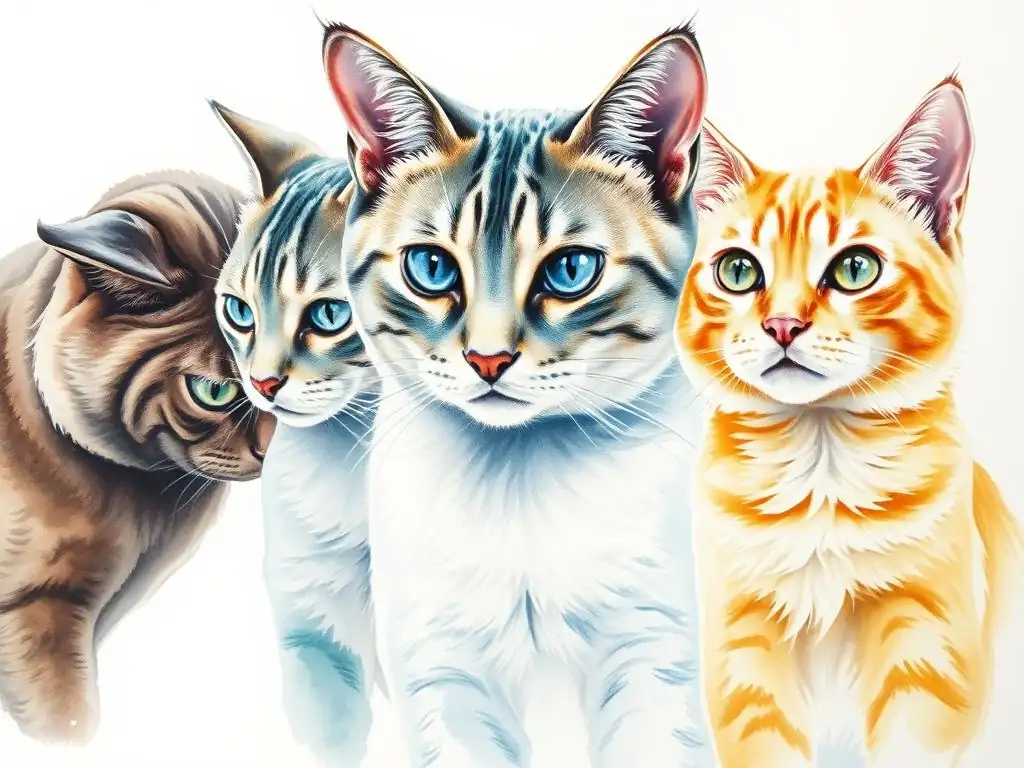
This section delves into the subtle and not-so-subtle ways your cat's behavior can signal underlying health problems. Understanding these indicators is crucial for early detection and timely veterinary intervention, leading to improved cat health outcomes and a happier, healthier feline companion. Recognizing changes in your cat's normal behavior is paramount for proactive pet care. Early diagnosis significantly impacts the prognosis of many feline illnesses. Remember, even seemingly minor shifts can indicate a serious underlying issue.
Respiratory Issues: Coughing, Sneezing, and Difficulty Breathing
Respiratory problems in cats can manifest in several ways, often subtly at first. A persistent cough, for instance, shouldn't be dismissed as a simple tickle. It could signal anything from a mild upper respiratory infection (URI) to more serious conditions like asthma or pneumonia. Similarly, sneezing, while sometimes normal, can be a symptom if it's excessive or accompanied by other signs of illness.
Observe the frequency and severity of the coughing or sneezing. Is it a single, occasional cough, or a persistent, hacking sound? Is the sneezing mild, or is your cat violently shaking its head? Pay close attention to the sound – a harsh, rattling cough might suggest a more significant problem than a soft, occasional cough.
Difficulty breathing is a serious sign and requires immediate veterinary attention. Look for signs like rapid breathing, open-mouthed breathing, or wheezing. Cats normally breathe smoothly and quietly; any noticeable change in their breathing pattern warrants a vet visit.
Consider keeping a detailed record of these symptoms. Note the date, time, and frequency of coughing, sneezing, or labored breathing. This information will be invaluable for your veterinarian in diagnosing the underlying cause. This detailed approach to observing your cat's respiratory health is crucial for effective cat health behavior change indicators.
Gastrointestinal Problems: Vomiting, Diarrhea, and Constipation
Changes in your cat's bowel movements are often clear indicators of gastrointestinal distress. While occasional vomiting or diarrhea might be caused by something as simple as a dietary indiscretion, persistent symptoms point to a possible underlying problem. These changes can be subtle at first, so regular monitoring is key for recognizing issues early.
Vomiting: Note the frequency, consistency, and color of the vomit. Is it a single episode, or is your cat vomiting repeatedly? Is the vomit containing undigested food, bile, or blood? Blood in the vomit is a serious sign and requires immediate veterinary attention.
Diarrhea: Similarly, observe the frequency, consistency, and color of the diarrhea. Is it watery, bloody, or mucousy? Changes in bowel movement frequency and consistency are among the most common cat health behavior change indicators.
Constipation: Conversely, constipation, characterized by infrequent or difficult bowel movements, can also be a significant concern. Observe if your cat is straining during defecation, showing signs of abdominal discomfort, or producing small, hard stools.
A detailed log of your cat's bowel movements – frequency, consistency, color, and any other notable observations – can be incredibly helpful to your veterinarian. This detailed record provides crucial information for diagnosis and treatment.
Urinary Tract Infections: Frequency, Pain, and Strain During Urination
Urinary tract infections (UTIs) are common in cats and can be extremely painful. Recognizing the signs early can make a significant difference in your cat's comfort and recovery. Pay close attention to changes in urination habits. Even subtle changes can be indicative of a serious problem. These changes are often among the most easily overlooked cat health behavior change indicators.
Increased urinary frequency is a major warning sign. Is your cat using the litter box more often than usual? Is it urinating small amounts each time? These changes can signal a UTI or other urinary tract issues.
Pain during urination is also common. You might observe your cat vocalizing during urination, straining, or licking excessively at its genital area. Your cat may also exhibit signs of discomfort such as restlessness or hunching. These behaviors are often subtle but should not be ignored.
Observe the appearance of your cat's urine. Is it cloudy or bloody? Changes in urine color or clarity can indicate a problem.
If you notice any of these signs, a prompt veterinary visit is crucial. Early diagnosis and treatment are essential for managing UTIs effectively and preventing complications. Monitoring your cat's urination habits is a key aspect of proactive cat health behavior change indicators.
Pain and Discomfort: Signs of Physical Pain in Cats
Cats are masters of masking pain, a survival instinct honed over millennia. This makes identifying pain in your feline companion challenging, but crucial for their well-being. Subtle changes in behavior can be early warning signs of underlying health issues. Instead of overt displays of distress, cats experiencing pain often exhibit subtle shifts in their usual routines and demeanor.
They might become less playful, showing decreased interest in activities they once enjoyed, like chasing toys or interacting with their human companions. A normally affectionate cat might withdraw, avoiding physical contact or becoming irritable when touched in certain areas. Changes in appetite are also significant indicators; a sudden decrease or complete loss of appetite, or even a shift in food preferences, should be viewed with concern.
Pain can manifest physically as well. Observe your cat's posture; a hunched back, stiff gait, or reluctance to jump or climb may suggest discomfort. Vocalizations, such as increased meowing, hissing, or even growling, can indicate pain, especially if these are unusual for your cat's personality. Licking or excessive grooming in a specific area might be an attempt to soothe pain or an irritation, but it can also mask more serious underlying injuries or inflammation. Changes in litter box habits, such as straining to urinate or defecate, increased frequency, or accidents outside the box, can signal urinary tract infections or other painful conditions. Finally, subtle changes in sleep patterns—increased sleeping or restlessness—could also indicate underlying pain. Any combination of these signs warrants a veterinary examination to determine the source of the discomfort and provide appropriate treatment. Early detection is key to managing pain effectively and improving your cat's quality of life.
Neurological Problems: Changes in Coordination, Balance, and Cognitive Function
Neurological problems in cats can manifest in a variety of ways, often subtly at first, making early detection crucial. Changes in coordination and balance are significant warning signs. A cat experiencing neurological issues might exhibit ataxia, characterized by stumbling, swaying, or a wide-based stance while walking.
They might have difficulty navigating stairs or jumping onto furniture, tasks they previously accomplished effortlessly. Head tilt, a noticeable leaning of the head to one side, is another clear indicator of a neurological problem, often accompanied by nystagmus (involuntary rapid eye movements). These symptoms can stem from various causes, including inner ear infections, brain tumors, or strokes.
Beyond motor control, cognitive function can also be affected. Disorientation, confusion, and changes in behavior, such as increased vocalization, pacing, or inappropriate elimination, can point to cognitive dysfunction syndrome (CDS), often compared to Alzheimer's disease in humans. Cats with CDS might exhibit decreased interaction with their owners, lose learned behaviors, or become more anxious or fearful.
Changes in sleep patterns, such as increased daytime sleeping or nighttime restlessness, are also common. Seizures, characterized by sudden, involuntary muscle contractions and loss of consciousness, are a more dramatic sign of neurological problems and require immediate veterinary attention. Furthermore, alterations in appetite, such as increased or decreased food intake, and changes in grooming habits, such as excessive grooming or neglect, can also be associated with neurological conditions.
Prompt veterinary assessment is essential to diagnose the underlying cause and implement appropriate treatment strategies to manage symptoms and improve your cat's quality of life. Early intervention can significantly impact the prognosis and minimize long-term complications.
When to Consult a Veterinarian: Knowing When to Seek Professional Help for Your Cat


Understanding your cat's body language is crucial for recognizing subtle shifts that might indicate underlying health issues. While many behavioral changes are minor and easily addressed, some signal the need for immediate veterinary intervention. This section outlines key indicators requiring professional attention, emphasizing the importance of proactive care in maintaining your feline companion's well-being. Ignoring potential problems can lead to more serious and costly health complications down the line, so prompt action is paramount. This is especially vital when considering Cat health behavior change indicators.
Urgent Situations Requiring Immediate Veterinary Attention
Certain cat health behavior change indicators demand immediate veterinary attention. These are life-threatening situations that require swift action to save your cat's life. Examples include:
- Sudden collapse or loss of consciousness: This could indicate a variety of serious issues, from heart problems to severe internal bleeding. Do not delay seeking veterinary care.
- Difficulty breathing (dyspnea): Rapid, shallow breathing, labored breathing, or open-mouth breathing are all serious signs requiring immediate attention. These can stem from respiratory infections, asthma, or heart failure.
- Seizures: Repeated or prolonged seizures are a medical emergency. Your veterinarian needs to determine the underlying cause and provide appropriate treatment.
- Severe vomiting or diarrhea: Persistent vomiting or diarrhea, especially if accompanied by lethargy or dehydration, can quickly lead to dangerous electrolyte imbalances.
- Urinary accidents outside the litter box in a previously litter-trained cat: This could be a sign of a urinary tract infection, kidney disease, or even bladder stones, all of which require veterinary treatment. This is a significant Cat health behavior change indicator.
- Bleeding from any orifice: Bleeding from the nose, mouth, rectum, or anywhere else is a serious sign requiring immediate veterinary care.
- Trauma: Any visible injury, such as a broken bone, deep wound, or severe bruising, warrants immediate veterinary attention.
Remember: When in doubt, always err on the side of caution. If you are concerned about your cat's health, contact your veterinarian immediately. Early intervention significantly improves the chances of a positive outcome. The speed of your response is often critical when dealing with these urgent Cat health behavior change indicators.
Regular Veterinary Checkups: Prevention and Early Detection
Even without immediately apparent problems, regular veterinary checkups are essential for maintaining your cat's health and longevity. These preventative visits allow your veterinarian to detect subtle changes and address potential issues before they become serious. Think of it as proactive maintenance for your feline friend. These checkups are crucial for early detection of Cat health behavior change indicators that might otherwise go unnoticed.
During these visits, your veterinarian will:
- Perform a physical examination: This includes checking your cat's weight, heart rate, respiratory rate, and listening to its lungs and heart.
- Assess your cat's overall health: They will look for any signs of illness, such as lethargy, changes in appetite, or unusual behavior.
- Run diagnostic tests (as needed): This might include blood work, urine analysis, or fecal exams, to screen for underlying diseases.
- Administer vaccinations: Regular vaccinations protect your cat from various contagious diseases.
- Discuss preventative care: This includes parasite prevention (fleas, ticks, worms), dental hygiene, and nutrition.
A proactive approach to your cat's health through regular veterinary visits can significantly improve its quality of life and extend its lifespan. Early detection of subtle Cat health behavior change indicators during these checkups can prevent serious illnesses from developing. Don't underestimate the value of these preventative measures; they are a cornerstone of responsible pet ownership. Regular check-ups are one of the most important aspects of managing your cat's health and well-being, especially in relation to early detection of subtle Cat health behavior change indicators.
Preventing Health Problems Through Observation and Proactive Care
Proactive pet care is paramount to preventing serious health issues. Early detection of subtle behavioral changes can significantly improve your cat's chances of a speedy recovery and a longer, healthier life. Understanding your cat's normal behavior is the cornerstone of this proactive approach. By carefully monitoring your feline friend, you can identify deviations from their baseline and seek veterinary attention promptly, potentially preventing minor ailments from escalating into major health concerns. This is crucial for managing "Cat health behavior change indicators."
Establishing a Baseline for Your Cat's Normal Behavior
Creating a behavioral baseline for your cat involves careful and consistent observation over several weeks. Note their typical activity levels, eating habits, litter box use, grooming patterns, and social interactions. Keep a detailed journal or use a pet-monitoring app to track these behaviors. For instance, does your cat typically sleep 12-16 hours a day? Do they eat all their food within a specific timeframe?
Do they groom themselves thoroughly twice a day? Documenting these specifics allows you to readily identify any significant changes. These seemingly minor deviations can be early warning signs of underlying health issues. Consider the following example: a usually playful cat suddenly becoming lethargic could indicate illness, pain, or stress. Similarly, changes in appetite, such as increased or decreased food intake, or changes in water consumption, can signal a problem.
A sudden shift in litter box habits, like increased urination or straining, might indicate urinary tract issues. Regularly reviewing your notes allows you to identify even subtle changes, crucial for early diagnosis and treatment. Don't underestimate the power of consistent observation in managing "Cat health behavior change indicators". A comprehensive baseline is your first line of defense against unforeseen health challenges.
Maintaining a Healthy Diet and Lifestyle for Your Cat
A balanced diet and a healthy lifestyle are pivotal in preventing many health problems in cats. Providing your cat with high-quality, age-appropriate food is crucial. Avoid giving them table scraps, as many human foods are toxic to cats. Ensure they have access to fresh, clean water at all times.
Obesity is a significant health risk for cats, leading to diabetes, arthritis, and other conditions. Regular exercise is also important, even for indoor cats. Interactive play sessions, climbing structures, and puzzle feeders can help keep your cat active and engaged.
Maintaining a healthy weight and encouraging physical activity contributes significantly to their overall well-being and reduces the likelihood of developing various health issues. This proactive approach to nutrition and exercise is a crucial aspect of mitigating "Cat health behavior change indicators," as it strengthens their immune system and helps them maintain optimal physical condition. Regular grooming is also essential, not just for their appearance, but also for early detection of skin issues, parasites, or lumps.
The Importance of Regular Veterinary Checkups and Preventative Care
Regular veterinary checkups are essential for maintaining your cat's health and catching potential problems early. Annual checkups allow your vet to monitor your cat's weight, assess their overall health, and administer necessary vaccinations. Preventative care, such as flea and tick prevention, can significantly reduce the risk of parasitic infestations.
Early detection of diseases, through regular blood tests and other screenings, can dramatically improve treatment outcomes. Don't wait for obvious symptoms to appear before seeking professional veterinary care. Proactive veterinary care is a cornerstone of responsible pet ownership and a key strategy for managing "Cat health behavior change indicators".
Regular check-ups provide an opportunity for early intervention, potentially preventing minor health concerns from developing into more serious issues. Remember, your veterinarian is your partner in ensuring your cat lives a long and healthy life. They can provide personalized advice on diet, exercise, and preventative care tailored to your cat's specific breed, age, and health status.
Frequently Asked Questions
What are some common indicators of a health problem in cats based on their behavior?
Changes in eating habits, such as increased or decreased appetite, or refusing food altogether, can be a significant indicator. Other signs include increased vocalization, lethargy, and changes in litter box habits.
How can I tell if my cat's change in behavior is due to illness or something else?
It can be difficult to distinguish between illness and other factors. Consider recent changes in environment, new pets or people, or stressful events. If the behavioral change is sudden, severe, or persistent, consult a vet.
My cat is suddenly more affectionate. Is this a cause for concern?
While increased affection can be a positive sign, sudden shifts in personality warrant attention. It could be a sign of underlying pain or discomfort, prompting them to seek extra comfort. Monitor for other symptoms.
My cat is hiding more than usual. Should I be worried?
Yes, increased hiding is a common sign of illness or distress in cats. It could indicate pain, fear, or other underlying health problems. Consult your veterinarian for a proper diagnosis.
What should I do if I suspect my cat's behavior change indicates a health problem?
Schedule a veterinary appointment immediately. Provide your vet with a detailed history of the behavioral changes, including when they started and any other observed symptoms. Early diagnosis is crucial for effective treatment.
Final Reflection: Decoding the Feline Whisper: Understanding Your Cat's Health Through Behavior
Understanding subtle shifts in your cat's behavior is crucial for early disease detection and ensuring their well-being. A seemingly insignificant change—a decreased appetite, a sudden aversion to their favorite toy—can be a silent cry for help, highlighting the vital connection between feline body language and overall health.
The impact of recognizing these behavioral changes extends far beyond individual cat care; it fosters a deeper understanding of our animal companions and strengthens the human-animal bond. The greatness of a nation and its moral progress can be judged by the way its animals are treated.
- Mahatma Gandhi. This quote, while broad, speaks to the responsibility we have to understand and respond to the needs of those we share our lives with, including our feline friends. Observing and interpreting their subtle cues allows us to be better caregivers and advocates for their health.
Now, consider your own cat. Think back to their usual routines, their playful antics, their cuddly moments. Have you noticed any recent deviations? Take the time to observe your cat closely, paying attention to the nuances of their behavior. Don't hesitate to consult your veterinarian if you notice any concerning changes. Your vigilance and understanding are crucial in ensuring your feline companion lives a long, happy, and healthy life. Empower yourself with knowledge, and become a better advocate for your furry friend.
Unlock Your Cat's Secrets: Understanding Their Health Through Body Language
Thank you for exploring the fascinating world of feline communication! You've gained valuable insights into how your cat's body language can reveal crucial information about their health. Let's put this knowledge to practical use.
- Schedule a Veterinary Checkup: This is the most crucial step. Schedule an appointment with your veterinarian to discuss any concerns you have based on your cat's behavior and the information you've learned. Early detection is vital for successful treatment.
- Become a Feline Body Language Expert: Share this article with other cat lovers and encourage them to pay closer attention to their furry companions' behavior. Discussing observations with others can be a valuable learning experience.
- Keep Detailed Records: Maintain a record of your cat's behavior, either in a notebook or using a phone app. Note any subtle changes in their posture, activity levels, or eating habits. This detailed information will be extremely helpful for your veterinarian.
Are you ready to become your cat's best advocate and help them enjoy a long, healthy life?