
The Impact of Environment on Amphibian Health: A Comprehensive Look

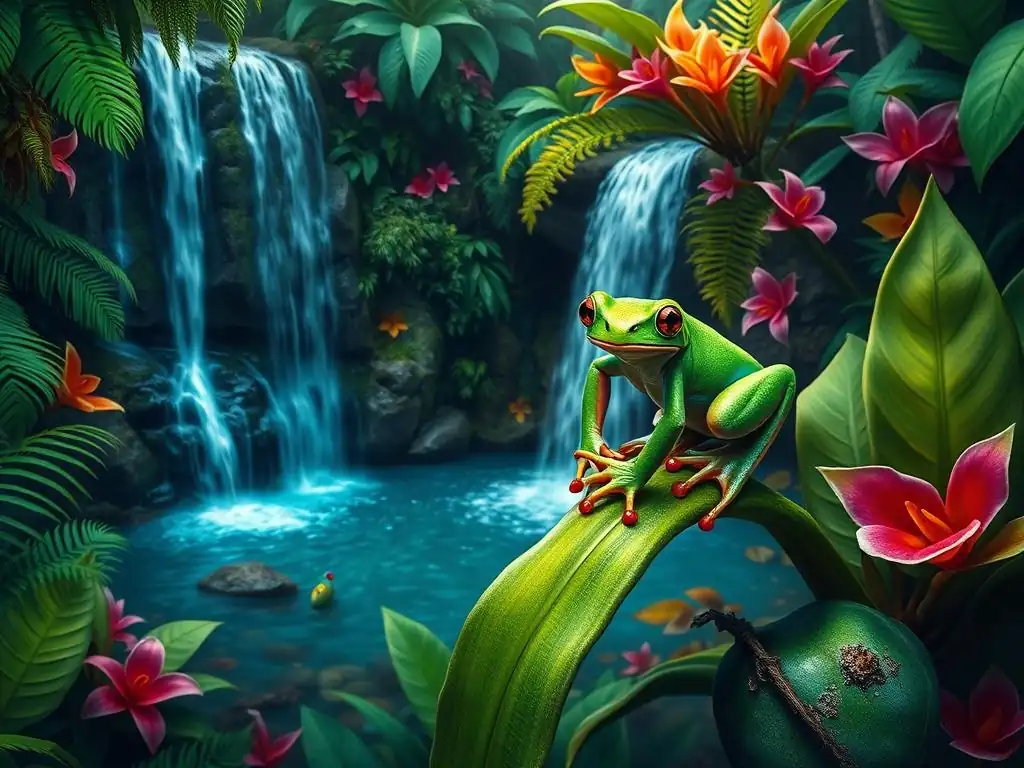
Welcome to PetCareWorld, your ultimate guide to a happier, healthier life for your beloved companions! Are you ready to unlock the secrets to thriving amphibian care? Dive into our in-depth exploration of Amphibian health environmental factors, discovering how seemingly small changes in your pet's habitat can dramatically impact their well-being. Learn how to create the perfect environment for your amphibious friend and ensure they live a long, fulfilling life. Let's embark on this enriching journey together!
- Understanding Amphibian Health and Environmental Factors
- Water Quality: A Cornerstone of Amphibian Health
- Temperature and Humidity: Crucial Environmental Regulators
- Substrate and Enclosure Design: Impact on Amphibian Health
- Diet and Nutrition: Environmental Factors Affecting Food Sources
- Disease Prevention Through Environmental Management
- Case Studies: Environmental Factors Leading to Amphibian Illness
- Conclusion: Prioritizing Environmental Factors for Optimal Amphibian Health
- Frequently Asked Questions
- Final Reflection: The Fragile Symphony of Amphibian Health
- Unleash Your Inner Amphibian Advocate!
Understanding Amphibian Health and Environmental Factors
Maintaining optimal amphibian health is intrinsically linked to providing a suitable environment. Amphibians, encompassing frogs, toads, salamanders, and caecilians, are ectothermic vertebrates with highly permeable skin, making them exceptionally sensitive to changes in their surroundings. This article delves into the crucial role environmental factors play in amphibian well-being, focusing on both wild and captive populations.
Understanding these factors is paramount for responsible amphibian ownership and conservation efforts, directly impacting the health and longevity of these fascinating creatures. We will explore key environmental aspects that affect amphibian health, providing practical advice for owners and highlighting the importance of mimicking natural habitats for optimal care. This guide will equip you with the knowledge necessary to recognize and address potential environmental stressors, ensuring your amphibian thrives.
The impact of environmental factors on amphibian health is a complex interplay of various elements, and understanding these intricacies is critical for successful amphibian care and conservation. This article will specifically address the keyword "Amphibian health environmental factors" and its various implications.
Habitat Suitability and Amphibian Wellbeing
The suitability of an amphibian's habitat is the cornerstone of its health. This encompasses several key aspects:
- Water Quality: Clean, appropriately dechlorinated water is crucial. Parameters like pH, temperature, and ammonia levels must be carefully monitored and maintained within the species-specific optimal range. Regular water changes are essential, with the frequency depending on the size of the enclosure and the number of amphibians housed. The presence of harmful bacteria or parasites can significantly impact amphibian health, leading to skin infections and other ailments. Regular testing is key for proactive management.
- Substrate: The substrate, or bottom material of the enclosure, must be appropriate for burrowing, basking, and overall comfort. Incorrect substrate can lead to injuries, infections, and difficulty in thermoregulation. Examples of suitable substrates include coconut fiber, sphagnum moss, and soil mixes, carefully chosen to suit the specific species needs.
- Temperature and Humidity: Maintaining the correct temperature and humidity gradients is vital for amphibian health. Amphibians are ectothermic, meaning they rely on external sources for temperature regulation. Fluctuations outside the species' preferred range can lead to stress, decreased immunity, and increased susceptibility to disease. Appropriate heating and humidification systems are necessary, often requiring careful monitoring with accurate thermometers and hygrometers. Providing both basking and cooler areas within the enclosure allows the amphibian to thermoregulate effectively.
- Lighting: While amphibians don't require the same intensity of light as reptiles, proper lighting is still important. UVB lighting can aid in vitamin D3 synthesis, which is essential for calcium absorption and bone health in some species. However, the specific requirements vary greatly depending on the species and should be researched thoroughly. Overexposure to UV light can be detrimental, so appropriate light cycles and intensities are key.
Environmental Factors Affecting Amphibian Health
Beyond habitat suitability, several external factors significantly impact amphibian health:
- Pollution: Exposure to pollutants, such as pesticides, herbicides, and heavy metals, can severely compromise amphibian immune systems, leading to a range of health problems. These pollutants can be absorbed through the skin, making amphibians particularly vulnerable. Even seemingly minor levels of contamination can have devastating consequences on wild populations.
- Climate Change: Changes in temperature and precipitation patterns, directly linked to climate change, are significantly affecting amphibian populations globally. Increased temperatures can lead to dehydration, while altered rainfall patterns can disrupt breeding cycles and habitat availability. The resulting stress makes amphibians more susceptible to diseases and parasites.
- Disease: Amphibians are susceptible to a wide range of diseases, many of which are exacerbated by environmental stressors. Chytridiomycosis, caused by the Batrachochytrium dendrobatidis fungus, is a devastating disease that has decimated amphibian populations worldwide. Maintaining a clean and appropriately managed environment is critical in minimizing the risk of disease outbreaks.
- Predation and Competition: In both wild and captive environments, predation and competition for resources can impact amphibian health. Stress from these interactions can weaken the immune system, increasing vulnerability to disease and making them more susceptible to environmental stressors. Careful consideration of species compatibility is crucial in captive settings.
Identifying Environmental Stressors in Captive Amphibian Environments
Recognizing environmental stressors in captive amphibian environments is crucial for proactive management and preventative care. Key indicators of environmental stress include:
- Lethargy and Anorexia: A significant decrease in activity levels and appetite can signal underlying health problems often linked to environmental issues. Careful observation of an amphibian's behavior is crucial for early detection.
- Skin Lesions and Infections: Changes in skin condition, such as redness, swelling, or lesions, often indicate an issue with water quality, substrate, or hygiene. Prompt veterinary attention is necessary.
- Abnormal Behavior: Changes in behavior, such as unusual vocalizations, restlessness, or avoidance of water, can indicate environmental discomfort or stress. These behavioral changes should be investigated thoroughly.
- Dehydration: Dehydration is a serious concern, often stemming from inadequate humidity levels or improper temperature gradients. Dehydrated amphibians will appear lethargic and may have sunken eyes.
By carefully monitoring these indicators and addressing environmental factors proactively, owners can significantly contribute to the long-term health and well-being of their captive amphibians. Regular maintenance, appropriate environmental parameters, and vigilant observation are essential for responsible amphibian care.
Water Quality: A Cornerstone of Amphibian Health
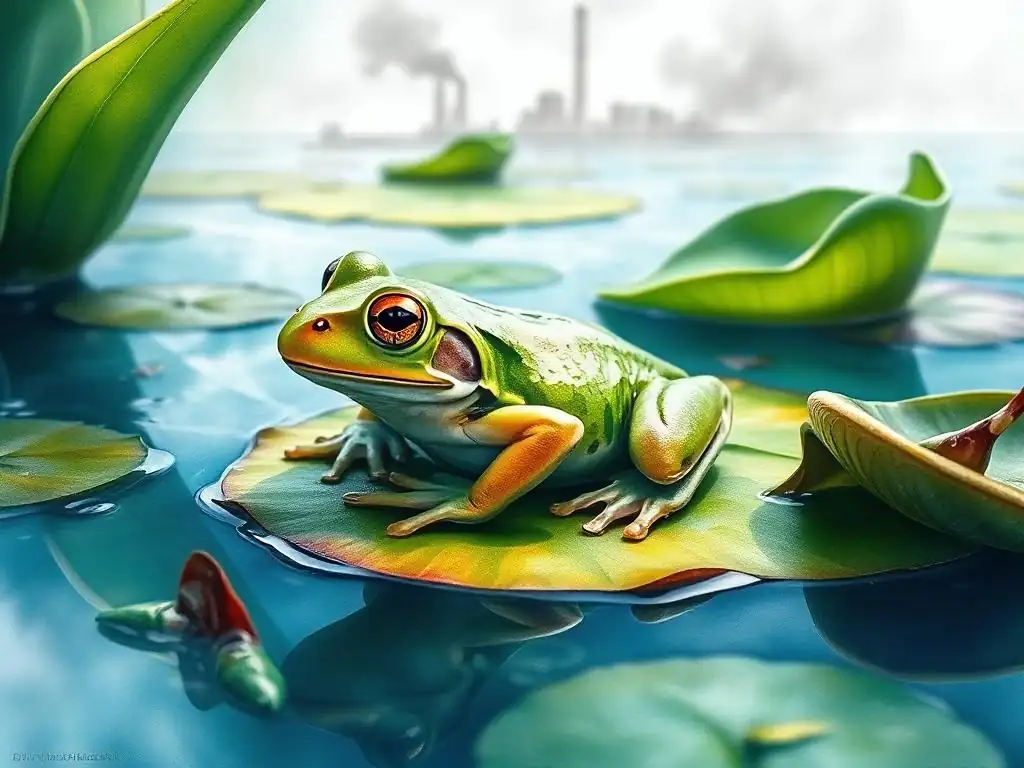
Water quality is arguably the most critical environmental factor influencing amphibian health. Amphibians, particularly frogs and toads, are highly permeable, meaning their skin readily absorbs substances from their surroundings. This makes them incredibly sensitive to changes in water chemistry, impacting everything from their respiration and osmoregulation to their immune function and susceptibility to disease.
Maintaining optimal water parameters is therefore paramount for ensuring the well-being of these fascinating creatures. Ignoring this aspect can lead to a cascade of health problems, ultimately resulting in significant morbidity and mortality. The impact of poor water quality on amphibian health extends far beyond simple visual symptoms; it can subtly undermine their overall vitality, making them more vulnerable to other stressors.
Maintaining Optimal Water Parameters for Amphibians
Maintaining optimal water parameters involves a multifaceted approach that requires regular monitoring and adjustment. Key parameters include:
- Temperature: The ideal temperature range varies considerably depending on the species. For example, tropical tree frogs require consistently warm temperatures, while some temperate species tolerate wider fluctuations. Consistent monitoring with a reliable thermometer is essential. Sudden temperature changes can induce stress and weaken the immune system, making amphibians more susceptible to disease.
- pH: The pH level should be within the species-specific range. Most amphibians thrive in slightly acidic to neutral water (pH 6.0-7.5), but some species have specific preferences. Regular pH testing using a reliable kit is crucial. Deviations from the ideal range can cause skin irritation, disrupt osmoregulation, and increase susceptibility to infections.
- Ammonia, Nitrite, and Nitrate Levels: These are byproducts of waste decomposition and can be extremely toxic to amphibians. Regular testing and appropriate filtration systems are crucial to maintain low levels of these compounds. High levels can cause severe gill damage, skin irritation, and ultimately death. Regular partial water changes are also essential to dilute accumulated waste products.
- Dissolved Oxygen: Amphibians require sufficient dissolved oxygen in the water, especially aquatic species. Adequate aeration through air pumps or by ensuring sufficient water movement is crucial, particularly in densely populated enclosures. Low dissolved oxygen levels can lead to respiratory distress and suffocation.
Effects of Pollutants on Amphibian Immune Systems
Pollutants, even at low concentrations, can significantly compromise amphibian immune systems. This is particularly concerning given the already delicate balance of their skin's permeability and their susceptibility to environmental stressors. Studies have shown a clear correlation between exposure to certain pesticides, herbicides, and heavy metals and a suppressed immune response in amphibians. This leaves them more vulnerable to a range of infections and diseases, significantly impacting their overall health and survival prospects.
The weakened immune system can also manifest in slower wound healing and increased susceptibility to parasitic infestations. Furthermore, the impact of pollutants can be synergistic; meaning the combined effect of multiple pollutants is often greater than the sum of their individual effects. For instance, the combined effect of pesticide exposure and a slightly elevated water temperature could cause a much more severe immune suppression than either factor alone.
Preventing and Treating Waterborne Diseases in Amphibians
Waterborne diseases are a significant threat to amphibian health, often linked to poor water quality and hygiene. Prevention is always the best approach. This includes:
- Quarantine: New amphibians should always be quarantined before introduction to an existing enclosure to prevent the spread of potential pathogens.
- Regular Water Changes: Regular partial water changes (25-50% weekly) help to dilute harmful substances and reduce the risk of disease outbreaks.
- Proper Filtration: A high-quality filtration system is essential to remove waste products and maintain water clarity.
- Hygiene: Regular cleaning of the enclosure and equipment is crucial to prevent the buildup of bacteria and other pathogens.
If a disease outbreak occurs, prompt identification and treatment are vital. This often involves isolating affected individuals, treating the water with appropriate medications (under veterinary guidance), and improving overall water quality. Early intervention significantly improves the chances of successful treatment and minimizes the spread of the disease within the population. Unfortunately, specific treatments often depend on the specific pathogen involved, highlighting the importance of accurate diagnosis by a qualified veterinarian specializing in amphibian care. 💧 Early detection is key to minimizing the impact of these diseases and ensuring the long-term health of your amphibians.
Temperature and Humidity: Crucial Environmental Regulators
Maintaining the correct temperature and humidity levels is paramount for amphibian health. These environmental factors directly influence their physiological processes, impacting everything from immune function to reproductive success. Amphibians are ectothermic, meaning they rely on external sources of heat to regulate their body temperature. Fluctuations outside their optimal range can lead to stress, illness, and even death. Similarly, humidity plays a vital role in maintaining the health of their permeable skin, which is crucial for respiration and hydration.
Failure to provide appropriate temperature and humidity control can quickly compromise the well-being of your amphibian companion. This section will delve into the specifics of establishing and maintaining an ideal environment for optimal amphibian health. Understanding these crucial environmental regulators is key to responsible amphibian care and ensuring a long and healthy life for your pet. Ignoring these factors can lead to serious health complications and significantly reduce lifespan.
Ideal Temperature Ranges for Different Amphibian Species
The ideal temperature range varies significantly depending on the specific amphibian species. For example, a tropical species like the Green Tree Frog ( Litoria caerulea) thrives in temperatures between 75-85°F (24-29°C), while a more temperate species like the American Bullfrog ( Lithobates catesbeianus) might tolerate a broader range, from 65-80°F (18-27°C). Incorrect temperature can manifest in various ways. For instance, consistently low temperatures can lead to lethargy, reduced appetite, and increased susceptibility to infections, impacting amphibian health profoundly. Conversely, excessively high temperatures can cause dehydration, stress, and even organ damage.
It's crucial to research the specific needs of your amphibian species before setting up their enclosure. This information can typically be found in reputable herpetological resources or through consultation with experienced amphibian keepers. A simple table can help illustrate this point:
| Species | Common Name | Ideal Temperature Range (°F) | Ideal Temperature Range (°C) |
|---|---|---|---|
| Litoria caerulea | Green Tree Frog | 75-85 | 24-29 |
| Lithobates catesbeianus | American Bullfrog | 65-80 | 18-27 |
| Dendrobates auratus | Green and Black Dart Frog | 70-80 | 21-27 |
| Bufo bufo | Common European Toad | 60-75 | 15-24 |
Providing a thermal gradient within the enclosure, with warmer and cooler areas, allows your amphibian to thermoregulate effectively. This is a key aspect of providing optimal amphibian health environmental factors. This can be achieved using heat lamps, heat mats, or under-tank heaters, always ensuring that the chosen method does not pose a burn risk to your amphibian.
Humidity's Role in Amphibian Skin Health
Amphibian skin is highly permeable, meaning it readily absorbs water and other substances from its environment. This characteristic makes humidity a crucial factor in maintaining their health. Insufficient humidity leads to dehydration, which can manifest as lethargy, sunken eyes, and dry, shedding skin. Severe dehydration can be fatal. Conversely, excessively high humidity can promote the growth of harmful bacteria and fungi, leading to skin infections.
Maintaining appropriate humidity levels is essential for proper shedding. Dehydrated amphibians often struggle to shed their skin, leading to retained shed, which can cause secondary infections and hinder amphibian health. Regular misting of the enclosure, the use of a humidifier, or the incorporation of moisture-retaining substrates like sphagnum moss can help maintain optimal humidity levels. Regular monitoring with a hygrometer is crucial to ensure the humidity remains within the appropriate range for your species. Always remember that consistent, appropriate humidity is a cornerstone of amphibian health environmental factors.
Creating and Maintaining a Suitable Microclimate for Amphibians
Creating and maintaining a suitable microclimate involves carefully considering several factors, working in synergy to provide the best possible environment. This goes beyond simply providing the correct temperature and humidity; it encompasses substrate choice, ventilation, and the overall design of the enclosure. The substrate should retain moisture but also provide good drainage to prevent the buildup of stagnant water, a breeding ground for harmful bacteria. Adequate ventilation is also crucial to prevent the buildup of ammonia and other harmful gases.
A well-designed enclosure provides a variety of microhabitats, allowing your amphibian to choose its preferred temperature and humidity levels throughout the day. This could include areas with higher humidity near a water source, and drier areas with higher temperatures under a heat lamp. Regular cleaning and maintenance of the enclosure are also critical to prevent the buildup of waste and maintain a healthy environment. Remember, a thriving microclimate is fundamental to providing optimal amphibian health environmental factors, ensuring a happy and healthy pet. Careful attention to detail in this area significantly improves longevity and reduces the risk of illness.
Substrate and Enclosure Design: Impact on Amphibian Health
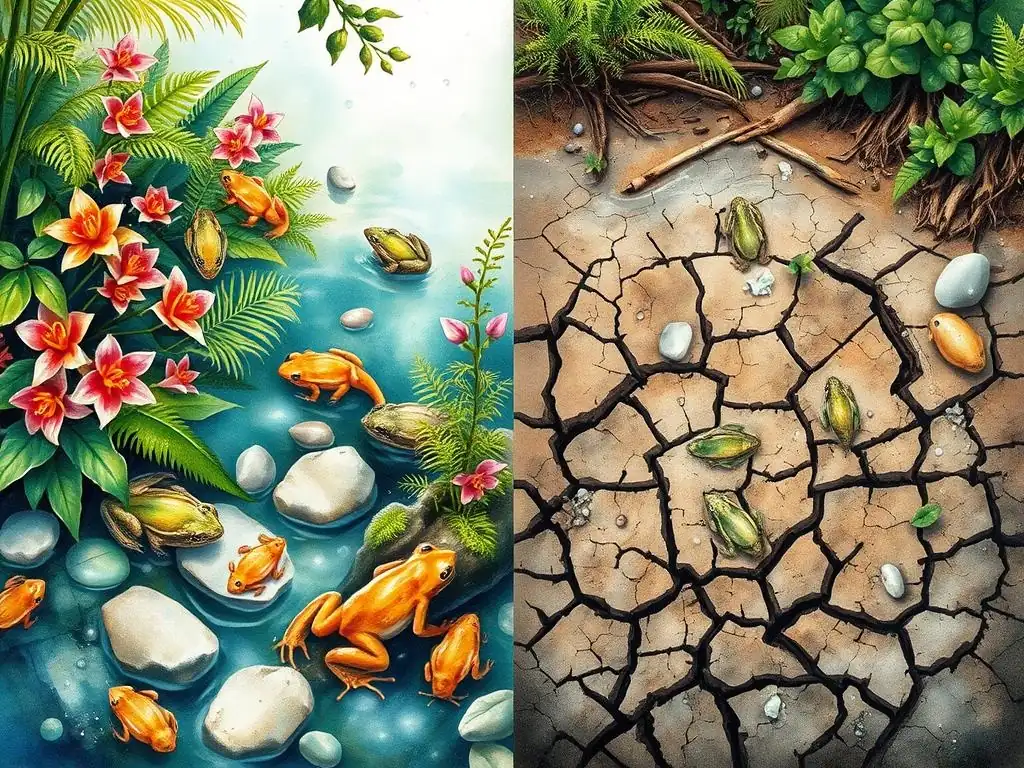
Amphibian health is significantly influenced by the environment they inhabit, and a crucial aspect of this is the substrate and overall enclosure design. Choosing the right substrate and creating a suitable enclosure are essential for maintaining the well-being of your amphibian companions. Ignoring these factors can lead to a variety of health problems, ranging from minor skin irritations to severe infections and even death.
Understanding the specific needs of your amphibian species is paramount for creating a thriving habitat. Proper substrate selection and enclosure design are key elements in successful amphibian husbandry, contributing significantly to overall amphibian health environmental factors.
Substrate Selection for Different Amphibian Species
The type of substrate you use in your amphibian's enclosure is critical. Different species have different needs, and using the wrong substrate can lead to a range of problems. For example, using sand with species that require high humidity can lead to dehydration and respiratory issues. Conversely, using excessively wet substrates with species that prefer drier environments can cause fungal or bacterial infections.
Here's a breakdown of substrate suitability for some common amphibian species:
| Amphibian Species | Suitable Substrate | Unsuitable Substrate | Considerations |
|---|---|---|---|
| Dart Frogs (Dendrobatids) | Leaf litter, sphagnum moss, coconut fiber | Sand, gravel | Maintain high humidity and provide ample hiding places. |
| Green Tree Frogs | Coconut fiber, sphagnum moss, orchid bark | Clay, peat moss (can become too compacted) | Ensure good drainage and prevent waterlogging. |
| African Clawed Frogs | Smooth river stones, gravel (with water level control) | Sand (can become ingested), sharp gravel | Maintain clean, chlorinated-free water and provide ample space for swimming. |
| Pacman Frogs | Coconut fiber, cypress mulch | Sand, gravel (ingestion risk) | Provide a thick layer of substrate for burrowing. |
Remember, always research the specific needs of your amphibian species before selecting a substrate. Improper substrate can lead to impacted bowels, skin infections, and general discomfort, negatively impacting amphibian health environmental factors. Always prioritize the species-specific requirements for optimal health and well-being.
Importance of Proper Enclosure Size and Design
The size and design of the enclosure are just as important as substrate selection. A cramped enclosure can lead to stress, aggression, and difficulty maintaining proper hygiene. Amphibians need adequate space to move around, explore, and engage in natural behaviors. Insufficient space can increase stress hormones, suppress the immune system, and make them more susceptible to diseases.
The ideal enclosure size will vary depending on the species and the number of amphibians housed together. Researching the adult size of your species is crucial. Remember to consider vertical space as well as floor space, especially for arboreal species that require climbing structures. Providing ample hiding places is also essential to reduce stress and promote a sense of security. A well-designed enclosure is a crucial component of mitigating amphibian health environmental factors.
Preventing Stress and Injury Through Safe Enclosure Design
Creating a safe enclosure is vital to prevent injuries and reduce stress. Avoid sharp objects, loose substrate that could be ingested, and any materials that could harbor harmful bacteria or fungi. Ensure proper ventilation to prevent the buildup of ammonia and other harmful gases. Regular cleaning and maintenance are also essential to maintain a healthy environment.
Consider these points for a safe and stress-free enclosure:
- Smooth surfaces: Avoid rough or sharp edges that could injure your amphibian's delicate skin.
- Secure decorations: Make sure decorations are securely fastened to prevent them from falling and injuring your pet.
- Appropriate lighting: Provide appropriate lighting, avoiding excessive heat or UV radiation, which can be detrimental to many species. The type of lighting will vary drastically depending on the species.
- Escape-proof enclosure: Ensure the enclosure is completely escape-proof to prevent your amphibian from wandering off and getting injured or lost.
By following these guidelines, you can create an environment that promotes the health and well-being of your amphibians, minimizing stress and preventing injuries. A well-maintained and appropriately designed enclosure is a cornerstone of responsible amphibian care and significantly contributes to positive amphibian health environmental factors. Remember, a happy and healthy amphibian starts with a thoughtfully designed and maintained habitat.
Diet and Nutrition: Environmental Factors Affecting Food Sources
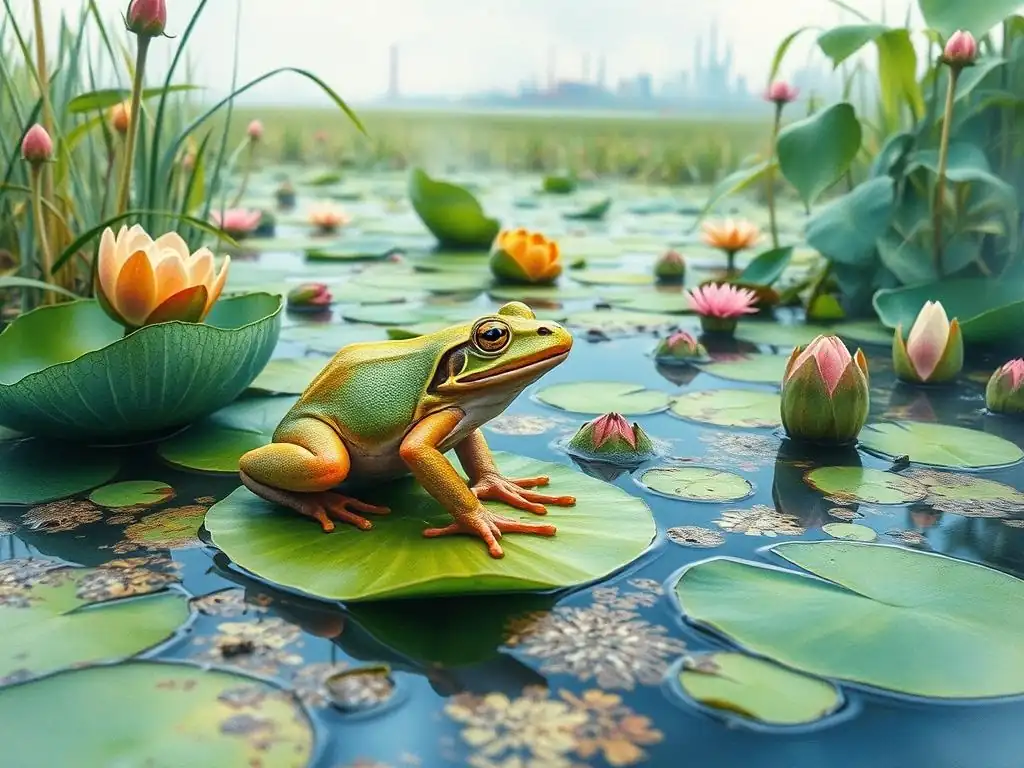
Amphibian health is intrinsically linked to the availability and quality of their food sources, which are heavily influenced by environmental factors. Understanding these environmental impacts is crucial for ensuring the well-being of captive amphibians and for conservation efforts in the wild. The availability of prey, the nutritional content of that prey, and even the ease of access to food are all significantly affected by environmental conditions, directly impacting amphibian growth, reproduction, and overall health.
This section will explore these critical relationships, focusing on how environmental changes can directly influence amphibian nutrition and, subsequently, their health. Proper management of these factors is paramount for maintaining optimal amphibian health environmental factors.
Ensuring a Balanced Diet for Optimal Amphibian Health
A balanced diet is the cornerstone of amphibian health. However, achieving this balance can be challenging, especially when considering the environmental factors that influence prey availability and nutritional content. For instance, a change in water temperature can affect the reproductive cycle of insect populations, the primary food source for many amphibians.
A decrease in insect numbers due to a colder-than-usual spring will directly impact the nutritional intake of tadpoles and young frogs, potentially leading to stunted growth and increased susceptibility to disease. Similarly, pollution can contaminate insect populations, introducing toxins into the amphibian's food chain and negatively impacting their health. Maintaining a healthy and balanced diet in captivity requires meticulous monitoring of environmental conditions within the enclosure, ensuring that temperature, humidity, and lighting all mimic the amphibian's natural habitat as closely as possible.
This might involve supplemental feeding with commercially available food to ensure a balanced intake of essential nutrients. Regular fecal exams can help monitor the effectiveness of the diet and detect any potential nutritional deficiencies.
The Role of Live Food in Amphibian Nutrition
Live food forms the basis of a healthy amphibian diet. The environmental conditions surrounding the production and sourcing of live food are critical to its nutritional value and the health of the amphibians consuming it. For example, crickets raised in unsanitary conditions or fed low-quality diets will be deficient in essential nutrients, which will negatively impact the amphibian consuming them. Similarly, the capture of wild-caught insects can introduce parasites and pathogens into the amphibian's enclosure, causing disease outbreaks.
Therefore, it's crucial to source live food from reputable suppliers who maintain high standards of hygiene and nutrition. Knowing the origin and rearing methods of the food is paramount to minimizing the risk of introducing harmful substances or pathogens into your amphibian's diet. This is especially important for vulnerable species with specific dietary requirements.
Impact of Food Quality on Amphibian Immune Function
The quality of an amphibian's diet directly correlates with its immune function. A diet lacking essential vitamins, minerals, and proteins will weaken the immune system, making the amphibian more susceptible to infections and diseases. Environmental factors affecting food quality, such as pesticide contamination or nutrient depletion in the soil, can have cascading effects on the amphibian's health.
For example, a diet deficient in Vitamin A can lead to skin problems and impaired immune response, making the amphibian more vulnerable to infections. Similarly, a deficiency in calcium can result in skeletal deformities and compromised immune function. Monitoring the nutritional content of the food, either through laboratory analysis or by selecting high-quality commercial feeds, is crucial for maintaining optimal immune function in amphibians.
Regular veterinary checkups and proactive parasite prevention are also essential components of a comprehensive health management program for amphibians, ensuring their robust immune systems are well-supported. This holistic approach, which considers both the quality of the food and the overall environment, is crucial for ensuring optimal amphibian health environmental factors.
Disease Prevention Through Environmental Management
Amphibian health is intrinsically linked to the quality of their environment. Proactive environmental management is paramount in preventing disease outbreaks and maintaining the well-being of your amphibians. This involves a multi-faceted approach encompassing hygiene, quarantine, and stress reduction, all crucial components of effective amphibian health management. Ignoring these factors significantly increases the risk of bacterial, fungal, and parasitic infections, leading to substantial health problems and potentially mortality. Understanding and implementing these strategies is crucial for responsible amphibian ownership and contributes significantly to improving amphibian health environmental factors.
Minimizing Disease Risk Through Proper Hygiene
Maintaining impeccable hygiene is the cornerstone of amphibian disease prevention. This goes beyond simple cleaning; it requires a meticulous approach to every aspect of the enclosure. Regular, thorough cleaning of the terrarium, including substrate, decorations, and equipment, is essential. The frequency depends on the species and the type of substrate used, but generally, a partial water change and spot cleaning should be conducted weekly, with a complete enclosure cleaning and disinfection every 2-4 weeks.
For cleaning, avoid harsh chemicals which can be toxic to amphibians. Instead, use a solution of dechlorinated water and a mild, amphibian-safe disinfectant. Thoroughly rinse all surfaces to remove any residual cleaning solution. Remember to always wash your hands thoroughly before and after handling any equipment or interacting with your amphibians. This simple step minimizes the risk of transferring pathogens from other surfaces, contributing to a cleaner, safer environment and improving amphibian health environmental factors.
Here’s a sample cleaning schedule:
| Day of the Week | Task | Frequency | Notes |
|---|---|---|---|
| Monday | Spot clean enclosure, remove waste | Daily | Focus on areas with visible waste. |
| Wednesday | Partial water change (25-50%) | Every 2-3 days | Use dechlorinated water. |
| Saturday | Complete enclosure cleaning and disinfection | Every 2-4 weeks | Use amphibian-safe disinfectant and rinse thoroughly. |
Remember, consistent hygiene practices are far more effective than infrequent, extensive cleanings. A proactive approach to hygiene significantly improves amphibian health environmental factors and is a crucial aspect of responsible amphibian care.
Quarantine Procedures for New Amphibians
Introducing a new amphibian to an existing setup carries a significant risk of introducing pathogens. Implementing a strict quarantine procedure is crucial to prevent the spread of disease. New amphibians should be housed separately for at least 4-8 weeks in a dedicated quarantine enclosure, even if they appear healthy. This allows for observation and early detection of any potential diseases before they can infect your existing amphibians, thus improving amphibian health environmental factors.
During quarantine, monitor the new amphibian closely for any signs of illness, such as lethargy, loss of appetite, unusual skin discoloration, or abnormal behavior. Regular fecal and skin swabs for microscopic examination can help detect parasites or other pathogens early on. This proactive approach to disease detection and prevention is a critical aspect of responsible amphibian ownership. Maintaining separate equipment for the quarantine enclosure is also recommended. This helps prevent cross-contamination.
Recognizing and Addressing Signs of Environmental Stress in Amphibians
Environmental stress significantly compromises amphibian immune systems, making them more susceptible to disease. Recognizing and addressing stressors is vital for maintaining amphibian health. Common stressors include:
- Improper water parameters: Incorrect temperature, pH, or ammonia/nitrite levels can cause significant distress. Regular testing of water quality is essential.
- Inadequate humidity: Amphibians require specific humidity levels; deviations can lead to dehydration or skin problems. Regular monitoring with a hygrometer is crucial.
- Poor water quality: Dirty or stagnant water promotes the growth of harmful bacteria and parasites. Regular water changes and filtration are essential.
- Terrarium overcrowding: Overcrowding leads to competition for resources and increases stress levels. Ensure sufficient space for each amphibian.
- Improper lighting: Insufficient or incorrect lighting can negatively impact amphibian behavior and health. Provide appropriate UVB and heat sources.
- Lack of hiding places: Amphibians need secure hiding spots to reduce stress and feel safe. Provide plenty of cover within the terrarium.
Addressing these stressors proactively improves amphibian health environmental factors. By providing a stable and enriching environment, you significantly reduce the risk of disease and promote the overall well-being of your amphibians. Early detection and intervention are key to managing environmental stress effectively. Remember to always consult with a veterinarian specializing in amphibians for any concerns about your amphibian's health.
Case Studies: Environmental Factors Leading to Amphibian Illness
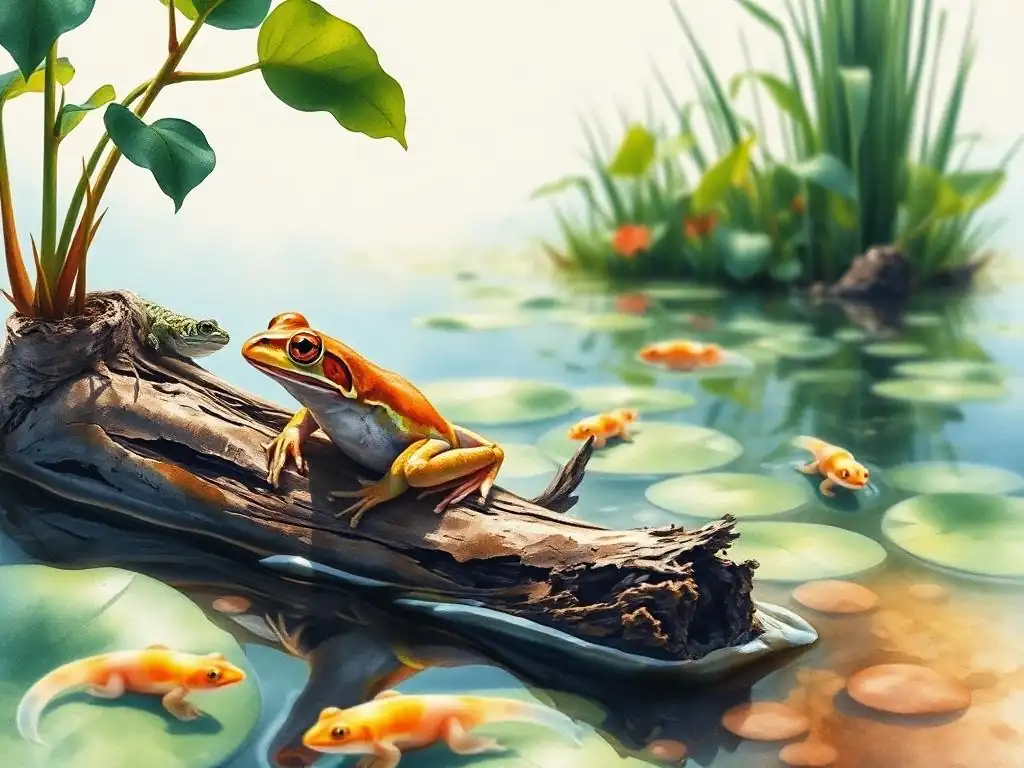
This section delves into specific instances where environmental factors directly impacted amphibian health, illustrating the crucial link between habitat and well-being for these sensitive creatures. Understanding these case studies highlights the importance of proactive amphibian conservation and responsible environmental stewardship. The term "amphibian health environmental factors" is central to understanding these critical situations.
Case Study 1: Chytridiomycosis Outbreak in Panamanian Golden Frogs
The Panamanian golden frog (Atelopus zeteki), once abundant in its cloud forest habitat, suffered a catastrophic decline due to a chytrid fungus outbreak, Batrachochytrium dendrobatidis (Bd). This devastating disease, exacerbated by specific environmental conditions, decimated populations across its range. The fungus thrives in cool, moist environments, making the cloud forests' microclimate particularly conducive to its spread.
Several factors contributed to the severity of the outbreak. Firstly, the relatively high humidity and temperatures within the forest created an ideal breeding ground for the fungus. Secondly, the frogs' limited dispersal abilities hindered their escape from infected areas, increasing transmission rates.
Thirdly, human activities, such as habitat fragmentation and disturbance, likely played a role by disrupting the natural ecosystem balance and potentially increasing stress levels in the frog populations, making them more susceptible to disease. The resulting population crash underscores the critical impact of environmental factors on amphibian susceptibility to infectious diseases. This case highlights the importance of monitoring environmental conditions and implementing preventative measures to mitigate future outbreaks.
Case Study 2: Habitat Loss and Population Decline of the Oregon Spotted Frog
The Oregon spotted frog (Rana pretiosa) provides a stark example of how habitat loss directly translates to population decline and compromised amphibian health. This species relies on specific wetland habitats – shallow, ephemeral ponds with abundant vegetation – for breeding and development. The encroachment of human development, agricultural expansion, and water diversion projects have significantly reduced the availability of these crucial habitats.
The loss of suitable breeding sites directly impacts reproductive success, leading to lower population numbers. Further, habitat fragmentation isolates populations, limiting gene flow and reducing genetic diversity. This lack of genetic diversity can weaken the population's resilience to environmental stressors, including disease and climate change.
The Oregon spotted frog's plight underscores the need for habitat preservation and restoration efforts to ensure the long-term survival of this vulnerable species. The interconnectedness of habitat and amphibian health is clearly demonstrated in this case. Conservation strategies must focus on protecting and restoring existing wetlands while mitigating the impacts of human activities on these fragile ecosystems.
Case Study 3: The Effects of Pesticide Runoff on Amphibian Development
Pesticide runoff from agricultural lands poses a significant threat to amphibian health. Amphibians, with their permeable skin and aquatic larval stages, are particularly vulnerable to the toxic effects of pesticides. Studies have shown that exposure to even low concentrations of certain pesticides can cause developmental abnormalities, reduced growth rates, and increased mortality in amphibian larvae.
For example, organophosphate pesticides have been linked to impaired limb development and neurological problems in tadpoles. Herbicides can disrupt aquatic plant communities, impacting the food sources available to tadpoles and reducing the overall habitat quality. The cumulative effects of pesticide exposure can weaken amphibian immune systems, making them more susceptible to diseases and other environmental stressors. This exemplifies how seemingly distant human activities can have a profound and negative impact on amphibian populations.
Stricter regulations on pesticide use and the implementation of sustainable agricultural practices are crucial to mitigate the negative effects of pesticide runoff on amphibian health and overall ecosystem health. This case study highlights the need for a holistic approach to amphibian conservation, considering not only habitat protection but also the wider landscape and its impact on water quality. The phrase "amphibian health environmental factors" truly encapsulates the insidious nature of this threat.
Conclusion: Prioritizing Environmental Factors for Optimal Amphibian Health
Maintaining optimal amphibian health is inextricably linked to providing a suitable environment. Neglecting even seemingly minor environmental factors can have significant, and sometimes irreversible, consequences on an amphibian's well-being. This underscores the critical importance of proactive environmental management in amphibian care. Understanding the interplay between environmental parameters and amphibian physiology is paramount for responsible ownership and conservation efforts. This section will summarize key environmental factors, offer practical tips, and point towards additional resources to further enhance your knowledge and skills in amphibian care.
Summary of Key Environmental Factors Affecting Amphibian Health
Amphibian health environmental factors encompass a broad spectrum of parameters, each playing a crucial role in the overall well-being of these fascinating creatures. Let's examine some key elements:
- Water Quality: This is arguably the most critical factor. Amphibians, particularly aquatic and semi-aquatic species, are highly sensitive to water chemistry. Parameters like pH, ammonia, nitrite, and nitrate levels must be meticulously monitored and maintained within the species-specific tolerances. Regular water changes, filtration, and the use of appropriate water conditioners are essential. Even seemingly minor fluctuations can lead to skin irritation, infections, and ultimately, death. For example, a sudden spike in ammonia can cause severe gill damage in tadpoles.
- Temperature and Humidity: Amphibians are ectothermic, meaning their body temperature is regulated by their environment. Maintaining the correct temperature gradient is crucial for their metabolism, digestion, and immune function. Humidity levels are equally vital, especially for terrestrial species, preventing dehydration and maintaining healthy skin. Improper temperature and humidity can lead to stress, respiratory problems, and increased susceptibility to diseases. Consider using thermometers and hygrometers to monitor these parameters closely.
- Substrate and Housing: The substrate, or bottom material, of an enclosure plays a significant role. It should be appropriate for the species, allowing for burrowing, basking, and hiding. Inappropriate substrate can lead to impaction, injuries, or harbor harmful bacteria. The enclosure itself must be adequately sized, providing ample space for movement, exploration, and the establishment of a proper thermal gradient. Overcrowding can lead to stress and the spread of diseases.
- Lighting and UV-B: While not all amphibians require UV-B lighting, some species benefit from it for vitamin D3 synthesis, which is essential for calcium absorption and bone health. The type and intensity of lighting must be carefully selected, avoiding excessive heat or harmful UV radiation. Incorrect lighting can negatively impact their behavior and overall health.
Practical Tips for Maintaining a Healthy Amphibian Environment
Here are some practical steps to ensure a healthy environment for your amphibians:
- Regular Water Testing: Invest in a reliable water testing kit and perform regular tests to monitor pH, ammonia, nitrite, and nitrate levels. Adjust accordingly using water conditioners or partial water changes.
- Proper Filtration: A good filtration system is crucial for maintaining clean water, especially in larger enclosures. Regularly clean or replace filter media as needed.
- Temperature and Humidity Control: Use appropriate heating and humidity control devices, such as under-tank heaters, heat lamps, and humidifiers. Monitor these parameters using thermometers and hygrometers.
- Substrate Selection: Choose a substrate that is appropriate for your species, ensuring it is safe, non-toxic, and easy to clean.
- Regular Cleaning: Regularly clean and disinfect the enclosure to prevent the buildup of harmful bacteria and parasites. Remove waste promptly.
- Quarantine New Amphibians: Always quarantine new amphibians for a period of time before introducing them to your existing collection to prevent the introduction of diseases.
| Parameter | Optimal Range (Example) | Monitoring Method | Potential Consequences of Imbalance |
|---|---|---|---|
| Water pH | 6.5 - 7.5 | pH test kit | Skin irritation, infections |
| Ammonia | 0 ppm | Ammonia test kit | Gill damage, death |
| Temperature | 22-26°C (example) | Thermometer | Metabolic slowdown, stress |
| Humidity | 60-80% (example) | Hygrometer | Dehydration, skin problems |
Resources for Further Learning on Amphibian Care and Environmental Management
For a deeper understanding of amphibian care and environmental management, consider exploring reputable sources such as herpetological societies, veterinary professionals specializing in exotic animals, and scholarly articles on amphibian biology and conservation. These resources provide invaluable information on species-specific needs, disease prevention, and best practices for creating and maintaining healthy amphibian environments. Remember that continuous learning is key to responsible amphibian ownership.
Staying updated on the latest research and best practices is crucial for ensuring the long-term health and well-being of your amphibians. The dedication to understanding amphibian health environmental factors is a crucial part of ethical and successful amphibian keeping. 🐸
Frequently Asked Questions
What environmental factors most significantly impact amphibian health?
Amphibian health is heavily influenced by water quality, temperature, and humidity. Changes in these factors can lead to disease susceptibility and reproductive issues. Maintaining a stable and appropriate environment is crucial.
How does water quality affect amphibian health?
Poor water quality, including high levels of ammonia, nitrates, or chlorine, can cause skin irritation, infections, and even death in amphibians. Regular water changes and filtration are essential.
What temperature range is ideal for most amphibian species?
The ideal temperature varies greatly depending on the species. However, sudden temperature fluctuations should be avoided as they can stress amphibians and make them more vulnerable to illness. Research the specific needs of your amphibian.
What role does humidity play in amphibian health?
Amphibians rely on sufficient humidity to keep their skin moist. Low humidity can lead to dehydration, skin problems, and increased susceptibility to infections. Proper misting and appropriate enclosure setups are important.
How can I ensure my amphibian's environment is optimal for its health?
Research your specific amphibian species to understand its habitat requirements. Maintain clean water, appropriate temperature and humidity levels, and provide a suitable substrate. Regular monitoring of your pet's health is vital.
Final Reflection: The Fragile Symphony of Amphibian Health
The interconnectedness of amphibian health and environmental integrity is not merely a scientific observation; it's a stark warning echoing across our planet. The alarming decline in amphibian populations worldwide serves as a potent indicator of broader ecological instability, a canary in the coal mine for the health of our entire ecosystem. Ignoring this crisis is not an option; the consequences are far too significant to ignore.
The pervasive impact of environmental degradation on amphibian populations has profoundly shaped my understanding of our responsibility towards the natural world. Witnessing the subtle yet devastating effects of habitat loss, pollution, and climate change on these vital creatures has been a sobering experience. It underscores the fragility of biodiversity and the intricate web of life that sustains us all. The fate of amphibians is inextricably linked to the fate of the planet. Their decline is a mirror reflecting our own unsustainable practices.
This quote encapsulates the urgency of the situation and the need for immediate action.
The future of amphibian health, and indeed the health of our planet, rests in our hands. Consider the information presented in this article, and ask yourself: What steps can you take to contribute to a healthier environment? From supporting conservation efforts and reducing your carbon footprint to advocating for stronger environmental policies, every action, no matter how small, can make a difference. Let us work together to ensure that the symphony of life, with amphibians playing their vital role, continues to resonate for generations to come.
Unleash Your Inner Amphibian Advocate!
Thank you for exploring the world of amphibian health and its environmental impact. You've gained valuable insights into the delicate balance affecting these fascinating creatures. Now, let's put that knowledge into action.
- Become a citizen scientist: Participate in amphibian population monitoring programs in your local area and share your observations with relevant organizations. Your direct involvement can significantly contribute to conservation efforts.
- Educate others: Share information about amphibian conservation and the threats they face with your friends, family, and community. Inspire them to join the cause and become involved in protecting these incredible animals.
- Support amphibian conservation: Consider donating to or volunteering with a local amphibian rescue or conservation project. Even small contributions can make a big difference in preserving their crucial ecosystems.
Ready to make a difference for amphibian conservation? What steps will you take today to protect these amazing animals and their habitats?