
The Positive Approach to Fearful Dogs: Building Trust Through Gentle Training

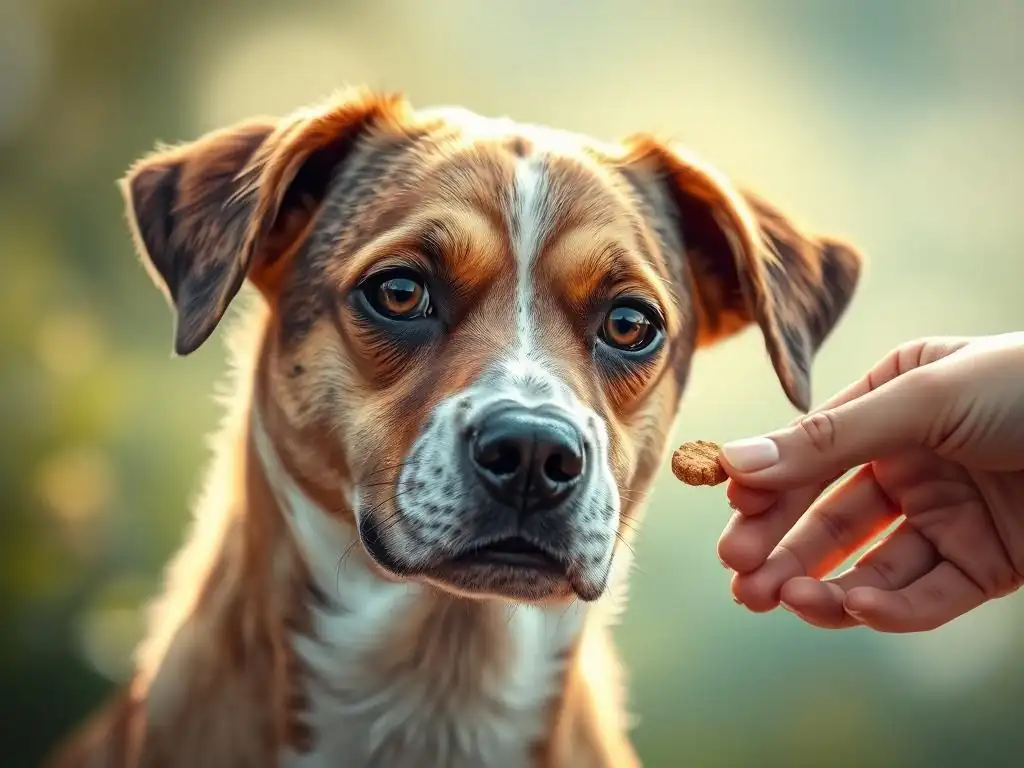
Welcome to PetCareWorld, your ultimate guide to a happier, healthier life for your beloved companions! Are you struggling with a fearful canine companion? Discover how to transform your relationship through gentle training techniques. Our in-depth guide on "Gentle training fearful dogs" reveals the secrets to building trust and confidence, turning anxieties into affection. Dive in and unlock the key to a more harmonious life with your furry friend.
- Understanding Fear in Dogs: Recognizing the Signs
- Gentle Training Techniques for Fearful Dogs: Building Confidence
- Building Trust and Bonding with Your Fearful Dog
- Addressing Specific Fears in Fearful Dogs
- When to Seek Professional Help for Fearful Dogs
- Maintaining Progress and Preventing Regression in Fearful Dogs
-
Frequently Asked Questions
- What is the core principle behind gentle training for fearful dogs?
- How can I identify if my dog is fearful?
- What are some positive reinforcement techniques for fearful dogs?
- How long does it take to train a fearful dog using positive methods?
- Are there any resources on PetCareWorld to help me with gentle training for a fearful dog?
- Final Reflection: Reframing Fear: A Path to Canine Compassion
- Unlock Your Dog's Confidence: Start Building Trust Today!
Understanding Fear in Dogs: Recognizing the Signs
Fear in dogs is a serious issue that can significantly impact their well-being and their relationship with their owners. This article explores the positive approach to gentle training for fearful dogs, focusing on building trust and confidence through understanding and patience.
We'll delve into identifying the signs of fear, understanding its root causes, and differentiating it from aggression. By the end, you'll have a clearer understanding of how to approach and effectively train a fearful dog using positive reinforcement techniques, ultimately creating a happier and healthier life for both you and your canine companion.
This gentle training approach prioritizes building a strong bond based on trust and mutual respect, rather than relying on forceful or punitive methods which can exacerbate fear and anxiety. We will focus on the keyword "gentle training fearful dogs" throughout this article to provide relevant and helpful information for pet owners seeking solutions for their fearful pets.
Identifying Fearful Body Language in Dogs
Recognizing the subtle signs of fear in your dog is crucial for effective training. Fearful body language can manifest in various ways, and understanding these cues is the first step towards helping your dog overcome their fear. Some common signs include:
- Tucked tail: A tucked tail often indicates fear or submission.
- Whale eye: Showing the whites of their eyes (sclera) is a clear sign of anxiety.
- Lip licking: Excessive lip licking can be a sign of stress or anxiety.
- Yawning: Yawning, even without apparent sleepiness, can be a displacement behavior indicating stress.
- Panting: Excessive panting, especially without exertion, can be a sign of anxiety.
- Shaking or trembling: Physical tremors are a clear indicator of fear or distress.
- Avoiding eye contact: A fearful dog may actively avoid looking at you or other potential triggers.
- Cowering: This is a clear indication of fear and a desire to minimize their perceived threat.
- Frozen posture: The dog might freeze in place, unable to move due to fear.
- Ears flattened: Flattened ears indicate submission and fear.
Understanding these subtle cues will allow you to respond appropriately and help your dog feel safe and secure. Remember, consistent observation is key to understanding your dog's individual communication style. Early recognition of these signs allows for proactive intervention and prevents the escalation of fear into more significant behavioral problems.
Common Causes of Fear and Anxiety in Dogs
Fear and anxiety in dogs can stem from a variety of experiences, both past and present. Identifying the root cause of your dog's fear is essential to tailor a training plan that effectively addresses the underlying issue. Some common causes include:
- Past trauma: Negative experiences such as abuse, neglect, or abandonment can leave lasting scars, leading to fear and anxiety.
- Lack of socialization: Dogs that haven't been properly socialized during their critical developmental period may exhibit fear towards unfamiliar people, animals, or environments.
- Genetic predisposition: Some breeds or individual dogs may be genetically predisposed to anxiety or fearfulness.
- Medical conditions: Underlying medical issues can sometimes manifest as anxiety or fear, so a veterinary check-up is crucial.
- Loud noises: Thunderstorms, fireworks, or other loud noises can trigger fear and anxiety in many dogs.
- Specific objects or situations: Certain objects, people, or situations can become associated with negative experiences, leading to learned fear.
Understanding these potential triggers allows for a more targeted approach to training and desensitization. Addressing the root cause, whether it’s a past trauma or a learned fear, is key to creating a positive training experience. Remember, patience and consistency are essential throughout this process.
Differentiating Fear from Aggression
It's crucial to differentiate between fear and aggression, as they often present with similar outward behaviors. While both can involve growling or snapping, the underlying motivations are vastly different. A fearful dog displays these behaviors as a defensive mechanism, aiming to maintain distance and avoid perceived threats. An aggressive dog, on the other hand, is actively seeking to dominate or inflict harm. Key differences include:
| Feature | Fear | Aggression |
|---|---|---|
| Body Language | Tucked tail, whale eye, lip licking, cowering | Stiff posture, raised hackles, direct stare |
| Motivation | Self-preservation, avoidance | Dominance, control, protection |
| Target | Perceived threat, escape route | Specific target (person, animal) |
| Response | Flight or freeze | Attack, confrontation |
Misinterpreting fear as aggression can lead to ineffective and potentially harmful training methods. Positive reinforcement techniques are crucial for fearful dogs, as punishment-based approaches can worsen their anxiety and deepen their fear. A careful assessment of the dog's body language and behavior is essential to determine the underlying emotion and develop an appropriate training plan.
Gentle Training Techniques for Fearful Dogs: Building Confidence
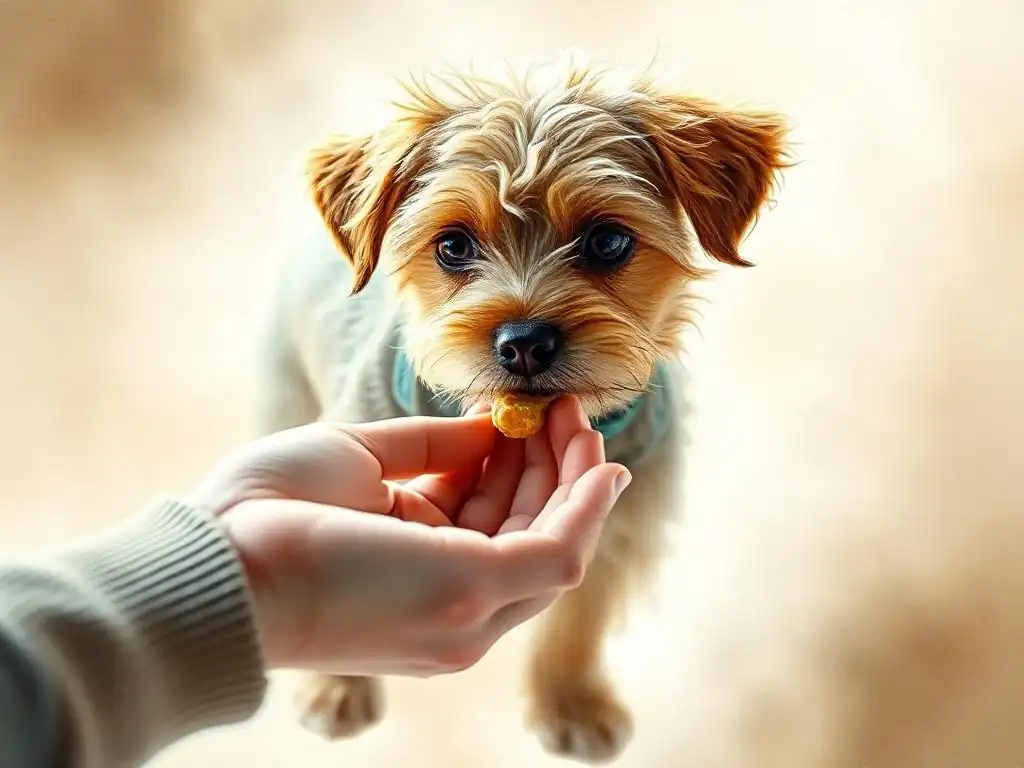
This section delves into the practical application of gentle training methods specifically designed for fearful dogs. We'll explore techniques that prioritize building trust and confidence, avoiding any forceful or aversive methods that could exacerbate fear and anxiety. Remember, patience and consistency are key to success when working with a fearful canine companion.
The goal is not to "fix" the dog, but to help them manage their fear response and build a positive association with potentially triggering situations. This approach fosters a stronger bond between you and your dog, leading to a happier and more well-adjusted life for both of you. Gentle training for fearful dogs emphasizes understanding the root of their fear and addressing it with kindness and understanding.
Creating a Safe and Predictable Environment for Your Dog
A safe and predictable environment is the cornerstone of gentle training for fearful dogs. This means minimizing stressors and creating a space where your dog feels secure and comfortable. This involves several key steps:
- Identifying and Removing Triggers: Carefully observe your dog to pinpoint specific situations, sounds, or objects that trigger their fear. This could range from loud noises (thunder, fireworks) to specific people or animals. Once identified, actively work to remove or minimize exposure to these triggers. For example, if your dog is afraid of vacuum cleaners, you might start by keeping them in a separate, quiet room when you use it.
- Establishing a Safe Space: Designate a quiet, comfortable area in your home as your dog's "safe space." This could be a crate, a dog bed in a quiet corner, or even a specific room. Make sure this space is consistently stocked with comforting items like their favorite toys and blankets. Ensure your dog has uninterrupted access to their safe space whenever they feel overwhelmed or anxious.
- Predictable Routine: Fearful dogs thrive on routine and predictability. Establishing a consistent daily schedule for feeding, walks, playtime, and rest helps reduce anxiety by providing a sense of control and security. Stick to the routine as closely as possible, only making changes gradually and with careful monitoring of your dog's reaction.
- Minimizing Unexpected Interactions: Avoid forcing your dog into interactions with strangers or other animals, especially if they show signs of discomfort or fear. Respect their personal space and allow them to approach interactions at their own pace. Gentle, controlled introductions are far more effective than forcing a positive interaction. Observe your dog's body language carefully; signs of stress such as tucked tail, whale eye, yawning, or lip licking indicate a need for distance.
Positive Reinforcement: Rewarding Calm Behavior
Positive reinforcement is the backbone of gentle training for fearful dogs. It focuses on rewarding calm and relaxed behavior, rather than punishing fear responses. This builds positive associations with situations that previously triggered fear.
- Identifying Calm Behaviors: Observe your dog and identify behaviors that indicate calmness, such as relaxed posture, soft eyes, slow tail wags, or gentle panting. These are your target behaviors.
- Rewarding Calmness: Reward your dog immediately and consistently whenever they display calm behavior in situations that normally trigger fear. Use high-value rewards, such as small pieces of their favorite treats, praise, or even a favorite toy. The timing of the reward is crucial; it must be given immediately after the desired behavior.
- Pairing Positive Stimuli with Triggers: Gradually introduce the fear-inducing stimulus at a very low intensity while simultaneously rewarding calm behavior. For example, if your dog is afraid of loud noises, you might start by playing a very quiet recording of the noise while rewarding them for remaining calm. Gradually increase the volume over time, always maintaining a reward system that reinforces calmness.
- Shaping Behavior: Break down complex behaviors into smaller, more manageable steps. Reward your dog for each successful step, gradually building towards the desired behavior. This approach makes the training process less overwhelming for your dog and builds confidence through small, achievable victories. For example, if your dog is afraid of strangers, start by rewarding them for simply being in the same room as a person at a distance, then gradually decrease the distance as they maintain calmness.
Counter-Conditioning and Desensitization: Gradually Exposing Your Dog to Fears
Counter-conditioning and desensitization are powerful techniques used together to help fearful dogs overcome their anxieties. Counter-conditioning involves pairing the fear-inducing stimulus with a positive experience, while desensitization involves gradually increasing exposure to the stimulus.
- The Process: Begin by assessing your dog's fear level on a scale of 1 to 10, with 10 being the most intense fear. Start with a stimulus intensity level that elicits a response of around 2-3 on that scale. Pair this low-level stimulus with a high-value reward. If your dog shows signs of increasing fear, immediately back off the intensity and resume rewarding calm behaviors.
- Gradual Exposure: As your dog's comfort level increases, slowly and gradually increase the intensity of the stimulus. Always stay within their comfort zone and never push them past their threshold for anxiety. The goal is to create positive associations with the previously fear-inducing stimulus.
- Consistency is Key: Be patient and consistent. This process may take time and multiple sessions. Celebrate small victories and adjust your approach as needed based on your dog's reactions. Remember, setbacks are normal; just return to a lower intensity level and continue with the process.
- Professional Guidance: If your dog's fear is severe or if you are struggling to make progress, consult a certified professional dog trainer experienced in positive reinforcement techniques. They can provide personalized guidance and support tailored to your dog's specific needs. A veterinarian's assessment may also be beneficial to rule out any underlying medical conditions contributing to the fear.
Using High-Value Rewards to Motivate Your Dog
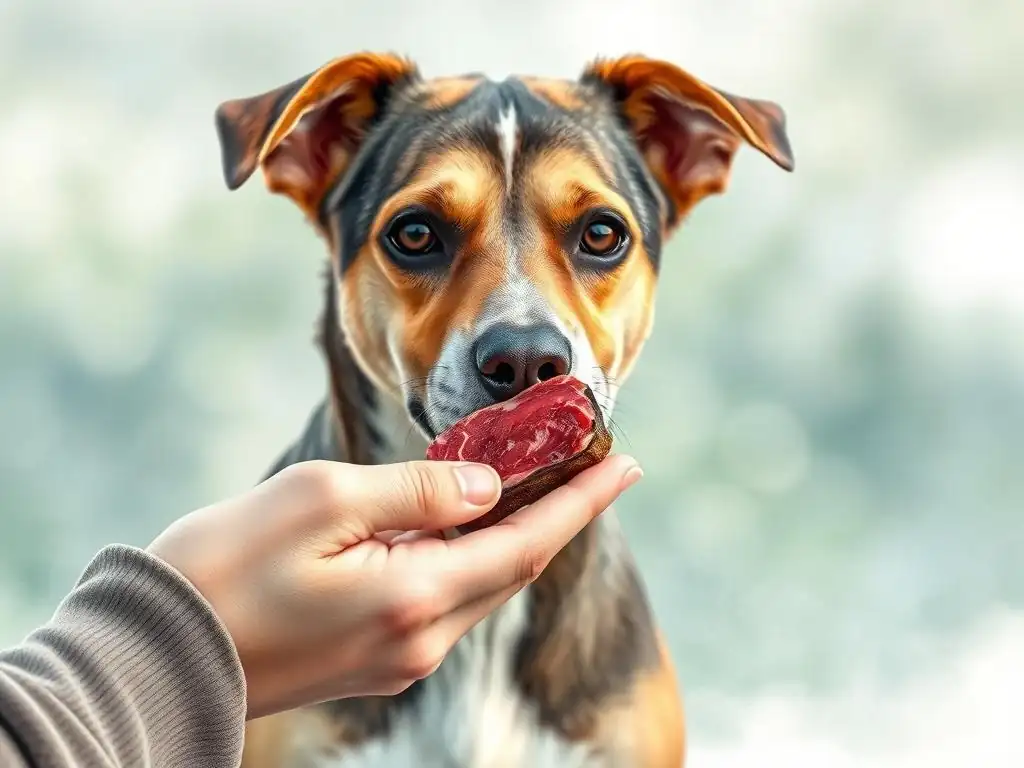
Motivating a fearful dog requires understanding what truly excites them. Generic treats might not cut it; you need high-value rewards. These are items or experiences your dog finds irresistibly appealing, causing them to overcome their fear, even momentarily, to obtain the reward. For some dogs, this might be a specific type of meat, like chicken or beef, perhaps even cooked liver (in small amounts). Others might be driven by interactive toys, a favorite squeaky toy, or even a brief, supervised game of fetch. The key is to observe your dog and experiment to identify their personal jackpot.
The presentation of the reward is also crucial. Don't just toss it on the floor. Instead, offer it slowly, allowing your dog to sniff and investigate before consuming. This slow introduction minimizes the pressure and allows the dog to associate the positive experience (the reward) with the training situation, rather than feeling overwhelmed. It's a delicate balance; you want to be enthusiastic and rewarding but not pushy or overwhelming.
Consider incorporating a variety of high-value rewards to keep your dog engaged and prevent them from becoming bored or habituated to a single reward. This could involve rotating between different treats, toys, or even brief periods of playtime. This variety maintains the excitement and reinforces the positive associations with training. Remember to always keep training sessions short and sweet, especially in the beginning, ending on a positive note with a particularly high-value reward. This positive ending helps your dog associate the entire experience with positive feelings, making future sessions more likely to be successful.
The Importance of Patience and Consistency in Training a Fearful Dog
Patience is paramount when working with a fearful dog. These dogs haven't developed fear overnight; it's often the result of past negative experiences. Therefore, undoing those ingrained fears takes time, understanding, and a lot of patience. Rushing the process or getting frustrated will only exacerbate the fear and damage the trust you're trying to build. Remember, every small step forward is a victory, no matter how insignificant it might seem.
Consistency is equally vital. A fearful dog needs predictability and routine to feel secure. If one person uses one training method and another uses a different, conflicting approach, it will confuse your dog and hinder progress. Maintain a united front in your training methods, ensuring everyone involved is on the same page.
This consistency reinforces the learning process and helps your dog understand the expectations. A consistent approach also helps to build a strong bond between you and your dog, fostering trust and encouraging them to rely on you for guidance and security. This consistency extends beyond training sessions; maintaining a consistent daily routine can also significantly reduce anxiety and improve your dog's overall well-being. Think of it as building a scaffolding of trust and security, piece by piece, with patience and unwavering consistency.
Building Trust and Bonding with Your Fearful Dog
Building a strong bond of trust is paramount when working with a fearful dog. Gentle training fearful dogs isn't just about teaching commands; it's about fostering a relationship based on mutual respect and understanding. This requires patience, consistency, and a deep understanding of canine body language.
Remember, your dog's fear stems from past negative experiences or a lack of socialization, and overcoming this takes time and a positive, reassuring approach. The goal is to help your canine companion associate you with positive experiences, gradually reducing their anxiety and building their confidence. This process often involves slow, incremental steps, celebrating even the smallest successes to reinforce positive behavior.
Creating Positive Associations Through Play and Affection
Positive reinforcement is the cornerstone of gentle training fearful dogs. Instead of forcing interactions, focus on creating positive associations. Start with short, low-pressure sessions. Offer high-value treats – think small pieces of cooked chicken or cheese – whenever your dog shows even a slight sign of relaxation or calmness in your presence.
Pair treats with gentle petting or scratching in areas your dog enjoys. Introduce playful interactions gradually. Start with quiet games like gentle tug-of-war with a soft toy, or a simple game of fetch with a soft ball in a quiet, familiar environment. Avoid overwhelming your dog with excessive stimulation.
The key is to create a safe and predictable environment where your dog feels comfortable exploring its surroundings and interacting with you. Observe your dog's body language closely; if they show signs of stress (such as yawning, lip licking, or tucked tail), immediately reduce the intensity of the interaction and return to a calmer activity. Remember, consistency is key; regular positive interactions will gradually help your dog associate you with positive feelings and reduce their fear.
One example: A client's dog, Max, was terrified of strangers. We started by simply having the client sit quietly with Max for five minutes a day, offering treats for calm behavior. Gradually, we introduced a calm stranger who sat at a distance, rewarding Max for remaining relaxed. Over several weeks, we progressively decreased the distance, always rewarding calm behavior. This slow, methodical approach allowed Max to build confidence and reduce his fear response.
Body Language and Communication with a Fearful Dog
Understanding canine body language is crucial for gentle training fearful dogs. A fearful dog may exhibit subtle signs of anxiety that are easily missed by untrained eyes. These can include: whale eye (showing the whites of their eyes), lip licking, yawning, flattened ears, tucked tail, panting, or a stiff posture. Recognizing these signals allows you to adjust your approach and avoid escalating your dog's fear.
Avoid direct eye contact, which can be perceived as threatening. Instead, communicate calmly and reassuringly using a soft voice and gentle movements. Approach your dog slowly and from the side, rather than directly from the front. Give your dog plenty of space and allow them to approach you at their own pace.
Avoid sudden movements or loud noises, as these could trigger a fear response. Learning to read your dog's subtle cues will allow you to anticipate potential problems and prevent overwhelming situations. This careful observation and understanding are fundamental to successful gentle training. The more you understand your dog's communication style, the better equipped you are to build trust and reduce their fear.
Managing Triggers and Avoiding Overwhelming Situations
Identifying and managing triggers is essential for gentle training fearful dogs. Triggers are anything that elicits a fear response in your dog, such as loud noises, unfamiliar people, or specific objects. Once you've identified your dog's triggers, you can begin to desensitize them gradually. This involves exposing your dog to the trigger at a distance and intensity that doesn't elicit a fear response, gradually reducing the distance and increasing the intensity over time.
Always reward calm behavior during desensitization exercises. Avoid forcing your dog to confront their fears; this can worsen their anxiety. Creating a safe haven for your dog is also important. This could be a quiet room or a comfortable bed where your dog feels secure and protected.
Allow your dog to retreat to their safe haven whenever they feel overwhelmed or anxious. Remember, gradual desensitization and counter-conditioning are far more effective than forcing a fearful dog into situations they find terrifying. This approach ensures a safe and positive learning experience, promoting confidence and reducing fear in your canine companion. This careful management of triggers is a cornerstone of effective and gentle training, leading to a happier and more confident dog.
Recognizing and Responding to Stress Signals
Understanding your dog's body language is crucial for gentle training. Fearful dogs often exhibit subtle stress signals that easily go unnoticed by untrained eyes. Learning to recognize these signals is the first step towards building trust and preventing escalation of fear into aggression. A dog exhibiting stress might display lip licking, yawning (even when not tired), whale eye (showing the whites of their eyes), tucked tail, flattened ears, or a lowered posture.
They might also exhibit excessive panting, shaking, or attempts to hide or escape. These are not signs of naughtiness or disobedience; instead, they are clear indicators of discomfort and anxiety. Ignoring these signals can lead to increased fear and reinforce negative associations.
It's essential to remember that every dog is an individual, and the intensity and manifestation of these stress signals can vary. Some dogs might show subtle signs, while others might exhibit more overt displays of fear. Regularly observing your dog's behavior, both during training sessions and in everyday life, will help you become more attuned to their individual cues. Take note of any situations or stimuli that seem to trigger these responses. This information will be invaluable in crafting a training plan that addresses your dog's specific anxieties.
Responding appropriately to these signals is equally important. If you notice your dog exhibiting signs of stress, immediately back off. Don't pressure them or force interaction. Instead, give them space and time to calm down.
This might involve removing them from the stressful situation or simply giving them a quiet break. Offering a comforting gesture, such as gently stroking their chest (if they tolerate it), can also be helpful, but only if they seem receptive. Avoid direct eye contact, which can be perceived as threatening by a fearful dog. The goal is to create a safe and predictable environment where your dog feels secure and empowered.
This consistent approach builds trust and allows your dog to learn that you are a source of comfort and safety, not a source of fear or anxiety. Remember, patience and understanding are key components in this process. Rushing the process will only worsen your dog's anxiety and hinder progress in building a trusting relationship.
Addressing Specific Fears in Fearful Dogs

This section delves into practical strategies for addressing common fears in dogs exhibiting fearful behavior, focusing on gentle training techniques rooted in positive reinforcement. Understanding the root cause of the fear is crucial before implementing any training plan. Remember, patience and consistency are key to success with gentle training fearful dogs. The goal isn't to eliminate fear entirely, but to manage it effectively, building your dog's confidence and resilience. We'll explore tailored approaches for various triggers, emphasizing a gradual and supportive process.
Fear of Noise: Desensitizing Your Dog to Loud Sounds
Many dogs exhibit fear responses to loud noises like fireworks, thunderstorms, or even construction work. Gentle training in this area involves a process of desensitization and counter-conditioning. This means gradually exposing your dog to increasingly louder sounds while pairing them with positive reinforcement, such as treats, praise, or favorite toys.
Start with very quiet recordings of the feared sound—perhaps a faint recording of distant thunder—at a volume barely audible to your dog. Reward calm behavior with high-value treats and enthusiastic praise. Gradually increase the volume over several sessions, always ensuring your dog remains calm and relaxed. If your dog shows signs of fear (e.g., trembling, whining, hiding), immediately reduce the volume and return to a level where they are comfortable. This process requires patience and consistent positive reinforcement. Never force your dog to endure a sound that causes significant distress.
It's crucial to monitor your dog's body language closely. Signs of stress can include tucked tail, flattened ears, whale eye (showing the whites of their eyes), lip licking, yawning, and panting. These subtle cues indicate that the volume or intensity of the sound needs to be reduced. Remember, the goal is gradual desensitization, not overwhelming your dog. Consider using white noise machines or calming music to mask some of the sounds during actual events.
Fear of strangers (human or canine) is another common issue in fearful dogs. Gentle training focuses on controlled and gradual exposure to new people and dogs in a safe and positive environment. Avoid forcing interactions. Instead, start with distance.
Begin by having strangers simply stand at a distance from your dog, while you reward your dog's calm behavior with treats. Gradually decrease the distance over many sessions, always maintaining a safe and comfortable space for your dog. You can use high-value treats to create positive associations with the presence of strangers. If your dog shows signs of anxiety, increase the distance again, reinforcing calm behavior at the safe distance.
Socialization should also extend to different types of people – varying ages, appearances, and even clothing. This helps your dog learn to generalize positive experiences with strangers. Positive interactions should always be rewarded. Remember, the pace should be dictated by your dog's comfort level. Forcing interaction will likely worsen their fear. Consider working with a certified professional dog trainer experienced in gentle training techniques for fearful dogs.
Fear of Specific Objects or Situations: Tailored Desensitization Plans
Some fearful dogs exhibit phobias related to specific objects (e.g., vacuum cleaners, umbrellas) or situations (e.g., car rides, vet visits). Addressing these fears requires a customized desensitization plan. The principles remain the same: gradual exposure, positive reinforcement, and close monitoring of your dog's reactions.
For example, if your dog fears vacuum cleaners, start by keeping the vacuum cleaner turned off and far away. Reward calm behavior. Then, slowly move the vacuum closer over several sessions, keeping it turned off. Once your dog is comfortable with the proximity, you can try turning it on at a low setting for very short periods, immediately rewarding any calm behavior. Gradually increase the duration and intensity of the sound.
The key is to break down the fear-inducing stimulus into small, manageable steps. Each step should be paired with positive reinforcement. If your dog shows any signs of fear, immediately go back to a previous step where they felt comfortable and continue from there. Patience, consistency, and a deep understanding of your dog's comfort levels are essential components of successful gentle training. Remember, every dog learns at their own pace. Celebrate even the smallest successes!
Separation Anxiety: Strategies for Managing Anxiety When Alone
Separation anxiety in dogs manifests as distress when left alone. This can range from mild whining to destructive behaviors like chewing furniture or excessive barking. Understanding the root cause is crucial for effective gentle training. Often, it stems from a lack of secure attachment or previous negative experiences associated with being alone. For example, a dog abruptly left alone for long periods after adoption might develop this anxiety. The key to managing separation anxiety through gentle training lies in gradual desensitization and counter-conditioning.
We need to help the dog associate being alone with positive experiences, rather than fear and distress. This involves a slow and systematic process of increasing the duration of alone time. Start with very short periods—just a few seconds—and gradually increase the time as the dog demonstrates comfort. Reward calm behavior with high-value treats and praise. It's important to avoid making a big fuss when leaving or returning, as this can reinforce the anxiety. A calm and predictable routine is essential.
Consider using calming aids such as pheromone diffusers or calming treats, which can help reduce the dog's stress levels. These are not a replacement for training, but can be valuable supplementary tools. Puzzle toys can also be beneficial, keeping the dog mentally stimulated and reducing boredom, a common trigger for separation anxiety. The goal is to build the dog's confidence and independence, enabling them to cope calmly when alone. This requires patience and consistency, but with gentle training and positive reinforcement, significant improvements are achievable.
Remember, every dog learns at its own pace, so celebrate small victories along the way. For severe cases, professional guidance from a certified dog trainer or veterinary behaviorist may be necessary. They can provide a tailored plan addressing the specific needs of your dog. Gentle training, coupled with a supportive environment, is the cornerstone of overcoming separation anxiety in dogs.
When to Seek Professional Help for Fearful Dogs
Addressing a fearful dog requires patience, consistency, and a deep understanding of canine behavior. While gentle training techniques can be highly effective, recognizing when professional intervention is necessary is crucial for the dog's well-being and the owner's success. Ignoring escalating fear can lead to more severe behavioral problems, impacting both the dog's quality of life and the human-animal bond. This section will outline key indicators that suggest seeking help from certified professionals. Remember, early intervention often leads to better outcomes.
Recognizing When Your Dog Needs a Certified Professional Dog Trainer
Several signs indicate that your gentle training efforts might need professional reinforcement. These aren't necessarily signs of failure on your part; rather, they highlight the complexities of canine fear and the benefits of expert guidance. For example, if your dog consistently exhibits extreme reactions to specific triggers – such as loud noises, unfamiliar people, or certain environments – despite consistent positive reinforcement training over an extended period (e.g., several weeks or months), professional assistance is advisable.
Another key indicator is the presence of learned helplessness. This manifests when a dog stops attempting to cope with fearful situations, instead shutting down or exhibiting passive resignation. This is a serious sign that requires the expertise of a professional to help the dog regain confidence and learn healthier coping mechanisms.
Similarly, if your attempts at gentle training inadvertently worsen the fear response, leading to increased anxiety or aggression, it's time to consult a professional. They can assess the situation, identify underlying issues, and create a tailored training plan. They can also teach you more effective techniques and help you avoid inadvertently reinforcing unwanted behaviors.
Consider the following checklist:
| Symptom | Severity Level (1-3, 3 being most severe) | Action |
|---|---|---|
| Avoidance of specific stimuli | 1-3 | Observe, document, consider professional help for levels 2 and 3. |
| Freezing or excessive panting | 1-3 | Observe, document, consider professional help for levels 2 and 3. |
| Destructive behaviors (fear-induced) | 1-3 | Observe, document, consider professional help for levels 2 and 3. |
| Aggression (fear-based) | 1-3 | Seek professional help immediately. |
| Learned helplessness | 1-3 | Seek professional help immediately. |
Remember, seeking help isn't admitting defeat; it's a proactive step towards ensuring your dog receives the best possible care and support. A professional can provide valuable insights and tools to help you navigate this challenging situation.
Finding a Qualified and Experienced Dog Behaviorist
Finding the right professional is as crucial as recognizing the need for help. A certified professional dog trainer or a board-certified veterinary behaviorist (Dip ACVB) brings specialized knowledge and experience to the table. Don't settle for just anyone claiming expertise in dog training. Research thoroughly to ensure the professional has the necessary qualifications, experience, and a proven track record of success using positive reinforcement methods. Look for trainers who emphasize gentle training fearful dogs and showcase positive reinforcement techniques in their approach.
Look for certifications and affiliations. Reputable organizations, such as [Specific organization name pending], often provide resources to help you locate qualified professionals in your area. Check online reviews and testimonials, but also consider seeking personal recommendations from other dog owners or veterinarians. A good professional will be happy to answer your questions, explain their methods, and provide a clear plan of action. They should also be upfront about realistic expectations and potential limitations. Remember, the goal is to build a trusting relationship with a professional who shares your commitment to gentle and effective training.
The Role of Veterinary Care in Addressing Underlying Medical Issues Contributing to Fear
Fear in dogs isn't always purely behavioral. Underlying medical conditions can significantly contribute to anxiety and fear. Therefore, a comprehensive approach to managing a fearful dog requires veterinary assessment. Before embarking on any intensive training program, schedule a thorough veterinary checkup. Certain medical conditions, such as pain, hormonal imbalances, or neurological disorders, can manifest as fear-based behaviors. Pain, for instance, can make a dog more reactive and fearful.
Addressing these underlying medical issues is crucial. The veterinarian can run diagnostic tests to rule out any physical causes contributing to your dog's fear. This ensures that the training program effectively targets the root cause of the problem, leading to more successful outcomes. A collaborative approach, involving both a veterinarian and a certified dog trainer, is often the most effective strategy for managing fear in dogs. Remember, a healthy dog is better equipped to handle training and overcome fear.
Maintaining Progress and Preventing Regression in Fearful Dogs
Consistency is key when working with fearful dogs. Gentle training fearful dogs isn't a quick fix; it's an ongoing process requiring patience and dedication. Even after significant progress, setbacks can occur, highlighting the importance of maintaining a structured and supportive training regimen. Regression isn't necessarily a failure, but rather an opportunity to reassess and refine your approach. Understanding the factors that can trigger regression and implementing preventative measures is crucial for long-term success. This section explores strategies for sustaining positive progress and minimizing the likelihood of setbacks.
Continuing Positive Reinforcement and Training
Positive reinforcement remains the cornerstone of gentle training fearful dogs. Even after your dog demonstrates noticeable improvements, continuing with regular training sessions is vital. These sessions shouldn’t be intense; instead, focus on reinforcing previously learned behaviors and gradually introducing new challenges at a pace your dog can comfortably handle. Think of it like maintaining physical fitness – you wouldn't stop exercising after achieving a fitness goal; you'd continue with a maintenance routine.
For example, if your dog has overcome its fear of loud noises, continue practicing desensitization exercises, but gradually increase the intensity of the noise only slightly. Reward even the smallest signs of progress with high-value treats and enthusiastic praise. This constant reinforcement strengthens the positive associations and helps prevent the dog from reverting to fearful behaviors.
Maintain short, frequent sessions rather than long, tiring ones to avoid overwhelming your dog. Remember, the goal is to build confidence, not to push your dog beyond its comfort zone. A consistent schedule helps to establish routine and predictability, which can significantly reduce anxiety in fearful dogs.
Monitoring Your Dog's Behavior and Adjusting Training as Needed
Careful observation is paramount in gentle training fearful dogs. Regularly monitor your dog's body language for signs of stress or fear, such as tucked tail, flattened ears, yawning, lip licking, or avoidance. These subtle cues can indicate that you need to adjust your training approach. Perhaps the training sessions are too long, the stimuli are too intense, or the rewards aren't motivating enough. Note the specific situations or stimuli that trigger fear responses and adjust your training plan accordingly.
Consider keeping a detailed training journal. Record each session, noting your dog's responses, the stimuli used, and the rewards given. This detailed record helps track progress, identify patterns, and make informed adjustments to your training strategies. For instance, if your dog consistently shows signs of stress during interactions with other dogs, you might need to slow down the socialization process, focusing on distance desensitization before attempting closer encounters.
Flexibility and adaptability are essential to successful training. Don't be afraid to modify your techniques based on your dog's individual needs and responses. This proactive approach minimizes the chance of regression and helps maintain a positive training experience for both you and your dog.
While gentle training is crucial, ongoing socialization is equally important in managing fear in dogs. Even after your dog shows improvement in its fear responses, continued exposure to various stimuli in a controlled and positive manner is vital for preventing regression and promoting long-term confidence. This doesn't mean abruptly exposing your dog to overwhelming situations; instead, it involves gradual and carefully managed introductions to new environments, people, and other animals. The process should always be positive and rewarding, focusing on building positive associations rather than forcing interaction.
Remember that socialization is a life-long process, not a one-time event. Even seemingly well-adjusted dogs can experience fear or anxiety in new situations. Regular, low-stress socialization helps maintain their confidence and prevents the development of new fears.
Consider joining a dog training class specifically designed for fearful dogs, or working with a certified professional dog trainer experienced in positive reinforcement techniques. These professionals can provide guidance and support, helping you to develop a comprehensive socialization plan tailored to your dog's specific needs and ensuring that the process remains positive and rewarding. The goal is to equip your dog with the coping mechanisms and confidence to navigate a variety of situations throughout its life.
Building a Strong Bond with Your Dog Through Consistent Positive Interaction
Building a strong bond is paramount in gentle training for fearful dogs. It's not just about teaching commands; it's about fostering a trusting relationship where your dog sees you as a source of safety and comfort. This requires consistent, positive interaction throughout the day, going beyond formal training sessions. Think of it as building a foundation of trust upon which your training efforts will thrive.
One crucial aspect is incorporating positive interactions into your daily routine. Instead of only interacting when training, weave in moments of affection and calm throughout the day. This could involve gentle petting, quiet moments of cuddling, or simply being present in the same room without demanding anything from your dog. Observe your dog's body language; if they seem tense or stressed, back off and give them space. Respect their boundaries and let them approach you on their own terms. This shows them that you value their comfort and well-being, reinforcing trust and reducing anxiety.
Another effective strategy is to associate positive experiences with your presence. Whenever your dog exhibits calm and relaxed behavior, reward them with praise, gentle petting, or a small treat. This positive reinforcement strengthens the association between your presence and positive feelings. Consider incorporating activities your dog enjoys, such as playing fetch or going for a gentle walk, to further solidify this positive association. Remember, consistency is key. Regular, positive interactions, even in small doses, build a strong foundation of trust over time.
Furthermore, consider incorporating activities that promote relaxation and reduce anxiety. This could include things like playing calming music, using calming pheromone diffusers, or engaging in activities that your dog finds soothing, such as chewing on a favorite toy or snuggling with a blanket. These activities help to create a more peaceful and predictable environment, further enhancing the bond between you and your dog and making them more receptive to gentle training methods.
The goal is to create a safe haven for your dog, where they feel secure and loved, ultimately making the training process smoother and more effective. The more secure your dog feels, the more willing they are to engage in training and overcome their fears.
Frequently Asked Questions
What is the core principle behind gentle training for fearful dogs?
The core principle is building trust and confidence through positive reinforcement. Avoid punishment-based methods; instead, focus on rewarding calm behavior and slow, gradual desensitization.
How can I identify if my dog is fearful?
Fearful dogs may exhibit signs like crouching, whining, shaking, avoiding eye contact, or showing their teeth. They may also become reclusive or reactive.
What are some positive reinforcement techniques for fearful dogs?
Use high-value rewards like favorite treats or toys to reward calm behavior around triggers. Slowly introduce fearful stimuli at a distance where your dog remains calm, gradually decreasing the distance as they become more comfortable.
How long does it take to train a fearful dog using positive methods?
This varies greatly depending on the severity of the fear, the dog's personality, and your consistency. It's a journey, not a race, requiring patience and understanding. Progress may be slow, but consistent effort is key.
Are there any resources on PetCareWorld to help me with gentle training for a fearful dog?
Yes! PetCareWorld offers many articles and guides dedicated to gentle training techniques for fearful dogs. Search our site for "gentle training fearful dogs" to find relevant and helpful information.
Final Reflection: Reframing Fear: A Path to Canine Compassion
The gentle approach to fearful dogs isn't just a training method; it's a revolution in how we understand and interact with our canine companions. Understanding and addressing the root causes of canine fear is crucial not only for the well-being of the dog but also for fostering a more compassionate and harmonious relationship between humans and animals. This approach is more relevant than ever in a world where animal welfare is increasingly prioritized.
The impact of this gentle training philosophy extends far beyond individual dogs; it's reshaping our understanding of animal behavior and communication. It challenges the outdated and often harmful methods that rely on dominance and punishment. By focusing on building trust and understanding, we create a ripple effect, influencing how we interact with all animals. The greatness of a nation and its moral progress can be judged by the way its animals are treated.
- Mahatma Gandhi. This quote speaks volumes about the interconnectedness of our treatment of animals and the reflection of our own moral compass.
You, the reader, now hold the key to unlocking a more compassionate world for fearful dogs. Consider how you can apply these principles not only to your own canine companions but also to your interactions with all animals. Embrace patience, understanding, and a commitment to building trust. By choosing gentleness, you are choosing to create a better future, one paw print at a time.
Unlock Your Dog's Confidence: Start Building Trust Today!
Thank you for learning about building trust with your fearful dog! We hope you found helpful insights into gentle training techniques. Now it's time to put this knowledge into practice. Ready to see a happier, more confident canine companion?
- Start with one new gentle training exercise this week. Begin slowly—even five minutes of positive reinforcement can make a difference!
- Share this article with a friend who also has a fearful dog; a supportive community can be incredibly beneficial.
- Consider joining a local dog training group that uses positive reinforcement methods—connecting with other owners provides valuable support and encouragement.
Ready to see the transformative power of patience and understanding in your relationship with your dog? What small step will you take today to strengthen your bond?