
Canine Freestyle: Dancing with Your Dog for Fun and Fitness

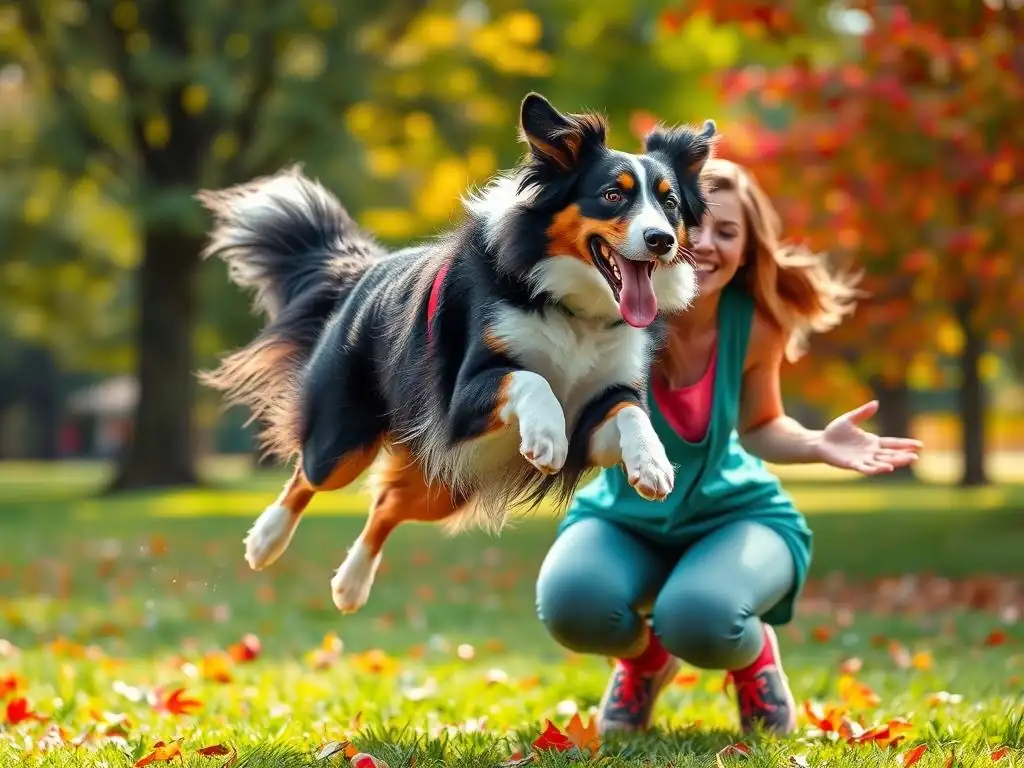
Welcome to PetCareWorld, your ultimate guide to a happier, healthier life for your beloved pets! Are you ready to experience the incredible bond between you and your canine companion in a whole new way? Discover the joy and fitness benefits of Dog Freestyle dance training—an exciting activity that will strengthen your relationship and create unforgettable memories. Dive in and unlock the secrets to this amazing canine sport!
- Understanding Dog Freestyle Dance Training
- Choosing the Right Dog for Freestyle Dancing
- Basic Steps and Techniques in Dog Freestyle Dance Training
- Advanced Dog Freestyle Techniques and Tricks
- Competition Preparation and Performance
- Maintaining Motivation and Preventing Injuries
- Resources and Further Learning for Dog Freestyle Dance Training
- Frequently Asked Questions
- Final Reflection: The Enduring Joy of Canine Freestyle
- Unleash Your Inner Dance Duo!
Understanding Dog Freestyle Dance Training
Canine freestyle, also known as dog dancing, is a dynamic and increasingly popular dog sport that combines obedience training with creative choreography and music. It's more than just tricks; it's a beautiful and rewarding partnership built on trust, communication, and mutual enjoyment between dog and handler.
This engaging activity offers significant physical and mental stimulation for your canine companion while providing a fun and unique way for owners to bond with their pets. This article will explore the fundamentals of dog freestyle dance training, delving into what it entails, its numerous benefits, and the essential steps to get started on this exciting journey with your furry friend.
We'll cover everything from understanding the basics of canine freestyle to selecting the right equipment and building a strong foundation for a successful and enjoyable dance partnership. Prepare to discover how dog freestyle can transform your relationship with your dog and unlock a whole new level of fun and fitness for both of you!
What is Canine Freestyle?
Canine freestyle is a performance sport where dogs and their handlers perform a choreographed routine to music. Unlike traditional obedience, freestyle emphasizes creativity and expression. Handlers design routines incorporating a variety of tricks and movements, synchronized to music of their choice. The routines can range from simple, beginner-friendly sequences to incredibly complex and technically challenging performances.
The emphasis is on the bond between dog and handler, showcasing their teamwork and connection through fluid movements and expressive interactions. Think of it as a unique blend of obedience training, dance, and performance art, all tailored to the specific abilities and personality of your dog. The beauty of freestyle lies in its adaptability; it can be enjoyed by dogs of all breeds, sizes, and ages, making it an inclusive and rewarding activity for many.
Benefits of Dog Freestyle for Dogs and Owners
Dog freestyle offers a plethora of benefits for both dogs and their owners. For dogs, it provides:
- Improved Physical Fitness: The routines involve a variety of movements, enhancing cardiovascular health, muscle strength, and coordination.
- Mental Stimulation: Learning and performing routines challenges dogs mentally, keeping them engaged and preventing boredom.
- Strengthened Bond: The training process fosters a deeper connection and trust between dog and owner.
- Increased Confidence: Mastering new tricks and performing successfully boosts a dog's self-esteem.
- Improved Behavior: Freestyle training can help address behavioral issues by providing a positive and engaging outlet for energy.
For owners, the benefits include:
- Enhanced Relationship: The shared activity strengthens the bond with their canine companion.
- Increased Fitness: Participating actively in the routines provides a workout for the handler as well.
- Stress Reduction: The shared activity can be a relaxing and enjoyable experience, reducing stress levels.
- Socialization: Competitions and training classes offer opportunities to socialize with other dog owners and their dogs.
- Creative Outlet: Designing and choreographing routines allows for self-expression and creativity.
Getting Started: Essential Supplies for Dog Freestyle
Before you begin your freestyle journey, gather a few essential supplies:
| Item | Description | Importance |
|---|---|---|
| High-Value Treats | Small, soft treats your dog loves, used for positive reinforcement during training. | Essential for rewarding desired behaviors and motivating your dog during training sessions. |
| Clicker | A small handheld device used to mark desired behaviors. | Helps to precisely mark the exact moment your dog performs the desired action. |
| Comfortable Harness/Collar | A comfortable and properly fitted harness or collar for your dog. | Ensures your dog's safety and comfort during training and performances. |
| Music Player | A portable music player to play the music for your routines. | Essential for creating a dynamic and engaging performance. |
| Positive Reinforcement Training Guide | A book or online resource dedicated to positive reinforcement training techniques. | Crucial for learning effective training methods that build a positive training experience. |
Remember, the most important "supply" is your enthusiasm and patience! Freestyle is a journey, not a race. Enjoy the process of learning and growing with your dog. 🐶🎶
Choosing the Right Dog for Freestyle Dancing
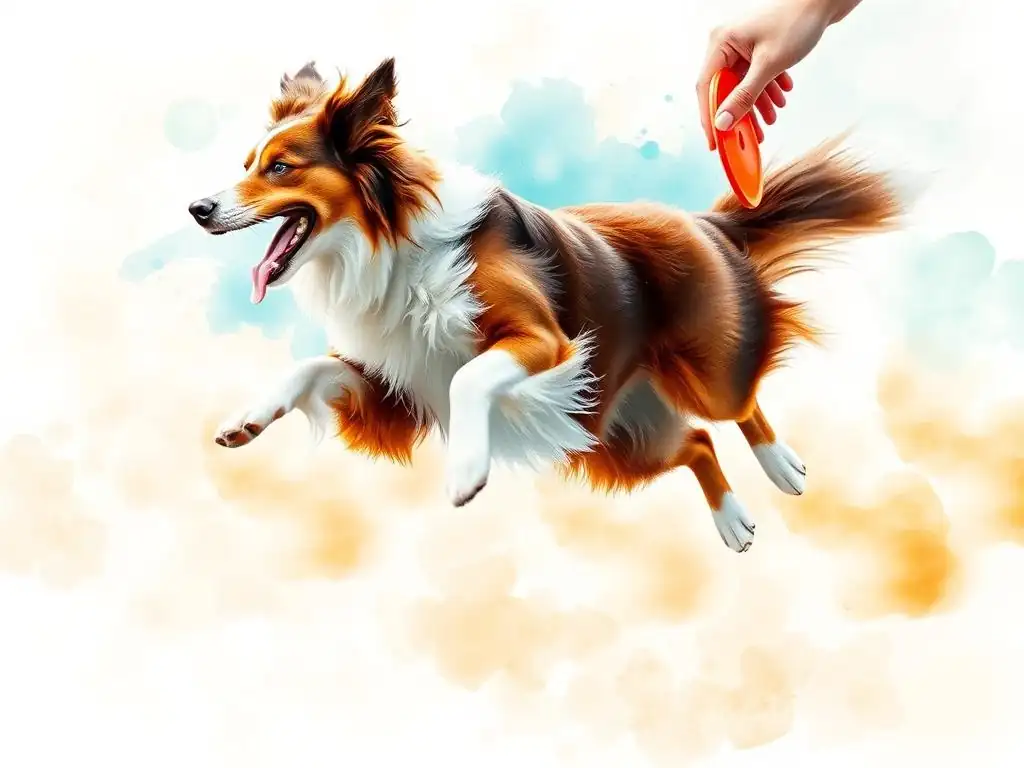
Freestyle dancing with your dog is a rewarding activity, but success hinges on choosing the right canine partner. Not all breeds are equally suited to the demands of this sport. Understanding breed characteristics and your dog's individual personality is crucial for a positive and enjoyable experience. This section will guide you through the process of selecting or assessing your dog's suitability for dog freestyle dance training.
Breeds Suitable for Freestyle
Certain breeds naturally exhibit traits that make them well-suited to freestyle. These traits include intelligence, trainability, a willingness to please, and an energetic, playful nature. However, it's crucial to remember that any dog, regardless of breed, can potentially participate in freestyle with proper training and patience. Nevertheless, some breeds tend to excel. Examples include:
- Border Collies: Known for their intelligence, agility, and eagerness to learn, Border Collies are often considered top contenders in dog sports, including freestyle. Their herding instincts translate well into the precise movements required.
- Papillons: These small, elegant dogs are known for their grace and athleticism. Their spirited nature and love of attention make them enthusiastic participants in freestyle routines.
- Shelties (Shetland Sheepdogs): Similar to Border Collies, Shelties possess intelligence, agility, and a strong work ethic, making them highly trainable and suitable for freestyle.
- Poodles (Standard, Miniature, Toy): Poodles are intelligent, adaptable, and known for their athleticism and elegant movements. Their non-shedding coat is also a plus for many handlers.
However, even within these breeds, individual dogs vary. A shy or fearful dog might not be as suitable as a confident and outgoing one. Consider adopting a rescue dog; many perfectly capable freestyle dancers are waiting for their forever homes.
Assessing Your Dog's Temperament and Training Aptitude
Beyond breed, your dog's individual temperament and training aptitude are paramount. Observe your dog's behavior for clues about their suitability for freestyle. Consider these factors:
- Focus and Attention Span: Can your dog maintain focus during training sessions? A dog with a short attention span will require more patience and creative training methods.
- Motivation: Is your dog food-motivated, toy-motivated, or praise-motivated? Understanding your dog's primary motivators is crucial for effective training.
- Fear and Anxiety: Does your dog exhibit fear or anxiety in new environments or around unfamiliar people? While some dogs can overcome these challenges, it might be more difficult for others. A dog with significant anxiety may not be a suitable candidate for the pressures of competition.
- Energy Levels: Freestyle demands energy and stamina. A highly energetic dog will likely enjoy the activity, while a lethargic dog might find it challenging. Consider your dog's age and overall health.
You can assess your dog's training aptitude through simple obedience training exercises. If your dog learns quickly and enjoys the process, they're more likely to thrive in freestyle. If your dog struggles with basic commands, additional patience and specialized training might be necessary.
Preparing Your Dog Physically and Mentally
Before diving into complex freestyle routines, ensure your dog is physically and mentally prepared. This involves:
- Physical Conditioning: Regular exercise, including walks, runs, and playtime, is essential to build strength, stamina, and flexibility. Avoid overexertion, especially in younger dogs. Gradually increase the intensity and duration of exercise.
- Veterinary Check-up: A thorough veterinary examination is crucial to rule out any underlying health conditions that could impede training or participation.
- Mental Stimulation: Engage your dog in mental exercises, such as puzzle toys, scent work, and obedience training, to keep them stimulated and prevent boredom. A mentally engaged dog is more likely to be focused and cooperative during freestyle training.
- Positive Reinforcement: Positive reinforcement techniques, such as rewarding desired behaviors with treats, praise, or toys, are crucial for creating a positive learning experience. Avoid punishment-based training methods, as they can damage your relationship with your dog and hinder their progress.
Remember, patience and consistency are key to successful freestyle training. Celebrate small victories and adjust your training approach as needed. The journey of learning freestyle with your dog should be enjoyable for both of you!
Basic Steps and Techniques in Dog Freestyle Dance Training
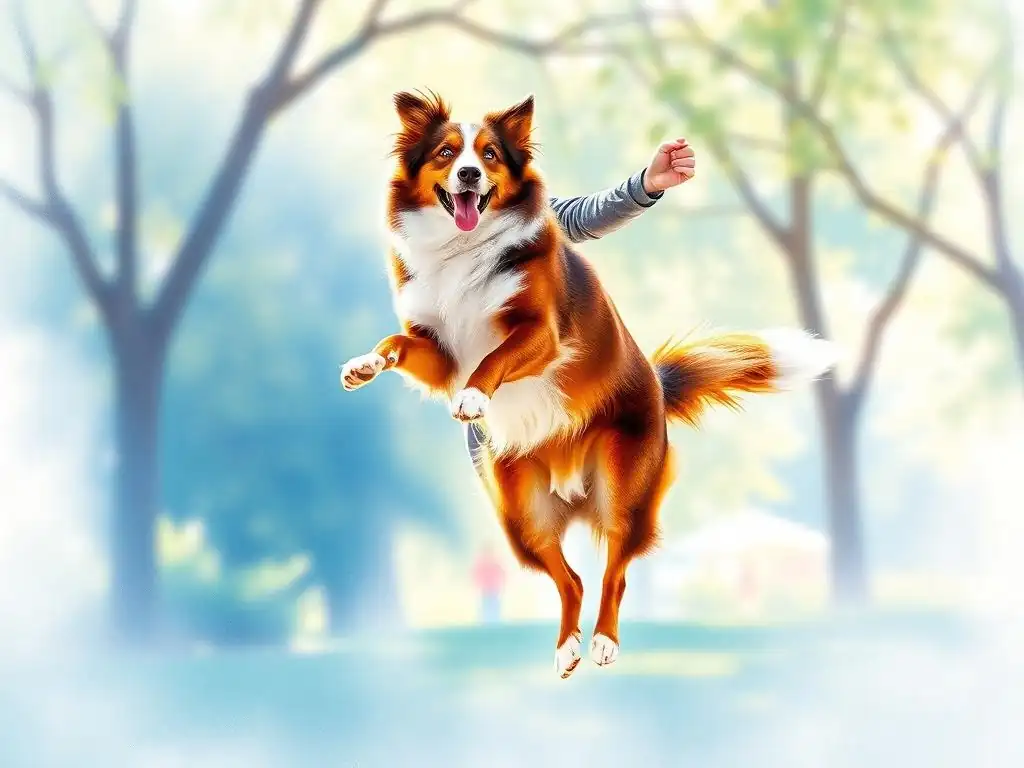
This section delves into the foundational elements of dog freestyle dance training, providing a structured approach for beginners. Success in this engaging canine sport hinges on clear communication, positive reinforcement, and a gradual progression of skills. Remember, patience and consistency are key to building a strong bond with your dog and achieving a harmonious dance routine. Effective dog freestyle dance training prioritizes the dog's well-being and enjoyment, making the learning process a positive and rewarding experience for both partners.
Teaching Basic Obedience Commands: Sit, Stay, Down, Come
Before embarking on complex dance moves, your canine partner needs a solid foundation in basic obedience. These commands form the building blocks of any freestyle routine. Teaching these commands effectively involves using positive reinforcement methods, such as rewarding desired behaviors with treats, praise, and toys.
- Sit: Lure your dog into a sitting position using a treat, then immediately say "Sit!" Reward the moment they sit. Repeat this process multiple times, gradually fading the lure.
- Stay: Once your dog reliably sits, introduce the "Stay" command. Start with short durations, rewarding them for remaining seated. Slowly increase the duration of the stay, introducing distractions as your dog progresses.
- Down: Similar to the "Sit" command, lure your dog into a down position using a treat, saying "Down!" as they lie down. Reward immediately and gradually fade the lure.
- Come: Use a cheerful tone and a happy, encouraging "Come!" Reward your dog enthusiastically when they come to you. Practice this command in various environments to build reliability.
It's crucial to maintain a positive and encouraging atmosphere during training. Avoid punishment; instead, focus on rewarding desired behaviors. Consistency is key – short, frequent training sessions are more effective than long, infrequent ones. Remember to adjust your training to your dog's learning pace; some dogs pick up commands quickly, while others may require more time and patience. Celebrate every small success! 🎉
Introducing Movement and Coordination Exercises
With basic obedience mastered, you can introduce movement and coordination exercises. These exercises bridge the gap between simple commands and the fluidity of freestyle dance. Begin with simple movements, gradually increasing complexity. Remember to break down complex movements into smaller, manageable steps.
Here's a sample progression:
| Exercise | Description | Difficulty Level |
|---|---|---|
| Walking Heel Position | Dog walks calmly beside you, maintaining a consistent distance. | Easy |
| Turning | Teaching your dog to turn smoothly in response to a verbal cue or hand signal. | Medium |
| Backing Up | Guiding your dog to move backward in a controlled manner. | Medium |
| Figure 8s | Guiding your dog in a figure-8 pattern, requiring precise coordination. | Hard |
Remember to use clear and consistent cues. Hand signals can complement verbal cues, improving communication and clarity. Always end training sessions on a positive note, leaving your dog wanting more. Positive reinforcement remains crucial; celebrate even the smallest improvements! Remember to tailor the pace to your dog's individual needs and abilities. Some dogs may need more repetitions than others.
Incorporating Music and Rhythm into Your Routine
Once your dog understands basic movements, it’s time to add music! Choose upbeat music with a clear rhythm. Start by associating specific movements with specific parts of the music. For example, a particular beat might signal a "sit," while another might cue a "down."
The key here is to build a connection between the music and the movements. Gradually increase the complexity of the routine, adding more movements and transitions. Video recording your practice sessions can be incredibly helpful for identifying areas for improvement and refining your choreography. Remember to keep the training fun and playful; a relaxed and happy dog will perform better and enjoy the experience more.
The goal is not perfection but a joyful shared experience. 🐶🎶 Remember to adjust the music tempo and routine complexity to your dog's capabilities and comfort level. Regular practice and positive reinforcement will help your canine companion learn the routine and express themselves creatively.
Advanced Dog Freestyle Techniques and Tricks
This section delves into the more advanced aspects of dog freestyle dance training, building upon the foundational skills already established. We'll explore techniques to elevate your routines from simple sequences to captivating performances. Remember, patience and positive reinforcement remain key throughout this process. Consistent training, even in short bursts, is more effective than infrequent, lengthy sessions. The goal is to build a strong bond with your canine partner while enhancing their physical and mental well-being through this fun and engaging activity.
Developing Choreography and Sequences
Creating compelling choreography is crucial for successful dog freestyle. It's not just about stringing together tricks; it's about crafting a narrative, a story told through movement and music. Start by brainstorming themes. Do you want a playful, energetic routine or something more elegant and graceful? Consider your dog's strengths and limitations when selecting tricks. A dog who excels at jumps might be less suited to intricate spins.
Begin by outlining your routine using a simple notation system. For example:
| Step | Description | Duration (seconds) | Music Cue |
|---|---|---|---|
| 1 | Heelwork to the right | 4 | Upbeat intro |
| 2 | Down-stay | 2 | Slower tempo |
| 3 | Jump over a hurdle | 1 | Snare drum hit |
| 4 | Spin to the left (360 degrees) | 3 | Flute melody |
| 5 | Bow | 2 | Soft piano notes |
| 6 | Finish in a sit | 2 | Outro |
This allows for easy visualization and modification. Remember to incorporate transitions smoothly. Practice each segment individually before combining them into a complete sequence. Video recording your practice sessions is incredibly helpful for identifying areas needing improvement in flow and timing. Don't be afraid to experiment! The most creative routines often emerge from unexpected discoveries during practice. Consider incorporating changes in speed and direction to maintain audience engagement.
Adding Jumps, Spins, and Other Advanced Moves
Once your dog has mastered the basics, you can introduce more complex moves. Jumps, for instance, can range from simple hops to more challenging hurdles and weaves. Ensure your dog is comfortable with the height and distance before progressing. Start with low obstacles and gradually increase the challenge. Proper landing technique is crucial to prevent injuries. Guide your dog with clear hand signals and verbal cues, ensuring a smooth, controlled landing.
Spins can be enhanced by increasing the speed and number of rotations. You can also incorporate variations like reverse spins or half-spins. Remember to use clear and consistent cues to avoid confusion. For example, a specific hand signal combined with a verbal cue like "Spin left" will help your dog understand what's expected.
Other advanced moves to consider include weaving through your legs, hand targeting, and retrieving objects while maintaining a specific position. Introduce these advanced moves gradually, focusing on one at a time and ensuring your dog fully understands before moving to the next. Always prioritize safety and avoid pushing your dog beyond its capabilities.
Improving Flow, Timing, and Presentation
The final polish of your dog freestyle routine lies in perfecting the flow, timing, and presentation. Smooth transitions between movements are essential for a captivating performance. This requires meticulous practice and careful choreography. The timing of each movement should synchronize with the music, creating a harmonious blend of canine athleticism and musicality. A metronome can be a valuable tool for establishing and maintaining consistent timing.
Presentation involves more than just the tricks themselves. Your own confidence and enthusiasm are contagious. Maintain eye contact with your dog and project a positive energy. Consider your attire and the overall aesthetic of your performance. A well-chosen outfit can enhance the visual appeal of your routine.
Remember, dog freestyle is a partnership. Your dog's enjoyment and engagement are paramount. Celebrate successes, and address any challenges with patience and understanding. The journey of mastering dog freestyle is as rewarding as the performance itself, strengthening the bond between you and your canine companion. Remember to always prioritize your dog's safety and well-being throughout the training process.
Competition Preparation and Performance
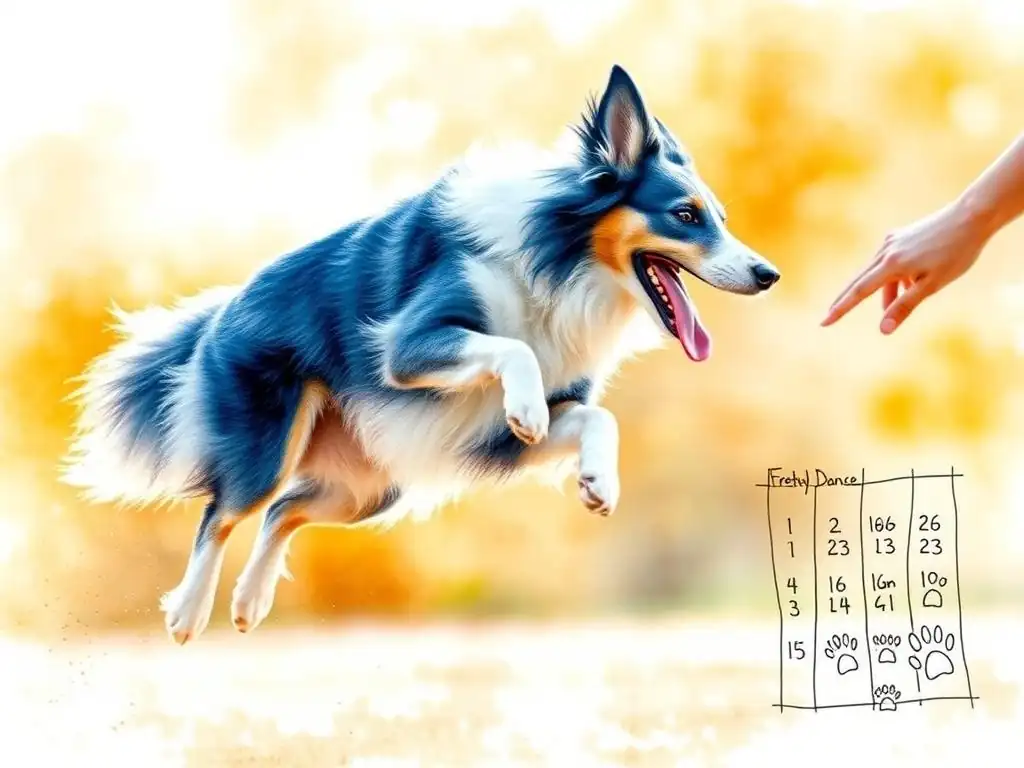
This section delves into the crucial aspects of preparing for and successfully competing in dog freestyle competitions. From locating suitable events to managing pre-competition anxiety, we'll cover the key steps to ensure a positive and rewarding experience for both you and your canine partner. Remember, consistent training and a strong bond are the cornerstones of success in dog freestyle dance training.
Finding Local Dog Freestyle Competitions
Discovering local dog freestyle competitions is the first step towards showcasing your hard work and dedication. Several avenues exist to find these exciting events. Start by searching online using keywords like "dog freestyle competitions near me," "canine freestyle events," or "dog dance competitions [your location]".
Many regional kennel clubs or dog sports organizations maintain calendars of events; these are valuable resources. Social media groups dedicated to dog sports are another excellent way to connect with other enthusiasts and learn about upcoming competitions. Don't forget to check the websites of national dog sport governing bodies; they often list affiliated competitions across the country.
Remember to carefully review the competition rules and regulations before registering. Different organizations may have varying requirements regarding routine length, music choices, and judging criteria. Understanding these specifics will allow you to tailor your preparation and ensure your routine meets all the necessary standards. Participating in smaller, less competitive events initially can be a great way to gain experience before tackling larger competitions. This approach helps build your dog's confidence and allows you to refine your routine in a less pressured environment.
Preparing Your Routine for Competition
Once you've identified a competition, meticulously preparing your routine is paramount. This involves more than just perfecting the dance moves; it's about creating a cohesive and engaging performance. Begin by selecting music that complements your routine's energy and style. The music should be upbeat and motivating for both you and your dog. Consider incorporating elements that highlight your dog's unique personality and strengths. For example, if your dog excels at spins, incorporate several variations of spins into your routine. If your dog is particularly adept at jumps, showcase those abilities with creative jump sequences.
Your routine should tell a story. Think of it as a choreographed narrative. This might be a simple tale of playful interaction or a more complex, emotionally resonant performance. A well-structured routine includes a clear beginning, middle, and end, building in intensity and culminating in a powerful finale. Practice your routine consistently, paying attention to transitions between moves.
Smooth transitions are essential for creating a fluid and visually appealing performance. Practice in different environments to help your dog become accustomed to performing in unfamiliar settings. This will minimize distractions and enhance performance confidence on competition day. Consider videotaping your rehearsals to identify areas for improvement and to track your progress over time.
Handling Competition Day Jitters
Competition day can be nerve-wracking for both handler and dog. Pre-competition anxiety is normal, but it's crucial to manage it effectively. Adequate preparation is the best antidote to jitters. Ensure your dog is well-rested, has eaten a light meal, and has had sufficient opportunities to relieve themselves before the competition. Pack a familiar toy or blanket to provide comfort and security. Remember to stay calm and positive; your dog will pick up on your energy. Focus on the fun aspect of the competition; it's a celebration of your partnership and the hard work you've invested in your training.
Visualize success; mentally rehearsing your routine can reduce anxiety and enhance performance. If your dog exhibits signs of stress, implement calming techniques like gentle petting or deep breathing exercises. Remember that even experienced competitors experience nerves; it's part of the process. Focus on enjoying the experience and celebrating your achievements, regardless of the outcome. The goal is to have fun, build your bond with your dog, and showcase the incredible results of your dog freestyle dance training. Remember, every competition is a learning opportunity, providing valuable experience for future events.
Maintaining Motivation and Preventing Injuries
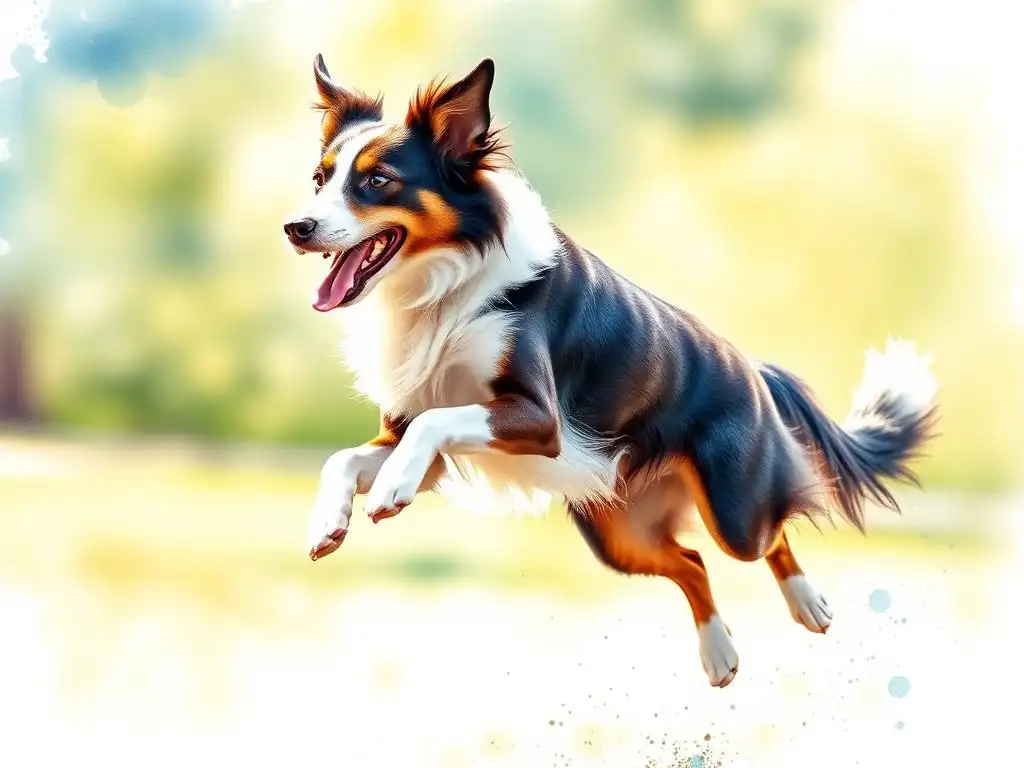
Dog freestyle dance training, while incredibly rewarding, requires careful attention to both the dog's motivation and the prevention of injuries. A successful training program balances enthusiastic engagement with responsible physical management. Failing to do so can lead to burnout in your canine partner and potential physical harm. This section will explore strategies to keep your dog motivated and healthy throughout their freestyle journey.
Keeping Training Sessions Fun and Engaging
Maintaining your dog's enthusiasm is paramount. Dog freestyle dance training should be a joyful experience for both you and your furry friend. Monotony can quickly lead to disinterest. To combat this, incorporate a variety of techniques:
- Vary the location: Train in different environments – your backyard, a park, even a quiet indoor space. Novelty keeps things exciting.
- Introduce new music: Experiment with different genres and tempos to find what your dog responds to best. A change in music can invigorate a tiring session.
- Incorporate games and rewards: Don't solely focus on the dance steps. Weave in playful activities and reward your dog generously with their favorite treats or toys. Positive reinforcement is key! Think of it like this: a short, fun session is far more effective than a long, boring one.
- Break up training: Avoid excessively long sessions, especially when starting. Shorter, more frequent training periods are generally more effective and prevent fatigue. Aim for multiple short sessions rather than one long one. For example, three 15-minute sessions are better than one 45-minute session.
- Listen to your dog: Pay close attention to your dog's body language. Signs of fatigue, such as yawning, decreased responsiveness, or changes in posture, indicate it's time for a break. Ignoring these signals can lead to burnout and potential injury.
Recognizing and Addressing Potential Injuries
While dog freestyle is generally safe, potential injuries can occur if proper precautions aren't taken. Careful observation and prompt action are crucial. Common injuries include:
- Muscle strains: Overexertion or improper technique can lead to muscle strains. These can manifest as stiffness, lameness, or reluctance to move.
- Joint problems: Repetitive movements, especially in dogs predisposed to joint issues, can exacerbate existing problems or create new ones. Pay close attention to your dog's gait.
- Paw injuries: Cuts or abrasions on paws are possible, especially when training on rough surfaces. Regular paw checks are essential.
Early detection is key! If you notice any signs of discomfort or injury, immediately cease training and consult your veterinarian. Prevention is always better than cure. Consider incorporating regular stretching and warm-up exercises into your training routine. A gradual increase in intensity and duration of training sessions is also vital. Remember to prioritize your dog's well-being above all else. A healthy dog is a happy dog, ready to dance!
The Importance of Positive Reinforcement
Positive reinforcement is the cornerstone of successful dog freestyle dance training. It fosters a strong bond between you and your dog and encourages willing participation. Avoid harsh corrections or punishment, as these can damage your dog's confidence and enthusiasm. Instead, focus on rewarding desired behaviors with:
- Verbal praise: Use enthusiastic and encouraging words.
- Treats: Offer high-value treats that your dog loves.
- Toys: Use favorite toys as rewards.
- Affection: Show your dog affection through petting and praise.
Remember, consistency is key. Reward even small successes to build your dog's confidence and motivation. A positive and rewarding training experience will make the entire process enjoyable for both you and your canine dance partner. The goal is to create a positive association with training, making it something your dog looks forward to. This approach not only improves learning but also strengthens your bond, creating a more fulfilling and enjoyable experience for everyone involved. 🎉
Resources and Further Learning for Dog Freestyle Dance Training
This section provides valuable resources to help you deepen your understanding and skills in dog freestyle dance training. From comprehensive books and engaging videos to supportive online communities and expert instructors, we've compiled a range of options to support your journey. Remember, consistent training and a positive reinforcement approach are key to success in this exciting canine activity.
Recommended Training Books and Videos
Finding high-quality resources is crucial for effective dog freestyle dance training. Many books and videos offer step-by-step guidance, showcasing techniques and providing valuable insights into canine learning and behavior. Look for materials that emphasize positive reinforcement methods, clear communication, and the importance of building a strong bond with your dog. A good resource will cover various aspects, including:
- Basic obedience commands: A strong foundation in commands like "sit," "stay," "down," and "come" is essential before progressing to more complex freestyle moves.
- Trick training techniques: Many freestyle moves build upon established tricks, so understanding how to teach tricks effectively is vital.
- Choreography and sequencing: Learning to create fluid and engaging routines requires understanding how to sequence movements smoothly.
- Music selection and timing: The right music can significantly enhance your freestyle performance, and understanding how to time your movements to the music is key.
- Performance tips and strategies: Learning how to handle performance pressure and maintain your dog's focus is crucial for a successful competition or demonstration.
Consider searching for titles that explicitly mention "dog freestyle," "canine freestyle," or "dog dance" in their descriptions. Pay close attention to reviews and ratings to gauge the quality and effectiveness of the material. Many reputable trainers also offer their own training materials, often incorporating video demonstrations that can be incredibly helpful.
Online Communities and Forums for Dog Freestyle Enthusiasts
Connecting with other dog freestyle enthusiasts provides invaluable support, motivation, and learning opportunities. Online communities offer a platform to:
- Share experiences and tips: Learn from the successes and challenges of other trainers.
- Ask questions and receive expert advice: Get answers to specific training questions from experienced dog freestyle dancers.
- Find training partners and inspiration: Collaborate with others to refine your skills and choreography.
- Stay updated on the latest trends and techniques: The world of dog freestyle is constantly evolving, and online communities are a great way to stay current.
- Discover upcoming events and competitions: Find opportunities to showcase your skills and connect with other enthusiasts.
Look for active forums and social media groups specifically dedicated to dog freestyle. These communities often have experienced trainers who are willing to offer guidance and support. Engaging in respectful discussions and sharing your progress can significantly enhance your learning experience. Remember to always prioritize your dog's well-being and safety during training.
Finding Qualified Dog Freestyle Instructors
Investing in professional instruction can significantly accelerate your progress and ensure you're using safe and effective training methods. When searching for a dog freestyle instructor, consider these key factors:
- Experience and qualifications: Look for instructors with proven experience in dog freestyle and a strong understanding of canine behavior and learning.
- Training philosophy: Ensure the instructor uses positive reinforcement methods and prioritizes the well-being of both the dog and the handler.
- References and testimonials: Check reviews and testimonials from past clients to gauge the instructor's effectiveness and teaching style.
- Location and availability: Find an instructor who is conveniently located and offers training sessions that fit your schedule.
- Cost and payment options: Compare prices and payment options to find an instructor that fits your budget.
Finding a qualified instructor who shares your passion for dog freestyle and prioritizes positive reinforcement techniques can make all the difference in your training journey. Remember to ask questions and schedule a consultation to ensure a good fit before committing to a training program. Remember to always prioritize the welfare of your canine partner throughout the entire training process. 🐶
Frequently Asked Questions
What is Dog Freestyle?
Dog freestyle, also known as canine freestyle, is a fun and engaging activity where you and your dog perform a choreographed routine to music. It combines obedience training with creative movement and dance. It's a great way to bond with your pet!
What skills does my dog need to start Dog Freestyle?
Your dog needs a basic understanding of obedience commands like sit, stay, down, and come. It also helps if your dog enjoys interactive play and is comfortable with new movements. No prior dance experience is necessary!
What kind of music is best for Dog Freestyle routines?
The best music for dog freestyle is upbeat and motivating, something that will energize both you and your dog. Consider music with a strong beat that's easy to follow. Experiment with different genres to find what works best for you and your canine partner.
How long does it take to learn a Dog Freestyle routine?
The time it takes to learn a routine depends on your dog's training level and your commitment. Simple routines can be learned in a few weeks, while more complex routines may take several months of practice and refinement. Consistency is key!
What equipment do I need for Dog Freestyle training?
You don't need much specialized equipment to get started. Comfortable clothing for both you and your dog is essential. You might also want to consider using high-value treats as rewards and possibly a clicker for positive reinforcement training.
Final Reflection: The Enduring Joy of Canine Freestyle
The bond between humans and dogs is ancient and profound, and canine freestyle offers a vibrant, modern expression of that connection. This unique activity isn't just about tricks; it's about building trust, fostering communication, and celebrating the incredible athleticism and intelligence of our canine companions. The increasing popularity of dog freestyle reflects a growing desire for deeper, more meaningful interactions with our pets.
Canine freestyle has profoundly impacted my own relationship with my dog, transforming simple walks into opportunities for playful collaboration and shared accomplishment. It's more than just learning routines; it's about understanding your dog's personality, learning their communication style, and building a level of trust that transcends the training arena. The best mirror is an old friend.
This quote rings true in the context of canine freestyle – our dogs reflect back to us our patience, our dedication, and the depth of our connection.
Now, it's your turn. Consider the unique bond you share with your dog. Imagine the joy of moving together, creating a beautiful and expressive dance. Don't be afraid to explore the world of canine freestyle; it's an adventure waiting to be shared, a journey of mutual understanding and unconditional love. Start small, celebrate every success, and most importantly, have fun! The rewards of this incredible activity extend far beyond the dance floor; they enrich your life and the life of your beloved canine companion in ways you may never have imagined.
Unleash Your Inner Dance Duo!
Thank you for joining us on this exciting journey into the world of canine freestyle! We hope you've discovered the joy and fitness benefits of dancing with your dog. Ready to elevate your partnership?
- Start your canine freestyle adventure today! Begin with simple routines, focusing on building trust and having fun. Even a few minutes of daily practice can significantly improve your teamwork.
- Share your dance moves! Post a video of you and your dog enjoying your favorite music on PetCareWorld's community forum (if available). Let's inspire each other!
- Expand your freestyle knowledge! Explore canine freestyle blogs and videos online to discover new dance styles and music choices. You might be surprised by what you find!
What creative choreography will you and your canine companion create?