Remote Pet Feeding: Control Your Pet's Meals from Anywhere with Smart Technology
😊 Maintain your pet's feeding schedule effortlessly, even when away! PetCareWorld explores the convenience and benefits of smart pet feeder remote control…
Read article

Discover how smart pet feeders are transforming daily pet care by blending convenience with advanced health monitoring. These innovative devices let you schedule precise meal times, control portions remotely via your smartphone, and even receive real-time alerts about your pet’s eating habits—helping you spot early signs of appetite changes or potential health issues. With features like built-in scales, activity tracking, and personalized feeding plans, smart feeders go beyond basic automation to support weight management, dietary compliance, and overall wellness. Perfect for busy pet parents, multi-pet households, or those managing chronic conditions, this technology ensures your furry friend stays nourished and healthy—even when you’re away. Embrace the future of pet care with intelligent feeding solutions that prioritize both peace of mind and your pet’s long-term vitality.

😊 Maintain your pet's feeding schedule effortlessly, even when away! PetCareWorld explores the convenience and benefits of smart pet feeder remote control…
Read article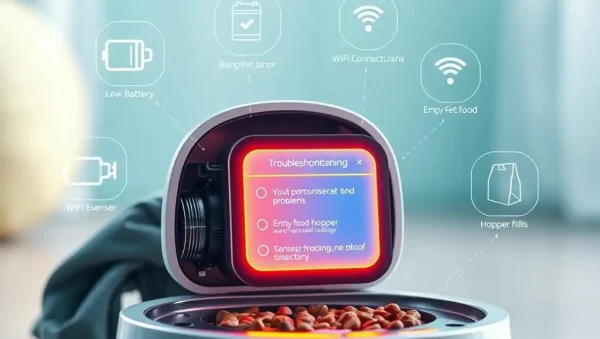
🤔 Is your smart feeder malfunctioning? PetCareWorld's smart feeder troubleshooting guide offers expert solutions to common problems, ensuring your pet's meals are…
Read articleWelcome to PetCareWorld’s dedicated section on smart pet feeders, where cutting-edge technology meets everyday pet care. These innovative devices are transforming how you manage your pet’s diet, offering precise portion control, scheduled feeding, and real-time health insights. Whether you’re a busy professional, a multi-pet household, or a health-conscious pet parent, smart feeders provide the perfect blend of convenience and wellness monitoring to keep your furry friend thriving.
Smart pet feeders take the guesswork out of mealtime by allowing you to program exact portion sizes and feeding times via a smartphone app or built-in touchscreen. This feature is particularly beneficial for pets requiring strict dietary management, such as those with obesity, diabetes, or kidney disease. By eliminating overfeeding and erratic schedules, you help stabilize metabolism and reduce digestive issues, directly contributing to long-term health.
What sets these feeders apart is their integration with your daily routine. You can set multiple meals per day, adjust portions remotely, and even activate slow-feeding modes to prevent gulping. Many models include voice recording options to call your pet at mealtime, creating a positive feeding ritual. This automation ensures your pet never misses a meal, even during unexpected delays at work or travel, providing peace of mind and consistent nutrition.
Beyond dispensing food, smart feeders act as proactive health monitors. They track consumption patterns, noting when your pet eats, how much, and how quickly. Alerts flag anomalies such as skipped meals, reduced appetite, or rapid eating, which are early indicators of illness, stress, or dental problems. This data is invaluable for veterinarians when diagnosing conditions, enabling quicker intervention and more effective treatment plans.
The best models sync this feeding history with activity trackers and weight scales, painting a comprehensive picture of your pet’s metabolic health. You can view trends over weeks or months, identifying subtle changes that might otherwise go unnoticed. This continuous data stream empowers you to make informed decisions about diet adjustments and veterinary visits, turning every meal into a valuable diagnostic tool for proactive care.
Modern smart feeders seamlessly integrate into your smart home ecosystem, working with Amazon Alexa, Google Assistant, and IFTTT. You can control feedings with simple voice commands or automate routines based on time, activity, or even location. For example, the feeder can dispense a small treat when you arrive home or synchronize with your smart doorbell to feed your pet just after a visitor leaves, reducing anxiety-induced barking.
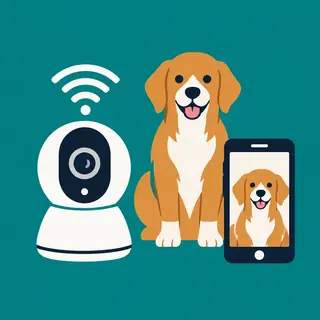
Remote access via mobile apps is a game-changer for pet owners who travel or commute. You can instantly feed your pet from anywhere in the world, adjust schedules on the fly, and receive push notifications when a meal is served or skipped. Some feeders also offer two-way audio, letting you hear your pet and offer comfort, enhancing the sense of connection even when you’re away. This connectivity transforms a simple appliance into an interactive care companion, always at your fingertips.
Smart feeders go beyond basic dispensing by integrating with pet weight data, either through built-in scales or manual entry. These devices calculate ideal portion sizes based on your pet’s breed, age, weight, and activity level, helping you maintain a healthy body condition. Overweight pets benefit from gradual portion reductions, while underweight pets get monitored increases. This precision prevents obesity-related conditions like joint strain, heart disease, and shortened lifespan.
Nutritional insights extend to analyzing eating speed and frequency. A sudden slowdown might indicate dental pain, while rapid eating may signal anxiety or competition in multi-pet homes. Some advanced feeders include a food inventory system that alerts you when supplies run low and can even reorder food from connected retailers. By combining these insights, you can tailor a feeding strategy that supports optimal weight, energy, and overall wellbeing, making every meal a step toward a healthier life.
Power outages or battery failures can disrupt feeding schedules, so leading smart feeders incorporate robust backup systems. Most have battery backups that automatically activate during electricity cuts, ensuring your pet is fed on time regardless of the grid status. Additionally, mechanical designs use tamper-resistant mechanisms to prevent food jams, with anti-clogging augers and sensors that detect blockages and alert you for immediate resolution.
Durability is crucial for daily use, especially with eager pets. Look for models with stainless steel or reinforced plastic bowls, dishwasher-safe parts, and non-slip bases. Many feeders also feature locking lids that prevent creative pets from accessing the food reservoir. Regular maintenance, such as weekly cleaning and monthly battery checks, keeps these units running smoothly. Investing in a reliable, power-resilient feeder ensures your pet’s nutritional needs are always met, providing worry-free operation for years.
For households with multiple pets, smart feeders offer unique solutions like microchip or RFID recognition. These systems identify each pet individually and release only the appropriate amount of food to the designated animal, preventing theft and overeating. This is particularly valuable when one pet has medical needs and another is a food hoarder, ensuring each furry friend receives exactly their prescribed diet without stress.
Behavior-based features include programmable slow feeders, puzzle settings, and treat dispensation during training. Some models allow you to set feeding schedules that align with your pet’s natural habits, such as smaller, more frequent meals for cats or an early morning portion for dogs. Advanced apps log each feeding event, creating a behavioral diary that reveals patterns related to anxiety, boredom, or meal anticipation. This holistic approach helps you adjust routines to reduce behavioral issues, fostering a happier, more balanced pet.
Yes, most smart feeders offer manual override buttons and pre-programmed schedules that operate without the internet. However, remote monitoring, app control, and health alerts require an active Wi-Fi connection. Battery backups also ensure mechanical feeding continues during outages, so basic feeding never stops.
Yes, but choose a model with adjustable portion sizes to meet their growing needs. Start with measured meals and monitor weight weekly. Some feeders have child locks to prevent curious young pets from pressing buttons. Always consult your vet for age-appropriate portion guidelines before use.
Disassemble all parts that touch food, such as bowls, augers, and lids, and wash them with warm soapy water or in a dishwasher if marked safe. Wipe the base with a damp cloth and dry everything thoroughly. Clean weekly to prevent bacteria growth and food spoilage.
Absolutely. By dispensing exact portions multiple times a day, you control caloric intake precisely. Some models use microchip recognition to ensure the cat eats only their portion. Pairing with a weight-tracking app helps you adjust servings gradually, achieving steady, healthy weight loss.
Battery backups typically last 24-72 hours depending on model and usage. For longer outages, consider extra batteries or a power bank connection option. Some feeders also have a manual release slot for dispensing food with a simple push, ensuring your pet is fed even during extended emergencies.