Automated Reptile Habitat Control Systems: Technology for Reptile Keepers
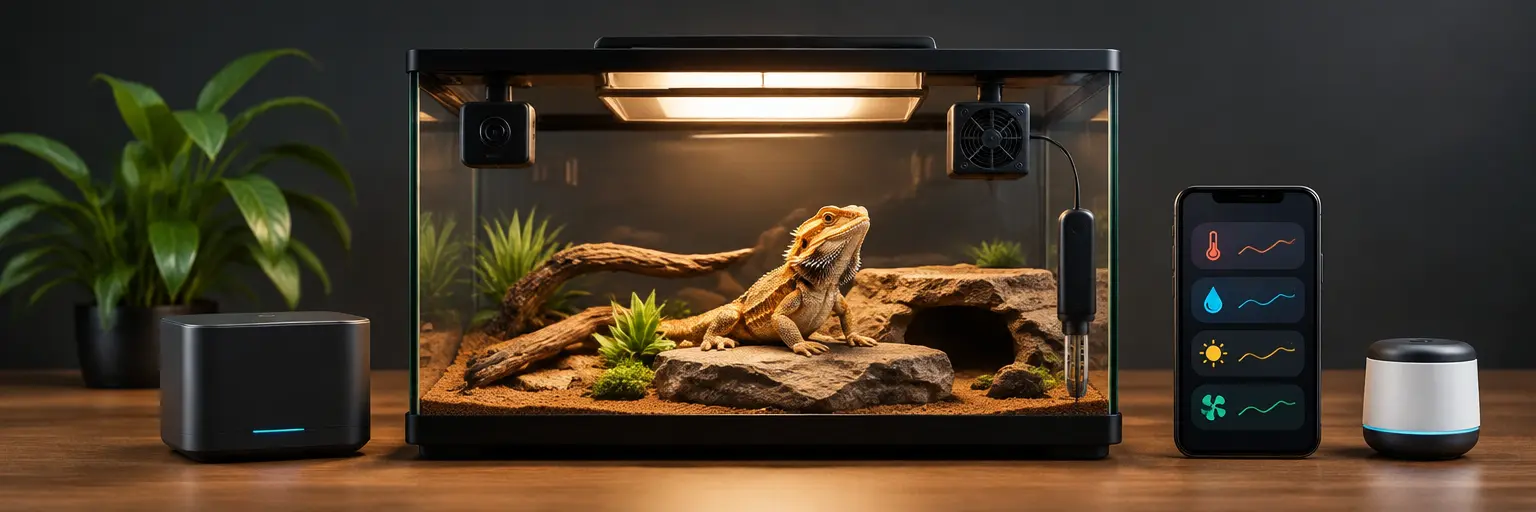
Welcome to PetCareWorld’s deep dive into automated reptile habitat control systems—the smart-tech revolution that transforms static enclosures into dynamic, self-regulating ecosystems. For modern reptile keepers, precise temperature, humidity, lighting, and ventilation are not luxuries; they are non-negotiable pillars of health. These systems leverage sensors, microcontrollers, and cloud-based apps to replicate natural environmental cycles with minimal human intervention. Whether you care for a bearded dragon, ball python, or crested gecko, automation reduces guesswork, prevents fatal fluctuations, and frees your time while boosting your pet’s well-being. Here, we explore the core components, selection criteria, safety protocols, and future trends you need to master this technology confidently.
🔍 Core Sensors and Monitoring: The Eyes of Your Habitat
Every robust automated system begins with accurate environmental sensing. Thermometers, hygrometers, and light sensors feed real-time data to a central controller, which then adjusts heaters, foggers, or dimmers accordingly. Advanced units include infrared temperature guns or multiple probe sensors placed at basking and cool zones, ensuring gradient accuracy. High-quality sensors with ±0.5°C precision are essential because reptiles are ectothermic—they rely on external heat to regulate metabolism, digestion, and immunity. Without reliable monitoring, even the best heaters can cook or chill your pet unnoticed.
Choose systems with redundant sensor arrays and fail-safe alerts. Wi-Fi-enabled sensors let you check conditions remotely via smartphone apps, while some integrate with smart home hubs like Alexa or Google Home. For nocturnal species, blue-light or infrared cameras add visual monitoring without disturbing sleep cycles. Expect features like calibration reminders, low-battery warnings, and data logging to track daily temperature curves. Investing here pays dividends: accurate inputs prevent overheating, respiratory infections from excess humidity, and dehydration from arid conditions. Always calibrate new sensors against a trusted manual thermometer before relying on them.
🌡️ Smart Heating and Thermostatic Control
Heating is the most critical life-support function for reptiles, and automation excels here. Smart thermostats use PID (proportional-integral-derivative) algorithms to modulate heat mats, ceramic emitters, or radiant heat panels, maintaining setpoints within 1°F. Unlike basic on/off thermostats, these systems pulse power incrementally, preventing large temperature swings that stress reptiles. Day and night setpoints can be programmed, mimicking natural basking cycles, while optional seasonal profiles adjust for brumation periods.
For multi-zone enclosures, consider controllers with independent channels for basking and ambient heat. Some models feature adaptive learning—they analyze room temperature changes and adjust output proactively. Safety features include over-temperature cutoffs, probe failure shutdown, and short-circuit protection. Pair your controller with a ceramic socket and avoid voltage mismatches. Budget-friendly options still offer reliable dimming, while premium units add smartphone geofencing (e.g., turn off heating when you leave). Remember, a backup thermostat is a wise investment; even the best electronics fail, and reptiles cannot afford a cold night.
💧 Humidity and Misting Automation
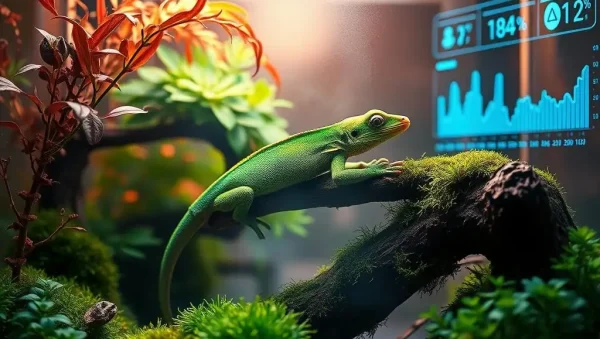
Humidity control is a nuanced challenge, especially for tropical species like chameleons or green tree pythons. Automated misting systems use high-pressure nozzles or ultrasonic foggers tied to hygrometer readings, delivering brief bursts at scheduled intervals. Smart controllers can simulate rain events, dry-out periods, and nocturnal spikes. Consistent humidity reduces shedding problems, renal issues, and respiratory distress. Look for systems with adjustable mist durations, droplet size, and pump run-time limits to prevent over-saturation.
Advanced units integrate drainage and ventilation commands—when humidity exceeds a threshold, they trigger exhaust fans or air pumps. Some offer a “rain chamber” with multiple nozzle placement options for large vivariums. Water quality matters: use reverse osmosis or distilled water to prevent mineral dust on leaves and glass. Cleaning is simpler with removable reservoirs and self-flushing lines. For arid species like leopard geckos, you might rely more on a manual humid hide, but a smart system still monitors to alert you when humidity dips dangerously low. Always route tubing safely away from heat sources, and secure nozzles to avoid leaks.
💡 Lighting, Photoperiod, and UVB Scheduling
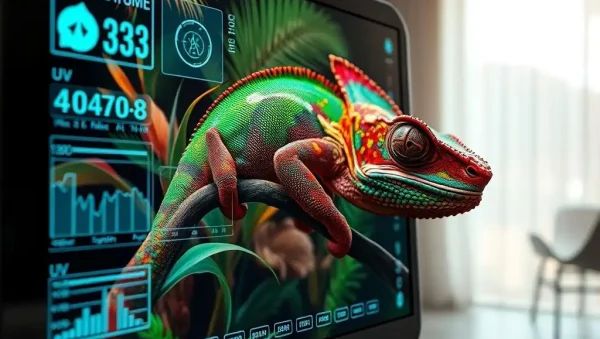
Reptiles require precise photoperiods and UVB exposure for calcium synthesis and behavioral health. Automated systems manage light on/off cycles, sunrise/sunset dimming, and specialized UVB lamp timers. UVB output degrades over months, so smart ballasts can track lamp age and remind you to replace bulbs. Some controllers even vary light intensity according to seasonal day-length changes, promoting natural breeding cues. For diurnal species, pairing basking lamps with UVB tubes on identical schedules prevents confusion.
Expect features like lunar phase simulation for nocturnal viewing, or red “night heat” lamps that switch on automatically when daylight fades. Dimmers controlled via PWM (pulse-width modulation) eliminate buzzing and extend bulb life. Safety interlocks ensure UVB never runs without visible light to prevent eye strain. For planted vivariums, grow-light channels can independently regulate plant photosynthesis cycles. Smart plugs with scheduling are a low-cost entry point, but dedicated herp controllers offer finer granularity. Always verify that your fixture supports the controller’s voltage and wattage to avoid overheating or fire hazards.
🛠️ Choosing, Installing, and Maintaining Your System
Selecting the right system hinges on enclosure size, species requirements, and your technical comfort. Start by listing your reptile’s ideal parameters—day/night temps, humidity range, and lighting needs—then compare products with matching sensor ranges. Modular systems allow incremental expansion as your collection grows, while all-in-one units simplify installation. Check for warranty length, firmware update support, and community forums. Read reviews from keepers with similar species; a system perfect for a desert tortoise may underperform for a rainforest frog.
Installation begins with placement of sensors at animal height, avoiding direct heat or drafts. Mount controllers outside or in a ventilated enclosure, and use drip loops to prevent water damage. Calibrate after setup, then observe your reptile’s behavior—if they constantly sit at one end, fine-tune gradients. Maintenance is regular but manageable: clean sensors monthly with soft cloth, replace batteries seasonally, and inspect tubing for algae. Software updates sometimes change interface layouts, so keep manuals accessible. For hybrid setups, integrate smart cameras or feeders for comprehensive habitat management. Always plan for power outages—battery backups and fail-safe thermostats are non-negotiable.
Frequently Asked Questions
Do automated systems replace daily manual checks?
Not entirely. While automation handles routine adjustments, you should visually inspect your reptile daily for signs of stress, injury, or illness. Sensors can fail, and behavioral cues are irreplaceable. Use automation to reduce frequency, not eliminate attention. A quick two-minute glance each morning ensures your tech is working and your pet is thriving.
Can I retrofit an existing enclosure with smart controls?
Yes, most systems are modular and retrofit-friendly. You can replace a basic thermostat with a smart one, add a humidity controller, or install smart plugs for lighting. Ensure your enclosure has proper ventilation for sensor placement and cable routing. Retrofitting is often cheaper than buying a new “smart vivarium” and allows gradual upgrades.
What happens during a power outage?
Many systems have battery backup for controllers, but heaters and misters lose power. Critically, reptiles can survive a few hours at room temperature, but prolonged outages require alternative heat sources like hand warmers or a car adapter. Invest in a UPS (uninterruptible power supply) for your controller and heating circuit, and prepare a rescue plan for long outages.
Are smart controls safe for nocturnal reptiles that need darkness?
Yes, if configured correctly. Use night modes that disable visible light, and opt for infrared or ceramic heaters with no glow. Ensure any camera or light sensor uses red or IR illumination. Program “sunset” dimming over 30 minutes to mimic dusk, and avoid blue LEDs which can disrupt sleep cycles in sensitive species.
How often should I recalibrate sensors?
At least once every three months, or after cleaning. Temperature sensors can drift, and hygrometers lose accuracy due to dust. Use a reference thermometer and a salt test for humidity (a known 75% calibration point). If your system allows manual offset adjustments, set them accordingly. Frequent recalibration ensures the long-term reliability of your automation.