
Advanced Reptile Habitat Control: Remote Monitoring and Adjustments

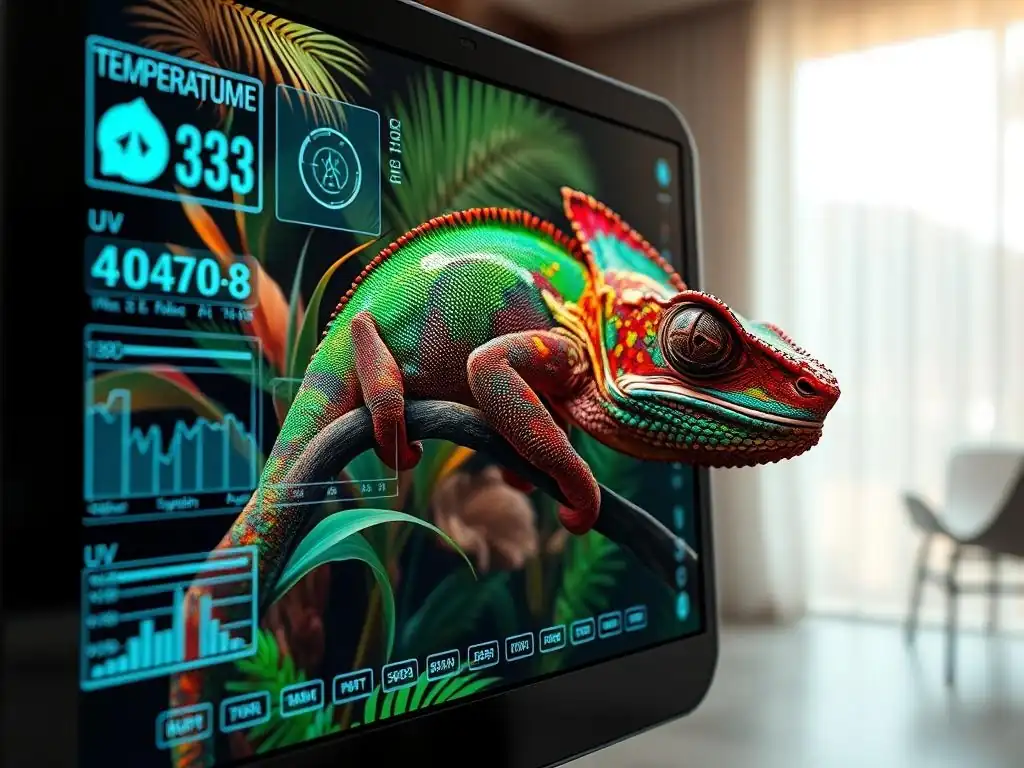
Welcome to PetCareWorld, your ultimate guide to the wonderful world of pet care! Are you ready to revolutionize how you care for your scaly companions? We delve into the exciting advancements in pet tech with our latest article on Remote Reptile Habitat Monitoring, exploring how cutting-edge technology can ensure optimal conditions for your reptile's well-being. Discover how effortless and effective reptile care can be – read on to unlock the secrets!
- Understanding the Benefits of Remote Reptile Monitoring
-
Key Features of Advanced Remote Reptile Habitat Monitoring Systems
- Real-Time Data Monitoring and Alerts: Temperature, Humidity, and Lighting
- Remote Control of Habitat Parameters: Adjusting Temperature, Humidity, and Lighting from Anywhere
- Data Logging and Analysis for Long-Term Reptile Health Tracking
- Integration with Smart Home Systems for Seamless Control
- Real-time Alerts and Notifications for Proactive Care
- Data Logging and Trend Analysis for Informed Decision-Making
-
Choosing the Right Remote Reptile Habitat Monitoring System
- Factors to Consider When Selecting a System: Reptile Species, Habitat Size, and Budget
- Top 3 Remote Reptile Habitat Monitoring Systems Compared
- System A: Features, Pros, Cons, and Pricing
- System B: Features, Pros, Cons, and Pricing
- System C: Features, Pros, Cons, and Pricing
- Setting up your chosen system: A Step-by-step guide
- Advanced Techniques for Optimizing Remote Reptile Habitat Control
- Case Studies: Real-World Applications of Remote Reptile Habitat Monitoring
- The Future of Remote Reptile Habitat Monitoring: Emerging Technologies and Trends
- Frequently Asked Questions
- Final Reflection: The Future of Reptile Conservation is Remote
- Unlock Your Reptile's Thrive-Zone: Take Control Now!
Understanding the Benefits of Remote Reptile Monitoring
Maintaining a thriving reptile habitat requires meticulous attention to detail. Temperature, humidity, lighting – even seemingly minor fluctuations can significantly impact a reptile's health and well-being. Traditional methods of monitoring and adjusting these parameters often involve frequent manual checks and adjustments, a time-consuming and potentially unreliable process. This article delves into the advantages of advanced reptile habitat control through remote monitoring and automated adjustments, exploring how technology empowers responsible reptile keepers to provide superior care.
We will examine how remote monitoring systems contribute to improved reptile welfare, prevent health issues, and ultimately save valuable time and effort. This technology is revolutionizing reptile keeping, allowing for a level of precision and consistency previously unattainable, ultimately benefiting both the reptile and its owner. The goal is to provide a comprehensive overview of "remote reptile habitat monitoring" and its transformative impact on the field of herpetoculture.
Improved Reptile Welfare Through Consistent Environmental Control
Consistent environmental conditions are paramount for reptile health. Fluctuations in temperature and humidity can stress reptiles, weakening their immune systems and making them susceptible to illness. Remote monitoring systems provide continuous data on crucial parameters, allowing for immediate intervention if conditions deviate from the ideal range.
For instance, a sudden drop in temperature can be detected instantly, allowing the keeper to remotely activate a heating element before the reptile experiences any adverse effects. This proactive approach minimizes stress and promotes optimal reptile welfare. Imagine the peace of mind knowing that even when you're away from home, your reptile's environment is being meticulously monitored and maintained.
This level of control is especially beneficial for species with highly specific environmental needs, significantly improving their quality of life. Moreover, the detailed data collected by these systems provides valuable insights into the reptile's preferred environmental conditions, informing future husbandry practices. This data-driven approach ensures that the reptile's habitat is always perfectly tailored to its individual needs.
Preventing Reptile Health Issues with Automated Monitoring Systems
Many reptile health problems stem from inconsistent or inadequate environmental control. By automating environmental adjustments, remote monitoring systems actively prevent these issues from arising. For example, a sudden spike in humidity can lead to respiratory problems in certain species. Automated systems can detect this increase and automatically activate a dehumidifier, preventing potential health complications before they even begin. Similarly, insufficient UVB lighting can result in metabolic bone disease.
Remote monitoring and control allow keepers to ensure the UVB bulb is functioning correctly and automatically adjust its intensity as needed. This proactive approach not only improves reptile health but also significantly reduces the risk of costly veterinary interventions. The ability to remotely troubleshoot potential issues and adjust parameters in real-time is a game-changer for preventing a wide range of reptile health problems. Data logging features further facilitate early detection of potential problems by highlighting trends and anomalies.
Saving Time and Effort with Automated Environmental Control
Manually monitoring and adjusting a reptile's environment can be incredibly time-consuming. Daily checks, adjustments, and potential emergency interventions can quickly become overwhelming, especially for keepers with multiple reptiles or complex setups. Remote monitoring systems drastically reduce this workload by automating many of these tasks.
Temperature, humidity, and lighting can all be controlled remotely, allowing keepers to manage their reptile habitats from anywhere with an internet connection. This frees up valuable time and effort, allowing keepers to focus on other aspects of reptile care, such as enrichment and interaction. Imagine being able to check your reptile’s environment from your phone while at work, or even while traveling, and making necessary adjustments with a simple tap.
This convenience not only simplifies the process of reptile keeping but also allows for a more relaxed and enjoyable experience for the keeper. The time saved can be reinvested into building a stronger bond with your reptile and providing even more enriching experiences.
Key Features of Advanced Remote Reptile Habitat Monitoring Systems
This section details the core functionalities of cutting-edge remote reptile habitat monitoring systems, focusing on the features that differentiate them from basic monitoring solutions. These systems offer significant advantages for reptile keepers, promoting optimal reptile health and reducing stress for both the pet and the owner. Effective remote reptile habitat monitoring ensures a consistent and suitable environment, crucial for the well-being of many delicate reptile species.
Real-Time Data Monitoring and Alerts: Temperature, Humidity, and Lighting
Advanced systems go beyond simple temperature and humidity readings. They provide real-time data streams, allowing for constant observation of your reptile's environment. This continuous monitoring is key for proactively addressing potential issues. For instance, a sudden drop in temperature can be immediately detected and addressed before it causes stress or illness in your reptile.
These systems typically use multiple sensors strategically placed within the habitat to gather comprehensive data. This includes:
- Temperature: Multiple temperature probes at various points within the enclosure ensure accurate readings, accounting for temperature gradients.
- Humidity: High-precision humidity sensors provide accurate readings, crucial for species with specific humidity requirements.
- Lighting: Sensors monitor light intensity and photoperiod (light cycle), ensuring the correct lighting conditions are maintained. This is particularly important for reptiles that require specific UVB and UVA light exposure for proper calcium absorption and overall health.
Beyond data acquisition, these systems offer sophisticated alert mechanisms. Programmable thresholds trigger instant notifications (via email, SMS, or app push notifications) if parameters deviate from the predefined optimal ranges. This allows for immediate intervention, preventing potentially harmful fluctuations. For example, an alert could be set to notify you if the temperature drops below 75°F (24°C) for your desert tortoise, or if humidity exceeds 80% for your arboreal species. This proactive approach minimizes the risk of health problems.
Remote Control of Habitat Parameters: Adjusting Temperature, Humidity, and Lighting from Anywhere
The ability to remotely adjust habitat parameters is a game-changer for reptile keepers. Imagine being able to fine-tune your reptile's environment from your phone while on vacation or simply running errands. This capability is a hallmark of advanced remote reptile habitat monitoring systems.
These systems typically integrate with smart home technology or offer dedicated mobile applications. This allows for precise control of:
- Heating devices: Adjust thermostat settings for under-tank heaters, ceramic heat emitters, or heat lamps.
- Humidity control: Control misting systems or humidifiers to maintain optimal humidity levels.
- Lighting systems: Adjust the intensity and duration of lighting, mimicking natural day-night cycles.
The level of control varies depending on the system, but many offer precise adjustments and scheduling capabilities. You could, for example, schedule a gradual increase in temperature in the morning, mimicking a natural sunrise, or program automatic misting cycles to maintain humidity levels throughout the day. This precise control offers an unparalleled level of care and convenience. Remote control minimizes the stress on your reptile by preventing sudden environmental changes, unlike manual adjustments.
Data Logging and Analysis for Long-Term Reptile Health Tracking
Beyond real-time monitoring and control, advanced systems meticulously log data over extended periods. This comprehensive data logging is invaluable for long-term reptile health tracking and analysis. By reviewing historical data, you can identify trends, patterns, and potential problems that might otherwise go unnoticed.
This data logging provides several key benefits:
- Identifying subtle changes: Long-term data analysis can reveal subtle fluctuations in temperature or humidity that might indicate a developing problem.
- Optimizing habitat parameters: By analyzing historical data, you can fine-tune your habitat settings to achieve optimal conditions for your reptile.
- Supporting veterinary care: Detailed data logs can be invaluable when consulting with a veterinarian, providing crucial information for diagnosis and treatment.
The data is typically presented in user-friendly formats, such as graphs and charts, making it easy to visualize trends and identify potential issues. Some systems even provide automated reports summarizing key metrics over specific periods. This feature is crucial for responsible reptile ownership and contributes to a healthier and more fulfilling life for your pet. The ability to track long-term trends in "remote reptile habitat monitoring" data is a significant step towards proactive reptile care.
Integration with Smart Home Systems for Seamless Control
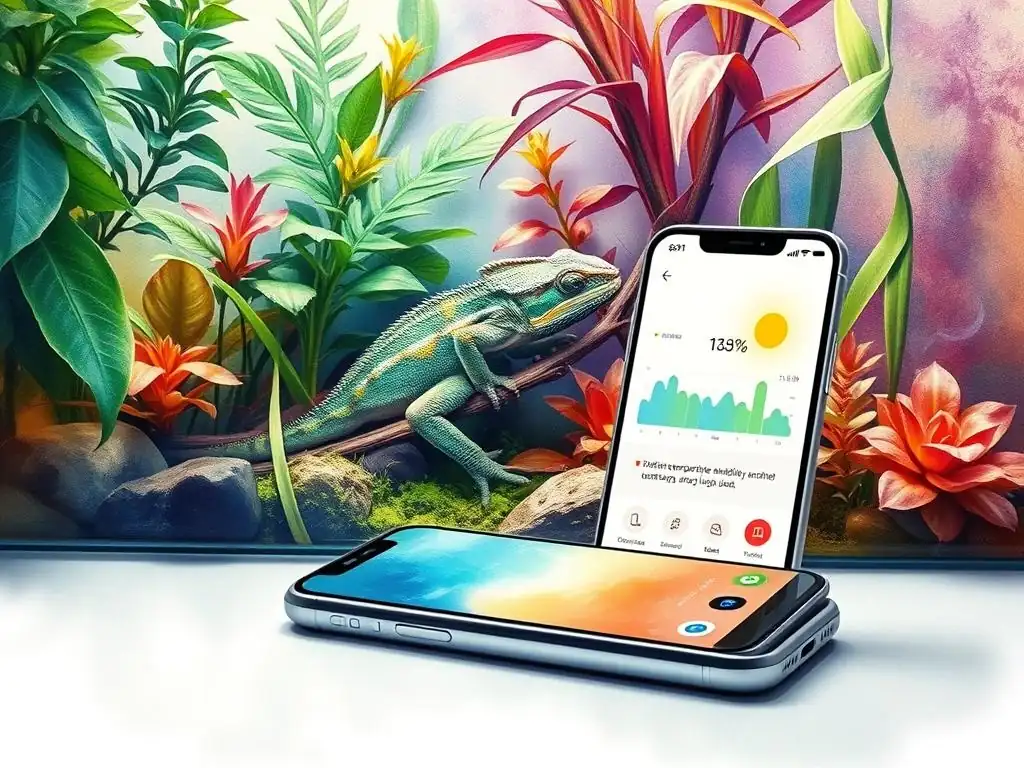
Integrating your reptile habitat monitoring system with your existing smart home ecosystem offers unparalleled convenience and control. Imagine adjusting your reptile's basking lamp intensity from your smartphone while you're at work, ensuring optimal thermal gradients throughout the day. This seamless integration eliminates the need for separate apps and interfaces, streamlining your pet care routine. Many advanced systems are compatible with popular smart home platforms like Google Home, Amazon Alexa, and Apple HomeKit, allowing for voice control and automation.
This means you can issue commands like, "Alexa, turn up the heat in the iguana enclosure," or set automated schedules for lighting and temperature changes, mimicking natural diurnal cycles. The ability to monitor and control multiple habitats from a single dashboard significantly reduces the time and effort required for managing complex reptile setups. Furthermore, this integration enhances the overall user experience, making the process of caring for your reptiles much more efficient and user-friendly. The convenience factor is particularly beneficial for owners of multiple reptiles or those with busy schedules.
The ability to remotely check on your pets' well-being, even while away from home, provides peace of mind and allows for prompt intervention if necessary. This level of control and monitoring is a significant advancement in reptile husbandry, ensuring the health and well-being of your scaled companions. The integration with smart home technology represents a significant step toward a more automated and efficient reptile keeping experience.
Real-time Alerts and Notifications for Proactive Care
Real-time alerts and notifications are a cornerstone of advanced remote reptile habitat monitoring systems. These systems don't just passively collect data; they actively analyze it to identify potential problems. For instance, if the temperature drops below a pre-set safe level, you'll receive an immediate alert on your smartphone, even if you're miles away. This proactive approach is crucial for preventing emergencies and ensuring the health of your reptiles.
These alerts can be customized to trigger based on various parameters, including temperature, humidity, lighting, and even water level. The system might send a notification if the humidity falls too low, indicating a potential risk of dehydration for your reptile, or if the basking lamp malfunctions, preventing your reptile from thermoregulating effectively. The specificity of these alerts is paramount; instead of generic "problem detected" messages, you receive detailed information about the issue and its severity. This allows for a quicker and more informed response, minimizing the potential harm to your reptile.
Many systems also offer the option to escalate alerts to multiple devices or contacts, ensuring that someone is always aware of any issues, even if you're unavailable. This feature is particularly valuable for owners who travel frequently or share responsibility for reptile care. The ability to receive immediate notifications about critical habitat parameters empowers responsible pet ownership and contributes to the long-term well-being of your reptiles. This proactive monitoring minimizes the risk of health problems and allows for timely intervention, ultimately enhancing the quality of care you provide.
Data Logging and Trend Analysis for Informed Decision-Making
Beyond real-time monitoring, advanced systems offer comprehensive data logging and trend analysis capabilities. This means the system meticulously records all habitat parameters over time, creating a detailed historical record of your reptile's environment. This data is invaluable for understanding long-term trends and making informed decisions about your reptile's care. For example, by analyzing temperature fluctuations over several months, you can identify patterns that might influence your reptile's behavior or health.
You might notice that temperature drops during certain times of the year correlate with a decrease in appetite or activity levels. This information allows you to proactively adjust the habitat settings to optimize your reptile's well-being. The ability to visualize this data through graphs and charts makes it easy to identify trends and anomalies that might otherwise go unnoticed. This feature is particularly useful for reptile keepers who are experimenting with different habitat configurations or making adjustments to their reptile's diet or environment.
The detailed data logging provides valuable insights into the effectiveness of these changes, allowing for continuous improvement in reptile care. Moreover, this data can be used to support veterinary consultations, providing the veterinarian with a comprehensive history of the reptile's environment. This allows for a more accurate diagnosis and treatment plan, further enhancing your reptile's health and longevity. This data-driven approach to reptile care represents a significant advancement, enabling informed decision-making based on objective data rather than guesswork.
Choosing the Right Remote Reptile Habitat Monitoring System
Selecting the appropriate remote reptile habitat monitoring system is crucial for ensuring the well-being of your reptile companion. The right system will depend on several key factors, allowing you to effectively manage and maintain your reptile's environment, even when you're away. Improper monitoring can lead to significant health issues for your reptile, so careful consideration is paramount. This section will guide you through the essential factors to consider before investing in a system.
Factors to Consider When Selecting a System: Reptile Species, Habitat Size, and Budget
Choosing a remote monitoring system for your reptile's habitat requires a careful assessment of your specific needs. Several key factors need to be considered to ensure you select a system that is both effective and appropriate for your situation.
- Reptile Species: Different reptile species have vastly different needs. A system suitable for a desert-dwelling reptile like a leopard gecko will differ significantly from one needed for a tropical species like a green tree python. Consider your reptile's specific temperature, humidity, and lighting requirements. For example, a system for a species sensitive to temperature fluctuations might require more frequent readings and a higher degree of precision in its sensors than one for a species with a wider tolerance range. Consider the specific needs of your reptile species and research what parameters need to be monitored.
- Habitat Size: The size of your reptile's enclosure directly impacts the number and placement of sensors required. A larger enclosure will necessitate a more comprehensive system with multiple sensors for accurate temperature and humidity readings across the entire space. Smaller enclosures may only require a single sensor strategically placed for optimal readings. Think about the spatial distribution of heat and humidity within your enclosure and plan sensor placement accordingly.
- Budget: Remote reptile habitat monitoring systems range widely in price, depending on features, sensors, and capabilities. Establish a realistic budget before beginning your search. This will help you narrow down your options and avoid impulse purchases. Consider prioritizing essential features like temperature and humidity monitoring before exploring additional features like lighting control or automated feeding systems. Compare pricing and features of different systems to find the best value for your needs.
| Feature | Importance for Small Enclosure | Importance for Large Enclosure |
|---|---|---|
| Temperature Sensor | High | Very High |
| Humidity Sensor | High | Very High |
| Lighting Control | Medium | High |
| Camera | Low | Medium |
| Automated Feeder | Low | Low |
Top 3 Remote Reptile Habitat Monitoring Systems Compared
While specific product names are omitted to avoid endorsement, we can compare three hypothetical systems representing different tiers of features and pricing. Remember, detailed specifications and pricing will vary depending on the specific manufacturer and model.
| Feature | System A (Basic) | System B (Mid-Range) | System C (Advanced) |
|---|---|---|---|
| Temperature Monitoring | Yes | Yes | Yes |
| Humidity Monitoring | Yes | Yes | Yes |
| Lighting Control | No | Yes | Yes |
| Camera | No | Yes | Yes |
| Alert System | Basic (email only) | Advanced (app, email) | Advanced (app, email, SMS) |
| Number of Sensors | 1-2 | 3-4 | 5+ |
| Price Range | $50-$150 | $150-$300 | $300+ |
System A: Features, Pros, Cons, and Pricing
System A represents a basic, entry-level remote reptile habitat monitoring system. It typically includes a temperature and humidity sensor, and a simple alert system, usually via email.
- Features: Basic temperature and humidity monitoring, email alerts for out-of-range readings. Simple setup and user interface.
- Pros: Affordable, easy to use, suitable for smaller enclosures and less demanding reptile species.
- Cons: Limited features, lacks advanced alerts, may only support one or two sensors, limited data logging and analysis capabilities.
- Pricing: Generally ranges from $50 to $150, depending on the specific model and retailer. This makes it an accessible option for budget-conscious reptile keepers. However, it's important to carefully weigh the limitations against your reptile's specific needs. A system with too few features may not provide adequate monitoring for certain species or enclosure sizes.
Remember, the best remote reptile habitat monitoring system for you will depend on your specific needs and budget. Always prioritize the health and well-being of your reptile when making your decision. Consider factors like species-specific needs, enclosure size, and long-term cost-effectiveness before making a purchase. Thorough research is key to ensuring you invest in a system that provides reliable and accurate monitoring for your reptile's habitat.
System B: Features, Pros, Cons, and Pricing

System B offers a robust suite of features designed for advanced reptile keepers. It boasts a high-resolution camera with night vision capabilities, allowing for 24/7 monitoring of your reptile's activity. Temperature, humidity, and light levels are continuously monitored and displayed on a user-friendly mobile app. The system also includes automated alerts for critical deviations from pre-set parameters, ensuring immediate notification should a problem arise.
For example, if the temperature drops below a critical threshold, you'll receive an instant alert on your phone. This system also allows for remote control of heating and lighting elements within the habitat, enabling adjustments from anywhere with an internet connection. Furthermore, System B offers data logging, allowing you to track environmental parameters and your reptile's behavior over time. This data can be invaluable for understanding your reptile's needs and optimizing its habitat.
Pros: Advanced features including remote control and data logging; high-resolution camera with night vision; reliable alerts system.
Cons: Higher initial cost compared to other systems; requires a stable internet connection for remote access; the app can sometimes be slow to update.
Pricing: The base system costs approximately $400, with additional sensors and equipment available at extra cost. The monthly subscription for data storage and app access is around $15.
System C: Features, Pros, Cons, and Pricing
System C provides a more budget-friendly option for remote reptile habitat monitoring. While lacking some of the advanced features of System B, it still offers reliable temperature, humidity, and light monitoring. It features a standard-definition camera with daytime viewing and provides alerts for critical deviations from pre-set parameters. Remote control of lighting is possible, but the heating system integration is limited. Data logging is also available, but the storage capacity is less than System B. This system is suitable for reptile keepers who desire remote monitoring but don't require the most advanced features.
Pros: Affordable price point; easy setup and user-friendly interface; reliable temperature, humidity, and light monitoring.
Cons: Limited remote control options; lower-resolution camera; less data storage capacity compared to System B.
Pricing: The initial cost is approximately $200, with no additional monthly subscription fees.
Setting up your chosen system: A Step-by-step guide
Setting up your chosen remote reptile habitat monitoring system will vary slightly depending on the specific model, but the general steps remain consistent. Before you begin, ensure you have all the necessary components, including the main unit, sensors, power adapter, and any required mounting hardware. Also, download and install the associated mobile app on your smartphone or tablet.
- Placement of Sensors: Strategically place the temperature, humidity, and light sensors within the reptile enclosure. Ensure accurate readings by avoiding obstructions and positioning them in representative areas of the habitat. For example, place the temperature sensor in a location that accurately reflects the basking spot temperature.
- Connecting to Wi-Fi: Connect the main unit to your home's Wi-Fi network. Follow the instructions provided in your system's manual, which typically involves entering your Wi-Fi password. A strong and stable internet connection is crucial for reliable remote access.
- Calibration and Testing: Calibrate the sensors according to the manufacturer's instructions. This often involves comparing sensor readings to a known accurate measurement. Test the system by observing the readings on your mobile app and ensuring they reflect the actual conditions within the habitat.
- Setting Parameters and Alerts: Set the desired temperature, humidity, and light parameters for your reptile's species. Configure alert thresholds to receive notifications if these parameters deviate from the set ranges. For instance, you might set an alert if the temperature drops below 80°F or the humidity rises above 70%.
- Camera Setup (if applicable): If your system includes a camera, position it to provide a clear view of your reptile's enclosure. Adjust the camera angle and settings to optimize the viewing experience.
- Regular Maintenance: Regularly check the system's functionality, ensuring all sensors are functioning correctly and the Wi-Fi connection is stable. Replace batteries in wireless sensors as needed. Regular maintenance is key to the long-term reliability of your remote reptile habitat monitoring system. This proactive approach helps ensure the well-being of your reptile and avoids unexpected issues.
Advanced Techniques for Optimizing Remote Reptile Habitat Control
This section delves into sophisticated methods for enhancing remote reptile habitat monitoring, moving beyond basic temperature and humidity checks. We'll explore strategies for integrating smart technology to achieve a truly automated and optimized environment for your reptile companions. Effective remote reptile habitat monitoring is crucial for the well-being of your pets, allowing for proactive intervention and preventing potential health issues. This section focuses on techniques to improve the precision and efficiency of your remote monitoring setup, ensuring your reptiles thrive.
Utilizing Smart Plugs and Sensors for Enhanced Control
Smart plugs and sensors represent a significant leap forward in remote reptile habitat monitoring. These devices allow for granular control over various aspects of the habitat, extending beyond simple on/off switching. For instance, a smart plug can be programmed to cycle heating elements, mimicking natural temperature fluctuations crucial for certain species. Coupled with temperature and humidity sensors, this creates a feedback loop: the sensors monitor conditions, and the smart plug adjusts the heating/cooling accordingly. This automated adjustment is far superior to manual intervention, ensuring consistent environmental parameters even when you're away.
Data logging is another key benefit. Many smart plugs and sensors provide detailed records of temperature, humidity, and power consumption, allowing you to identify trends and potential issues. For example, a sudden drop in temperature might indicate a malfunctioning heating element, allowing for prompt action before it negatively impacts your reptile. The ability to review this historical data remotely is invaluable for long-term monitoring and predictive maintenance.
Consider this example: a bearded dragon requires a basking spot with significantly higher temperatures than the rest of the enclosure. Using a smart plug linked to a basking lamp and a temperature sensor placed directly under the lamp, you can precisely control the basking temperature, ensuring it remains within the ideal range for your reptile. Furthermore, you can set different temperature profiles for day and night, mimicking the natural thermal cycles of their habitat.
Implementing Automated Feeding Systems for Consistent Nutrition
Maintaining consistent nutrition is paramount for reptile health. Automated feeding systems offer a solution for ensuring timely and accurate feeding, even during your absence. These systems range from simple timed dispensers to more complex systems capable of dispensing different types of food at varying intervals. The choice of system depends on the specific dietary needs of your reptile.
For example, insects are a staple food source for many reptiles. Automated insect dispensers can be programmed to release a specific number of insects at predetermined times, ensuring a consistent food supply. This is especially beneficial for busy owners or those who travel frequently. However, it's crucial to select a system appropriate for the size and type of insect, to avoid clogging or malfunction.
Automated feeding systems also offer advantages beyond convenience. They promote consistent feeding schedules, crucial for maintaining healthy digestion and growth. Inconsistent feeding can lead to stress and health problems. Moreover, some systems provide remote monitoring capabilities, allowing you to verify that the food has been dispensed correctly. Careful consideration of the type of food, the size and species of your reptile, and the capabilities of the automated system is crucial for successful implementation.
Integrating Automated Water Change Systems for Simplified Maintenance
Maintaining clean water is essential for reptile health and hygiene. Automated water change systems can significantly simplify this crucial aspect of reptile care, especially for larger enclosures or those housing multiple reptiles. These systems automate the process of draining and refilling the water source, reducing the frequency of manual intervention.
The complexity of automated water change systems varies widely. Some systems simply automate the refilling process, while others incorporate filtration and cleaning mechanisms. The choice of system depends on the size and type of enclosure, as well as the specific needs of your reptile. For example, a large tortoise enclosure might require a system with a higher water capacity and more robust filtration capabilities than a smaller lizard enclosure.
Regular water changes are crucial to prevent the build-up of harmful bacteria and parasites. Automated systems can significantly reduce the risk of waterborne diseases, enhancing the overall health and well-being of your reptiles. Furthermore, these systems can free up your time, allowing you to focus on other aspects of reptile care. Careful consideration of water quality, filtration needs, and the specific requirements of your reptile species is paramount when choosing and implementing an automated water change system. Remember to always research the specific needs of your reptile species before implementing any automated system.
Troubleshooting common issues with remote reptile habitat monitoring systems
Remote reptile habitat monitoring, while offering unparalleled convenience and control, isn't without its potential pitfalls. Understanding common issues and their solutions is crucial for maintaining a healthy and thriving environment for your reptile. Let's explore some frequent problems and how to effectively address them.
One common issue is connectivity problems. This can manifest as a complete loss of connection to your monitoring system, intermittent data transmission, or delayed updates. Several factors can contribute to this. A weak Wi-Fi signal is a primary culprit; ensure your router is strategically placed for optimal signal strength throughout the area encompassing your reptile's habitat and the monitoring system's receiver. Furthermore, interference from other electronic devices operating on the same frequency can disrupt the signal.
Try to minimize the presence of such devices near your system. Power outages are another obvious cause of connectivity issues; consider using a backup power source, such as a UPS (Uninterruptible Power Supply), to maintain connection during power failures. Finally, ensure your monitoring system's firmware is up-to-date; outdated software can contain bugs that negatively impact connectivity. Regularly check for and install updates as they become available.
Another frequent problem relates to sensor malfunction. Sensors are the heart of your remote monitoring system, providing essential data on temperature, humidity, and lighting. A malfunctioning sensor can lead to inaccurate readings, potentially compromising your reptile's well-being. Regular calibration is vital; consult your system's manual for specific instructions on how to calibrate your sensors to ensure accuracy.
If calibration doesn't resolve the issue, the sensor may need replacement. Always purchase replacement sensors from a reputable supplier to ensure compatibility and accuracy. Furthermore, consider the placement of your sensors; ensure they are positioned to accurately reflect the conditions within the enclosure, avoiding areas of direct sunlight or heat sources that could skew readings.
Finally, software glitches can also cause problems. These can range from minor display errors to complete system failures. Restarting the system is often the first step in troubleshooting software glitches. If the problem persists, check for software updates. If updates don't resolve the issue, contact the manufacturer's technical support for assistance.
Keeping detailed records of your system's performance, including sensor readings and any error messages, can be invaluable in diagnosing and resolving software issues. This information can also be helpful when contacting support. Remember to always back up your data regularly to avoid data loss in case of a major software failure. A proactive approach to maintenance and troubleshooting will greatly enhance the reliability and effectiveness of your remote reptile habitat monitoring system. Regular checks and preventative measures will help to minimize disruptions and ensure the consistent well-being of your reptile.
Case Studies: Real-World Applications of Remote Reptile Habitat Monitoring
This section showcases how remote reptile habitat monitoring systems are transforming reptile care, offering concrete examples of their practical applications and the tangible benefits they provide. These case studies highlight the versatility and effectiveness of these systems in various scenarios, from improving individual reptile health to preventing significant habitat issues. The advancements in remote monitoring technology are revolutionizing the way reptile keepers manage their animals' environments, offering unprecedented levels of control and oversight. This translates to healthier, happier reptiles and peace of mind for their owners.
Case Study 1: Improving the Health of a Reptile with Remote Monitoring
A breeder of critically endangered Pantherophis guttatus (corn snakes) experienced significant challenges maintaining consistent temperature and humidity levels across multiple enclosures. Manual adjustments were time-consuming and often resulted in fluctuations outside the optimal range for these delicate reptiles. Implementing a remote monitoring system with automated adjustments allowed for precise control of temperature and humidity in each enclosure. The system used sensors to continuously monitor conditions and automatically adjusted heating and humidification elements as needed.
The results were remarkable. The system maintained optimal environmental conditions 99% of the time, a significant improvement over the previous manual method. This led to a noticeable improvement in the snakes' health and a reduction in shedding difficulties and other health issues associated with environmental stress.
The breeder also reported a significant time saving, allowing them to focus on other aspects of their reptile breeding operation. This case study demonstrates how remote reptile habitat monitoring can directly impact the health and well-being of reptiles, especially sensitive species. The precise control afforded by automation minimizes environmental stress and promotes optimal conditions for growth and development.
Case Study 2: Preventing a Catastrophic Habitat Failure with Automated Alerts
A hobbyist keeping a large Varanus komodoensis (Komodo dragon) experienced a near-catastrophic habitat failure. A power outage caused the heating system to fail, resulting in a rapid drop in temperature. However, the reptile keeper had installed a remote monitoring system with automated alerts. The system immediately sent a notification to their smartphone, alerting them to the power failure and the subsequent temperature drop. The hobbyist was able to quickly address the situation, restoring power and preventing a potentially fatal drop in temperature for the Komodo dragon.
This near-miss highlights the critical role of automated alerts in preventing catastrophic habitat failures. Traditional methods of monitoring rely on manual checks, which can be unreliable and may not detect problems in a timely manner. Remote monitoring systems, on the other hand, provide continuous surveillance and immediate alerts, giving keepers the opportunity to intervene before a situation becomes critical.
The value of such systems, especially for larger, more sensitive, or potentially dangerous reptiles, cannot be overstated. The investment in a remote monitoring system with robust alert capabilities can be seen as an investment in the safety and well-being of the reptile and the peace of mind of the keeper.
Case Study 3: Streamlining Reptile Care with Integrated Smart Home Technology
A herpetologist managing a large collection of reptiles in a research facility utilized a sophisticated system integrating remote reptile habitat monitoring with smart home technology. The system allowed for centralized control and monitoring of multiple habitats, including temperature, humidity, lighting, and even automated feeding systems. All data was logged and accessible via a central dashboard, allowing for efficient tracking of environmental conditions and animal health.
This integrated approach significantly streamlined reptile care, reducing the time and effort required for daily monitoring and adjustments. The centralized dashboard provided a clear overview of the entire facility, allowing the herpetologist to quickly identify and address any potential problems. The integration with smart home technology also allowed for remote access and control, even when the herpetologist was not physically present at the facility.
This example underscores the potential of remote reptile habitat monitoring to enhance efficiency and improve the management of large-scale reptile collections. The automation provided by smart home integration contributes to an optimized workflow, reducing workload while ensuring optimal reptile care. This system represents a significant leap forward in the professional management of reptile habitats.
This collection of case studies demonstrates the diverse and impactful applications of remote reptile habitat monitoring. From individual reptile health improvements to preventing major habitat failures and streamlining complex operations, these technologies are transforming reptile keeping for both hobbyists and professionals alike. The future of reptile care is undoubtedly intertwined with the continued advancement and wider adoption of these innovative tools.
The Future of Remote Reptile Habitat Monitoring: Emerging Technologies and Trends
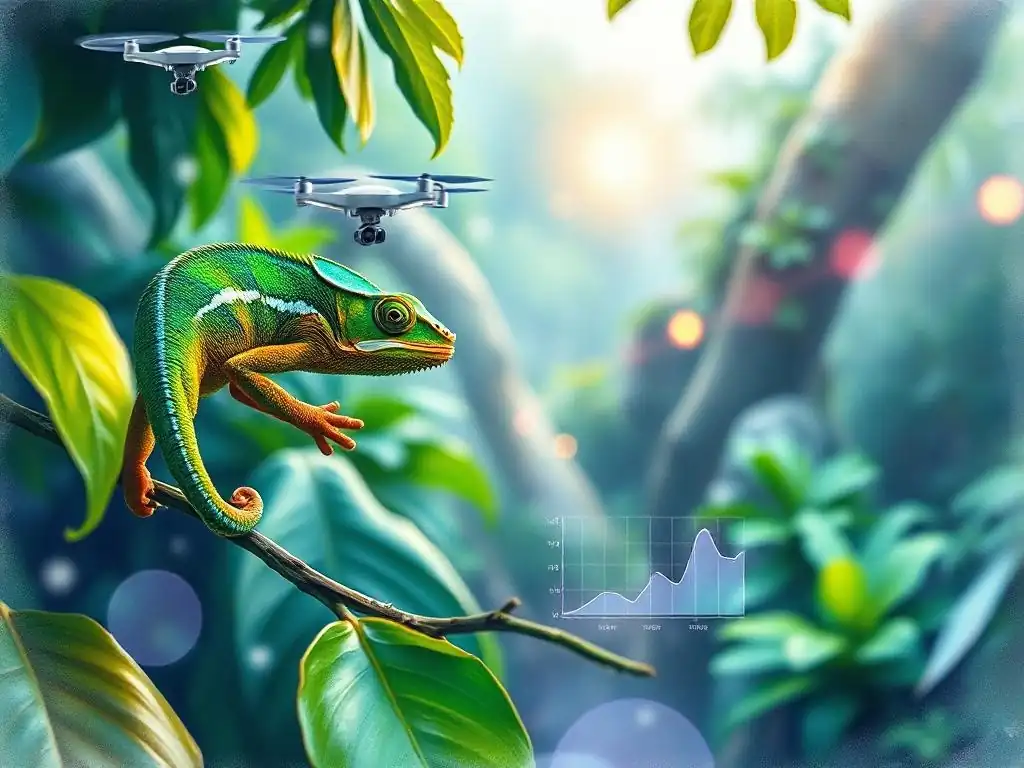
The field of remote reptile habitat monitoring is rapidly evolving, driven by advancements in sensor technology, artificial intelligence (AI), and the increasing accessibility of affordable, reliable internet connectivity. This section will explore some of the most promising emerging technologies and trends shaping the future of reptile care. We'll examine how these innovations are improving the accuracy, efficiency, and overall effectiveness of remote monitoring systems, ultimately leading to healthier and happier reptiles.
The integration of these technologies represents a significant leap forward in responsible reptile keeping, enabling proactive care and reducing the likelihood of preventable health issues. This is particularly crucial for exotic species with specific and often demanding environmental requirements.
AI-Powered Predictive Maintenance for Reptile Habitats
AI is revolutionizing predictive maintenance in various industries, and reptile husbandry is no exception. AI algorithms can analyze data from multiple sensors within a reptile habitat – temperature, humidity, lighting, substrate moisture – to identify patterns and anomalies indicative of potential problems before they escalate into critical situations. For example, a slight but consistent upward trend in humidity levels, coupled with a minor drop in temperature, might be flagged by an AI system as a precursor to a potential respiratory infection in a reptile sensitive to humidity fluctuations.
This allows keepers to proactively adjust the habitat's parameters, preventing health issues and reducing the need for emergency veterinary intervention. Furthermore, AI can learn from historical data specific to the individual reptile and its habitat, creating customized predictive models for even greater accuracy.
This personalized approach is particularly beneficial for species with complex environmental needs. The development of these AI-driven systems represents a significant shift from reactive to proactive reptile care.
Advanced Sensor Technology for More Precise Environmental Control
The accuracy and reliability of remote reptile habitat monitoring hinge on the quality of the sensors used. Recent advancements have led to the development of more sensitive and precise sensors capable of measuring a wider range of environmental parameters with greater accuracy. For instance, new-generation humidity sensors offer improved resolution and stability, minimizing fluctuations and providing more reliable data.
Similarly, advanced temperature sensors can measure temperature gradients within the habitat, providing a more complete picture of the thermal environment experienced by the reptile. Beyond standard temperature and humidity, there's growing interest in sensors that measure other crucial parameters, such as UV-B radiation intensity, CO2 levels, and even substrate moisture content with pinpoint accuracy. This enhanced precision allows for more nuanced control over the habitat's microclimate, ensuring optimal conditions for the reptile's well-being.
This level of detail enables a more tailored approach to reptile care, especially for species with very specific requirements. The ongoing development of miniaturized, low-power sensors is further enhancing the practicality and accessibility of advanced monitoring systems.
Integration with Veterinary Telemedicine Platforms for Enhanced Reptile Care
The integration of remote reptile habitat monitoring systems with veterinary telemedicine platforms holds immense potential for improving reptile healthcare. Real-time data from the habitat can be directly transmitted to a veterinarian, allowing for remote diagnosis and treatment recommendations. This is particularly beneficial for exotic species where finding a specialist with expertise in their particular needs can be challenging.
Imagine a scenario where a remote sensor detects a sudden drop in the reptile's activity level, coupled with a slight increase in temperature. This information, immediately relayed to the veterinarian through the integrated platform, could facilitate early diagnosis of an infection or other health problem, enabling prompt intervention and potentially saving the reptile's life.
The integration of these systems is streamlining communication between reptile owners and veterinary professionals, improving access to specialized care and ultimately promoting better reptile health outcomes. The future of reptile care is undoubtedly intertwined with the seamless integration of technology and veterinary expertise.
Frequently Asked Questions
What is remote reptile habitat monitoring?
Remote reptile habitat monitoring uses technology to track and control various aspects of your reptile's enclosure, such as temperature, humidity, and lighting, from anywhere with an internet connection. This allows for proactive adjustments and ensures optimal conditions.
Why is remote monitoring important for reptile care?
Consistent environmental conditions are crucial for reptile health. Remote monitoring allows you to detect and correct issues promptly, preventing stress and potential health problems for your reptile, even when you're away from home.
What kind of technology is involved in remote reptile habitat monitoring?
Systems typically involve sensors, a central control unit, and a mobile app or web interface. Sensors monitor environmental parameters, the unit processes the data, and the app allows for remote viewing and adjustments.
How accurate is remote reptile habitat monitoring?
Accuracy depends on the quality of the sensors and the system's calibration. High-quality systems provide precise and reliable data, allowing for accurate control of your reptile's environment.
Is remote reptile habitat monitoring expensive?
The cost varies greatly depending on the complexity and features of the system. Options range from basic, affordable kits to more sophisticated, feature-rich systems with a higher price tag. Consider your reptile's specific needs and your budget when choosing a system.
Final Reflection: The Future of Reptile Conservation is Remote
The seamless integration of technology into reptile husbandry is no longer a futuristic fantasy; it's the present reality, revolutionizing how we care for these fascinating creatures. Advanced remote monitoring systems are not merely convenient additions; they are essential tools for ensuring the health and well-being of reptiles in both captive and conservation settings. This shift towards proactive, data-driven care promises a brighter future for reptile populations worldwide.
The impact of remote monitoring extends far beyond individual animals; it's reshaping our understanding of reptile behavior, physiology, and environmental needs. By providing continuous, detailed data, these systems allow researchers and keepers to identify subtle changes that might otherwise go unnoticed, leading to earlier interventions and improved outcomes. The greatest threat to conservation is not the lack of knowledge, but the lack of action.
This quote highlights the power of remote monitoring to bridge this gap, providing the data necessary for informed and timely action.
Consider the implications of this technology for your own approach to reptile care, whether you're a seasoned breeder, a dedicated hobbyist, or a conservationist working in the field. What innovative solutions can you envision for improving the lives of reptiles under your care? Embrace the potential of remote monitoring; let it empower you to provide the best possible care, contribute to scientific advancement, and ultimately, help secure a future where these magnificent creatures continue to thrive.
Unlock Your Reptile's Thrive-Zone: Take Control Now!
Congratulations on taking the first steps toward creating the perfect environment for your reptile! You've already learned how easy it can be to provide optimal care. Now, let's put that knowledge into action. Ready to enhance your reptile's wellbeing?
Here are some suggestions to get you started:
- Begin by implementing a remote monitoring system. Even a simple thermometer and hygrometer with alert capabilities can significantly improve your reptile's care. Start with one method and gradually add more as you gain experience.
- Share your experiences and setup with other reptile enthusiasts in the comments below. Let's build a supportive community where we can all learn from each other!
- Explore automated temperature and humidity control systems. The options are constantly expanding, offering increasingly sophisticated and convenient solutions.
What steps will you take today to further optimize your reptile's habitat?