RealTime Pet Tracking: How GPS Technology Keeps You Connected
😊 Never lose sight of your furry friend! PetCareWorld explores the incredible GPS pet tracker benefits, offering peace of mind and enhanced…
Read article
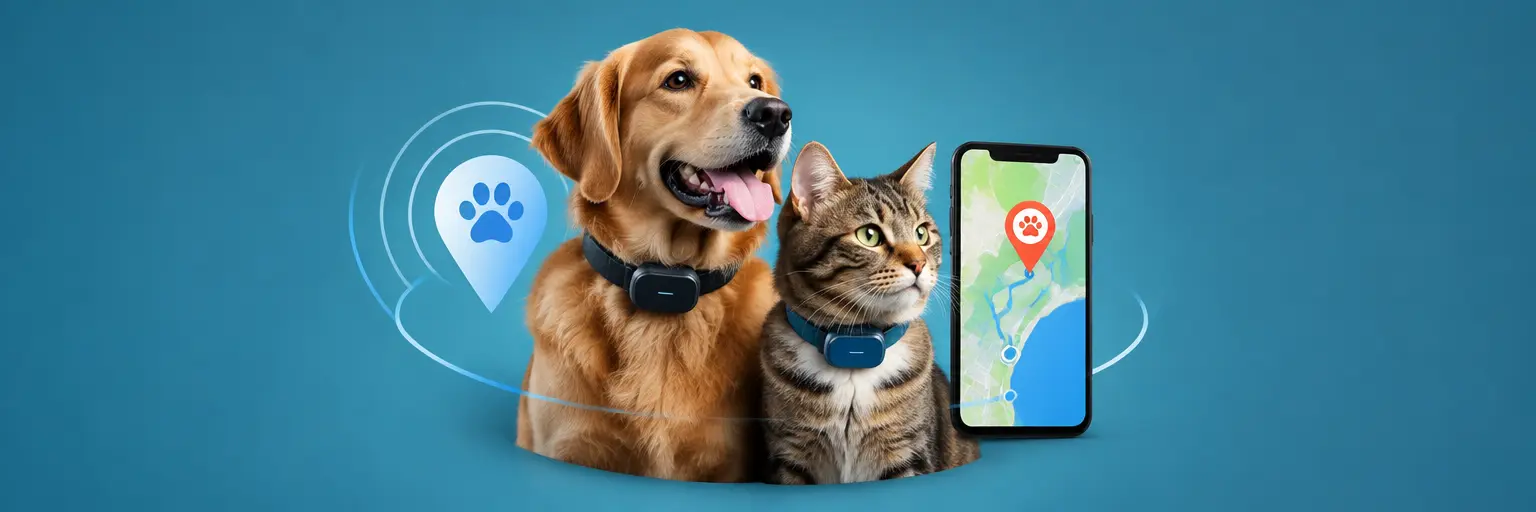
Discover how GPS pet trackers are transforming pet ownership by giving you real-time visibility into your furry friend’s whereabouts, activity levels, and safety. From escape-prone adventurers to senior pets needing gentle monitoring, these smart devices offer peace of mind with features like geofence alerts, live location tracking, and health insights. Whether you’re hiking off-leash or managing a backyard, a modern tracker ensures secure, instant communication with your pet, reducing anxiety and preventing loss. Explore lightweight, waterproof designs with long battery life, and integrate them effortlessly with your smartphone for effortless supervision. Save time, avoid heartbreak, and strengthen your bond by embracing technology that keeps your companion close—even when they’re far away. With options for every budget and pet size, the right GPS tracker turns worry into confidence, making it an essential tool for every conscientious pet owner.

😊 Never lose sight of your furry friend! PetCareWorld explores the incredible GPS pet tracker benefits, offering peace of mind and enhanced…
Read article
🤔 Discover the essential features of the best GPS pet trackers for peace of mind. PetCareWorld reveals must-have functionalities ensuring your pet's…
Read articleWelcome to our dedicated section on GPS pet trackers, a cornerstone of modern pet tech innovations at PetCareWorld. Whether you have a curious cat, an adventurous dog, or a free-roaming exotic pet, losing sight of them is every owner's worst fear. This comprehensive guide dives deep into the world of real-time location devices, helping you choose the perfect tracker for your furry friend. From understanding GPS vs. Bluetooth to evaluating battery life and waterproofing, we cover all essential aspects to ensure your pet stays safe and secure, no matter where their paws take them. Discover how advanced technology can transform your pet care routine today.
Understanding the technology behind GPS pet trackers is key to making an informed purchase. Unlike simple Bluetooth tags that only work within a short range (like inside your home), true GPS trackers use a network of satellites orbiting Earth to pinpoint your pet's exact location anywhere in the world. The tracker device, which attaches to your pet's collar, receives signals from multiple satellites and calculates its position through a process called triangulation. This data is then transmitted to your smartphone via a cellular network, typically using a SIM card or LTE-M technology. The result is a live, real-time map view directly in a dedicated app.
For pet owners, this means you can not only see where your pet is right now but also review their historical movement patterns. Many advanced models also integrate with geofencing technology, which allows you to set virtual boundaries—like your backyard or a local park. If your pet leaves this safe zone, you receive an instant alert on your phone. This combination of satellite precision, cellular connectivity, and smart alerting makes GPS trackers a powerful solution for preventing loss and enhancing outdoor safety, especially for high-energy breeds or escape artists.
When browsing GPS pet trackers, not all devices are created equal. Start by evaluating the battery life—a crucial factor since a dead tracker is useless in an emergency. Look for trackers that offer multi-day or even multi-week battery life, and consider rechargeable options that support fast charging. Next, check the waterproof rating (IP67 or higher is ideal) to ensure the tracker survives swims, rain, or muddy paws. Subscription costs are another significant consideration; most cellular GPS trackers require a monthly or yearly data plan for the network connection, so factor that into your budget. Size and weight matter too, especially for cats or small dogs—the tracker should not hinder their movement or cause discomfort.
Beyond basic location, many premium trackers offer a wealth of additional features. Activity monitoring (steps, sleep quality, calories) gives you insights into your pet's health and wellness. Some models include a built-in microphone for two-way audio, allowing you to listen to your pet's surroundings or even talk to them to soothe their anxiety from a distance. Others offer an LED light for visibility during nighttime walks, or a "lost mode" that activates a loud alarm on the device itself. Furthermore, consider the companion app's usability—an intuitive map interface, customizable geofence zones, and reliable alert notifications are non-negotiable for a seamless experience.
Many pet owners confuse GPS trackers with simpler technologies. Bluetooth-only devices, like Apple AirTags or Tile, work by piggybacking on a network of other users' smartphones via the "Find My" or "Tile" network. While they are cheap and have no subscription fees, they only work if another Bluetooth-enabled device passes within ~100 feet of your pet, making them unreliable in rural areas or low-traffic neighborhoods. Radio Frequency (RF) trackers, on the other hand, use long-range radio waves and come with a handheld receiver, but lack maps and smart alerts, and often have a limited range of 1-2 miles. GPS technology stands out because it provides real-time, global visibility independent of other people's devices.
To choose wisely, assess your specific needs. If you have an indoor-only cat or a dog that never leaves your fenced yard, a Bluetooth tag might suffice. However, for outdoor enthusiasts, hikers, or pets with a strong prey drive, a dedicated GPS unit is the only reliable solution. Consider hybrid trackers that combine both GPS and Bluetooth; these use Bluetooth for a quick 1-2 second refresh rate when your pet is nearby (saving battery) and switch to cellular GPS when they roam further away. For most owners, investing in a true GPS tracker with a subscription is the most secure and dependable way to ensure your pet’s safety.
A GPS tracker is only as good as its battery. Continuous location reporting drains power fast, so manufacturers use various strategies to optimize longevity. Many trackers use a smart battery saver mode that adjusts the GPS ping frequency based on your pet's activity—if they're sitting at home, it might update every few minutes; if they're moving rapidly away from a geofence, it pings every 5-10 seconds. Expect a range of 3 to 14 days between charges depending on the device, usage, and network conditions. Larger dog trackers often have larger batteries, while compact cat trackers may require more frequent charging but offer low-power training modes.
When selecting a tracker, look at the charging method: micro-USB, USB-C, or a proprietary dock. Magnetic charging docks are convenient, allowing a quick "top-up" without removing the device from the collar. Some innovative models offer solar charging, though this is rarely sufficient on its own. Also consider the real-world battery performance in extreme weather—cold temperatures can drain lithium-ion batteries quickly. Always read customer reviews regarding actual battery life, as manufacturer claims are often optimistic. And remember to set a recurring reminder on your phone to charge the tracker weekly, ensuring it’s always ready for whatever adventure your pet embarks on.
Most functional GPS pet trackers require an active cellular data plan for remote access. Initial hardware costs vary widely, from budget-friendly options under $50 to premium models over $300. However, the ongoing monthly subscription is a recurring cost you cannot ignore. Basic plans typically range from $5 to $15 per month, covering access to the cellular network, unlimited location history, and standard geofence alerts. Premium plans—often $15 to $30 per month—may include advanced features like unlimited battery-saving mode, health alerts, and integration with veterinary services, or multi-pet discounts. Some trackers, like certain Tractive models, offer lifetime or annual payment options that reduce the long-term monthly cost.
Before committing, always verify that the tracker's cellular network has solid coverage in your region, particularly if you live in a rural area. Check if the subscription includes data roaming for travel across states or countries. Also, be wary of "unlocked" trackers that allow you to insert your own SIM—this can save money but often lacks the manufacturer’s app support and warranty benefits. To get the best value, calculate your annual total cost (hardware + subscription) and compare it against the cost of microchipping alone (which is passive and does not provide real-time location). For many, the subscription is a small price for the invaluable security and reduced anxiety of knowing your pet's exact whereabouts at all times.
Most major GPS tracker brands support international roaming, but this depends on the subscription plan you purchase. Many offer global coverage via partnerships with multiple cellular providers, though roaming outside your home country may incur extra fees. Always check the manufacturer's coverage map before buying. For frequent travelers, choose a tracker with a true global SIM or downloadable eSIM. Keep in mind that local network restrictions can affect performance in some countries, so test the device after arriving.
Yes, but you need a lightweight model—ideally under 0.7 ounces (20 grams)—designed specifically for cats. Standard dog trackers are often too heavy and uncomfortable for felines. Look for trackers with breakaway safety collars to prevent choking on outdoor branches. Also, consider battery life, as cats that roam for days need a tracker with 4-7 days of battery. Some cat-specific trackers use smaller batteries but compensate with lower-frequency GPS pings.
No, modern GPS trackers are designed to be non-intrusive. They are lightweight, waterproof, and attach securely to a collar without restricting movement or breathing. Some pets may initially react to the extra weight or the slight buzzing of alerts, but most acclimate within a few days. There is no scientific evidence linking low-power GPS transmitters to health issues in animals. Always follow size guidelines to avoid skin chafing, and remove the device daily for cleaning if suggested.
If your pet enters an area with no cellular signal (like deep forests or mountains), the tracker cannot send real-time data. However, most devices store location logs locally and will transmit all missed data once reconnected to the network. You will then see a trail of where your pet traveled. Some trackers also have an offline "last known location" feature that remains visible on your app. For maximum coverage, consider a tracker that supports multiple satellite systems like GPS, GLONASS, and Galileo.
Yes, but you'll sacrifice some functionality. Bluetooth-only trackers (no subscription) work using a crowdsourced network but are limited to areas with other smartphones. Some RF trackers offer a dedicated receiver with no fees but have a short range of 1-2 miles. A few GPS brands, like certain models from Garmin, offer a "unit-to-phone" mode with no cellular subscription, but this restricts real-time remote tracking to Bluetooth range. True unlimited, world-wide GPS tracking still requires a small monthly fee to cover cellular data costs.