
Remote Pet Feeding: Control Your Pet's Meals from Anywhere with Smart Technology

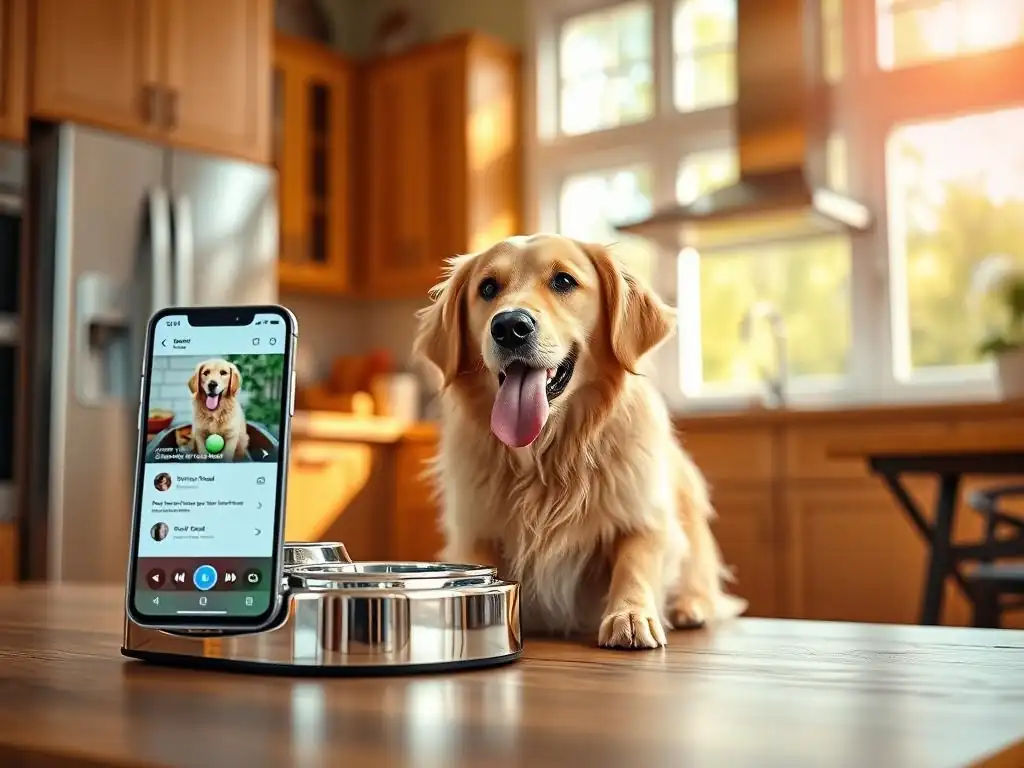
Welcome to PetCareWorld, your ultimate guide to a happier, healthier life for your beloved companion! Are you ready to revolutionize feeding time? Discover how smart pet feeder remote control technology is transforming pet care, offering unparalleled convenience and control over your pet's diet. Dive into our expert guide and unlock the secrets to effortless meal management – no matter where you are!
-
Understanding the Benefits of Smart Pet Feeders with Remote Control
- Consistent Feeding Schedules for a Healthier Pet: Avoiding Overfeeding and Nutritional Imbalances
- Remote Monitoring of Pet Feeding Habits: Tracking Meal Consumption for Early Health Detection
- Peace of Mind While Traveling or Away from Home: Ensuring Your Pet is Properly Fed, Regardless of Location
- Smart Pet Feeder Remote Control: Convenience and Time-Saving for Busy Pet Owners
-
Choosing the Right Smart Pet Feeder with Remote Control Features
- Key Features to Consider: Portion Control, Multiple Meal Settings, App Integration, and Durability
- Top Smart Pet Feeder Brands: A Comparison of WOPET, Arf Pets, and Petnet
- Different Types of Smart Pet Feeders: Hopper Style vs. Single-Meal Dispensers
- Smart Pet Feeder Compatibility with Various Pet Foods: Dry kibble, wet food, and treats
-
Setting Up and Using Your Smart Pet Feeder with Remote Control
- Downloading and Setting Up the Pet Feeder App: A Step-by-Step Guide for Petnet, WOPET, and Arf Pets apps
- Programming Feeding Schedules: Customizing Meal Times and Portions for Your Pet's Needs
- Monitoring Your Pet's Feeding Activity Through the App: Real-time updates and historical data analysis
- Troubleshooting Common Issues: Addressing Connectivity Problems and App Errors
- Advanced Features of Smart Pet Feeders: Beyond Basic Remote Control
- Addressing Concerns and Safety Precautions with Smart Pet Feeders
- Frequently Asked Questions
- Final Reflection: The Evolving Bond: Technology and Pet Care
- Unlock Worry-Free Pet Feeding: Start Smart Today!
Understanding the Benefits of Smart Pet Feeders with Remote Control
Smart pet feeders with remote control capabilities represent a significant advancement in pet care technology, offering convenience and peace of mind for pet owners while contributing to the overall health and well-being of their furry, feathered, or scaled companions. This technology goes beyond simple automated feeding; it empowers owners with real-time monitoring and control, allowing for personalized feeding schedules and the early detection of potential health issues. This comprehensive guide will explore the key benefits of smart pet feeders with remote control, focusing on how this innovation improves pet nutrition, health monitoring, and the overall owner experience.
We'll delve into the specifics of how these devices help maintain consistent feeding schedules, enable remote monitoring of eating habits, and provide peace of mind when you're away from home. Ultimately, we aim to show how "smart pet feeder remote control" solutions are transforming the way we care for our beloved pets.
Consistent Feeding Schedules for a Healthier Pet: Avoiding Overfeeding and Nutritional Imbalances
Maintaining a consistent feeding schedule is crucial for a pet's health. Inconsistent feeding can lead to a variety of problems, including obesity, digestive issues, and behavioral problems. Traditional feeding methods often rely on the owner's memory and schedule, which can be easily disrupted by unexpected events or travel.
Smart pet feeders equipped with remote control features eliminate this inconsistency. These devices allow pet owners to program precise feeding times and portions, ensuring their pet receives the right amount of food at the right time, every time. This precision helps avoid overfeeding, a major contributor to obesity in pets, and promotes a healthier weight.
Furthermore, the ability to schedule multiple small meals throughout the day can mimic a pet's natural grazing patterns, improving digestion and nutrient absorption. The benefits extend beyond weight management; consistent feeding contributes to a more stable blood sugar level, reducing the risk of diabetes and other health complications. For example, a dog prone to pancreatitis might benefit greatly from smaller, more frequent meals delivered via a smart feeder, minimizing the risk of acute episodes.
Remote Monitoring of Pet Feeding Habits: Tracking Meal Consumption for Early Health Detection
One of the most significant advantages of smart pet feeders with remote control is the ability to monitor your pet's eating habits remotely. Many smart feeders incorporate features that track the amount of food consumed at each feeding. This data can provide valuable insights into your pet's health and well-being.
Changes in eating patterns, such as a sudden decrease or increase in food consumption, can be early indicators of underlying health problems. By monitoring these patterns remotely, pet owners can identify potential issues early on, allowing for timely veterinary intervention. For instance, a cat suddenly eating significantly less might be showing signs of illness, while a dog consuming more than usual could indicate a hormonal imbalance.
This proactive monitoring approach can be particularly beneficial for pets with chronic conditions or those prone to certain health issues. The detailed feeding logs provided by these smart devices allow for a more informed discussion with your veterinarian, leading to quicker diagnoses and more effective treatment plans. The ability to track consumption remotely is invaluable, especially for pets who might be hesitant to eat in front of their owners.
Peace of Mind While Traveling or Away from Home: Ensuring Your Pet is Properly Fed, Regardless of Location
The convenience and peace of mind offered by remote-controlled smart pet feeders are unparalleled, particularly when you are away from home. Whether you're traveling for business, a weekend getaway, or an extended vacation, you can rest assured knowing your pet is receiving their meals on schedule. The ability to control feeding remotely eliminates the need to rely on friends, family, or pet sitters to feed your pet, simplifying travel arrangements and reducing stress.
This is especially beneficial for pet owners with demanding schedules or those who frequently travel for work. Furthermore, the remote monitoring capabilities allow you to check on your pet's eating habits even while you're away, providing an extra layer of reassurance.
Knowing your pet is eating well and staying healthy contributes significantly to your own peace of mind, allowing you to fully enjoy your time away without worrying about their well-being. The ability to adjust feeding schedules remotely also adds flexibility, allowing you to account for any unexpected changes in your plans without disrupting your pet's routine.
Smart Pet Feeder Remote Control: Convenience and Time-Saving for Busy Pet Owners
Modern life is hectic. Juggling work, family, and social commitments leaves many pet owners struggling to find time for even the most basic tasks, including feeding their beloved companions. A smart pet feeder with remote control offers a revolutionary solution to this common problem. Imagine being able to dispense your pet's food from anywhere in the world, at any time, simply using your smartphone.
This level of convenience is invaluable for busy professionals, frequent travelers, or anyone with an unpredictable schedule. No more rushing home during a lunch break to feed your furry friend, or worrying about whether they've eaten while you're away on a business trip. The ability to remotely schedule meals ensures consistent feeding times, regardless of your whereabouts, promoting a healthier routine for your pet and reducing stress for you. This peace of mind is a significant benefit, allowing you to focus on other aspects of your life knowing your pet's nutritional needs are being met.
Furthermore, the ability to monitor food levels remotely eliminates the anxiety of running out of food unexpectedly. You can easily check the remaining supply and reorder as needed, preventing any potential disruptions to your pet's feeding schedule. This simple feature significantly reduces the logistical burden associated with pet ownership, freeing up valuable time and energy. The convenience provided by a smart pet feeder with remote control is a significant step towards simplifying pet care and enhancing the bond between pet and owner.
Choosing the Right Smart Pet Feeder with Remote Control Features
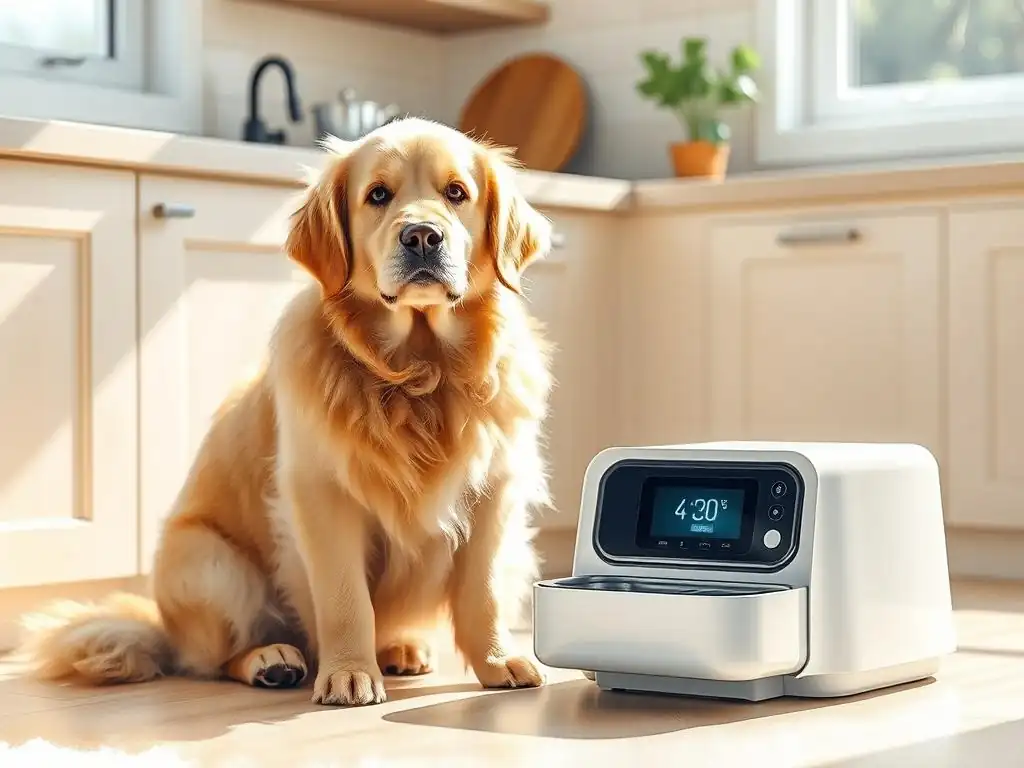
Smart pet feeders offer unparalleled convenience, allowing you to manage your pet's meals remotely, regardless of your location. But with numerous options available, selecting the right smart pet feeder remote control system requires careful consideration. This section will guide you through the key features to look for when making your purchase.
Key Features to Consider: Portion Control, Multiple Meal Settings, App Integration, and Durability
Choosing a smart pet feeder involves more than just remote access. Several critical features directly impact your pet's health and your overall user experience. Let's explore these essential aspects:
- Portion Control: Precise portion control is paramount for maintaining your pet's ideal weight. Look for feeders that allow you to program specific amounts of food per meal, measured in cups, grams, or ounces. This is especially crucial for pets prone to obesity or those requiring a carefully managed diet due to health conditions. The ability to adjust portion sizes easily through the app is a significant advantage. Some high-end models even offer the ability to customize portion sizes based on your pet's weight and breed, using sophisticated algorithms.
- Multiple Meal Settings: Flexibility is key. A good smart pet feeder should allow you to schedule multiple meals throughout the day, mimicking a more natural feeding pattern. This is especially beneficial for puppies, senior pets, or those with specific dietary needs. Consider the number of meals you want to program and ensure the feeder can accommodate your schedule. The ability to adjust meal times on the fly via the app is also a valuable feature.
- App Integration: A robust and user-friendly mobile app is crucial for effective remote control. The app should provide a clear interface for scheduling meals, monitoring food levels, and adjusting settings. Look for features like push notifications for low food alerts, meal completion confirmations, and detailed feeding logs. Consider ease of use and compatibility with both iOS and Android devices. Some apps even offer advanced features such as weight tracking and integration with other pet health monitoring apps.
- Durability and Material: The feeder should be made from high-quality, durable materials that can withstand daily use and potential accidental damage. Look for sturdy construction, easy-to-clean components, and materials that are safe for your pet. Stainless steel components are often preferred for their hygiene and longevity. Consider features like anti-jam mechanisms to prevent food clogs and durable battery life for uninterrupted operation.
Top Smart Pet Feeder Brands: A Comparison of WOPET, Arf Pets, and Petnet
Several leading brands offer smart pet feeders with remote control capabilities. This section provides a brief overview of three popular choices: WOPET, Arf Pets, and Petnet. Remember to always check reviews and compare prices before making a purchase. Individual experiences may vary.
WOPET Smart Pet Feeder Review: Features, Pros, and Cons (Affiliate Link)
WOPET smart feeders generally offer a good balance of features and affordability. They often include features like multiple meal settings, portion control, and app integration. However, some users have reported issues with app connectivity and durability in certain models. It's essential to carefully check reviews for specific models before committing to a purchase. Consider factors such as the size of your pet's food kibble, as some feeders may not accommodate larger kibble sizes efficiently. A key selling point is often their intuitive app interface.
| Feature | WOPET |
|---|---|
| Portion Control | Yes, adjustable via app |
| Meal Settings | Typically supports multiple meals |
| App Integration | Yes, iOS and Android compatibility |
| Durability | Varies by model; check user reviews |
| Price | Generally mid-range |
Arf Pets Automatic Pet Feeder Review: Features, Pros, and Cons (Affiliate Link)
Arf Pets feeders often emphasize innovative features and sleek designs. They may include advanced features like voice control, camera integration, or even weight sensors. However, these advanced features often come at a higher price point. Consider whether these additional features are necessary for your needs before choosing an Arf Pets model. Be sure to check for app compatibility and reviews regarding the reliability of these extra features. Some users have noted that the initial setup process can be more complex than with other brands.
| Feature | Arf Pets |
|---|---|
| Portion Control | Yes, often with precise adjustments |
| Meal Settings | Typically supports multiple meals |
| App Integration | Yes, with advanced features in some models |
| Durability | Generally high, but check user reviews |
| Price | Usually higher-end |
Petnet SmartFeeder Review: Features, Pros, and Cons (Affiliate Link)
Petnet smart feeders are often praised for their user-friendly app and integration with other pet health platforms. They may offer features like weight tracking and dietary recommendations based on your pet's profile. However, some users have reported occasional issues with the feeder's dispensing mechanism. It is recommended to check the size of your pet's food to ensure compatibility and avoid potential clogging. The focus on health monitoring sets it apart from competitors.
| Feature | Petnet |
|---|---|
| Portion Control | Yes, with customizable settings |
| Meal Settings | Supports multiple meals |
| App Integration | Yes, with health and weight tracking |
| Durability | Varies by model; check user reviews |
| Price | Mid-range to higher-end |
Remember that this information is for general guidance only. Always conduct thorough research and read user reviews before purchasing any smart pet feeder remote control product. The best choice will depend on your individual needs and preferences.
Different Types of Smart Pet Feeders: Hopper Style vs. Single-Meal Dispensers
Smart pet feeders come in two primary designs catering to different needs and pet feeding habits: hopper-style and single-meal dispensers. Understanding the differences is crucial for selecting the right "smart pet feeder remote control" solution for your furry friend.
Hopper-style feeders boast a large reservoir, typically holding several pounds of dry kibble. This is ideal for owners who are away for extended periods, eliminating the need for frequent refills. The advantage lies in convenience; you can set a schedule and let the feeder dispense food automatically throughout the day. However, this design is primarily suited for dry food.
The large hopper can also present challenges with food freshness, particularly in humid climates, potentially leading to spoilage or clumping if not properly sealed or if the food is particularly sensitive to moisture. Some high-end models address this issue with airtight seals and even dehumidifying mechanisms, but these features often come at a premium price. Consider the size of your pet and their daily food intake when choosing a hopper size; an overly large hopper might lead to unnecessary food waste.
Single-meal dispensers, on the other hand, are designed for smaller portions. They are perfect for pets with specific dietary needs or those requiring controlled portion sizes for weight management. These feeders are usually easier to clean and maintain due to their smaller size and simpler design. While they offer precise portion control, they require more frequent refills, making them less suitable for owners who are away for extended durations.
The single-portion design also offers the benefit of greater food freshness, as the dispensed food is less exposed to air and moisture. The smaller dispensing mechanism can, however, be more prone to clogging, especially with smaller kibble sizes. Therefore, carefully check the manufacturer's specifications regarding kibble size compatibility.
Smart Pet Feeder Compatibility with Various Pet Foods: Dry kibble, wet food, and treats
One of the key considerations when choosing a "smart pet feeder remote control" is its compatibility with your pet's diet. While most smart feeders are designed for dry kibble, compatibility with wet food and treats varies significantly across brands and models.
Dry kibble remains the most widely supported food type. Most smart feeders are designed to dispense dry kibble efficiently and reliably. However, the size and shape of the kibble can affect the dispensing mechanism; some feeders may struggle with very small or oddly shaped kibble. Always check the manufacturer’s specifications for recommended kibble sizes to avoid potential issues.
Wet food compatibility is less common. Few smart feeders currently offer reliable wet food dispensing. The challenge lies in the consistency of wet food, which is prone to sticking and clogging the dispensing mechanism. If your pet requires wet food, you'll likely need to supplement the smart feeder with manual feeding at certain times. Some newer models are beginning to incorporate features designed to handle wet food, but these are still relatively rare and often more expensive.
Treat dispensing capabilities also vary greatly. Some smart feeders offer dedicated compartments for treats, allowing you to reward your pet remotely or on a scheduled basis. This is a fantastic feature for training or simply adding an element of surprise and engagement to your pet’s feeding routine. However, the size and type of treats that can be dispensed are usually limited.
Soft or sticky treats are generally not suitable, and the compartment size may restrict the types of treats you can use. Always refer to the manufacturer’s instructions to ensure compatibility with your preferred treats. The ability to dispense treats remotely adds a layer of interactive engagement, particularly useful for training purposes.
Setting Up and Using Your Smart Pet Feeder with Remote Control
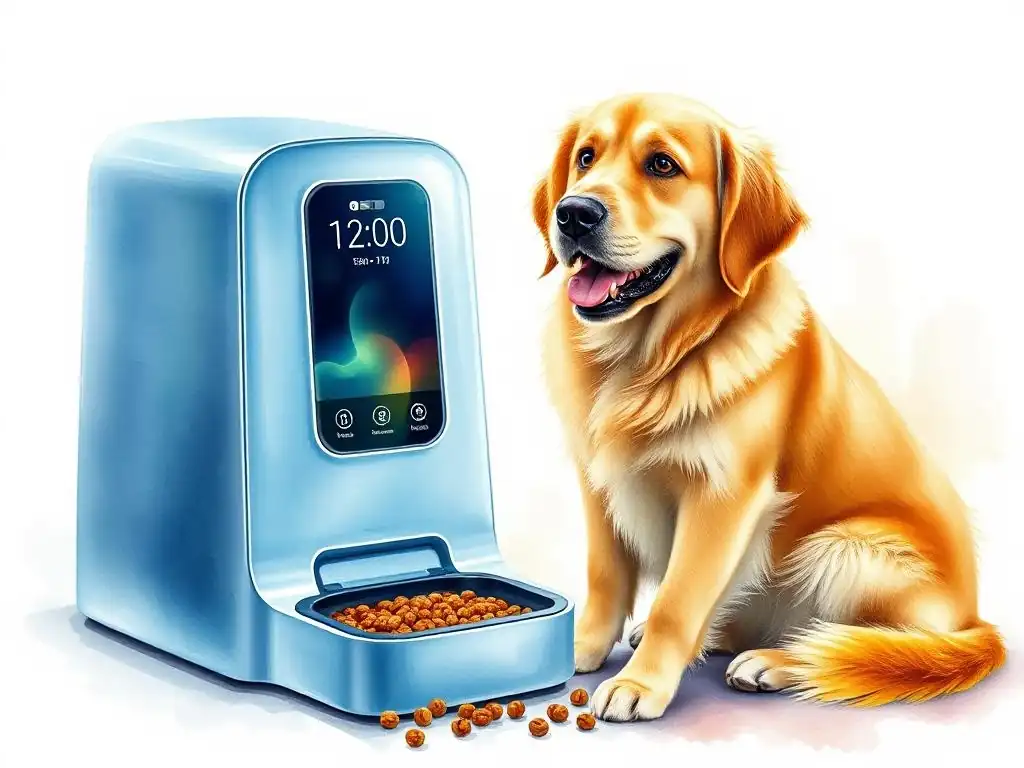
This section details the initial setup and ongoing use of your smart pet feeder, focusing on the ease of use and the features that contribute to convenient and responsible pet care. We'll explore the core functionalities of these devices, emphasizing their role in optimizing your pet's nutrition and overall well-being. Remember, choosing the right smart pet feeder for your pet's specific needs is crucial.
Consider factors such as your pet's size, dietary requirements, and your personal preferences regarding features like portion control and scheduling options. The convenience of remote control allows for seamless integration into your busy lifestyle, ensuring your furry friend is always well-fed, regardless of your location. This technology goes beyond simple feeding; it's about building a stronger bond with your pet through responsible and attentive care.
Downloading and Setting Up the Pet Feeder App: A Step-by-Step Guide for Petnet, WOPET, and Arf Pets apps
Successfully using your smart pet feeder hinges on mastering its companion app. This guide provides a step-by-step walkthrough for three popular brands: Petnet, WOPET, and Arf Pets. While specific steps might vary slightly, the general process remains consistent.
Petnet SmartFeeder:
- Download the Petnet app from your device's app store (Apple App Store or Google Play Store).
- Create an account using your email address and a secure password. Ensure you choose a password that is both strong and memorable.
- Turn on your Petnet SmartFeeder and follow the in-app instructions to connect it to your home Wi-Fi network. This usually involves entering your Wi-Fi password within the app.
- The app will guide you through the process of setting up your pet's profile, including their breed, weight, and dietary needs. Inputting this data accurately ensures the app can provide relevant feeding recommendations.
- Once connected, you can begin programming feeding schedules and monitoring your pet's eating habits.
WOPET Smart Feeder:
- Download the WOPET app from your app store.
- Create an account, following the app's on-screen prompts.
- Power on your WOPET Smart Feeder and connect it to your Wi-Fi network via the app's instructions. You might need to use a QR code for initial pairing.
- The app will ask for information about your pet, such as age, weight, and activity level. Providing accurate information helps optimize feeding recommendations.
- Configure feeding schedules and portion sizes according to your pet's needs and your preferences.
Arf Pets Smart Feeder:
- Obtain the Arf Pets app from your preferred app store.
- Register an account using your email or social media credentials.
- Follow the app's instructions to connect your Arf Pets Smart Feeder to your home Wi-Fi. This often involves selecting your network and entering the password.
- The app will guide you in creating a profile for your pet, requesting details like breed, weight, and any dietary restrictions.
- Program your pet's feeding schedule, adjusting portion sizes as needed.
This process ensures your smart pet feeder is correctly integrated into your daily routine and provides a seamless user experience. Remember to consult your specific smart pet feeder's manual for detailed instructions. Accurate setup is key to effective use and monitoring.
Programming Feeding Schedules: Customizing Meal Times and Portions for Your Pet's Needs
Programming your smart pet feeder involves creating a feeding schedule tailored to your pet's specific needs. Factors like age, breed, weight, activity level, and overall health significantly impact dietary requirements. The app usually allows for flexible scheduling, enabling you to customize meal times and portions.
Let's explore some common scheduling options:
- Multiple Small Meals: For some pets, particularly smaller breeds or those prone to digestive issues, multiple small meals throughout the day might be beneficial. Your smart pet feeder makes this incredibly easy to manage. You can program up to several meals per day, with precise portion control for each feeding.
- Scheduled Meals: This option allows you to schedule specific meal times, mirroring your own routine or providing food at consistent intervals. This is ideal for pets with regular schedules and predictable activity levels.
- Manual Feeding: Most apps also offer a manual feeding option, allowing you to dispense food remotely at any time, regardless of the pre-programmed schedule. This is particularly useful for unexpected situations or when adjusting to your pet's changing needs.
Remember to consult your veterinarian for recommendations on the appropriate daily caloric intake for your pet. This information is vital when programming your smart pet feeder to ensure your pet receives the correct amount of food. Using the app’s features to track your pet’s consumption provides valuable insights into their eating habits.
Monitoring Your Pet's Feeding Activity Through the App: Real-time updates and historical data analysis
Beyond scheduling, smart pet feeders provide valuable data on your pet's eating habits. The app typically offers real-time updates and historical data analysis, allowing you to monitor your pet's food intake closely.
- Real-time Notifications: Receive alerts when your pet is eating, ensuring everything is functioning correctly. This is especially helpful for pets with specific dietary requirements or those recovering from illness.
- Meal History: The app usually maintains a detailed log of all feeding events, including the time, date, and amount of food dispensed. This data provides a comprehensive overview of your pet's eating patterns, enabling you to identify any irregularities or potential health concerns. This historical data can be incredibly useful for discussions with your veterinarian.
- Data Analysis: Some advanced apps offer data analysis features, identifying trends and patterns in your pet's eating habits. This can help you make informed decisions about their diet and overall health. For example, you might notice a sudden decrease in food consumption, prompting you to seek veterinary attention. This proactive monitoring is a key benefit of smart pet feeders.
The ability to remotely monitor your pet's feeding habits provides peace of mind and empowers you to make informed decisions about their dietary needs. This feature transforms the smart pet feeder from a simple feeding device into a valuable tool for proactive pet care. The combination of convenience and data-driven insights makes smart pet feeder remote control a significant advancement in pet technology.
Troubleshooting Common Issues: Addressing Connectivity Problems and App Errors
Smart pet feeders, while incredibly convenient, can sometimes present connectivity or app-related issues. Understanding how to troubleshoot these problems is crucial for maintaining consistent feeding schedules and ensuring your pet's well-being. Connectivity problems often stem from Wi-Fi signal strength, router configuration, or even the feeder's placement within your home. App errors, on the other hand, can be caused by software glitches, server issues, or outdated app versions. Let's delve into specific solutions for each.
First, let's tackle connectivity problems. A weak Wi-Fi signal is a frequent culprit. Ensure your router is close enough to the smart feeder to provide a strong, stable connection. Obstacles like walls, furniture, and appliances can significantly weaken the signal. Consider using a Wi-Fi extender to boost the signal in areas with poor reception.
If your router is far away, moving the feeder closer to the router is the simplest solution. Additionally, make sure your smart pet feeder is correctly positioned. Metal objects, particularly large ones like refrigerators, can interfere with the Wi-Fi signal. Try to position the feeder away from such obstructions.
Next, check your router's settings. Ensure that your Wi-Fi network is broadcasting correctly and that your feeder is properly connected to your home network. The instructions for connecting your specific smart pet feeder to your Wi-Fi network will be detailed in your user manual. If you're still experiencing connection issues after checking signal strength and router settings, restarting both your router and your smart pet feeder can often resolve temporary glitches. Unplug both devices, wait 30 seconds, and then plug them back in. This simple process can refresh the connection and eliminate minor software errors.
Now, let's address app errors. Outdated apps are a common source of problems. Regularly check your app store for updates and install any available updates immediately. An outdated app might not be compatible with the latest software updates on your smart pet feeder, leading to malfunctions.
If updating the app doesn't solve the issue, try restarting your smartphone or tablet. This can clear temporary software glitches that might be interfering with the app's functionality. If these basic troubleshooting steps fail to resolve the app error, consider uninstalling and reinstalling the app. This will completely remove any corrupted data and ensure a fresh start.
Finally, consider server-side issues. Sometimes, problems originate from the app's servers. If many users are reporting similar issues, the problem likely lies with the server. In this case, there's nothing you can do except wait for the company to resolve the server-side problem.
You can usually find updates about server issues on the app developer's website or social media pages. Remember to consult your smart pet feeder's user manual for detailed troubleshooting instructions specific to your model. This manual often contains helpful diagrams and step-by-step guides to address common connectivity and app errors. By systematically working through these steps, you can usually resolve most issues and get your smart pet feeder back up and running smoothly, ensuring your furry friend receives their meals on time.
Advanced Features of Smart Pet Feeders: Beyond Basic Remote Control
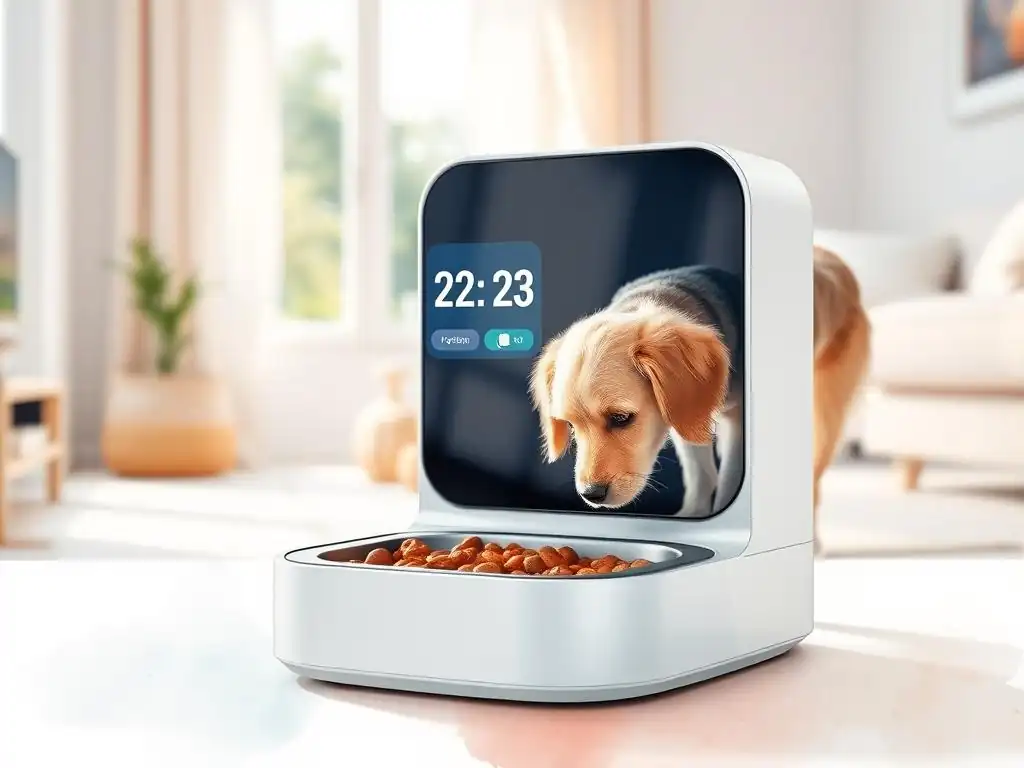
Smart pet feeders offer much more than simple remote control of feeding schedules. Many advanced models boast features designed to enhance both convenience and your pet's well-being, going beyond the basic functionality of a "smart pet feeder remote control". These advancements transform the device from a simple feeding tool into a comprehensive pet care management system. Let's explore some key features that set premium smart feeders apart.
Camera Integration for Remote Pet Monitoring: Keeping an Eye on Your Furry Friend While Away
One of the most appealing features of many modern smart pet feeders is integrated camera technology. This allows pet owners to check in on their furry friends remotely, providing peace of mind and enabling proactive care. The camera typically offers a live feed, accessible through a dedicated mobile app. This means you can see your pet eating, playing, or simply resting, anytime, anywhere.
Beyond simple visual monitoring, some models incorporate features such as two-way audio. This lets you speak to your pet, offering reassurance and potentially helping to calm anxiety, particularly if you're away for extended periods. The ability to remotely interact with your pet significantly mitigates the separation anxiety that both you and your pet might experience.
Furthermore, the camera's recording capabilities can be invaluable in observing your pet's behavior patterns, potentially identifying early signs of illness or changes in routine that might require veterinary attention. This proactive monitoring can be crucial for early intervention and improved pet health outcomes. Consider the peace of mind knowing you can check if your pet is eating properly even when you're at work or traveling.
Smart Home Integration: Connecting Your Pet Feeder to Other Smart Devices (e.g., Alexa, Google Home)
Seamless integration with other smart home devices is another significant advantage of advanced smart pet feeders. Compatibility with popular platforms like Alexa and Google Home allows for voice control of feeding schedules and portion sizes. This hands-free operation adds a layer of convenience, especially useful for busy pet owners. Imagine simply saying, "Alexa, feed the cat," and knowing your pet will receive their meal at the right time.
Beyond voice control, smart home integration can also enable automation. For instance, you could set up a routine where the feeder dispenses food at a specific time each day, automatically coordinating with your other smart home routines. This level of automation simplifies pet care, removing the need for manual intervention and reducing the risk of missed feedings.
The ability to integrate with other smart devices further enhances the overall convenience and efficiency of pet care management, providing a streamlined and technologically advanced approach. This level of integration represents a significant step forward in the evolution of "smart pet feeder remote control" technology.
Health Monitoring Capabilities: Tracking Weight and Activity Levels for Early Health Intervention
Several high-end smart pet feeders incorporate sophisticated health monitoring capabilities, extending their functionality beyond simple feeding. These features often include integrated scales that monitor your pet's food intake and weight over time. This data provides valuable insights into your pet's eating habits and overall health. Consistent weight monitoring can help identify potential problems such as weight gain, weight loss, or changes in appetite, all of which may indicate underlying health issues. Early detection of these problems is crucial for timely veterinary intervention and improved treatment outcomes.
Some models go even further, incorporating activity trackers or integrating with other fitness trackers to provide a holistic view of your pet's health. By monitoring both food intake and activity levels, you gain a comprehensive understanding of your pet's overall well-being. This data-driven approach to pet care empowers owners to make informed decisions and proactively address potential health concerns.
This feature significantly enhances the value proposition of a smart pet feeder, transforming it from a convenience device into a valuable tool for preventative pet healthcare. The ability to track these vital metrics directly contributes to improved pet health and longevity, adding substantial value beyond the core functionality of "smart pet feeder remote control".
Addressing Concerns and Safety Precautions with Smart Pet Feeders
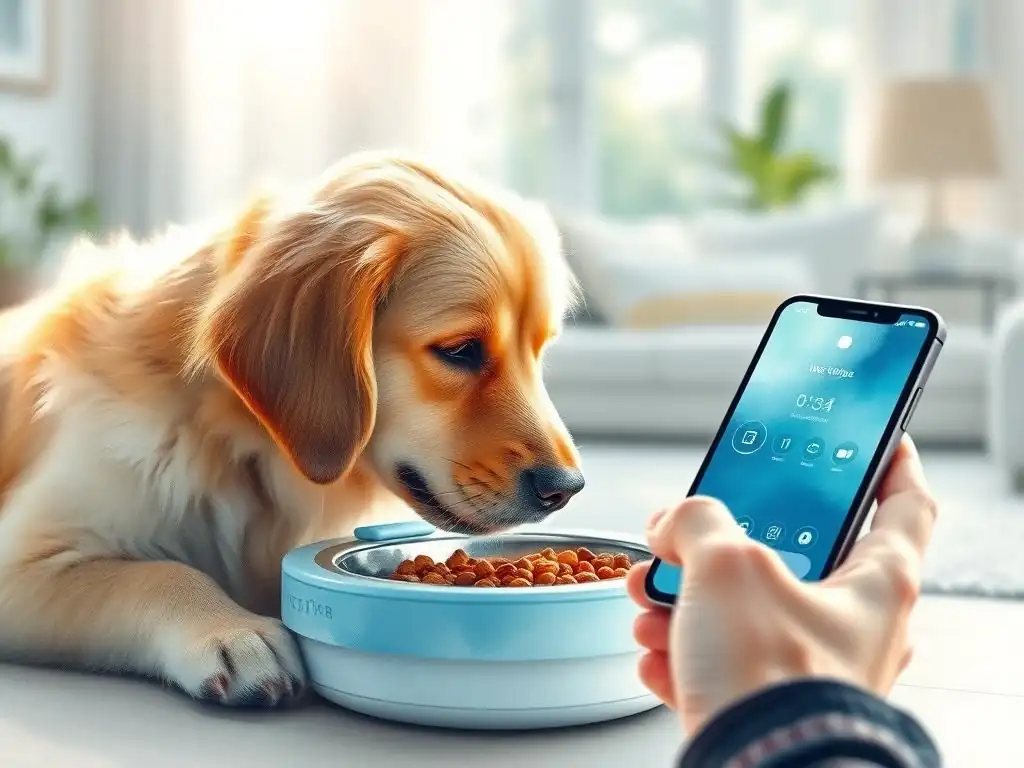
Smart pet feeders offer unparalleled convenience, allowing you to manage your pet's meals remotely. However, responsible pet ownership necessitates addressing potential concerns to ensure your pet's safety and well-being. This section delves into crucial safety precautions and solutions to mitigate potential risks associated with using smart pet feeders. Proper understanding and implementation of these measures are vital for maximizing the benefits of this technology while minimizing potential drawbacks. Remember, the goal is to use smart pet feeder remote control technology to improve your pet's life, not compromise it.
Power Outages and Backup Power Solutions: Ensuring Continuous Pet Feeding During Emergencies
Power outages can disrupt the functionality of smart pet feeders, potentially leaving your pet without food. This is a critical concern that demands proactive planning. While many modern smart feeders incorporate backup battery systems, their capacity is limited. Understanding the limitations of your specific feeder's backup power is crucial. For example, some models only offer a few hours of backup, while others might provide a day or more. Check your device's specifications carefully.
To ensure continuous feeding during extended power outages, consider supplementing your smart feeder with a manual backup plan. This could involve:
- Manual feeding: Establish a routine for manually feeding your pet during anticipated outages or when the backup power is depleted.
- Secondary food supply: Keep a readily accessible supply of pet food separate from the smart feeder as a contingency.
- Portable generator: For longer outages or situations where backup battery power is insufficient, a portable generator can provide continuous power to your smart feeder. However, ensure proper ventilation and safety precautions when using a generator.
- Uninterruptible Power Supply (UPS): A UPS can provide temporary power to the feeder during brief outages, giving you time to address the situation.
The key is redundancy. Don't rely solely on your smart feeder's backup battery. A multi-layered approach to power backup provides peace of mind and ensures your pet's nutritional needs are consistently met, even during unexpected power disruptions. Planning for power outages is a vital part of responsible smart pet feeder remote control.
Pet Food Safety and Storage: Preventing Spoilage and Maintaining Food Freshness
Maintaining the freshness and safety of your pet's food is paramount, especially when using a smart feeder. The design of some feeders can impact food quality over time. Some feeders have airtight compartments to help maintain freshness. However, others might not offer optimal food preservation, increasing the risk of spoilage.
Consider these factors to minimize food spoilage:
- Food type: Certain pet foods are more prone to spoilage than others. Dry kibble generally lasts longer than wet food. Choose appropriate food types based on your feeder's design and your pet's dietary needs.
- Storage capacity: The feeder's capacity should match your pet's daily consumption. Overfilling can lead to spoilage before the food is consumed.
- Cleaning schedule: Regularly cleaning the feeder is crucial to prevent the build-up of bacteria and mold, which can contaminate the food and harm your pet. Consult your feeder's manual for specific cleaning instructions.
- Food rotation: If using a large-capacity feeder, rotate your pet's food supply regularly to ensure freshness. First in, first out (FIFO) is a good strategy.
- Monitoring: Regularly check the food in the feeder for any signs of spoilage, such as discoloration, mold, or unusual odors. Discard any spoiled food immediately.
Proper food storage and maintenance are essential aspects of responsible smart pet feeder remote control. Regularly inspecting and cleaning the feeder and using appropriate food storage techniques will significantly reduce the risk of food spoilage and ensure your pet's health.
Security and Privacy Concerns: Protecting Your Data and Your Pet's Safety
Smart pet feeders connect to the internet, raising concerns about data security and privacy. Understanding these risks and implementing appropriate safeguards is crucial. Consider these points:
- Strong passwords: Use strong, unique passwords for your feeder's account and Wi-Fi network. Avoid using easily guessable passwords.
- Software updates: Keep your feeder's firmware updated to benefit from the latest security patches and bug fixes.
- Network security: Secure your home Wi-Fi network with a strong password and enable encryption.
- Data encryption: Check if the feeder uses data encryption to protect your personal information and your pet's feeding schedule.
- App permissions: Carefully review the permissions requested by the feeder's companion app and only grant necessary access.
- Reputable brands: Choose reputable brands with a strong track record of data security.
While the convenience of smart pet feeder remote control is undeniable, neglecting security and privacy can have serious consequences. By taking proactive steps to protect your data and your pet's safety, you can fully enjoy the benefits of this technology without compromising security. Responsible use includes staying informed about potential risks and implementing the appropriate safety measures.
Frequently Asked Questions
What is a smart pet feeder with remote control?
A smart pet feeder with remote control allows you to schedule and dispense food for your pet remotely using a smartphone app. This offers convenience and control over your pet's feeding routine, even when you're away from home.
How does a remote-controlled pet feeder work?
These feeders connect to your home's Wi-Fi network and are controlled via a dedicated mobile app. You can schedule feeding times, adjust portion sizes, and even monitor your pet's eating habits through the app.
What are the benefits of using a smart pet feeder?
Smart feeders offer increased convenience, allowing for scheduled feeding even when you're busy or traveling. They also help with portion control, aiding in weight management, and provide valuable data on your pet's eating patterns.
Are smart pet feeders safe for my pet?
Most reputable brands prioritize safety, using durable, non-toxic materials. However, always check reviews and ensure the feeder is appropriately sized and designed for your pet's breed and size to avoid potential hazards.
What features should I look for in a smart pet feeder?
Consider features like portion control accuracy, multiple feeding schedules, app compatibility, reliable connectivity, and easy cleaning when choosing a smart pet feeder. Read reviews to see what other pet owners recommend.
Final Reflection: The Evolving Bond: Technology and Pet Care
The convenience of remote pet feeding isn't just a technological marvel; it's a fundamental shift in how we care for our animal companions. This accessibility, afforded by smart pet feeders and remote control technology, is reshaping the relationship between pet owners and their beloved pets, offering unprecedented levels of care and peace of mind.
The impact of this technology extends far beyond simple convenience. It allows busy professionals, frequent travelers, and individuals with mobility challenges to maintain a consistent and loving routine for their pets, strengthening the bond despite physical distance. The best things in life are the people we love, the places we've been, and the memories we've made along the way.
While this quote speaks to human relationships, it equally applies to the deep connections we forge with our pets. Smart pet feeders are a tool that helps us cherish those memories and strengthen those bonds, even when separated by miles.
Consider how this technology impacts your life. Are you someone who worries about your pet's feeding schedule while away? Do you dream of a seamless integration of technology into your pet's care? Now is the time to explore the possibilities. Embrace the future of pet care, where technology empowers you to be a more present and attentive pet parent, no matter where life takes you. Take the next step – research the options available, find the perfect smart feeder for your needs, and experience the transformative power of connected pet care firsthand.
Unlock Worry-Free Pet Feeding: Start Smart Today!
We're thrilled you're exploring the world of remote pet feeding! Hopefully, you've discovered how smart technology can simplify pet care and provide peace of mind. Now, let's put that knowledge into action!
- Choose the right smart feeder: Research different models to find one that perfectly suits your pet's needs and your budget. Consider features like precise portion control, flexible scheduling options, and even camera integration for added reassurance. This is crucial for enjoying the convenience discussed earlier.
- Test your feeder's settings: Begin by programming a few test feedings to familiarize yourself with the new system. This ensures everything works correctly before you rely on it entirely.
- Join our community: Share your experience and your pet's reaction! Join the PetCareWorld community forum (instructions are on the main page) and share your tips and tricks with other pet owners.
Ready to enjoy consistently well-fed and happy pets, no matter where you are?