
Separation Anxiety Relief: How Interactive Pet Cameras Can Help Your Anxious Pet

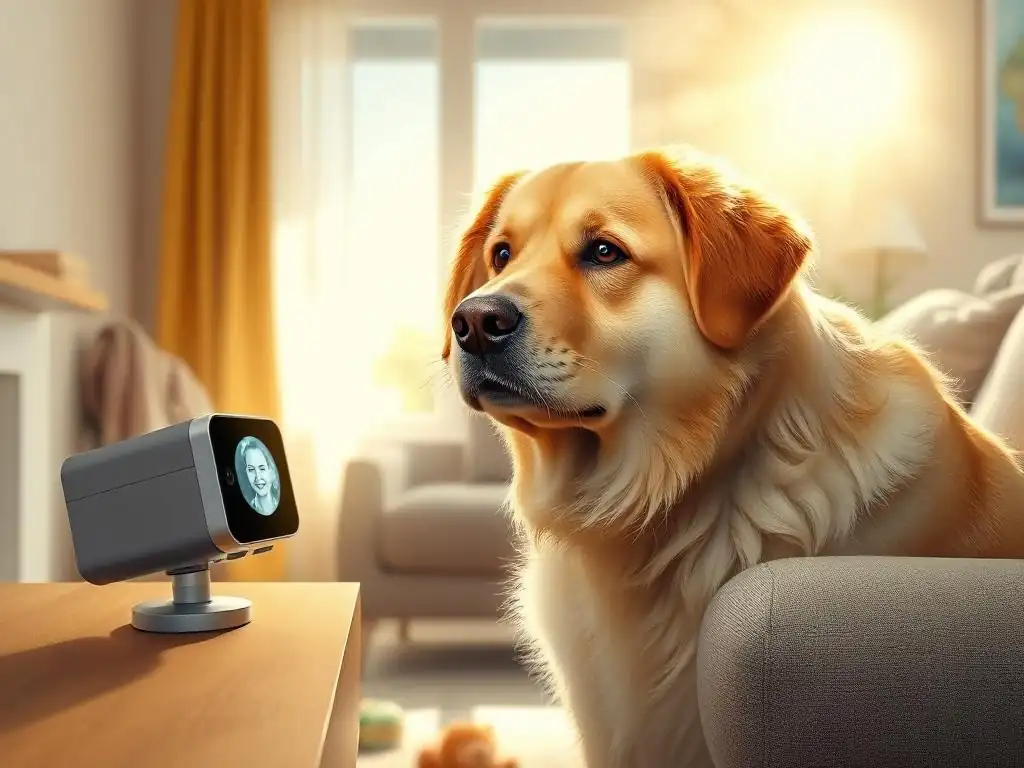
Welcome to PetCareWorld, your ultimate guide to a happier, healthier life for your beloved companion! Are you struggling with your pet's separation anxiety? Discover how innovative pet tech, like interactive cameras, can transform your pet's experience and ease their distress. Dive into our expert advice and learn practical solutions to create a more secure and loving environment for your furry, feathered, or scaled friend. Let's explore how technology can help bridge the gap when you're apart!
- Understanding Canine and Feline Separation Anxiety
- Interactive Pet Cameras: A Technological Solution for Separation Anxiety
- Top Interactive Pet Cameras for Separation Anxiety Relief
- Beyond the Camera: Additional Strategies to Reduce Pet Separation Anxiety
- Addressing Specific Concerns: Addressing Your Pet's Unique Needs
- Long-Term Strategies for Managing Separation Anxiety
-
Frequently Asked Questions
- How can interactive pet cameras help with separation anxiety?
- What are the signs my pet has separation anxiety?
- Are all interactive pet cameras created equal? What should I look for?
- Can interactive pet cameras completely cure separation anxiety?
- How do I introduce my pet to a new interactive pet camera?
- Final Reflection: Reuniting Hearts, One Camera at a Time
- Unleash Peace of Mind: Connect with Your Furry Friend Today!
Understanding Canine and Feline Separation Anxiety
Leaving your beloved pet at home alone can be a source of worry for many pet owners. The concern is often well-founded; separation anxiety in pets, particularly dogs and cats, is a significant behavioral issue impacting millions of animals worldwide.
This comprehensive guide explores the complexities of separation anxiety, focusing on how interactive pet cameras can play a crucial role in reducing stress and fostering a sense of security for your furry friend. We will delve into recognizing the signs, understanding the emotional impact, and identifying the root causes of this distressing condition, equipping you with the knowledge and tools to help your pet thrive, even when you're away.
Reducing pet separation anxiety is a multifaceted challenge, and this article provides a practical approach to mitigating its effects and strengthening the bond between you and your pet. We'll explore the benefits of interactive pet cameras as a valuable tool in your pet's anxiety management plan.
Recognizing the Signs of Separation Anxiety in Dogs and Cats
Separation anxiety manifests differently in dogs and cats, but some common indicators include:
- Excessive vocalization: Whining, barking, or meowing excessively while you're away. This can sometimes continue even after your return.
- Destructive behavior: Chewing furniture, scratching doors, or digging. These actions are often attempts to escape or alleviate their distress.
- Elimination problems: Urinating or defecating inappropriately, even if house-trained. This is a clear sign of significant emotional stress.
- Self-harm: Excessive licking, chewing, or biting at themselves.
- Restlessness and pacing: Unable to settle down and exhibiting signs of constant movement.
- Changes in appetite: Loss of appetite or excessive eating are both potential indicators.
Recognizing these subtle and sometimes overt signs early on is vital. Early intervention can significantly improve your pet's well-being and prevent the development of more severe behavioral problems. The earlier you address the issue, the better the chances of success in implementing effective management strategies. Keeping a detailed record of your pet's behavior, particularly when you are away, can be invaluable in helping your veterinarian or a certified animal behaviorist diagnose and treat separation anxiety. This detailed record can be supplemented with video footage from an interactive pet camera, allowing for a more comprehensive assessment.
The Emotional Impact of Separation Anxiety on Pets
Separation anxiety is not simply a nuisance; it's a serious condition that causes significant distress and suffering for your pet. The constant fear and worry associated with being alone can lead to:
- Chronic stress: This can weaken their immune system, making them more susceptible to illness.
- Depression: A persistent low mood characterized by lethargy and lack of interest in activities they usually enjoy.
- Behavioral problems: Anxiety can manifest as aggression, fearfulness, or other undesirable behaviors.
- Physical health problems: Long-term stress can contribute to various health issues, including gastrointestinal problems and skin conditions.
Understanding the profound emotional impact of separation anxiety is crucial for developing a compassionate and effective treatment plan. It's important to remember that your pet's anxiety is not a matter of misbehavior but rather a genuine emotional struggle that requires understanding and support. The goal is to create a safe and secure environment for your pet, mitigating the triggers and providing them with comfort and reassurance.
Common Causes of Separation Anxiety in Pets
While the exact causes of separation anxiety are not always fully understood, several factors can contribute to its development:
- Sudden changes in routine: Changes in family dynamics, moving to a new home, or the introduction of new pets can disrupt their sense of security and trigger anxiety.
- Lack of socialization: Pets who haven't been properly socialized may struggle to cope with being alone.
- Previous traumatic experiences: Negative experiences, such as abandonment or abuse, can significantly increase the likelihood of developing separation anxiety.
- Genetic predisposition: Some breeds may be more prone to separation anxiety than others. [Specific breed information pending]
Identifying the potential triggers for your pet's anxiety is a critical step in developing an effective management strategy. By understanding the root causes, you can take steps to modify the environment and create a more secure and comforting space for your pet. This might involve modifying their daily routine, providing them with more enrichment activities, or seeking professional help from a veterinarian or certified animal behaviorist. This proactive approach will ultimately lead to a happier and healthier pet.
Interactive Pet Cameras: A Technological Solution for Separation Anxiety
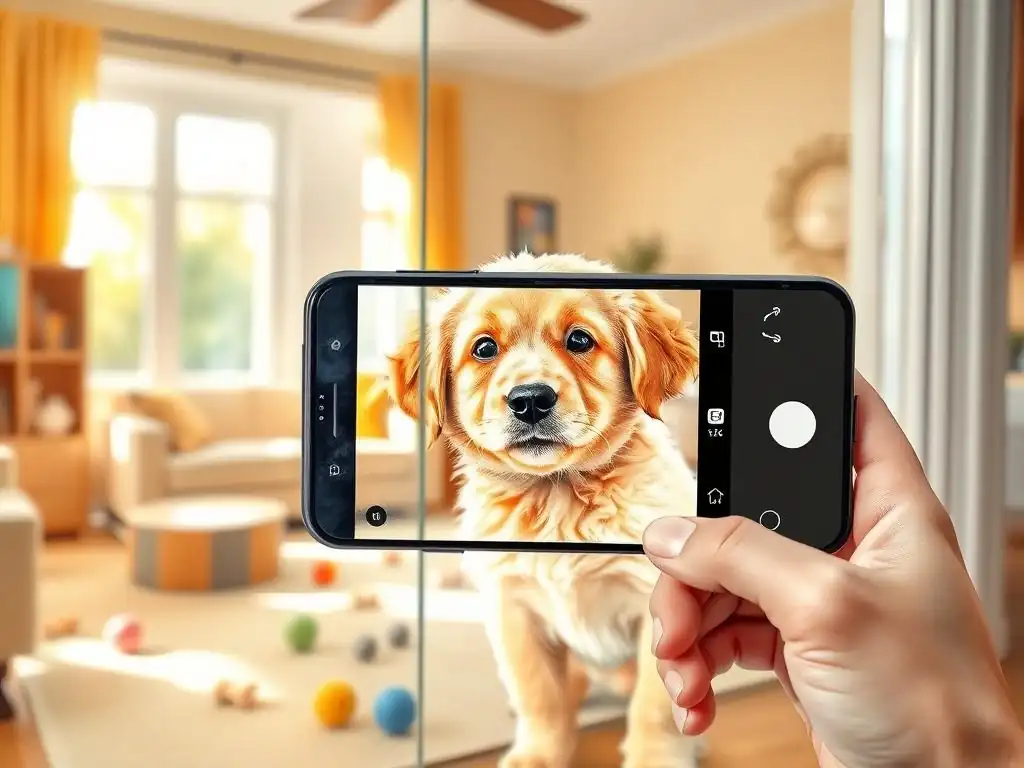
Interactive pet cameras offer a powerful tool in the arsenal against pet separation anxiety. By providing a constant connection to your pet, even when you're away, these devices can significantly reduce stress and alleviate symptoms of anxiety. This section will explore how these cameras function and their effectiveness in managing separation anxiety in various pets, from dogs and cats to smaller, more sensitive animals. Understanding the technology behind these devices is key to appreciating their role in reducing pet separation anxiety.
How Interactive Pet Cameras Work to Reduce Anxiety
Interactive pet cameras work by providing a constant link between pet and owner, mitigating the feelings of loneliness and abandonment that often trigger separation anxiety. The core functionality revolves around several key features:
- Live Video Streaming: This allows owners to visually monitor their pets, offering reassurance that they are safe and comfortable. Seeing their pet relaxed and engaged can significantly reduce owner anxiety, which can indirectly benefit the pet. The ability to check in at any time helps reduce the owner's own stress, preventing them from constantly worrying, and allowing them to focus on other tasks.
- Two-Way Audio: This feature allows owners to soothe their pets with their voice, offering a comforting presence even from a distance. A familiar voice can be incredibly calming for an anxious pet, helping to reduce their stress levels. This is particularly helpful during moments of heightened anxiety, like the initial moments after the owner leaves.
- Treat Dispensing (in some models): Many interactive cameras include treat dispensing mechanisms. The ability to remotely reward good behavior can help to create positive associations with being alone, counteracting the negative feelings associated with separation. This positive reinforcement training technique is a crucial aspect of managing separation anxiety.
- Activity Monitoring: Some advanced cameras track your pet's activity levels, providing valuable data on their behavior while you're away. This information can help identify triggers or patterns associated with their anxiety, allowing for more targeted interventions. For example, an increase in pacing or vocalization during specific times of day might indicate a need for adjustments to the pet's routine.
The combined effect of these features creates a sense of continuous connection and security, significantly reducing the likelihood of anxiety-related behaviors. The feeling of being "seen" and "heard" by their owner can be remarkably calming for a pet experiencing separation anxiety. The reduction in anxiety isn't solely dependent on the technology itself, but rather, on the consistent and predictable use of its features.
The Benefits of Two-Way Audio and Video for Pet Owners
Beyond the direct impact on the pet, two-way audio and video offer significant benefits for pet owners struggling with their pet's separation anxiety. These benefits extend beyond simply monitoring the pet's well-being; they facilitate a proactive approach to management:
- Reduced Owner Anxiety: Knowing you can check on your pet anytime significantly reduces your own worry and stress. This is crucial because a stressed owner can unintentionally exacerbate a pet's anxiety.
- Early Detection of Problems: Real-time video monitoring allows for the early detection of unusual behavior. This enables prompt intervention, preventing minor issues from escalating into major problems. For example, noticing unusual panting or excessive vocalization early on allows for timely intervention and potentially prevents a full-blown anxiety attack.
- Peace of Mind While at Work or Away: The ability to remotely check in on your pet offers invaluable peace of mind, allowing you to focus on your tasks without constant worry. This improved mental well-being translates to a healthier and more balanced life.
- Data-Driven Insights: Some cameras provide data on your pet's activity levels, sleep patterns, and other metrics. This information can be invaluable in understanding your pet's behavior and tailoring a more effective management plan for their separation anxiety. This data-driven approach moves beyond guesswork and allows for a more scientific and effective solution.
Choosing the Right Interactive Pet Camera for Your Needs
Selecting the right interactive pet camera requires careful consideration of several factors:
- Camera Resolution and Night Vision: High-resolution video with good night vision is crucial for clear monitoring, especially in low-light conditions. The ability to clearly see your pet, even at night, is critical for effective monitoring and intervention.
- Audio Quality: Crystal-clear two-way audio is essential for effective communication and soothing your anxious pet. Poor audio quality can hinder the calming effect of your voice.
- Treat Dispensing Capabilities: If you plan to use treats as positive reinforcement, ensure the camera has a reliable and easy-to-use treat dispensing mechanism. The ease of use of this feature is important for consistent and effective reinforcement.
- App Features and Integrations: Consider the features offered by the companion app, such as activity monitoring, cloud storage, and integration with other smart home devices. The app should be user-friendly and provide the necessary functionalities for effective management.
- Battery Life and Power Options: Consider the camera's battery life and whether it offers options for continuous power. Continuous power is important for consistent monitoring, especially for pets with severe separation anxiety.
Choosing the right camera can significantly impact the effectiveness of your strategy to reduce pet separation anxiety. Careful consideration of these factors will ensure you select a device that meets your specific needs and helps you provide the best possible care for your anxious pet. Remember that the success of using an interactive pet camera relies not just on the technology itself, but on the consistent and thoughtful use of its features within a broader strategy to manage separation anxiety.
Top Interactive Pet Cameras for Separation Anxiety Relief
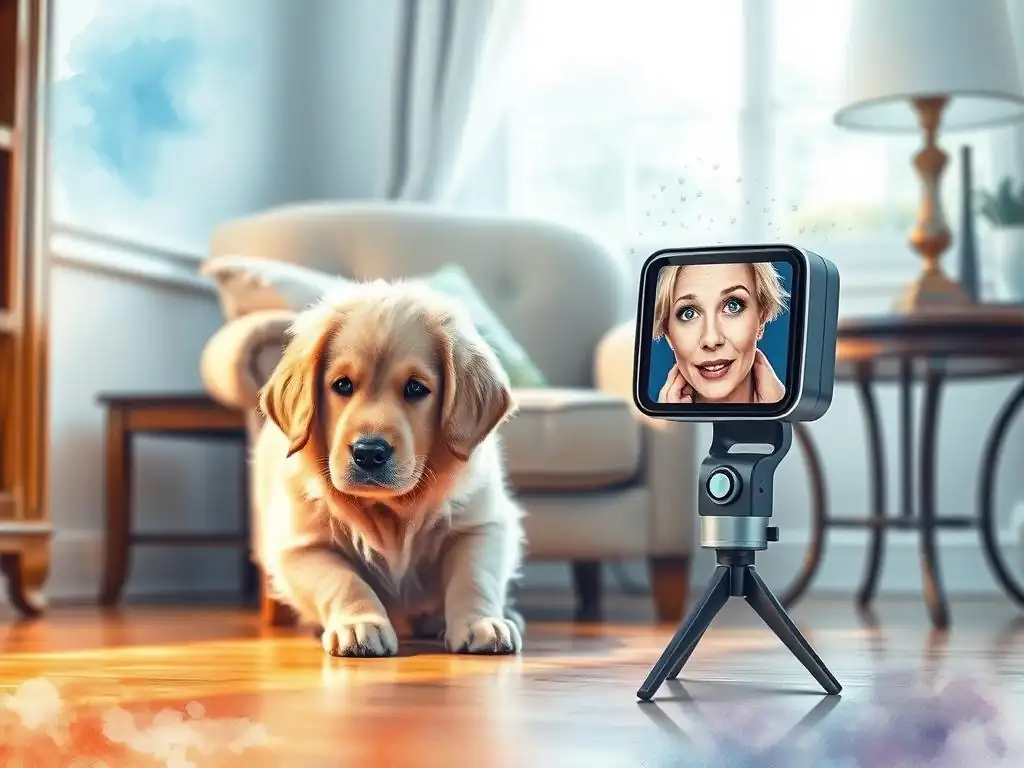
This section explores some of the top interactive pet cameras on the market specifically designed to help reduce pet separation anxiety. We'll delve into their features, benefits, and pricing, examining how these technologies can address the emotional distress experienced by pets when left alone. Understanding the capabilities of these cameras is crucial for pet owners seeking effective solutions to alleviate separation anxiety and improve their pet's overall well-being. Effective management of separation anxiety is key to a happy and healthy pet, and these technological advancements offer innovative ways to achieve this.
Petcube Bites 2: Features, Benefits, and Pricing – Addressing Separation Anxiety
The Petcube Bites 2 is a popular choice amongst pet owners looking to reduce pet separation anxiety. Its key features directly address common triggers of anxiety. The two-way audio allows you to soothe your pet with your voice, providing comfort and reassurance from a distance. This auditory connection can significantly reduce feelings of loneliness and abandonment. Furthermore, the ability to dispense treats remotely provides positive reinforcement and distraction, helping to alleviate anxious behaviors. The high-definition video allows you to monitor your pet's behavior, identifying potential anxiety indicators and adjusting your approach accordingly.
The Petcube Bites 2 offers a subscription service which unlocks additional features such as cloud storage for recorded video and enhanced analytics. While the initial investment is higher than some basic pet cameras, the peace of mind and potential for reducing veterinary bills associated with anxiety-related issues can justify the cost. The pricing structure, including the cost of the camera and any subscription fees, should be carefully considered.
Petcube Bites 2 Review: User Testimonials and Case Studies
Several user testimonials highlight the positive impact of the Petcube Bites 2 on their pets' separation anxiety. Many owners report a significant reduction in destructive behaviors, excessive barking, and overall stress levels in their pets after implementing the camera. [Specific user testimonials and case studies pending].
These anecdotal accounts, while not scientific studies, offer compelling evidence of the camera's effectiveness in managing separation anxiety. Further research into the efficacy of interactive pet cameras in reducing separation anxiety is needed, but early indications suggest a positive correlation. The camera's ability to provide both visual and auditory comfort plays a significant role in easing the pet's distress.
Furbo Dog Camera: A Comprehensive Review for Anxiety Relief
The Furbo Dog Camera presents another strong contender in the fight against pet separation anxiety. Its features are specifically tailored to address canine anxieties. The wide-angle lens provides comprehensive coverage of your home, allowing you to monitor your dog's activities thoroughly. The toss-treat function, similar to the Petcube Bites 2, offers a powerful distraction technique. The barking alerts provide real-time notifications, allowing you to intervene promptly if your dog is exhibiting anxious behaviors. This proactive approach is crucial in managing and mitigating anxiety-related incidents.
Unlike some cameras that focus solely on video monitoring, the Furbo integrates several features designed to engage and interact with your dog, directly combating the feelings of isolation that often trigger anxiety. The ability to speak to your dog through the camera provides a calming presence, even when you are physically absent. The combination of these features makes the Furbo a comprehensive solution for managing canine separation anxiety.
Furbo Dog Camera Features Comparison: Addressing Specific Anxiety Triggers
To effectively reduce pet separation anxiety, it's vital to understand how different camera features address specific anxiety triggers. The following table compares the Furbo Dog Camera and the Petcube Bites 2 in this context:
| Feature | Furbo Dog Camera | Petcube Bites 2 | Addresses Anxiety Trigger |
|---|---|---|---|
| Two-Way Audio | Yes, clear audio for communication | Yes, clear audio for soothing and reassurance | Loneliness, fear |
| Treat Dispensing | Yes, allows for remote reward and distraction | Yes, allows for remote reward and distraction | Boredom, frustration |
| Motion Detection | Yes, alerts you to activity | Yes, alerts you to activity | Anxiety-related behaviors |
| Barking Detection | Yes, provides real-time notifications | Yes, provides real-time notifications | Excessive vocalization |
| Night Vision | Yes, allows monitoring in low-light conditions | Yes, allows monitoring in low-light conditions | Increased anxiety at night |
| Cloud Storage (Subscription) | Yes | Yes | Monitoring and review |
This comparison demonstrates how both cameras offer features that directly counteract common triggers of separation anxiety. The choice between the two depends on individual needs and preferences, but both represent valuable tools in managing this common pet issue. Remember that while these cameras are helpful tools, they should be used in conjunction with other strategies for managing separation anxiety, such as training and environmental enrichment. 🐶
WOpet Smart Pet Camera: Budget-Friendly Option for Separation Anxiety Management
The WOpet Smart Pet Camera presents a compelling option for pet owners seeking to alleviate separation anxiety in their furry friends without breaking the bank. Its affordability doesn't compromise on essential features; it offers two-way audio, allowing you to soothe your pet remotely, and provides a clear video stream for constant monitoring. This visual connection can significantly reduce a pet's anxiety by letting them see and hear you, even when you're not physically present.
The camera's compact design makes it easy to integrate into your home environment, and many users appreciate its simple, intuitive interface. While it may lack some of the advanced features found in higher-priced models (such as advanced AI-powered pet detection or extensive cloud storage), the WOpet camera effectively delivers on its core function: providing peace of mind for both pet and owner. For budget-conscious pet owners looking for a reliable way to reduce pet separation anxiety, the WOpet Smart Pet Camera is a strong contender.
Its ease of use and effective functionality make it a practical choice for many. Remember to always consider your pet's specific needs and the size of your home when choosing a camera.
WOpet Smart Pet Camera Ease of Use and Setup: Perfect for Beginners
One of the WOpet Smart Pet Camera's greatest strengths lies in its user-friendliness. The setup process is remarkably straightforward, even for individuals with limited technological experience. The accompanying app, available on both iOS and Android devices, provides clear, step-by-step instructions, guiding users through the process of connecting the camera to their home Wi-Fi network.
The app itself is intuitive and easy to navigate, with large, clearly labeled icons. Users consistently praise the ease of accessing the live video feed, initiating two-way audio, and adjusting camera settings. The camera's simple design minimizes the learning curve, allowing pet owners to focus on using the device to connect with and comfort their anxious pets rather than struggling with complicated technology.
This ease of use is a significant advantage, especially for those new to smart home technology or those primarily concerned with quickly and effectively addressing their pet's separation anxiety. The simple setup process ensures that the focus remains on providing comfort and reducing stress for your pet. The streamlined design minimizes frustration and maximizes the positive impact of the device on your pet's wellbeing.
Beyond the Camera: Additional Strategies to Reduce Pet Separation Anxiety
While interactive pet cameras offer a fantastic tool to monitor and soothe your pet during separation, they are most effective when combined with other strategies designed to address the root causes of separation anxiety. Think of the camera as a supportive element in a broader plan to help your furry friend feel secure and content even when you're away. Successfully reducing pet separation anxiety requires a multifaceted approach.
Creating a Safe and Comfortable Environment for Your Pet
A secure and comfortable environment is crucial for reducing your pet's anxiety when left alone. This goes beyond simply providing food and water. Consider these key aspects:
- A Dedicated Safe Space: Designate a quiet, comfortable area where your pet can retreat when feeling stressed. This could be a dog bed in a quiet corner, a cat tree, or a suitably sized enclosure for smaller animals. Ensure this space is readily accessible and consistently welcoming. Avoid placing it in high-traffic areas.
- Familiar Scents and Sounds: Leaving behind familiar items, such as a worn-out blanket or a favorite toy imbued with your scent, can provide comfort and reduce feelings of isolation. Consider playing calming music or white noise to mask unsettling sounds from outside. Many commercially available recordings specifically target anxiety reduction in pets.
- Minimizing Triggers: Identify and minimize any environmental triggers that may exacerbate your pet's anxiety. This could involve closing blinds to reduce external stimulation, securing trash cans to prevent scavenging, or removing tempting items that might cause mischief and subsequent guilt.
Enrichment Activities to Keep Your Pet Occupied
Keeping your pet mentally and physically stimulated while you're away is paramount to reducing separation anxiety. Boredom often fuels anxiety, so proactive engagement is key:
- Puzzle Feeders: These interactive feeders require your pet to work for their food, providing mental stimulation and reducing feelings of restlessness. The effort involved helps tire them out both physically and mentally. Choose puzzle feeders appropriate for your pet's size, breed, and skill level.
- Interactive Toys: Provide a variety of toys that encourage play and exploration. Rotating toys regularly keeps them engaging and prevents boredom. Consider toys with hidden treats or those that dispense food or small rewards.
- Training and Games: Before leaving, engage your pet in a short training session or a fun game. This can help tire them out and associate your departure with positive experiences, rather than solely with negative feelings. A tired pet is a less anxious pet.
Gradual Separation Training Techniques
Desensitization and counter-conditioning are proven techniques to help pets overcome separation anxiety. These strategies involve gradually increasing the duration of your absences while associating your departure with positive experiences:
- Short, Positive Departures: Start with very short absences, gradually increasing the duration over several days or weeks. Reward your pet's calm behavior during these short absences with treats and praise upon your return.
- Controlled Exposure: Initially, leave your pet in a confined, safe space. Gradually expand their access to other areas of the house as they demonstrate increased comfort and reduced anxiety.
- Consistency is Key: Maintaining a consistent routine is crucial. Your pet thrives on predictability, and consistent departure and return times help them adjust better. Avoid inconsistent behavior as this can confuse and increase anxiety.
| Technique | Description | Expected Outcome |
|---|---|---|
| Short Departures | Gradually increase the duration of absences, starting with very short periods. | Reduced anxiety response to short periods of absence. |
| Positive Association | Pair departures with positive experiences (treats, toys). | Positive association with departure. |
| Safe Space | Provide a designated safe space where the pet feels secure. | Increased sense of security during absence. |
| Enrichment Activities | Keep the pet mentally and physically stimulated with puzzles and toys. | Reduced boredom and anxiety. |
Remember, patience and consistency are crucial. Addressing separation anxiety requires a dedicated and comprehensive approach, using the interactive camera as one piece of a larger puzzle to create a safe, comfortable, and enriching experience for your pet. 🐶🐱 It's a journey, not a race, and every step forward contributes to a more relaxed and happy pet.
Consulting a Veterinarian or Pet Behaviorist for Severe Cases
Separation anxiety, while manageable in many cases with the help of interactive pet cameras and other strategies, can become debilitating for some pets. If your pet's anxiety is severe, manifesting in destructive behaviors like excessive chewing, urination inside the house, or self-harm, professional help is crucial. Ignoring severe anxiety can lead to long-term behavioral problems and negatively impact your pet's overall well-being.
A veterinarian can rule out any underlying medical conditions that might be contributing to the anxiety. For example, a thyroid imbalance or pain can exacerbate anxiety symptoms, mimicking separation anxiety. Therefore, a thorough veterinary checkup is the first step in addressing severe cases.
Following a veterinary assessment, a certified pet behaviorist can provide tailored guidance. Behaviorists use a variety of techniques, including desensitization and counter-conditioning, to help pets gradually overcome their fear of being alone. These techniques often involve slowly increasing the duration of time the pet spends alone, while simultaneously pairing the experience with positive reinforcement, such as treats or praise. They might also recommend specific training exercises to build your pet's confidence and independence.
The behaviorist will work closely with you, providing customized strategies that address your pet's specific needs and anxieties. Remember, consistency and patience are key to successful behavior modification. The process may take time and require dedication, but the rewards of a calmer, happier pet are well worth the effort. A behaviorist can also help you identify and address any underlying triggers for your pet's anxiety, creating a more supportive environment at home.
This might involve adjusting your daily routines, creating safe spaces, and using calming aids like pheromone diffusers. Don't hesitate to seek professional help; it's a sign of responsible pet ownership and can significantly improve your pet's quality of life. The investment in professional help is an investment in your pet's long-term happiness and health.
Addressing Specific Concerns: Addressing Your Pet's Unique Needs
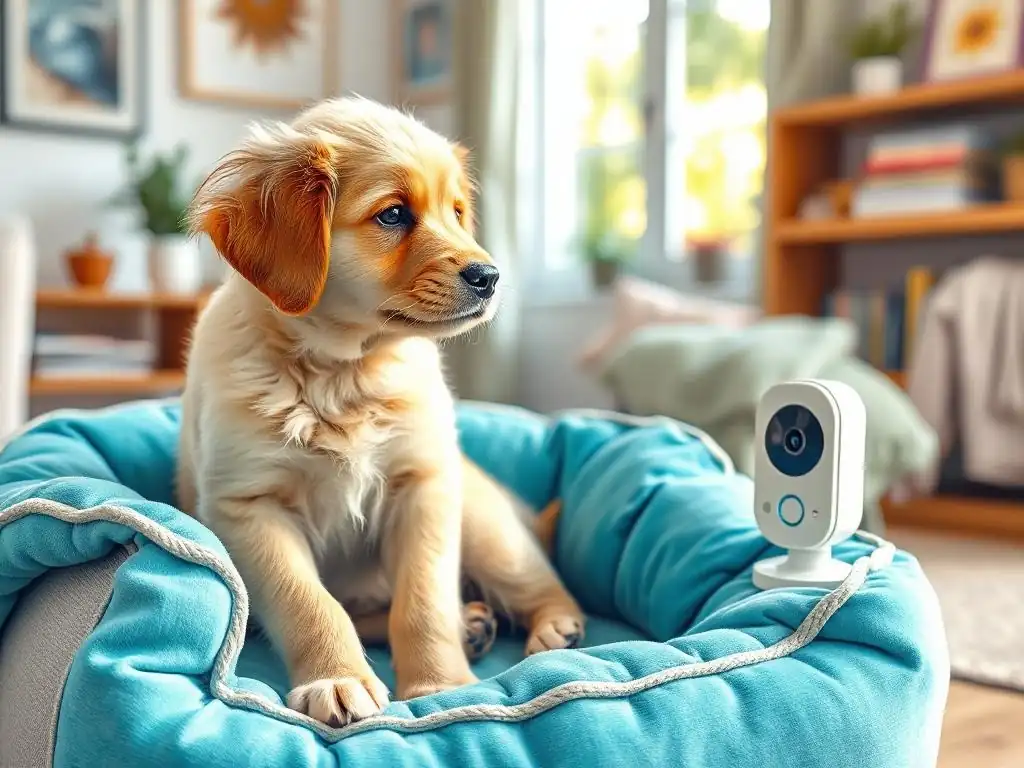

This section delves into specific behavioral issues often associated with separation anxiety and how interactive pet cameras can help mitigate these problems. Remember, every pet is an individual, and the severity of separation anxiety varies greatly. What works for one pet might not work for another. The key is observation and adaptation. Using an interactive pet camera allows for crucial remote monitoring, enabling you to tailor your approach to your pet's specific needs and better understand their triggers. This personalized approach is vital for effectively reducing pet separation anxiety.
Destructive behaviors, such as chewing furniture, digging up carpets, or scratching doors, are common manifestations of separation anxiety. These actions aren't malicious; they're often driven by stress and a need for comfort or self-soothing. An interactive pet camera provides valuable insight into when these behaviors occur. For example, you might notice your dog only chews on your shoes when you've been gone for more than two hours, suggesting a threshold for their anxiety tolerance.
By observing this pattern, you can adjust your departure routine. Perhaps gradually increasing the duration of your absences, rewarding calm behavior with treats dispensed via a treat-dispensing camera, or providing them with more engaging toys before you leave. The camera also acts as a deterrent; the mere presence of a camera can subtly influence behavior. Many pets are aware they're being observed, and this awareness can have a calming effect.
Analyzing recorded footage allows you to identify specific objects or areas that trigger destructive behavior. This allows for targeted interventions, such as removing tempting items, providing appropriate chew toys, or using deterrent sprays on particularly vulnerable areas. Remember to consult your veterinarian or a certified animal behaviorist for personalized guidance on addressing severe destructive behaviors. They can offer additional strategies and rule out any underlying medical conditions contributing to the anxiety.
Managing Excessive Vocalization During Separation
Excessive barking, meowing, or other vocalizations are another common sign of separation anxiety. These sounds not only disturb your neighbors but also indicate your pet's distress. Interactive pet cameras are invaluable in monitoring the frequency and intensity of these vocalizations. You can identify patterns, such as whether the vocalizing increases or decreases at specific times during your absence.
This information helps you understand your pet's anxiety triggers and adjust your approach. For instance, if your cat vocalizes excessively during the first hour you're gone, you might try leaving a calming pheromone diffuser or playing calming music before you leave. The camera allows you to remotely assess if these strategies are effective. It's crucial to remember that completely eliminating vocalizations might not be feasible, but reducing their frequency and intensity is a realistic goal.
Furthermore, the ability to remotely soothe your pet through the camera's two-way audio feature can significantly reduce vocalization. A calming voice or familiar sounds can often alleviate anxiety and encourage quiet behavior. Consistent use of this feature can strengthen the association between your voice and a sense of security, helping to alleviate anxiety even without your physical presence.
Using Interactive Pet Cameras with Other Anxiety-Reducing Techniques
Interactive pet cameras are not a standalone solution for separation anxiety; they are most effective when used in conjunction with other proven anxiety-reducing techniques. Think of the camera as a powerful tool that enhances the effectiveness of other methods.
Consider these complementary approaches:
- Desensitization and Counter-Conditioning: Gradually exposing your pet to the triggers of their anxiety (e.g., sounds of leaving for work) while simultaneously associating these triggers with positive experiences (e.g., treats). The camera allows for remote monitoring of their response.
- Environmental Enrichment: Providing your pet with stimulating toys, puzzle feeders, and safe spaces to explore and relax. The camera lets you observe which enrichment activities are most effective.
- Exercise and Mental Stimulation: Ensuring your pet gets sufficient physical and mental exercise before you leave can significantly reduce anxiety levels. The camera can help you monitor their activity levels.
- Professional Guidance: Consulting a veterinarian or certified animal behaviorist for personalized advice and support. They can help you develop a comprehensive plan tailored to your pet's specific needs.
By combining the real-time monitoring capabilities of interactive pet cameras with other evidence-based techniques, you significantly increase your chances of successfully reducing your pet's separation anxiety and creating a more peaceful and harmonious home environment. Remember patience and consistency are key to success in addressing this common pet behavior issue.
Long-Term Strategies for Managing Separation Anxiety
This section focuses on developing sustainable strategies to reduce pet separation anxiety, going beyond the immediate benefits of interactive pet cameras. While cameras offer real-time monitoring and interaction, long-term solutions require a holistic approach to your pet's well-being. Successfully reducing pet separation anxiety is a marathon, not a sprint.
Maintaining a Consistent Routine to Reduce Anxiety
Predictability is key to reducing anxiety in pets. A consistent daily routine provides a sense of security and reduces the uncertainty that often triggers separation anxiety. This routine should encompass feeding times, walks, playtime, and rest periods. Try to maintain a similar schedule even on weekends to avoid disrupting your pet’s sense of order. For example, a consistent routine might look like this:
| Time of Day | Activity | Notes |
|---|---|---|
| 7:00 AM | Morning walk and feeding | Ensure a consistent route and feeding amount |
| 8:00 AM - 5:00 PM | Work/Daytime Activities | Utilize interactive camera for check-ins |
| 5:00 PM | Evening walk and playtime | Engage in active play to burn energy |
| 6:00 PM | Dinner and quiet time | Create a calming atmosphere |
| 9:00 PM | Bedtime | Consistent bedtime routine |
Sticking to this routine, or a similar one tailored to your pet’s needs, minimizes unexpected changes that can exacerbate anxiety. Remember, even small variations can disrupt the sense of security you're trying to build. Consider creating a visual schedule using pictures if your pet is particularly sensitive to change.
The Importance of Regular Exercise and Playtime
Physical and mental stimulation are crucial for reducing separation anxiety. A tired pet is less likely to experience intense anxiety when left alone. Ensure your pet gets adequate exercise, tailored to their breed and energy levels. This might involve daily walks, runs, playtime in a park, or interactive games at home. For example, a high-energy dog might need two long walks and several playtime sessions, while a more sedentary cat might benefit from interactive toys and climbing structures.
Regular playtime isn't just about physical exertion; it also strengthens the bond between you and your pet. It provides opportunities for positive interaction and builds trust, making them feel more secure even when you're not physically present. Consider incorporating puzzle feeders into their routine to provide mental stimulation and keep them occupied. This helps them develop coping mechanisms for being alone. Remember to adjust the intensity and duration of exercise and playtime based on your pet's breed, age, and health.
Ongoing Monitoring and Adjustment of Strategies
Reducing separation anxiety is an iterative process. What works for one pet might not work for another. Continuous monitoring is essential to assess the effectiveness of your chosen strategies. Interactive pet cameras are invaluable for this purpose, allowing you to observe your pet's behavior when you're away. Note any patterns, triggers, and responses to the implemented strategies.
If you notice your pet still exhibits signs of anxiety despite your efforts, don't hesitate to adjust your approach. This might involve increasing the duration of exercise, changing the routine, introducing calming aids like pheromone diffusers, or consulting a veterinarian or certified animal behaviorist. Remember, patience and persistence are crucial. The goal is to create a safe and secure environment for your pet, minimizing their stress and anxiety while you're away. Data collection through observation and adjustment is key to successfully reducing pet separation anxiety long-term. 🐾
Frequently Asked Questions
How can interactive pet cameras help with separation anxiety?
Interactive pet cameras offer real-time interaction with your pet, reducing their feelings of loneliness. You can talk, play, and dispense treats remotely, providing comfort and distraction while you're away. This helps alleviate anxiety triggers.
What are the signs my pet has separation anxiety?
Signs include excessive barking or meowing, destructive behavior like chewing or scratching, inappropriate elimination, and excessive pacing or panting when left alone. Consult a vet if you suspect anxiety.
Are all interactive pet cameras created equal? What should I look for?
No. Look for cameras with high-quality audio and video, features like two-way communication and treat dispensing, and reliable connectivity. Consider features like night vision and motion detection for optimal monitoring.
Can interactive pet cameras completely cure separation anxiety?
While interactive cameras are a valuable tool, they are not a cure-all. They're most effective when combined with other strategies like training, environmental enrichment, and potentially medication prescribed by a veterinarian.
How do I introduce my pet to a new interactive pet camera?
Introduce the camera gradually, initially keeping it on but inactive. Then, use it intermittently to dispense treats or talk to your pet in a soothing voice before leaving for longer periods. Positive associations are key.
Final Reflection: Reuniting Hearts, One Camera at a Time
The pervasive problem of pet separation anxiety is not just a minor inconvenience; it's a significant welfare issue impacting millions of pets and their owners. Interactive pet cameras offer a powerful, technologically advanced solution to alleviate this distress, bridging the gap between pet and owner even when physically apart. This technology isn't just a gadget; it's a lifeline for anxious animals and a source of comfort for their worried guardians.
The impact of these devices extends beyond the individual pet; they are reshaping our relationship with our animal companions. We are moving beyond simple observation to active engagement, fostering stronger bonds and a deeper understanding of our pets' emotional needs. The bond between humans and animals is one of the most powerful and enriching relationships we can have. Technology should enhance, not replace, this connection.
This quote perfectly encapsulates the spirit of responsible pet ownership in the digital age. Interactive cameras are a tool, not a replacement for genuine interaction, but a tool that can significantly improve the quality of life for both pets and their people.
Now, consider your own pet. Do they exhibit signs of separation anxiety? Take a moment to reflect on their behavior when you leave and consider how an interactive pet camera might ease their distress. Perhaps it's time to explore this technology and experience firsthand the peace of mind it can bring, knowing your furry friend is not alone and feeling loved, even when you're away. Let's work together to create a world where fewer pets suffer from the heartache of separation anxiety.
Unleash Peace of Mind: Connect with Your Furry Friend Today!
Thank you for learning about how interactive pet cameras can ease your pet's separation anxiety. We hope you found helpful information on creating a more comfortable and secure environment for your beloved companion. Now, let's take action:
- Prioritize your pet's well-being by choosing an interactive pet camera. Look for features like two-way audio, treat dispensers, and laser pointers to keep your pet entertained and engaged while you're away.
- Share your experience! Tell us about your favorite ways to comfort your pet when you're away on our PetCareWorld community forum – we'd love to hear your tips and tricks!
- Create a calming routine for your pet before you leave, incorporating familiar toys and comforting scents to minimize anxiety.
Ready to give your furry friend the gift of comfort and connection? What's the first step you'll take today to alleviate your pet's separation anxiety?