The Impact of Indoor Heating on Your Dog's Health This Winter
😊 Keep your canine companion cozy and healthy this winter! Learn how indoor heating affects dog health, and discover practical tips to…
Read article
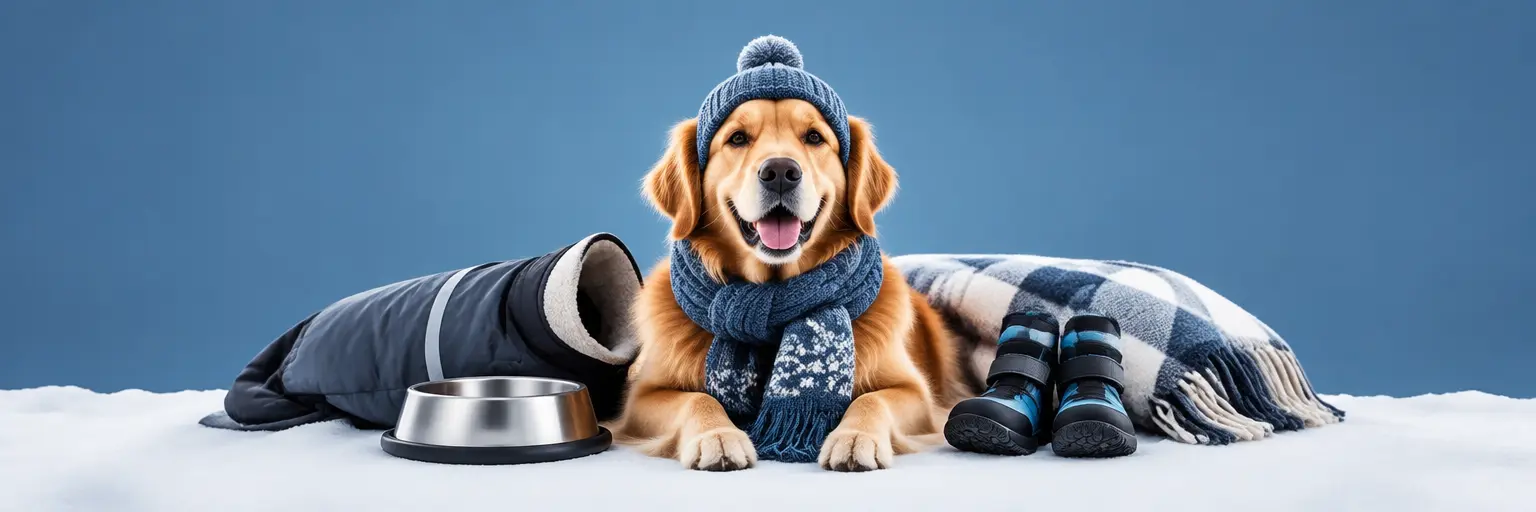
As the temperature drops and snow begins to fall, your furry friend needs extra attention to stay safe, warm, and healthy. Winter care for dogs goes beyond just bundling up—it involves protecting sensitive paws from ice and salt, adjusting nutrition for changing energy levels, and recognizing the subtle signs of hypothermia or frostbite. At PetCareWorld, we provide expert, practical advice to help you navigate the chilly months with confidence, ensuring your canine companion enjoys every snowy adventure while staying cozy indoors. From winter grooming tips to emergency cold-weather protocols, our guide empowers you to turn frosty days into fun-filled bonding time. ❄️🐾
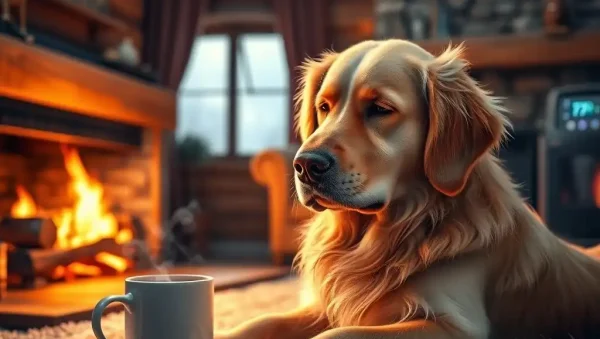
😊 Keep your canine companion cozy and healthy this winter! Learn how indoor heating affects dog health, and discover practical tips to…
Read article
🐶 Is your dog sneezing more this winter? PetCareWorld's expert guide to dog winter allergy treatment helps identify seasonal reactions and provides…
Read article
😊 Winter presents unique challenges for senior dogs. PetCareWorld offers expert senior dog winter care tips to ensure your aging companion stays…
Read articleWinter brings frosty walks, dry indoor heat, and hidden hazards that can affect your dog's health and happiness. At PetCareWorld, our Winter Care for Dogs subcategory delivers expert-backed guidance to help you navigate cold weather challenges with confidence. From paw protection and coat care to nutrition adjustments and recognizing early signs of hypothermia, this resource equips you with practical, actionable tips to ensure your furry friend thrives through snow, sleet, and freezing temperatures. Whether you're a new puppy parent or a seasoned dog owner, you'll find tailored solutions that prioritize safety, comfort, and enjoyment during the chilliest months.
Not every dog is built for winter romps. Factors like breed, size, age, and health status dramatically influence how well your pup handles low temperatures. Short-coated breeds like Chihuahuas or Greyhounds lose heat quickly, while thick-coated Huskies and Malamutes thrive in snow. Puppies, seniors, and dogs with arthritis or diabetes also face higher risks. This section breaks down the science of canine thermoregulation and offers a practical temperature guide to help you decide when outdoor time is safe and when it's time to stay indoors.
You'll also learn to recognize subtle signs of discomfort, such as shivering, reluctance to walk, lifting paws, or whining. We'll explain how wind chill and moisture affect perceived temperature and provide breed-specific recommendations for extra protection. By understanding your dog's unique cold tolerance, you can plan walks and play sessions that are both enjoyable and safe, preventing frostbite or hypothermia before they become serious issues.
Dressing your dog for winter isn't just a fashion statement—it's often a necessity. This section covers the essentials of choosing the right dog coat or sweater for your pet's size and activity level. Look for waterproof materials with a warm lining, while avoiding anything too restrictive that could limit movement or cause chafing. We'll also highlight reflective gear that boosts visibility during short, dark winter days, crucial for evening walks. Proper fit matters, so we include a step-by-step measuring guide to ensure optimal comfort and coverage.
Paw care is equally critical. Ice, salt, and chemical deicers can crack paw pads and cause irritation or burns. We'll teach you how to apply protective balms before walks, plus how to rinse and inspect paws afterward. For extreme conditions, consider doggy booties with non-slip soles—we'll show you how to get your dog accustomed to wearing them without stress. Booties not only shield from cold surfaces but also prevent painful ice balls from forming between toes, keeping your companion comfortable and eager for every winter adventure.
Your dog's dietary needs shift in winter. Active dogs may require up to 15-30% more calories to maintain body heat, while sedentary indoor dogs might need fewer to avoid weight gain. This section explains how to assess your dog's body condition and adjust portion sizes accordingly. We'll discuss the benefits of adding healthy fats like fish oil to support skin and coat health, which becomes especially important when dry indoor heat leads to flaky, itchy skin. Always consult your vet before major diet changes, but these guidelines offer a solid starting point.
Hydration is often overlooked in cold months. Dogs can become dehydrated just as easily in winter as in summer, especially if they're active outdoors. Outdoor water bowls freeze quickly, so we'll recommend insulated bowls or frequent water changes to encourage drinking. We'll also highlight warning signs of dehydration, such as lethargy, dry gums, or sunken eyes. By keeping your dog's food and water routines tuned to seasonal demands, you'll support their immune system and energy levels, making them better equipped to handle winter's stresses.
A cozy home is a winter haven, but it must also be a safe one. This section addresses common household hazards like space heaters, fireplaces, and electric blankets, which can easily burn a curious dog. We'll teach you how to pet-proof heating sources, use safety gates, and establish a designated warm sleeping area with plush bedding that's elevated off cold floors. Ensure your dog's bed is draft-free and placed away from windows or doors where cold air seeps in. Radiant heat pads should only be used on low settings with chew-proof cords.
Indoor air quality also matters. Heaters and fireplaces dry out the air, exacerbating respiratory issues and causing skin dryness. We'll recommend using a humidifier to maintain balanced moisture levels and help your dog's nasal passages stay hydrated. Bathing routines should adapt too—less frequent baths prevent strip natural oils, but when needed, use lukewarm water and thoroughly dry your dog. Finally, maintain mental stimulation with indoor games and puzzle toys to prevent cabin fever, keeping your dog's cognitive health sharp even when outdoor exercise is limited by bitter conditions.
Winter brings specific health risks beyond the common cold. Hypothermia and frostbite are genuine dangers, especially for smaller or short-coated breeds. This section outlines early warning signs, such as intense shivering, weakness, pale gums, or ice crystals on skin, and gives step-by-step first aid guidance while you seek veterinary care. We also cover antifreeze poisoning—a lethal but sweet-tasting threat. Learn to spot spills, store chemicals securely, and know immediate action steps if ingestion occurs. Your quick response can be lifesaving.
Additionally, winter can exacerbate joint pain in older dogs with arthritis, making movement difficult. We'll suggest joint supplements like glucosamine, gentle indoor exercises, and heated pet beds to soothe stiffness. Dry skin, cracked paw pads, and ear infections from moisture trapped under floppy ears are also common—we'll show you preventive care routines. By staying vigilant and proactive, you can catch issues early and maintain your dog's overall wellness through the season, ensuring they remain happy and active participants in your winter lifestyle.
Cold weather doesn't mean your dog must become a couch potato. This section highlights safe, enjoyable winter activities like snow-ball fetch, hide-and-seek indoors, and treadmill training for high-energy breeds. We'll guide you on creating a backyard obstacle course using non-slip mats and tunnels, perfect for burning energy without risking frigid temperatures. For dogs that love the snow, we'll share tips on building snow mazes or teaching them to dig safely, turning their natural instincts into positive playtime.
When outdoor adventures are on the agenda, we'll stress the importance of shorter, more frequent walks instead of long treks. Learn how to warm up your dog properly before activity and cool down afterward to prevent muscle strain. We'll also discuss indoor games that stimulate their nose and brain—like treat-dispensing puzzles or scent-work games—which are excellent for mental enrichment during long days stuck inside. With these creative alternatives, you can maintain your dog's fitness and emotional well-being, making winter a season of enriching experiences rather than sedentary boredom.
Use a paw balm before walks to create a moisture barrier, and thoroughly rinse paws with warm water afterward to remove deicers. Consider investing in properly fitted booties for extreme temperatures, and trim the hair between toes to reduce ice ball formation. Always inspect for cracks, cuts, or redness after outdoor time and treat any issues promptly.
Generally, temperatures below 45°F (7°C) require caution, while below 32°F (0°C) is risky for small, short-coated, or senior dogs. For anything under 20°F (-6°C), all dogs should have limited outdoor time—no more than 10-15 minutes. Watch for shivering or reluctance to move, and always err on the side of caution with indoor breaks.
Shivering can indicate illness, pain, or anxiety, but cold is the most common cause. Check for drafts, provide warm bedding, and ensure your home's temperature is comfortable for your pet. If shivering persists even when warm, consult your vet to rule out medical issues like fever, hormone imbalances, or joint pain.
Only if your dog spends significant time outdoors and maintains a high activity level. Outdoor working dogs may need 15-30% more calories, but indoor pets often need fewer. Monitor your dog's weight and body condition, adjusting portions or switching to a higher-quality formula if needed. Always consult your vet for personalized recommendations.
Yes, but with precautions. Check that the park's pathways are clear of ice and chemicals. Keep visits short, especially in extreme cold, and watch for signs of discomfort. Avoid parks where frozen ponds may have thin ice—dogs can easily break through. After play, dry and warm your dog thoroughly to prevent chills.







