Building a Flyball Superstar: Proven Techniques for Speed and Agility
😊 Unleash your canine's inner champion! PetCareWorld's guide reveals proven flyball dog training techniques to boost speed and agility, transforming your pet…
Read article
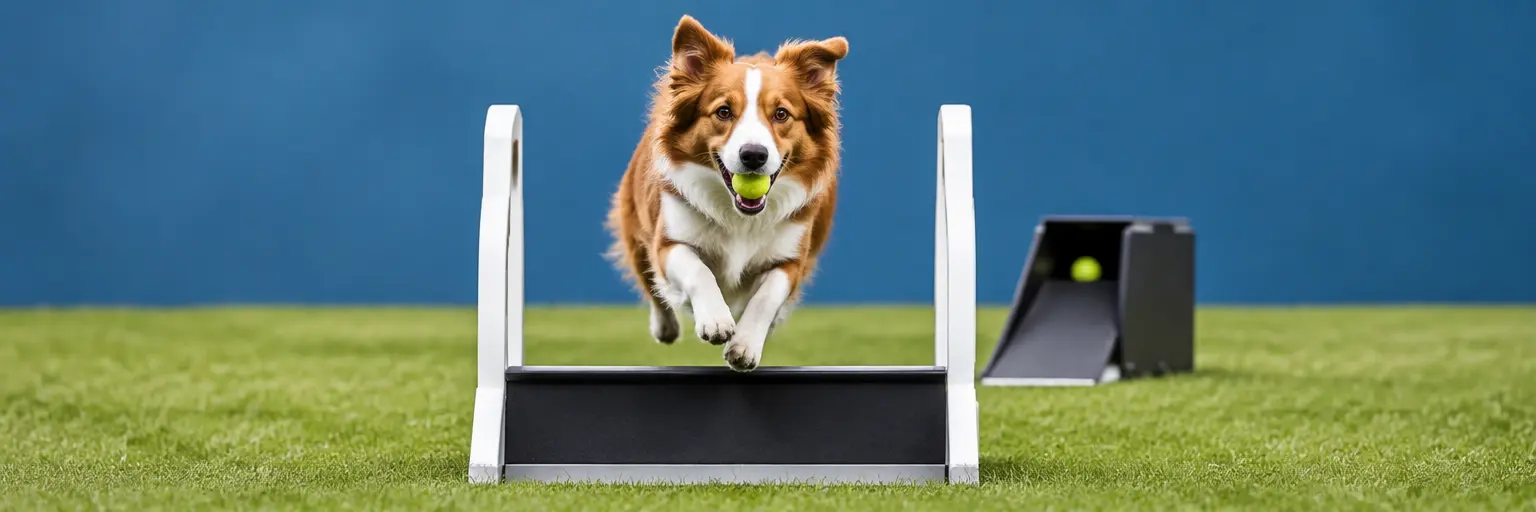
Flyball training for dogs is an electrifying, high-energy team sport that transforms your pup into a fast, focused, and agile athlete while deepening your bond through positive reinforcement. At PetCareWorld, we break down the essentials—from foundational obedience and box-stall techniques to flawless relay baton passes—so you can safely introduce your canine companion to this thrilling canine relay race. Whether you have a ball-obsessed retriever or a clever mixed breed, our step-by-step flyball drills help improve speed, coordination, and mental sharpness, all while burning off excess energy in a structured, fun-packed environment. Boost your dog’s confidence, social skills, and physical fitness with expert tips on equipment setup, hurdle heights, and injury prevention. Discover how to teach the “swimmer’s turn” off the spring-loaded box, master the four-dog relay format, and even compete in local tournaments. With our practical guidance, you’ll turn everyday backyard play into a competitive edge—ready to unleash your dog’s inner champion. Start your flyball journey today and watch your pup race, jump, and retrieve their way to a happier, healthier life! 🐾🏆⚡
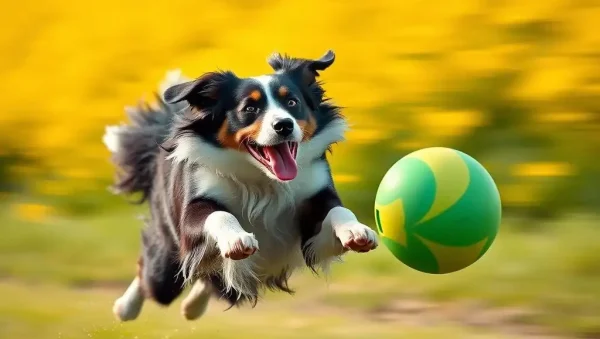
😊 Unleash your canine's inner champion! PetCareWorld's guide reveals proven flyball dog training techniques to boost speed and agility, transforming your pet…
Read article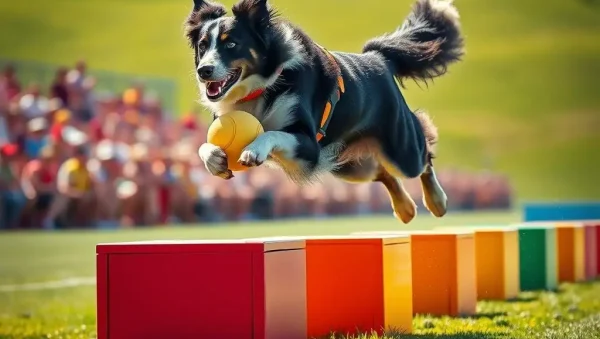
😊 Unleash your dog's full potential! PetCareWorld presents advanced dog flyball training drills to propel your canine competitor beyond the basics and…
Read article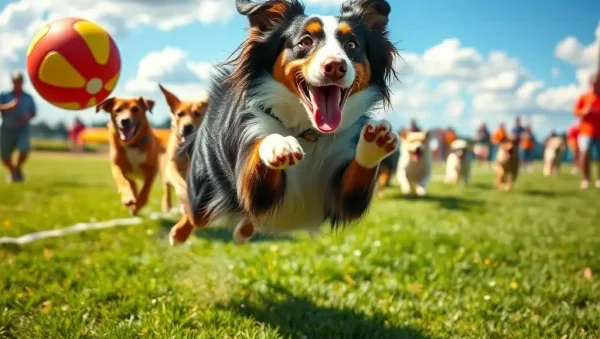
😊 Reward your canine companion's progress! This PetCareWorld guide celebrates key flyball training milestones for dogs, offering tips and encouragement to keep…
Read articleWelcome to PetCareWorld’s dedicated guide to Flyball Training for Dogs, a high-energy relay sport that combines agility, obedience, and pure canine joy. Whether you have a hyperactive puppy or a seasoned competitor, this subcategory covers everything from foundational skills to advanced relay strategies. Flyball is not just about speed—it’s about building a reliable recall, teaching precise jumping, and fostering a strong bond between you and your dog. Here, you’ll discover step-by-step training methods, gear recommendations, and troubleshooting tips to help your dog excel on the flyball course while staying happy, safe, and mentally stimulated.
Before your dog can race, you need the right tools and environment. Flyball courses consist of four hurdles spaced 10 feet apart, a flyball box that releases a tennis ball on trigger pressure, and an electronic timer (optional for practice). At PetCareWorld, we recommend starting with adjustable, non-slip hurdles set to your dog’s knee height—this reduces injury risk and builds confidence. Invest in a durable, spring-loaded flyball box with adjustable trigger tension, as softer triggers are ideal for beginners. Always practice on a flat, non-slip surface like grass or rubber matting to protect your dog’s joints. Our guides also cover using a tug toy or ball launcher for reward-based drills, ensuring your dog associates the equipment with positive playtime.
Additionally, understand the official flyball dimensions (51 feet long, 5 feet wide) if you plan to compete, but for home practice, you can shrink distances to 6-8 feet between hurdles. We emphasize measuring your dog’s stride length to customize hurdle spacing, preventing overreaches or awkward landings. You’ll also find tutorials on building a DIY flyball box for budget-conscious owners, plus a checklist for safety inspections—like checking for loose springs or worn tennis balls. Remember, flyball is a sport where equipment consistency matters; changing variable positions confuses dogs, so mark your course with cones or tape until your dog memorizes the layout.
The flyball box is the heart of the sport—your dog must hit the pedal with his front paws, launch the ball into a chute, catch it mid-air, and return over all hurdles. Start by teaching a two-paw “box pressure” trick: have your dog target a platform with his front feet, then gradually introduce a sticky pad or clicker to mark the exact paw placement. Never rush this step; proper trigger mechanics prevent shoulder strain and improve speed. Use a “nose bump” alternative if your dog struggles with paw targeting, but competitive rules favor paw hits. Integrate the ball release by setting the box to drop a ball backward, so your dog learns to pivot his body, catch the ball, and instantly turn—a motion called a “swimmer’s turn.”
Next, build a solid retrieval sequence: “front cross” before the box (dog passes in front of you), then “back cross” after the catch (dog returns on your opposite side). Use a verbal cue like “Go touch!” followed by a release word like “Get it!”. Daily 5-minute sessions are better than longer, tiring drills. Practice with the box at varying heights and angles, and pair every successful trigger with a high-value treat or a flirt pole for play. We also cover common troubleshooting: if your dog hesitates to hit the box, increase the reward rate; if he misses the ball, slow down the chute or add a louder popper sound. Remember, patience and positive reinforcement are your greatest allies.
Flyball is won on the ground—smooth hurdle jumping and rapid recovery beat raw sprinting. Start with a single low hurdle (2-4 inches) and use a lure or thrown toy to encourage confident jumps. Gradually increase hurdle height to your dog’s recommended clearance (shoulder height minus 2-3 inches) and widen the distance between hurdles as your dog’s stamina builds. Focus on “collection”: teach your dog to shorten his stride slightly before each hurdle to avoid knocking bars. Use a clicker to mark clean jumps, and if your dog weaves or veers off course, add guide tape on the ground or use a fence line initially. We provide interval training plans—like 4 hurdles at full speed, rest 30 seconds, repeat—to improve explosive acceleration and agility.
Another key drill is “tunnel vision” training: set up two parallel lanes with visual barriers (cones or low boards) so your dog runs straight between hurdles every time. For dogs that tend to skip the last hurdle in excitement, place a treat near the flyball box as a visual magnet. Also, practice with a handler running beside your dog to mimic race-day conditions, gradually reducing your own speed until your dog runs ahead confidently. Remember, joint safety is critical—never train on hard pavement; always use soft turf. And schedule rest days: flyball is high-impact, so 2-3 sessions per week with 48-hour gaps prevent injuries like muscle strains or ligament tears.
Flyball is a team sport—your dog must learn to wait calmly in the start box, release on a cue, and run in a straight lane even with other dogs racing beside him. Start by practicing “stay” near the starting line while you throw a ball to another person, then release your dog with a “Go!” command. Gradually introduce a second dog running in an adjacent lane, but keep 20-foot separation initially. Teach your dog to ignore the other dog’s ball by using different colored balls and high-value rewards only when he brings back his own. We also cover the “pass” concept: if your dog returns before the next dog has left, he must cross behind you to reset—practice this with a moving “Swedish turn” or a pivot on his rear.
Lane discipline means your dog stays within a 5-foot width, so mark boundaries with cones and correct any drifting with a firm “No” and a redirect back to center. For advanced teams, run “broken relay” drills where one dog runs, then another, with a 0.5-second handoff—this teaches your dog to recognize the starting gun and his specific turn. Use a tug toy as a reward for a clean pass, not a treat, to maintain high arousal without overeating. We also emphasize sportsmanship: never allow your dog to charge another dog’s lane, and always practice with well-socialized, neutral dogs to avoid territorial aggression. Positive team dynamics make flyball a joyful experience, not a pressure cooker.
Flyball venues are loud—crowds, barking, whistles, and flashing lights—so your dog needs robust mental resilience. Begin by exposing your dog to flyball-specific sounds (like a clicker, timer beeps, or box spring noise) at low volume while rewarding calm behavior. Then, practice drills in increasingly noisy environments, using peanut butter on a lick mat or a long chew as a relaxation tool. Teach a solid “settle” command to use between heats, and create a pre-race ritual—like a specific hand signal or a quick nose-touch—that grounds your dog before each run. We provide a 4-week desensitization schedule: week one for sounds, week two for visual distractions, week three for crowd movement, and week four for full simulated race atmosphere.
Focus training also includes impulse control: have your dog wait at the start line while you throw a ball in front of him, only allowing him to chase when you say “Take it!”. This builds self-restraint, crucial for avoiding early breaks. Another technique is “look at that” (LAT) training—watch other dogs from a distance, then look back at you for a treat, raising your dog’s threshold for distraction. For anxious dogs, use a calming supplement or consult a veterinarian about anxiety support, but never force exposure. Mental fatigue is as real as physical, so cap training sessions at 15 minutes and end with a gentle massage or a sniffy walk to decompress. A confident, calm mind translates directly to faster, cleaner runs.
Ready to compete? Understand flyball regulations from the North American Flyball Association (NAFA) or your local governing body. Standard races feature two teams of four dogs, each running in a side-by-side lane, and the first team to have all dogs finish without errors wins. Errors include premature release, dropping the ball, or missing a hurdle. Learn the official dimensions, start line markings, and timer rules—your dog must cross the electronic beam with his back legs clear. We break down registration fees, team eligibility, and how to find a local practice club. Also, preregistration for tournaments often requires proof of vaccinations and negative fecal tests, so plan vet visits 2-3 weeks before an event.
Common mistakes to avoid: overtraining before a trial (taper to 1-2 sessions the week prior), changing rewards the day of, or yelling commands when your dog is racing—use short, sharp cues. Also, many handlers forget to practice with a substitute handler in case of illness or injury. We provide a pre-trial checklist: pack extra tennis balls, a portable water bowl, and your dog’s favorite toy for downtime. On race day, arrive early to walk the course, let your dog sniff, and do one rehearsal run if permitted. Celebrate every run, regardless of placement, and keep post-trial recovery light—a nap and a bone, not a sprint. Flyball is about connection, so enjoy the process and your dog will mirror your enthusiasm.
Puppies can begin basic obedience and hurdle walking at 6 months, but full jump training is best after 12-18 months once growth plates close. Start with low hurdles and focus on body awareness; never force a puppy to jump high. Consult your vet for a personalized readiness assessment.
On average, 6-12 months of consistent practice (2-3 sessions weekly) is needed to build a solid foundation and compete at a beginner level. Fast learners may progress in 4 months, while shy or distraction-prone dogs may need longer. Focus on quality over speed.
Yes, most active breeds can participate, from Border Collies to mixed breeds. Height groups are divided by hurdle jump height, so small dogs like Jack Russells or even Corgis can excel. However, very long-backed breeds (like Dachshunds) require vet approval due to spinal strain.
A high-value tug toy is ideal because it mimics the ball chase and maintains drive. Many handlers use a tennis ball on a rope or a fleece tug. For dogs not toy-motivated, use tiny meat treats, but reward immediately after the catch to reinforce the behavior chain.
Practice the “give” command separately with low distraction, then add hurdles. Use a second ball as a lure to trade, or reward with a jackpot treat when he holds the ball across the finish line. Avoid chasing him to retrieve the ball—wait for him to come to you.







