The Scoop on Poop: Responsible Waste Management at the Dog Park
😊 Keep your dog park pristine! Our Dog park poop disposal guide provides essential tips for responsible waste management, ensuring a clean…
Read article
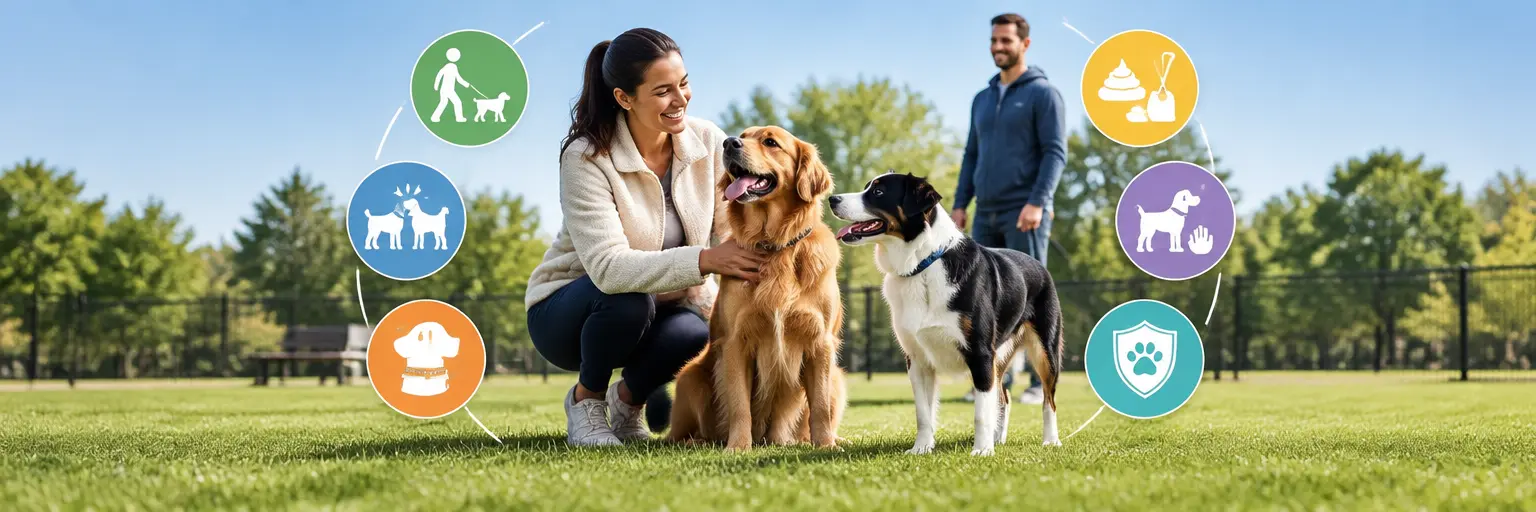
Master dog park etiquette and safety to turn every visit into a joyful, stress-free adventure for you and your furry best friend. From reading canine body language to knowing the golden rules of off-leash play, our expert tips help you avoid conflicts, prevent accidents, and build positive social skills. Whether you’re a first-timer or a seasoned regular, we cover essential leash protocols, proper toy sharing, and how to handle unexpected situations with confidence. Keep your pup safe, respectful, and happy while fostering a welcoming community for all dogs and owners—because a great park day starts with smart preparation and mindful actions. Dive in to learn the unspoken rules every responsible pet parent must know! 🐾
😊 Keep your dog park pristine! Our Dog park poop disposal guide provides essential tips for responsible waste management, ensuring a clean…
Read article
😊 Beat the heat and keep your canine companion safe this summer! PetCareWorld offers essential safe dog park summer tips to ensure…
Read article
🤔 Dog parks offer socialization, but harbor hidden dangers. Learn crucial dog park disease prevention tips in our expert guide, protecting your…
Read articleVisiting a dog park is an excellent way to provide your canine companion with essential exercise and socialization, but it comes with its own set of unwritten rules and potential hazards. At PetCareWorld, we understand that a successful trip depends on knowing proper dog park etiquette and implementing safety measures that protect your pet, other dogs, and fellow owners. This comprehensive guide covers everything from reading canine body language to handling off-leash emergencies, ensuring that every visit is enjoyable and stress-free for everyone involved.
Before unleashing your dog, always take a moment to read the posted rules at your specific park. These regulations often include leash requirements, designated areas for small and large dogs, and restrictions on treats or toys that can trigger resource guarding. Adhering to these guidelines not only keeps your dog safe but also demonstrates respect for the community that uses the park. Many parks also have specific hours, vaccination requirements, and age limits for puppies, so familiarize yourself with these details to avoid conflicts.
Pay close attention to the park’s entry and exit system, which typically involves a double-gated area to prevent escapes. Always remove your dog’s leash only inside the designated off-leash zone, and keep the collar on with ID tags at all times. If a park requires proof of vaccinations, carry a copy with you or have the information readily accessible on your phone. Following these simple steps establishes a positive precedent and reduces the risk of accidents or disputes with other dog owners.
Understanding what your dog is communicating—and what other dogs are signaling—is the cornerstone of preventive safety at any dog park. Look for relaxed postures, loose wagging tails, and play bows as signs of friendly interaction. Conversely, stiff bodies, raised hackles, prolonged staring, or growling can indicate stress or aggression, and you should intervene calmly but immediately. Learning these cues helps you prevent fights before they start and allows you to remove your dog from uncomfortable situations.
Equally important is recognizing when your dog is overwhelmed or overtired, even if they are not showing obvious aggression. Excessive yawning, lip licking, or avoiding other dogs are subtle indicators of anxiety. When you notice these signs, it’s time to take a break or leave the park entirely. By consistently supervising your dog and intervening at the first sign of tension, you not only protect your own pet but also contribute to a safer, more harmonious environment for all park visitors.
Dog parks can be overwhelming for puppies and shy or reactive dogs, so it is crucial to introduce them gradually and positively. Start with short visits during quieter hours, such as early mornings on weekdays, when there are fewer dogs and less stimulation. Keep your puppy on a leash inside the park until they show confidence and comfort, and never force interactions with unfamiliar dogs. This gradual approach builds a positive association with the park, reducing the likelihood of fear-based aggression later in life.
For shy dogs, consider visiting the small-dog area regardless of size if that feels safer, or seek out parks with separate sections for low-energy and senior dogs. Always carry high-value treats to reward calm behavior and use recall commands frequently to keep your dog focused on you. If your dog seems persistently anxious or reactive, consult a professional trainer or behaviorist before returning. Remember, dog park socialization is not mandatory; your dog can thrive with one-on-one playdates or structured group classes instead.
Despite your best efforts, emergencies can happen, and knowing how to respond can save lives. In the event of a dog fight, remain calm, avoid grabbing collars or reaching into the fray, and use a loud noise like an air horn or a sharp “NO!” to distract the dogs. Alternatively, use a nearby water hose or throw a jacket over one dog’s head to break their focus. Never attempt to pull fighting dogs apart by the tail or limbs, as this often escalates the aggression and increases injury risk for both animals and humans.
After any altercation, separate the dogs and check for puncture wounds, which may not be immediately visible due to fur. Clean minor wounds with antiseptic and monitor for signs of infection, but always seek veterinary care for any bite, as dog saliva contains harmful bacteria. Additionally, be vigilant about heatstroke, especially during summer months; symptoms include excessive panting, drooling, lethargy, and vomiting. Provide fresh water, move your dog to shade, wet them with cool (not ice-cold) water, and seek emergency veterinary attention if symptoms persist.
Positive communication with fellow park-goers is essential for maintaining a friendly and safe atmosphere. If you see a dog exhibiting aggressive behavior, politely inform the owner while remaining non-confrontational. Similarly, if your own dog is causing issues, accept feedback gracefully and take immediate corrective action to leash or remove them. Practicing mutual respect prevents minor misunderstandings from escalating into heated arguments or physical confrontations, which can stress dogs and ruin the park experience for everyone.
Also, respect personal space and boundaries—not every owner wants your dog to greet theirs, and not every dog enjoys the company of others. Ask before letting your dog approach, and never allow your dog to jump on people or children, even if they appear friendly. Keep your phone stored away while supervising your dog, as distractions can lead to missed warning signs and accidents. By prioritizing communication and courtesy, you help foster a welcoming and secure environment where both dogs and their humans can relax and have fun.
Preparation is key to a successful dog park outing, so always pack a dedicated bag with must-have items. Include a leash, collapsible water bowl, fresh water, and waste bags at minimum. Bring along a clean-up kit for minor wounds, such as antiseptic wipes and gauze, as well as your dog’s vaccination records in case they are requested. A well-fitted harness or martingale collar can provide better control during emergencies, and a GPS tracker or ID tag with updated contact information adds an extra layer of security.
Be mindful of what you leave at home: squeaky toys, tennis balls, and food treats often incite resource guarding and fights, so leave them in the car. Also, avoid bringing dogs in heat, sick pets, or unvaccinated puppies. If your dog is on a special medication or has known allergies, inform other owners only if relevant, and always carry any necessary emergency medication, like an EpiPen. Checking the weather forecast and choosing times when the park is less crowded can also reduce stress and ensure a more pleasant visit overall.
First, do not reach into the fight. Use a loud noise or water to distract the dogs, then separate them. Exchange contact information with the other owner and immediately check both dogs for injuries, seeking veterinary care for any bite wounds. Report the incident to park authorities if necessary, and consider avoiding the park until the situation is resolved.
Most dog parks prohibit treats because they can cause resource guarding and aggression among dogs. Instead, reward your dog with praise, petting, or a toy during breaks outside the off-leash area. If you must bring treats, keep them hidden and only use them when your dog is safely leashed and away from other dogs.
Puppies under four months old typically lack full vaccination coverage and are highly susceptible to diseases, so postpone visits until they are fully protected. Additionally, puppies younger than six months can be easily overwhelmed by rough play. Start with short, controlled visits during quiet hours and leave immediately if your puppy shows fear or fatigue.
Yes, but it requires close supervision. Some dogs become more confident in pairs and may engage in frantic group play that escalates. Keep both dogs under recall, and watch for signs of pack behavior, such as ganging up on another dog. If you see this, separate them or leave the park to prevent unintended conflicts.
Politely but firmly alert the owner to the behavior, and if they do not respond, remove your dog from the area and report the incident to park management. Never intervene physically with a strange dog. Your priority is your own dog’s safety, so leaving the park early is always a valid and conscientious choice.







