How to Introduce Your Dog to Nail Trimming: A Gradual Approach
😊 Successfully introducing your dog to nail trimming requires patience. This Dog nail trimming introduction guide from PetCareWorld uses a gradual approach,…
Read article
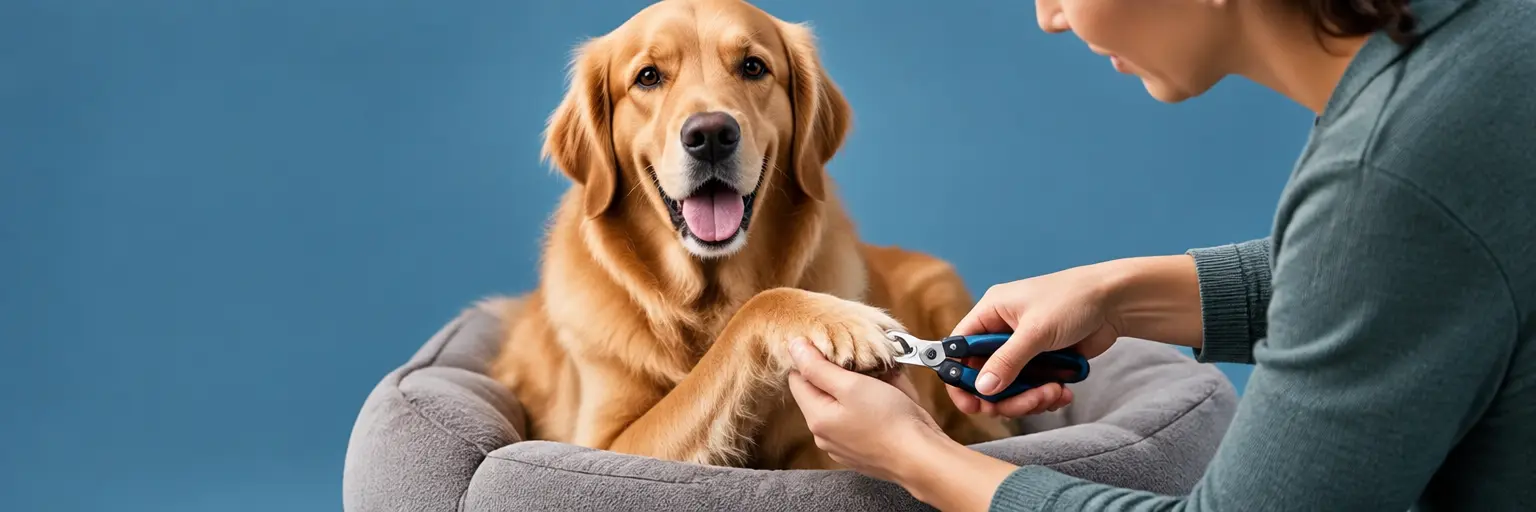
Mastering dog nail trimming is a vital part of responsible pet ownership, yet it’s a task many owners dread. At PetCareWorld, we turn this anxiety into confidence with step-by-step guides, safety tips, and tool recommendations that make the process stress-free for both you and your furry friend. From learning the correct angle to avoid the quick, to using positive reinforcement for calm, cooperative pups, our expert advice covers everything from puppies to senior dogs. Whether you’re using clippers, grinders, or seeking professional alternatives, we help you maintain healthy paw health, prevent painful splits, and reduce the risk of infection. With our practical solutions, you’ll transform nail care into a quick, routine bonding moment—ensuring your dog walks comfortably and confidently. Discover the best practices, common mistakes to avoid, and how to handle anxious or wiggly dogs with ease. Trust PetCareWorld to be your go-to resource for safe, effective, and rewarding nail trimming, keeping your pet happy, active, and free from discomfort. 🐾✂️
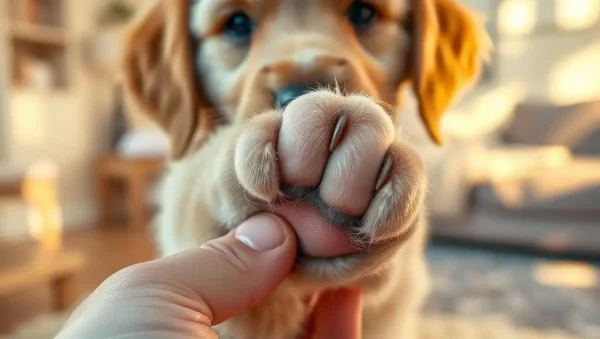
😊 Successfully introducing your dog to nail trimming requires patience. This Dog nail trimming introduction guide from PetCareWorld uses a gradual approach,…
Read article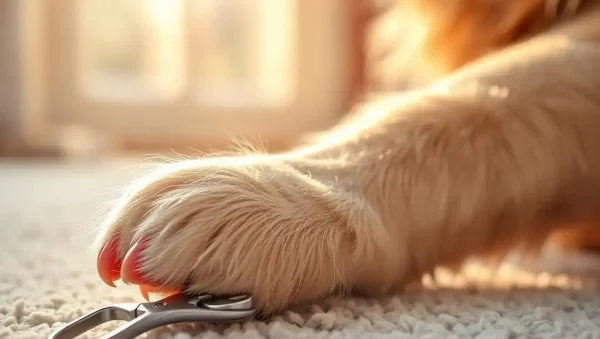
😊 Prevent painful injuries and infections! PetCareWorld's dog nail trimming guide provides expert advice and step-by-step instructions for safe and effective nail…
Read article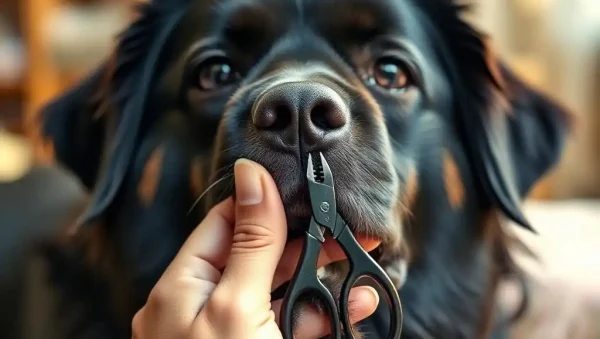
😊 Trimming black dog nails safely can be tricky. PetCareWorld guides you through the process, offering expert tips to avoid quicking and…
Read articleKeeping your dog’s nails properly trimmed is more than just a cosmetic task; it is a crucial component of their overall health, mobility, and comfort. Overgrown nails can cause painful walking, postural issues, and even lead to infections or joint damage. At PetCareWorld, we understand that nail trimming can be a stressful experience for both you and your furry friend. This subcategory is designed to demystify the process, offering step-by-step guidance, tool recommendations, safety tips, and behavioral strategies to make nail care a breeze. Whether you are a new puppy parent or a seasoned dog owner, you’ll find expert-vetted advice here to ensure your dog’s paws stay healthy, clean, and happy.
Selecting the correct tools is the first step toward a successful and safe nail trimming session. The market offers several options, including guillotine clippers, scissor-style clippers, and rotary grinders (Dremel tools). Each has its pros and cons depending on your dog’s size, nail thickness, and your comfort level. For small to medium dogs, scissor clippers provide excellent control, while guillotine clippers work well for larger breeds. Grinders are ideal for dogs with thick nails and reduce the risk of splitting, but they require a desensitization period to the noise and vibration.
When choosing tools, prioritize quality and sharpness—dull blades crush the nail and cause pain. Look for clippers with safety guards and ergonomic handles. Additionally, always keep a styptic powder or clotting agent on hand for accidental cuts. We recommend investing in a nail grinder with multiple speed settings for versatility. Remember, the best tool is one you feel confident using, so consider practicing on a test surface first. Our guides include detailed comparisons to help you make an informed decision tailored to your dog’s specific needs.
Before you begin, ensure your dog is calm and comfortable—have treats ready and choose a quiet, well-lit space. Start by gently handling your dog’s paws daily to build trust. When trimming, identify the “quick” (the pinkish area containing blood vessels). For dogs with white nails, this is easy to spot; for dark nails, use the “slice” method—trim small thin slices from the tip until you see a gray or pinkish oval in the center. Always cut at a 45-degree angle, avoiding the quick to prevent bleeding.
If you do nick the quick, apply styptic powder immediately and stay calm to avoid alarming your dog. For beginners, we strongly advise starting with a grinder or trimming only the tip of the nail. Never rush the process; a few nails per session is better than a stressful marathon. Consistent, positive reinforcement with treats and praise will turn nail trimming into a bonding activity. Our step-by-step visuals and troubleshooting tips will walk you through each movement, ensuring you feel prepared and your dog feels secure.
Many dogs exhibit fear or resistance during nail trims, which can escalate to snapping or biting. This is often due to past negative experiences or the restrained feeling of being held. To mitigate this, use desensitization techniques: introduce the clippers without cutting, let your dog sniff them, and reward calm behavior. Pair the sound of clippers or grinders with high-value treats, gradually increasing exposure time. For severely anxious dogs, consider using a muzzle for safety, but always combine it with positive training to reduce stress.
Alternative methods include the “nail scratching” technique, where you rub the nail against a rough surface, or using a scratch board for dogs that tolerate paw bending. Never force your dog to stay still; instead, use a helper to hold or distract them with peanut butter on a lick mat. If anxiety persists, consult a professional groomer or veterinarian for behavior modification or mild sedation options. Our expert-backed strategies emphasize patience and incremental progress, ensuring both you and your dog emerge from each session with less stress and more trust.
Cutting the quick is a common mishap, even for experienced groomers. The nail bleeds due to the rich blood supply, and it can be alarming if you are unprepared. The first step is to stay calm—your dog will sense panic. Apply styptic powder, cornstarch, or a bar of soap directly to the bleeding area, pressing firmly for 30-60 seconds. This clamps the blood vessels and stops bleeding quickly. If you don’t have a clotting agent, clean the area with mild soap and water, and monitor for excessive bleeding or signs of infection.
After the bleeding stops, give your dog a treat and end the session positively. In rare cases, excessive bleeding may require a vet visit, especially if the nail splits or the dog has blood clotting disorders. To prevent future accidents, always keep your tools sharp and trim in small increments. Over time, with regular trims, the quick recedes, making cuts less likely. Our first-aid guide includes signs to watch for, such as swelling, redness, or persistent licking, ensuring you handle any complication with confidence and care.
Nail health goes beyond just trimming—it involves daily habits and environmental adjustments. Regular walking on hard surfaces like concrete naturally files nails, but it isn’t enough for most dogs. You should check your dog’s nails weekly for signs of cracking, splitting, or excessive length. If you hear clicking on the floor, it’s time for a trim. Additionally, maintain paw hygiene by cleaning between toes, as dirt can accumulate and cause irritation. Moisturizing your dog’s paw pads with vet-approved balm prevents dryness and cracking.
Some dogs have “dewclaws” (thumbs) that do not touch the ground and require extra attention, as they can grow into the skin and cause pain. Incorporate nail care into your dog’s grooming routine—for instance, after bath time when nails are softer. Track your dog’s nail growth rate; typically, trims are needed every 3-4 weeks. If you notice brittle nails or frequent breakage, consult a vet as it may indicate dietary deficiencies. Our maintenance checklist helps you stay on top of every aspect, ensuring your dog’s paws remain in optimal condition year-round.
On average, most dogs need a nail trim every 3 to 4 weeks. However, this varies by breed, activity level, and surface they walk on. Active dogs on pavements may need less frequent trims. Check weekly by listening for clicking sounds on hard floors or visually inspecting nail length. If you’re unsure, ask your vet during routine checkups.
For beginners, scissor-style clippers are recommended due to their ease of control and visibility. Alternatively, a cordless nail grinder with a safety guard is excellent for gradual, safe filing. Avoid guillotine clippers initially, as they can be tricky to position. Practice on a dummy nail or even a carrot to build confidence.
Desensitization is key. Start by touching your dog’s paws without tools, rewarding calm behavior. Then introduce the clippers near the paw, rewarding each tolerant step. Use a high-value treat like peanut butter on a lick mat to distract. If biting persists, use a muzzle temporarily, but pair it with positive training to reduce fear.
No, human nail clippers are not suitable for dogs. They are too small and can crush or split a dog’s nail, causing pain and potential infection. Always use dog-specific clippers or a grinder designed for animal nails. These tools have sharper blades and correct angles for the thickness of canine nails.
Apply firm pressure with a clean cloth for 5-10 minutes without releasing to inspect. If bleeding continues beyond this, the nail may have a torn blood vessel or the dog might have a clotting issue. Contact your veterinarian immediately for further evaluation and possible cauterization. Keep the paw clean and monitor for signs of infection.







