The Best Dog Grooming Practices for a Healthy Coat
😊 Maintain your canine companion's healthy coat with these expert grooming tips from PetCareWorld. Learn the best brushing techniques, bathing schedules, and…
Read article
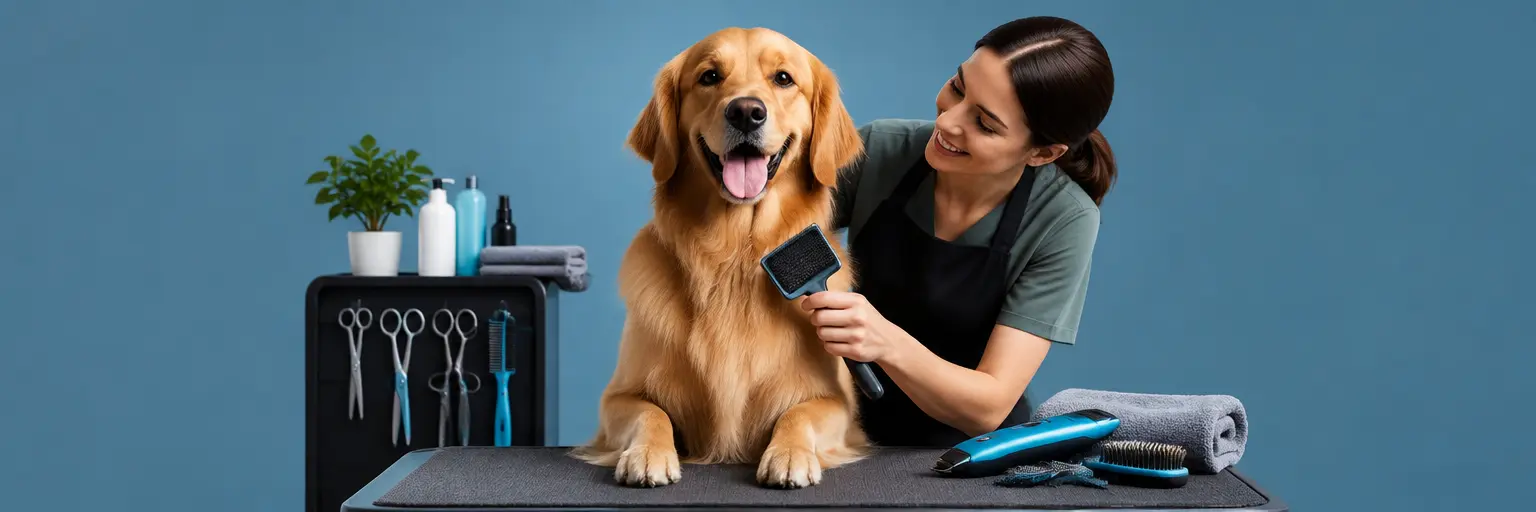
Welcome to the world of professional-level care right at home! Mastering dog grooming basics is the cornerstone of your pet’s health and happiness, and it’s easier than you think. From selecting the right slicker brush and mastering the perfect de-shedding technique to safely trimming those tricky nails and keeping ears infection-free, our expert guides break down everything into simple, stress-free steps. Regular grooming isn’t just about looking sharp—it’s vital for spotting skin issues early, preventing painful mats, and boosting your dog’s circulation and mood. Whether you have a fluffy Pomeranian or a short-coated Beagle, you’ll learn the essential tools, step-by-step bathing routines, and gentle handling tips that turn chore time into bonding time. Say goodbye to expensive salon visits and hello to a cleaner home, a shinier coat, and a calmer, happier companion. Dive into our practical, vet-approved advice to build a foolproof grooming schedule tailored to your dog’s breed, coat type, and lifestyle. Start today and unleash the confidence of a pro—your furry friend will thank you with every wag! 🐶✨
😊 Maintain your canine companion's healthy coat with these expert grooming tips from PetCareWorld. Learn the best brushing techniques, bathing schedules, and…
Read article
😊 Discover gentle, effective sensitive dog skin grooming tips at PetCareWorld! Learn how to safely bathe, brush, and care for your pup's…
Read article
😊 Short on time but want a happy, healthy pup? PetCareWorld offers quick dog grooming tips for busy owners, ensuring effortless maintenance…
Read article
😊 Transform stressful grooming sessions into positive experiences! Learn expert techniques to calm anxious dogs and make bath time a breeze. Discover…
Read articleProper grooming is more than just keeping your canine companion looking sharp—it’s a vital component of their overall health and happiness. In our Dog Grooming Basics subcategory, we break down the essential skills, tools, and routines every pet parent should master. From understanding coat types to nail trimming safety, you’ll find step-by-step guidance designed for beginners and busy owners alike. Let’s transform grooming from a chore into a bonding experience that keeps your dog clean, comfortable, and thriving.
Bathing your dog correctly prevents skin irritation, matting, and unpleasant odors. Start by choosing a shampoo formulated for your dog’s specific coat type—sensitive skin, double coats, or puppies—and always dilute it before application. Use lukewarm water and massage gently in the direction of hair growth, avoiding the eyes and ears. Rinse thoroughly, as residual soap can cause itching. After bathing, pat dry with a microfiber towel; for long-haired breeds, a low-heat blow dryer on a quiet setting helps prevent tangles. Aim to bathe every 4-6 weeks unless your vet advises otherwise.
Beyond washing, regular brushing is the cornerstone of coat health. Brushing distributes natural oils, removes loose fur and dirt, and prevents painful mats from forming. For short-haired dogs (e.g., Labradors), use a rubber curry brush weekly. For double-coated breeds (e.g., Huskies), an undercoat rake is essential during shedding season. Always brush before bathing to remove dead hair, and never brush dry mats—use a detangling spray instead. This routine not only keeps their coat glossy but also lets you spot early signs of fleas, lumps, or skin issues.
Overgrown nails cause pain, posture problems, and even joint damage. Learn to trim safely by identifying the “quick” (the pink area inside the nail). For dogs with dark nails, trim tiny slivers at a time and stop when you see a gray or black dot in the center. Always keep styptic powder or cornstarch on hand to stop bleeding if you nick the quick. Use sharp, guillotine-style clippers for small breeds and scissor-type for larger dogs. Desensitize your dog by touching their paws daily and rewarding calm behavior with treats.
Paw care extends beyond nails. Check between toes for debris, burrs, or ice balls in winter. Trim the fur between paw pads to improve traction and reduce matting. Moisturize cracked pads with a pet-safe balm (not human lotion). In hot weather, test pavement with your palm—if it’s too hot for you, it’s too hot for your dog. Regular paw inspections also help catch cuts, swelling, or foreign objects early. A 5-minute weekly paw check prevents expensive vet visits and keeps walks pain-free.
Dogs with floppy ears (e.g., Cocker Spaniels) are prone to infections, so routine ear cleaning is non-negotiable. Use a vet-approved ear-cleaning solution on a cotton ball (never a Q-tip, which pushes debris deeper). Gently wipe the visible part of the ear canal; if your dog shakes their head excessively or you notice redness, discharge, or odor, consult a vet. Clean ears weekly for floppy breeds and monthly for upright-eared dogs. This simple habit prevents painful otitis and hearing issues.
Dental care is equally critical—over 80% of dogs show signs of dental disease by age three. Brush your dog’s teeth at least 2-3 times a week using a soft-bristled brush and enzymatic dog toothpaste (never human toothpaste, which contains xylitol). Start slowly by letting them taste the paste and lifting their lips. For reluctant dogs, use dental wipes or chew toys approved by the Veterinary Oral Health Council. Regular brushing reduces plaque, bad breath, and the risk of heart disease. Book a professional dental cleaning annually for a thorough scale and polish.
Long-haired breeds like Shih Tzus and Golden Retrievers require daily brushing to prevent mats, which can pull at the skin and cause painful hot spots. Invest in a slicker brush and a wide-toothed comb. Brush in sections, starting from the skin outward, and always use a detangling spray on tangles. For stubborn mats, use a de-matting tool with smooth, rounded blades; never cut mats with scissors too close to the skin, as you risk severe injury. If a mat is too tight or close to the skin, seek a professional groomer.
Establish a brushing routine when your dog is calm—try after a walk or meal. Focus on high-friction areas like behind the ears, under the collar, and on the hindquarters. Praise and treat throughout to create a positive association. Regular brushing also stimulates blood circulation and distributes skin oils, giving your dog a shiny, healthy coat. If you encounter a mat that won’t budge, don’t pull; apply more spray and gently work with your fingers. Consistent care prevents the need for extreme shaving, preserving your dog’s natural insulation.
The right tools make grooming easier and safer. Start with a basic kit: a slicker brush (for most coats), a pin brush (for long silky hair), a metal comb, blunt-tipped scissors, and nail clippers. Invest in high-quality tools—cheap brushes can scratch skin or pull hair unevenly. For deshedding, consider an undercoat rake or a FURminator for heavy shedders. Always choose tools with rounded tips for safety, especially around faces and paws.
Product selection matters for skin health. Use hypoallergenic, fragrance-free shampoos for dogs with allergies; oatmeal-based formulas soothe itching. Conditioners help detangle and add moisture, especially for double coats. For white coats, a purple-toned shampoo neutralizes yellowing. Never use human products—they disrupt a dog’s pH balance. Look for waterless shampoos for quick touch-ups between baths and grooming wipes for muddy paws. Store tools in a dry place and clean brushes regularly to prevent bacterial buildup.
Short-haired breeds need weekly brushing and bathing every 4-6 weeks. Long-haired breeds require daily brushing to prevent mats and baths every 3-4 weeks. Nail trimming should occur every 3-4 weeks, while ear cleaning depends on ear shape—floppy ears often need weekly checks. Always adapt to your dog’s activity level and coat condition.
No. Human shampoo has a different pH level (around 5.5) than a dog’s skin (around 7.5), which strips natural oils and causes dryness, itching, and flaking. Always use a vet-approved dog shampoo formulated to match your pet’s skin pH. If you must improvise, use baby shampoo diluted, but only once in an emergency.
Start by desensitizing: touch their paws daily, then introduce the clippers without cutting, and reward with treats. Try “nail clipping while eating” by smearing peanut butter on a lick mat. Trim just one or two nails per session and always have styptic powder ready. If anxiety persists, use a nail grinder—many dogs tolerate it better.
Signs include head shaking, scratching ears, redness, swelling, a foul odor, brown or yellow discharge, or pain when touched. If you notice these, do not clean deeply—such action can worsen the infection. See a vet promptly for proper diagnosis and medication. Never insert anything into a painful ear.
Yes, especially for double-coated breeds, heavily matted coats, or dogs with behavioral grooming challenges. Professionals handle difficult nails, express anal glands, and use specialized equipment. However, basic at-home grooming between visits (brushing, paw checks, dental care) saves money and strengthens your bond. Aim for professional grooming every 6-8 weeks.







