Dog Mouth Ulcers: Causes, Symptoms, and Treatment Options
😊 Discover effective home treatment options for dog mouth ulcers, alongside causes and symptoms. PetCareWorld offers expert advice for canine oral health…
Read article
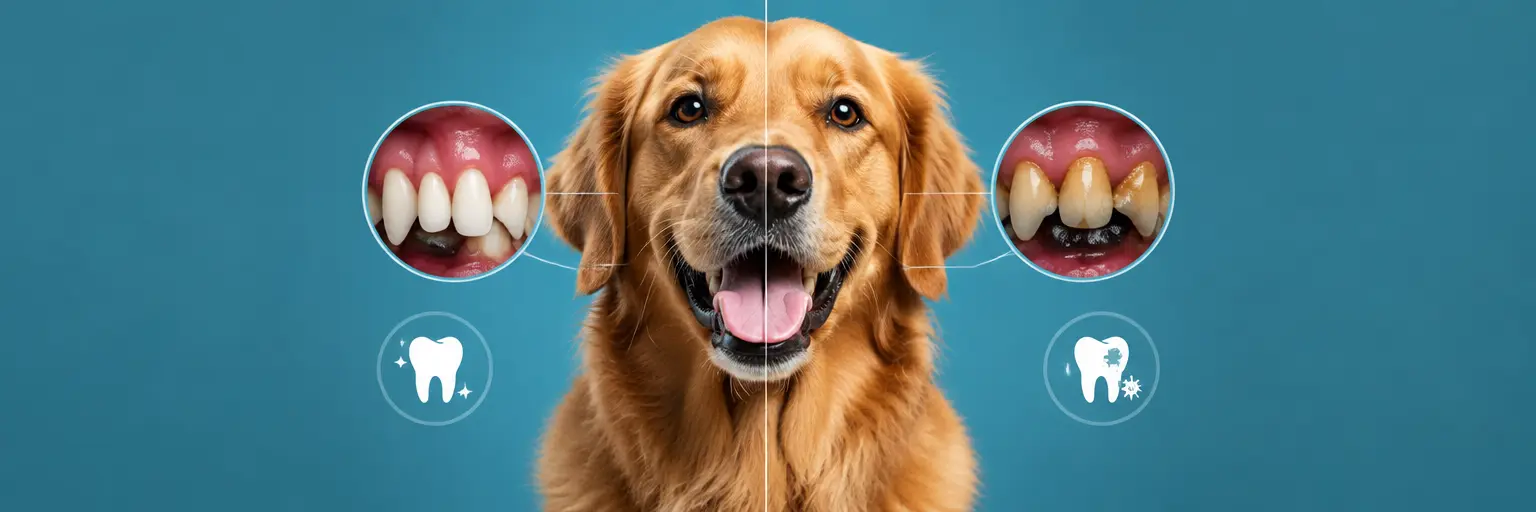
Dive into the world of canine oral wellness with this essential guide to Dog Dental Health and Disease, crafted for dedicated pet parents at PetCareWorld. 🐶🦷 From understanding the subtle signs of periodontal disease—the most common dental issue affecting over 80% of dogs by age three—to mastering daily at-home brushing techniques and choosing the right dental chews, toys, and professional cleanings, this resource empowers you to prevent painful infections, tooth loss, and even systemic health risks like heart or kidney damage. Learn to recognize red flags such as bad breath, swollen gums, or tartar buildup, and discover proactive strategies for breed-specific vulnerabilities, dietary support, and safe anesthesia options. Whether your furry friend needs a simple routine or advanced care for gingivitis, fractured teeth, or oral tumors, our expert-backed insights ensure a healthier, happier smile and a longer, more vibrant life for your loyal companion. Explore now to turn dental care from a chore into a bonding ritual that protects your dog’s overall well-being. 🐾✨

😊 Discover effective home treatment options for dog mouth ulcers, alongside causes and symptoms. PetCareWorld offers expert advice for canine oral health…
Read article
😊 Is your dog suffering from gingivitis? PetCareWorld's expert "Dog gum disease prevention guide" offers vital advice and practical solutions to protect…
Read article
🤔 Unseen threats lurk behind your dog's pearly whites. PetCareWorld reveals the hidden dangers of dog dental disease, impacting far more than…
Read articleWelcome to PetCareWorld’s dedicated hub for dog dental health and disease. Oral hygiene is a cornerstone of your canine companion’s overall well-being, yet it is often overlooked. From persistent bad breath to painful periodontal infections, poor dental care can lead to serious systemic issues, including heart, liver, and kidney problems. This resource is crafted to help you understand, prevent, and treat common dental conditions, ensuring your dog enjoys a pain-free, healthy smile for years to come.
Canine dental disease, primarily periodontal disease, affects over 80% of dogs by age three. It begins with plaque—a sticky film of bacteria—that hardens into tartar if not removed. This leads to gingivitis, an inflammation of the gums, which can progress to periodontitis, damaging the tissues and bone supporting the teeth. Early signs include red, swollen gums, bleeding, and noticeable discomfort when eating. Left untreated, this condition not only causes tooth loss but also allows bacteria to enter the bloodstream, impacting vital organs.
Other common conditions include fractured teeth, often from chewing hard objects, and oral tumors, which can be benign or malignant. Additionally, dogs can suffer from persistent deciduous teeth (baby teeth that don’t fall out), causing misalignment and trapping food. Recognizing these diseases early is critical. Regular visual checks at home, combined with professional veterinary examinations, are your first line of defense. Understanding the disease progression empowers you to take proactive steps, rather than reacting only when your dog shows severe signs like pawing at the mouth or refusing food.
Implementing a consistent home dental care routine is the most effective way to prevent disease. The gold standard is brushing your dog’s teeth daily using a soft-bristled toothbrush and canine-specific toothpaste—never human toothpaste, as it contains xylitol, which is toxic to dogs. Start slowly, letting your dog taste the paste, then gently lift the lip and brush in circular motions along the gum line. Focus on the outer surfaces of the teeth, where plaque accumulates most. Many dogs adapt quickly with positive reinforcement, such as treats and praise.
For dogs that resist brushing, alternatives include dental wipes, water additives, and oral gels containing enzymes that break down plaque. Dental chews and toys, approved by the Veterinary Oral Health Council (VOHC), provide mechanical abrasion while satisfying your dog’s natural urge to chew. However, these are adjuncts, not replacements, for brushing. Consistency is key—sporadic cleaning offers minimal benefit. Pair your routine with a diet of high-quality dry kibble, which helps scrape teeth naturally, and avoid sticky, sugary treats that accelerate tartar buildup.
What your dog eats directly impacts dental health. Dry kibble is generally better than wet food because its crunchy texture reduces plaque accumulation, but not all kibble is equal. Look for products with the VOHC seal of approval, which confirms efficacy against plaque and tartar. Prescription dental diets, such as Hill’s t/d or Royal Canin Dental, feature specially designed fiber kibble that scrubs teeth as the dog bites. These diets are clinically proven to reduce calculus by up to 57%—a significant benefit for prone breeds.
Conversely, feeding a diet high in carbohydrates and sugars fuels bacterial growth, accelerating disease. Raw diets, while popular, carry risks of bacterial contamination and bone fractures. If you choose raw bones for chewing, ensure they are size-appropriate and always supervise to prevent choking. Adding raw carrots, apple slices, or celery as treats offers a crunchy, low-calorie alternative that stimulates saliva production, which naturally rinses away food particles. Maintaining a balanced, species-appropriate diet is a foundational pillar of prevention.
Despite excellent home care, most dogs require professional dental cleanings under anesthesia. This procedure, similar to a human dental hygienist visit, involves scaling above and below the gum line to remove plaque and tartar, followed by polishing to smooth tooth surfaces. Anesthesia is essential for a thorough, safe cleaning and to permit dental X-rays, which detect hidden issues like bone loss, abscesses, or resorptive lesions. Without anesthesia, cleaning only the visible crowns provides false reassurance and leaves harmful bacteria beneath the gums.
The frequency of professional cleanings varies by breed, age, and genetics, but annually is common. During the procedure, your veterinarian may also perform extractions for severely infected or fractured teeth, apply fluoride sealants, or treat gum pockets with antibiotics. Post-procedural care includes soft food for a few days and possibly pain medication. While anesthesia carries slight risks, modern monitoring and protocols make it extremely safe, even for senior dogs. Regular professional care is non-negotiable for preventing painful, advanced disease and preserving your dog’s quality of life.
Early detection of dental issues can save your dog from significant pain and costly treatments. Acceptable signs requiring immediate veterinary attention include persistent halitosis, excessive drooling, blood-tinged saliva, difficulty picking up food, dropping food from the mouth, facial swelling, and visible tartar on the teeth. Changes in behavior, such as irritability, lethargy, or reluctance to be touched around the head, also signal oral discomfort. In severe cases, you may notice a discharge from the nose or a visible hole in the cheek if a tooth root abscess has drained.
Do not wait for obvious symptoms like your dog refusing to eat, as this often indicates advanced, painful disease. During annual wellness exams, ensure your vet performs a thorough oral assessment. For breeds like Greyhounds, Chihuahuas, and Yorkshire Terriers, which are genetically predisposed to dental issues, start professional evaluations even earlier. Prompt intervention not only relieves pain but also prevents secondary complications like jaw fractures from weakened bone or systemic infections that affect the heart valves. Your proactive vigilance is their best safeguard.
Daily brushing is ideal, as it prevents plaque from mineralizing into tartar within 24-48 hours. If daily brushing is impossible, aim for at least three to four times weekly. Consistency outweighs perfection; even a quick session helps significantly. Always use canine-specific products and never human toothpaste.
Not all dogs are suited for the same chews. Hard bones, antlers, and hooves can fracture teeth, especially in aggressive chewers. Always choose chews sized appropriately for your dog and look for the VOHC seal. Supervise chewing sessions, and opt for digestible options like rawhide alternatives (e.g., vegetables) for aggressive chewers.
No, diet alone cannot cure established dental disease. Switching to dental kibble or adding supplements reduces future plaque but cannot remove existing tartar or treat infections. You must combine dietary changes with mechanical cleaning (brushing) and professional veterinary dental cleanings for effective resolution.
Costs vary widely, typically ranging from $300 to $1,500 depending on location, your dog's size, and the complexity—extractions or X-rays raise costs. While anesthesia adds expense, it is non-negotiable for safety. Consider pet insurance that covers dental procedures, or discount wellness plans offered by many clinics.
Yes, anesthesia is essential for a complete, humane cleaning. It allows your vet to remove plaque below the gum line, take diagnostic X-rays, and safely handle any painful areas without causing stress or trauma. Anesthesia-free "scaling" only removes visible tartar, leaving harmful bacteria beneath the gums to cause silent, progressive damage. Modern protocols minimize risk effectively.







